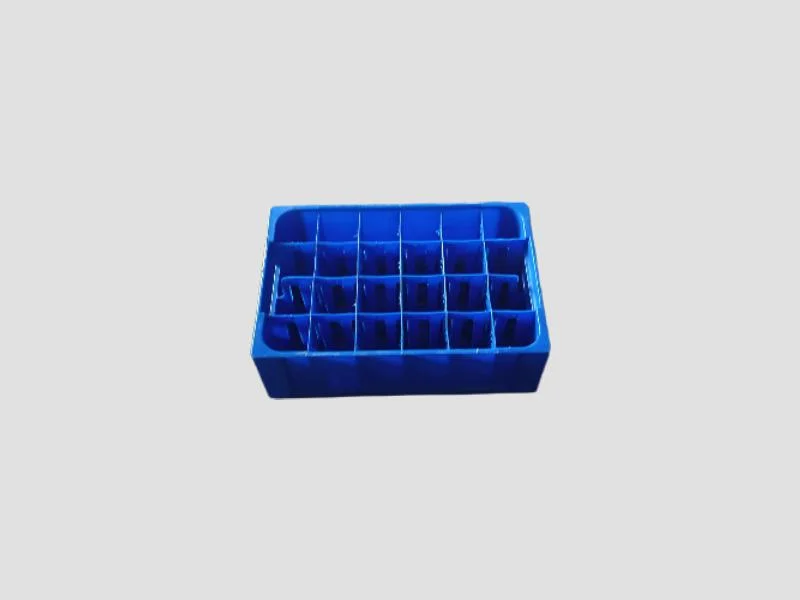
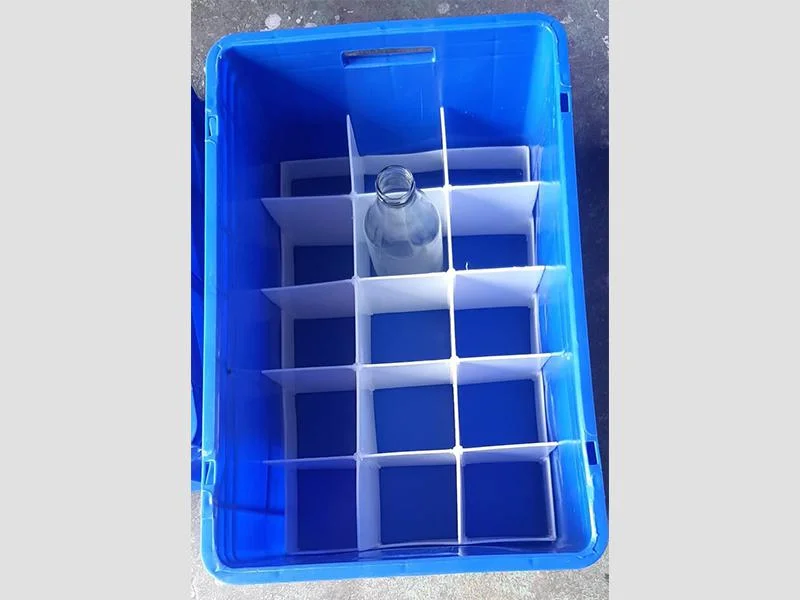
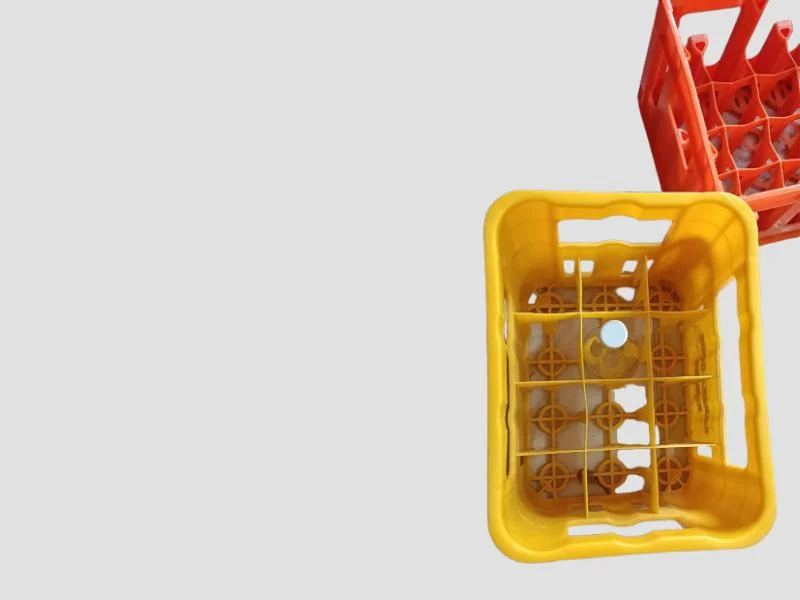
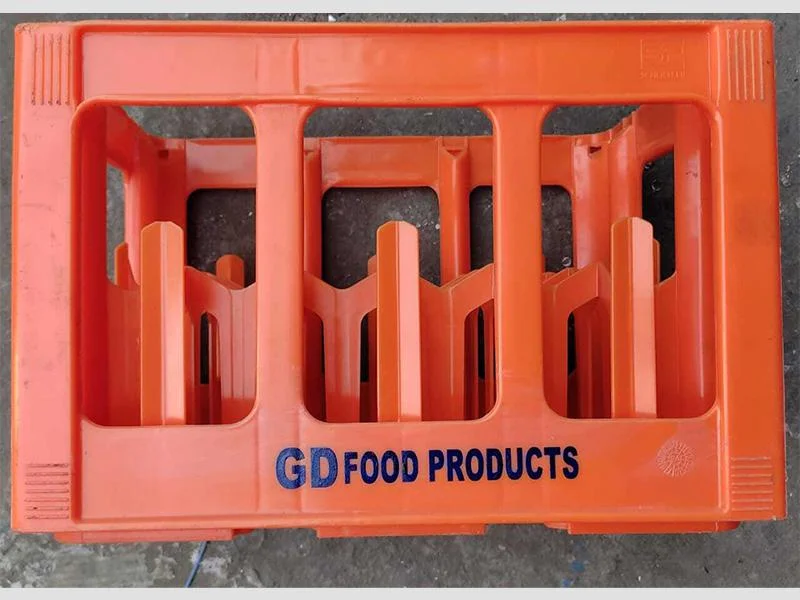
What are Plastic Crates?
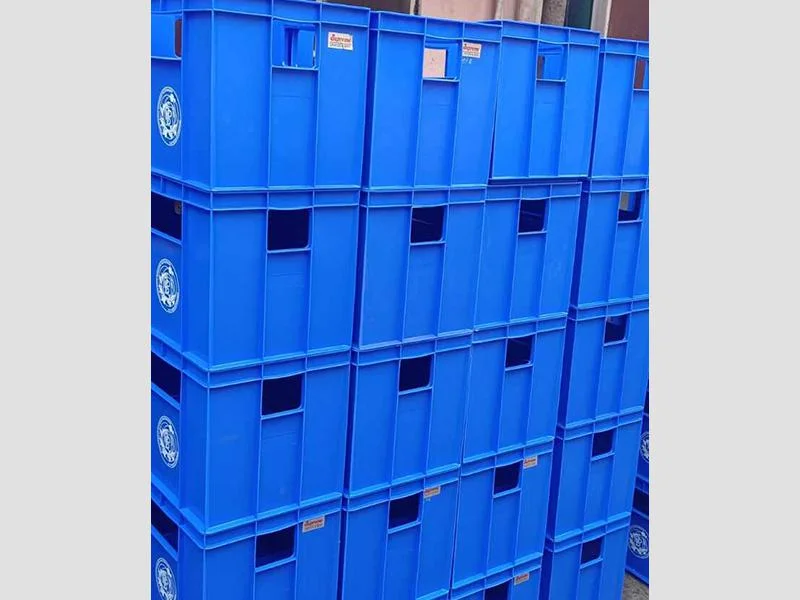
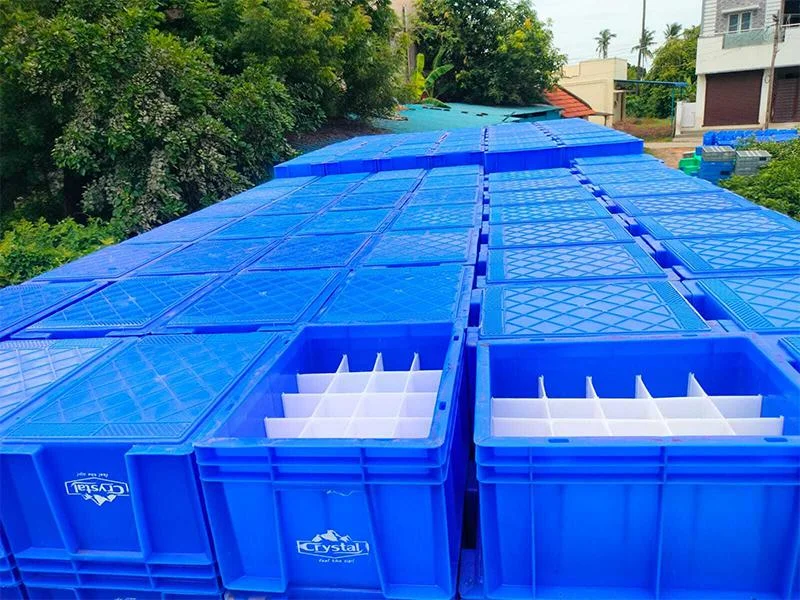
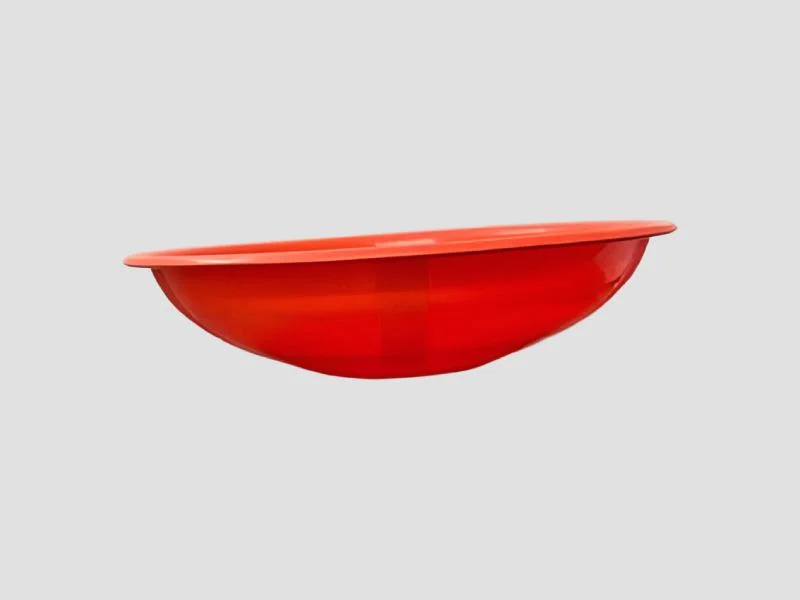
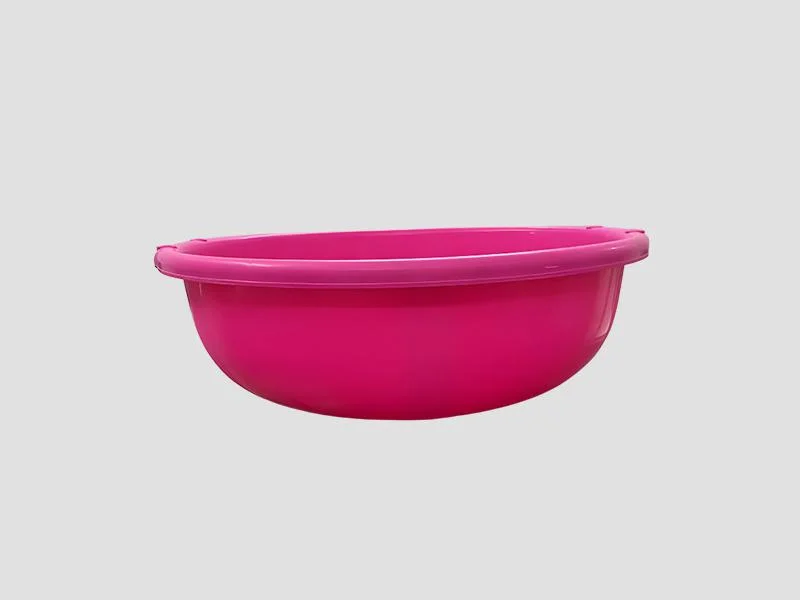
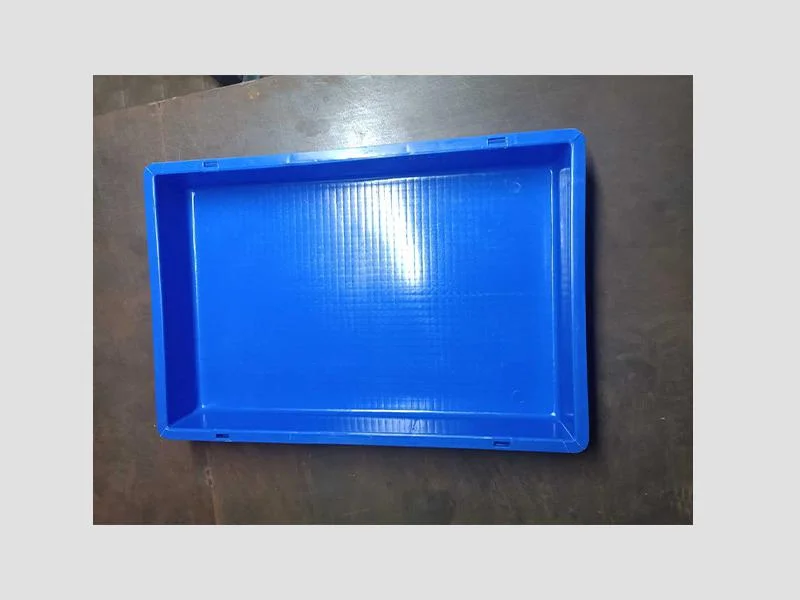
Plastic crates are sturdy containers made from high-density polyethylene or polypropylene, designed for the storage and transportation of goods. They are lightweight yet durable, making them ideal for various industrial applications. These crates are manufactured in different sizes and shapes to accommodate a wide range of products, ensuring that they meet the diverse needs of businesses.
Plastic crates are primarily used in industries such as agriculture, food and beverage, retail, and logistics. They provide an efficient solution for handling products, whether for short-term storage or transportation over long distances. Businesses utilize these crates to enhance organization, reduce damage during transit, and improve inventory management. The versatility of plastic crates has made them a staple in supply chain operations across various sectors.
With the growing emphasis on sustainability and the reduction of single-use plastics, the market for plastic crates is evolving. Many manufacturers are now producing recyclable options that align with environmental standards, responding to increasing demand from consumers and businesses for eco-friendly solutions. This trend highlights the industry’s commitment to sustainability while maintaining operational efficiency.
Key Features and Specifications
Plastic crates come with numerous features that enhance their functionality and usability. They are designed to accommodate various operational needs, ensuring that businesses can rely on them for diverse applications. The following specifications outline key features of plastic crates.
Key specifications include:
1. Material Composition
- Made from high-density polyethylene (HDPE) or polypropylene (PP)
- Offers resistance to impact, chemicals, and UV exposure
2. Load Capacity
- Typically ranges from 20 kg to 100 kg
- Designed to support heavy weights without deformation
3. Dimensions
- Available in multiple sizes, commonly ranging from 300 mm to 1200 mm in length
- Custom sizes may be available to meet specific needs
4. Stackability
- Crates are designed to stack securely, optimizing storage space
- Allows for efficient use of vertical space in warehouses
5. Ventilation
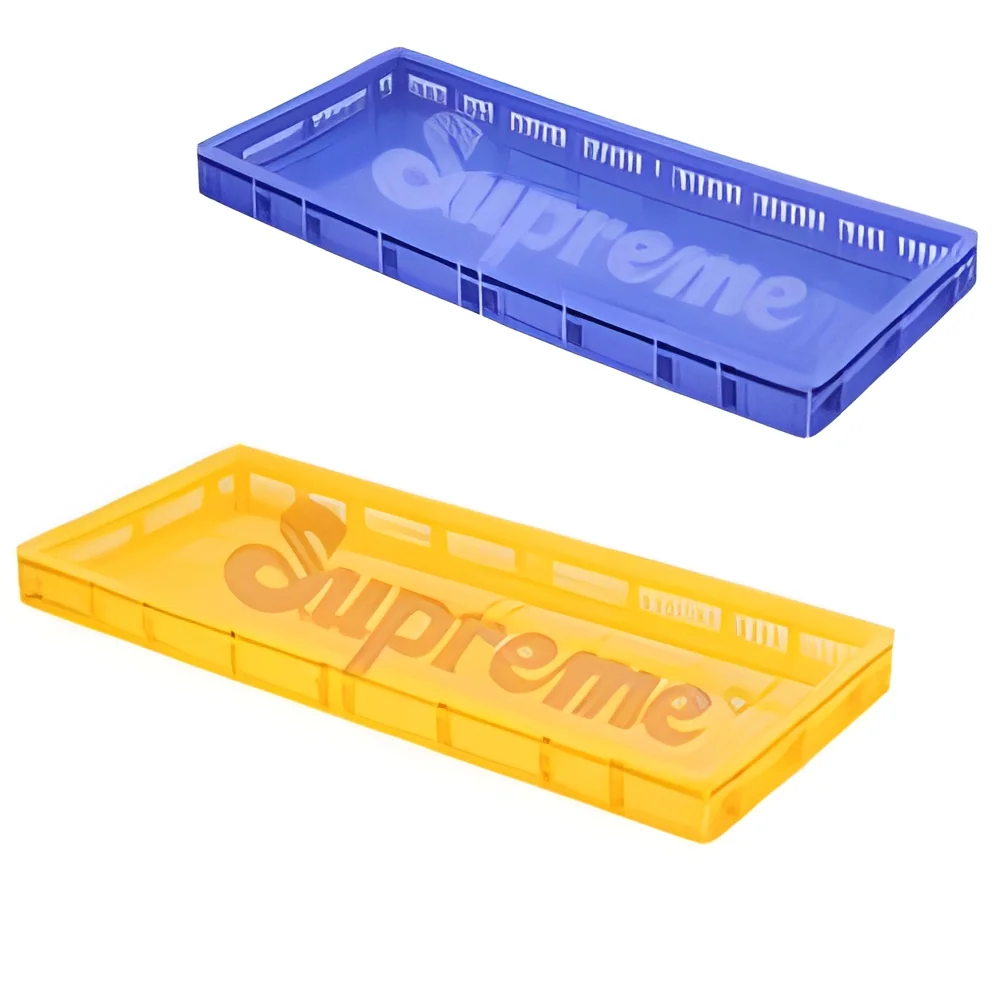
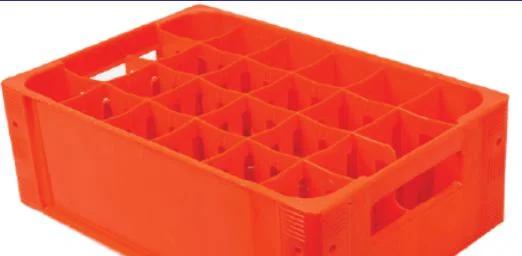
- Many models feature ventilation holes to promote air circulation
- Helps maintain product freshness, especially in the food industry
6. Color Options
- Available in various colors for easy identification and sorting
- Custom color options may be offered by some manufacturers
7. Recyclability
- Many plastic crates are made from recyclable materials
- Supports eco-friendly practices in industries
8. Customization Options
- Some crates can be customized with logos or branding
- Enhances brand visibility during distribution
In summary, plastic crates combine durability, efficiency, and versatility, making them indispensable in numerous industrial applications.
Common Applications and Use Cases
Plastic crates are widely utilized across different sectors, offering practical solutions for storage and transportation needs.
1. Agriculture: Plastic crates are often used for harvesting fruits and vegetables. Their design allows for air circulation, which helps in keeping produce fresh during transportation.
2. Food and Beverage: In the food industry, plastic crates are essential for storing and transporting packaged goods. They meet hygiene standards and are easy to clean, making them suitable for food handling.
3. Retail: Retail businesses use plastic crates for organizing products in stores and during inventory management. Their stackable design saves space and facilitates easy access to items.
4. Logistics: In the logistics sector, plastic crates are employed for the efficient transportation of goods. They minimize product damage and enhance the overall supply chain process.
5. Pharmaceuticals: Plastic crates are used to transport medical supplies and pharmaceuticals, ensuring that products remain uncontaminated during transit.
6. Electronics: In the electronics industry, plastic crates protect fragile items from damage during storage and transportation, providing a secure solution for sensitive products.
7. E-commerce: With the rise of online shopping, plastic crates are increasingly used for packaging and transporting goods directly to consumers, ensuring safe delivery.
Product Variants and Subcategories
Plastic crates come in various designs and configurations to suit different business needs. Their diversity allows businesses to choose the right type for specific applications.
Standard Plastic Crates: These are the most common types, available in various sizes and colors. They are suitable for general storage and transportation needs across many industries.
Foldable Plastic Crates: Designed for easy storage when not in use, these crates can be collapsed to save space. They are ideal for businesses that require flexible storage solutions.
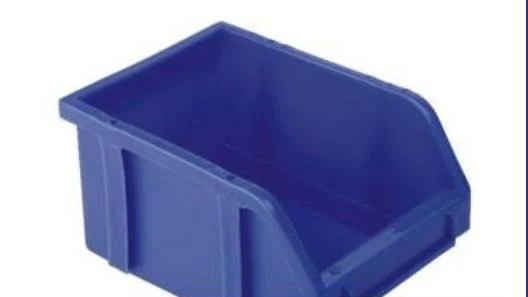
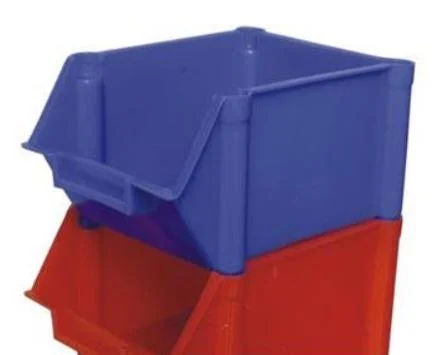
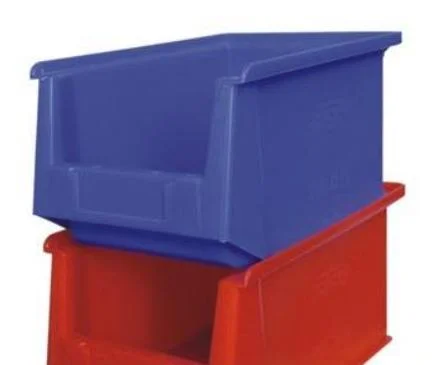
Stackable Plastic Crates: These crates are specifically designed to stack securely, making them perfect for maximizing space in warehouses and during transportation.
Benefits and Advantages
Plastic crates offer numerous benefits that make them a preferred choice for many businesses.
1. Durability: Plastic crates are resistant to wear and tear, ensuring long-lasting performance even under heavy use.
2. Lightweight: Their lightweight design makes them easy to handle, reducing labor costs and improving efficiency during transportation.
3. Cost-Effective: With their durability and reusability, plastic crates can significantly reduce costs associated with packaging and product damage.
4. Hygiene: Plastic crates are easy to clean and sanitize, making them suitable for industries that require stringent hygiene standards.
5. Versatility: Available in various sizes and configurations, plastic crates can be used in a wide range of applications, catering to diverse business needs.
6. Eco-Friendly Options: Many plastic crates are made from recyclable materials, aligning with the growing demand for sustainable practices in industries.
Buying Guide for B2B Buyers
When sourcing plastic crates, it is essential to consider several factors to ensure the best choice for your business needs.
1. Quality Assessment: Evaluate the quality of the plastic crates by checking the material used and compliance with industry standards. Consider crates that have undergone rigorous testing for durability and safety.
2. Supplier Verification: Ensure that suppliers have a solid reputation and are verified. Look for reviews and testimonials from other businesses to gauge reliability and product quality.
3. Pricing and MOQ: Understand the pricing structure and minimum order quantities (MOQ) required by suppliers. Compare prices to find the best deal while considering quality and features.
4. Delivery and Lead Times: Discuss logistics with suppliers, including delivery timelines and shipping options. Reliable suppliers should provide clear information on lead times.
5. Compliance Requirements: Be aware of any regulatory compliance requirements relevant to your industry. Ensure that the crates meet necessary safety and quality standards.
Compliance and Certifications
Plastic crates are subject to various quality standards and certifications that ensure their safety and reliability in industrial applications. ISO 9001 is a widely recognized standard that outlines the requirements for a quality management system. Compliance with this standard indicates that the manufacturer maintains high-quality control processes.
Additionally, HACCP (Hazard Analysis and Critical Control Points) is essential in industries such as food and beverage. It ensures that products are handled safely throughout the supply chain. The CE mark signifies compliance with European health, safety, and environmental protection standards, reassuring buyers of the product's quality.
Testing requirements may vary based on industry standards. It is important to consider regional compliance as well, as different regions may have specific regulations regarding the use of plastic products.
Why Source Plastic Crates from Pepagora?
Pepagora provides a trusted platform for sourcing plastic crates, offering several key advantages to B2B buyers.
Verified Supplier Network: Pepagora has established a network of verified suppliers who adhere to strict quality standards. This ensures that buyers can source reliable products without concerns about quality.
Streamlined RFQ Process: The platform features a streamlined Request for Quotation (RFQ) process. Buyers can easily request quotes from multiple suppliers, facilitating price comparisons and informed purchasing decisions.
Trade Assurance and Support: Pepagora offers trade assurance, protecting buyers throughout the purchasing process. This support includes assistance with logistics and supplier communication, ensuring a smooth experience.
Regional Coverage: With a strong presence in regions like India, the GCC, and Southeast Asia, Pepagora connects buyers to suppliers across these markets. This geographic reach allows businesses to find suitable products tailored to their specific needs.

 IN
IN