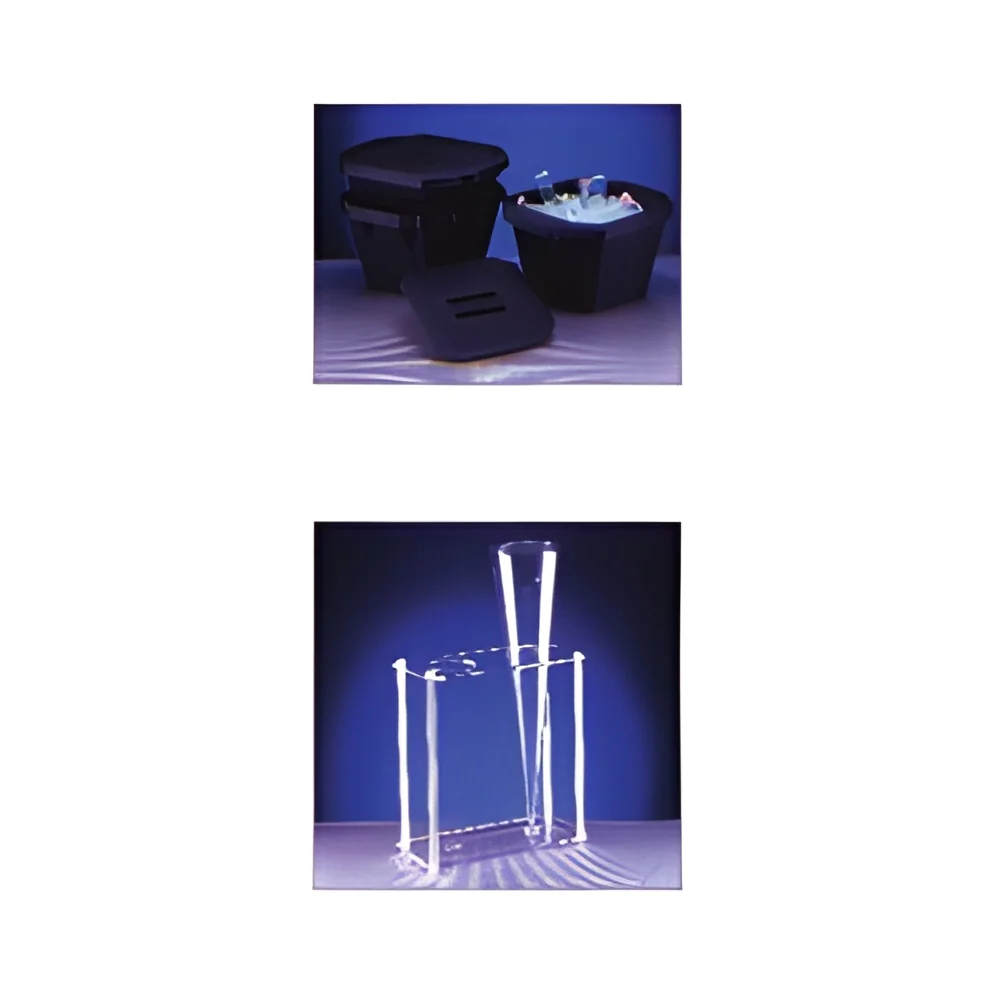
What are Cold Storage Containers?
Cold storage containers are specialized refrigerated units designed to maintain low temperatures for perishable goods. These containers are essential for transporting and storing items that require temperature control, ensuring that products remain fresh and safe for consumption. By utilizing advanced cooling technology, cold storage containers can effectively regulate temperature and humidity, creating an optimal environment for various types of products.
These containers find primary applications in industries such as food and beverage, pharmaceuticals, and biotechnology. Businesses use cold storage containers to transport goods like fresh produce, dairy products, frozen foods, and temperature-sensitive medicines. The ability to maintain precise temperature ranges during shipping and storage is crucial for compliance with safety standards and regulations across these industries. As global trade continues to expand, the demand for cold storage solutions is expected to grow, highlighting their importance in the supply chain.
Key Features and Specifications
Cold storage containers come with various features designed to ensure efficiency and reliability. Understanding these specifications helps businesses select the right container for their needs.
Key specifications include:
1. Temperature Range
- Capable of maintaining temperatures typically between -20°C to 2°C.
- Some models may offer a wider range depending on the application.
2. Capacity
- Available in various sizes, commonly ranging from 10 to 40 feet.
- Custom sizes may also be available upon request.
3. Energy Efficiency
- Designed with insulation materials that reduce energy consumption.
- Equipped with energy-efficient cooling systems to minimize operational costs.
4. Humidity Control
- Features to regulate humidity levels, ensuring product integrity.
- Important for items sensitive to moisture levels.
5. Monitoring Systems
- Some units include advanced monitoring technology for real-time temperature and humidity tracking.
- Alerts and notifications can be set up for deviations from preset conditions.
6. Durability
- Constructed from robust materials to withstand harsh transport conditions.
- Resistance to corrosion and wear for long-term use.
7. Compliance Certifications
- Many containers are compliant with industry standards such as CE certification.
- Ensures adherence to safety and quality regulations.
8. Mobility Options
- Can be transported via truck, ship, or rail, providing flexibility in logistics.
- Some models are designed for easy loading and unloading.
These features collectively enhance the functionality and reliability of cold storage containers, making them an essential investment for businesses that prioritize quality and safety.
Common Applications and Use Cases
Cold storage containers serve various industries that require temperature-sensitive storage solutions.
1. Food and Beverage: These containers are extensively used to transport fresh produce, dairy products, meats, and seafood, preserving their freshness and preventing spoilage during transit.
2. Pharmaceuticals: Cold storage containers play a vital role in the pharmaceutical industry for transporting vaccines, medicines, and biologics that must remain at specific temperatures to ensure efficacy.
3. Biotechnology: In the biotech sector, cold storage is crucial for maintaining the integrity of biological samples and research materials, which often require strict temperature control.
4. Agriculture: Farmers use cold storage to extend the shelf life of fruits and vegetables, allowing them to reach markets in optimal condition.
5. Floral Industry: Cold storage containers help transport flowers and plants, maintaining their freshness and vibrancy until they reach retailers.
6. Chemical Industry: Certain chemicals require specific temperature conditions to remain stable, making cold storage containers essential for safe transportation.
7. Events and Catering: These containers are used to keep perishable food items at the right temperature during events, ensuring food safety and quality.
Product Variants and Subcategories
Cold storage containers come in a range of variants to meet diverse needs.
Standard Cold Storage Container
This variant is commonly used for general purposes, featuring basic cooling capabilities suitable for food, pharmaceuticals, and more. It is available in various sizes and temperature ranges.
Reefer Container
A reefer container offers advanced temperature control and monitoring features. It is ideal for transporting perishable goods over long distances and is commonly used in international shipping.
Insulated Container
These containers are designed with high-quality insulation to keep temperatures stable without relying solely on mechanical cooling systems. They are often used for short-term storage and transport.
Multi-Temperature Container
This variant allows for the transportation of different products that require varying temperature settings within the same unit. It is perfect for mixed loads in the food and pharmaceutical sectors.
Benefits and Advantages
Cold storage containers provide numerous advantages for businesses looking to maintain product quality.
1. Enhanced Product Safety: By maintaining appropriate temperatures, these containers reduce the risk of spoilage and contamination, ensuring product safety.
2. Extended Shelf Life: Proper cold storage significantly prolongs the shelf life of perishable items, reducing waste and improving profitability.
3. Regulatory Compliance: Cold storage containers help businesses comply with industry regulations and standards, safeguarding their reputation and avoiding penalties.
4. Flexibility in Transport: Mobile cold storage solutions allow for versatile logistics, making it easier to transport goods over long distances or to various locations.
5. Cost-Effective: Energy-efficient designs help lower operational costs, making cold storage containers a financially sound investment for businesses.
6. Improved Inventory Management: Advanced monitoring systems provide real-time data, allowing companies to manage their inventory more effectively and prevent losses.
Buying Guide for B2B Buyers
When sourcing cold storage containers, several factors should be considered to ensure the best choice for your business needs.
1. Quality Assessment: Evaluate the materials used and the construction quality of the containers. Look for robust insulation and reliable cooling systems to ensure longevity and efficiency.
2. Supplier Verification: Research potential suppliers to ensure they have a good reputation within the industry. Check reviews and ask for references to confirm their reliability.
3. Pricing and MOQ: Understand the pricing structure and minimum order quantity (MOQ) requirements. Get quotes from multiple suppliers to compare costs and ensure you are getting the best deal.
4. Delivery and Lead Times: Inquire about lead times and delivery options. Ensure that the supplier can meet your schedule to avoid disruptions in your supply chain.
5. Compliance Requirements: Confirm that the containers meet relevant industry standards and certifications. This is essential for maintaining product integrity and legal compliance.
Compliance and Certifications
Cold storage containers are subject to various quality standards and certifications, ensuring they meet industry requirements. ISO 9001 is a common standard that emphasizes quality management systems, ensuring consistent quality in products and services.
HACCP (Hazard Analysis Critical Control Point) is crucial in food safety, outlining procedures to identify and prevent hazards in food production and storage. Compliance with GDP (Good Distribution Practice) is vital for pharmaceuticals, ensuring that medicines and related products are stored and transported properly.
Additionally, many cold storage containers carry CE certification, signifying compliance with European safety standards. Manufacturers must adhere to stringent safety and testing requirements to ensure their products are safe for use. Regional compliance considerations may vary, so it is essential to verify local regulations when purchasing.
Why Source Cold Storage Containers from Pepagora?
Pepagora provides an excellent platform for sourcing cold storage containers, offering numerous advantages to B2B buyers.
Verified Supplier Network: Pepagora connects you with a network of verified suppliers, ensuring that you have access to quality products from reputable manufacturers. This helps in making informed purchasing decisions.
Streamlined RFQ Process: The platform simplifies the request for quotation (RFQ) process, allowing you to quickly obtain and compare quotes from multiple suppliers. This efficiency saves time and helps you find the best value for your investment.
Trade Assurance and Support: Buyers on Pepagora benefit from trade assurance and support services, providing protection during transactions. This builds confidence in your purchasing decisions and enhances your overall experience.
Regional Coverage: Pepagora operates across various regions, including India, the GCC, and Southeast Asia. This broad geographic reach means you can find suitable suppliers that cater to your specific market needs, ensuring timely delivery and service.

 IN
IN