Key Features and Specifications
Returnable Transport Packaging (RTP) offers several key features that enhance its utility in various industrial applications. The specifications of RTP solutions can vary based on the design and intended use. Understanding these features helps businesses select the right RTP systems for their needs.
Key specifications include:
1. Material Type
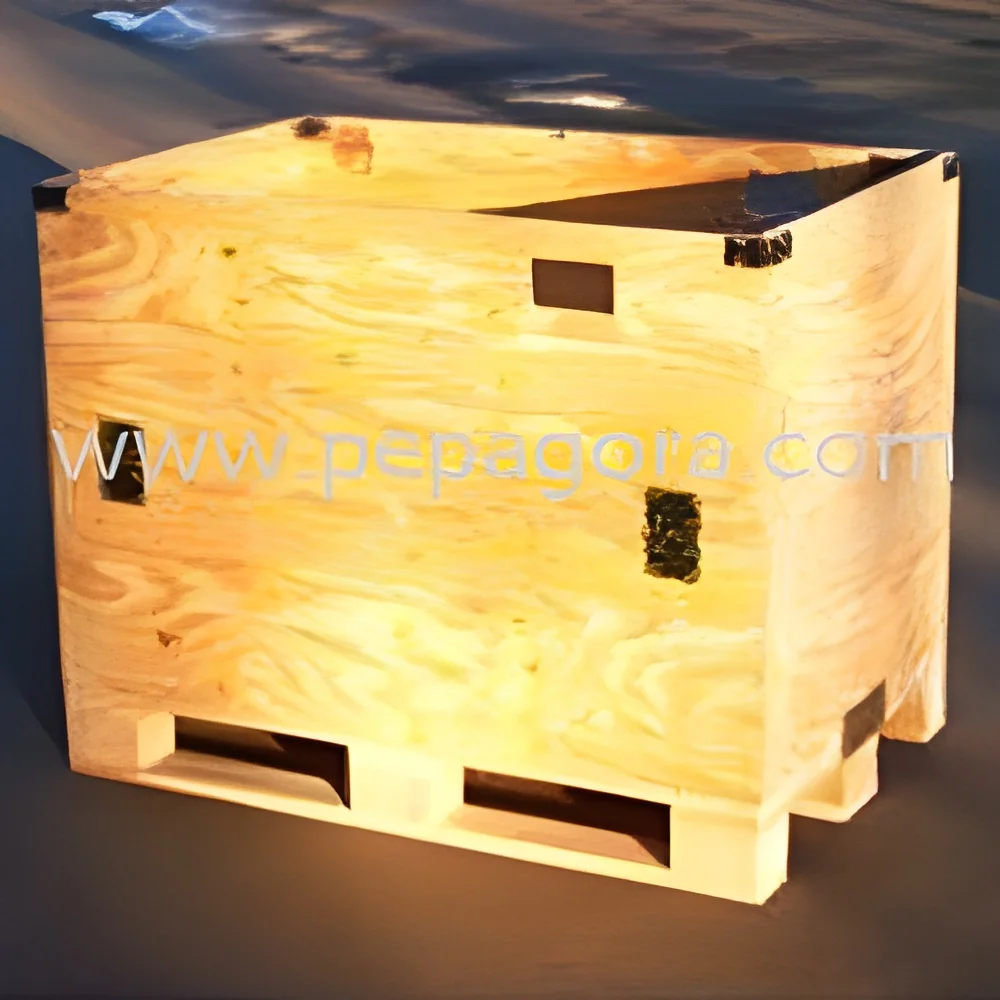
- RTP can be constructed from high-density polyethylene (HDPE), polypropylene (PP), or metal.
- Each material offers different benefits in terms of durability and weight.
2. Load Capacity
- RTP systems are designed to withstand specific weight limits.
- Typical load capacities range from 50 kg to 1,000 kg depending on the design.
3. Stackability
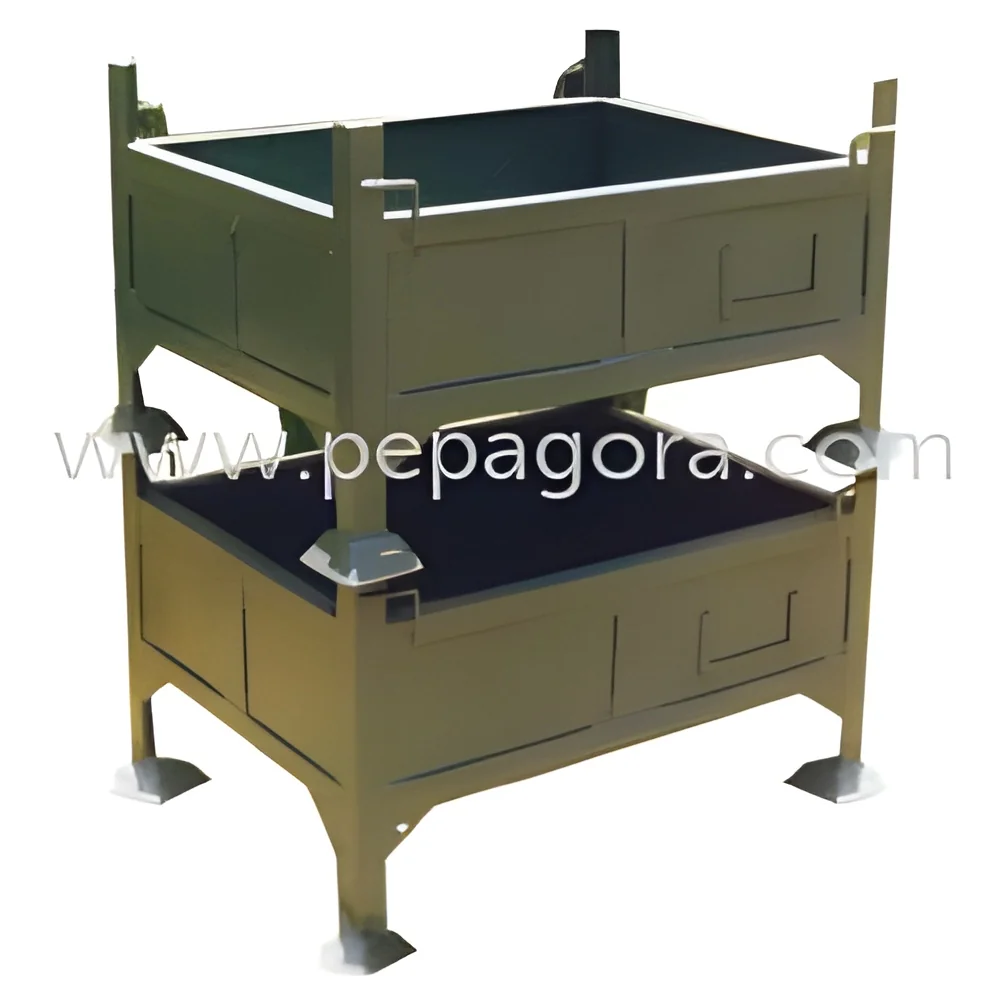
- Many RTP solutions feature stackable designs to optimize storage and transport efficiency.
- Stackability can reduce space requirements by up to 50%.
4. Temperature Resistance
- RTP products are often built to withstand a range of temperatures.
- Typical temperature ranges are not specified.
5. Customization Options
- RTP can be customized for branding or specific dimensions.
- Custom options may include color coding or additional compartments.
6. Reusability
- RTP is designed for multiple uses, reducing waste and cost.
- The lifespan of RTP can vary based on the material and usage conditions.
7. Compliance Standards
- RTP solutions may need to meet industry-specific regulations.
- Compliance with standards like CE certification is essential.
8. Environmental Impact
- RTP contributes to sustainability efforts by reducing disposable packaging.
- It supports circular economy initiatives by enabling reuse.
In summary, Returnable Transport Packaging (RTP) offers a range of features that cater to diverse business needs, making it a valuable asset in logistics and supply chain management.
Common Applications and Use Cases
Returnable Transport Packaging (RTP) serves a diverse array of industries, each with specific applications tailored to their operational requirements.
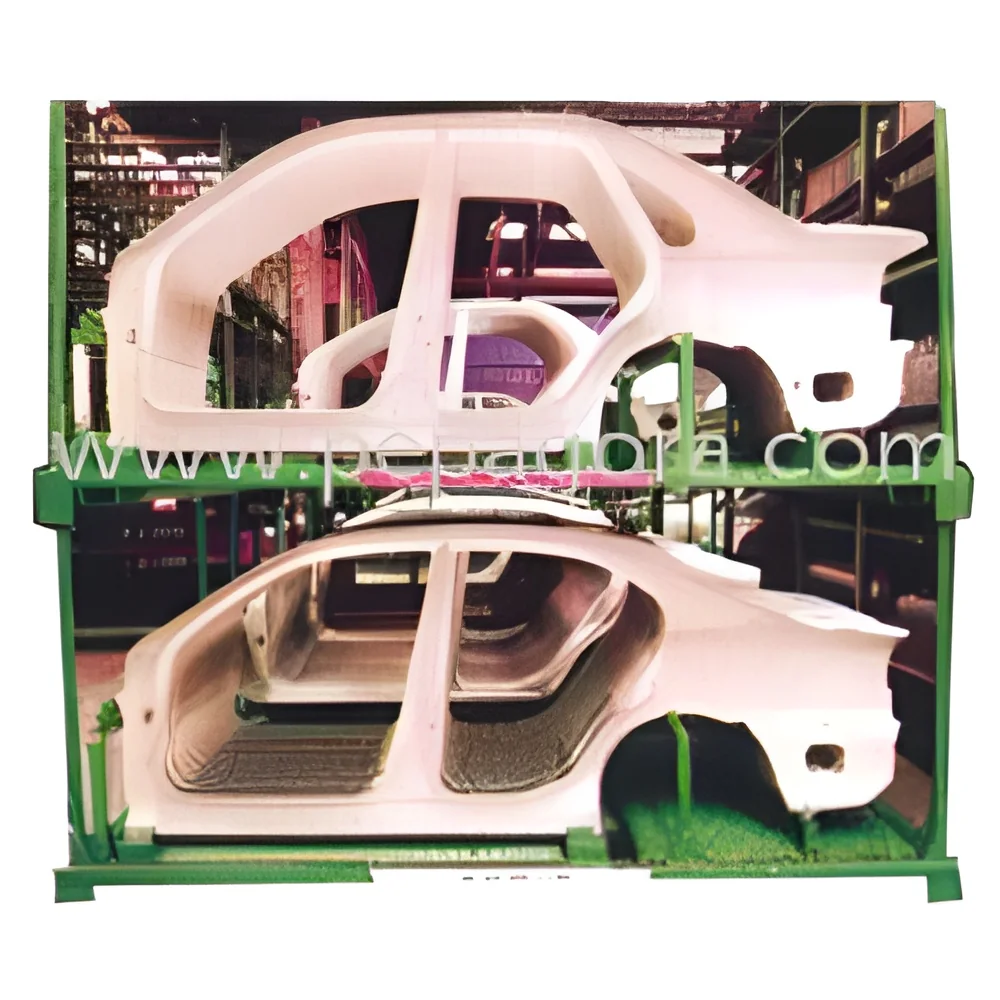
1. Automotive: RTP is used for transporting automotive parts and assemblies. It helps streamline assembly line processes and reduces the risk of damage during transit.
2. Consumer Goods: In the consumer goods sector, RTP is utilized for the distribution of packaged food and beverages, ensuring product integrity while minimizing waste.
3. Electronics: RTP solutions are essential for shipping sensitive electronic components. They provide protection against static and physical damage during transport.
4. Pharmaceuticals: RTP is crucial in the pharmaceutical industry for transporting medicines and medical devices. It ensures compliance with strict safety and handling regulations.
5. Retail: Retailers use RTP for managing inventory and replenishing stock efficiently, allowing for easier handling and storage in warehouses.
6. Industrial Manufacturing: RTP aids in the movement of raw materials and finished goods within manufacturing plants, enhancing workflow and reducing costs.
7. Agriculture: RTP is utilized in the agricultural sector for transporting produce. It helps maintain product freshness and quality during distribution.
Product Variants and Subcategories
Returnable Transport Packaging (RTP) comes in various forms to meet different industry needs. The diversity of RTP solutions allows businesses to select the most suitable option for their specific applications.
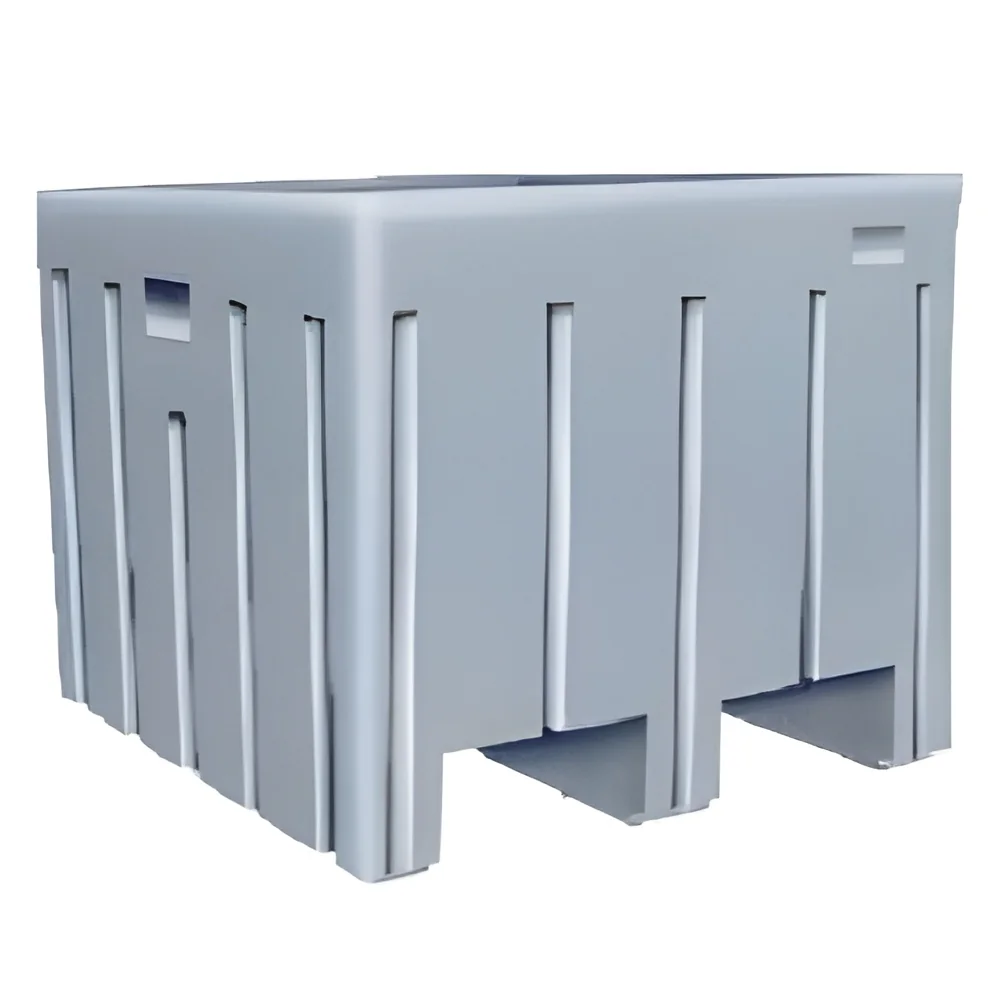
Plastic Crates: These are lightweight, durable, and stackable, making them ideal for transporting a variety of goods. They are often used in food and beverage industries.
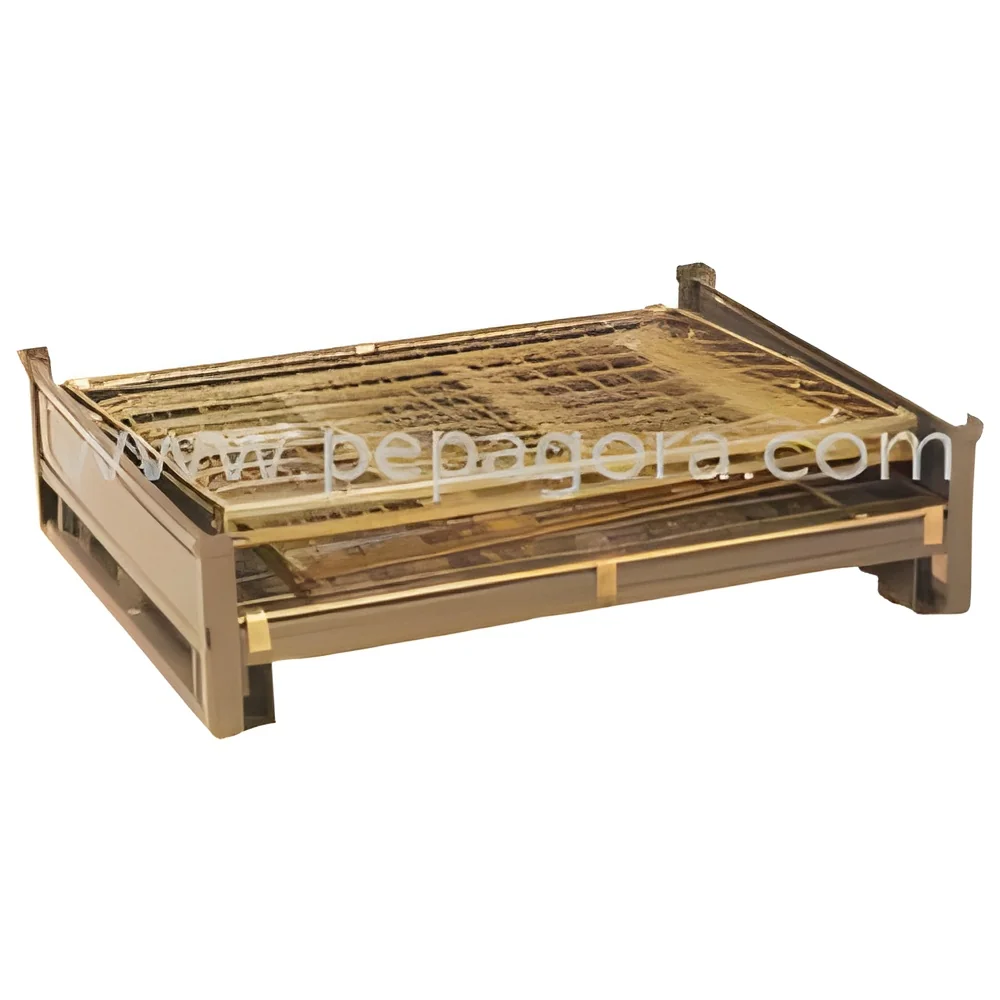
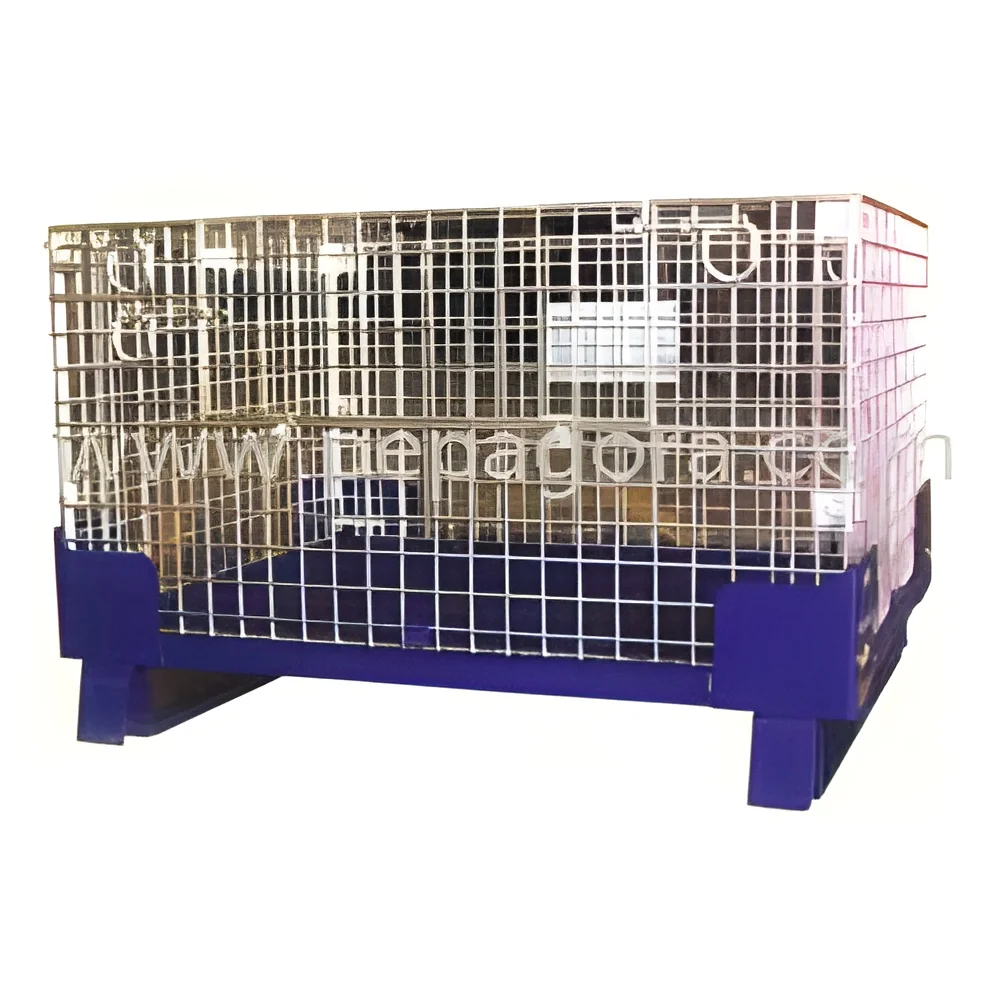
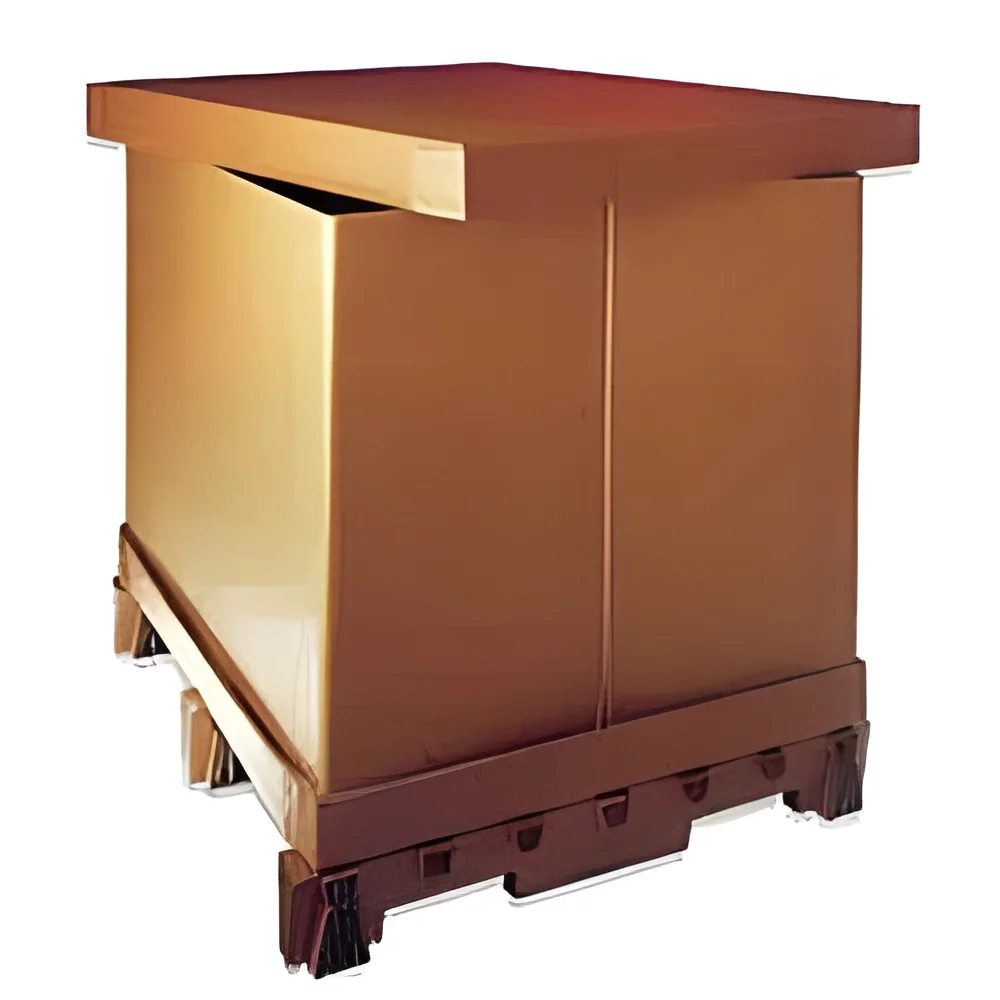
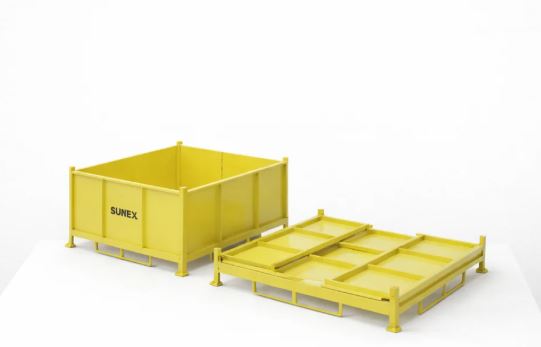
Collapsible Containers: Designed for efficient space-saving, these containers can be collapsed when empty. They are particularly useful for return logistics.
Dunnage Trays: These trays are used within RTP systems to secure products in place during transport. They are essential for protecting delicate items, especially in electronics.
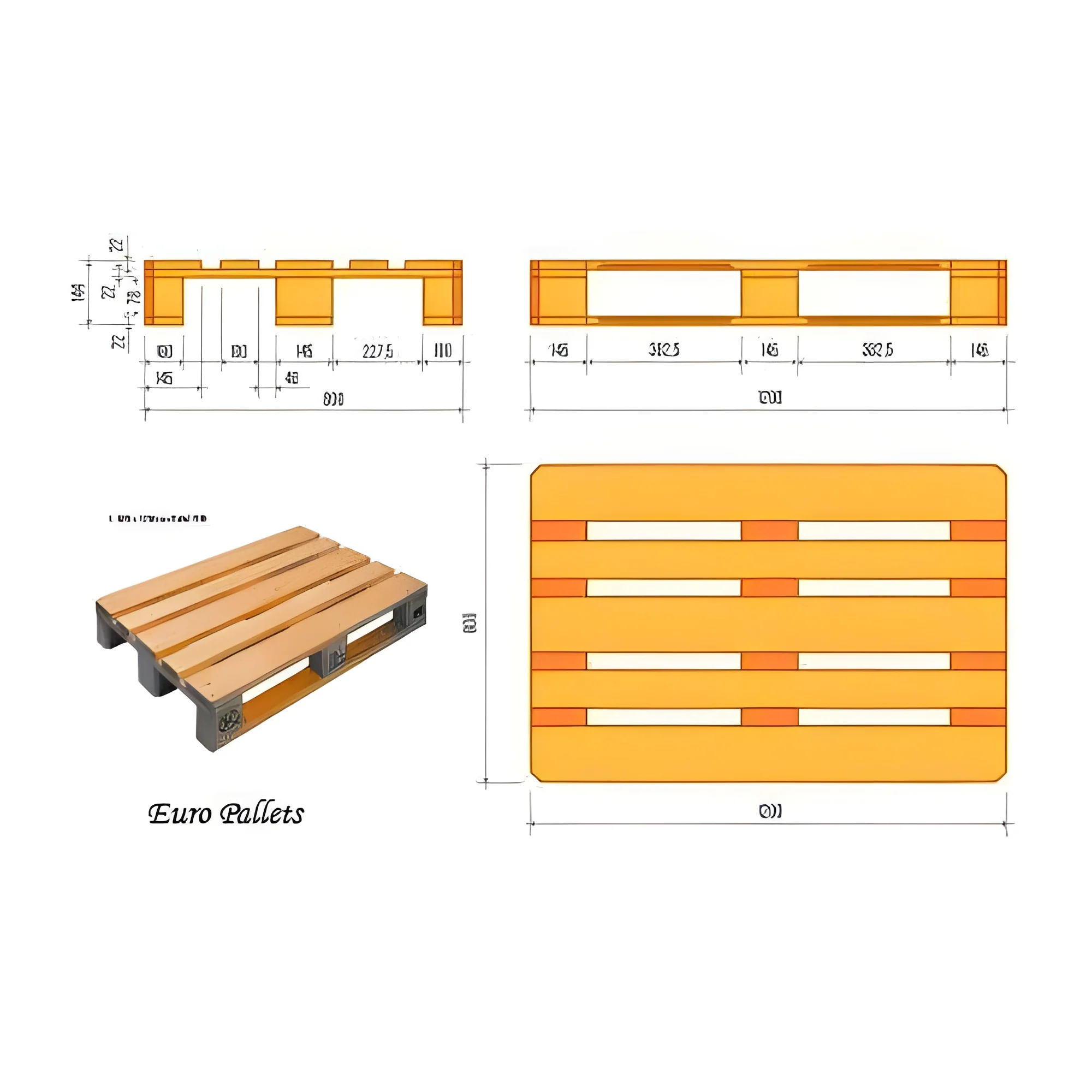
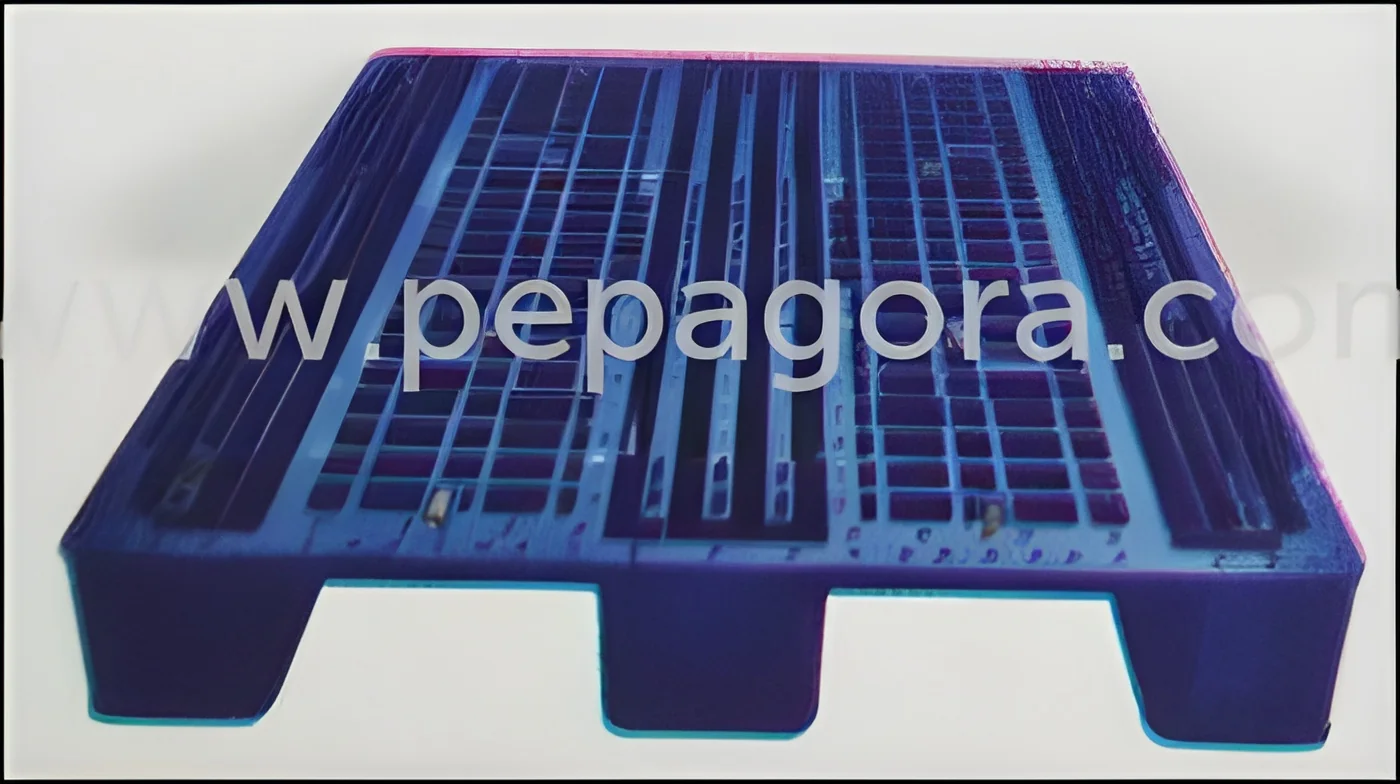
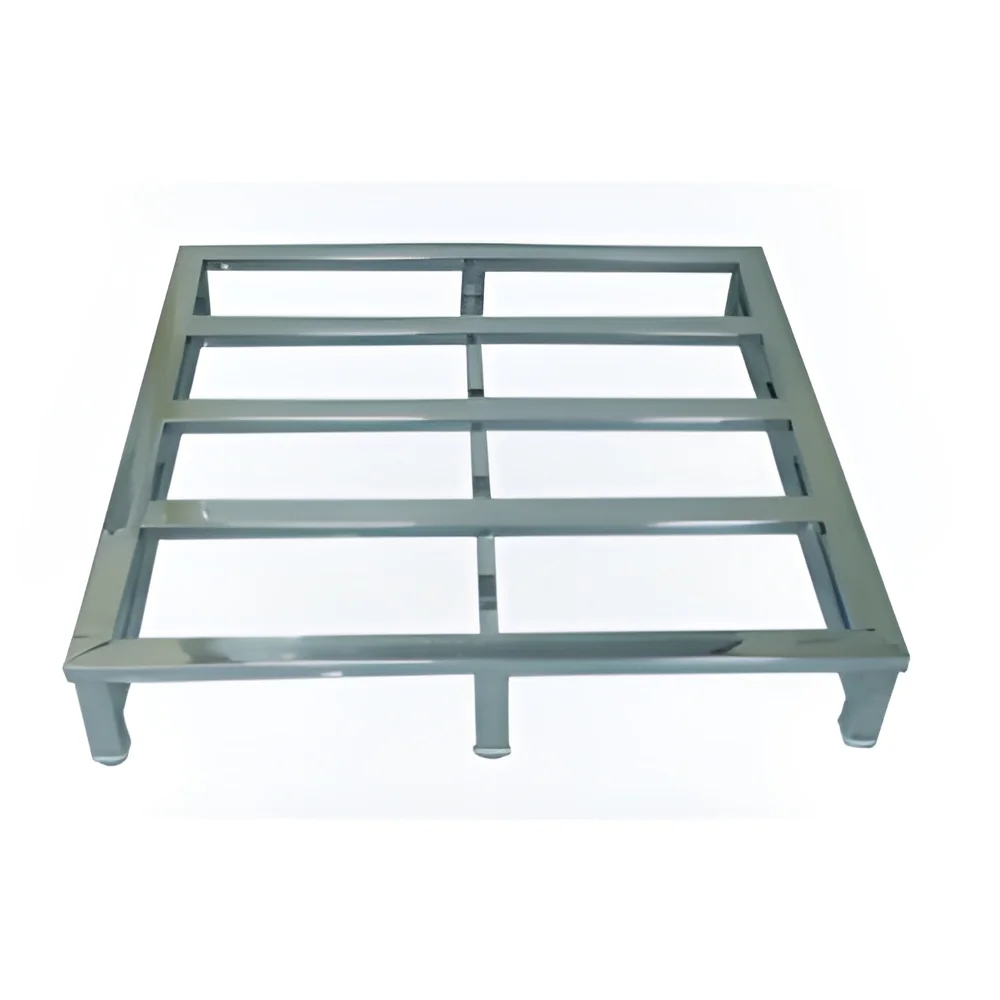
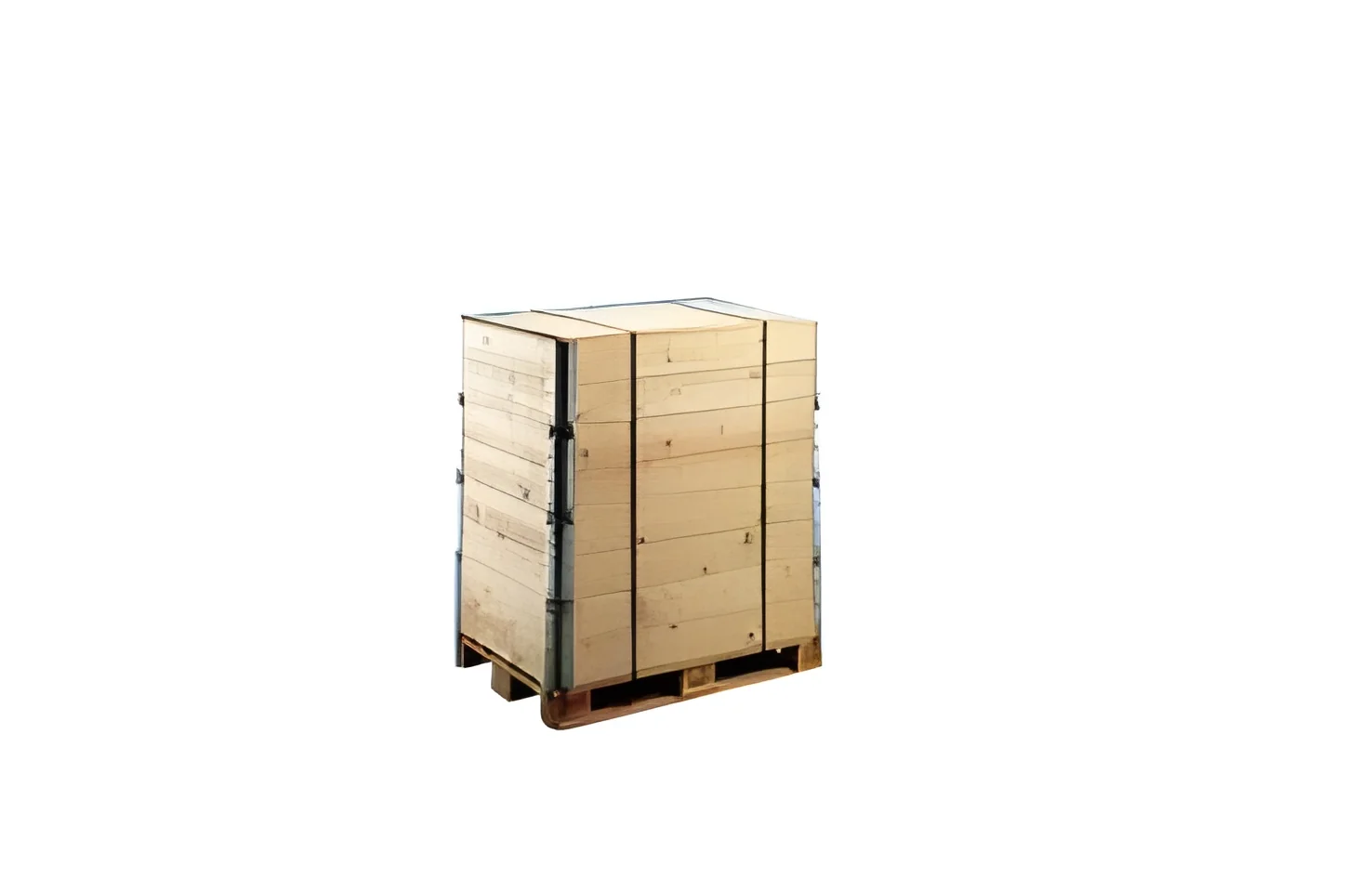
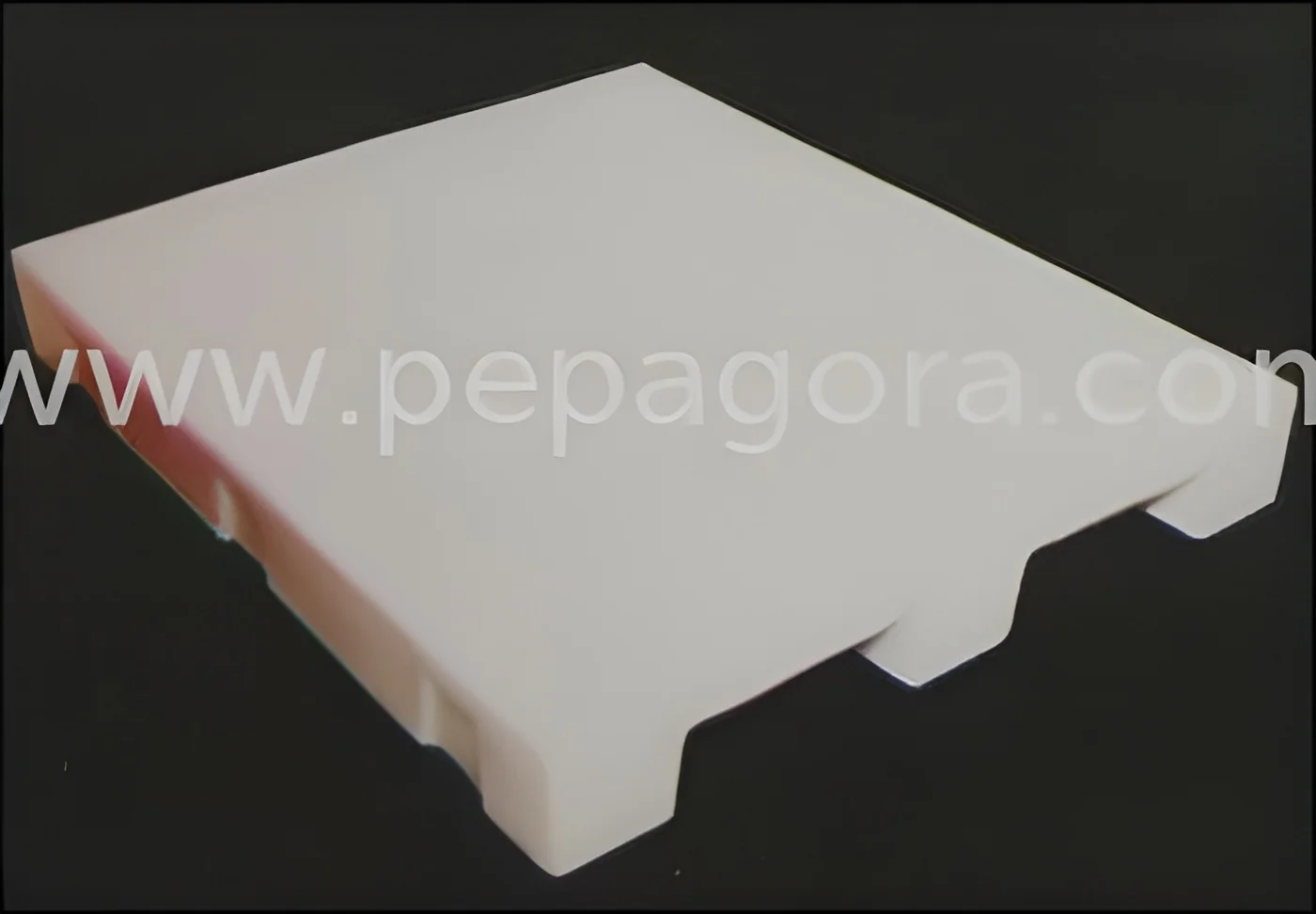
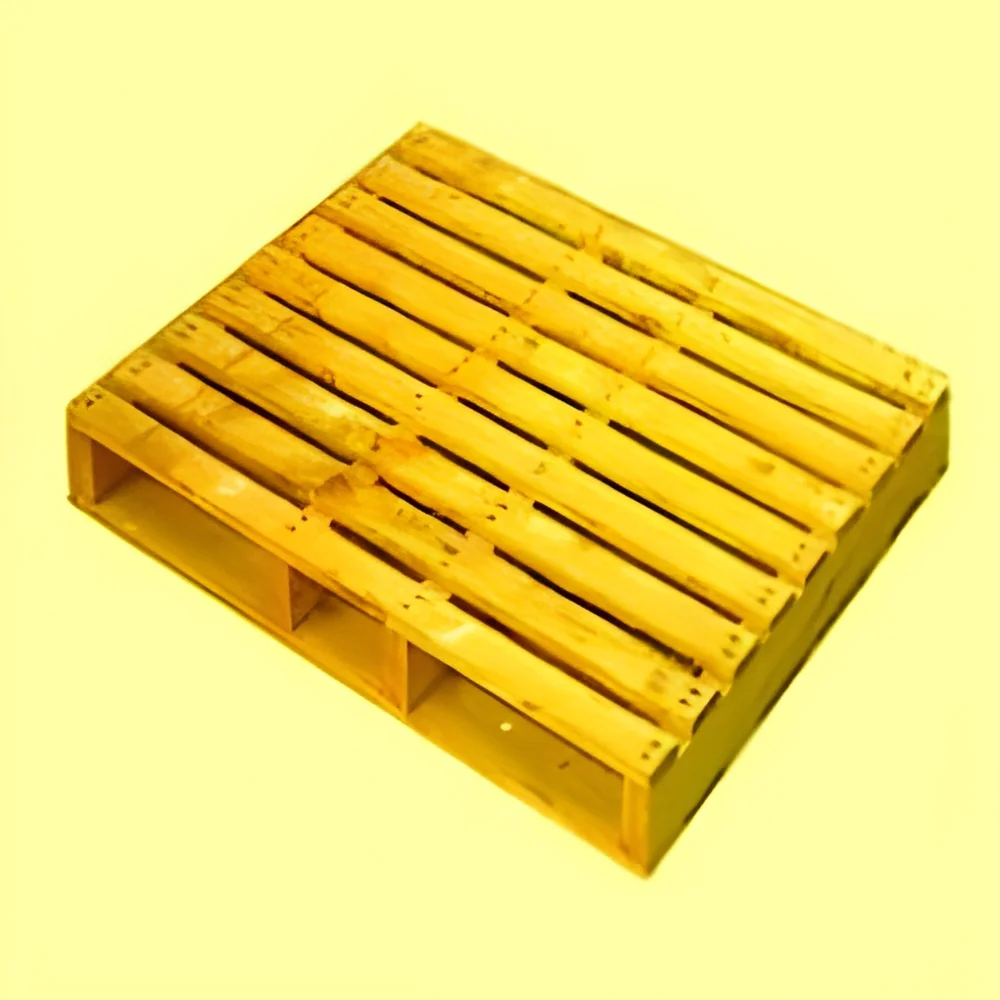
Reusable Pallets: RTP pallets are designed for heavy-duty use and can support significant weights. They are frequently employed in the automotive and industrial sectors.
Benefits and Advantages
Returnable Transport Packaging (RTP) provides numerous advantages that contribute to improved efficiency and sustainability in supply chains.
Key benefits include:
1. Cost Savings: By reusing packaging, businesses can significantly reduce spending on disposable packaging materials.
2. Environmental Sustainability: RTP minimizes waste, supporting eco-friendly practices and reducing the carbon footprint associated with packaging.
3. Enhanced Supply Chain Efficiency: RTP solutions streamline logistics, improving the speed and reliability of product delivery.
4. Improved Product Protection: RTP is designed to safeguard goods during transport, reducing damage and loss.
5. Customizable Solutions: RTP can be tailored to specific business needs, enhancing usability and brand visibility.
6. Compliance with Industry Standards: Many RTP solutions meet regulatory requirements, ensuring safe handling of sensitive products.
Buying Guide for B2B Buyers
When sourcing Returnable Transport Packaging (RTP), businesses should consider several critical factors to ensure they select the right solutions.
1. Quality Assessment: Evaluate the quality of RTP materials and construction. Look for certifications and standards that guarantee durability and performance.
2. Supplier Verification: Conduct thorough background checks on potential suppliers. Assess their reputation, reliability, and track record in delivering RTP solutions.
3. Pricing and MOQ: Understand the cost structure and minimum order quantities. Compare prices across different suppliers to ensure competitive rates.
4. Delivery and Lead Times: Consider logistics and delivery timelines. Ensure that suppliers can meet your scheduling needs for timely product availability.
5. Compliance Requirements: Verify that RTP solutions meet relevant industry regulations. Compliance with safety and quality standards is essential for successful operations.
Compliance and Certifications
Returnable Transport Packaging (RTP) must adhere to various compliance and certification standards to ensure safety and quality. Relevant quality standards include ISO 9001, which focuses on maintaining effective quality management systems. Additionally, compliance with HACCP (Hazard Analysis and Critical Control Points) is crucial in industries where food safety is a concern.
CE certification is also significant as it indicates that the product meets European safety and health requirements. RTP solutions may need to undergo rigorous testing to comply with these standards, ensuring they are safe for use in their intended applications. It is essential for businesses to confirm that their chosen RTP products comply with local regulations and industry-specific standards to avoid penalties and ensure safe operations.
Why Source Returnable Transport Packaging (RTP) from Pepagora?
Pepagora offers a reliable platform for sourcing Returnable Transport Packaging (RTP) with distinct advantages for B2B buyers.
Verified Supplier Network: Pepagora maintains a comprehensive network of verified suppliers, ensuring that buyers have access to high-quality RTP solutions. This network helps businesses find reputable partners for their packaging needs.
Streamlined RFQ Process: The request for quotation (RFQ) process on Pepagora is designed to be efficient and straightforward. Buyers can easily compare quotes from multiple suppliers, facilitating informed purchasing decisions.
Trade Assurance and Support: Pepagora provides trade assurance to protect buyers throughout the procurement process. This support ensures a secure transaction and builds confidence in sourcing RTP products.
Regional Coverage: With a strong presence in India, the GCC, and Southeast Asia, Pepagora offers extensive regional coverage. This geographic reach enables businesses to find RTP solutions that suit their local market requirements while ensuring timely delivery.

 IN
IN