
 IN
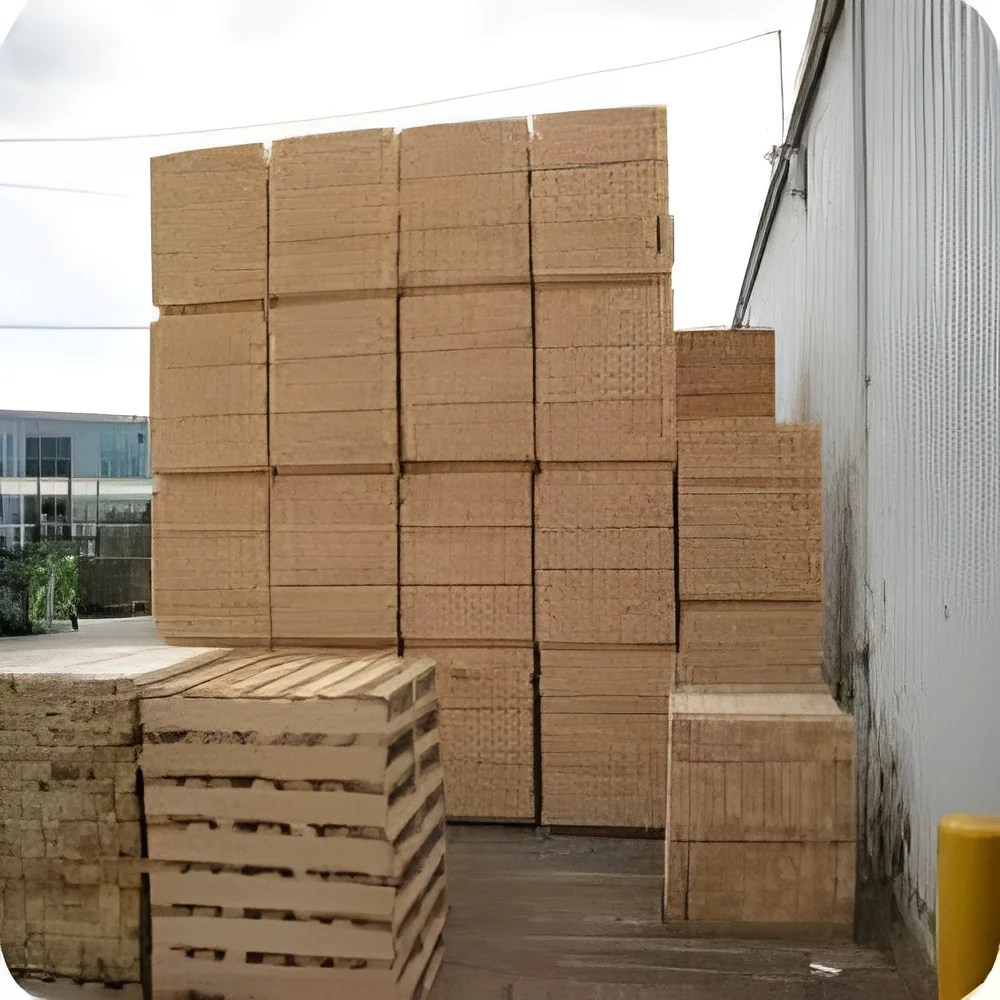
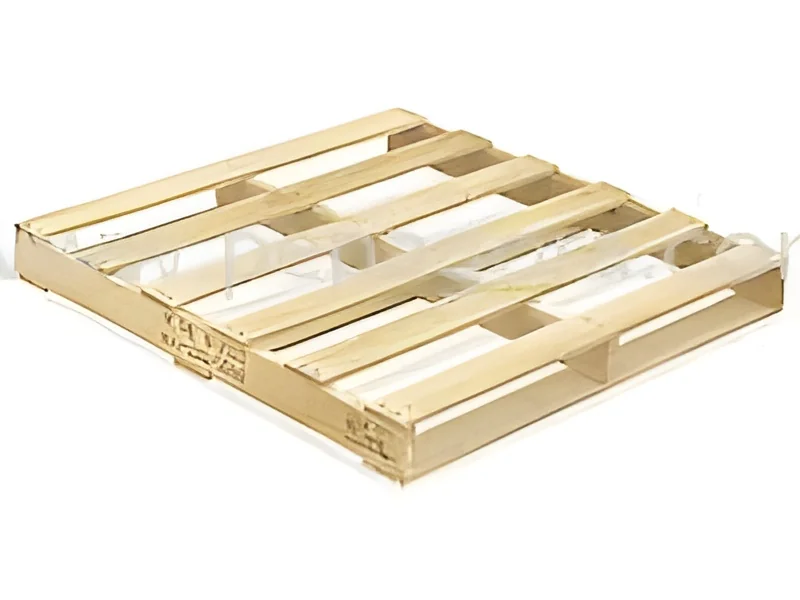
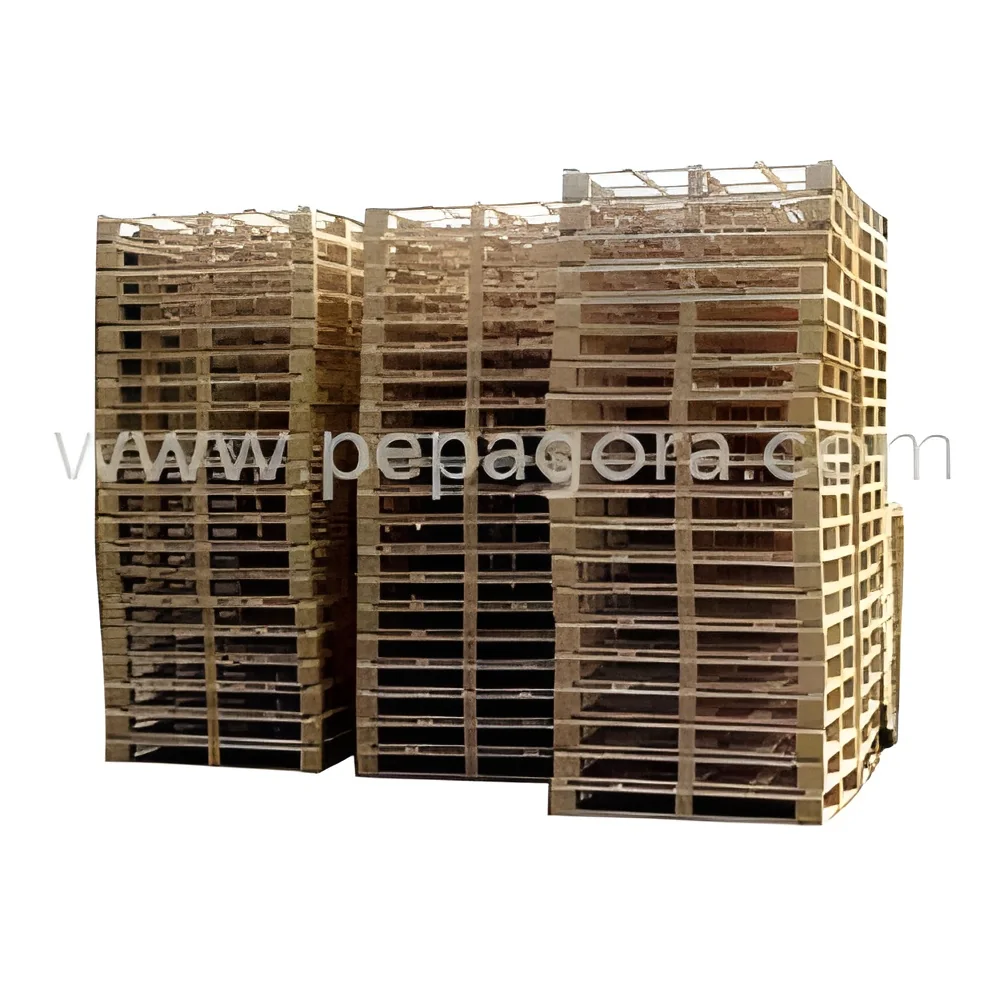
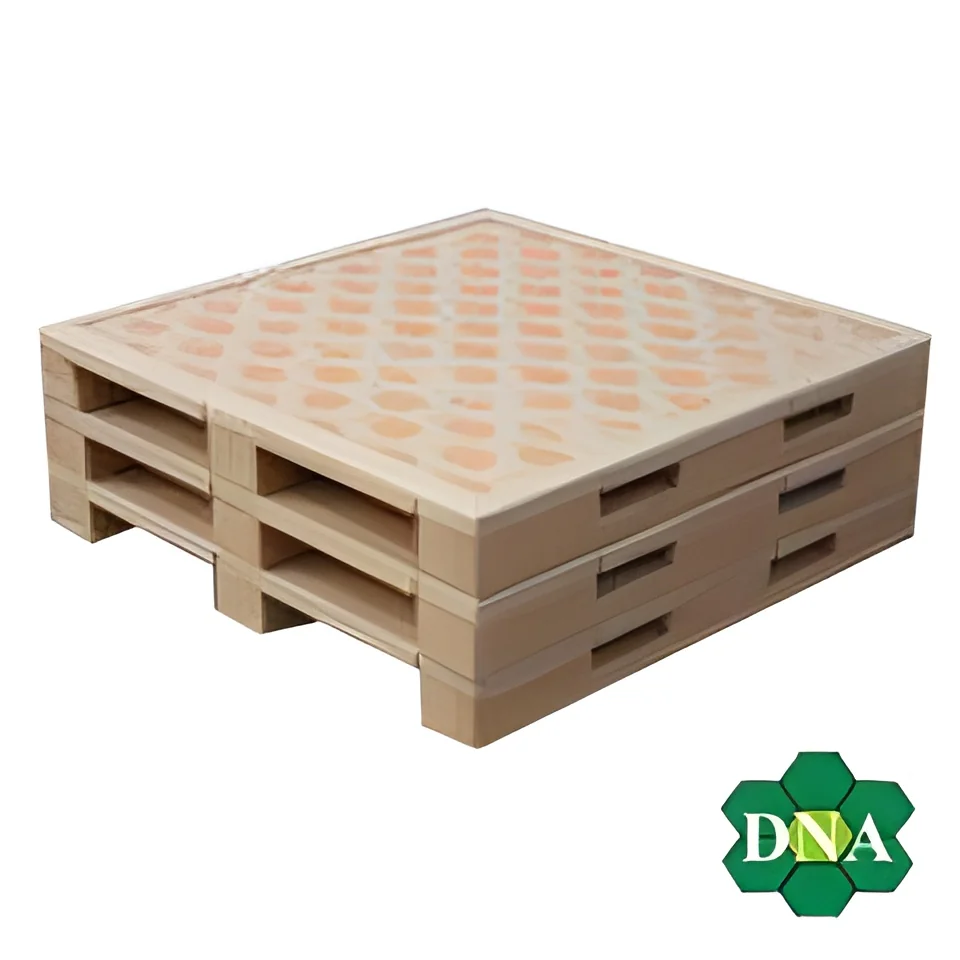
Heat Treated Export Pallets
13 products available
What are Heat Treated Export Pallets?
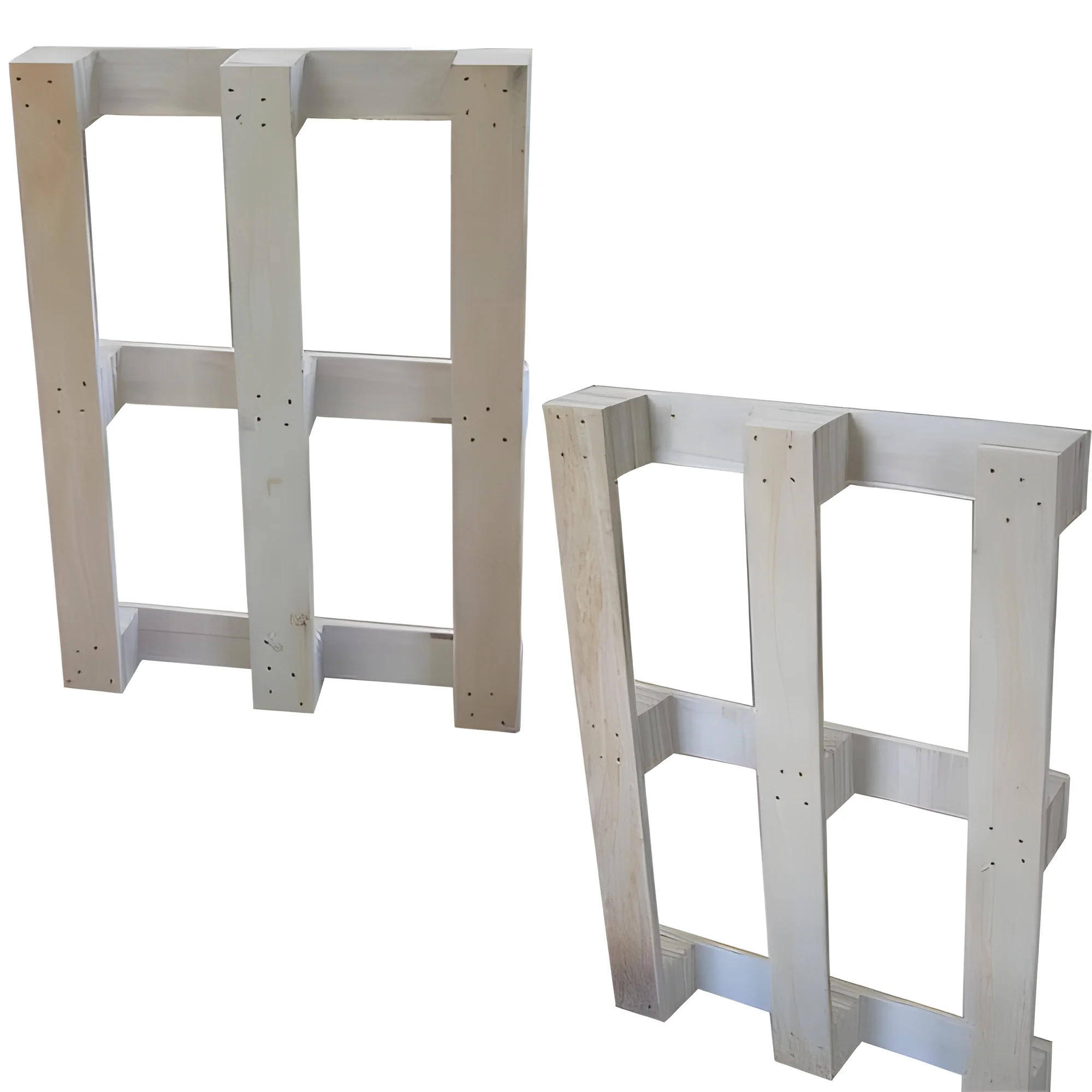
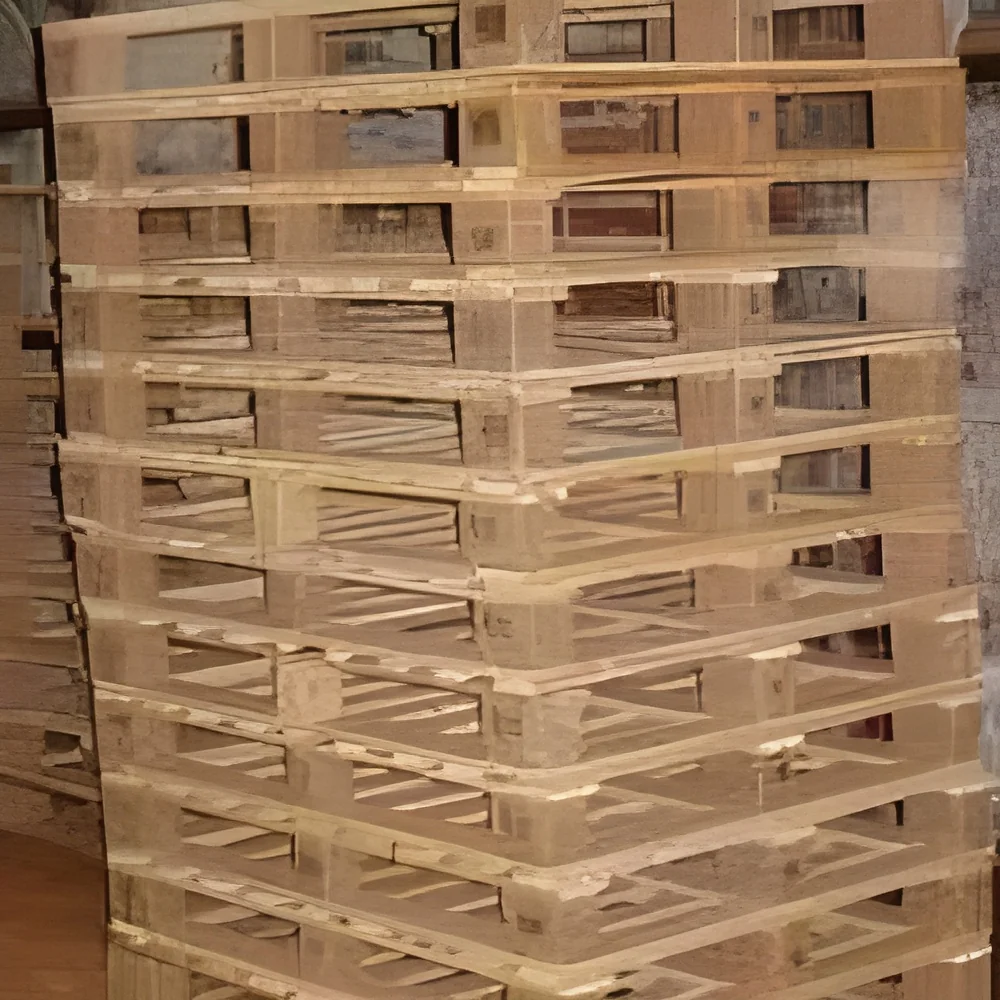
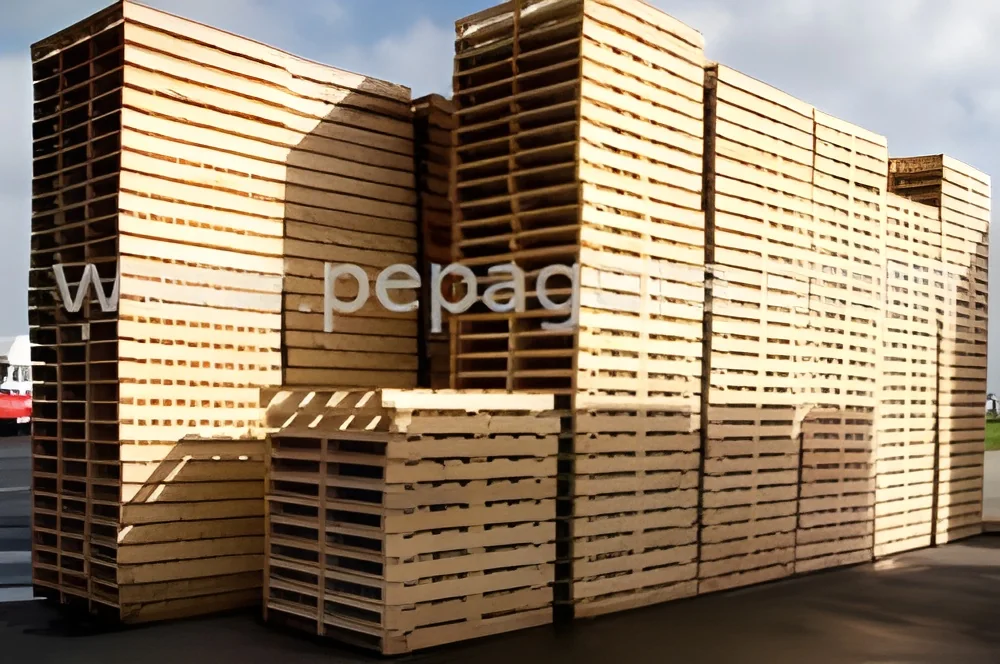
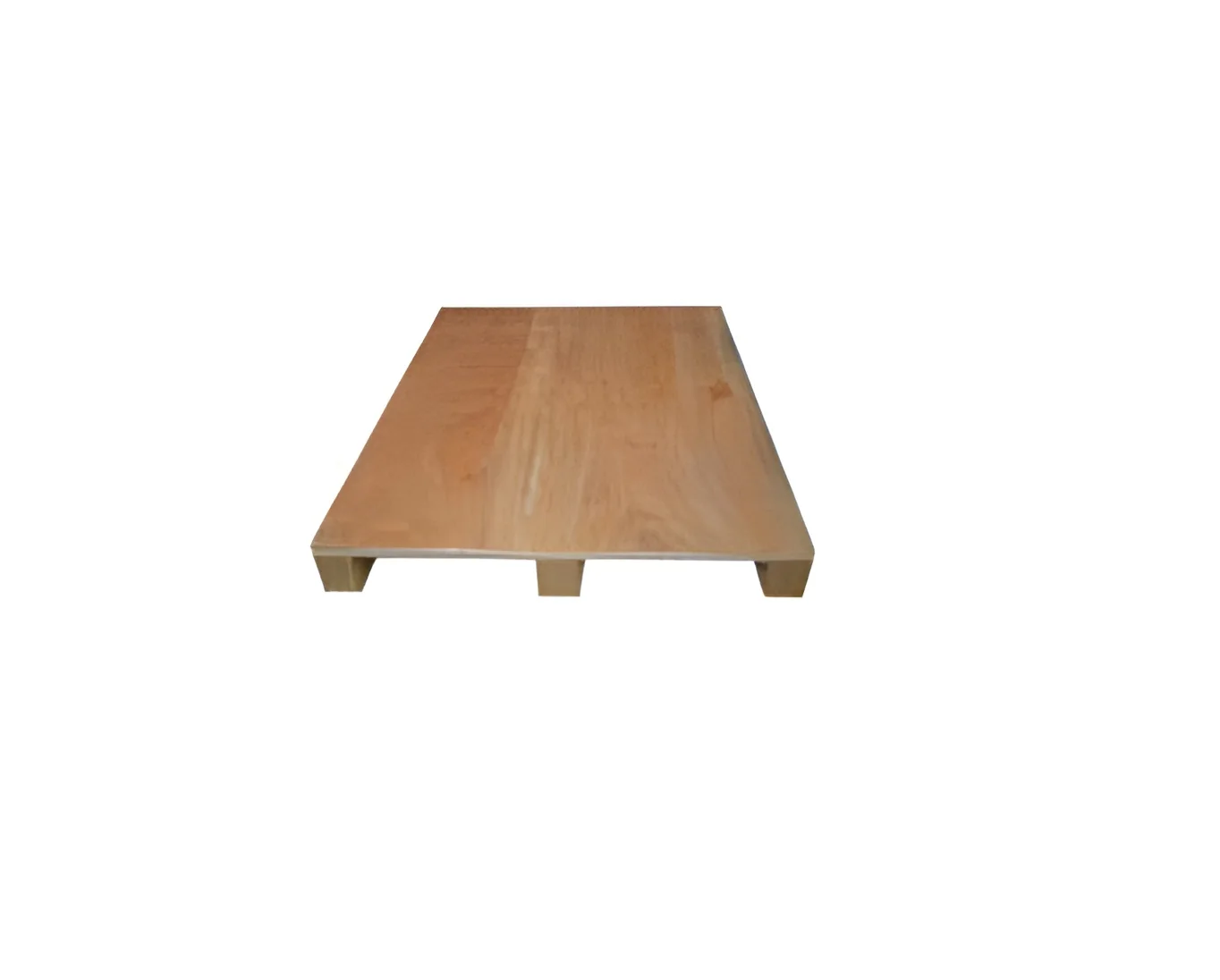
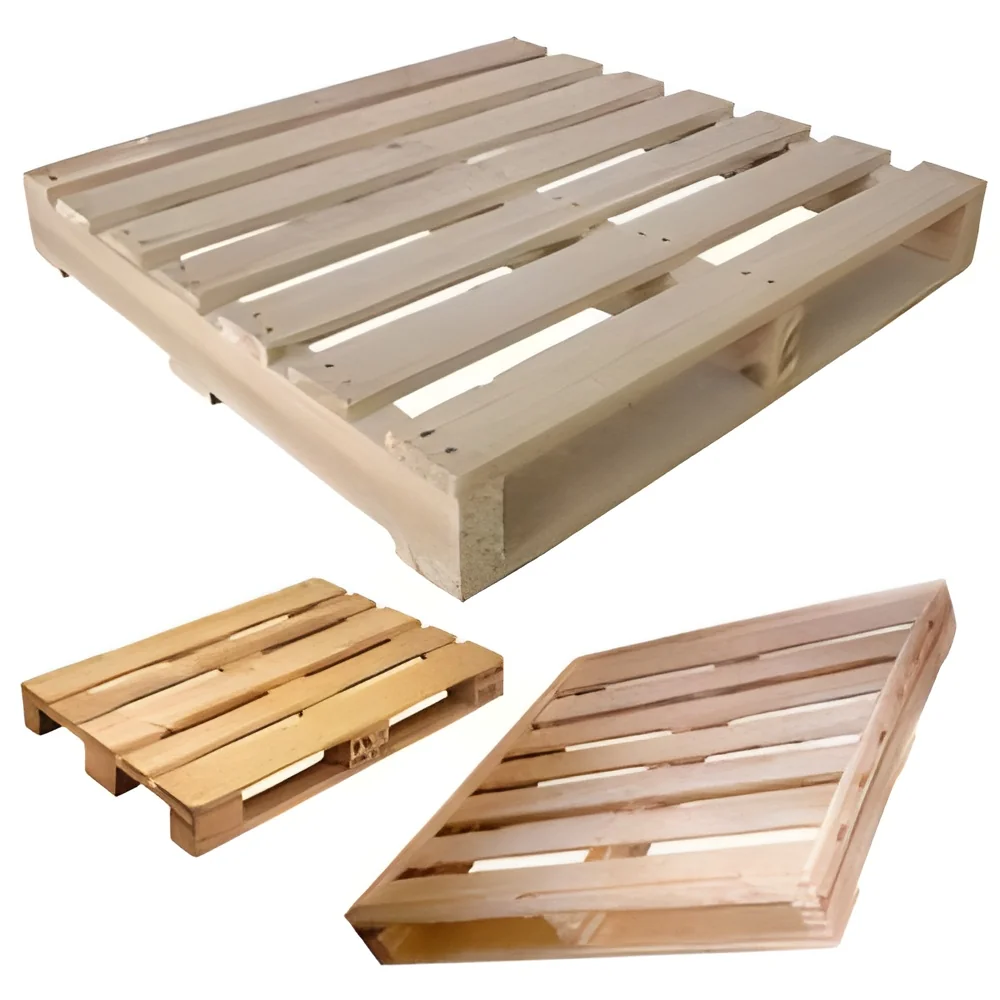
Heat treated export pallets are wooden pallets that have undergone a specific process of thermal treatment to eliminate pests and pathogens. This process not only ensures compliance with international shipping regulations but also enhances the durability and lifespan of the pallets. The heat treatment process typically involves raising the temperature of the wood to a minimum of 56 degrees Celsius for a specified period, effectively sterilizing the material.
These pallets are primarily used in global logistics and transportation, especially for shipping goods that require strict adherence to phytosanitary standards. Industries such as agriculture, manufacturing, and retail utilize these pallets to ensure safe and compliant export of their products. By using heat treated pallets, businesses can avoid delays and complications related to customs inspections, thus facilitating smoother international trade.
In the current market, the demand for heat treated export pallets is rising as businesses seek to comply with international shipping regulations. This trend reflects a broader commitment to quality and safety in logistics. Companies are increasingly aware of the importance of using compliant materials to prevent pest infestations and to uphold their reputations in global markets.
Key Features and Specifications
Heat treated export pallets come with several key features and specifications that enhance their value for B2B transactions. These specifications are designed to meet the rigorous demands of international shipping, ensuring that the pallets are both compliant and durable.
Key specifications include:
1. Material Quality
- Constructed from high-grade wood
- Resistant to wear and tear
2. Heat Treatment Process
- Complies with ISPM 15 regulations
- Ensures pest and pathogen elimination
3. Dimensions
- Standard sizes available (e.g., 1200mm x 1000mm)
- Custom sizes can be manufactured
4. Load Capacity
- Typically supports up to 1500 kg
- Suitable for heavy and bulk items
5. Weight
- Lightweight design for easy handling
- Average weight around 20-25 kg per pallet
6. Lifespan
- Durable with a lifespan of 5-10 years
- Resistant to moisture and environmental factors
7. Recycling
- Fully recyclable after use
- Minimizes environmental impact
In summary, heat treated export pallets combine quality materials and advanced treatment processes to meet the needs of global shipping and logistics.
Common Applications and Use Cases
Heat treated export pallets are versatile and serve various industries that require reliable shipping solutions.
1. Agriculture: These pallets are used to transport fruits, vegetables, and other perishable goods while maintaining compliance with health standards.
2. Manufacturing: Manufacturers use heat treated pallets for shipping machinery and components, ensuring that products arrive without damage.
3. Retail: Retailers utilize these pallets for moving goods to distribution centers, ensuring that products are safe for international markets.
4. Pharmaceuticals: In the pharmaceutical industry, heat treated pallets help in transporting sensitive medical supplies while adhering to strict regulatory compliance.
5. Automotive: Automotive parts are often shipped on heat treated pallets to prevent contamination and ensure safe delivery.
6. Furniture: Furniture manufacturers use these pallets for export, ensuring that items are securely packed and meet international shipping standards.
7. Electronics: The electronics industry relies on heat treated pallets to ship sensitive equipment, protecting them from pests and damage.
Product Variants and Subcategories
Heat treated export pallets come in various forms to suit different business needs. Each variant is designed with specific features for optimal use.
Standard Heat Treated Pallets: These pallets are the most commonly used variant, ideal for general shipping purposes. They are built to meet international regulations and can support significant weight.
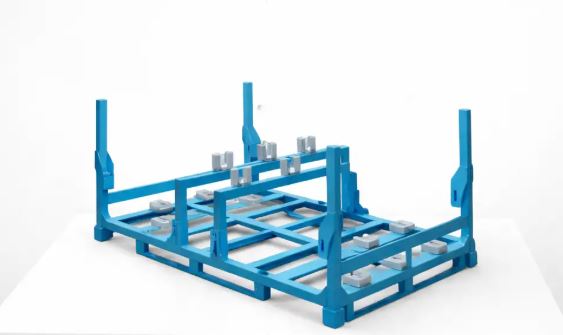
Custom Heat Treated Pallets: For businesses with unique requirements, custom pallets can be designed. These can be tailored in size, load capacity, and materials to fit specific shipping needs.
Heavy-Duty Heat Treated Pallets: Designed for transporting heavy machinery or bulk items, these pallets provide enhanced strength and durability.
Lightweight Heat Treated Pallets: Ideal for lighter shipments, these pallets facilitate easier handling and reduced shipping costs.
Benefits and Advantages
Choosing heat treated export pallets offers several key benefits that enhance operational efficiency.
1. Regulatory Compliance: These pallets meet international shipping standards, reducing the risk of customs issues.
2. Enhanced Durability: The heat treatment process extends the lifespan of pallets, making them a cost-effective choice for businesses.
3. Pest Control: Eliminates the risk of pest infestations during transportation, safeguarding products.
4. Eco-Friendly: Made from recyclable materials, these pallets contribute to sustainable practices in logistics.
5. Versatility: Suitable for various industries, these pallets can handle different types of goods.
6. Cost-Effectiveness: Reduces the need for replacements and repairs, leading to savings in the long run.
Buying Guide for B2B Buyers
When sourcing heat treated export pallets, it is essential for B2B buyers to consider several important factors.
1. Quality Assessment: Ensure that pallets meet the required quality standards. Look for certifications that confirm compliance with ISPM 15 and other relevant regulations.
2. Supplier Verification: Vet potential suppliers for their reliability and reputation in the market. Check reviews and ask for references.
3. Pricing and MOQ: Understand the pricing structure and any minimum order quantities (MOQ) that may apply. Compare quotes from multiple suppliers to get the best deal.
4. Delivery and Lead Times: Inquire about delivery schedules and lead times to ensure that pallets arrive when needed to avoid delays in operations.
5. Compliance Requirements: Familiarize yourself with any regional compliance standards that may affect the use of heat treated pallets in your industry.
Compliance and Certifications
Heat treated export pallets must adhere to several quality standards and certifications to ensure their reliability and safety in international shipping.
One of the primary standards is ISPM 15, which outlines the requirements for wood packaging materials in international trade. This standard mandates heat treatment to eliminate pests and pathogens, ensuring that pallets do not pose a risk to agriculture in importing countries.
Additionally, certifications such as CE provide assurance that these pallets meet European safety and environmental requirements. Compliance with these standards is crucial for businesses involved in international shipping to avoid penalties and ensure smooth operations.
Furthermore, it is important to be aware of regional compliance considerations, as different countries may have specific regulations regarding the use of wooden pallets. Staying informed about these requirements can help businesses navigate international shipping more effectively.
Why Source Heat Treated Export Pallets from Pepagora?
Pepagora offers a reliable platform for sourcing heat treated export pallets, presenting several key advantages for businesses looking to optimize their logistics.
Verified Supplier Network: Pepagora connects buyers with a network of verified suppliers, ensuring that businesses can trust the quality and compliance of the pallets they purchase.
Streamlined RFQ Process: The request for quotation (RFQ) process simplifies sourcing, allowing buyers to easily compare offers from multiple suppliers, helping them make informed decisions.
Trade Assurance and Support: Pepagora provides trade assurance to protect buyers, ensuring that transactions are secure and that they receive the quality products they need.
Regional Coverage: With a strong presence in India, the GCC, and Southeast Asia, Pepagora offers geographic reach that facilitates access to heat treated export pallets across diverse markets, making it easier for businesses to meet their shipping needs.



Frequently Asked Questions
What are Heat Treated Export Pallets?
Heat Treated Export Pallets are wooden pallets that have undergone a heat treatment process to eliminate pests and pathogens. This treatment ensures compliance with international shipping standards, such as ISPM 15, making them suitable for export.
What are the different types of Heat Treated Export Pallets?
There are several types of Heat Treated Export Pallets, including stringer pallets, block pallets, and custom-designed pallets. Each type varies in design, load capacity, and intended use, providing flexibility for different shipping and storage needs.
How do I choose the right Heat Treated Export Pallets?
Choosing the right Heat Treated Export Pallets depends on factors such as load capacity, dimensions, and the type of goods being transported. It's essential to assess your specific shipping requirements and consult with suppliers to ensure compliance with regulations.
What are the standard specifications for Heat Treated Export Pallets?
Standard specifications for Heat Treated Export Pallets typically include dimensions (e.g., 1200mm x 1000mm), load capacity (ranging from 500 kg to several tons), and the treatment process details as per ISPM 15 guidelines. Compliance with these specifications ensures safe and efficient shipping.
What is the price range for Heat Treated Export Pallets?
The price range for Heat Treated Export Pallets can vary significantly based on size, design, and supplier. Generally, prices may range from ₹500 to ₹1500 per pallet, depending on the specifications and order volume.
What quality standards apply to Heat Treated Export Pallets?
Heat Treated Export Pallets must meet quality standards outlined by the International Standards for Phytosanitary Measures (ISPM) No. 15. This includes requirements for heat treatment, marking, and ensuring that the pallets are free from pests and diseases.
Where can I find Heat Treated Export Pallets suppliers in India?
You can find Heat Treated Export Pallets suppliers in India through online B2B marketplaces like Pepagora.com, trade shows, and industry directories. It is advisable to compare suppliers based on their certifications, customer reviews, and product offerings.
Can Heat Treated Export Pallets be customized?
Yes, Heat Treated Export Pallets can be customized to meet specific requirements such as size, design, and load capacity. Many manufacturers offer customization options to cater to the unique needs of different businesses.
What is the typical minimum order quantity for Heat Treated Export Pallets?
The typical minimum order quantity (MOQ) for Heat Treated Export Pallets can range from 50 to 100 pallets, depending on the supplier. However, some suppliers may offer flexibility in MOQs for larger orders or ongoing contracts.
What is the typical lead time for Heat Treated Export Pallets?
The typical lead time for Heat Treated Export Pallets is generally between 1 to 4 weeks, depending on factors such as order size, customization requests, and the supplier's production capacity. It's best to confirm lead times directly with the supplier.
Why Businesses Trust Pepagora
Thousands of companies trust Pepagora to source smarter and sell faster
Expand Your Sales Globally

Source Smarter,Grow Faster
