What are Shipping Containers?
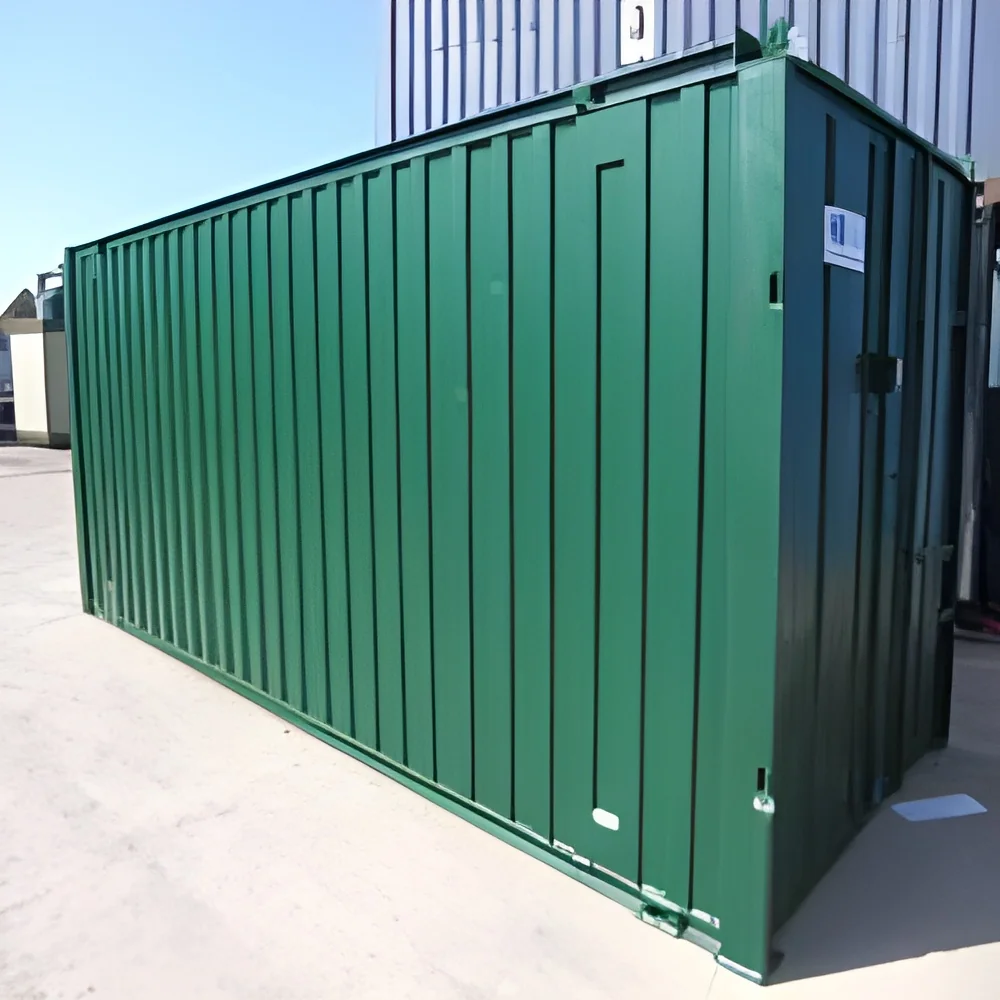
Shipping containers are robust, standardized metal boxes designed for transporting goods across various modes of transport, including ships, trucks, and trains. They come in various sizes and types, ensuring safe and efficient movement of products worldwide. These containers are built to withstand harsh environmental conditions and are made from durable materials like steel, making them a reliable choice for businesses looking to streamline logistics and storage.
The primary uses of shipping containers extend beyond mere transportation. They serve as storage solutions for industries like retail, manufacturing, and construction. Businesses utilize shipping containers for on-site storage, temporary office spaces, and even as modular structures. Their versatility is key to their widespread adoption across multiple sectors, reflecting their importance in global trade and supply chain management.
As the demand for efficient logistical solutions grows, shipping containers play a vital role in various markets. Companies are increasingly seeking these containers for their ability to optimize shipping costs and manage inventory. The shipping container market continues to evolve with advancements in technology and sustainable practices, ensuring their place in modern commerce.
Key Features and Specifications
Shipping containers have several key features that make them suitable for various applications. Understanding these specifications can help businesses choose the right container for their needs.
Key specifications include:
1. Dimensions
- Standard sizes include 20-foot and 40-foot containers.
- Height typically ranges from 8.5 feet for standard containers to 9.5 feet for high cube containers.
2. Weight Capacity
- Maximum payload capacity can range from 28,000 to 30,000 pounds.
- Tare weight varies by container type, generally between 4,500 to 8,000 pounds.
3. Material
- Containers are primarily made from corten steel, providing durability and resistance to corrosion.
- Interior linings may vary, including plywood or metal options for specific applications.
4. Security Features
- Standard locking mechanisms are designed to prevent unauthorized access.
- Some containers may include reinforced doors for added security.
5. Ventilation
- Containers often come with ventilation systems to reduce humidity and prevent condensation.
- Options may include built-in vents or adjustable openings.
6. Customization Options
- Containers can be modified for specific uses, such as insulation or shelving installations.
- Custom paint jobs and branding can be applied for marketing purposes.
7. Certification
- Shipping containers are typically certified for international transport, ensuring compliance with safety standards.
In summary, shipping containers offer a range of features tailored to meet diverse business needs. Their specifications ensure they are adaptable for various uses while maintaining strength and security.
Common Applications and Use Cases
Shipping containers serve various industries, showcasing their versatility and practicality.
1. Retail: Retailers utilize shipping containers for temporary pop-up shops or seasonal sales, providing a cost-effective solution for expanding their physical presence.
2. Construction: In construction, containers are used as on-site storage units for tools and materials, ensuring security and organization on job sites.
3. Agriculture: Farmers use shipping containers for storing crops or equipment, benefiting from their durability and weather resistance.
4. Event Management: Shipping containers can be transformed into unique event spaces or concession stands, enhancing the appeal of festivals and gatherings.
5. Shipping and Logistics: The primary use remains in the shipping industry, facilitating international trade by providing secure transport for goods.
6. Mobile Offices: Companies use modified containers as mobile offices, especially in remote locations where traditional office spaces are unavailable.
7. Disaster Relief: Shipping containers are repurposed as temporary shelters or storage units during disaster relief efforts, offering immediate assistance to affected areas.
Product Variants and Subcategories
Shipping containers come in various configurations to meet different needs. The diversity of these products allows businesses to find suitable options for their specific requirements.
Standard Container
Standard containers are the most common type, typically measuring 20 or 40 feet in length. They are designed for general cargo transport and are equipped for secure stacking during shipping.
High Cube Container
High cube containers are taller than standard containers, providing extra vertical space. They are ideal for transporting lighter, bulkier goods and maximizing storage capacity.
Refrigerated Container
Refrigerated containers, or reefers, are equipped with temperature control systems. They are essential for transporting perishable goods such as food and pharmaceuticals.
Open Top Container
Open top containers allow for easy loading of oversized cargo. They come with a removable tarpaulin cover, making them suitable for tall or awkwardly shaped items.
Benefits and Advantages
Shipping containers offer numerous benefits that enhance operational efficiency for businesses.
1. Cost-Effective: Shipping containers provide a cost-efficient solution for storage and transport, reducing overall logistics expenses.
2. Durability: Constructed from robust materials, containers withstand harsh weather and rough handling, ensuring the safety of stored goods.
3. Versatility: Their adaptability allows for multiple uses, from storage solutions to custom living spaces, catering to diverse business needs.
4. Security: With secure locking mechanisms, shipping containers provide a reliable option for safeguarding valuable inventory.
5. Portability: Containers can be easily transported across various modes of transport, simplifying logistics and supply chain management.
6. Quick Setup: Shipping containers can be deployed rapidly, making them ideal for temporary projects or on-site storage needs.
Buying Guide for B2B Buyers
When sourcing shipping containers, businesses should consider several crucial factors to ensure a successful purchase.
1. Quality Assessment: It is essential to evaluate the condition of the containers, ensuring they meet necessary standards for durability and safety. Look for signs of rust, structural integrity, and overall maintenance history.
2. Supplier Verification: Vetting suppliers is critical to ensure reliability and quality. Check references, reviews, and any industry certifications they may hold.
3. Pricing and MOQ: Understand the pricing structure and minimum order quantities (MOQ) that suppliers offer. This can impact budget planning and inventory management.
4. Delivery and Lead Times: Inquire about the logistics involved in delivery, including lead times. Timely delivery is crucial for maintaining operational schedules.
5. Compliance Requirements: Ensure that the shipping containers meet local and international regulatory standards, including safety regulations and certifications.
Compliance and Certifications
Shipping containers are subject to various compliance standards to ensure safety and quality. Key quality standards include ISO 9001, which focuses on quality management systems, and HACCP, which enhances food safety during transport. Additionally, GDP (Good Distribution Practice) ensures that products are stored and transported under suitable conditions.
Industry certifications such as CE mark compliance indicate that the containers meet European safety requirements. Adhering to safety and testing requirements ensures that shipping containers are fit for their intended use, reducing the risk of damage during transit.
Regional compliance considerations may vary, so it is essential to be aware of local regulations that may affect shipping container usage. Ensuring compliance not only enhances safety but also builds trust with customers and partners.
Why Source Shipping Containers from Pepagora?
Pepagora provides a trusted platform for sourcing shipping containers, offering several key advantages to B2B buyers.
Verified Supplier Network: Pepagora maintains a network of verified suppliers, ensuring that businesses can connect with reputable sources. This verification process helps mitigate risks associated with buying containers.
Streamlined RFQ Process: The platform features a streamlined request for quotation (RFQ) system, allowing buyers to efficiently gather and compare offers from multiple suppliers. This simplifies the purchasing process and fosters competitive pricing.
Trade Assurance and Support: Pepagora offers trade assurance, providing protection for buyers against potential risks. The platform also offers dedicated support to assist with any inquiries during the procurement process.
Regional Coverage: With a focus on regions such as India, GCC, and Southeast Asia, Pepagora ensures comprehensive geographic reach. This allows businesses to source containers locally or regionally, enhancing logistics and reducing shipping times.
By choosing Pepagora, businesses can confidently source shipping containers that meet their specific needs while benefiting from a reliable and efficient procurement process.

 IN
IN