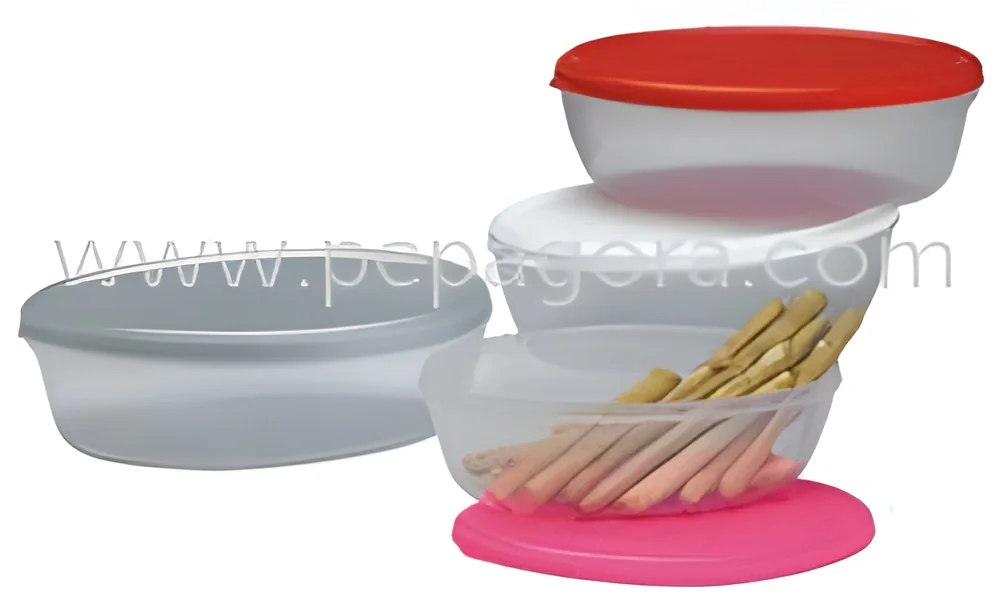
What are Reusable Packaging Containers?
Reusable Packaging Containers are innovative solutions designed to facilitate the transport and storage of goods across various industries. Unlike traditional single-use packaging, these containers are made from durable materials that allow them to be used multiple times without compromising their integrity. This not only helps reduce waste but also contributes to cost savings for businesses by minimizing the need for constant repurchase of packaging materials.
These containers find primary applications in industries such as manufacturing, logistics, food distribution, and pharmaceuticals. They can be utilized for shipping products, storing inventory, and even for retail display purposes. The versatility and reliability of reusable packaging containers make them an essential choice for businesses looking to enhance operational efficiency and sustainability. In a market increasingly focused on environmentally friendly practices, the demand for reusable packaging continues to grow, reflecting a broader trend towards reducing environmental impact.
Key Features and Specifications
Reusable Packaging Containers come with a range of features that enhance their functionality and usability. These features cater to the diverse needs of various industries, ensuring safety and efficiency during use.
Key specifications include:
1. Material Composition
- Typically made from high-density polyethylene (HDPE), polypropylene (PP), or other durable plastics
- Resistant to various environmental factors such as moisture and extreme temperatures
2. Load Capacity
- Designed to handle substantial weight, often ranging from 20 kg to 500 kg depending on the container size and application
- Reinforced designs available for heavier applications
3. Stackability
- Containers are designed for easy stacking, maximizing storage space during transport and storage
- Features interlocking mechanisms for stability
4. Reusability Cycle
- Can withstand numerous cycles of use, often ranging from 100 to 1,000 uses before requiring replacement
- Cost-effective over time due to their longevity
5. Customization Options
- Available in various sizes, colors, and designs to fit specific business needs
- Can be branded with company logos for marketing purposes
6. Temperature Resistance
- Suitable for a variety of temperature ranges, though specific limits may vary by product
- Ideal for industries requiring temperature-sensitive shipping, such as food and pharmaceuticals
7. Compliance Standards
- Often compliant with industry regulations such as CE certification
- May meet quality standards like ISO 9001, ensuring reliability and safety
8. Security Features
- Some containers include tamper-evident seals or locking mechanisms to protect contents during transport
- Enhanced security features help prevent theft and loss of goods
In summary, reusable packaging containers are engineered with features that promote durability, efficiency, and safety, making them a practical choice for businesses looking to optimize their packaging strategies.
Common Applications and Use Cases
Reusable Packaging Containers are utilized across a wide range of industries, demonstrating their versatility and effectiveness in various applications.
1. Manufacturing: In the manufacturing sector, these containers are used for transporting components between different stages of production. They help streamline operations and reduce waste from traditional packaging.
2. Logistics: Logistics companies employ reusable containers for shipping goods over long distances. Their durability ensures that products arrive safely and intact, minimizing damage during transit.
3. Food Distribution: The food industry benefits from these containers, as they can maintain hygiene and freshness during transport. They are often designed to meet food safety standards and can be sanitized for reuse.
4. Pharmaceuticals: In the pharmaceutical industry, reusable packaging containers are essential for transporting sensitive products. They help ensure compliance with safety regulations while maintaining product integrity.
5. Retail: Retailers use reusable containers for displaying products in-store. Their attractive design can enhance product visibility while reducing the need for single-use packaging.
6. Agriculture: Farmers and distributors use these containers for transporting fruits and vegetables. Their sturdiness protects produce during shipping and storage, reducing spoilage.
7. E-commerce: E-commerce companies are increasingly adopting reusable packaging to improve sustainability. These containers help cut down on waste and can be returned after delivery.
Product Variants and Subcategories
Reusable Packaging Containers come in various forms, each tailored to meet specific needs. This diversity allows businesses to select the most suitable option for their operations.
Collapsible Containers: These containers can be folded down when not in use, saving significant space during storage. They are ideal for businesses that require flexibility in their packaging solutions.
Heavy-Duty Containers: Designed for industrial applications, heavy-duty containers are built to withstand extreme conditions and heavy loads. They are perfect for manufacturing and logistics sectors where durability is paramount.
Nestable Containers: These containers can be nested within each other to save space during transport. They are often used in situations where multiple containers need to be shipped simultaneously.
Insulated Containers: These are engineered to maintain temperature control, making them ideal for transporting perishable goods in the food and pharmaceutical industries. They help ensure products remain within safe temperature ranges.
Benefits and Advantages
Choosing Reusable Packaging Containers offers several significant benefits for businesses seeking to optimize their operations.
1. Cost Savings: Reusable containers reduce the need for continuous purchase of single-use packaging, leading to long-term cost savings.
2. Environmental Impact: By minimizing waste, these containers contribute to sustainability efforts and help companies meet environmental regulations.
3. Enhanced Durability: The robust materials used in reusable containers ensure they can withstand multiple uses without degradation, providing a reliable solution.
4. Improved Efficiency: Streamlined operations with reusable containers enhance logistics and inventory management, leading to faster turnaround times.
5. Customization: The ability to customize containers allows businesses to tailor their packaging to specific products and branding needs.
6. Compliance Assurance: Many reusable containers meet industry standards, ensuring that businesses remain compliant with safety regulations.
Buying Guide for B2B Buyers
When sourcing Reusable Packaging Containers, businesses should consider several key factors to ensure they select the right product for their needs.
1. Quality Assessment: Evaluate the materials and construction of the containers. Look for features that indicate durability, such as reinforced walls and high-quality plastics.
2. Supplier Verification: Research potential suppliers to ensure they have a reputation for reliability. Check for certifications and reviews to validate their credibility.
3. Pricing and MOQ: Understand the pricing structure and minimum order quantities. This helps in budgeting and ensures that the purchase aligns with your operational needs.
4. Delivery and Lead Times: Discuss delivery timelines with suppliers to ensure that your operational schedule is not disrupted. Consider lead times when planning orders.
5. Compliance Requirements: Ensure that the containers meet relevant industry regulations and standards. This includes checking for food safety certifications in applicable sectors.
Compliance and Certifications
Reusable Packaging Containers must adhere to various compliance standards to ensure safety and quality. Key certifications include ISO 9001, which focuses on quality management systems, ensuring that manufacturers maintain high standards throughout production.
Additionally, industry-specific certifications such as CE may apply, indicating compliance with European health, safety, and environmental protection standards. It is essential for businesses to verify that their chosen containers meet these standards to avoid legal issues and ensure product safety.
Safety and testing requirements for these containers often involve rigorous quality assurance processes. This includes testing for durability, temperature resistance, and potential contaminants. Regional compliance considerations also play a crucial role, as different areas may have specific regulations affecting packaging materials.
Why Source Reusable Packaging Containers from Pepagora?
Pepagora stands out as a trusted platform for sourcing Reusable Packaging Containers, offering numerous advantages for businesses across various industries.
Verified Supplier Network: Pepagora provides access to a network of verified suppliers who specialize in reusable packaging. This ensures that buyers can trust the quality and reliability of their purchases.
Streamlined RFQ Process: The platform features a streamlined Request for Quotation (RFQ) process, making it easy for buyers to compare offers from multiple suppliers. This saves time and enhances decision-making.
Trade Assurance and Support: Pepagora offers trade assurance, protecting buyers against potential issues with suppliers. This support provides peace of mind, ensuring that transactions are secure.
Regional Coverage: With a strong presence in India, the GCC, and Southeast Asia, Pepagora facilitates sourcing for businesses across these regions. This geographic reach enables companies to find suitable packaging solutions tailored to their specific needs.

 IN
IN