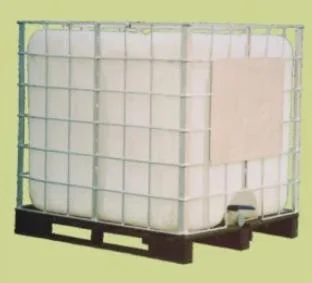
Key Features and Specifications
IBCs come with a range of features that make them suitable for various applications. Understanding these specifications is crucial for selecting the right IBC for your needs.
Key specifications include:
1. Material Type
- Common materials include high-density polyethylene (HDPE), stainless steel, and carbon steel.
- Each material offers distinct advantages in terms of durability and resistance to various chemicals.
2. Capacity
- Standard capacities typically range from 275 to 330 gallons.
- Custom sizes may be available to meet specific requirements.
3. Design
- Stackable design allows for efficient storage and transport.
- Frames are often made of steel or plastic for added protection.
4. Discharge Mechanism
- Many IBCs feature a bottom discharge outlet for easy access.
- Some models may include valves or taps for controlled dispensing.
5. Compatibility
- Designed to hold a wide range of materials, including liquids and granules.
- Suitable for hazardous and non-hazardous materials.
6. Temperature Tolerance
- Data not available for specific temperature ranges.
- Generally designed to withstand typical industrial temperature variations.
7. Compliance Standards
- Compliance with industry standards such as CE and UL for safety and quality assurance.
- Ensures that IBCs meet rigorous testing requirements.
8. Reusability
- Many IBCs are designed for multiple uses, reducing waste and lowering costs.
- Proper cleaning and maintenance can extend the life of the container.
In summary, IBCs are versatile, durable containers that can be customized for various applications. Their features make them suitable for a wide range of industries, enhancing efficiency in storage and transportation.
Common Applications and Use Cases
IBCs play a vital role in various industries, offering solutions for bulk storage and transportation needs.
1. Chemical Industry: IBCs are widely used to transport and store hazardous chemicals, ensuring safety and compliance with regulations.
2. Food and Beverage: In this sector, IBCs are utilized for bulk storage of liquids such as oils, syrups, and juices, maintaining product integrity.
3. Pharmaceutical: IBCs ensure the safe transport of raw materials and finished products, adhering to strict hygiene and safety standards.
4. Agriculture: Farmers use IBCs for storing fertilizers and pesticides, optimizing the handling of these essential products.
5. Oil and Gas: IBCs facilitate the transportation of lubricants and other fluids, providing a safe and efficient solution.
6. Water Treatment: IBCs are employed to store and transport water treatment chemicals, essential for maintaining water quality.
7. Paints and Coatings: The paint industry uses IBCs for bulk distribution of paints and solvents, ensuring ease of access and application.
Product Variants and Subcategories
IBCs are diverse in their designs and features, catering to different industry needs.
Standard IBCs: These are the most common variants, typically made from HDPE and used for a variety of liquids. Their stackable design and large capacity make them ideal for efficient storage.
Stainless Steel IBCs: These variants are used for transporting chemicals that require a higher level of protection. Their robust construction ensures safety and compliance with stringent regulations.
Collapsible IBCs: Designed for easy storage when not in use, collapsible IBCs are ideal for businesses with limited storage space. They maintain the same capacity when assembled but can be flattened for ease of transport.
Benefits and Advantages
The use of IBCs offers numerous advantages for businesses involved in bulk material handling.
1. Space Efficiency: IBCs are designed to be stackable, maximizing storage space in warehouses and transport vehicles.
2. Cost-Effective: Their reusability and durability reduce the need for frequent replacements, leading to cost savings.
3. Safety: Designed to comply with safety standards, IBCs minimize the risk of leaks and spills, protecting both products and personnel.
4. Versatility: IBCs can accommodate a wide range of materials, making them suitable for various industries.
5. Easy Handling: Their design often includes features for easy loading, unloading, and dispensing, enhancing operational efficiency.
6. Environmental Impact: By promoting the reuse of containers, IBCs contribute to waste reduction efforts in industries.
Buying Guide for B2B Buyers
When sourcing IBCs, it is essential to consider several key factors to ensure the right selection for your business.
1. Quality Assessment: Evaluate the quality of materials used in the IBCs. Look for certifications that signify compliance with industry standards.
2. Supplier Verification: Vet potential suppliers to ensure they have a strong reputation in the market. Check for customer reviews and industry experience.
3. Pricing and MOQ: Understand the pricing structure and minimum order quantities (MOQ) to align with your budget and storage capabilities.
4. Delivery and Lead Times: Discuss logistics with suppliers to understand delivery times and any potential delays that could impact operations.
5. Compliance Requirements: Ensure that the IBCs meet all relevant regulatory standards in your industry, including safety and transportation regulations.
Compliance and Certifications
IBCs must adhere to various quality standards and certifications to ensure their safety and effectiveness in industrial applications.
Relevant quality standards include ISO 9001, which outlines requirements for quality management systems, ensuring consistent product quality.
Additionally, compliance with HACCP (Hazard Analysis Critical Control Point) is important in food and beverage industries, ensuring the safety of products from contamination.
Certifications such as CE and UL indicate that the IBCs have been tested for safety and meet industry-specific regulations.
Safety and testing requirements are critical, as IBCs are often used to transport hazardous materials. Regular inspections and adherence to safety standards ensure that the containers remain in compliance.
Regional compliance is also a consideration, as different regions may have specific regulations regarding the use and transportation of IBCs.
Why Source IBCs (Intermediate Bulk Containers) from Pepagora?
Pepagora offers a reliable platform for sourcing IBCs, bringing several key advantages to B2B buyers.
Verified Supplier Network: Pepagora ensures that all suppliers in its network are thoroughly vetted, providing buyers with confidence in the quality of products and services.
Streamlined RFQ Process: The Request for Quotation (RFQ) process is designed to be user-friendly, allowing buyers to quickly receive competitive quotes from multiple suppliers.
Trade Assurance and Support: Pepagora offers trade assurance, giving buyers protection against potential issues in transactions, ensuring a smooth purchasing experience.
Regional Coverage: With a strong presence in markets such as India, the GCC, and Southeast Asia, Pepagora connects buyers with suppliers across these regions, facilitating easy access to IBCs.
By choosing Pepagora, businesses can effectively meet their bulk container needs while ensuring quality and compliance.

 IN
IN