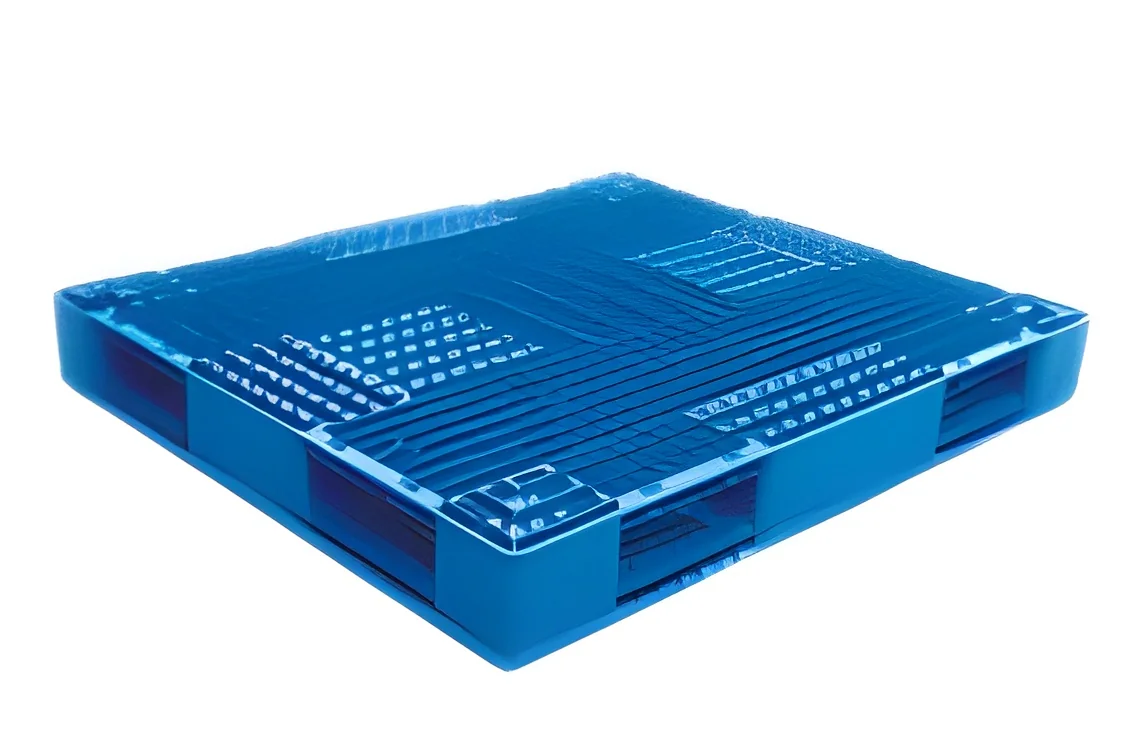
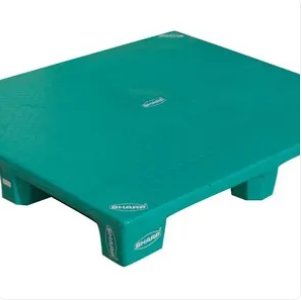
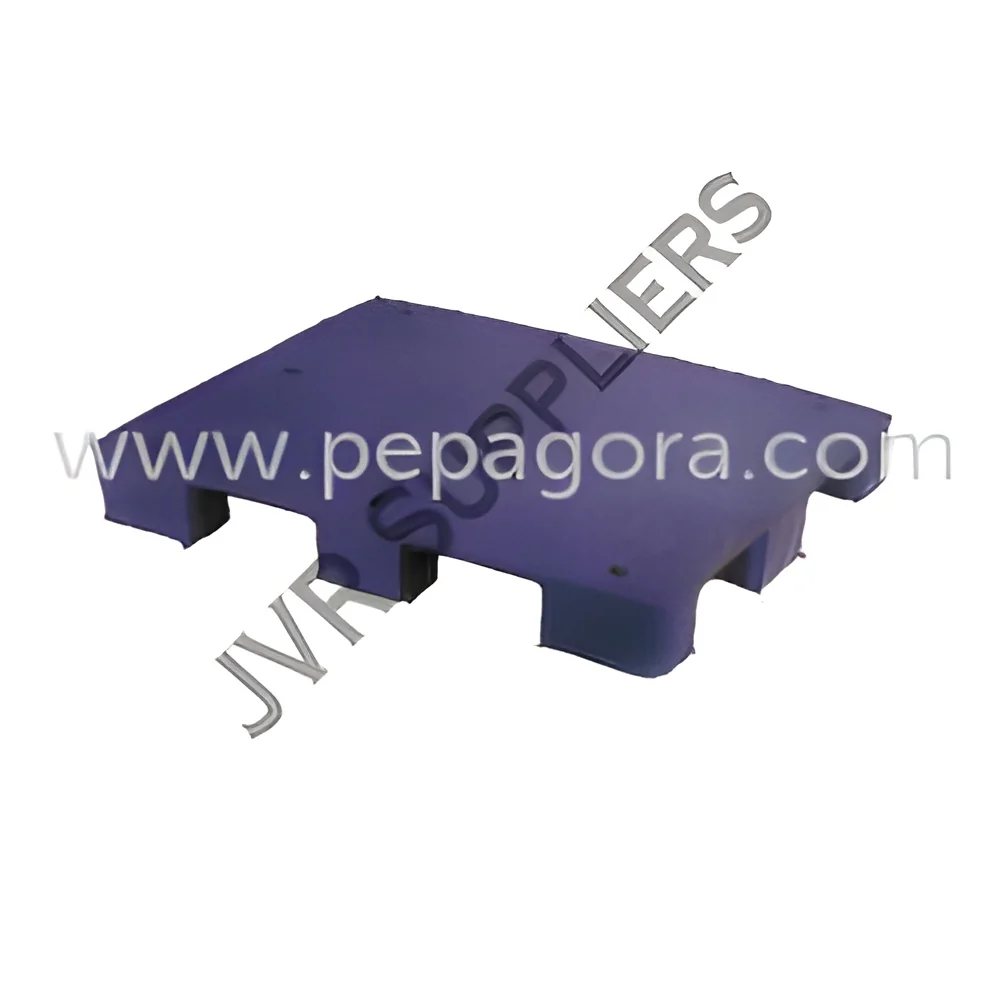
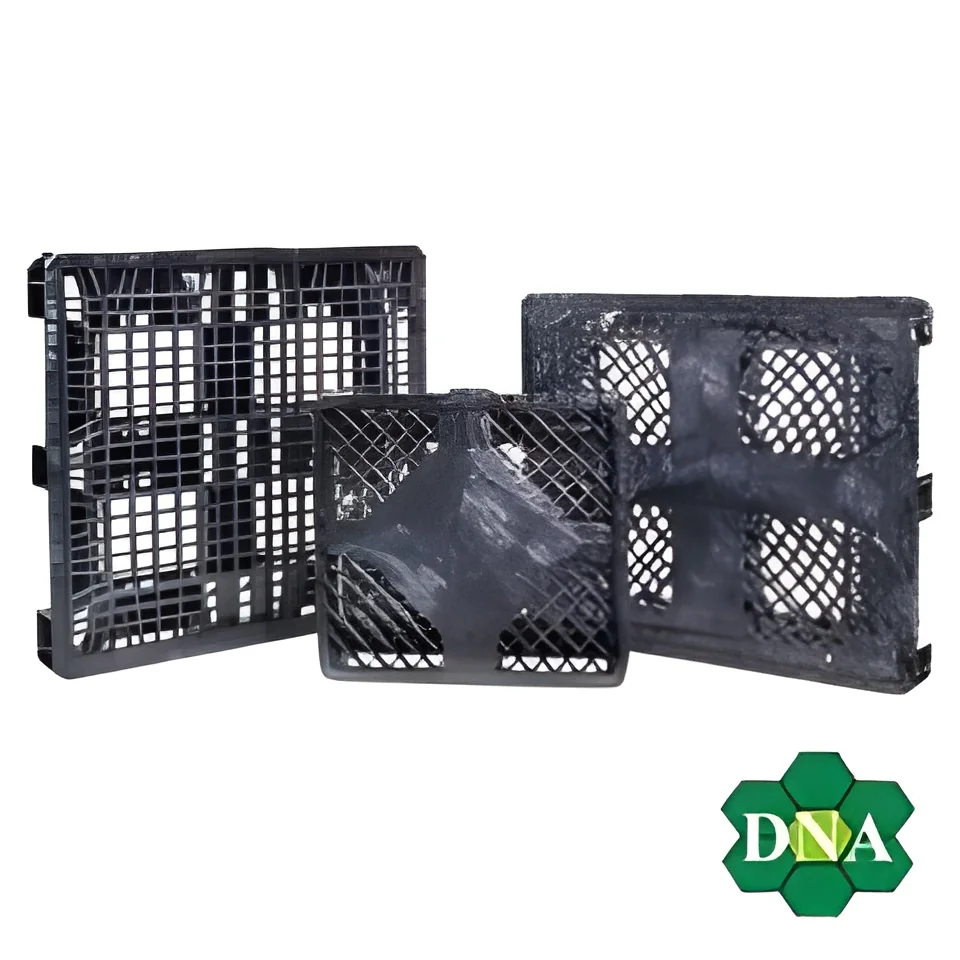
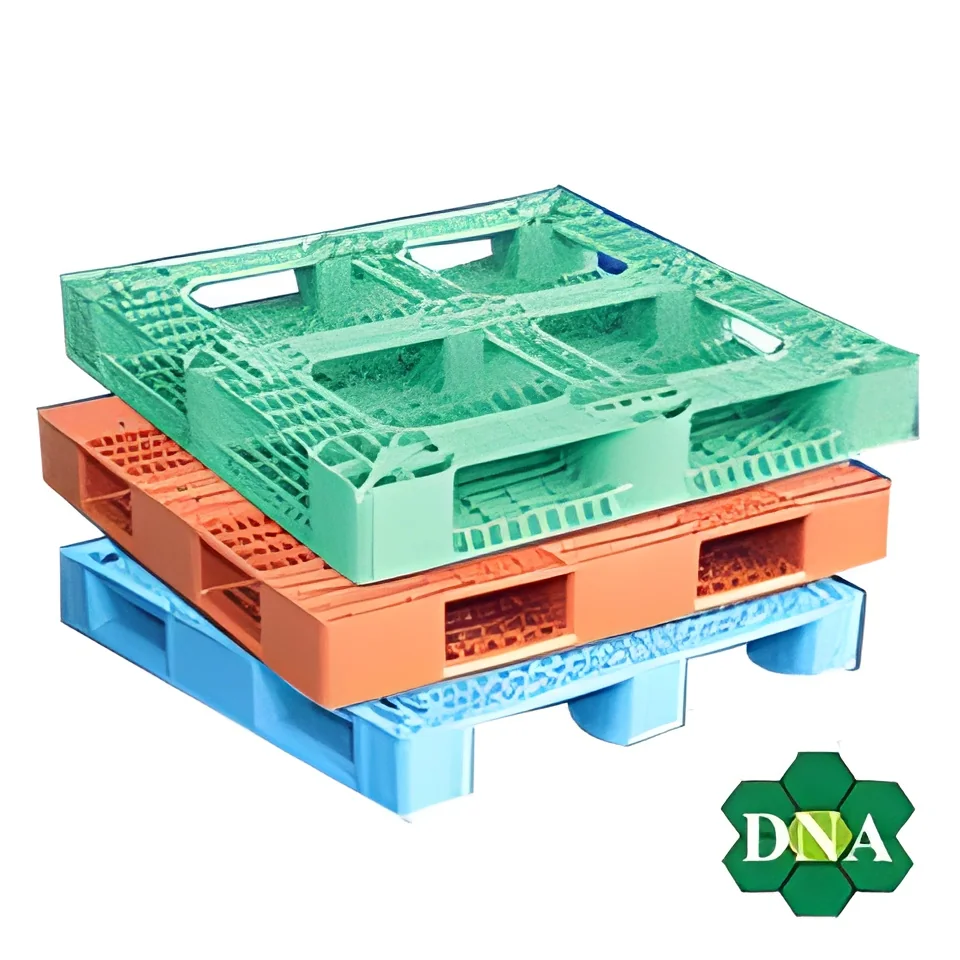
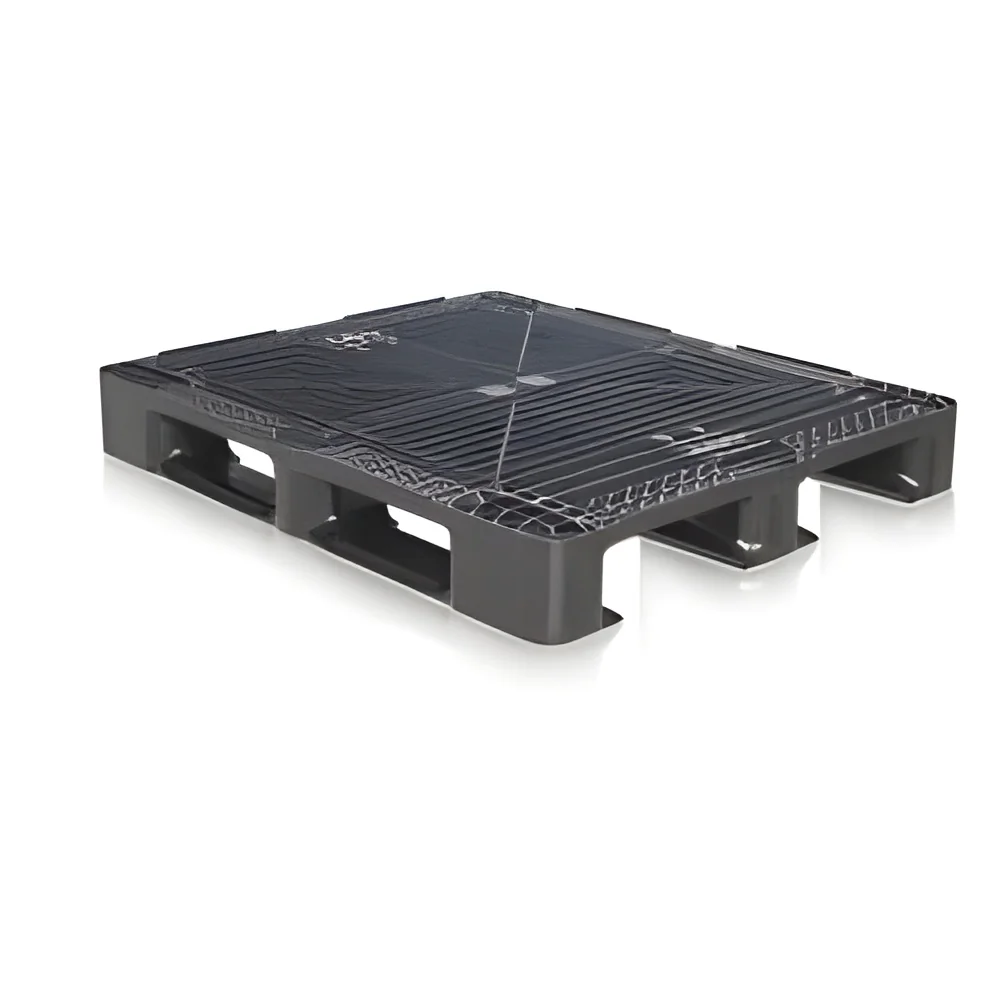
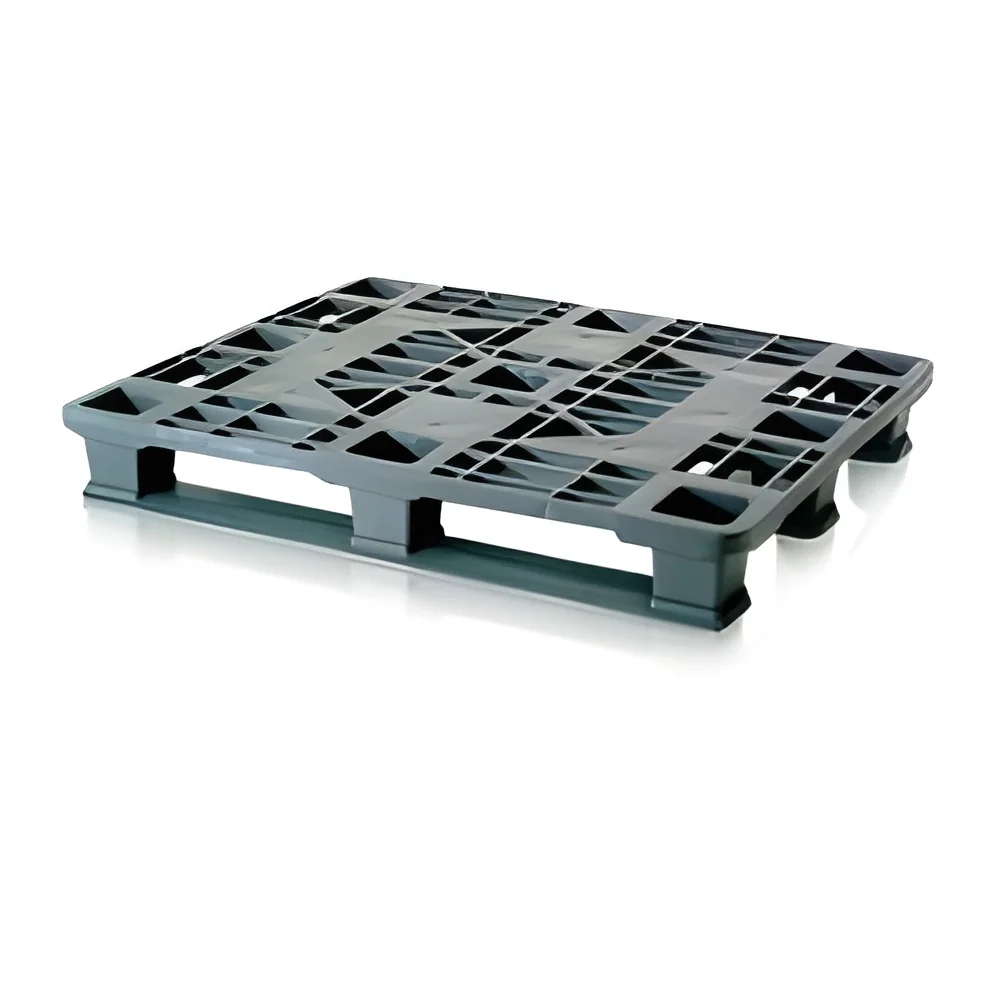
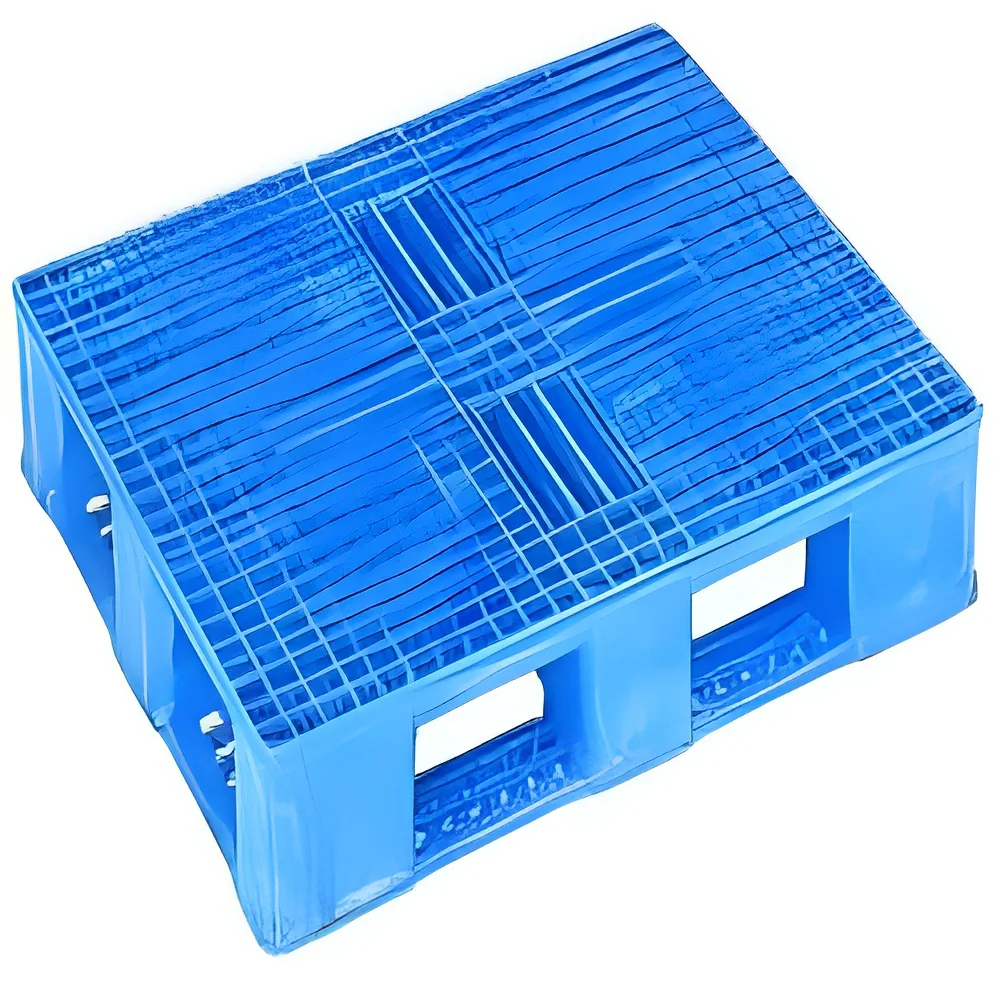
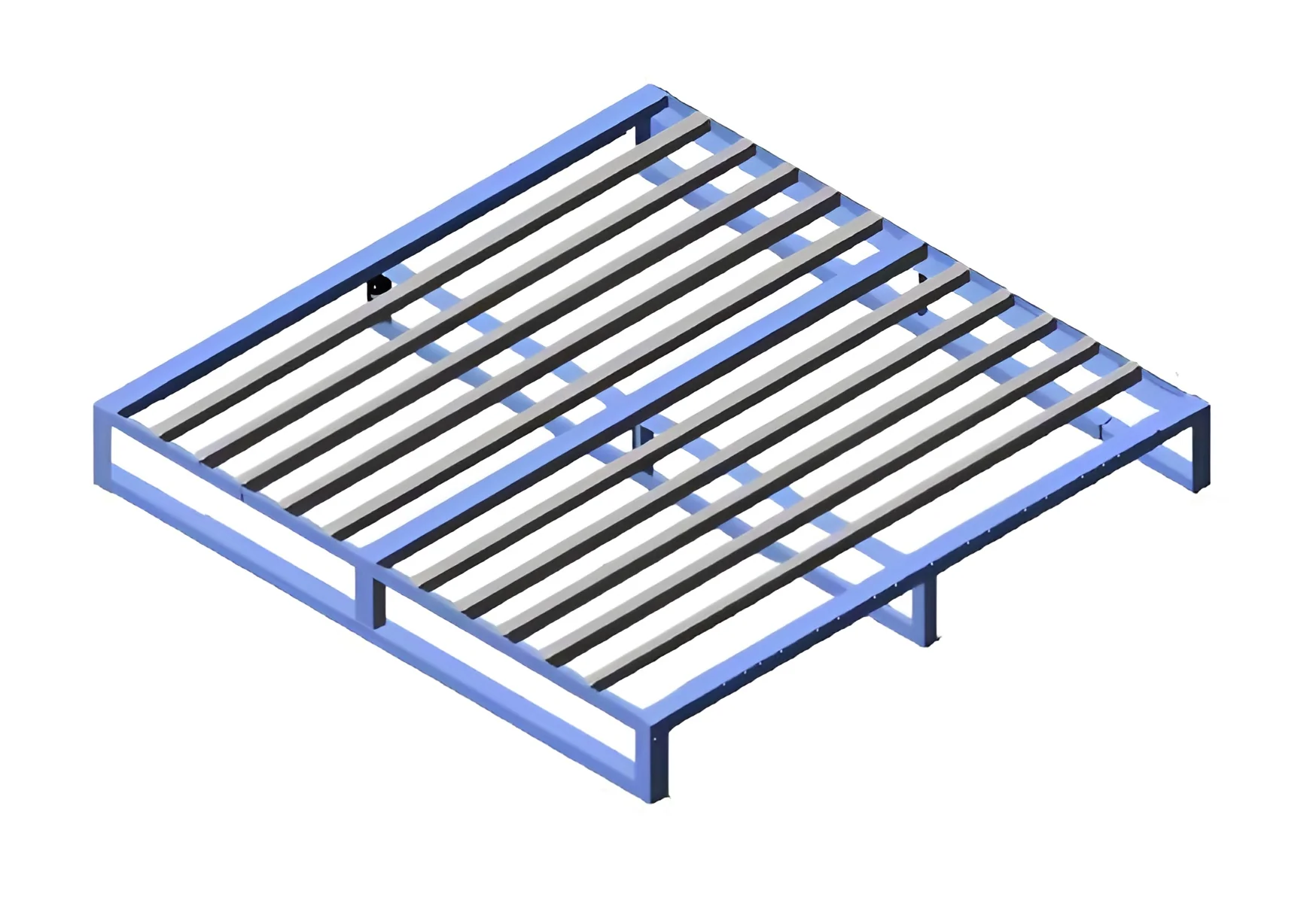
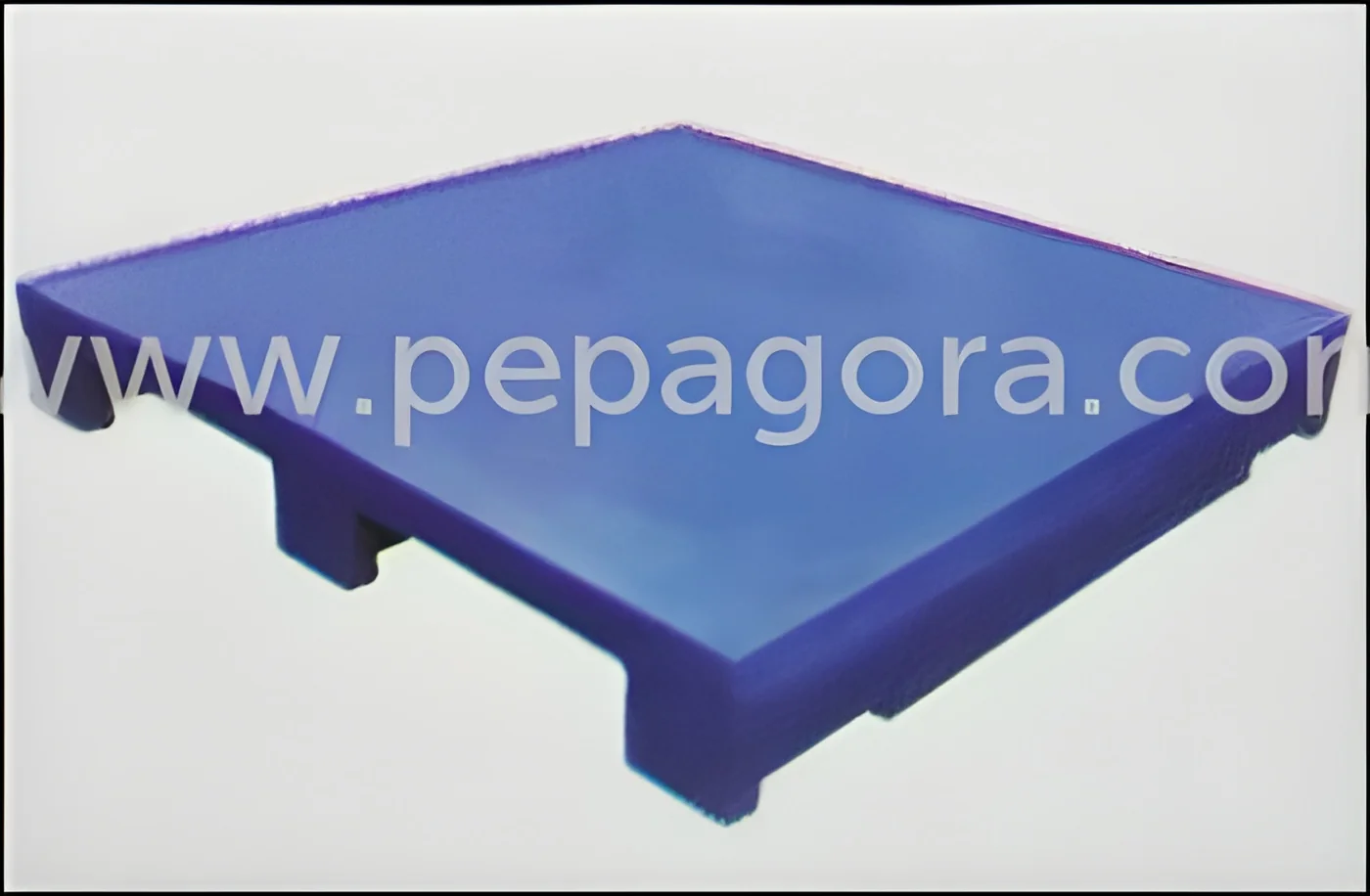
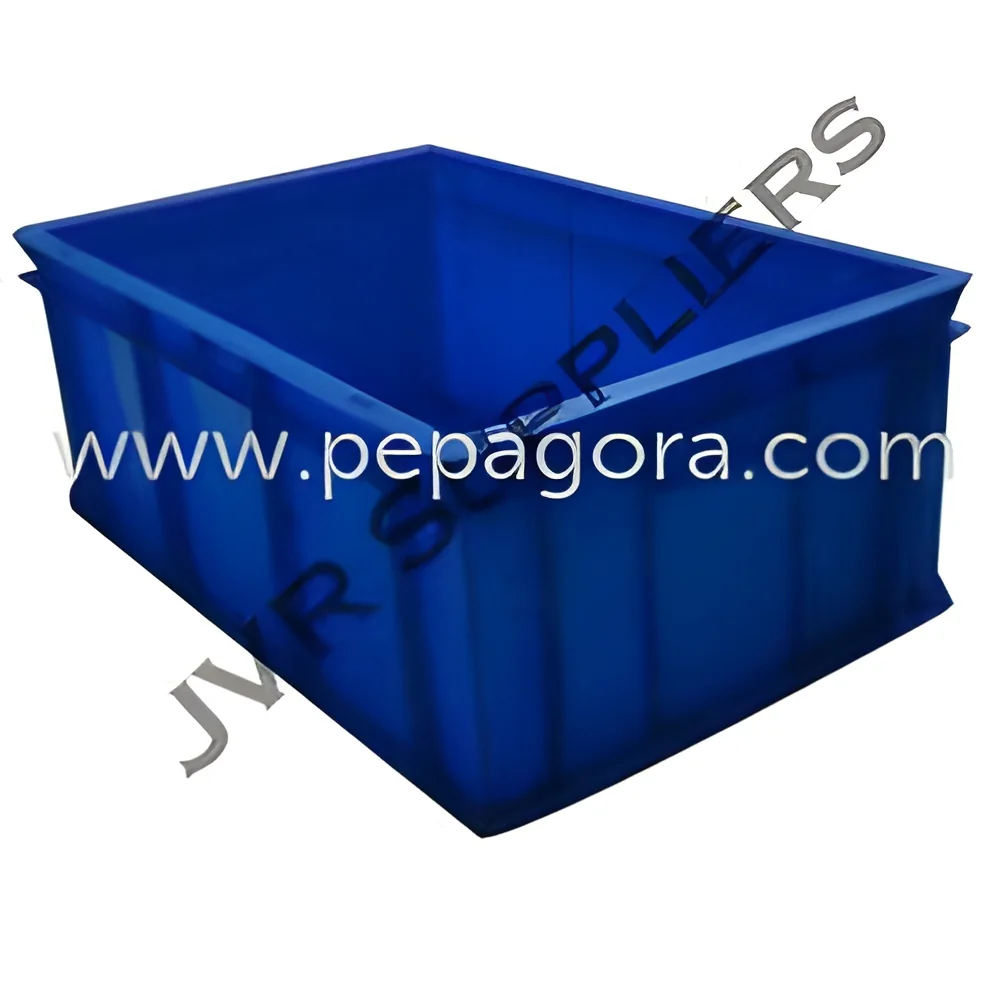
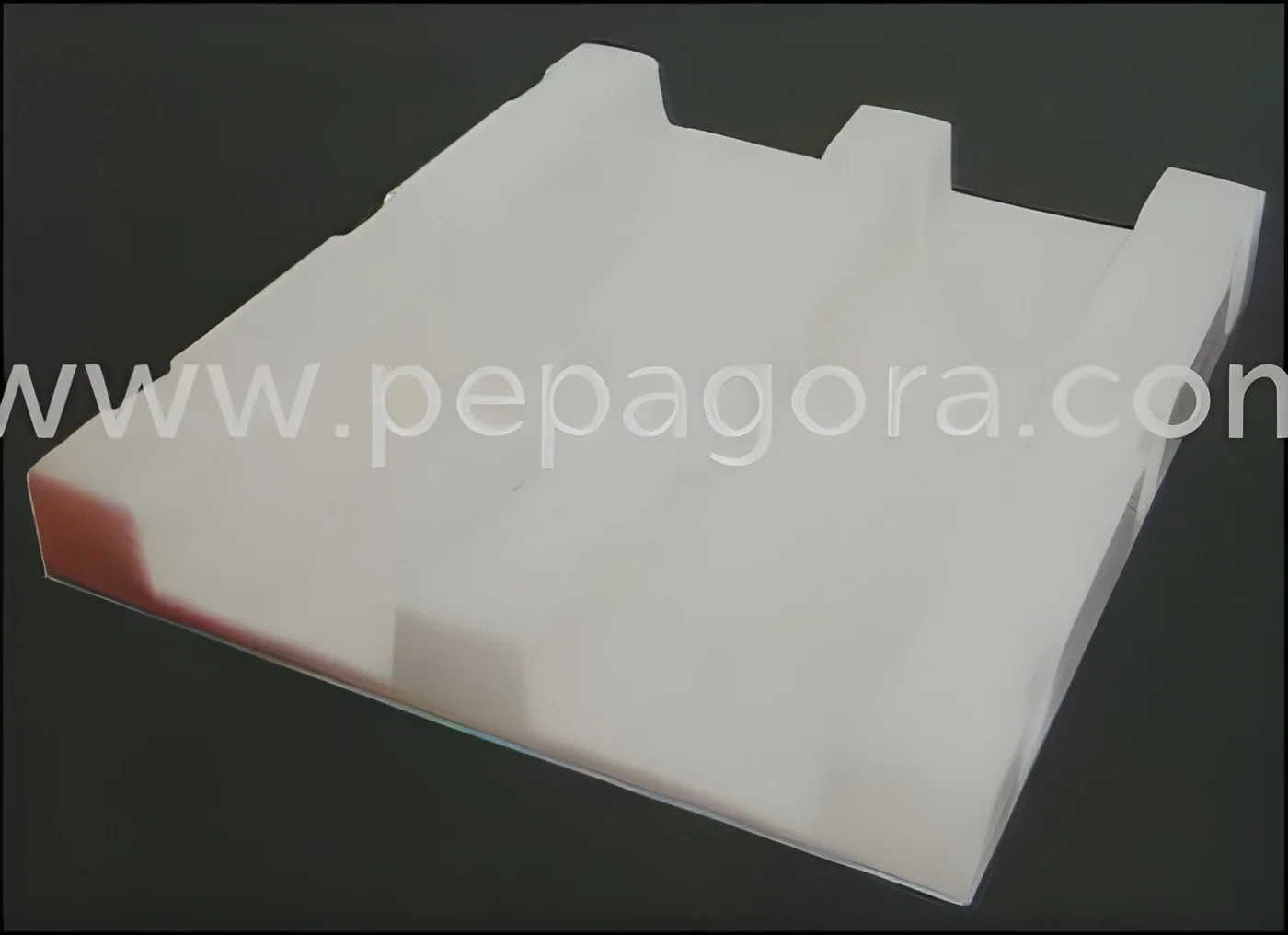
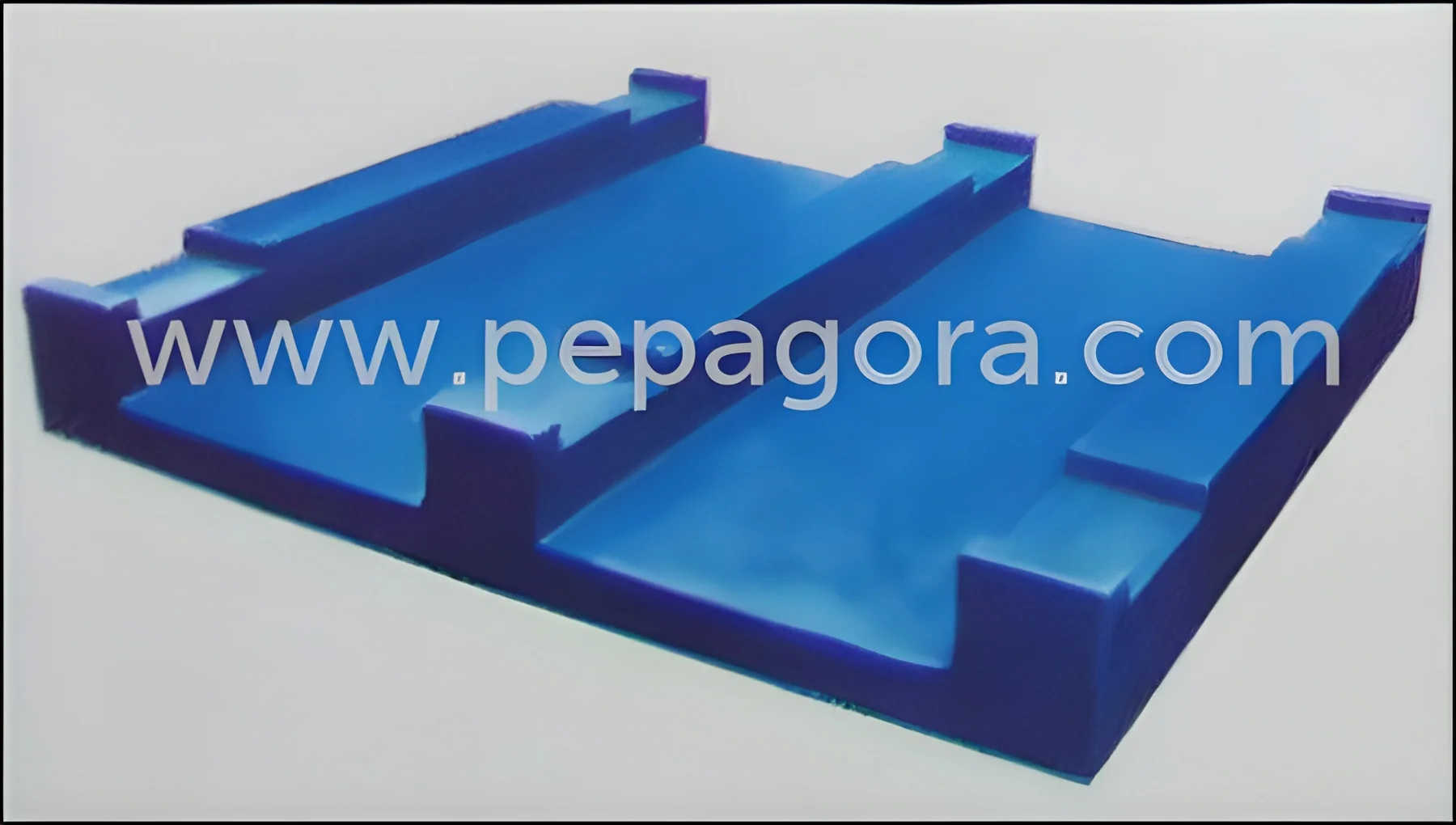
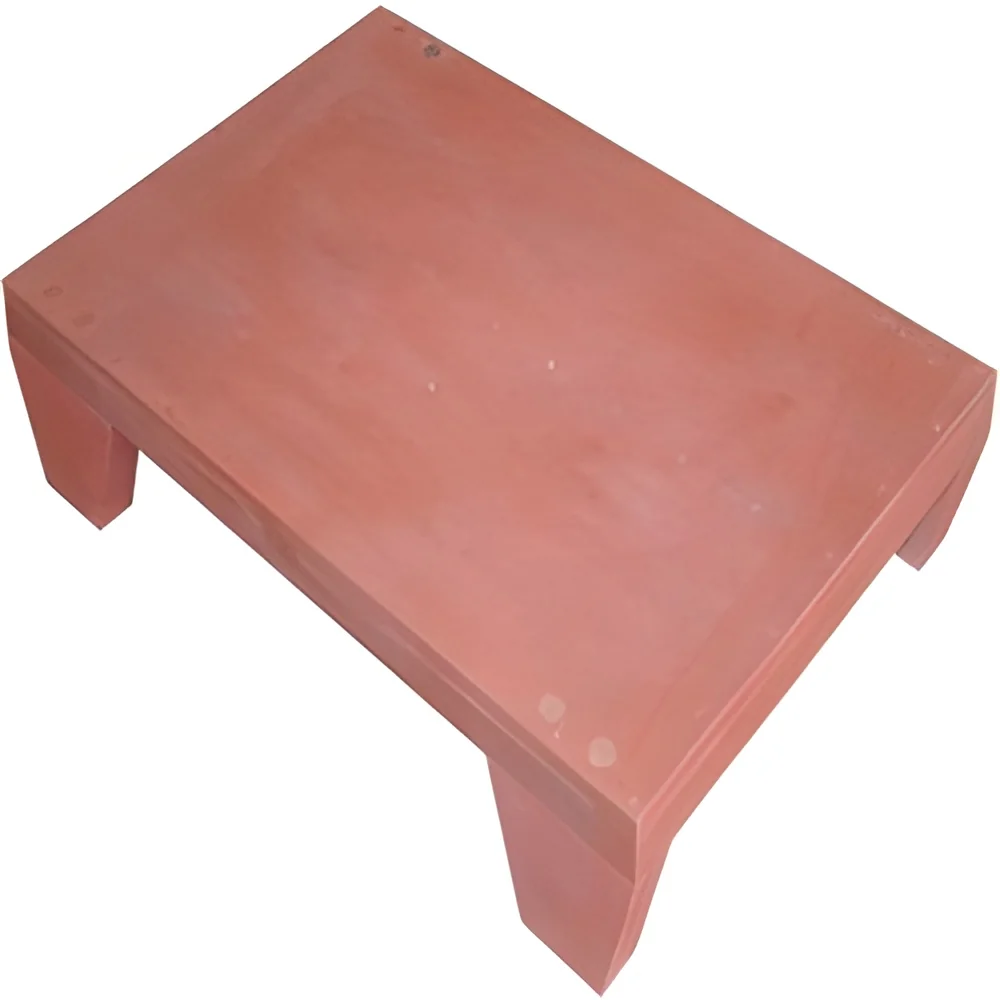
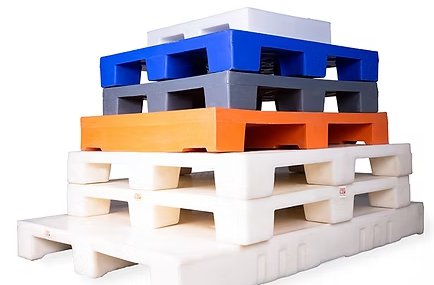
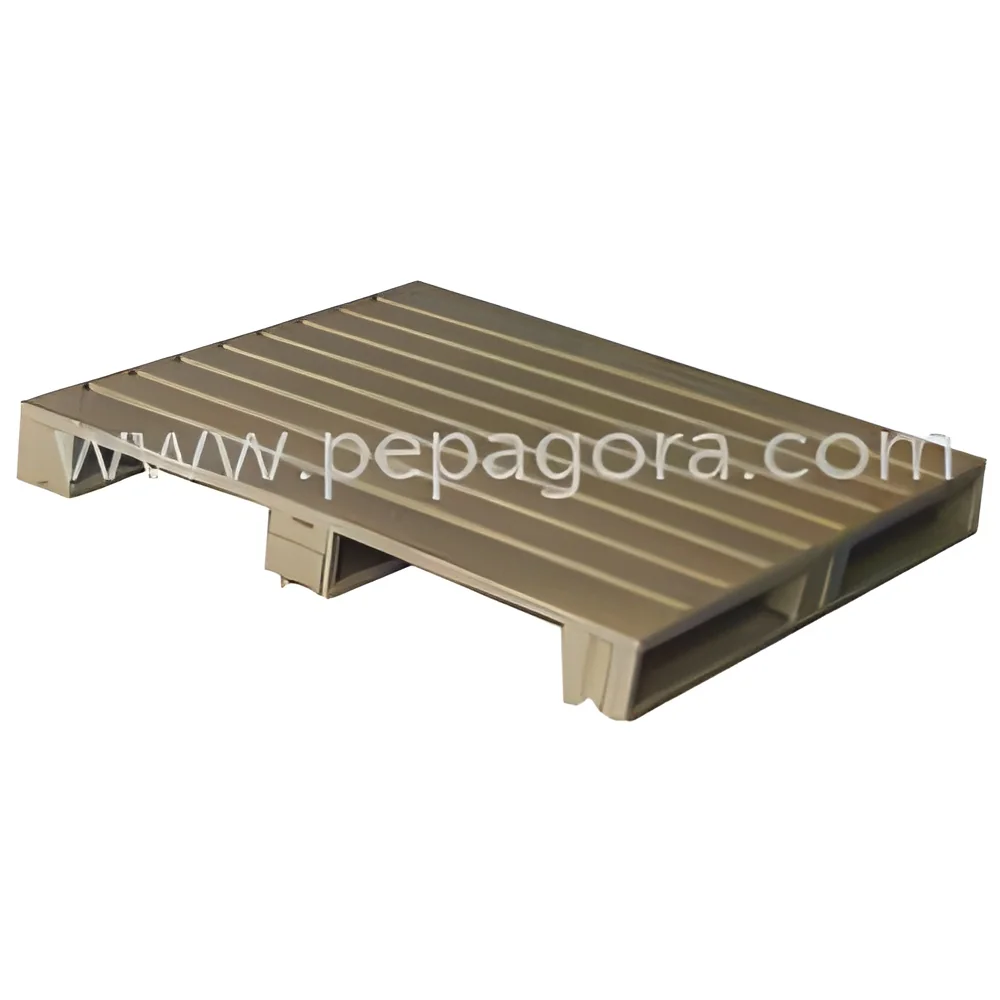
What are Plastic Pallets?
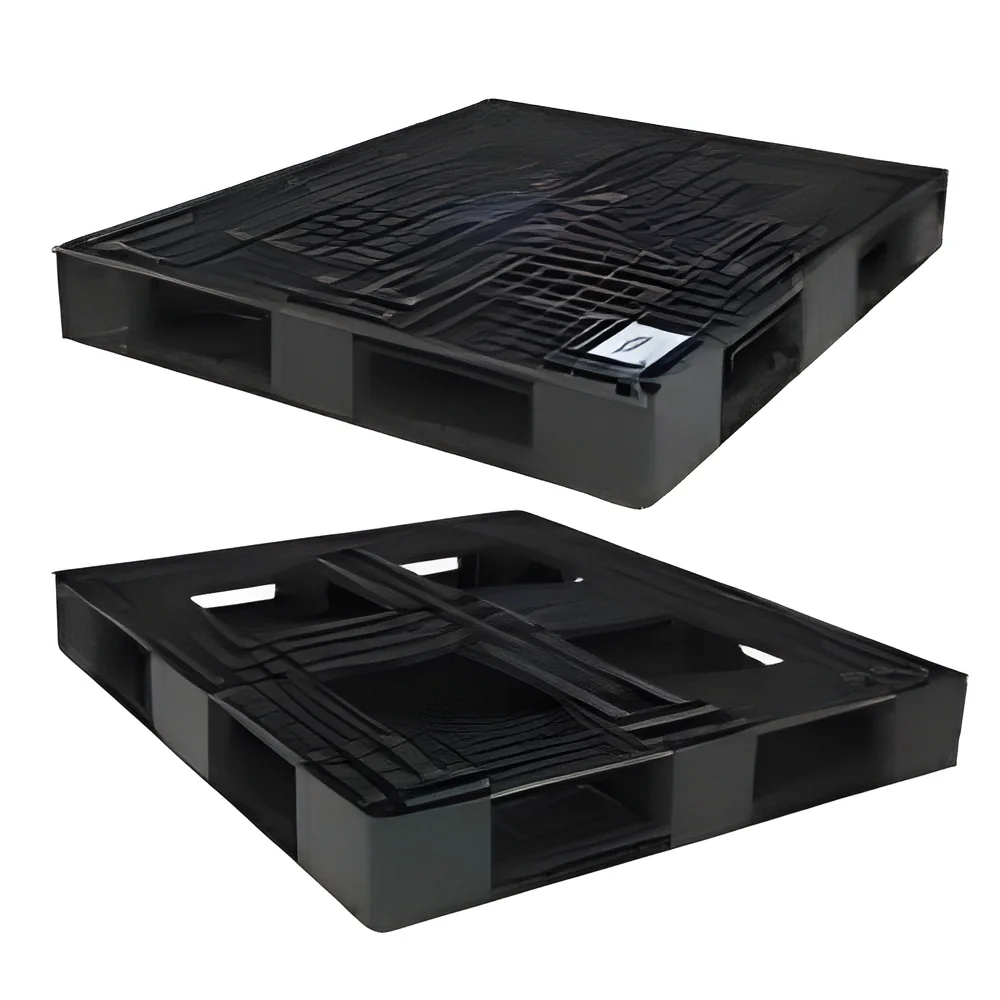
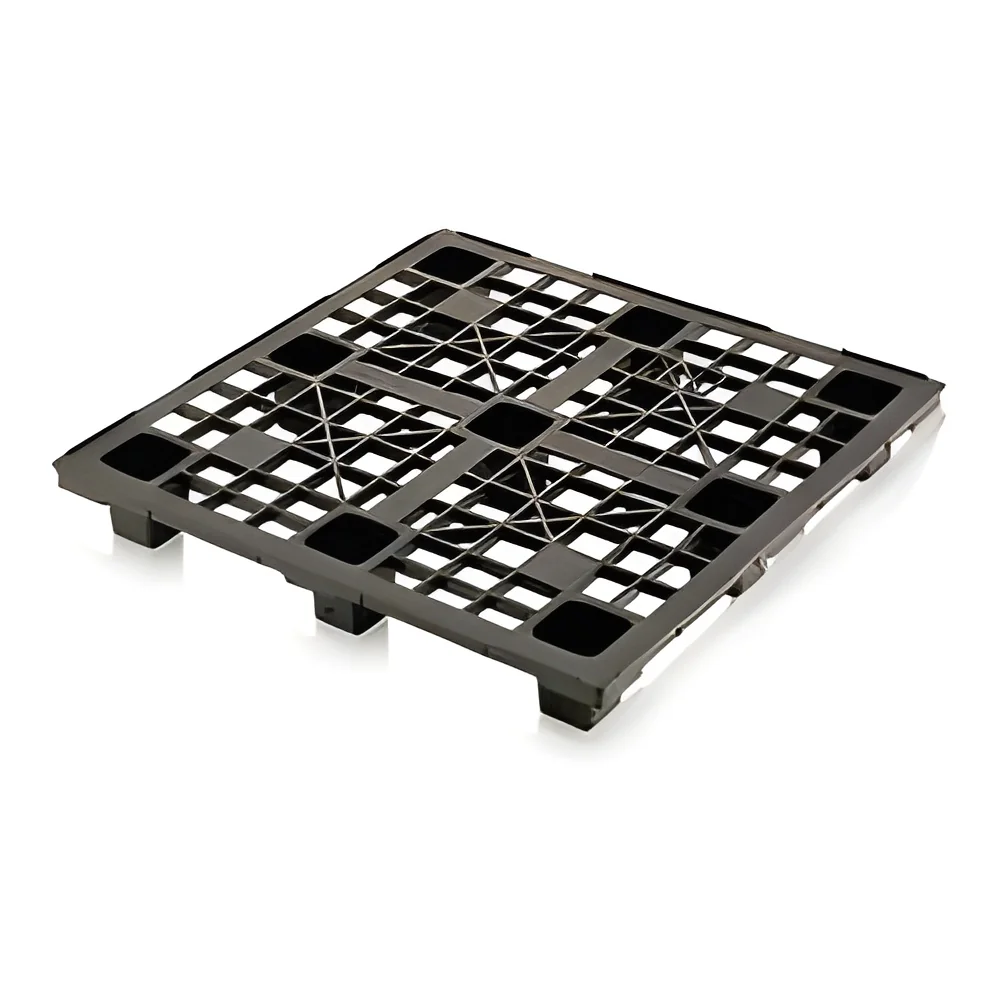
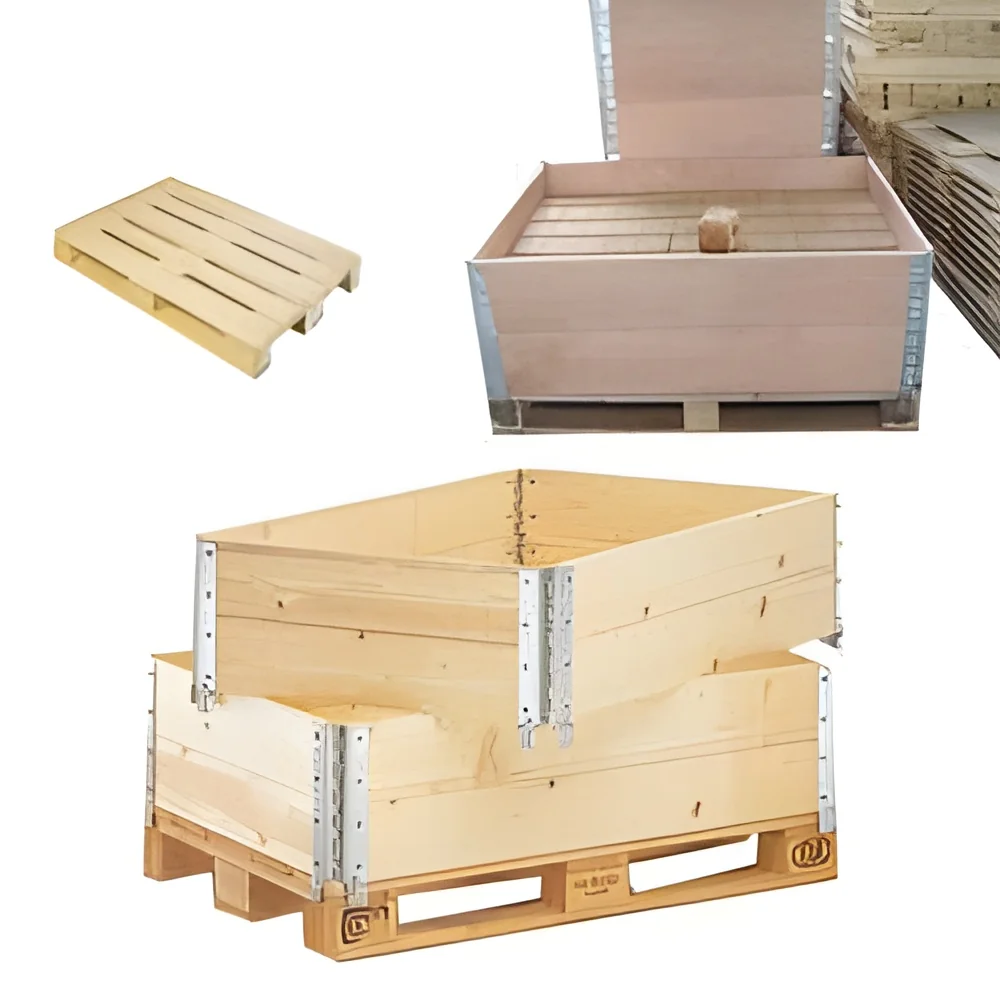
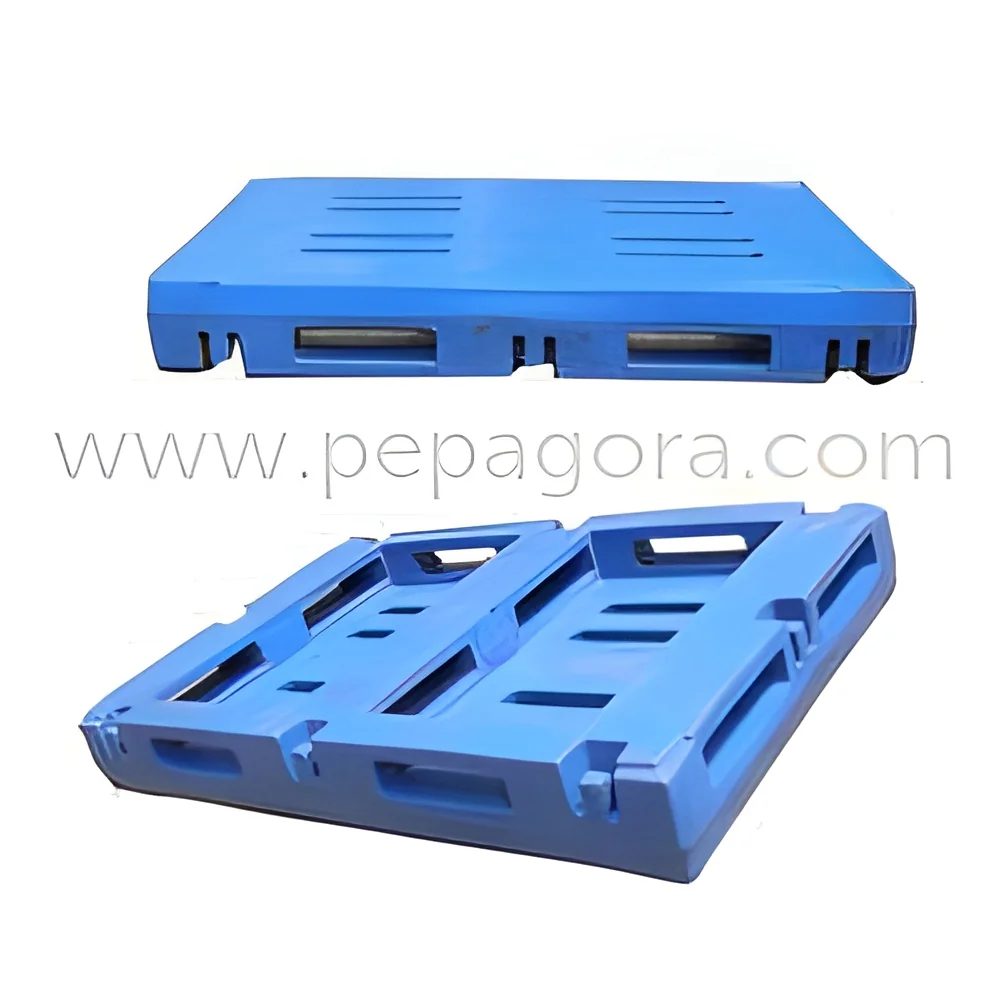
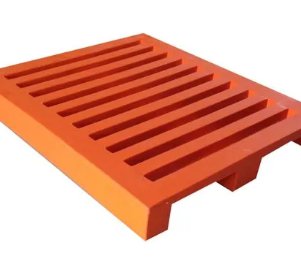
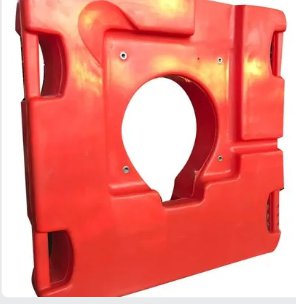
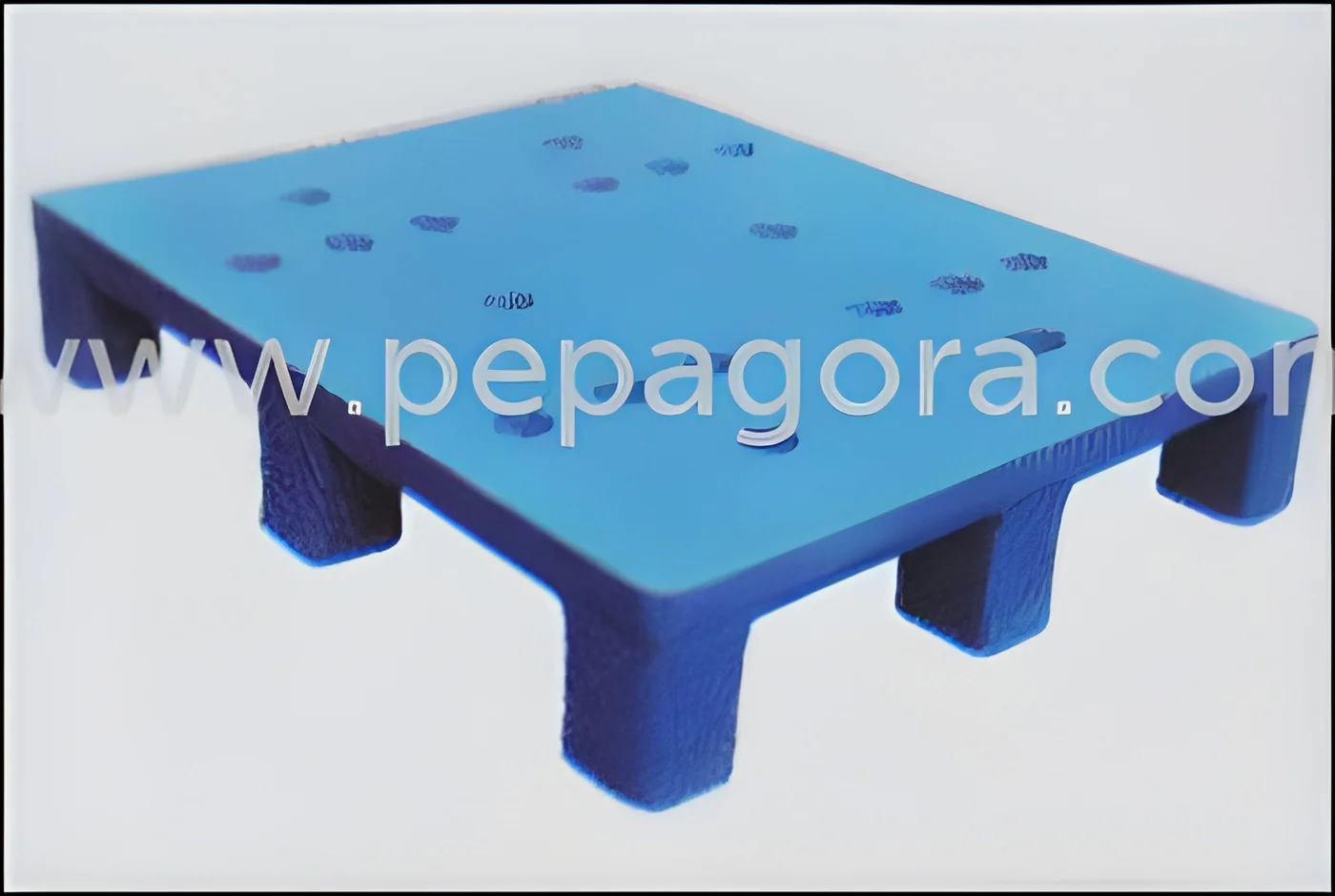
Plastic pallets are lightweight, durable platforms made from synthetic materials, designed for the storage and transportation of goods. Unlike traditional wooden pallets, plastic pallets are resistant to moisture, chemicals, and pests, making them suitable for a variety of environments. They are often used in warehouses, distribution centers, and shipping facilities, where reliability and hygiene are paramount.
These pallets serve multiple business applications across various industries. They are commonly used in food and beverage, pharmaceuticals, retail, and manufacturing sectors. The hygienic properties of plastic pallets make them particularly suitable for industries that require strict cleanliness standards. Additionally, their lightweight design reduces shipping costs and enhances handling efficiency, contributing to their growing popularity in the global market.
As industries evolve and prioritize sustainability, the demand for plastic pallets continues to rise. Their recyclability and longer lifespan compared to wooden pallets make them an attractive option for businesses looking to minimize waste and reduce their environmental footprint. With the increasing need for efficient supply chain solutions, plastic pallets are becoming a critical component in modern logistics.
Key Features and Specifications
Plastic pallets come with a range of features that enhance their functionality and usability in various applications. Understanding these specifications is crucial for businesses looking to invest in the right pallet solution.
Key specifications include:
1. Material Composition
- Typically made from high-density polyethylene (HDPE) or polypropylene (PP)
- Strong resistance to chemicals and moisture
2. Load Capacity
- Standard load capacities range from 1,000 to 3,000 pounds
- Suitable for both static and dynamic loading
3. Dimensions
- Common sizes include 48 x 40 inches and 42 x 42 inches
- Custom sizes can be produced based on requirements
4. Weight
- Generally lighter than wooden pallets, with weights from 30 to 60 pounds
- Easier to handle and transport
5. Design Type
- Options include nestable, stackable, and rackable designs
- Versatile for different storage and transportation needs
6. Hygiene Standards
- Non-porous surfaces that prevent bacteria growth
- Compliant with food safety regulations
7. Recyclability
- Made from recyclable materials
- Contributes to sustainable practices in logistics
8. Stability and Durability
- Resistant to warping and cracking
- Can withstand extreme temperatures and environmental conditions
In summary, the key features of plastic pallets make them a reliable choice for various industries seeking efficient and hygienic material handling solutions.
Common Applications and Use Cases
Plastic pallets are versatile and find applications in many sectors, enhancing operational efficiency and safety.
1. Food and Beverage Industry: Used for transporting and storing perishable goods, plastic pallets meet hygiene standards and are resistant to contaminants.
2. Pharmaceutical Sector: Ideal for handling sensitive products, these pallets provide a clean and safe environment for medical supplies and medications.
3. Retail and E-commerce: Plastic pallets support the logistics of retail operations, facilitating the efficient movement of goods in warehouses and distribution centers.
4. Manufacturing: They are used in the assembly line and for storing raw materials, helping to streamline production processes.
5. Agriculture: Plastic pallets are employed in the transport of agricultural products, offering durability and ease of cleaning.
6. Automotive Industry: They are utilized for the storage and transport of automotive parts, ensuring protection during transit.
7. Electronics: Plastic pallets are perfect for handling delicate electronic components, minimizing the risk of damage.
Product Variants and Subcategories
Plastic pallets come in various types to cater to specific needs in different industries. Each variant offers unique features and applications.
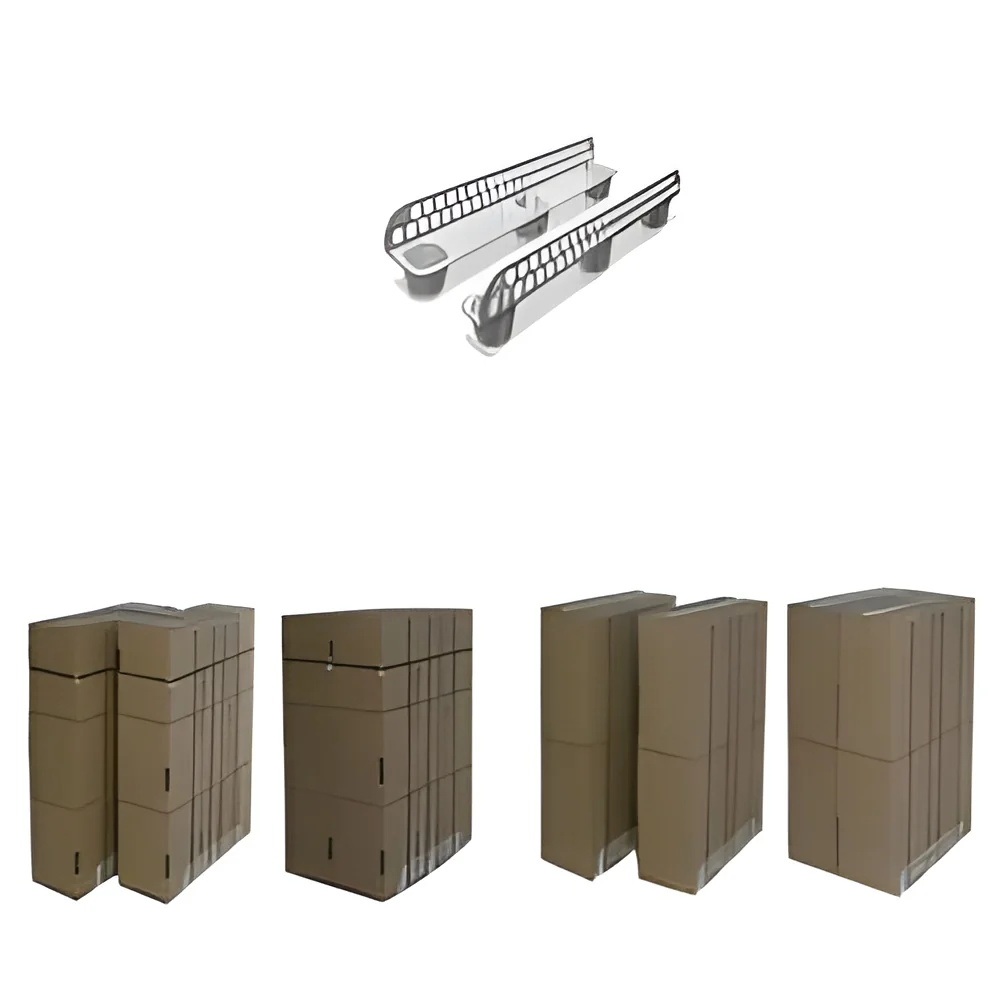
Nestable Pallets: These pallets can be stacked within one another, saving space during storage. They are lightweight and ideal for companies with limited storage capacity.
Stackable Pallets: Designed to stack securely, these pallets maximize vertical space in warehouses, making them perfect for high-density storage solutions.
Rackable Pallets: Suitable for racking systems, rackable pallets are designed to fit safely on pallet racks, offering stability and ease of access.
Customized Pallets: Some manufacturers offer customization options, allowing businesses to tailor pallets to specific dimensions, load capacities, or branding requirements.
Benefits and Advantages
Choosing plastic pallets provides numerous advantages for businesses looking to optimize their logistics operations.
1. Durability: Plastic pallets are resistant to wear and tear, ensuring a longer lifespan compared to wood.
2. Hygiene: Their non-porous surfaces prevent contamination, making them ideal for food and pharmaceutical applications.
3. Lightweight: The reduced weight of plastic pallets allows for easier handling and lower shipping costs.
4. Recyclability: Made from recyclable materials, plastic pallets contribute to sustainable practices and reduce environmental impact.
5. Cost-Effectiveness: Although the initial investment may be higher, their durability and reduced maintenance costs make them a cost-effective solution over time.
6. Versatility: With various designs available, plastic pallets can be used in numerous applications across different industries.
Buying Guide for B2B Buyers
When sourcing plastic pallets, several factors should be considered to ensure the best investment for your business needs.
1. Quality Assessment: Evaluate the material quality and structural integrity of the pallets. Look for certifications that indicate compliance with industry standards.
2. Supplier Verification: Research potential suppliers to ensure they have a good reputation and reliable track record. Request references and customer feedback.
3. Pricing and MOQ: Consider the pricing structure and minimum order quantities (MOQ) that suppliers offer. Compare prices to find the best deal without compromising quality.
4. Delivery and Lead Times: Discuss delivery schedules and lead times with suppliers to ensure timely receipt of products. Assess their logistics capabilities.
5. Compliance Requirements: Ensure that the pallets meet any relevant industry regulations or standards, especially in sectors like food and pharmaceuticals.
Compliance and Certifications
Plastic pallets must adhere to several quality standards and certifications to ensure safety and reliability. Common standards include ISO 9001, which focuses on maintaining high quality in production processes. Additionally, HACCP (Hazard Analysis Critical Control Point) compliance is crucial for businesses in the food industry to ensure food safety.
Many plastic pallets are certified with the CE mark, indicating compliance with European safety standards. Testing requirements often include assessments for load capacity, durability, and chemical resistance, ensuring that the products can withstand the rigors of various environments.
Regional compliance considerations may vary, so it is essential for businesses to be aware of local regulations regarding the use and disposal of plastic pallets. Ensuring compliance not only protects the business but also enhances its reputation in the market.
Why Source Plastic Pallets from Pepagora?
Pepagora offers a trusted platform for sourcing plastic pallets, providing several key advantages for B2B buyers.
Verified Supplier Network: Pepagora ensures that all suppliers in its network are thoroughly vetted. This verification process guarantees that buyers can trust the quality and reliability of the products offered.
Streamlined RFQ Process: The platform features a user-friendly request for quotation (RFQ) system, allowing buyers to easily compare prices and specifications from multiple suppliers. This efficiency helps businesses make informed purchasing decisions quickly.
Trade Assurance and Support: Pepagora provides trade assurance to protect buyers against potential risks. Their dedicated support team is available to assist with any issues that may arise during the purchasing process.
Regional Coverage: With a strong presence in India, the Gulf Cooperation Council (GCC), and Southeast Asia, Pepagora offers extensive geographic reach, making it easier for businesses in these regions to access quality plastic pallets. This regional focus ensures that buyers can find suitable solutions tailored to their specific needs.

 IN
IN