What are Ventilated Crates?
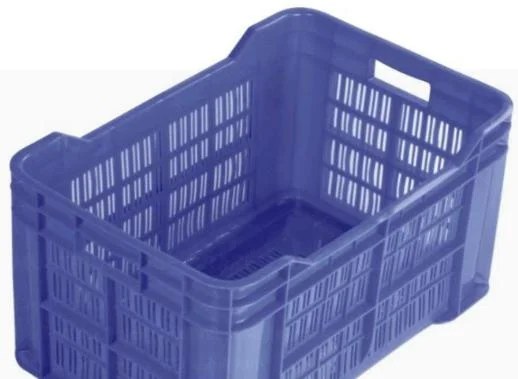
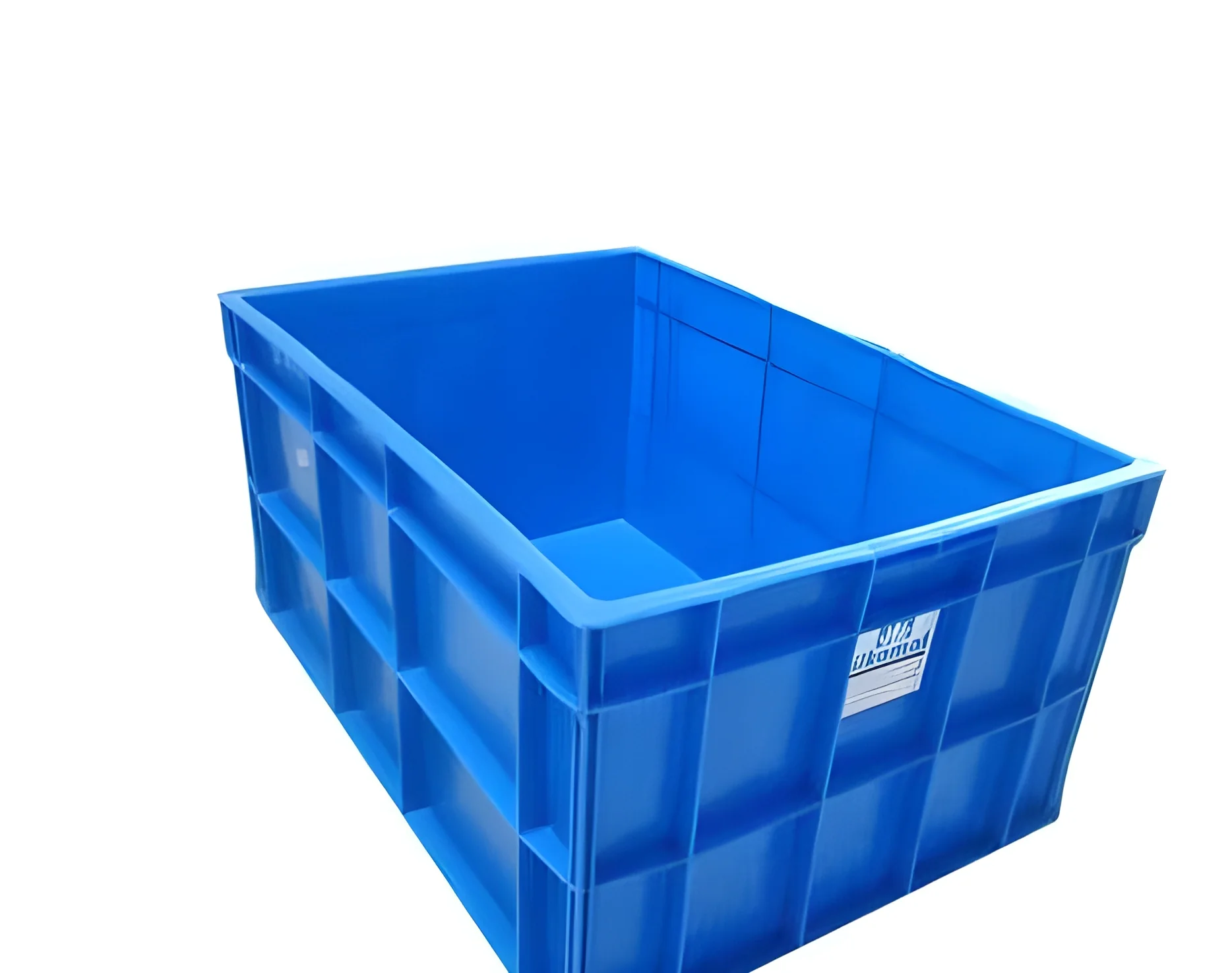
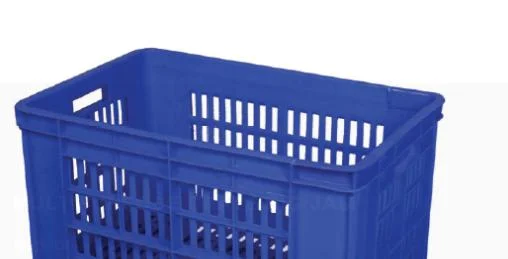
Ventilated crates are specialized containers designed to facilitate the transportation and storage of perishable goods. They feature strategically placed ventilation openings that allow for air circulation, helping to regulate temperature and humidity levels within the crate. This design minimizes spoilage and ensures that products remain fresh during transit. Ventilated crates are often made from durable materials to withstand the rigors of transportation while providing adequate protection for the contents.
These crates are primarily used in industries that handle perishable goods, such as agriculture, seafood, and pharmaceuticals. Businesses rely on ventilated crates to transport fruits, vegetables, fish, and other sensitive products that require airflow to maintain quality. Additionally, they are used in logistics and supply chain operations to optimize storage conditions, reduce waste, and enhance product longevity. The demand for ventilated crates has grown as companies focus on sustainability and reducing losses in the supply chain.
In the current market context, ventilated crates are increasingly relevant due to the rising awareness of food safety and quality standards. Industries are adopting these solutions to ensure compliance with regulations and customer expectations. As e-commerce continues to expand, efficient packaging solutions like ventilated crates will play a crucial role in meeting the needs of businesses and consumers alike.
Key Features and Specifications
Ventilated crates are equipped with several key features that enhance their usability and functionality. These specifications are crucial for businesses seeking reliable solutions for transporting perishable goods.
Key specifications include:
1. Material Composition
- Constructed from high-density polyethylene (HDPE) or polypropylene
- Provides durability and resistance to impact and chemicals
2. Ventilation Design
- Features multiple air holes for optimal airflow
- Ensures temperature and humidity control during transport
3. Load Capacity
- Typically supports weights ranging from 20 to 100 kilograms
- Designed to accommodate various types of products
4. Dimensions
- Common sizes include 600mm x 400mm and 800mm x 600mm
- Custom sizes available upon request
5. Stackability
- Designed for efficient stacking to save space
- Interlocking design helps prevent shifting during transport
6. Hygiene Standards
- Easy to clean and sanitize
- Compliant with food safety regulations
7. Temperature Resistance
- Capable of withstanding temperature variations
- Suitable for refrigerated transport
8. Recyclability
- Made from recyclable materials
- Supports sustainability efforts in the supply chain
In summary, ventilated crates offer a range of features that cater to the specific needs of businesses dealing with perishable goods. Their robust design and functionality make them an essential tool in effective logistics management.
Common Applications and Use Cases
Ventilated crates find applications across multiple industries, each benefiting from their unique design.
1. Agriculture: Farmers use ventilated crates to transport fruits and vegetables, ensuring that produce remains fresh and free from spoilage during transport to markets.
2. Seafood: The fishing industry relies on ventilated crates to maintain the quality of fish and shellfish, as proper airflow helps to prevent bacterial growth and spoilage.
3. Pharmaceutical: In the pharmaceutical sector, ventilated crates are used to transport temperature-sensitive medications that require specific storage conditions.
4. Flowers and Plants: Florists utilize ventilated crates to keep flowers fresh during shipping, as these crates help to manage humidity and airflow.
5. Meat Processing: Meat products are transported in ventilated crates to ensure that they remain at safe temperatures, reducing the risk of spoilage.
6. Dairy Products: Dairy producers benefit from ventilated crates by maintaining the quality and safety of milk and cheese during transport.
7. Packaged Foods: Manufacturers of packaged foods use ventilated crates to ensure products remain intact and fresh during distribution.
In conclusion, ventilated crates serve a variety of industries, helping businesses maintain product quality and comply with safety standards throughout the supply chain.
Product Variants and Subcategories
Ventilated crates come in various forms to meet diverse business needs. Each variant has specific features tailored to different applications.
Standard Ventilated Crates
These are the most common type, designed for general use in transporting a wide range of perishable goods. They feature robust construction and adequate ventilation.
Heavy-Duty Ventilated Crates
Engineered for increased load capacity, these crates are ideal for transporting bulkier items. They are often used in the seafood and meat industries.
Customized Ventilated Crates
Some suppliers offer customization options to meet specific business requirements. These crates can be tailored in size, design, and branding to fit particular applications.
Small Ventilated Crates
Ideal for retail and small-scale distribution, these crates are designed for easy handling and storage of smaller quantities of goods.
Multi-Use Ventilated Crates
These versatile crates can be used for various applications beyond food, such as transporting electronics or fragile items that require careful handling.
Benefits and Advantages
Ventilated crates provide several advantages that make them essential for businesses dealing with perishable goods.
1. Improved Freshness: The ventilation design helps maintain optimal conditions, reducing spoilage and extending product life.
2. Cost Efficiency: By minimizing waste and spoilage, businesses can save on losses associated with damaged goods.
3. Versatility: Suitable for a wide range of products, these crates can adapt to different industries and applications.
4. Enhanced Hygiene: Easy to clean materials ensure compliance with food safety standards.
5. Space Optimization: Stackable designs allow for efficient use of storage and transport space.
6. Eco-Friendly: Made from recyclable materials, they support sustainable practices in logistics.
In summary, the benefits of using ventilated crates extend beyond just product preservation. They contribute to cost savings, operational efficiency, and sustainability.
Buying Guide for B2B Buyers
When sourcing ventilated crates, businesses should consider several critical factors to ensure they select the right products.
1. Quality Assessment: Evaluate the material quality and durability of the crates. Look for suppliers that adhere to industry standards for safety and functionality.
2. Supplier Verification: Conduct thorough research to verify suppliers. Check for reviews, certifications, and past performance to ensure reliability.
3. Pricing and MOQ: Consider the price per unit and minimum order quantities. Balancing cost against quality is essential for making an informed purchase.
4. Delivery and Lead Times: Understand the logistics involved in shipping. Confirm delivery timelines to ensure products arrive when needed.
5. Compliance Requirements: Ensure that the crates meet any relevant regulatory requirements for your industry. This may include food safety certifications or environmental regulations.
In conclusion, taking the time to evaluate these factors will help businesses make informed decisions when purchasing ventilated crates.
Compliance and Certifications
Ventilated crates must adhere to various industry standards to ensure safety and quality. One of the primary certifications is CE marking, which indicates that the product meets European safety, health, and environmental protection requirements.
Additionally, businesses often seek compliance with quality management standards such as ISO 9001. This certification ensures that manufacturers maintain consistent quality in their products and processes.
In industries dealing with food products, compliance with HACCP (Hazard Analysis Critical Control Point) guidelines is crucial. This framework helps identify and manage food safety risks throughout the supply chain.
Safety and testing requirements also play a significant role in the acceptance of ventilated crates. Products should undergo rigorous testing to confirm their durability, load capacity, and resistance to environmental factors.
Regional compliance considerations are also important, as different regions may have specific regulations governing the transportation and storage of perishable goods. Understanding these requirements is essential for businesses operating in multiple markets.
Why Source Ventilated Crates from Pepagora?
Pepagora provides a trusted platform for sourcing ventilated crates, offering several key advantages that benefit B2B buyers.
Verified Supplier Network: Pepagora connects businesses with a network of verified suppliers who meet stringent quality and reliability standards. This ensures that buyers can trust the products they are sourcing.
Streamlined RFQ Process: The platform features an efficient Request for Quotation (RFQ) system that simplifies the procurement process. Buyers can easily request quotes from multiple suppliers, allowing them to compare prices and specifications.
Trade Assurance and Support: Pepagora offers trade assurance services, providing buyers with protection against potential risks in transactions. This support helps to build confidence in sourcing decisions.
Regional Coverage: With a strong presence in India, the GCC, and Southeast Asia, Pepagora facilitates access to suppliers across various regions. This geographic reach enables businesses to find the best solutions for their needs, no matter where they operate.
In summary, sourcing ventilated crates from Pepagora not only simplifies the procurement process but also offers peace of mind through verified suppliers and trade assurance, making it an ideal choice for businesses focused on quality and reliability.

 IN
IN