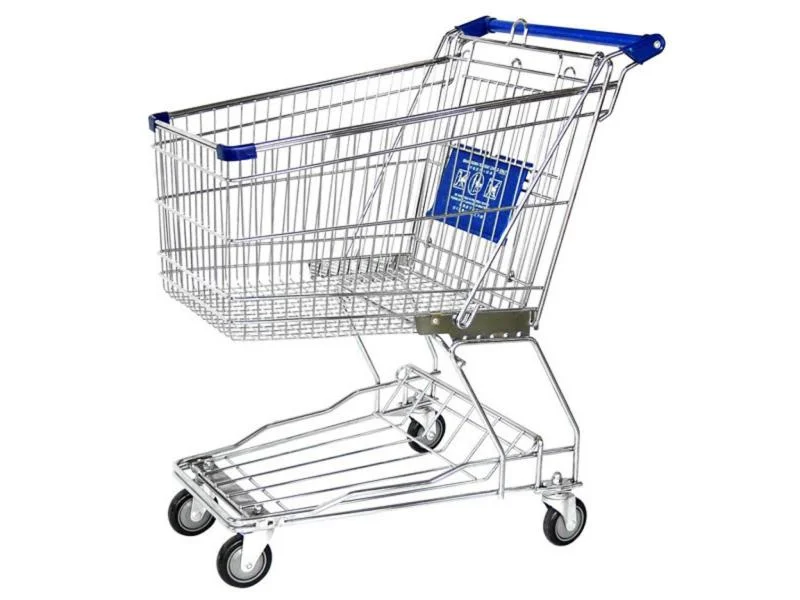
What are Container Trolleys?
Container trolleys are specialized transport devices designed to facilitate the movement of goods and materials within various environments, including warehouses, manufacturing facilities, and distribution centers. These trolleys typically feature a sturdy frame with wheels, allowing for easy maneuverability and transportation of heavy or bulk items. They can accommodate a variety of container sizes and types, making them an essential tool for efficient logistics and operational workflows.
The primary applications of container trolleys span multiple industries, including retail, healthcare, food service, and logistics. Businesses utilize these trolleys to streamline processes such as inventory management, order fulfillment, and material handling, which ultimately enhances productivity and reduces labor costs. As industries continue to evolve towards more efficient supply chain solutions, the demand for versatile and durable container trolleys is on the rise.
In the current market context, container trolleys are becoming increasingly relevant as businesses seek to optimize their operations. The growth of e-commerce and the focus on just-in-time inventory systems have led to an increased need for effective material handling equipment. This trend positions container trolleys as a critical asset for organizations aiming to improve their operational efficiency and manage costs effectively.
Key Features and Specifications
Container trolleys come with a range of features designed to enhance their functionality and usability. Understanding these specifications is critical for businesses looking to invest in the right equipment.
Key specifications include:
1. Load Capacity
- The maximum weight the trolley can safely carry, typically ranging from 100 kg to 1000 kg depending on the model.
2. Frame Material
- Common materials include steel and aluminum, chosen for their strength and durability.
3. Wheel Type
- Options may include swivel wheels for maneuverability or fixed wheels for stability, often made from rubber or polyurethane.
4. Dimensions
- Varying sizes to accommodate different container dimensions, ensuring compatibility with standard storage systems.
5. Surface Finish
- Options such as powder coating or galvanization to enhance corrosion resistance.
6. Handle Design
- Ergonomically designed handles for user comfort, with options for folding or fixed designs.
7. Mobility Features
- Some models may include features like brakes or locking mechanisms for added safety during use.
8. Customizability
- Availability of custom designs to meet specific business requirements, although specifics may vary by supplier.
These features collectively contribute to the overall performance and utility of container trolleys, making them a valuable investment for businesses.
Common Applications and Use Cases
Container trolleys are versatile tools applicable in various industries, enhancing efficiency and safety in material handling.
1. Retail: In retail environments, container trolleys are used for transporting stock from storage areas to sales floors, making stock replenishment quicker and more efficient.
2. Healthcare: Hospitals and laboratories utilize container trolleys to move medical supplies, equipment, and waste, ensuring organized and timely delivery of essential items.
3. Food Service: Restaurants and catering services rely on container trolleys to transport ingredients, prepared dishes, and serving items, facilitating smooth operations in busy environments.
4. Manufacturing: In manufacturing settings, these trolleys are employed to move raw materials and finished goods between production lines, contributing to streamlined workflows.
5. Warehousing: Container trolleys are essential in warehouses for order picking and inventory management, enabling workers to efficiently manage stock levels.
6. Logistics: Logistics companies use container trolleys for loading and unloading items from delivery vehicles, simplifying the transportation process.
7. Construction: On construction sites, container trolleys aid in moving tools and materials, enhancing site organization and productivity.
Product Variants and Subcategories
Container trolleys come in various configurations to suit different operational needs.
Heavy-Duty Container Trolleys offer increased load capacities and robust construction, making them ideal for industrial applications where heavy items are frequently transported.
Multi-Shelf Container Trolleys feature multiple levels for stacking containers, providing enhanced storage and transportation options in environments where space is limited.
Folding Container Trolleys are designed for easy storage and transport, ideal for businesses requiring flexibility and convenience in their material handling.
Benefits and Advantages
Container trolleys provide numerous benefits that enhance operational efficiency and safety.
1. Improved Efficiency: By streamlining the movement of goods, container trolleys significantly reduce the time taken for processes such as stocking and inventory management.
2. Enhanced Safety: With their ergonomic designs and stability features, container trolleys help minimize the risk of accidents and injuries during the handling of heavy items.
3. Cost-Effectiveness: Investing in container trolleys can lead to long-term savings by reducing labor costs and improving productivity through efficient material handling.
4. Versatility: These trolleys can be used across multiple industries, adapting to various applications and environments.
5. Customization: Many suppliers offer customization options, allowing businesses to tailor trolleys to their specific needs and requirements.
6. Durability: Constructed from high-quality materials, container trolleys are built to withstand the rigors of everyday use, ensuring longevity and reliability.
Buying Guide for B2B Buyers
When sourcing container trolleys, several key factors should be considered to ensure a suitable purchase.
1. Quality Assessment: Evaluate the materials and construction of the trolleys to ensure they meet your durability and performance standards. Look for industry certifications that validate quality.
2. Supplier Verification: Research potential suppliers to verify their reputation and reliability. Check for customer reviews and industry references to gauge their credibility.
3. Pricing and MOQ: Understand the pricing structure and minimum order quantity (MOQ) required by suppliers to gauge affordability and fit for your budget.
4. Delivery and Lead Times: Inquire about logistics, including delivery schedules and lead times, to ensure that the trolleys can be sourced in a timely manner.
5. Compliance Requirements: Ensure that the trolleys meet relevant industry regulations and standards, which may vary by region and application.
Compliance and Certifications
Compliance with industry standards is vital for ensuring the safety and reliability of container trolleys. Relevant quality standards such as ISO 9001 help ensure that manufacturing processes meet international quality management benchmarks.
Additionally, certifications such as CE indicate compliance with European health, safety, and environmental protection standards. These certifications are crucial for businesses operating in regions where regulatory compliance is mandatory.
Safety and testing requirements are also essential considerations in the manufacturing of container trolleys. Testing for load capacity, stability, and durability ensures that the products will perform as expected in demanding environments.
Regional compliance considerations vary based on local regulations and industry-specific requirements, making it important for businesses to stay informed about applicable laws in their operational areas.
Why Source Container Trolleys from Pepagora?
Pepagora offers a trusted platform for sourcing container trolleys, providing numerous advantages for businesses.
Verified Supplier Network: Pepagora connects buyers with a network of verified suppliers, ensuring that the products sourced meet quality and reliability standards.
Streamlined RFQ Process: The platform features a simplified request-for-quotation (RFQ) system, allowing businesses to easily compare offers and make informed purchasing decisions.
Trade Assurance and Support: Buyers benefit from trade assurance programs that protect their purchases and provide support throughout the sourcing process.
Regional Coverage: Pepagora has a strong presence in regions such as India, the Gulf Cooperation Council (GCC), and Southeast Asia, making it easier for businesses to access local suppliers and services.
By leveraging these advantages, businesses can effectively source container trolleys that meet their operational needs while ensuring quality and reliability.

 IN
IN