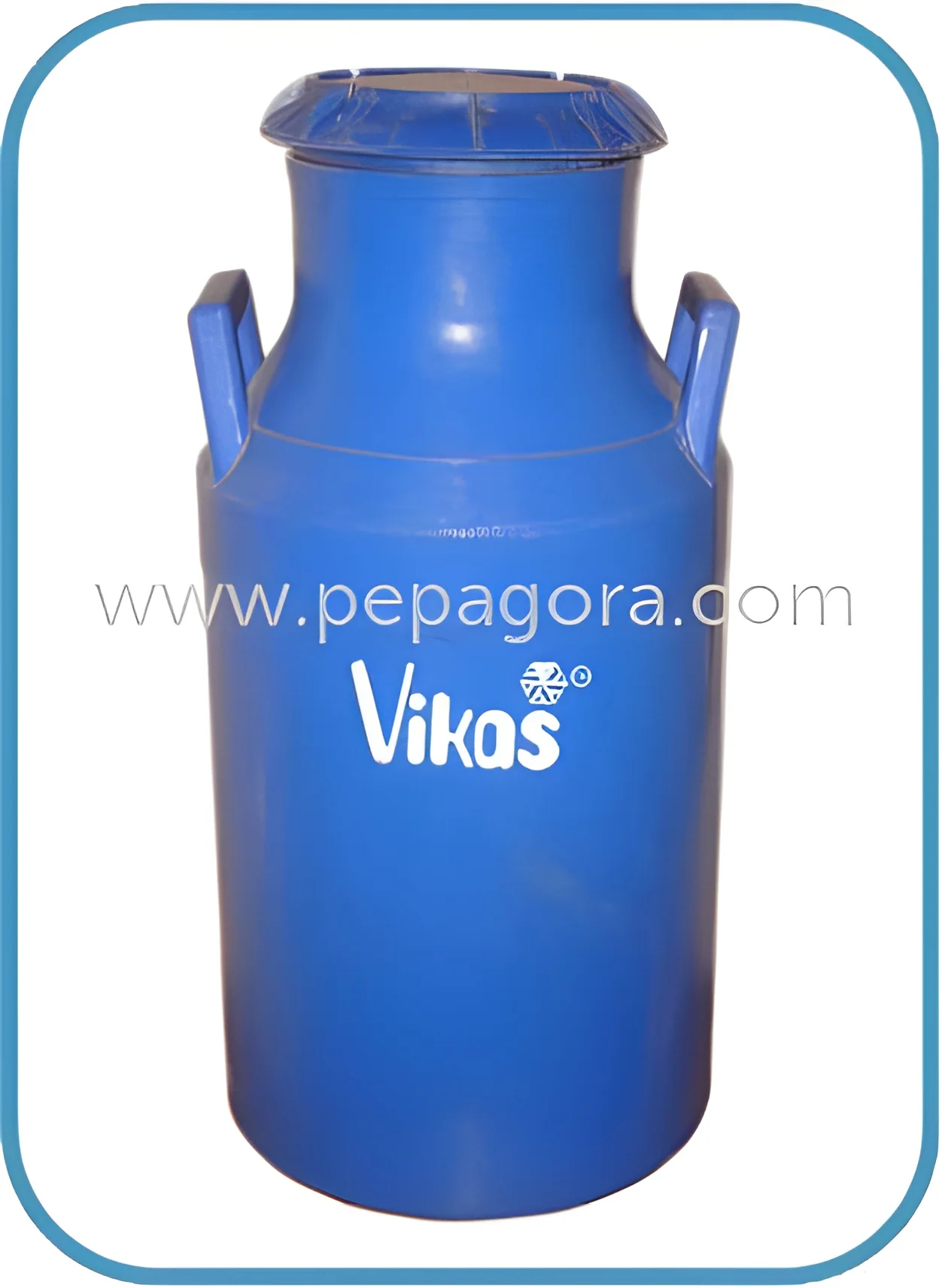
What are Dairy Crates?
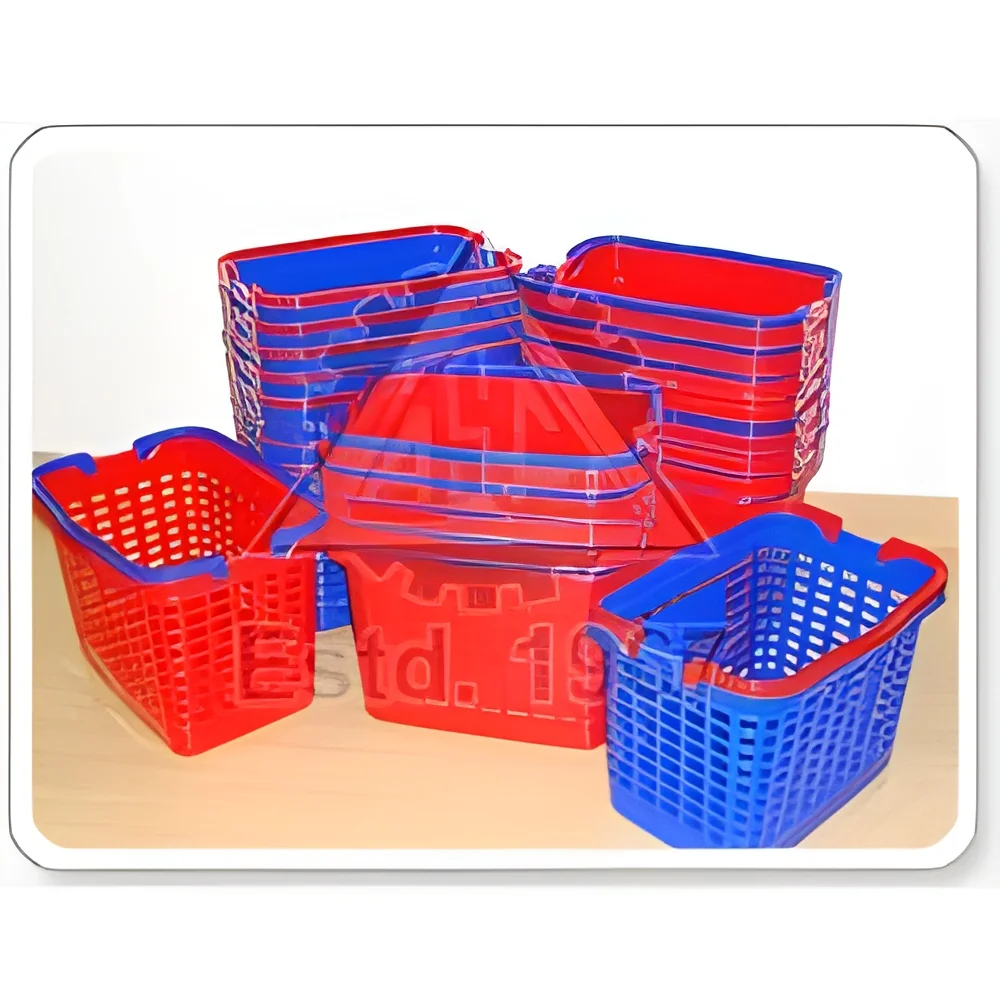
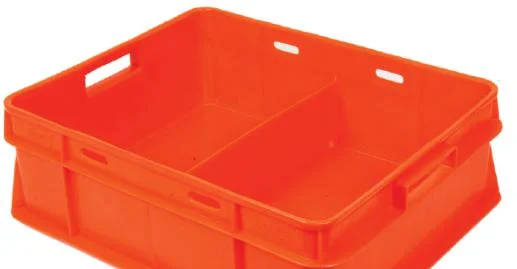
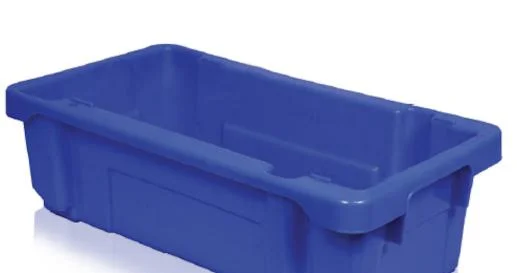
Dairy crates are specialized containers designed for the transportation and storage of dairy products. These crates are typically made from durable plastic or other robust materials that can withstand rigorous handling and various environmental conditions. They are engineered to maintain product quality by providing adequate ventilation and support during transit.
These crates are widely used in the dairy industry for handling products such as milk, cheese, yogurt, and other perishable items. They play a crucial role in ensuring that dairy products remain safe and fresh from the point of production to delivery at retail locations. Their design facilitates efficient stacking and storage, optimizing space in transportation and storage facilities.
In the context of the dairy market, dairy crates hold significant relevance due to the need for safe and hygienic product handling. The growing demand for dairy products in both domestic and international markets has led to increased attention on the efficiency of dairy supply chains. As a result, the adoption of high-quality dairy crates is essential for businesses looking to ensure compliance with safety standards and maintain product integrity.
Key Features and Specifications
Dairy crates come with a range of features that enhance their usability and efficiency in handling dairy products. These features are crucial for businesses operating in the dairy sector, as they directly impact product safety and transportation logistics.
Key specifications include:
1. Material Composition
- Typically made from high-density polyethylene (HDPE) or polypropylene (PP)
- Resistant to impact, chemicals, and UV rays
2. Dimensions
- Standard sizes often range from 600mm x 400mm to 800mm x 600mm
- Custom sizes may be available based on client requirements
3. Weight Capacity
- Designed to hold up to 25 kg to 50 kg depending on the model
- Ensures safe transport of heavy dairy items
4. Ventilation Design
- Features holes or slits for airflow to reduce spoilage
- Promotes cooling and preservation of dairy products
5. Stackability
- Designed for efficient stacking during storage and transport
- Reduces space requirements in warehouses and vehicles
6. Hygiene Compliance
- Easy to clean and sanitize to meet food safety standards
- Non-porous surfaces discourage bacterial growth
7. Color Options
- Available in various colors for easy identification and sorting
- Custom branding options may be offered
In summary, dairy crates are engineered for durability, safety, and efficiency. Their specifications cater to various operational needs within the dairy industry, making them an essential component for businesses involved in dairy logistics.
Common Applications and Use Cases
Dairy crates find applications across multiple sectors due to their versatility and design. They are essential for ensuring the safe transport and storage of various dairy products.
1. Dairy Farms: Dairy crates are used to collect and transport raw milk from milking parlors to processing facilities, ensuring that the product remains uncontaminated.
2. Processing Plants: These crates facilitate the movement of processed dairy products, such as cheese and yogurt, within the facility and to distribution points.
3. Retail Outlets: Supermarkets and grocery stores utilize dairy crates for stocking shelves, allowing for easy access and organization of dairy items.
4. Food Service: Restaurants and catering services use dairy crates for transporting bulk dairy products, ensuring they are delivered fresh and intact.
5. Export and Distribution: Logistics companies employ dairy crates for international shipping of dairy products, adhering to strict hygiene and safety regulations.
6. Cold Storage Facilities: Dairy crates are utilized in cold storage environments to maintain optimal temperatures while allowing for easy handling and inventory management.
7. Online Grocery Delivery: E-commerce platforms leverage dairy crates to package and ship dairy products directly to consumers, ensuring freshness upon delivery.
Product Variants and Subcategories
Dairy crates are available in various designs to meet specific industry needs. Although subcategories are not explicitly defined, the following variants are commonly encountered.
Standard Dairy Crates
These are the most widely used models, featuring a robust design suitable for transporting a variety of dairy products. They provide excellent ventilation and are stackable for efficient storage.
Heavy-Duty Dairy Crates
Designed for more demanding applications, these crates can support heavier loads while maintaining structural integrity. They are ideal for transporting bulk items or larger quantities of dairy products.
Color-Coded Dairy Crates
These crates come in different colors to facilitate easy identification of products. They are particularly useful in facilities that handle multiple dairy items, allowing for efficient sorting and organization.
Custom-Branded Dairy Crates
These variants can be customized with logos and branding for businesses looking to enhance their market presence. They not only serve a functional purpose but also promote brand visibility.
Benefits and Advantages
Dairy crates offer numerous advantages that make them indispensable in the dairy supply chain.
1. Enhanced Product Safety: The sturdy design and hygiene features help protect dairy products from contamination during handling and transportation.
2. Improved Efficiency: Stackable designs and lightweight materials allow for optimized storage and easier handling, reducing labor costs.
3. Cost-Effectiveness: Durable materials extend the life of dairy crates, making them a worthwhile investment for businesses.
4. Compliance with Regulations: Dairy crates are designed to meet food safety standards, ensuring products remain compliant throughout the supply chain.
5. Versatility: Their adaptability allows for use in various environments, from farms to retail settings, making them suitable for multiple applications.
6. Eco-Friendly Options: Many dairy crates are made from recyclable materials, supporting sustainable practices in the dairy industry.
Buying Guide for B2B Buyers
When sourcing dairy crates, it is essential for buyers to consider several factors to ensure they make informed decisions.
1. Quality Assessment: Evaluate the material and construction quality of dairy crates to ensure they meet durability and hygiene standards. Look for crates that are easy to clean and maintain.
2. Supplier Verification: Vet potential suppliers by checking their reputation, customer reviews, and compliance with industry standards. Ensure they have a reliable track record of delivering quality products.
3. Pricing and MOQ: Compare pricing among different suppliers while considering the minimum order quantity (MOQ). This will help in budgeting and understanding the cost-effectiveness of bulk purchases.
4. Delivery and Lead Times: Assess the supplier's delivery capabilities and lead times to ensure they can meet your operational needs without delays.
5. Compliance Requirements: Ensure that the dairy crates meet relevant food safety regulations and certifications. This may include standards such as HACCP and CE certification.
Compliance and Certifications
Dairy crates are subject to various compliance standards and certifications that ensure they are safe for use in the food industry.
Relevant quality standards, such as ISO 9001, help ensure that manufacturers maintain consistent quality throughout production. Implementing these standards can lead to improved operational efficiency and customer satisfaction.
HACCP (Hazard Analysis Critical Control Point) certification is crucial for dairy crates as it focuses on food safety management. This certification ensures that products are manufactured in a way that minimizes risks of contamination.
Additionally, CE certification indicates that the crates comply with European safety, health, and environmental requirements. This is particularly important for businesses involved in international trade and distribution.
Safety and testing requirements may vary by region, but they typically involve assessments to ensure the crates can withstand physical stress and environmental conditions without compromising product integrity. Businesses should be aware of the specific compliance needs in their operating region to ensure regulatory adherence.
Why Source Dairy Crates from Pepagora?
Pepagora offers a trusted platform for sourcing dairy crates, providing several key advantages for B2B buyers.
Verified Supplier Network: Pepagora connects buyers with a network of verified suppliers who have undergone rigorous vetting processes. This ensures that buyers can trust the quality and reliability of the products they purchase.
Streamlined RFQ Process: The Request for Quotation (RFQ) system simplifies the procurement process. Buyers can easily request quotes from multiple suppliers, enabling them to compare options and make informed purchasing decisions.
Trade Assurance and Support: Pepagora prioritizes buyer protection through trade assurance measures. This includes support services that assist buyers throughout the purchasing process, ensuring a smooth transaction experience.
Regional Coverage: With a strong presence in India, the GCC, and Southeast Asia, Pepagora provides extensive geographic reach. This allows businesses to access a diverse range of dairy crate options tailored to specific regional needs.

 IN
IN