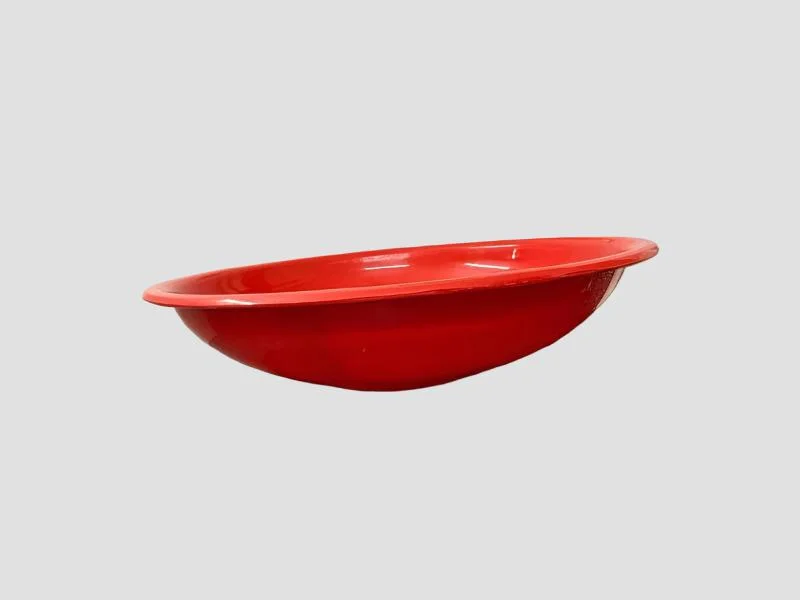
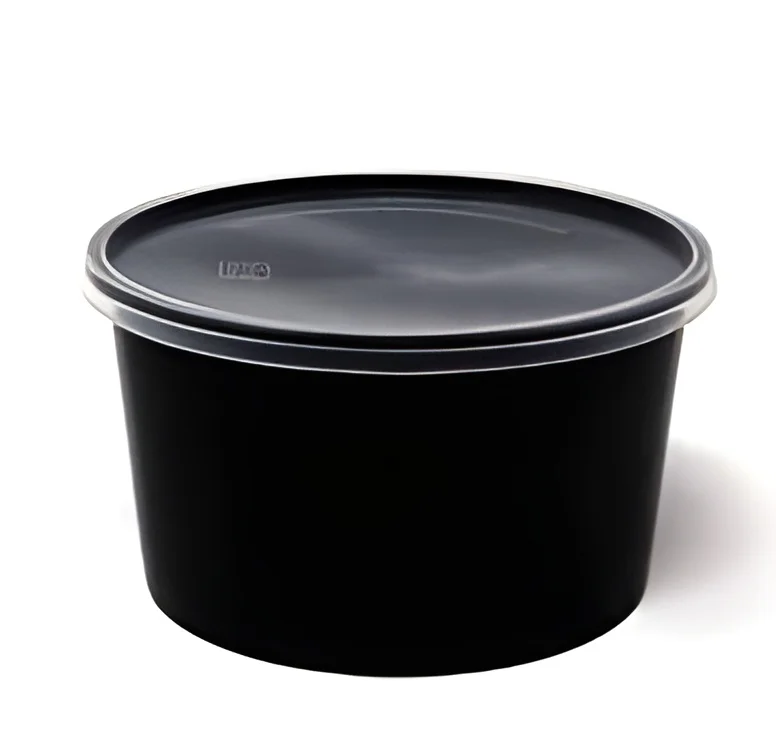
What are Plastic Storage Containers?
Plastic storage containers are versatile, durable, and lightweight solutions designed to organize and protect various items. Manufactured from high-quality plastic materials, these containers come in various sizes and shapes to accommodate a wide range of storage needs. Their design often includes features such as stackability, secure lids, and transparency for easy identification of contents. They are widely used in both commercial and industrial settings, making them essential tools for effective inventory management.
The primary applications of plastic storage containers span multiple sectors including manufacturing, warehousing, retail, and logistics. In manufacturing, they are used to store raw materials, components, and finished goods. Warehousing operations benefit from their use in organizing products for easy access and shipment. Additionally, retailers utilize these containers for stockroom organization, helping streamline inventory processes. With the growing emphasis on efficient supply chain management, the demand for plastic storage containers is expected to increase across industries.
The relevance of plastic storage containers in the market cannot be overstated. As businesses seek to optimize storage solutions, the adoption of these containers has risen significantly. Their ability to withstand various environmental conditions while maintaining structural integrity makes them a preferred choice for many businesses. Furthermore, the ongoing trends towards sustainability and eco-friendly practices have led manufacturers to develop recyclable plastic storage options, enhancing their appeal in the marketplace.
Key Features and Specifications
Plastic storage containers come equipped with a variety of features that enhance their functionality and usability. These containers are designed to cater to the specific needs of businesses, ensuring that they provide maximum efficiency in storage and handling.
Key specifications include:
1. Material Composition
- Made from high-density polyethylene (HDPE) or polypropylene (PP)
- Offers superior strength and resistance to impact and chemicals
2. Size Variability
- Available in a range of sizes, from small bins to large bulk containers
- Custom sizes may be available based on specific requirements
3. Weight Capacity
- Designed to hold varying weights, typically ranging from 10 to 500 pounds
- Ensures safe storage of heavy and bulky items
4. Temperature Resistance
- Capable of withstanding a wide range of temperatures
- Suitable for both hot and cold storage applications
5. Stackability
- Designed to stack securely to optimize storage space
- Reduces footprint in warehouses and storage areas
6. Lid Options
- Available with snap-on or hinged lids
- Provides secure closure to protect contents from dust and spillage
7. Transparency
- Some models feature clear plastic for easy visibility of contents
- Facilitates quick identification without opening the container
8. Customization Options
- Many suppliers offer branding and labeling services
- Allows for tailored solutions to fit specific business needs
In summary, plastic storage containers offer a robust solution for businesses looking to improve their storage capabilities. Their diverse features and specifications make them suitable for a wide array of applications across different industries.
Common Applications and Use Cases
Plastic storage containers find use in various industries, showcasing their versatility and functionality.
1. Manufacturing: In manufacturing settings, these containers are often used to store raw materials, components, and finished goods. They help maintain organization and efficiency on the production floor.
2. Retail: Retailers utilize plastic storage containers for stockroom organization. They facilitate better inventory management and allow for easy access to products.
3. Logistics: In logistics, these containers are essential for transporting goods. They protect items during transit and can be stacked to optimize space in shipping vehicles.
4. Food Service: The food service industry uses plastic containers for storing ingredients and prepared meals. Their ability to maintain freshness and comply with health regulations makes them indispensable.
5. Healthcare: In healthcare, these containers are used to store medical supplies and equipment. Their durability and ease of cleaning are crucial in maintaining hygiene standards.
6. Education: Schools and universities use plastic containers for organizing supplies and materials in classrooms and laboratories. They help keep learning environments tidy.
7. E-commerce: E-commerce businesses rely on plastic storage containers to manage inventory efficiently. Their lightweight nature and stackability are ideal for warehouse storage.
Product Variants and Subcategories
Plastic storage containers come in a diverse range of variants to meet specific storage needs. Each variant offers unique features and applications, ensuring that businesses can find the right solution for their requirements.
Basic Storage Containers
These containers are designed for general storage purposes. They are available in multiple sizes and are ideal for both home and commercial use. Their simple design makes them user-friendly and versatile.
Heavy-Duty Storage Containers
Built to withstand rigorous use, heavy-duty containers are perfect for industrial applications. They are often reinforced to support heavier weights and are suitable for storing bulky items.
Stackable Storage Bins
These bins are specifically designed for efficient stacking, maximizing vertical storage space. They are widely used in warehouses and retail settings for easy organization and accessibility.
Collapsible Storage Containers
These containers can be collapsed when not in use, saving space during storage. They are ideal for businesses with fluctuating storage needs and are often used in logistics and e-commerce.
Benefits and Advantages
Plastic storage containers provide numerous advantages that contribute to their popularity in various industries.
Key benefits include:
1. Durability: Made from high-quality plastic, these containers are resistant to cracking and impact, ensuring longevity in storage applications.
2. Lightweight: Their lightweight nature makes them easy to handle, transport, and rearrange in storage settings.
3. Versatility: Available in multiple sizes and designs, they cater to a wide range of storage needs across different industries.
4. Cost-Effectiveness: Plastic storage containers are often more affordable compared to metal or wooden options, providing a budget-friendly solution.
5. Easy Maintenance: They are easy to clean and maintain, making them suitable for industries where hygiene is crucial, such as food service and healthcare.
6. Eco-Friendly Options: Many manufacturers are now producing recyclable plastic containers, appealing to environmentally conscious businesses.
Buying Guide for B2B Buyers
When sourcing plastic storage containers, it is essential for B2B buyers to consider several key factors to ensure they make informed decisions.
1. Quality Assessment: Buyers should evaluate the quality of materials used in the containers. High-quality plastic should be resistant to impact and environmental factors to ensure durability.
2. Supplier Verification: It is critical to vet suppliers for reliability and reputation. Look for suppliers with positive reviews and a history of delivering quality products.
3. Pricing and MOQ: Consider the pricing structure and minimum order quantities. Ensure that the costs align with your budget and that the supplier can accommodate your order size.
4. Delivery and Lead Times: Understand the logistics involved in delivery. Check the lead times to ensure that the containers will arrive when needed.
5. Compliance Requirements: Ensure that the containers meet relevant industry standards and regulations. This may include safety certifications and compliance with health regulations.
Compliance and Certifications
Plastic storage containers must adhere to various compliance and certification standards to ensure safety and quality. Relevant quality standards include ISO 9001, which focuses on quality management systems, and HACCP, which addresses food safety management.
Additionally, industry certifications such as CE indicate conformity with health, safety, and environmental protection standards within the European Economic Area. Compliance with these standards is important for businesses operating in regulated industries, such as food service and pharmaceuticals.
Safety and testing requirements are also crucial. Containers should be tested for structural integrity and resistance to chemicals or extreme conditions. Furthermore, regional compliance considerations may vary, so businesses should be aware of local regulations that could impact their storage solutions.
Why Source Plastic Storage Containers from Pepagora?
Pepagora is a trusted platform for sourcing plastic storage containers, offering several key advantages to businesses looking for reliable storage solutions.
Verified Supplier Network: Pepagora features a network of verified suppliers, ensuring that buyers can connect with reputable manufacturers. This verification process helps mitigate risks and guarantees quality.
Streamlined RFQ Process: The platform simplifies the request for quotation (RFQ) process, allowing buyers to obtain competitive quotes efficiently. This streamlined approach saves time and facilitates better decision-making.
Trade Assurance and Support: Pepagora provides trade assurance, offering buyer protection throughout the purchasing process. This support builds trust and confidence in transactions.
Regional Coverage: With a focus on geographic reach in India, the GCC, and Southeast Asia, Pepagora connects buyers with suppliers across these regions. This ensures that businesses can find suitable products regardless of their location.

 IN
IN