
 IN
Bulk Storage Containers
6 products available
What are Bulk Storage Containers?
Bulk storage containers are large, durable receptacles designed for the efficient storage and transportation of various types of materials. These containers can hold substantial volumes, making them ideal for businesses that deal with bulk goods. They are typically constructed from robust materials such as plastic, metal, or composite materials, ensuring they can withstand the rigors of industrial environments.
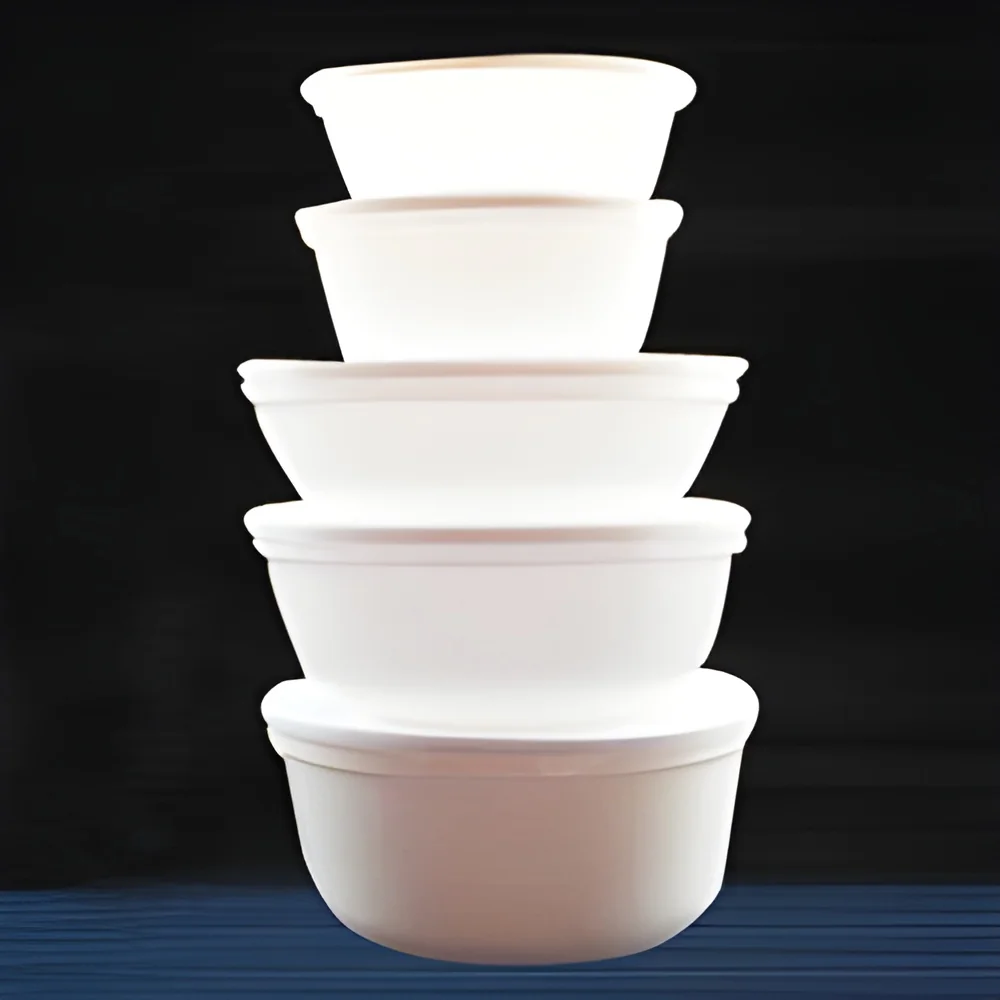
These containers find primary use in diverse industries, including manufacturing, agriculture, food processing, and logistics. Companies utilize them to store raw materials, finished products, or hazardous substances safely. Their design allows for easy stacking and transportation, optimizing storage space and facilitating logistics operations. The demand for bulk storage containers continues to grow as businesses seek efficient solutions to manage inventory and reduce waste.
As industries expand and regulatory requirements tighten, the relevance of bulk storage containers becomes increasingly significant. They play a crucial role in supply chain management, helping businesses maintain efficiency while ensuring compliance with safety standards.
Key Features and Specifications
Bulk storage containers come equipped with several key features that enhance their functionality and usability. Understanding these specifications is vital for businesses looking to invest in the right storage solutions.
Key specifications include:
1. Material Composition
- Typically made from high-density polyethylene (HDPE), polypropylene, or steel
- Suitable for various applications based on material properties
2. Capacity
- Available in a range from 100 liters to over 1,500 liters
- Capacity selection based on specific storage needs
3. Dimensions
- Standard sizes include 1200mm x 1000mm, 1100mm x 1100mm, and custom sizes available
- Height, width, and depth options to accommodate different storage requirements
4. Weight
- Varies by material and design, generally between 20 kg to 150 kg
- Weight considerations for transport and handling
5. Stackability
- Designed for efficient stacking to maximize storage space
- Stability features to prevent toppling during storage
6. Environmental Resistance
- UV-resistant coatings available for outdoor use
- Chemical resistance varies by material type
7. Customization Options
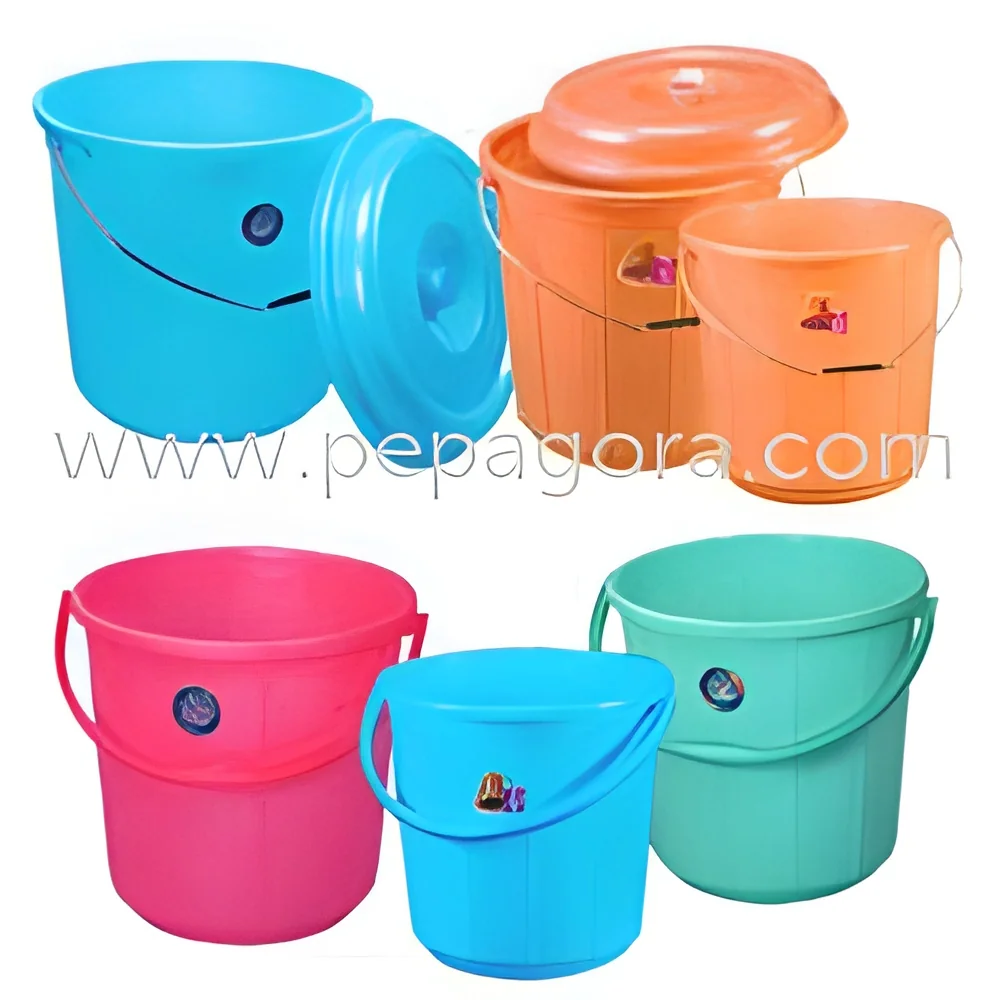
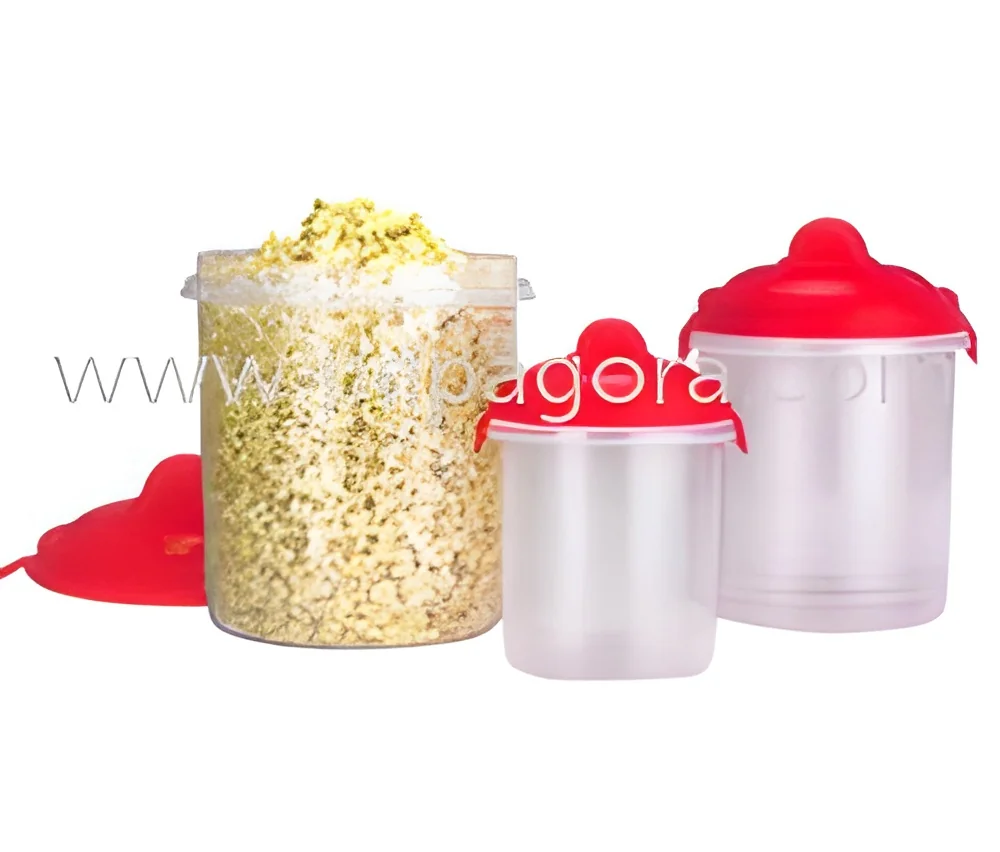
- Available with features like lids, wheels, and labeling systems
- Custom designs to meet specific business needs
8. Compliance Standards
- Often manufactured to meet industry standards such as CE and UL
- Compliance with safety regulations ensures reliability and safety
In summary, bulk storage containers offer a versatile solution for businesses needing effective storage options. Their diverse specifications cater to various industry demands, enhancing operational efficiency.
Common Applications and Use Cases
Bulk storage containers serve a wide range of industries, providing tailored solutions for specific storage needs.
1. Manufacturing: Used to store raw materials and components, ensuring efficient inventory management and production flow.
2. Agriculture: Ideal for storing grains, seeds, and fertilizers, protecting them from pests and environmental conditions.
3. Food Processing: Employed for the safe storage of bulk food ingredients, complying with hygiene and safety regulations.
4. Chemicals: Designed to hold hazardous materials, ensuring safe handling and compliance with stringent safety standards.
5. Pharmaceuticals: Used for storing bulk medications and raw materials, maintaining compliance with health regulations.
6. Logistics: Essential for optimizing storage and transportation in supply chain management, facilitating efficient distribution.
7. Construction: Utilized to store building materials, tools, and equipment, aiding in project organization and management.
Product Variants and Subcategories
Bulk storage containers are available in various forms to meet specific operational needs. The diversity in design and functionality allows businesses to select the ideal container for their applications.
Standard Bulk Storage Container
This variant is designed for general use, featuring a robust construction suitable for various materials. It is ideal for industries such as manufacturing and logistics, where versatility is key.
Stackable Bulk Storage Container
These containers are designed with a focus on space optimization, allowing for secure stacking. They are particularly beneficial in warehousing and distribution centers.
Collapsible Bulk Storage Container
This variant offers flexibility with its collapsible design, making it easy to store when not in use. It is practical for businesses with fluctuating storage needs, such as seasonal products.
Benefits and Advantages
Bulk storage containers provide significant benefits to businesses seeking efficient storage solutions.
1. Space Efficiency: These containers maximize storage space due to their stackable design, optimizing warehouse layout.
2. Cost Savings: By utilizing bulk storage containers, businesses can reduce costs associated with inventory management and transportation.
3. Durability: Constructed from high-quality materials, these containers offer long-lasting performance, reducing the need for frequent replacements.
4. Safety Compliance: Designed to meet safety standards, they help businesses adhere to regulatory requirements while minimizing risks.
5. Versatility: Suitable for a wide range of industries and applications, these containers can adapt to various storage needs.
6. Easy Handling: Many containers feature ergonomic designs, making them easier to transport and handle within facilities.
Buying Guide for B2B Buyers
When sourcing bulk storage containers, several critical factors should be considered to ensure the best fit for business needs.
1. Quality Assessment: Evaluate the quality of materials and construction methods used in the containers. Look for certifications that verify compliance with industry standards.
2. Supplier Verification: It is essential to vet suppliers based on their reputation, customer reviews, and experience in the industry to ensure reliability and quality.
3. Pricing and MOQ: Understand the pricing structure and minimum order quantity (MOQ) requirements. Compare quotes from different suppliers to find the best value.
4. Delivery and Lead Times: Discuss logistics with suppliers to determine delivery schedules and lead times, ensuring timely availability of containers.
5. Compliance Requirements: Ensure that the containers meet relevant regulatory standards for safety and environmental impact, particularly for hazardous materials.
Compliance and Certifications
Bulk storage containers must adhere to various compliance and certification standards to ensure safety and reliability. Key quality standards include ISO 9001, which focuses on quality management systems, ensuring consistent product quality and improvement.
Industry certifications such as CE and UL indicate that the containers meet specific safety and performance criteria, providing assurance to buyers regarding their reliability. Safety and testing requirements may involve rigorous assessments to verify durability and chemical resistance, particularly for containers used in hazardous material applications.
Regional compliance considerations are also essential, as different areas may have specific regulations regarding storage and transportation of goods. Buyers should ensure that their chosen containers comply with local and international laws to avoid potential issues.
Why Source Bulk Storage Containers from Pepagora?
Pepagora offers a trusted platform for sourcing bulk storage containers, presenting several key advantages for B2B buyers.
Verified Supplier Network: Pepagora connects businesses with a network of verified suppliers, ensuring that all partners meet stringent quality and reliability standards.
Streamlined RFQ Process: The platform simplifies the request for quotation (RFQ) process, allowing buyers to receive competitive quotes from multiple suppliers quickly.
Trade Assurance and Support: Pepagora provides buyer protection through trade assurance, offering support throughout the sourcing process to enhance buyer confidence.
Regional Coverage: With a robust presence in India, the GCC, and Southeast Asia, Pepagora enables businesses to access a wide range of suppliers and products tailored to regional needs.


Frequently Asked Questions
What are Bulk Storage Containers?
Bulk Storage Containers are large containers designed for the storage and transportation of bulk materials. They are commonly used in various industries to facilitate the efficient handling of goods in large quantities.
What are the different types of Bulk Storage Containers?
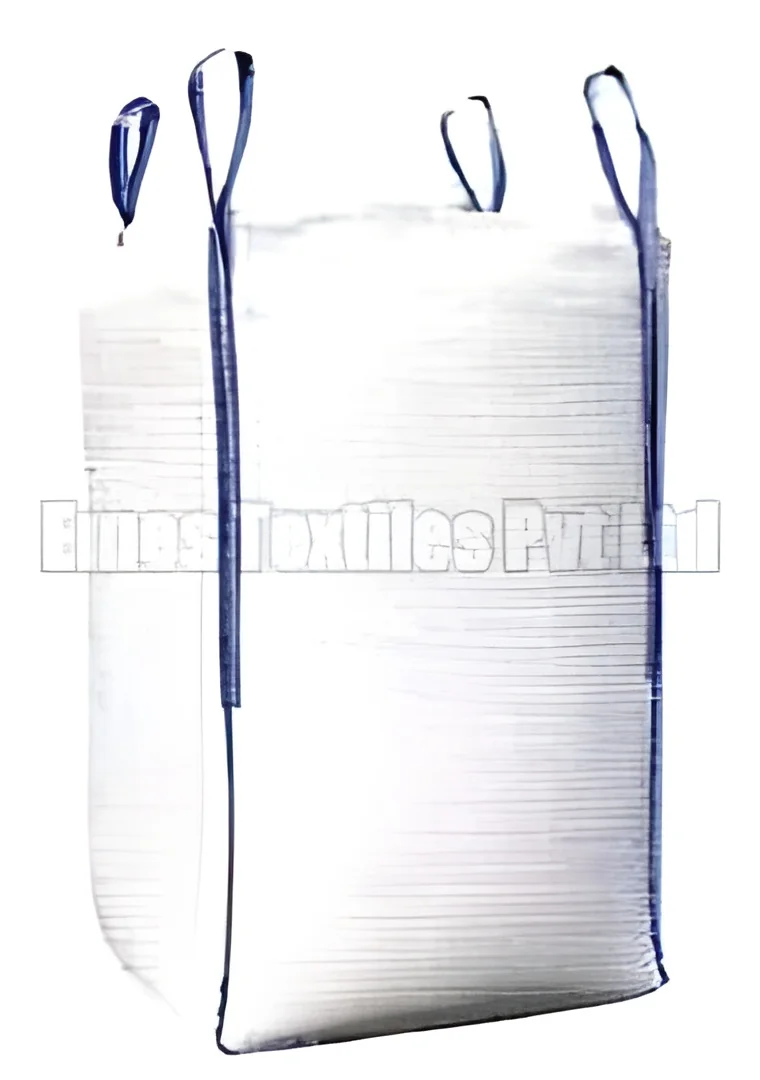
There are several types of Bulk Storage Containers, including rigid containers, flexible bulk containers (FIBC), and intermediate bulk containers (IBC). Each type is suited for specific materials and applications, depending on the nature of the goods being stored.
How do I choose the right Bulk Storage Containers?
Choosing the right Bulk Storage Containers involves considering factors such as the type of material to be stored, weight capacity, dimensions, and compatibility with handling equipment. It's also essential to assess the container's durability and environmental conditions in which it will be used.
What are the standard specifications for Bulk Storage Containers?
Standard specifications for Bulk Storage Containers include dimensions, weight capacity, material type, and safety features. Depending on the industry, additional specifications such as resistance to chemicals or temperature variations may also be important.
What is the price range for Bulk Storage Containers?
The price range for Bulk Storage Containers can vary widely based on factors such as size, material, and design complexity. Generally, prices can start from a few hundred rupees for basic models and can go up to several thousand rupees for specialized containers.
What quality standards apply to Bulk Storage Containers?
Bulk Storage Containers must comply with various quality standards, including ISO certifications and safety regulations. These standards ensure that containers are reliable, safe for storage, and capable of handling the specified loads.
Where can I find Bulk Storage Containers suppliers in India?
You can find Bulk Storage Containers suppliers in India through online B2B marketplaces like Pepagora, industry trade shows, or by searching directories of manufacturers. Always verify the supplier's reputation and quality of products before making a purchase.
Can Bulk Storage Containers be customized?
Yes, many manufacturers offer customization options for Bulk Storage Containers to meet specific needs. Customizations may include size adjustments, material selection, and additional features like ventilation or access points.
What is the typical minimum order quantity for Bulk Storage Containers?
The typical minimum order quantity (MOQ) for Bulk Storage Containers can vary depending on the manufacturer and type of container. Generally, MOQs can range from a few units to several hundred units.
What is the typical lead time for Bulk Storage Containers?
The typical lead time for Bulk Storage Containers can vary based on factors such as order quantity and customization requirements. Generally, lead times can range from a few days to several weeks, depending on the supplier's production schedule.
Why Businesses Trust Pepagora
Thousands of companies trust Pepagora to source smarter and sell faster
Expand Your Sales Globally

Source Smarter,Grow Faster
