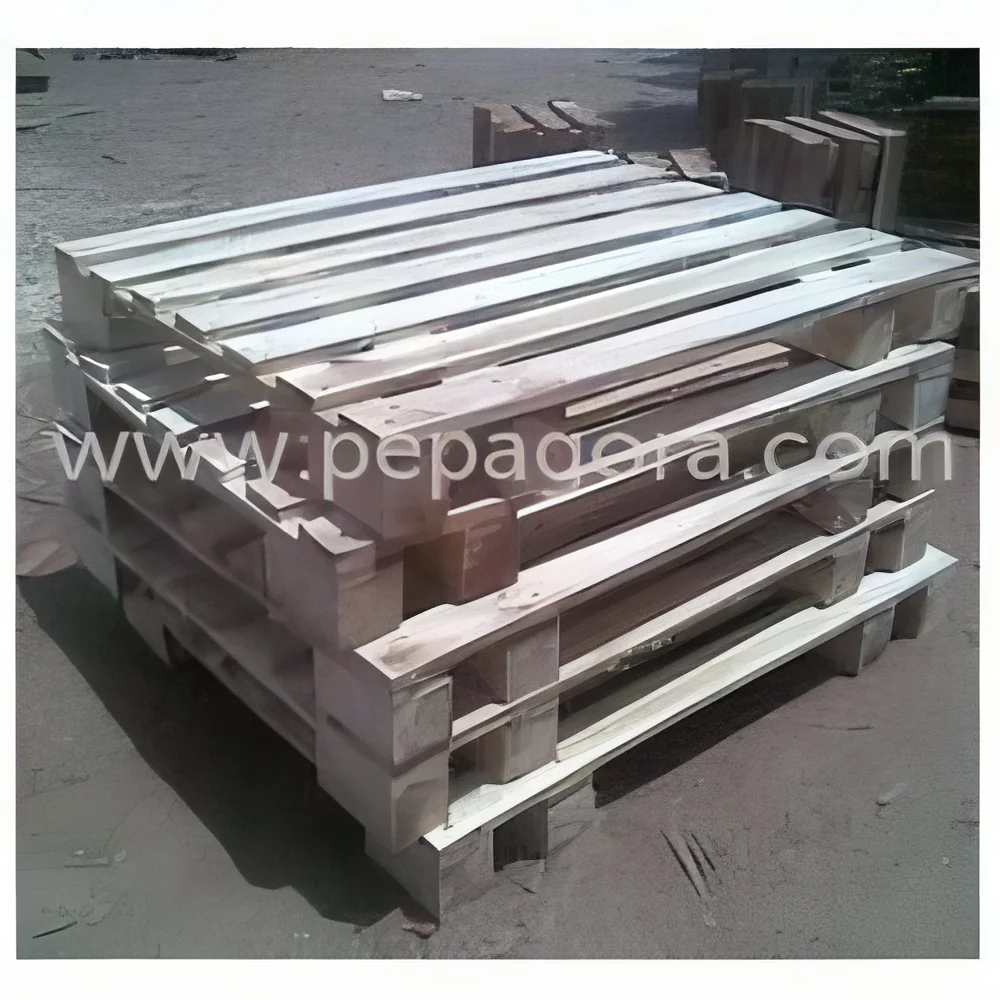
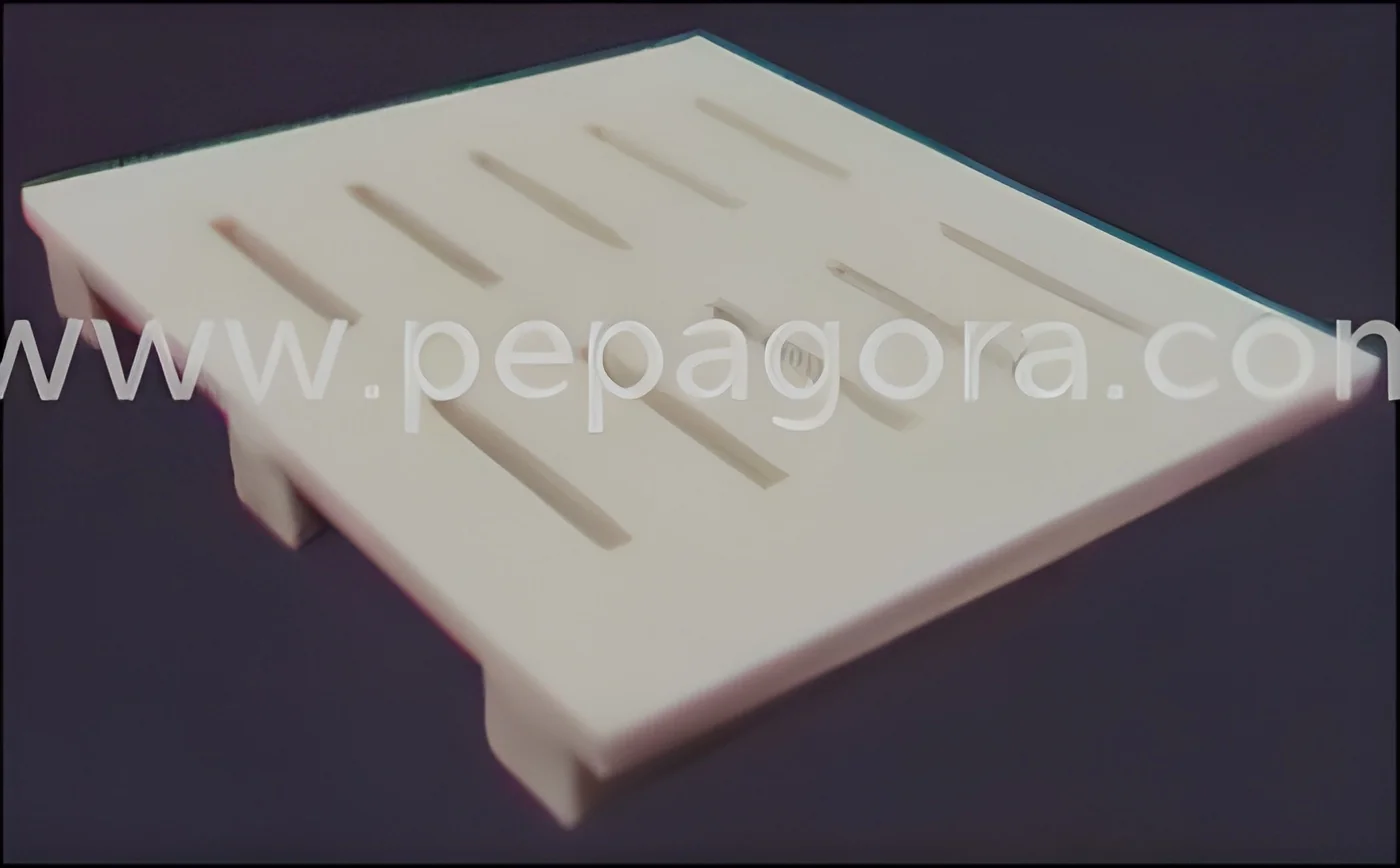
What are Nestable Pallets?
Nestable pallets are innovative storage and shipping solutions designed to optimize space and improve efficiency in logistics and warehousing. These pallets can be stacked within each other when not in use, reducing their footprint and making storage more manageable. Made from durable materials, nestable pallets are built to withstand heavy loads, ensuring reliable performance in various environments.
These pallets are primarily used in sectors such as manufacturing, retail, and distribution. They facilitate the safe transport of goods while maximizing storage capabilities. Businesses often rely on nestable pallets for their ability to streamline operations, reduce costs associated with shipping, and enhance inventory management. With the growing focus on sustainability, many companies are also adopting nestable pallets due to their reusability and recyclability.
In the current market, the demand for nestable pallets is increasing as industries seek efficient and cost-effective solutions for their supply chain needs. With the rise of e-commerce and global trade, the ability to optimize space and improve logistics is more critical than ever. Nestable pallets play a vital role in ensuring that businesses can meet these challenges effectively.
Key Features and Specifications
Nestable pallets offer a range of features that make them suitable for various applications. These include their lightweight design, robust construction, and ability to be easily handled by forklifts and pallet jacks. Their design allows for efficient nesting, which saves valuable storage space.
Key specifications include:
1. Load Capacity
- Typical load capacity ranges from 500 kg to 1500 kg depending on the material and design.
- This capacity ensures the safe transportation of goods without risk of pallet failure.
2. Dimensions
- Standard dimensions often include 1200 mm x 800 mm or 1200 mm x 1000 mm.
- Custom sizes may also be available based on specific business needs.
3. Material Construction
- Nestable pallets are commonly made from high-density polyethylene (HDPE) or polypropylene.
- These materials are known for their durability and resistance to chemicals and moisture.
4. Nesting Ratio
- Pallets typically exhibit a nesting ratio of 3:1 or more.
- This means three pallets can nest within the space of one, maximizing storage efficiency.
5. Weight
- The weight of a nestable pallet can range from 10 kg to 25 kg.
- Lighter pallets help reduce shipping costs while maintaining structural integrity.
6. Color Options
- Available in various colors for easy identification and organization.
- Custom colors may be offered to align with branding requirements.
7. Hygiene Standards
- Many nestable pallets meet hygiene standards suitable for food and pharmaceutical applications.
- This ensures compliance with safety regulations in sensitive industries.
8. Stackability
- Designed for stable stacking, reducing the risk of product damage during transport.
- Stackable designs also enhance warehouse efficiency.
These features collectively make nestable pallets a versatile and effective option for businesses looking to improve their supply chain operations.
Common Applications and Use Cases
Nestable pallets find utility across a wide array of industries, serving various specific applications.
1. Manufacturing: In manufacturing, nestable pallets are used to transport raw materials and finished products. Their robust design supports heavy loads, facilitating efficient movement within production facilities.
2. Retail: Retail businesses utilize nestable pallets for inventory management and product display. Their ability to nest allows for easy storage when not in use, contributing to organized stockrooms.
3. Food and Beverage: The food and beverage industry benefits from nestable pallets due to their compliance with hygiene standards. They are ideal for transporting perishable goods while maintaining safety and cleanliness.
4. Logistics and Distribution: Logistics companies leverage nestable pallets to optimize shipping processes. Their space-saving design is essential for reducing transportation costs and maximizing cargo capacity.
5. Pharmaceuticals: In the pharmaceutical sector, nestable pallets are used for the safe transport of sensitive products. Their durability and hygiene features ensure that medications are delivered intact.
6. E-commerce: E-commerce businesses rely on nestable pallets for efficient warehousing and order fulfillment. Their lightweight nature aids in reducing shipping costs while supporting rapid inventory turnover.
7. Automotive: The automotive industry uses nestable pallets for parts and component storage. Their strength and reliability ensure that critical components are transported safely.
Product Variants and Subcategories
Nestable pallets come in a variety of designs to cater to different business needs. Each variant is tailored to specific applications and features.
Standard Nestable Pallet: The standard variant is designed for general use across various industries. It features a robust construction that supports heavy loads and is easy to handle with forklifts.
Hygienic Nestable Pallet: This variant is specifically designed for industries requiring high hygiene standards, such as food and pharmaceuticals. It is made from materials that are easy to clean and resistant to contamination.
Lightweight Nestable Pallet: Targeted at businesses looking to reduce shipping costs, this variant offers a lighter design without compromising strength. Ideal for e-commerce and retail applications.
Heavy-Duty Nestable Pallet: Designed for industries that require extra strength, this variant can support heavier loads and is suitable for manufacturing and automotive applications.
Benefits and Advantages
Nestable pallets offer numerous benefits that make them an attractive choice for businesses.
1. Space Optimization: Their ability to nest allows companies to save valuable storage space, reducing warehouse costs.
2. Cost Efficiency: By minimizing transportation costs through optimized load capacities, nestable pallets contribute to overall cost savings.
3. Durability: Made from high-quality materials, these pallets are designed to withstand rigorous use, reducing the need for frequent replacements.
4. Versatility: Suitable for various industries, nestable pallets can adapt to different business needs and applications.
5. Environmental Impact: Their reusability and recyclability align with sustainable practices, appealing to environmentally conscious businesses.
6. Ease of Handling: Lightweight designs and compatibility with handling equipment enhance operational efficiency in loading and unloading processes.
Buying Guide for B2B Buyers
When sourcing nestable pallets, there are several factors to consider to ensure a suitable purchase.
1. Quality Assessment: Evaluate the quality of materials used in the pallets. Look for high-density plastics that ensure durability and resistance to wear.
2. Supplier Verification: Vet suppliers to ensure they are reputable and can provide consistent product quality. Check for reviews and industry certifications.
3. Pricing and MOQ: Understand the pricing structure and minimum order quantities to ensure alignment with your budget and needs.
4. Delivery and Lead Times: Consider the logistics involved in delivery. Ensure that suppliers can meet your timeline requirements for receiving products.
5. Compliance Requirements: Verify that the pallets meet any necessary regulatory standards applicable in your industry, such as CE certification.
Compliance and Certifications
Nestable pallets must comply with several quality standards and certifications to ensure safety and reliability. Common standards include ISO 9001, which focuses on quality management systems, ensuring that products meet consistent quality benchmarks.
In addition, certain industries may require compliance with HACCP (Hazard Analysis and Critical Control Points) for food safety, ensuring that pallets do not pose contamination risks. Certifications like CE indicate that the products meet European Union safety, health, and environmental protection standards.
Safety and testing requirements are crucial when selecting nestable pallets, particularly in sectors such as food and pharmaceuticals. Businesses must also consider regional compliance regulations, as requirements may vary by location.
Why Source Nestable Pallets from Pepagora?
Pepagora provides a trusted platform for sourcing nestable pallets, offering several key advantages for B2B buyers.
Verified Supplier Network: Pepagora features a robust network of verified suppliers, ensuring that buyers can find high-quality products. This verification process emphasizes reliability and product standards.
Streamlined RFQ Process: The Request for Quotation (RFQ) system simplifies the sourcing process, allowing businesses to quickly receive competitive quotes from multiple suppliers. This efficiency saves time and aids in informed decision-making.
Trade Assurance and Support: Buyers benefit from trade assurance and dedicated support services, ensuring protection throughout the purchasing process. This support helps to mitigate risks associated with sourcing.
Regional Coverage: Pepagora caters to various regions, including India, GCC countries, and Southeast Asia. This geographic reach ensures that buyers can access nestable pallets tailored to their specific market needs.

 IN
IN