
 IN
Metal Pallets
8 products available
What are Metal Pallets?
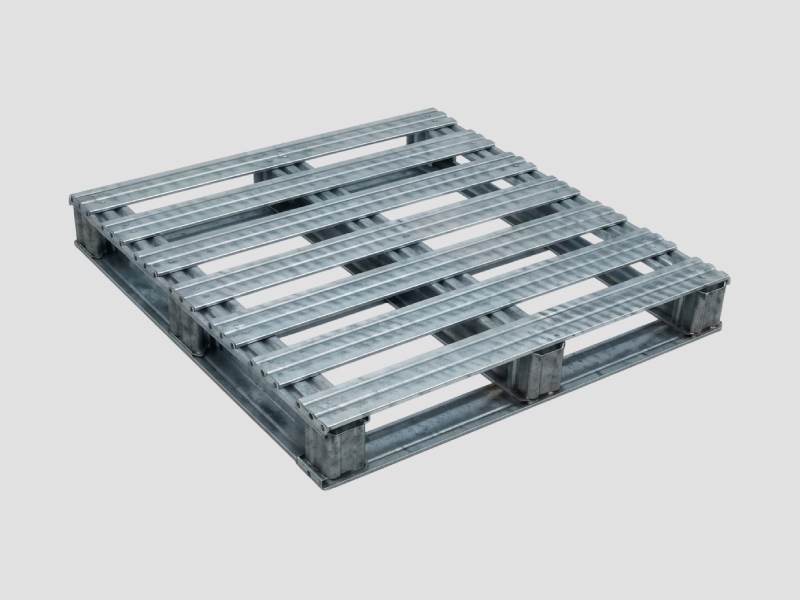
Metal pallets are rigid platforms designed to support materials and products during storage and transportation. They are typically constructed from steel or aluminum, offering a robust alternative to wooden or plastic pallets. Metal pallets are engineered to withstand heavy loads and harsh conditions, making them suitable for various industrial applications. Their durability and strength ensure they can be reused multiple times, reducing the need for frequent replacements.
These pallets are primarily used in sectors such as manufacturing, logistics, and warehousing. They are ideal for transporting heavy machinery, bulk materials, and hazardous goods. In addition, metal pallets are often employed in environments requiring stringent sanitation standards, such as food processing and pharmaceuticals. As industries continue to emphasize efficiency and safety, the relevance of metal pallets in the market remains strong, particularly in areas where traditional pallet options may fall short.
Key Features and Specifications
Metal pallets come with a range of features and specifications that enhance their utility in various applications. Their robust construction allows for high load-bearing capacities while maintaining a lightweight profile, facilitating easier handling and transportation.
Key specifications include:
1. Load Capacity
- Common load capacities range from 1,000 to 5,000 pounds.
- The specific load capacity depends on the design and material used.
2. Dimensions
- Standard sizes include 48 x 40 inches and 48 x 48 inches.
- Custom sizes can be manufactured to meet specific requirements.
3. Finish
- Options include painted, galvanized, or powder-coated surfaces.
- Finishing helps protect against corrosion and enhances durability.
4. Stackability
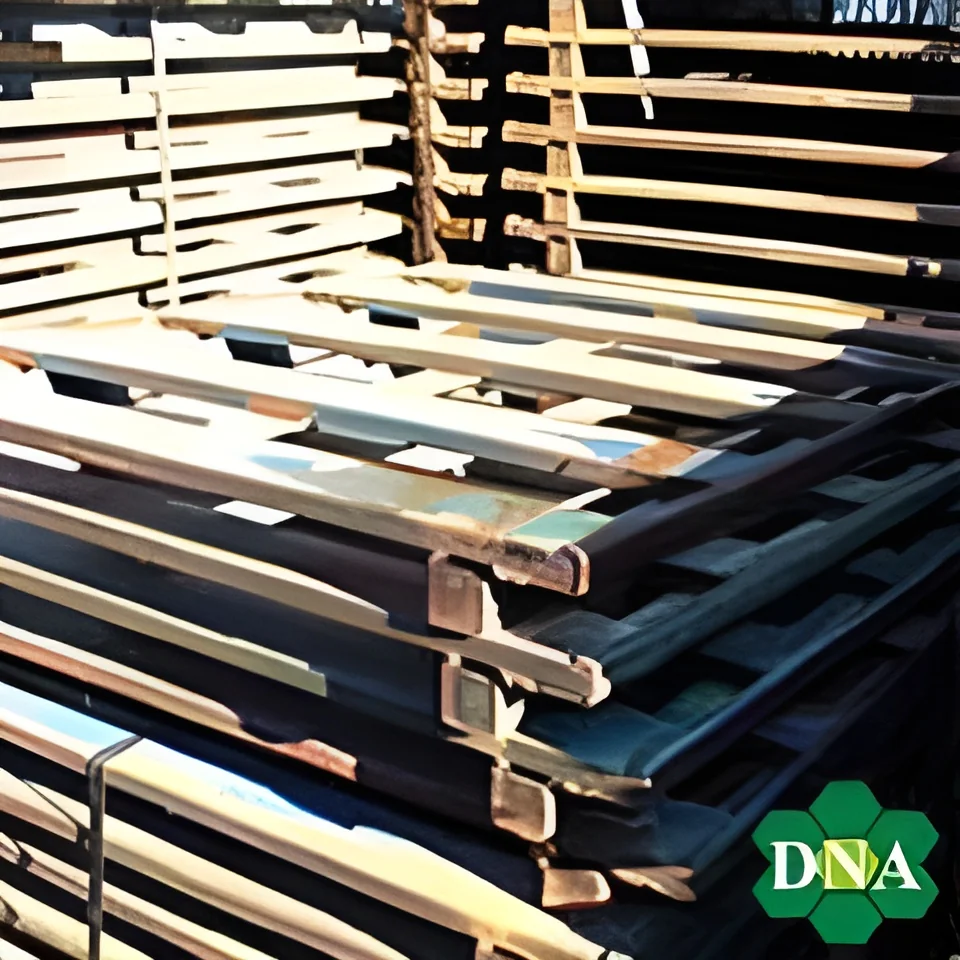
- Designed for easy stacking to maximize storage space.
- Can accommodate multiple pallets stacked without compromising stability.
5. Weight
- Typically weigh between 50 to 150 pounds depending on size and material.
- Lighter pallets are easier to handle, while heavier options provide more stability.
6. Design Options
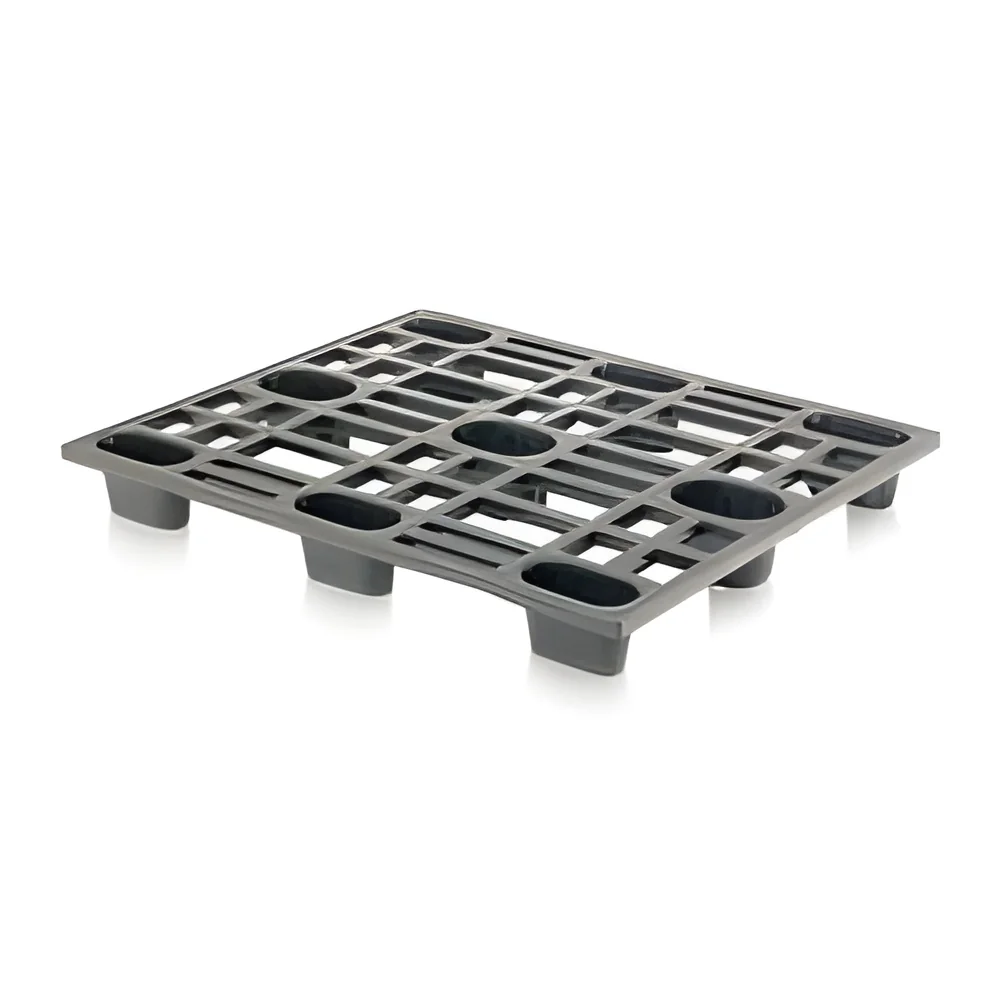
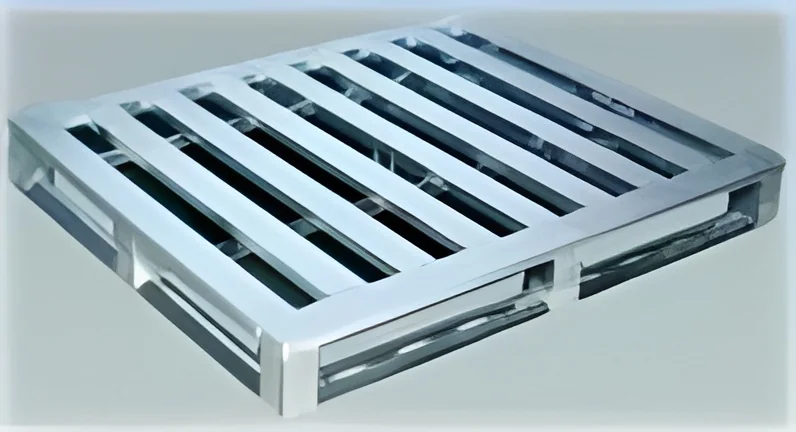
- Available in open or closed deck designs.
- Closed decks provide a flat surface for smaller items, while open decks allow for drainage.
7. Customization
- Can be tailored with specific features like RFID tags for inventory tracking.
- Custom colors and branding options are available.
In summary, the key features and specifications of metal pallets make them a versatile choice for businesses looking to enhance their storage and logistics operations.
Common Applications and Use Cases
Metal pallets are utilized across various industries due to their strength and reliability.
1. Manufacturing: Metal pallets are used to transport heavy machinery parts and raw materials, ensuring they remain secure during movement.
2. Food and Beverage: In food processing plants, metal pallets meet hygiene standards and are easy to clean, making them ideal for transporting food products.
3. Pharmaceuticals: These pallets support the stringent requirements for cleanliness and safety in pharmaceutical manufacturing and distribution.
4. Automotive: Metal pallets are essential in automotive manufacturing for transporting components and finished vehicles, providing robust support.
5. Aerospace: Used for shipping delicate aircraft parts, metal pallets ensure safe and stable transportation.
6. Chemicals: These pallets are suitable for handling hazardous materials, offering the durability needed to prevent leaks and spills.
7. Warehousing: Metal pallets maximize storage efficiency in warehouses, allowing for easy stacking and retrieval of goods.
Product Variants and Subcategories
Metal pallets are available in various designs to meet specific needs.
Standard Metal Pallets: These are the most common type, offering a balance of strength and weight. They are suitable for general industrial use and can handle a wide range of products.
Heavy-Duty Metal Pallets: Designed for extreme load-bearing applications, these pallets are thicker and more robust. They are ideal for industries like manufacturing and automotive where heavy machinery is handled.
Custom Metal Pallets: Tailored to meet specific business needs, these pallets can be designed in various sizes, finishes, and load capacities. They are perfect for businesses with unique operational requirements.
Benefits and Advantages
Metal pallets offer several advantages over traditional pallet options.
1. Durability: They are built to last, providing long service life even under heavy use.
2. Reusability: Unlike wood or plastic, metal pallets can be reused multiple times without significant wear.
3. Hygiene: Their non-porous surfaces make them easy to clean, which is crucial in industries like food and pharmaceuticals.
4. Load Capacity: Metal pallets can support significantly heavier loads, making them suitable for demanding applications.
5. Environmental Impact: Their longevity and reusability contribute to reduced waste, making them an eco-friendly choice.
6. Customization: Businesses can adapt metal pallets to their specific needs, enhancing operational efficiency.
Buying Guide for B2B Buyers
When sourcing metal pallets, it is critical to consider several important factors.
1. Quality Assessment: Buyers should evaluate the quality of materials and construction, ensuring the pallets can withstand their intended use. Look for suppliers who adhere to quality standards.
2. Supplier Verification: It is vital to vet suppliers for reliability and reputation. Check for customer reviews and industry certifications to ensure you are working with a trusted partner.
3. Pricing and MOQ: Understand the cost per unit and any minimum order quantities. Negotiate for bulk pricing to improve cost efficiency.
4. Delivery and Lead Times: Assess the supplier’s ability to meet your delivery schedules. Timely delivery is essential for maintaining production flow.
5. Compliance Requirements: Ensure that the pallets meet industry-specific regulations and safety standards to avoid compliance issues.
Compliance and Certifications
Metal pallets must meet various compliance and certification standards to ensure safety and quality in different industries.
ISO 9001 is one of the key standards that applies to manufacturers of metal pallets. This certification indicates that the manufacturer adheres to quality management principles, ensuring consistent quality in production processes.
HACCP (Hazard Analysis Critical Control Point) is particularly relevant in the food industry. It outlines safety procedures for handling food products, ensuring that pallets used in food processing are safe and hygienic.
CE certification is essential for metal pallets marketed in Europe, indicating that they comply with health, safety, and environmental protection standards.
In addition, safety and testing requirements must be adhered to, including load testing and inspections to confirm the structural integrity of the pallets. Regional compliance considerations may vary, so it is important to be aware of local regulations that affect pallet use.
Why Source Metal Pallets from Pepagora?
Pepagora offers a trusted platform for sourcing metal pallets, providing several key advantages to buyers.
Verified Supplier Network: Pepagora connects buyers with a network of verified suppliers, ensuring high-quality products and reliable service. This verification process helps mitigate the risks associated with sourcing industrial products.
Streamlined RFQ Process: The request for quotation (RFQ) process on Pepagora is designed to simplify the sourcing experience. Buyers can easily compare multiple quotes, helping them make informed purchasing decisions.
Trade Assurance and Support: Pepagora provides trade assurance, offering buyer protection and support throughout the purchasing process. This assurance enhances confidence in the transaction.
Regional Coverage: With a strong presence in India, the GCC, and Southeast Asia, Pepagora allows businesses to source metal pallets from a diverse range of suppliers, catering to different regional needs.
By choosing Pepagora, buyers can benefit from a comprehensive and efficient sourcing experience for their metal pallet needs.


Frequently Asked Questions
What are Metal Pallets?
Metal pallets are flat structures made from metal, primarily used for storing and transporting goods in various industries. They provide superior strength, durability, and resistance to environmental factors compared to wooden or plastic pallets.
What are the different types of Metal Pallets?
The main types of metal pallets include steel pallets, aluminum pallets, and wire mesh pallets. Each type has unique properties suited for specific applications, such as heavy-duty storage, lightweight transport, or visibility for inventory management.
How do I choose the right Metal Pallets?
Choosing the right metal pallets involves considering the weight capacity, dimensions, and the specific requirements of your storage and transport needs. Additionally, evaluate the material type and whether the pallet's design meets your handling equipment compatibility.
What are the standard specifications for Metal Pallets?
Standard specifications for metal pallets typically include load capacity, pallet dimensions (length, width, height), material thickness, and surface finish. Compliance with industry standards such as ISO or ASTM may also be relevant depending on the application.
What is the price range for Metal Pallets?
The price range for metal pallets can vary widely based on factors like material type, size, and design features. Generally, prices can start from a few thousand rupees and go up to tens of thousands depending on customization and specific requirements.
What quality standards apply to Metal Pallets?
Quality standards for metal pallets often include compliance with ISO 8611 for performance testing and ASTM standards for material quality. Additionally, manufacturers may adhere to specific industry standards to ensure safety and reliability.
Where can I find Metal Pallets suppliers in India?
You can find metal pallets suppliers in India through B2B marketplaces like Pepagora, trade shows, industry directories, and local manufacturing companies. It's advisable to compare different suppliers based on reputation, product quality, and customer reviews.
Can Metal Pallets be customized?
Yes, metal pallets can be customized to meet specific requirements such as size, load capacity, and design features. Many manufacturers offer customization options to cater to unique operational needs or branding requirements.
What is the typical minimum order quantity for Metal Pallets?
The typical minimum order quantity (MOQ) for metal pallets can vary by manufacturer but often starts at around 10 to 50 units. Factors such as customization requests and specific supplier policies may influence the MOQ.
What is the typical lead time for Metal Pallets?
The typical lead time for metal pallets can range from a few days to several weeks, depending on the supplier's production capacity and whether the pallets are standard or customized. It's advisable to confirm the lead time with the supplier at the time of order.
Why Businesses Trust Pepagora
Thousands of companies trust Pepagora to source smarter and sell faster
Expand Your Sales Globally

Source Smarter,Grow Faster
