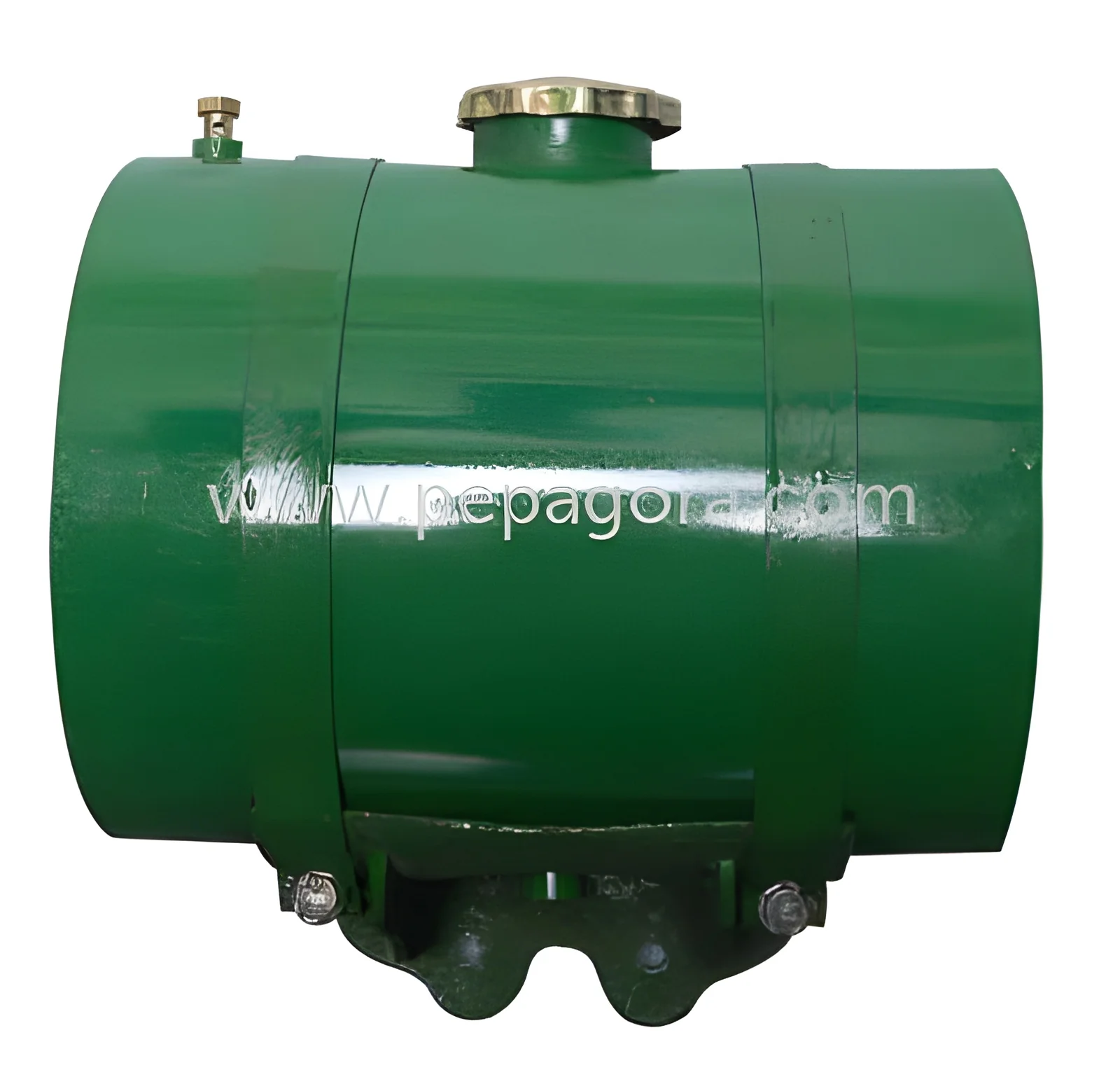
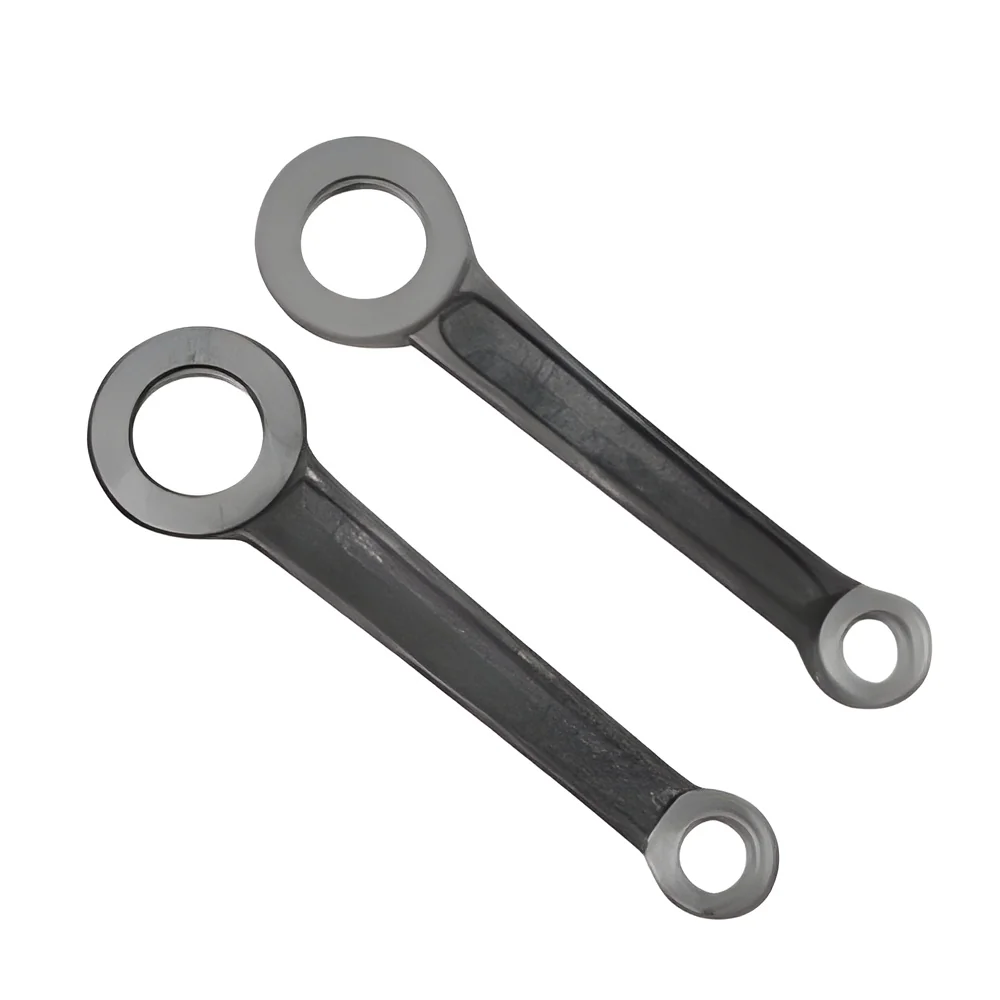
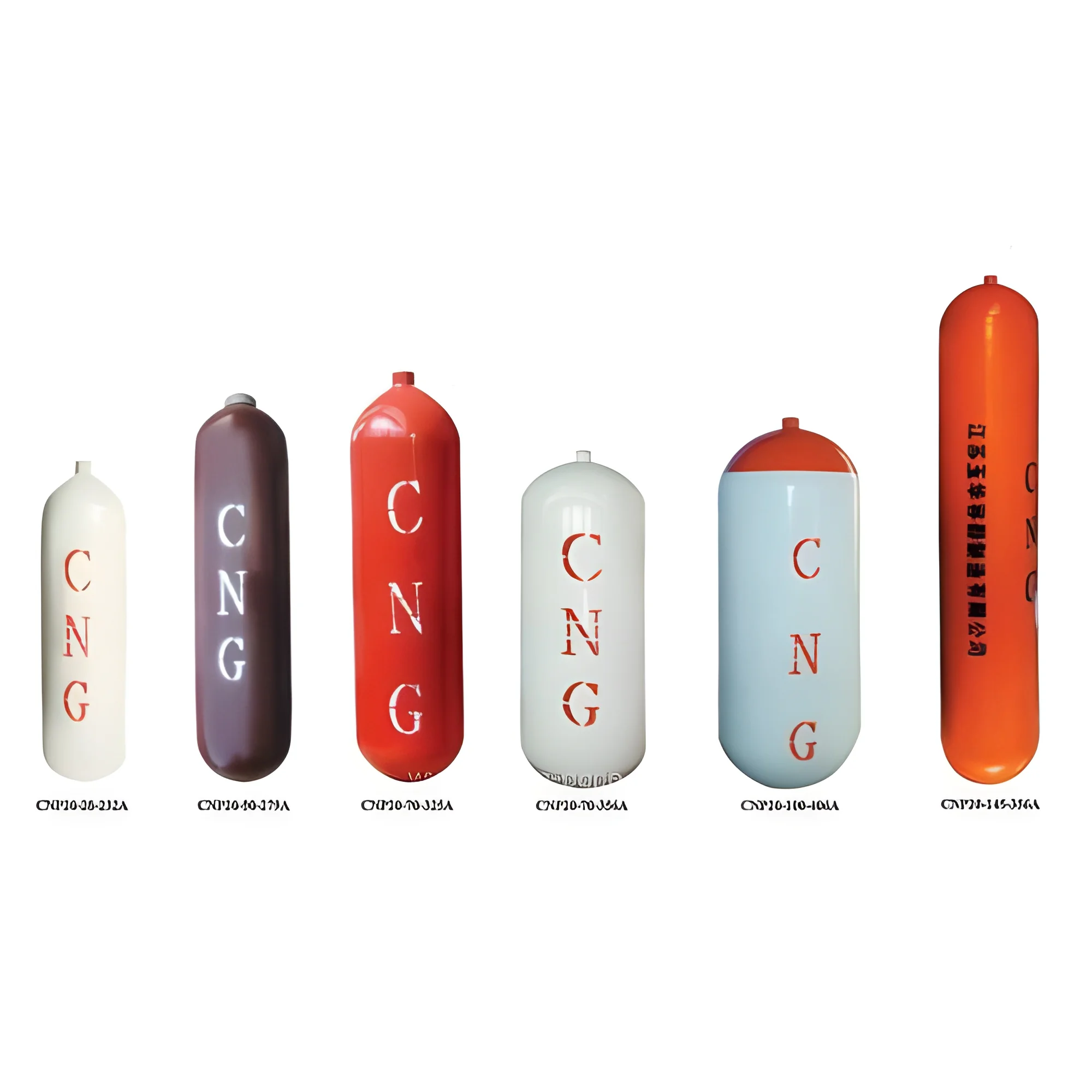
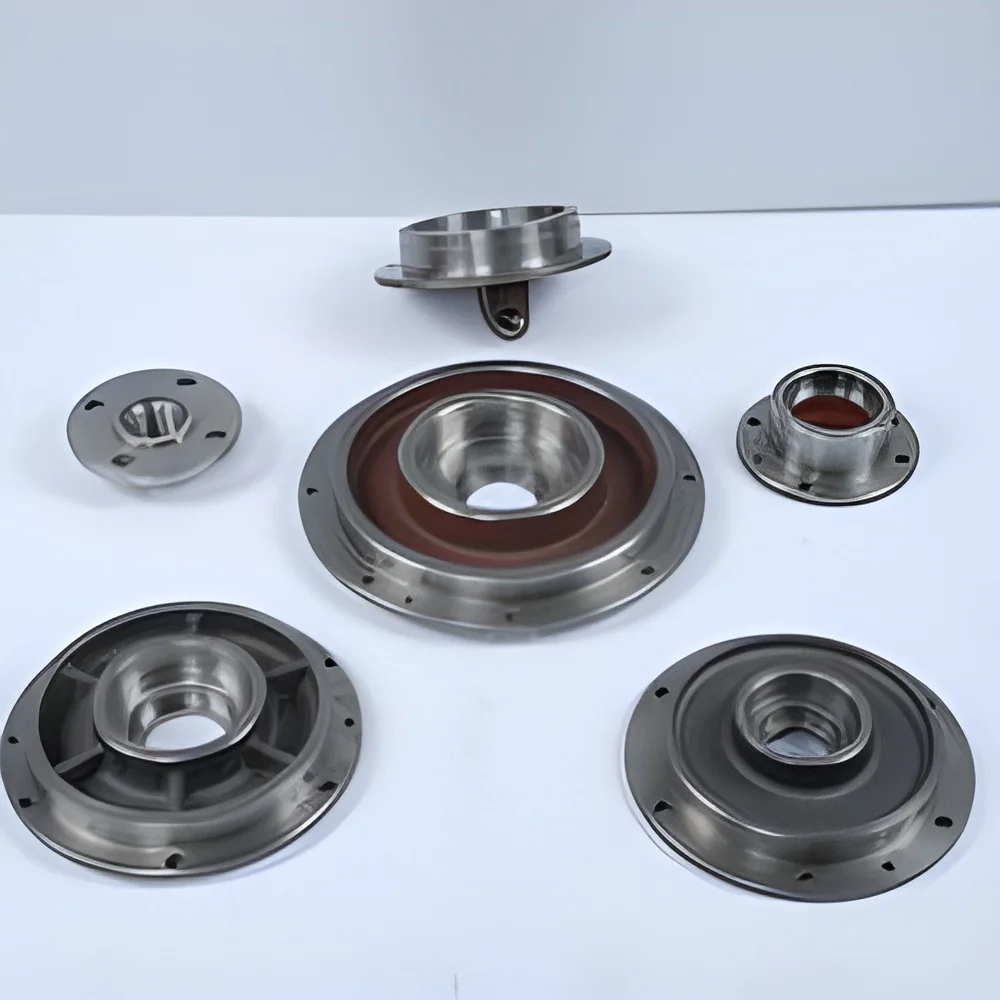
𝗪𝗵𝗮𝘁 𝗮𝗿𝗲 𝗘𝗻𝗴𝗶𝗻𝗲 𝗖𝗼𝗺𝗽𝗼𝗻𝗲𝗻𝘁𝘀?
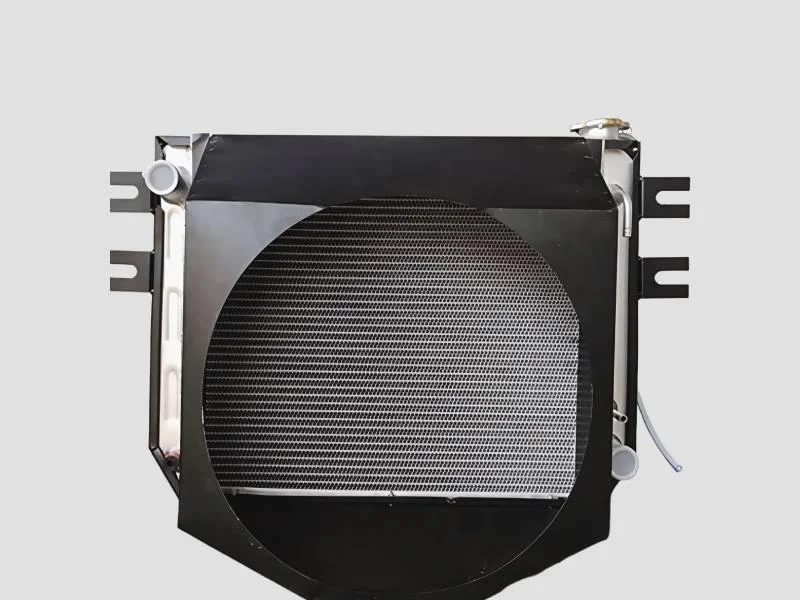
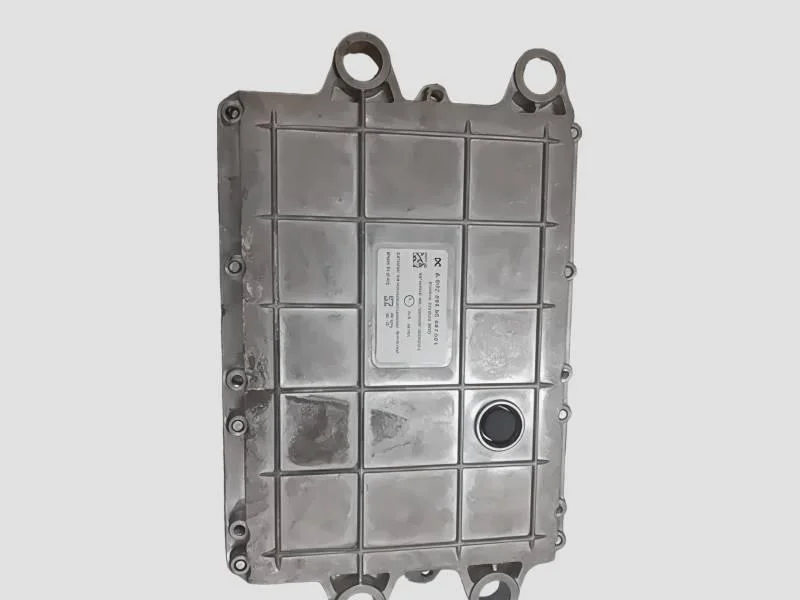
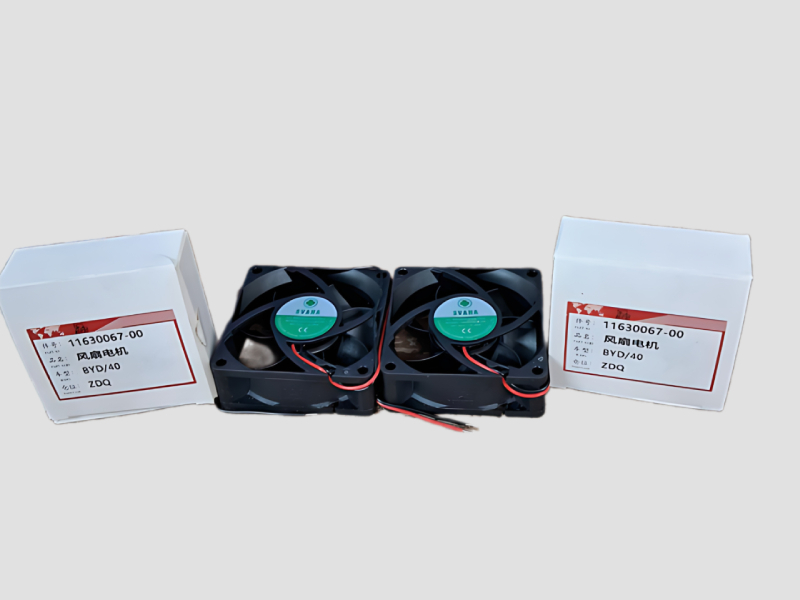
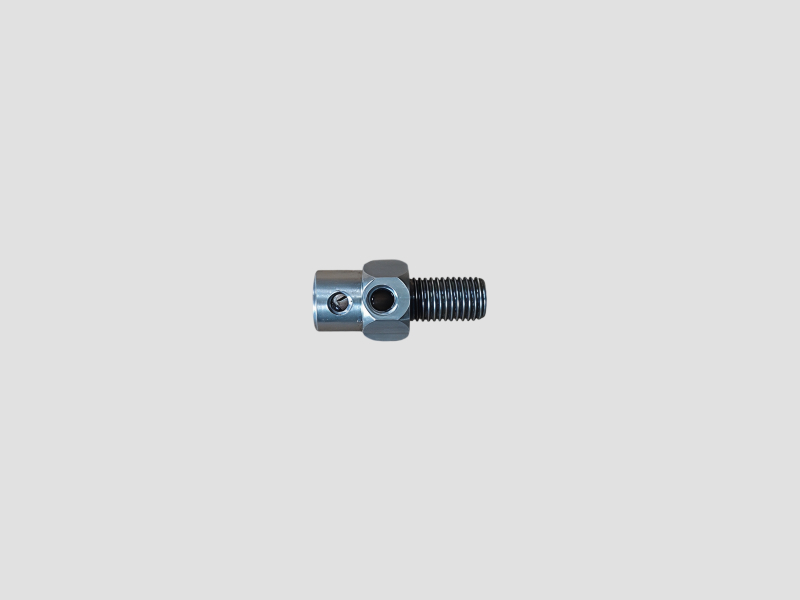
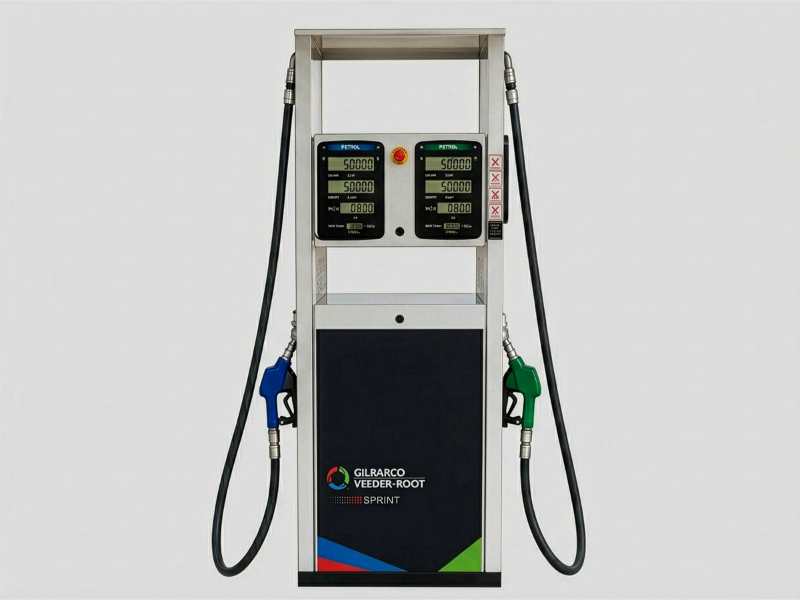
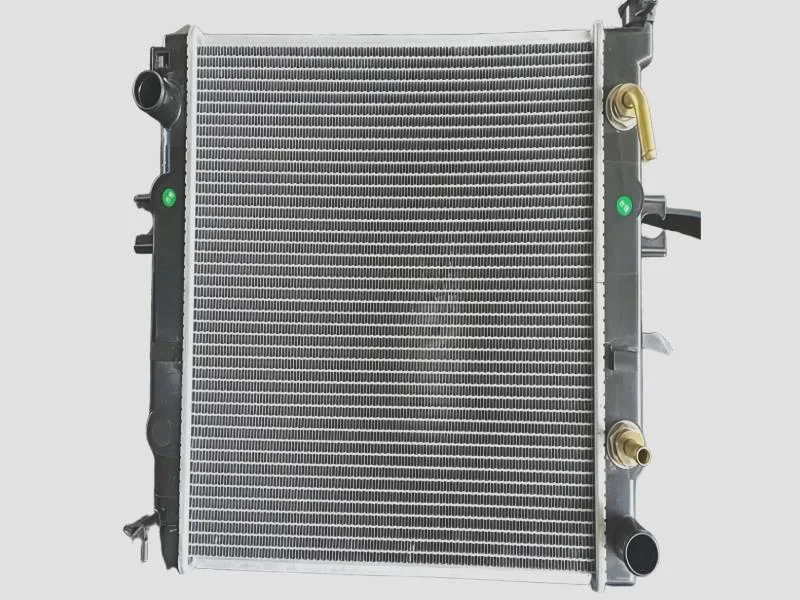
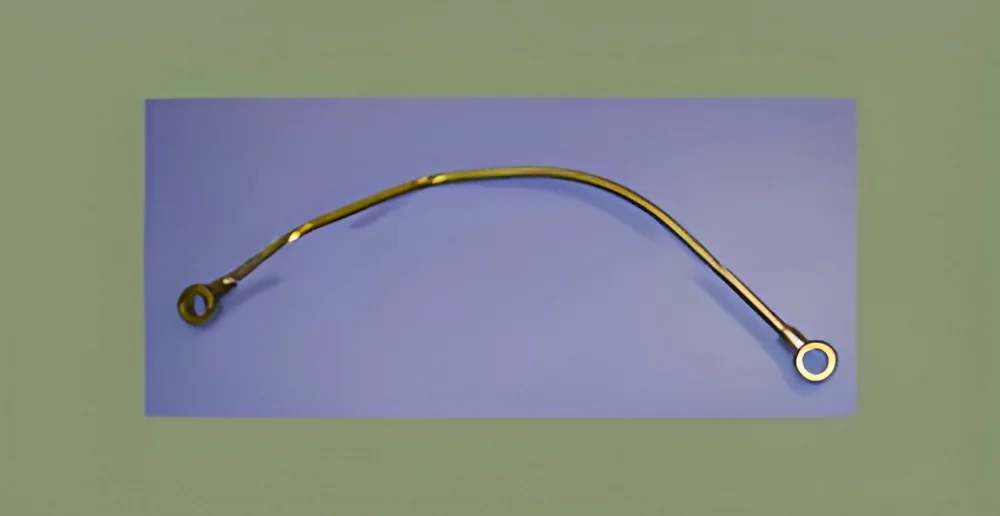
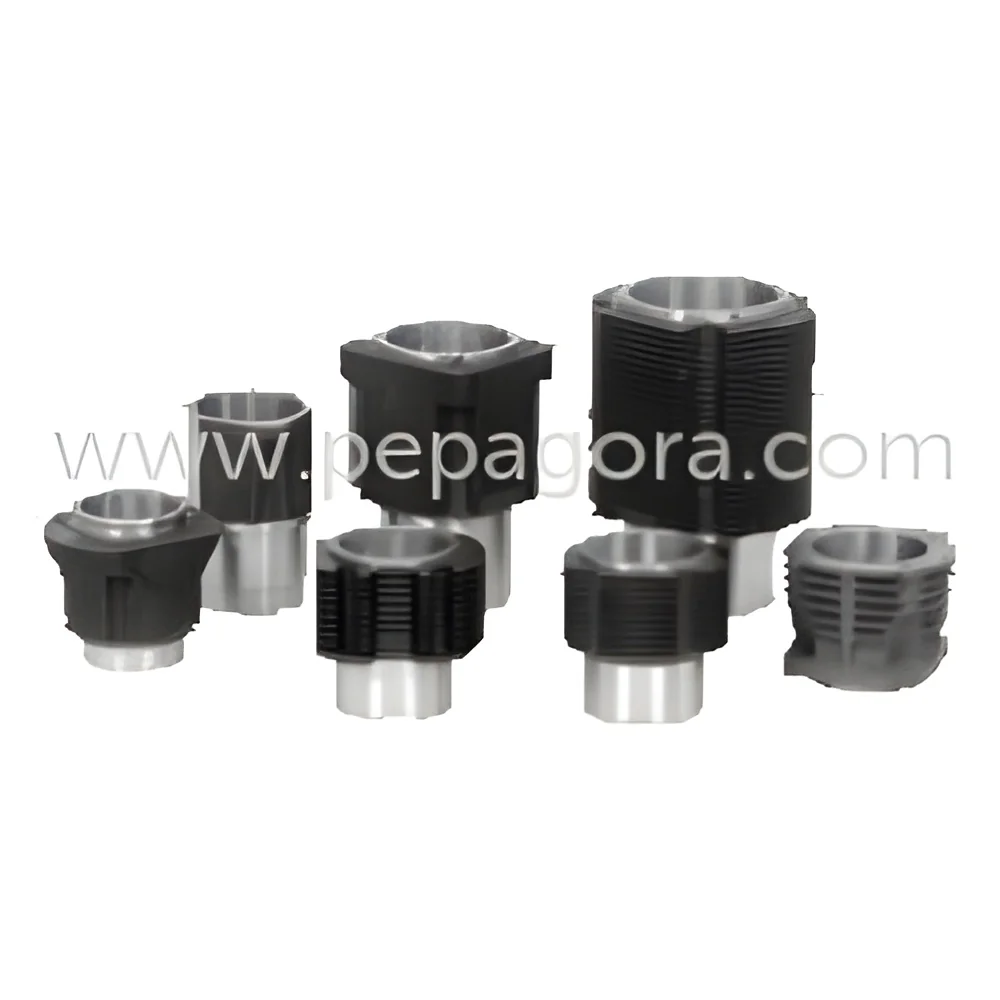
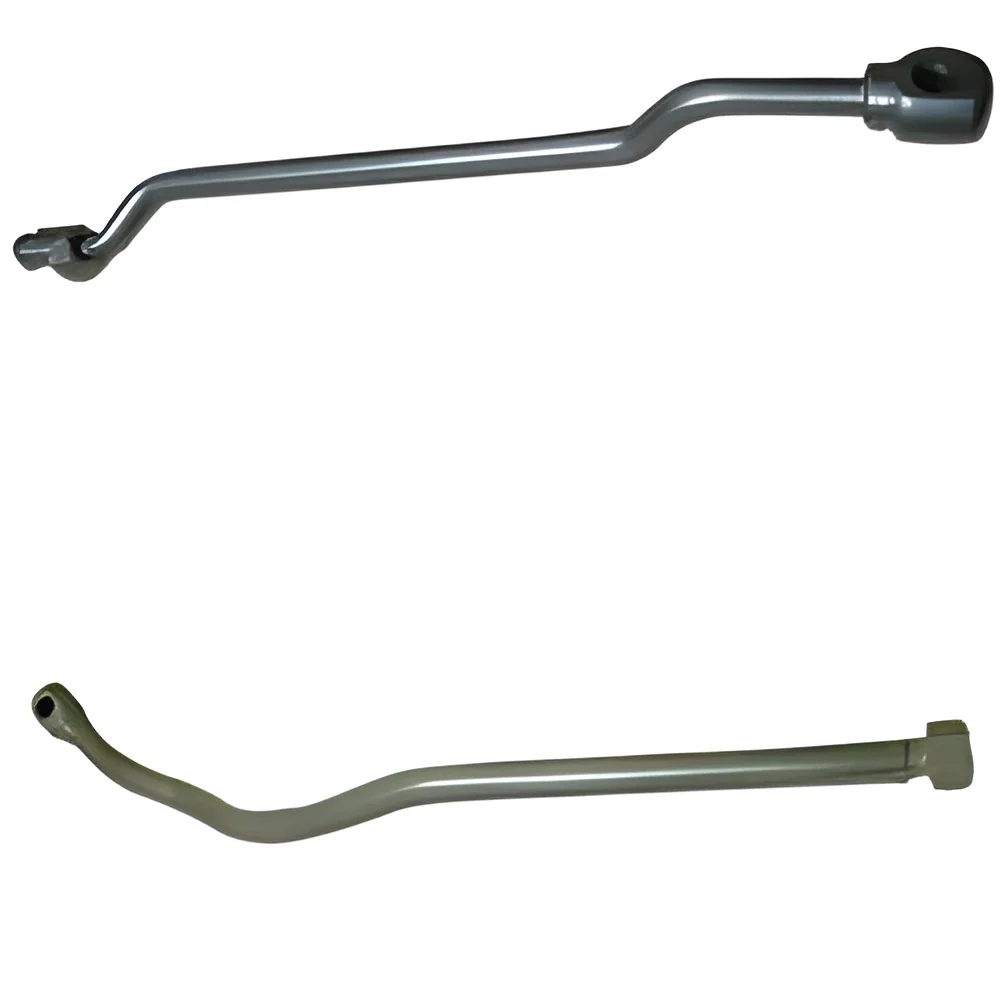
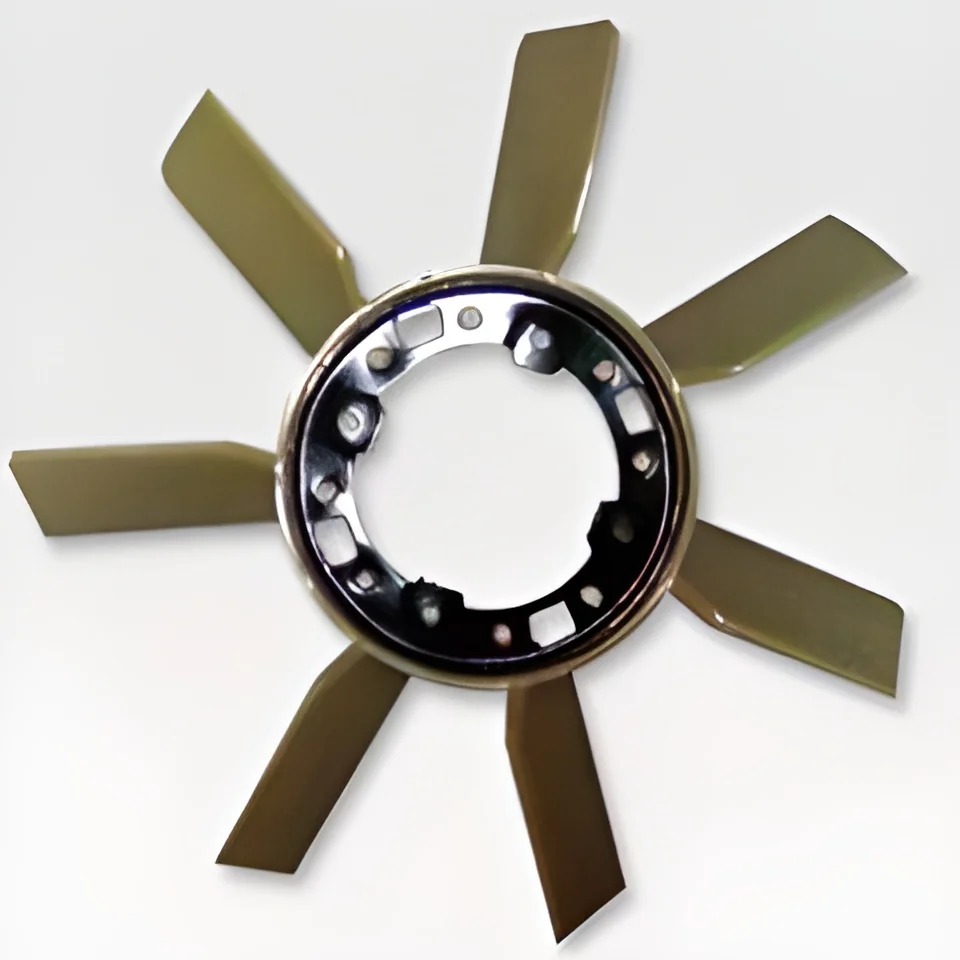
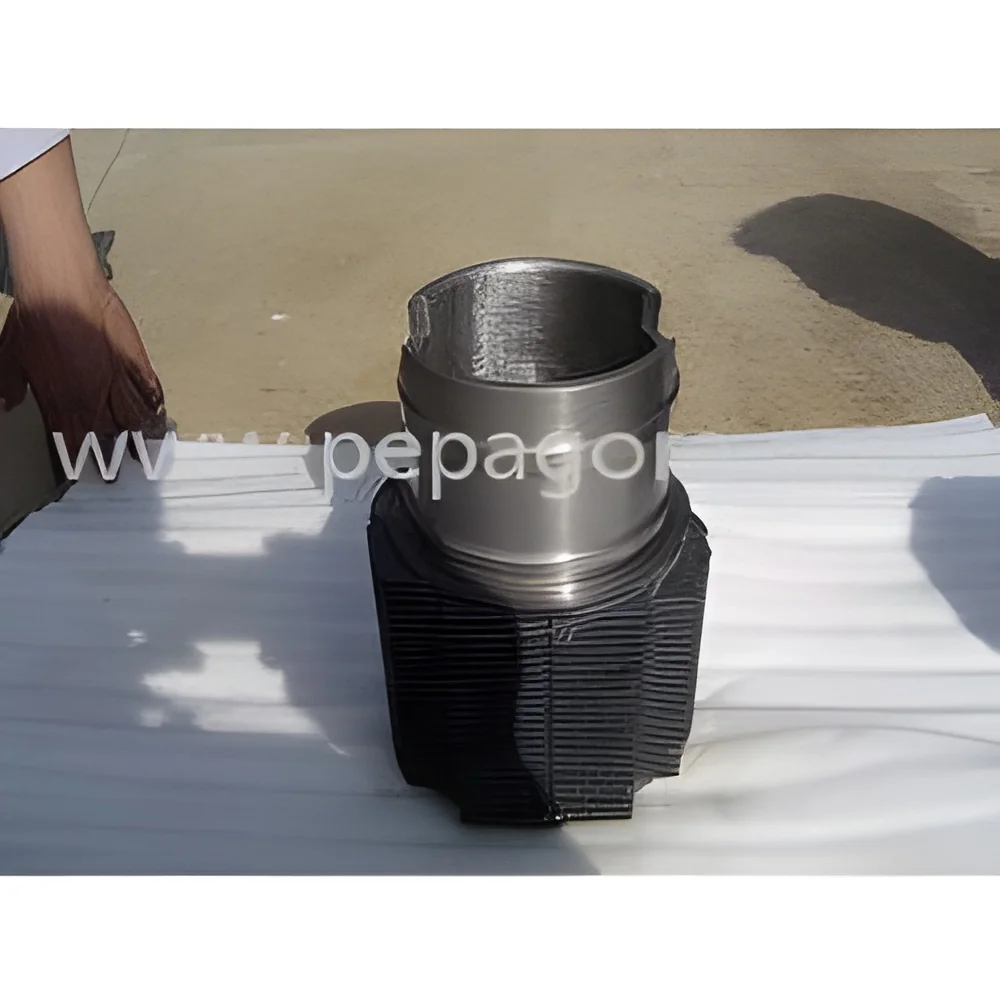
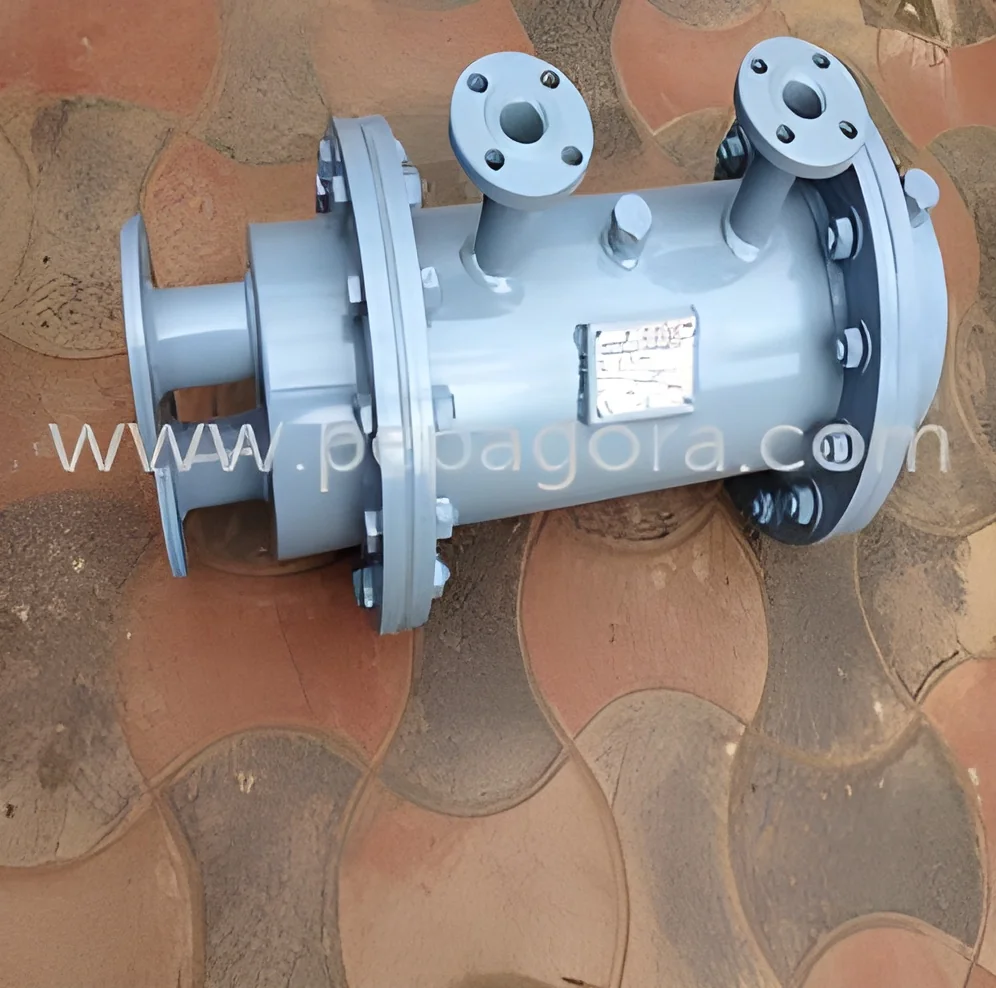
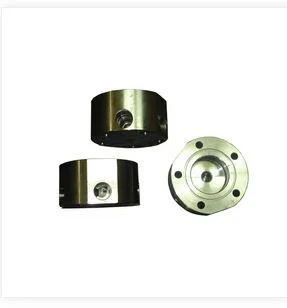
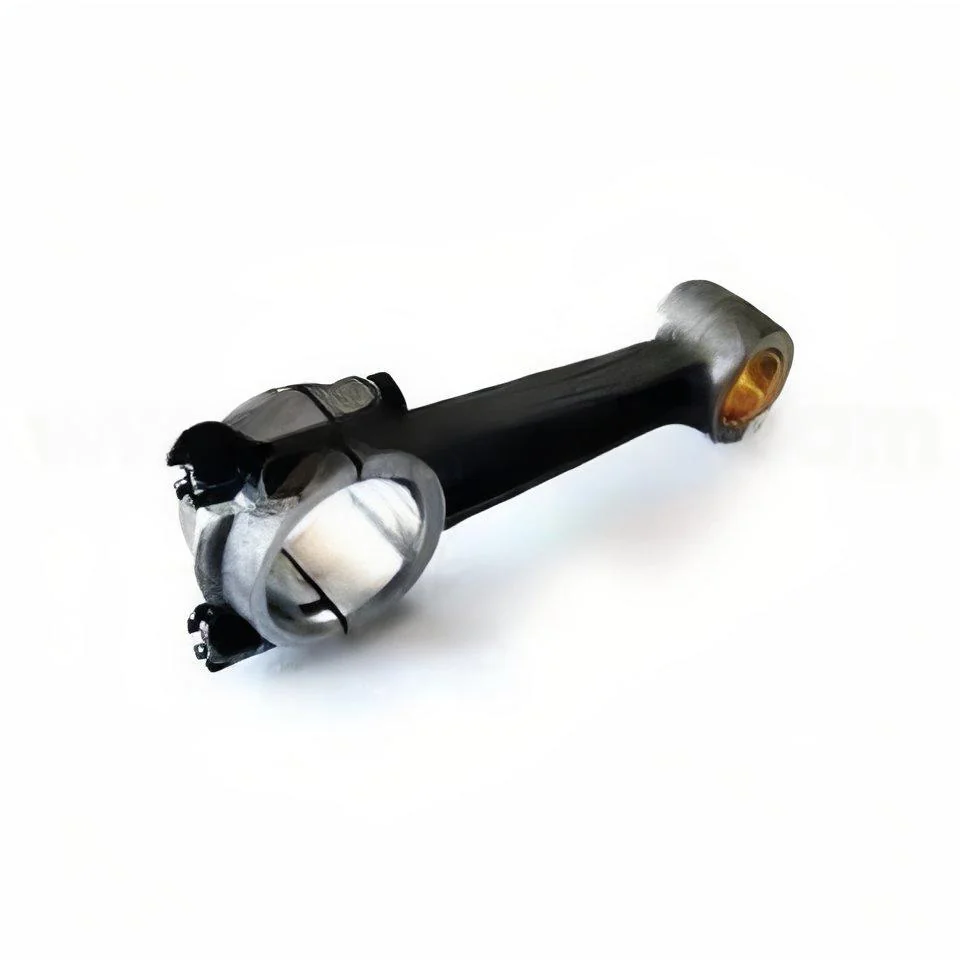
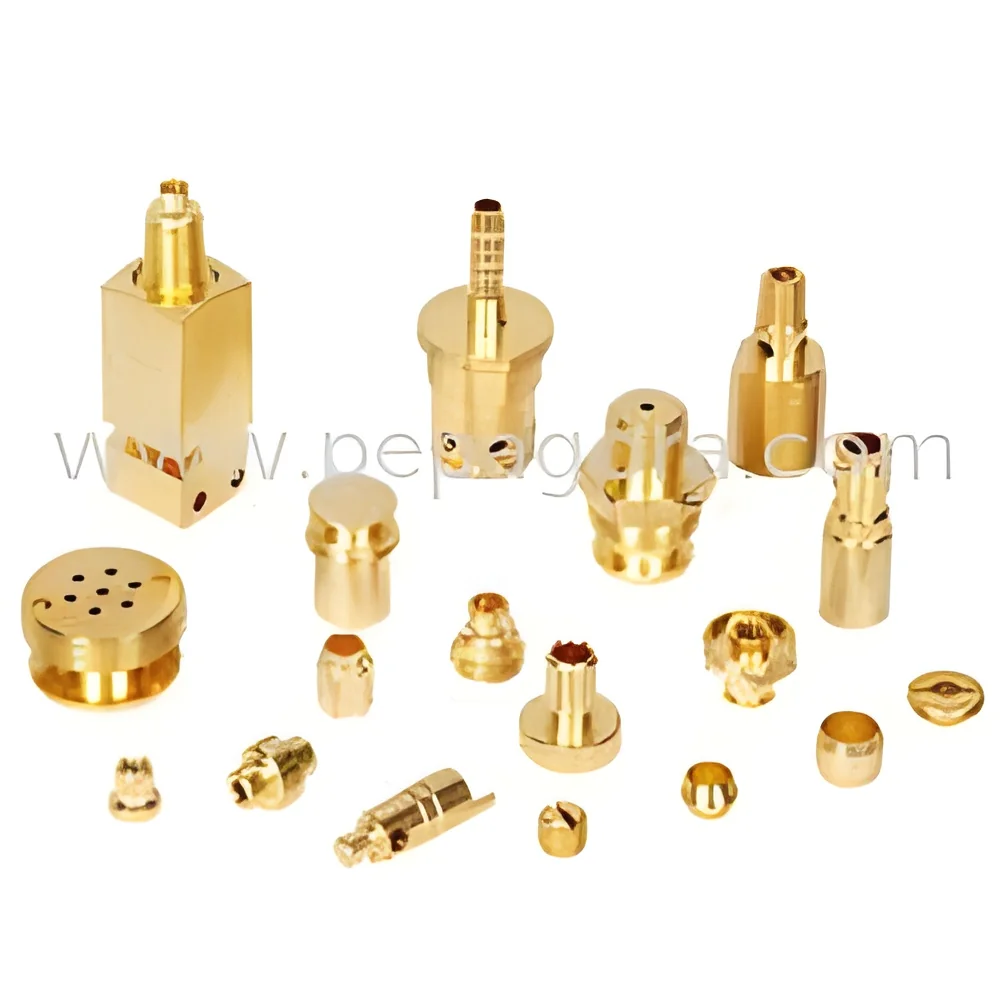
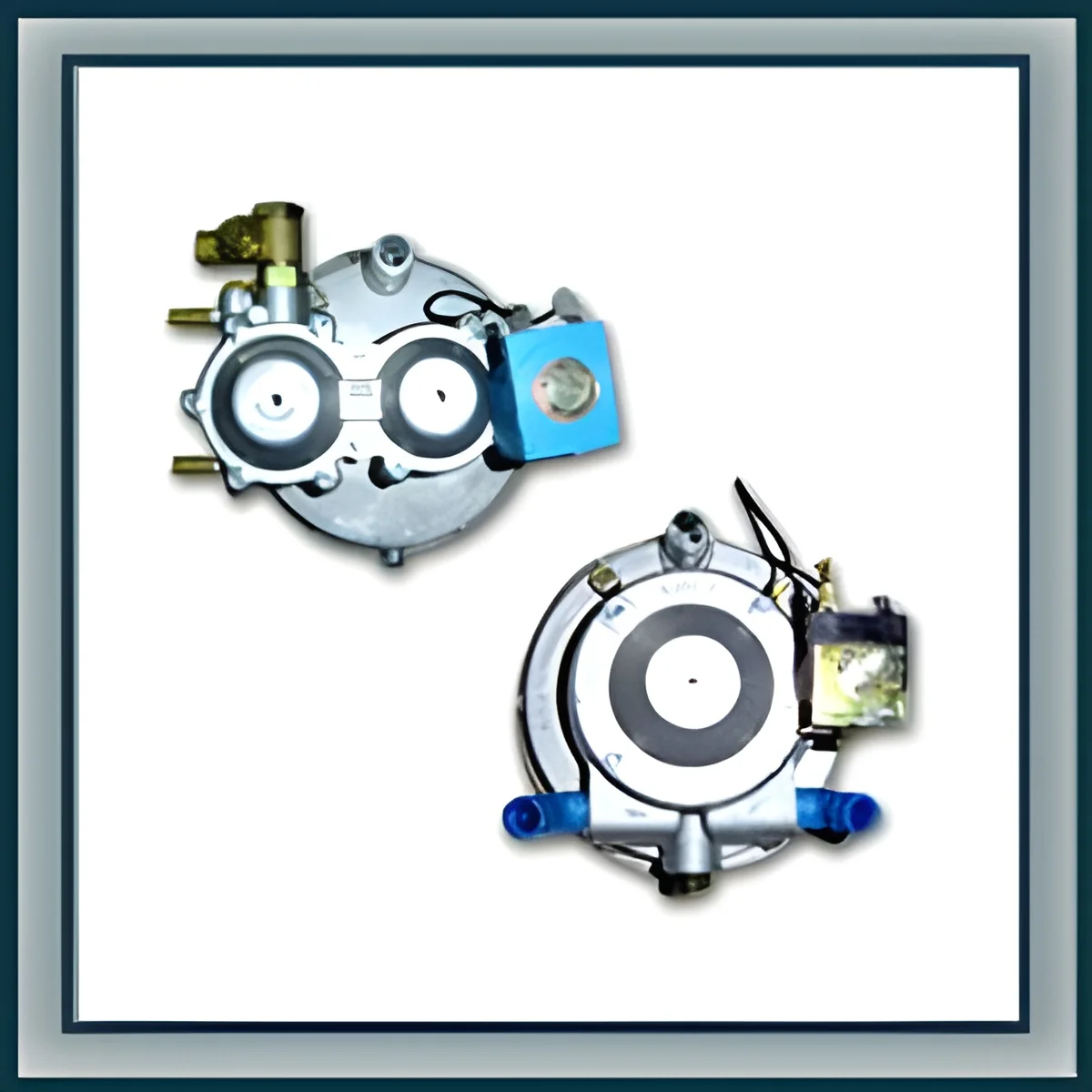
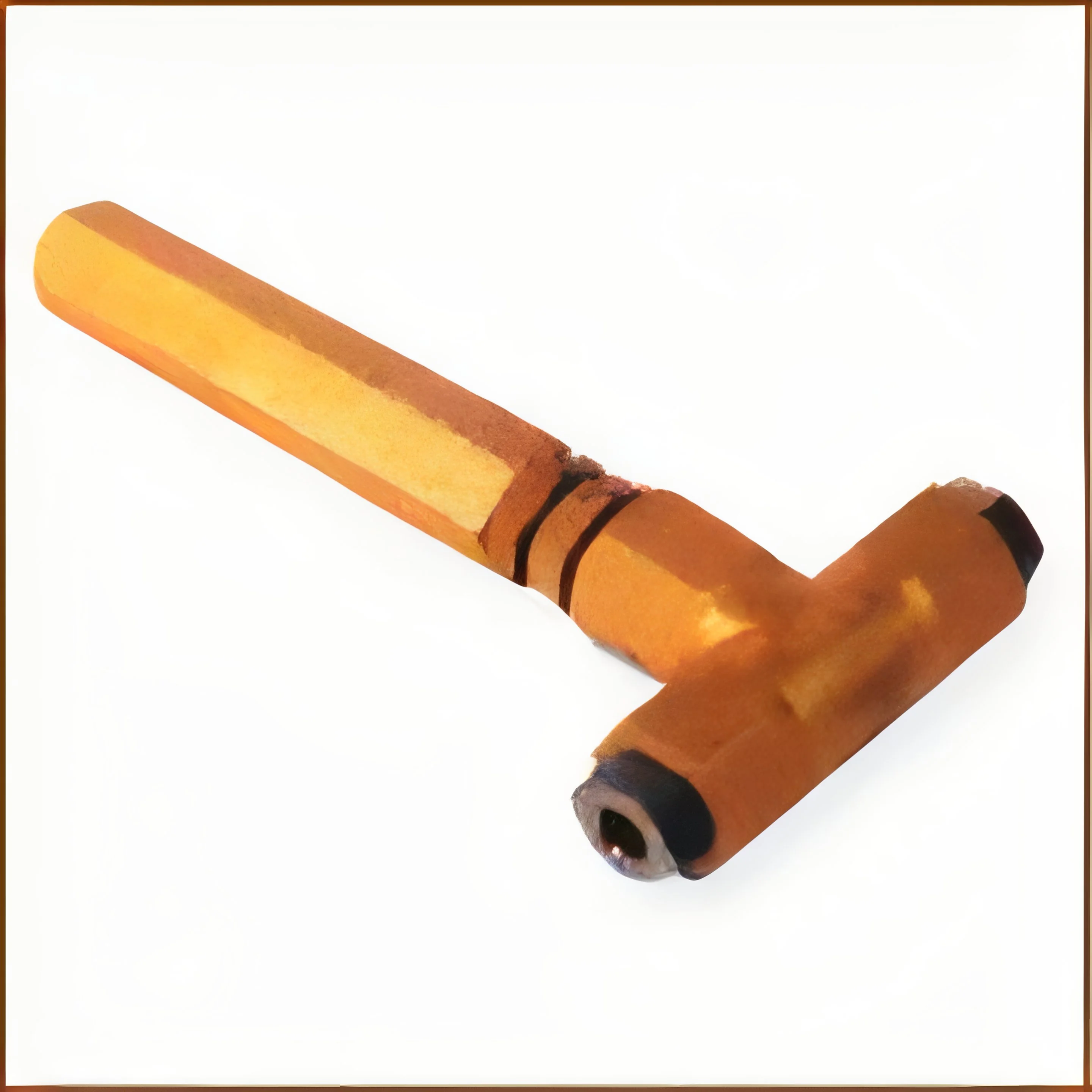
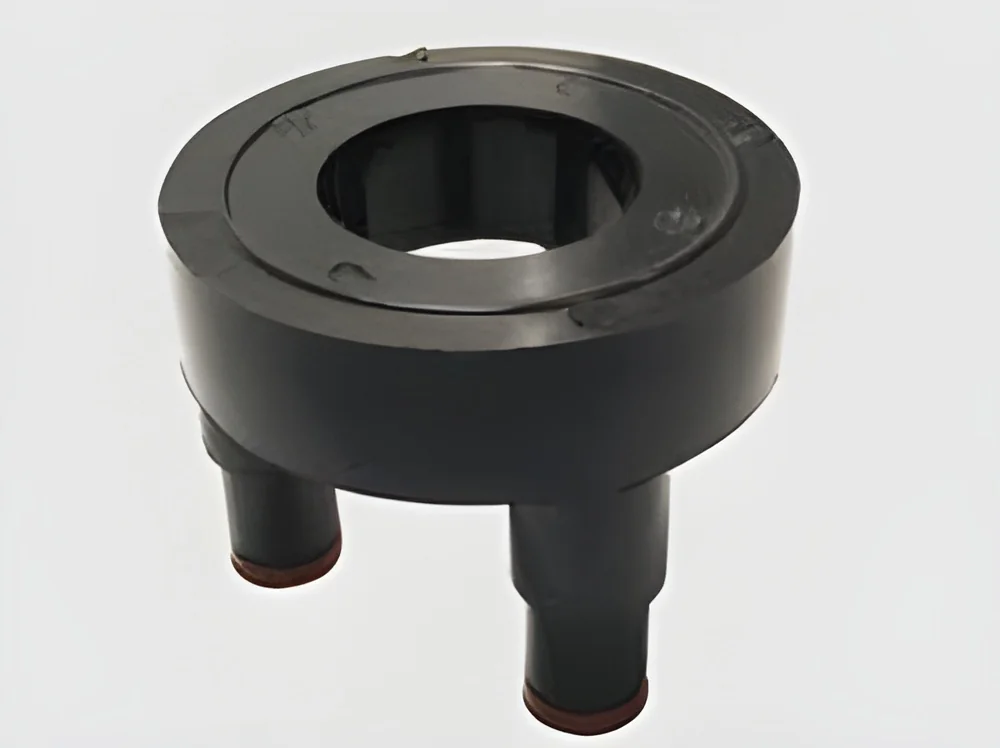
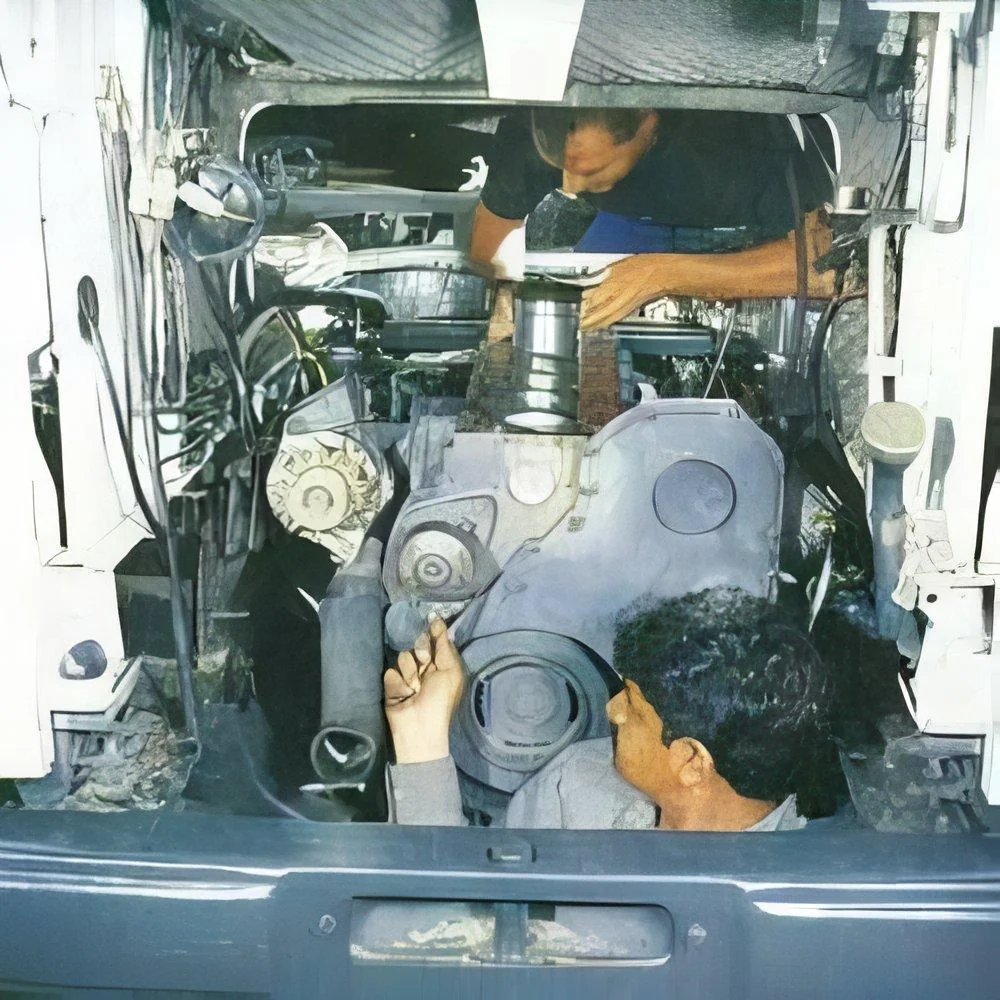
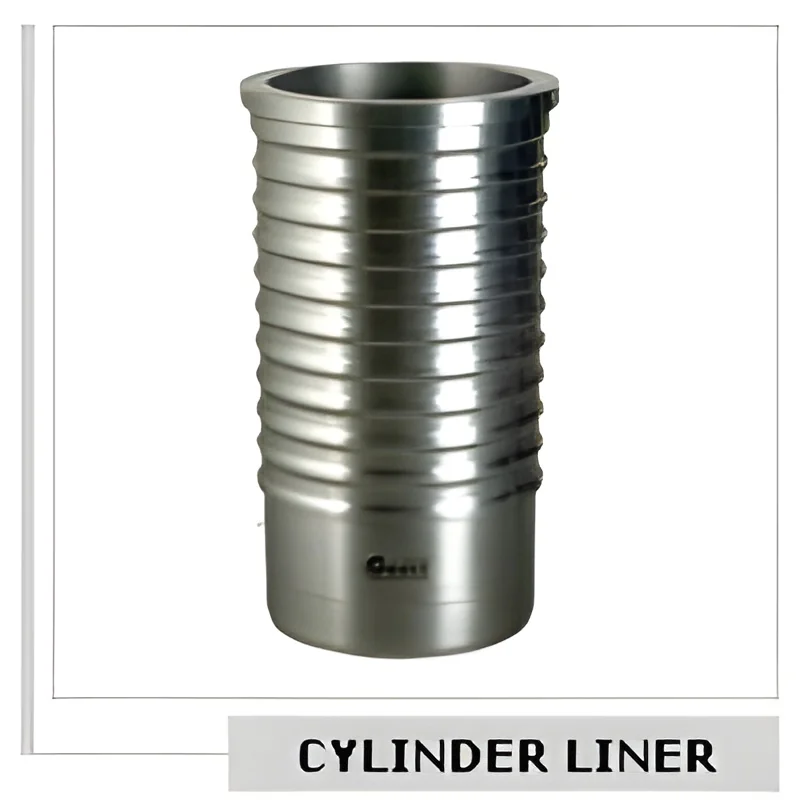
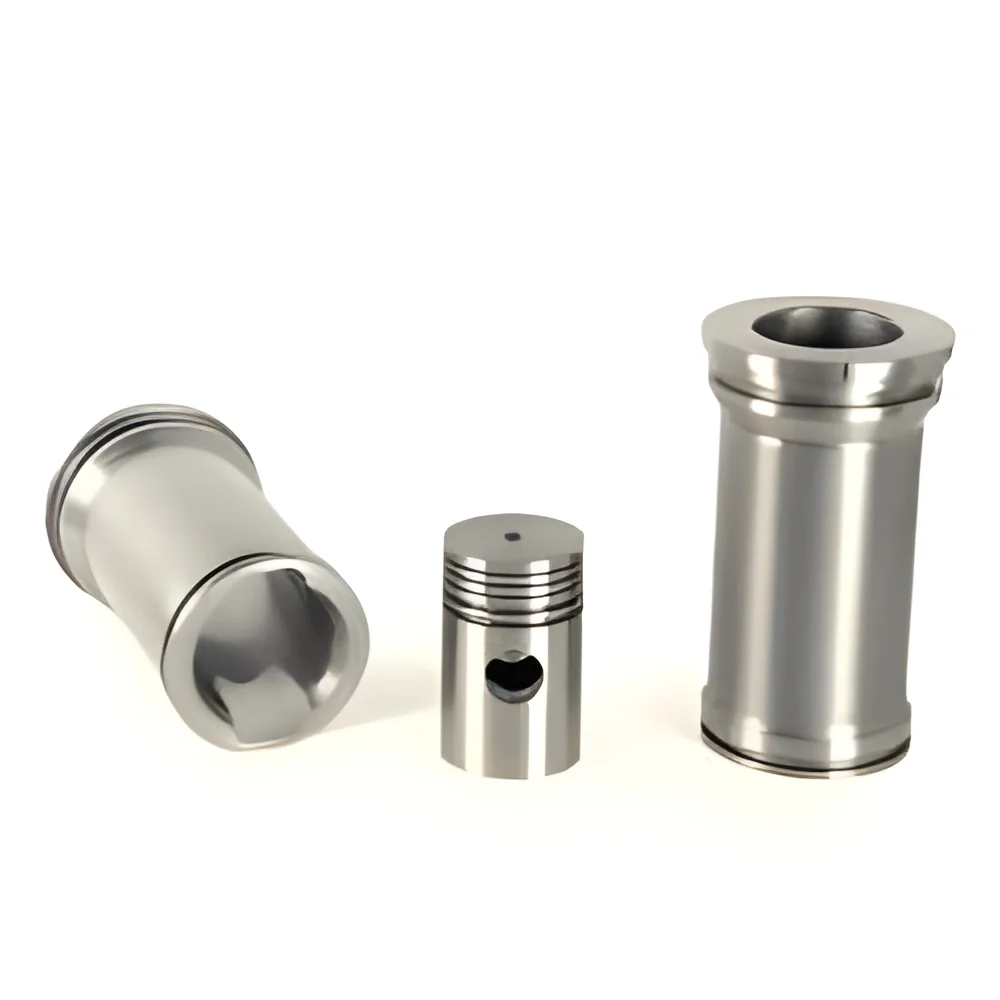
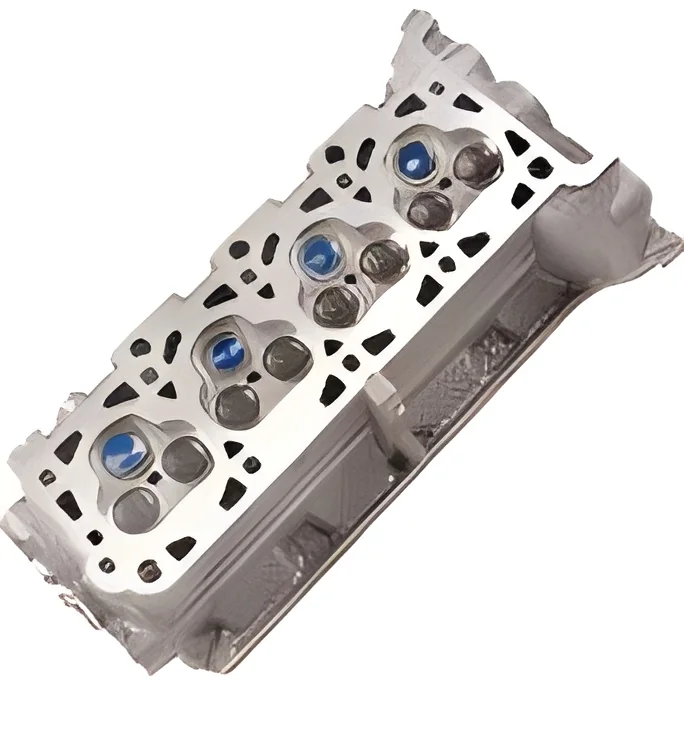
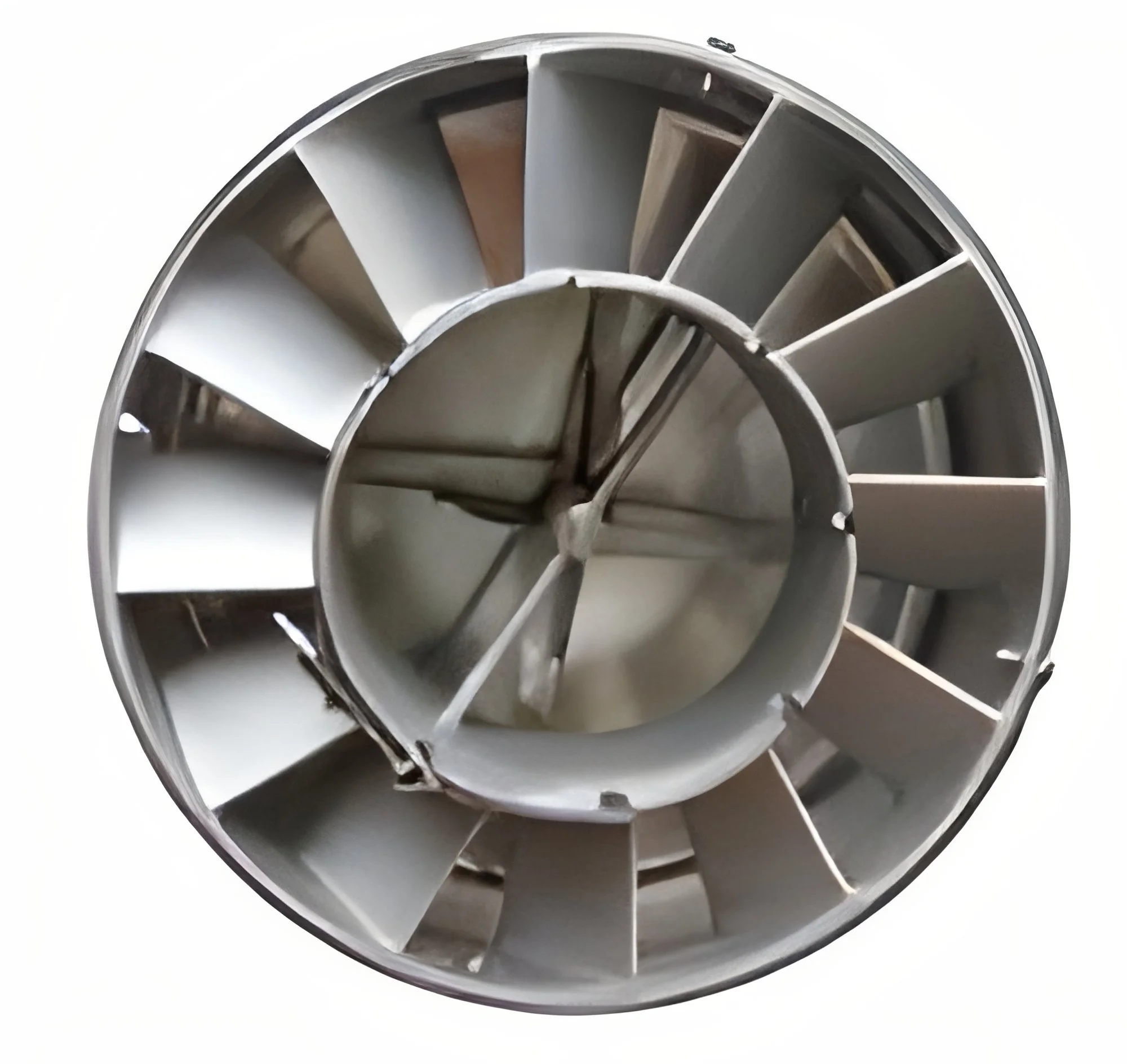
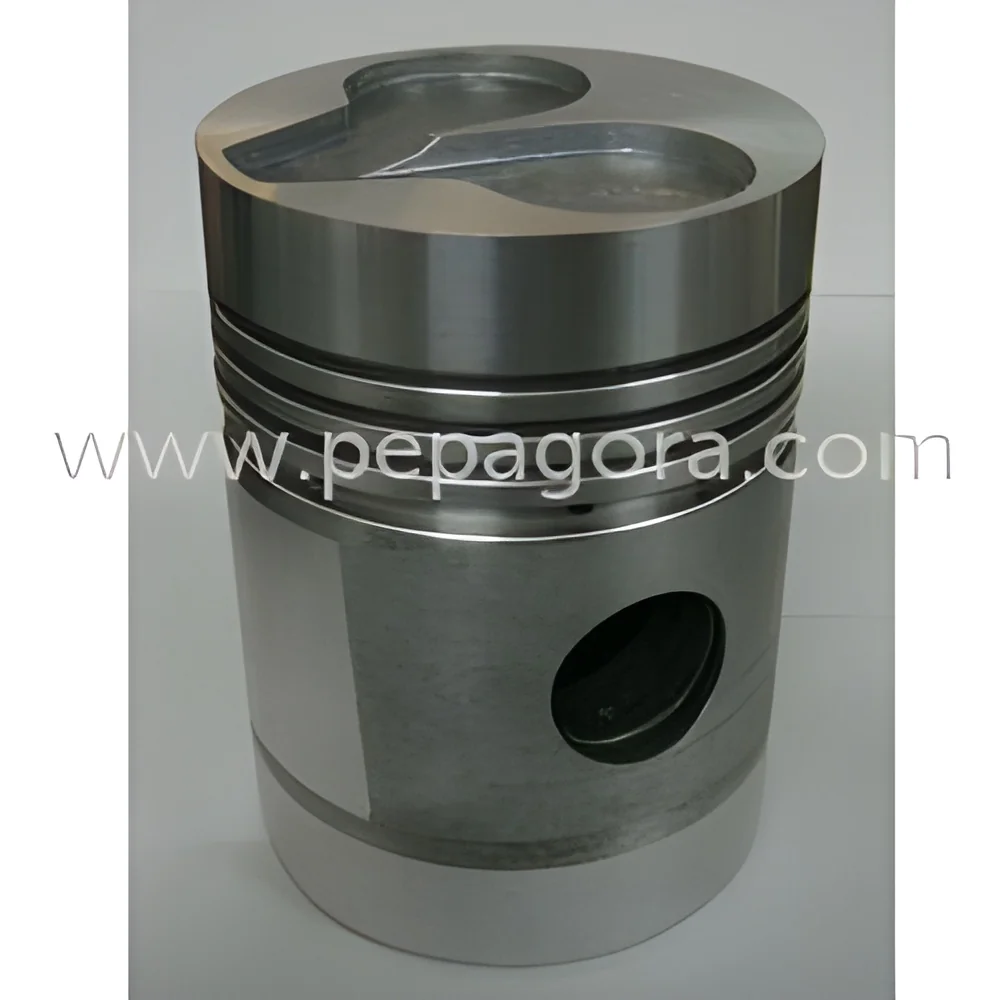
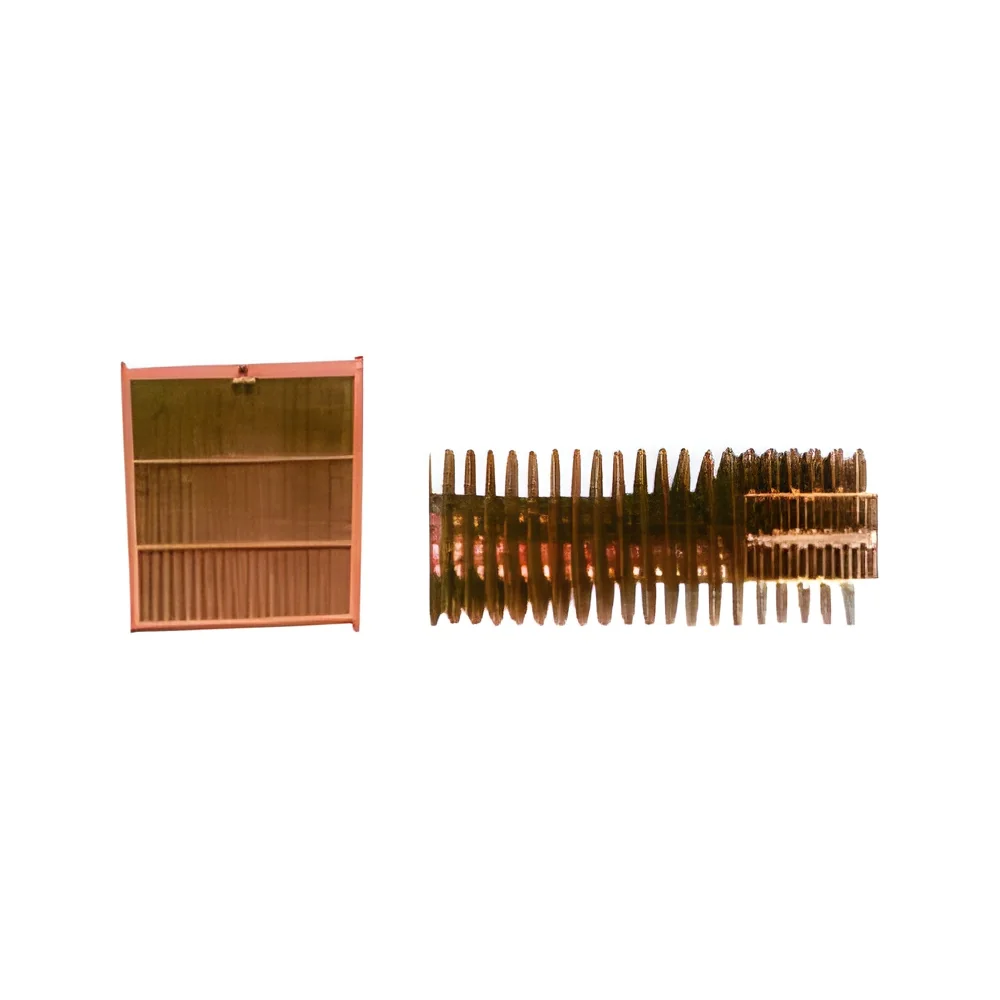
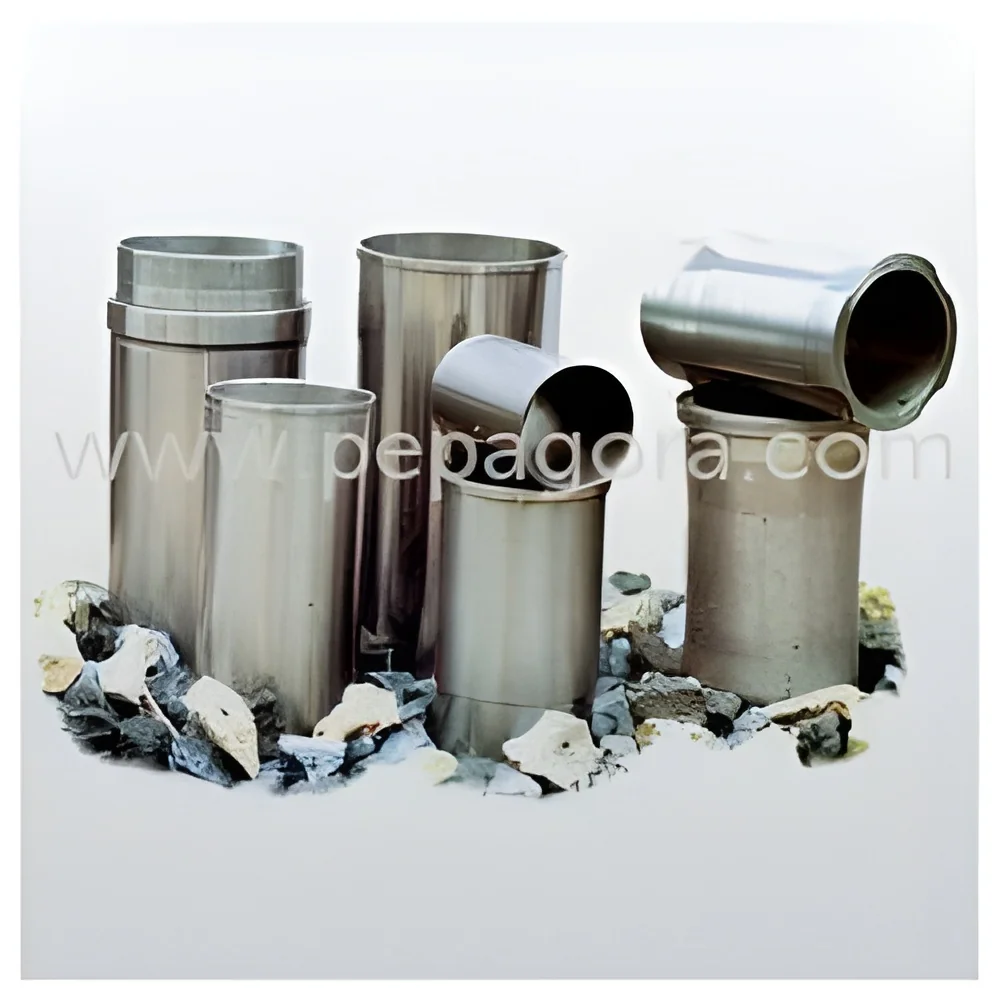
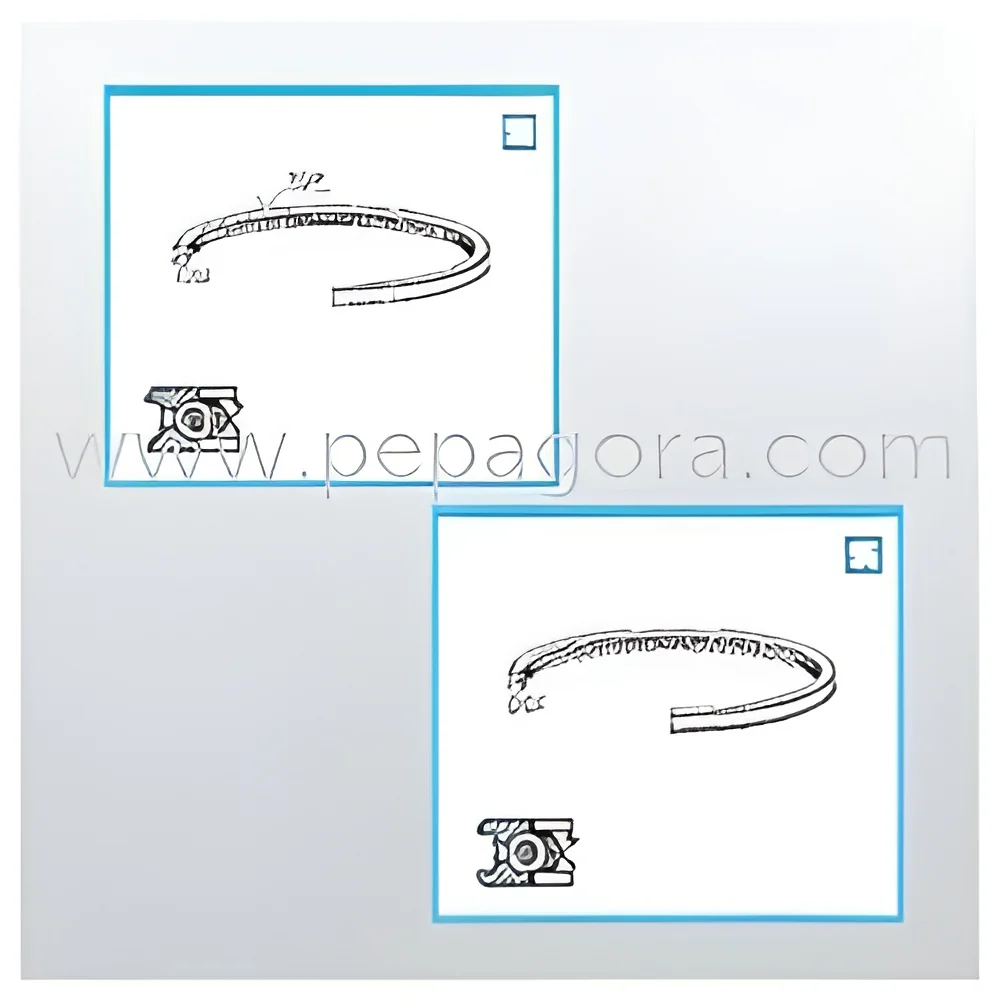
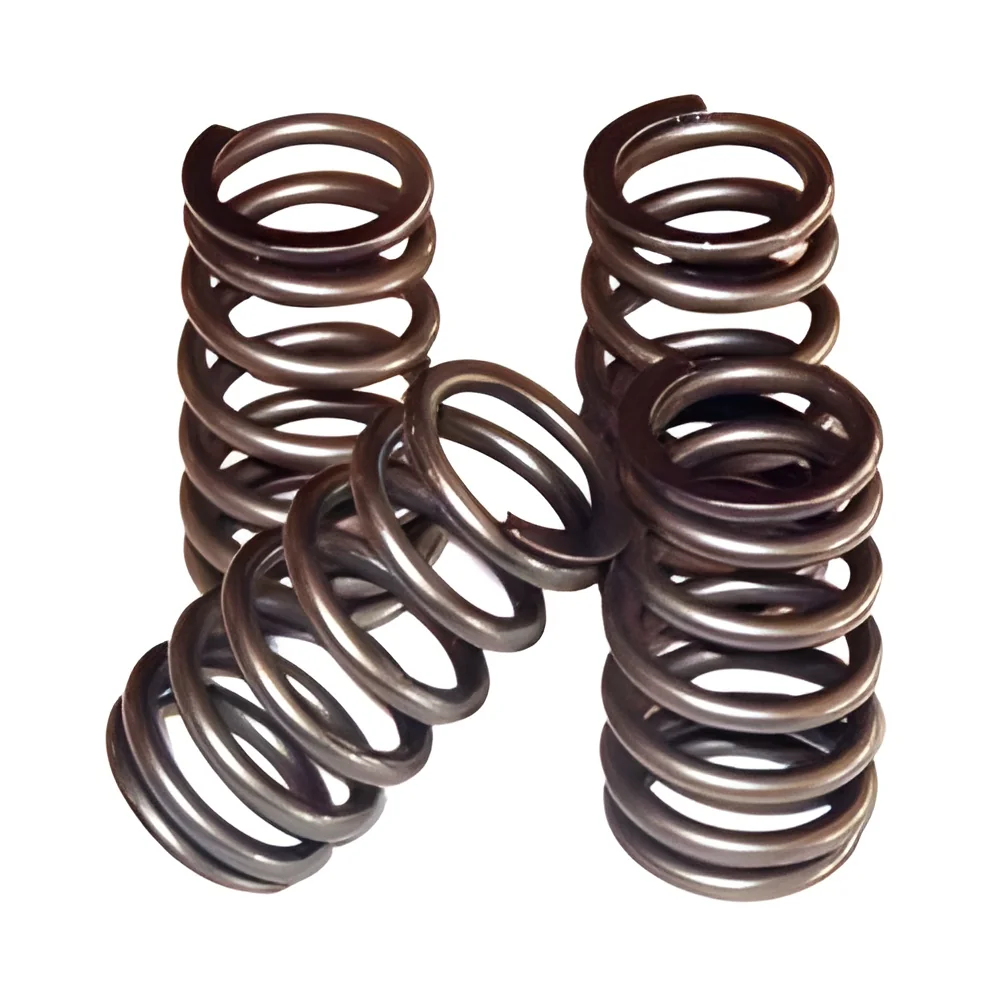
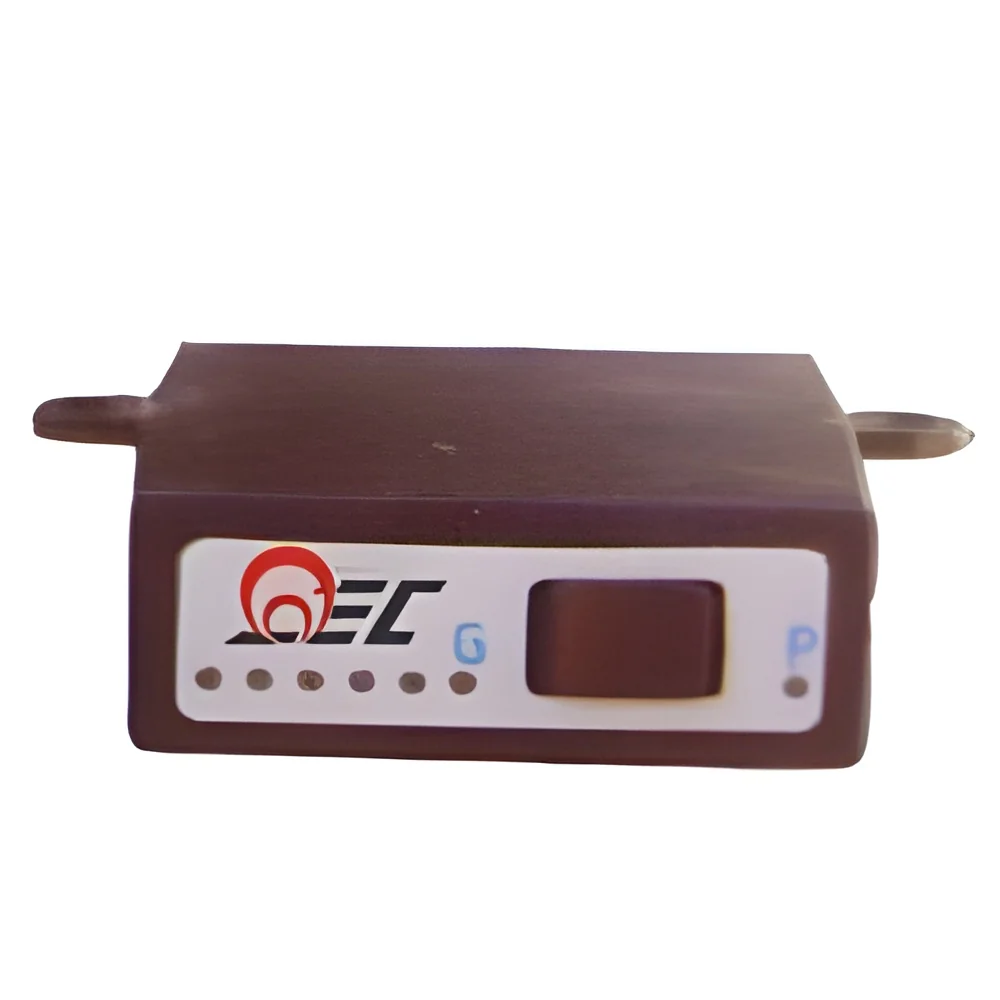
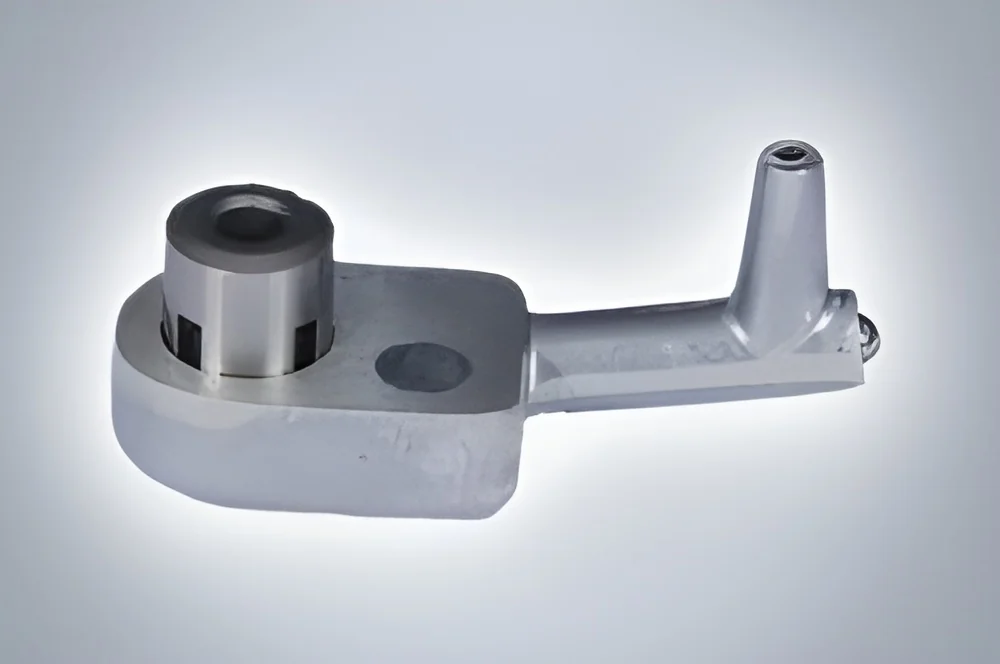
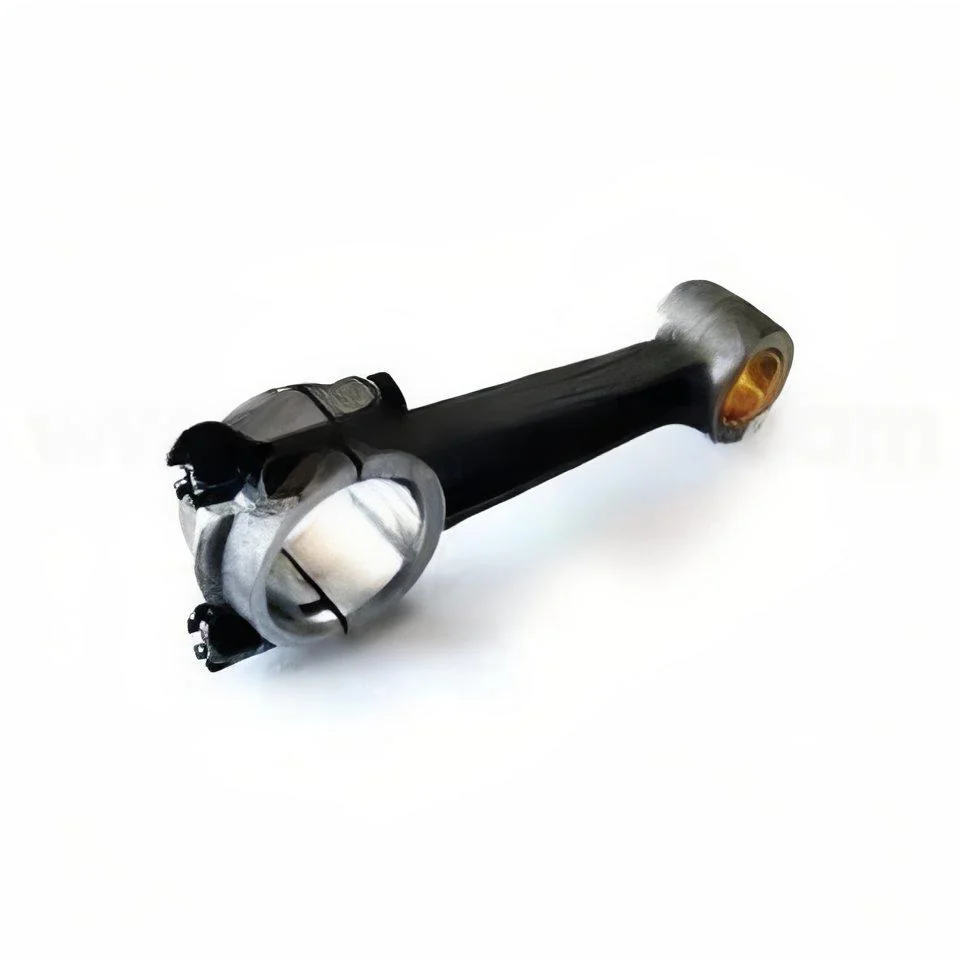
Engine components are critical parts that work together to facilitate the operation of an engine. These components include various mechanical parts that contribute to the engine's performance, efficiency, and overall functionality. The main engine components encompass items such as pistons, crankshafts, camshafts, valves, and gaskets, each playing a specific role in the engine's operation. Understanding these components is essential for anyone involved in the design, manufacturing, or maintenance of engines.
The primary uses of engine components span numerous industries, including automotive, aerospace, marine, and industrial machinery. In automotive applications, for instance, these components are integral to vehicle performance and fuel efficiency. In aerospace, they are crucial for the reliability and safety of aircraft engines. The market for engine components is robust and competitive, driven by advancements in technology and increasing demands for higher efficiency and lower emissions. As industries evolve, the need for high-quality engine components continues to rise, making them a vital focus for manufacturers and suppliers.
𝗞𝗲𝘆 𝗙𝗲𝗮𝘁𝘂𝗿𝗲𝘀 𝗮𝗻𝗱 𝗦𝗽𝗲𝗰𝗶𝗳𝗶𝗰𝗮𝘁𝗶𝗼𝗻𝘀
Engine components come with a variety of features and specifications that determine their performance and suitability for different applications. Understanding these specifications is key for businesses seeking reliable and efficient engine solutions.
Key specifications include:
1. Material Composition
- Engine components are typically made from high-quality metals such as steel, aluminum, and cast iron.
- These materials provide strength, durability, and resistance to wear over time.
2. Dimensional Accuracy
- Precision in manufacturing is crucial for engine components to ensure proper fit and function.
- Tolerances are often measured in micrometers to ensure compatibility with other engine parts.
3. Weight
- The weight of engine components can influence overall engine performance and efficiency.
- Lightweight materials are often preferred to enhance fuel efficiency.
4. Thermal Resistance
- Engine components need to withstand high temperatures generated during operation.
- Materials are selected based on their ability to endure thermal stresses without failing.
5. Surface Finish
- The surface finish of engine components impacts friction and wear.
- Finishing processes such as polishing or coating are used to enhance performance.
6. Corrosion Resistance
- Components must be resistant to corrosion from fuels and environmental factors.
- Protective coatings or specific alloys are often employed to extend component life.
7. Load Bearing Capacity
- Engine components must endure substantial mechanical loads and stresses.
- Specifications often include maximum load ratings to ensure safety and reliability.
8. Compliance with Industry Standards
- Many engine components are manufactured to meet specific industry standards such as CE certification for quality assurance.
- Compliance ensures safety and reliability in various applications.
In summary, understanding the key features and specifications of engine components is essential for making informed decisions about sourcing and utilizing these critical parts.
𝗖𝗼𝗺𝗺𝗼𝗻 𝗔𝗽𝗽𝗹𝗶𝗰𝗮𝘁𝗶𝗼𝗻𝘀 𝗮𝗻𝗱 𝗨𝘀𝗲 𝗖𝗮𝘀𝗲𝘀
Engine components are utilized across a wide range of industries, each with specific applications that highlight their importance.
1. Automotive: In the automotive industry, engine components are essential for vehicle performance and efficiency. They are used in gasoline and diesel engines, impacting everything from power output to fuel consumption.
2. Aerospace: Engine components in the aerospace sector are critical for aircraft propulsion systems. They must meet stringent safety and reliability standards to ensure the safe operation of aircraft.
3. Marine: In marine applications, engine components are vital for the operation of boats and ships, providing the necessary power and performance in harsh environments.
4. Industrial Machinery: Engine components are used in various types of industrial machinery, including generators and pumps, where reliable operation is crucial for productivity.
5. Construction Equipment: Heavy machinery in construction relies on robust engine components for power and efficiency, ensuring that equipment operates effectively in demanding conditions.
6. Agriculture: In agricultural machinery, engine components contribute to the performance of tractors and harvesters, impacting productivity and efficiency in farming operations.
7. Power Generation: Engine components are integral to power generation systems, including backup generators and large-scale energy production facilities.
𝗣𝗿𝗼𝗱𝘂𝗰𝘁 𝗩𝗮𝗿𝗶𝗮𝗻𝘁𝘀 𝗮𝗻𝗱 𝗦𝘂𝗯𝗰𝗮𝘁𝗲𝗴𝗼𝗿𝗶𝗲𝘀
Engine components come in various forms, each designed for specific applications and requirements. This diversity allows businesses to choose the most suitable components for their needs.
Pistons
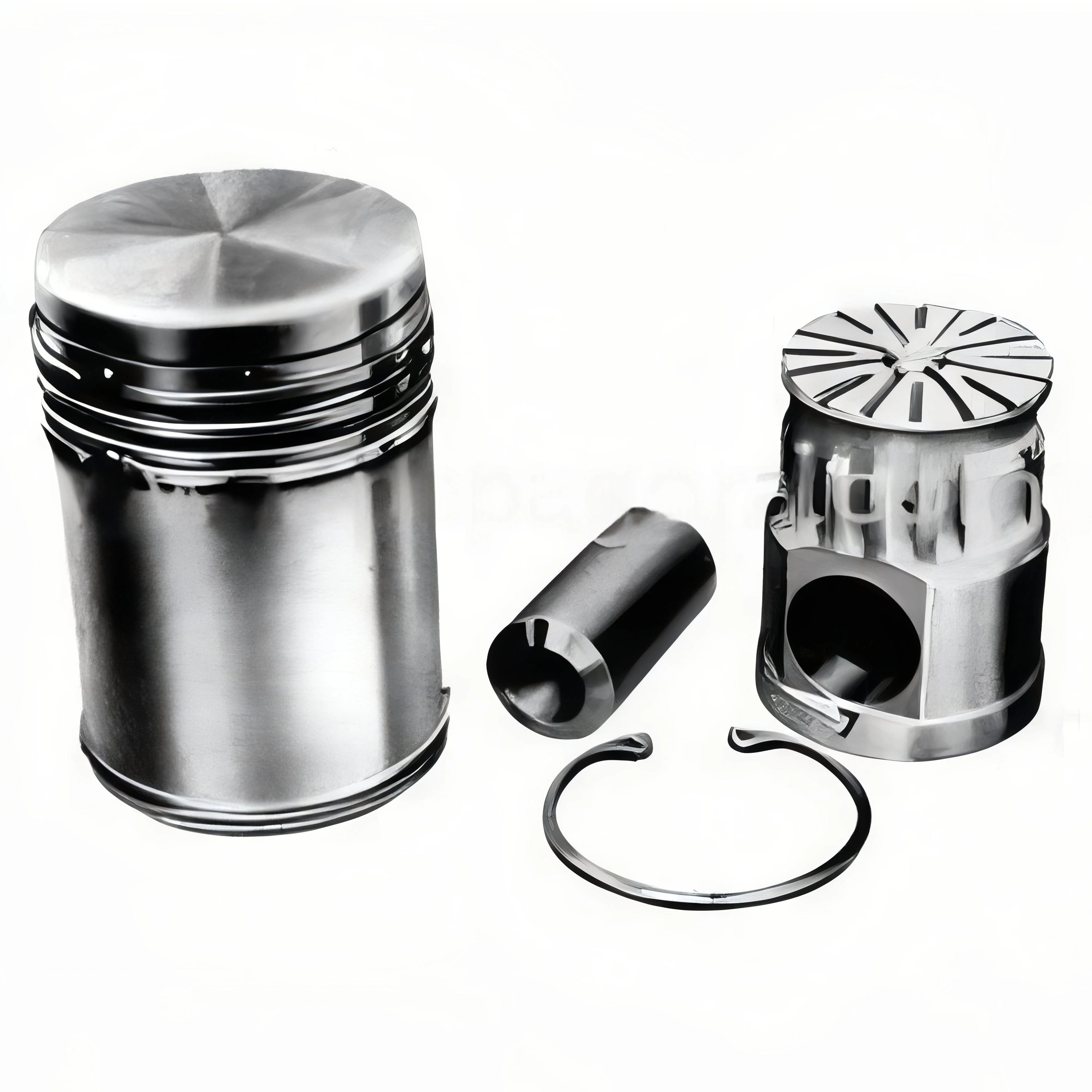
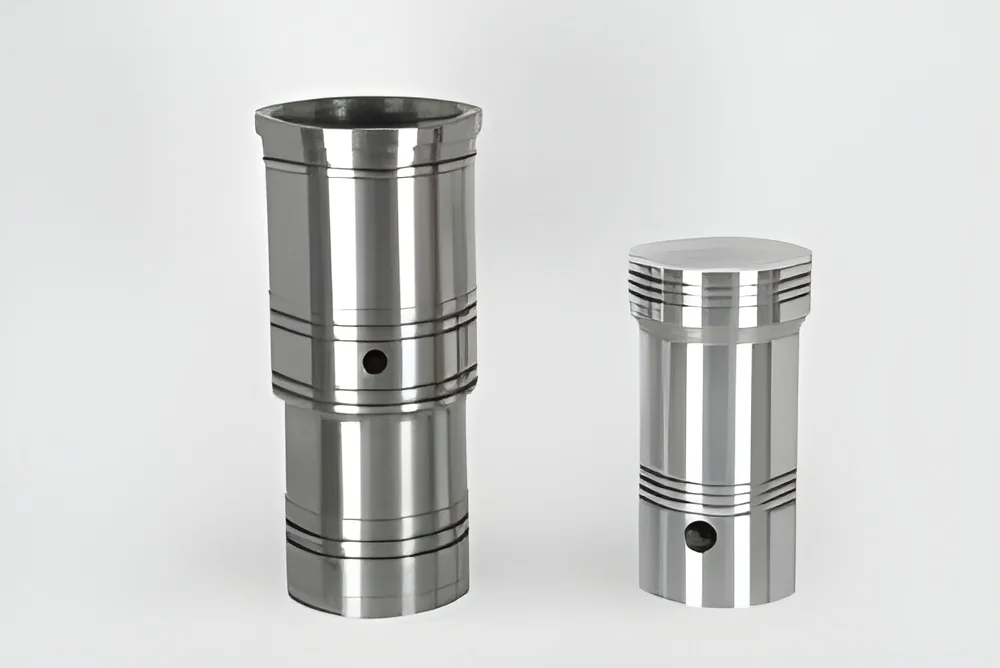
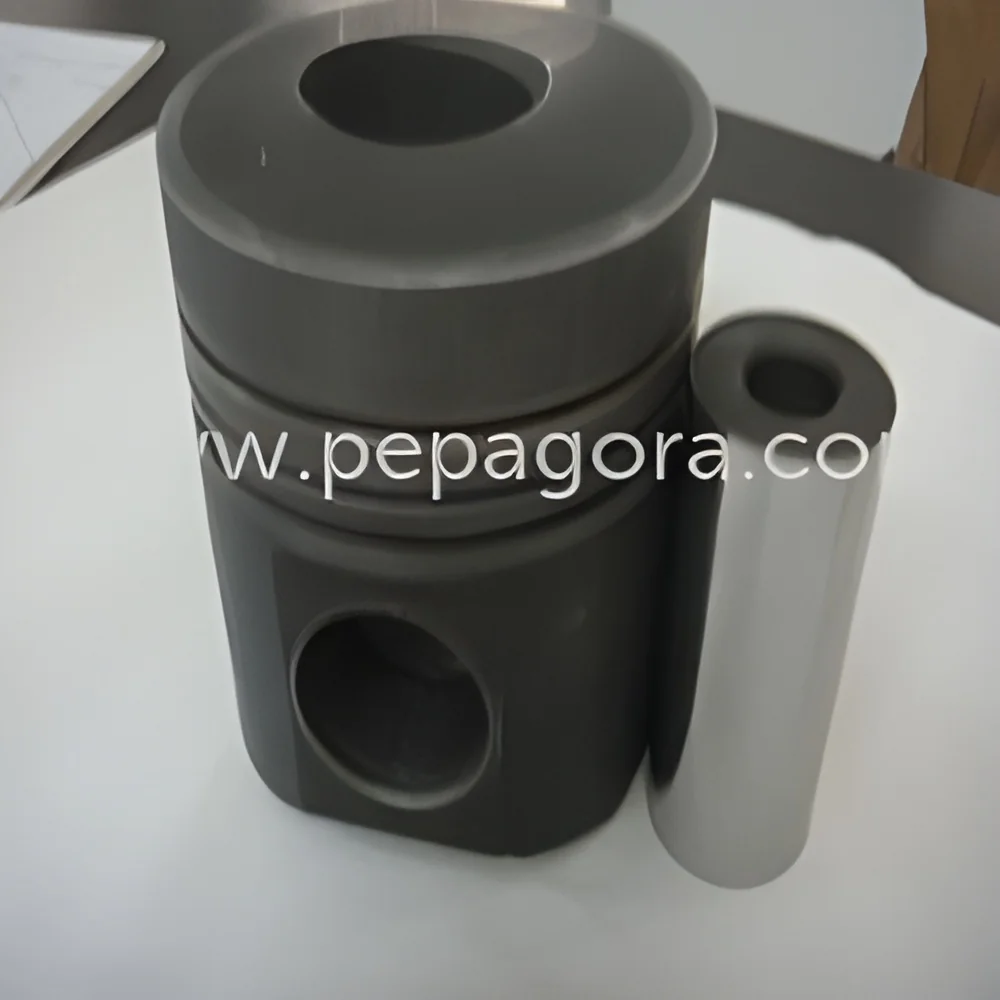
Pistons are critical components in internal combustion engines, converting fuel energy into mechanical power. They are designed with specific dimensions and materials to optimize performance and efficiency in different engine types.
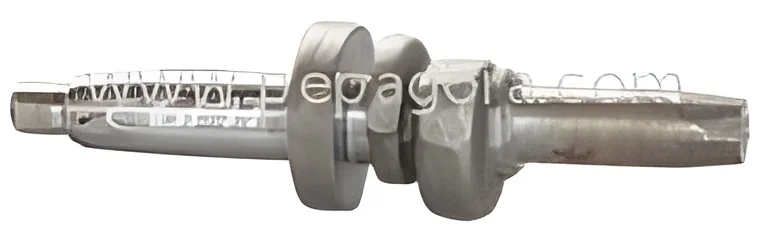
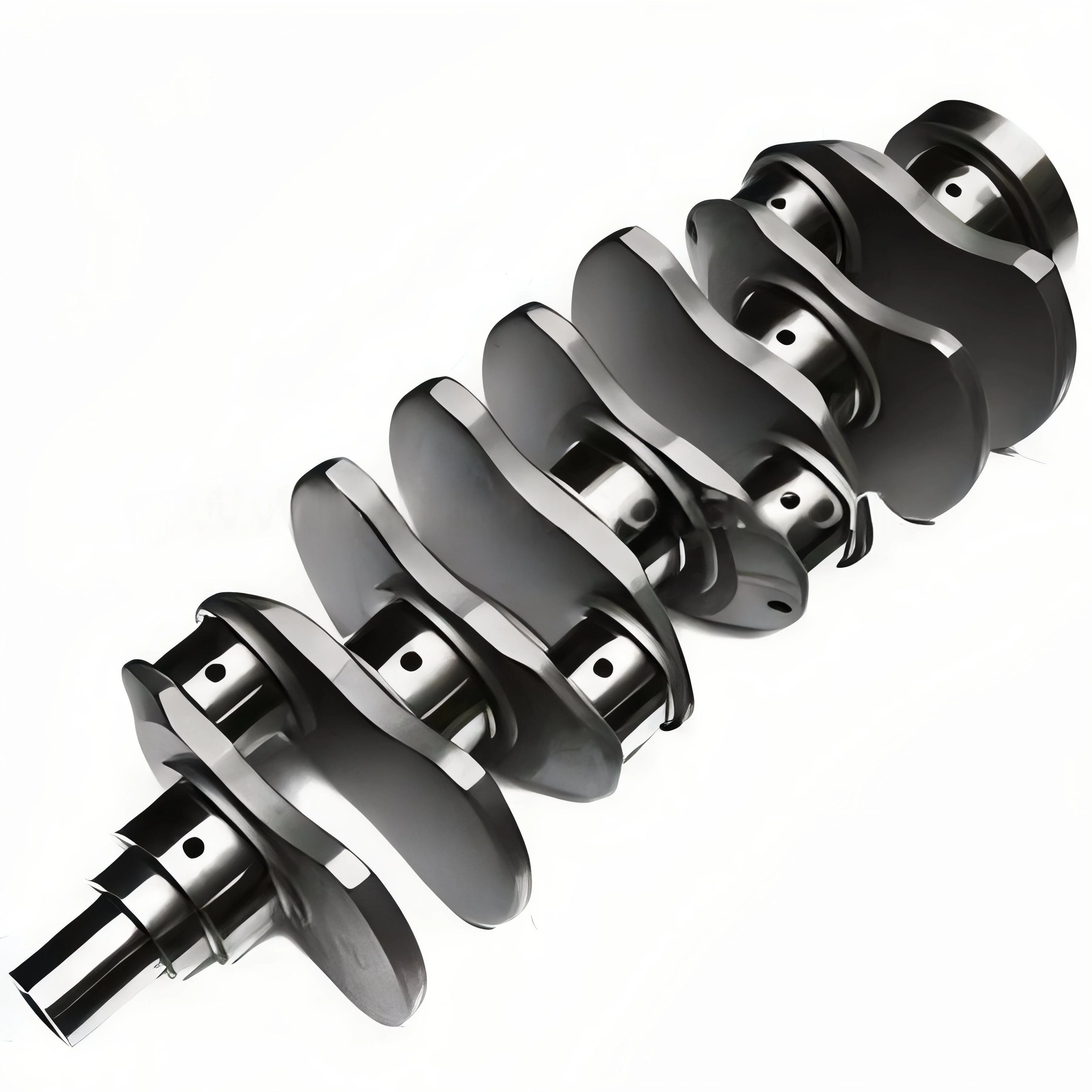
Crankshafts
Crankshafts play a vital role in converting reciprocating motion into rotational motion. They are engineered to withstand high stresses and are available in various configurations to suit different engine designs.
Camshafts
Camshafts are responsible for controlling the timing of valve openings and closings in an engine. They come in various designs, including single and dual overhead camshaft configurations, each catering to specific engine requirements.
Valves
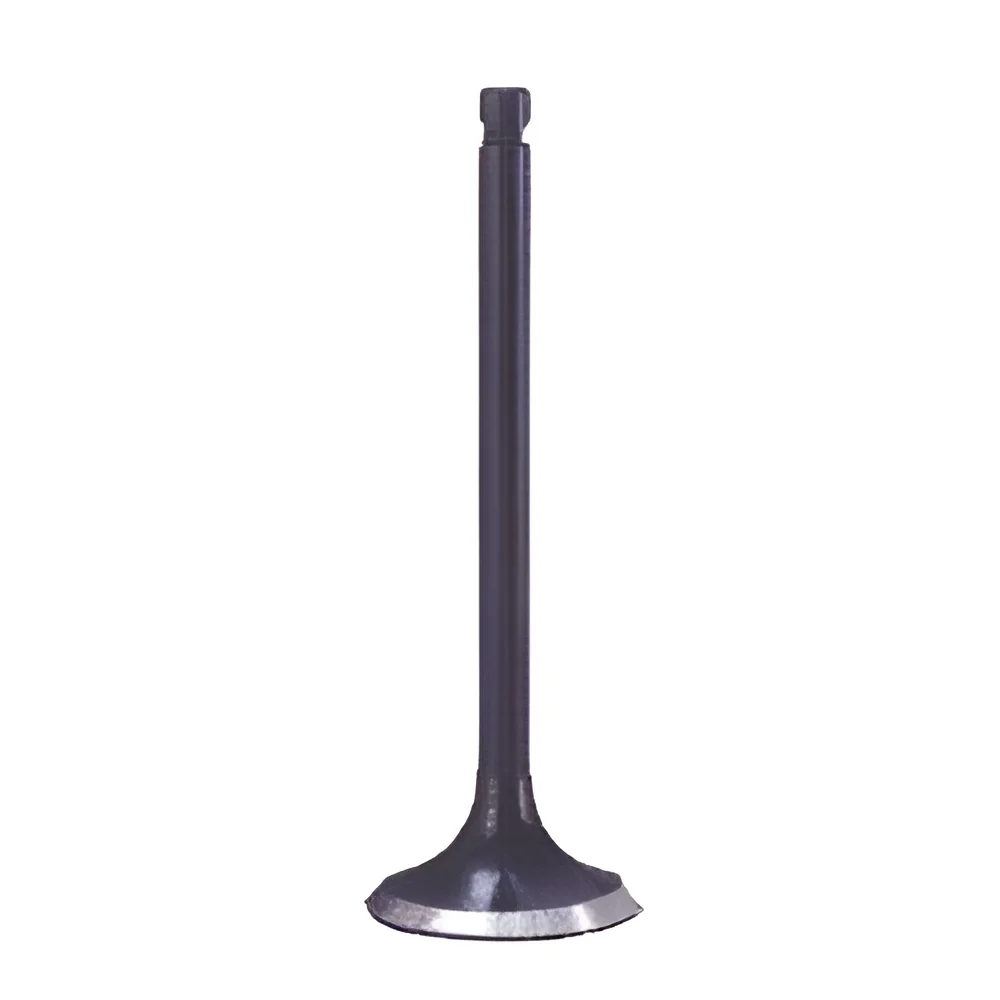
Valves control the flow of air and fuel into the combustion chamber. They are available in different types, such as intake and exhaust valves, and are made from materials that can withstand high temperatures and pressures.
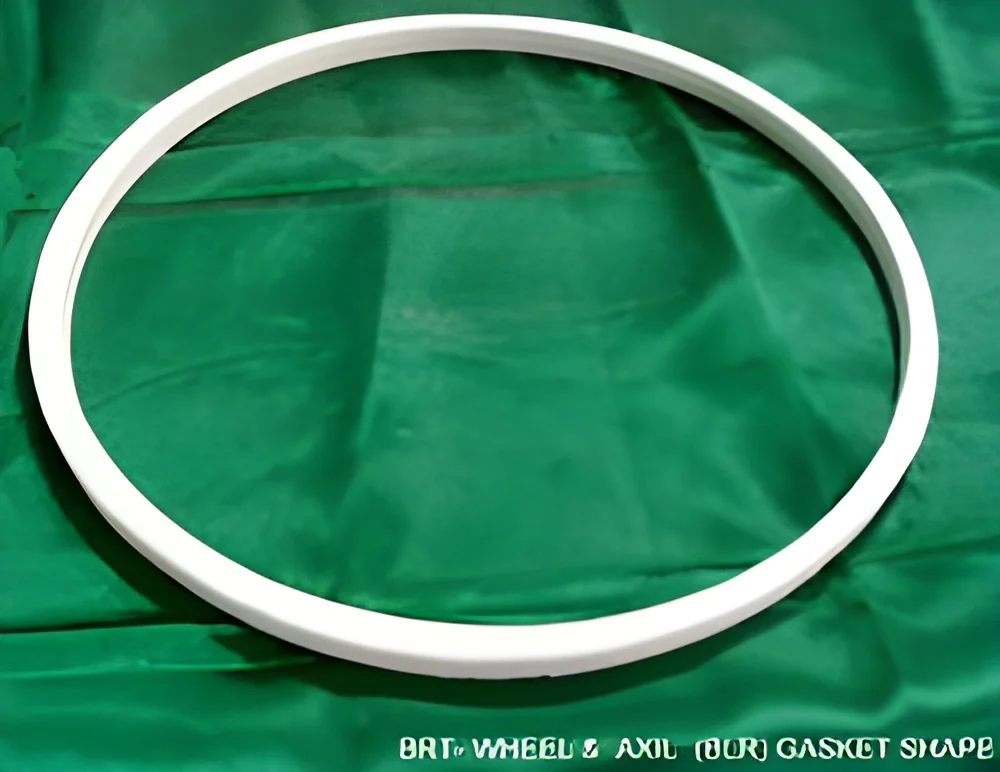
Gaskets
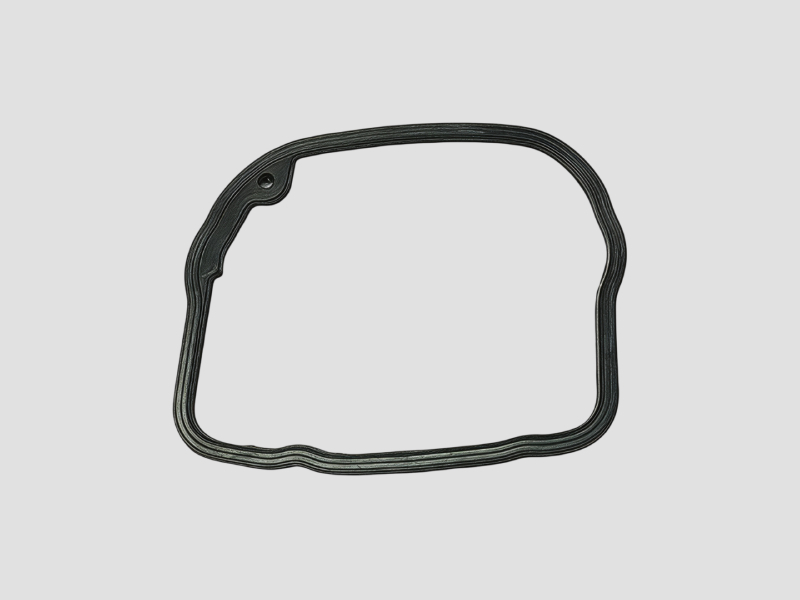
Gaskets provide a seal between engine components to prevent leaks. They are made from materials that can handle extreme temperatures and pressures, ensuring the integrity of the engine.
𝗕𝗲𝗻𝗲𝗳𝗶𝘁𝘀 𝗮𝗻𝗱 𝗔𝗱𝘃𝗮𝗻𝘁𝗮𝗴𝗲𝘀
Sourcing high-quality engine components offers several advantages to businesses seeking reliable solutions.
1. Enhanced Performance: Quality engine components improve the overall performance of engines, contributing to better power output and fuel efficiency.
2. Increased Durability: High-quality materials and manufacturing processes ensure that engine components have a longer lifespan, reducing the frequency of replacements.
3. Reliability: Sourcing from reputable suppliers guarantees that engine components meet strict quality standards, increasing the reliability of the engines they are used in.
4. Cost Efficiency: Investing in superior engine components can lead to lower maintenance costs and fewer breakdowns, resulting in overall cost savings.
5. Compliance Assurance: Sourcing certified engine components ensures compliance with industry regulations, enhancing safety and reliability.
6. Improved Safety: Reliable engine components contribute to the safe operation of vehicles and machinery, minimizing risks associated with engine failures.
𝗕𝘂𝘆𝗶𝗻𝗴 𝗚𝘂𝗶𝗱𝗲 𝗳𝗼𝗿 𝗕𝟮𝗕 𝗕𝘂𝘆𝗲𝗿𝘀
When sourcing engine components, B2B buyers should consider several critical factors to ensure they make informed purchasing decisions.
1. Quality Assessment: Evaluate the quality of engine components by reviewing the manufacturer’s certifications and compliance with industry standards. Look for detailed specifications and testing results to ensure reliability.
2. Supplier Verification: Vet potential suppliers by checking their track record, customer reviews, and industry reputation. A reliable supplier will provide transparency and support throughout the buying process.
3. Pricing and MOQ: Understand the pricing structure and minimum order quantities (MOQ) required by suppliers. Compare costs across different vendors to find the best value without compromising quality.
4. Delivery and Lead Times: Assess the supplier's logistics capabilities, including delivery times and shipping methods. Timely delivery is crucial for maintaining production schedules and avoiding downtime.
5. Compliance Requirements: Familiarize yourself with any regulatory requirements related to engine components in your industry. Ensuring compliance can prevent legal issues and enhance your company’s credibility.
𝗖𝗼𝗺𝗽𝗹𝗶𝗮𝗻𝗰𝗲 𝗮𝗻𝗱 𝗖𝗲𝗿𝘁𝗶𝗳𝗶𝗰𝗮𝘁𝗶𝗼𝗻𝘀
Compliance and certifications are essential aspects of engine components that ensure quality and reliability. Relevant quality standards, such as ISO 9001, emphasize the importance of a quality management system in manufacturing processes. These standards help maintain consistency and improve product quality.
Industry certifications, such as CE certification, indicate that engine components meet European safety and environmental requirements. This certification is crucial for businesses operating in regions with stringent regulatory frameworks.
Safety and testing requirements are also vital. Engine components must undergo rigorous testing to ensure they can withstand the stresses of various applications. This includes testing for thermal resistance, load-bearing capacity, and corrosion resistance.
Regional compliance considerations vary depending on the market. Different regions may have specific regulations governing the use of engine components, necessitating a thorough understanding of local requirements to ensure compliance.
𝗪𝗵𝘆 𝗦𝗼𝘂𝗿𝗰𝗲 𝗘𝗻𝗴𝗶𝗻𝗲 𝗖𝗼𝗺𝗽𝗼𝗻𝗲𝗻𝘁𝘀 𝗳𝗿𝗼𝗺 𝗣𝗲𝗽𝗮𝗴𝗼𝗿𝗮?
Pepagora provides a trusted platform for sourcing engine components, offering several key advantages for B2B buyers.
Verified Supplier Network: Pepagora connects buyers with a network of verified suppliers, ensuring that all products meet high-quality standards. This verification process helps buyers make informed decisions and reduces the risk of sourcing subpar components.
Streamlined RFQ Process: The request for quotation (RFQ) process on Pepagora is designed to be efficient and user-friendly. Buyers can easily submit their requirements and receive competitive quotes from multiple suppliers, saving time and effort.
Trade Assurance and Support: Pepagora offers trade assurance, providing buyers with protection against potential issues such as delayed shipments or quality discrepancies. The platform also provides support to facilitate smooth transactions.
Regional Coverage: With a strong presence in regions such as India, the GCC, and Southeast Asia, Pepagora ensures that buyers can access a wide range of engine components tailored to their specific needs. This regional coverage allows for better logistical support and faster delivery times.
In conclusion, Pepagora is a valuable resource for businesses seeking high-quality engine components from reliable suppliers, ensuring a seamless sourcing experience.

 IN
IN