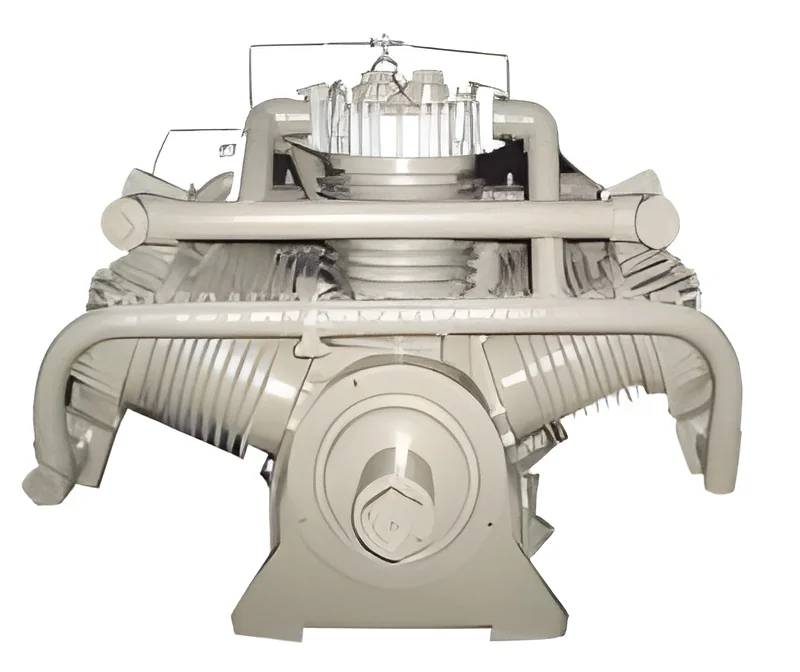
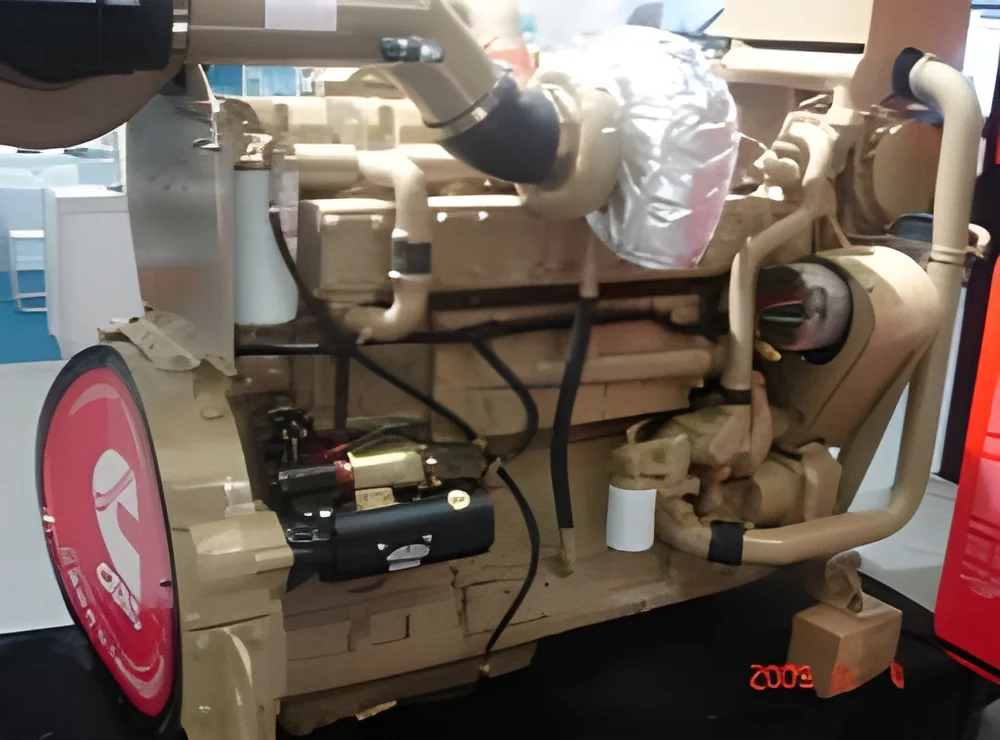
What are OEM Engine Component Suppliers?
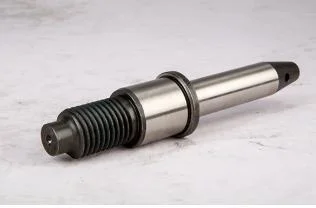
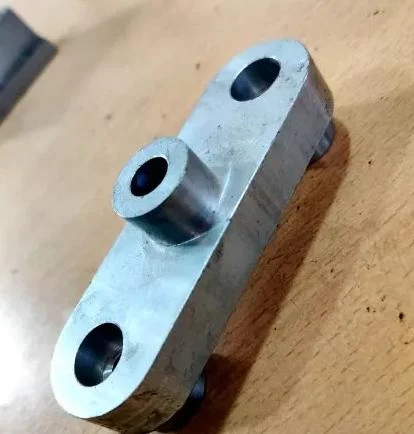
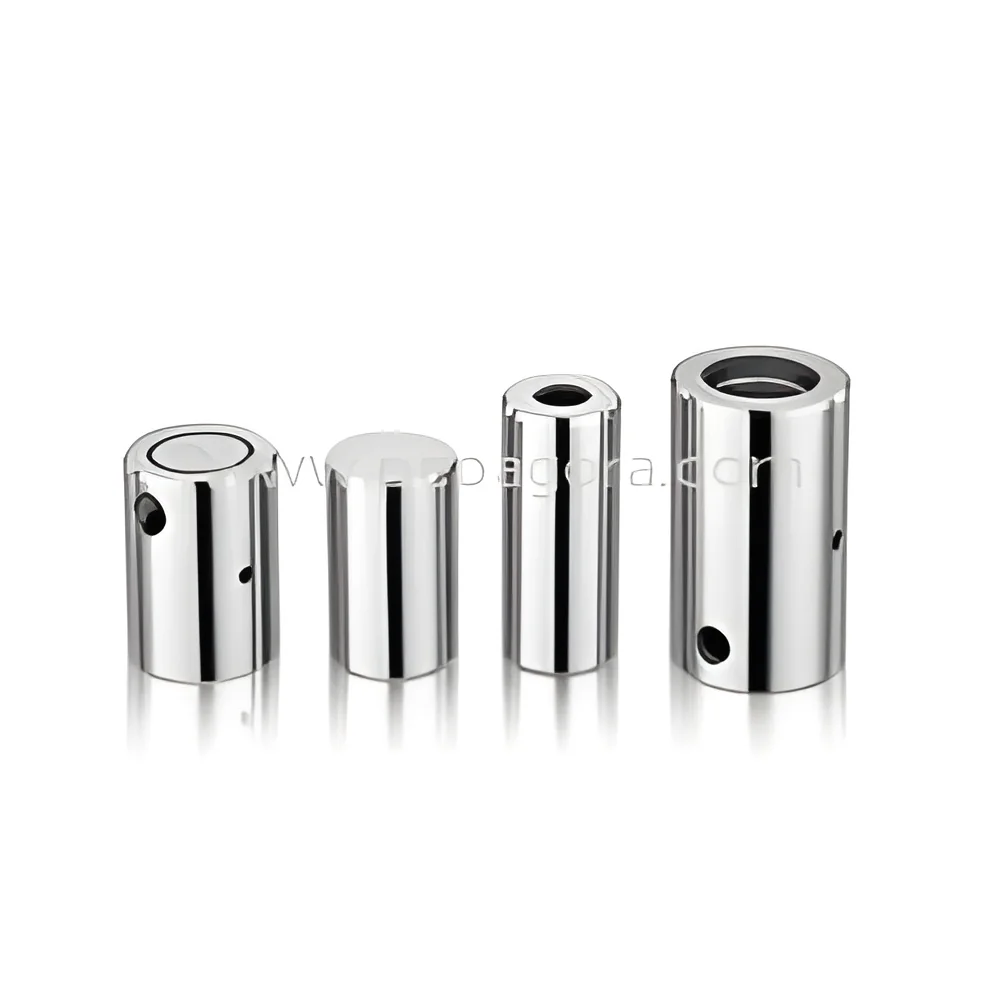
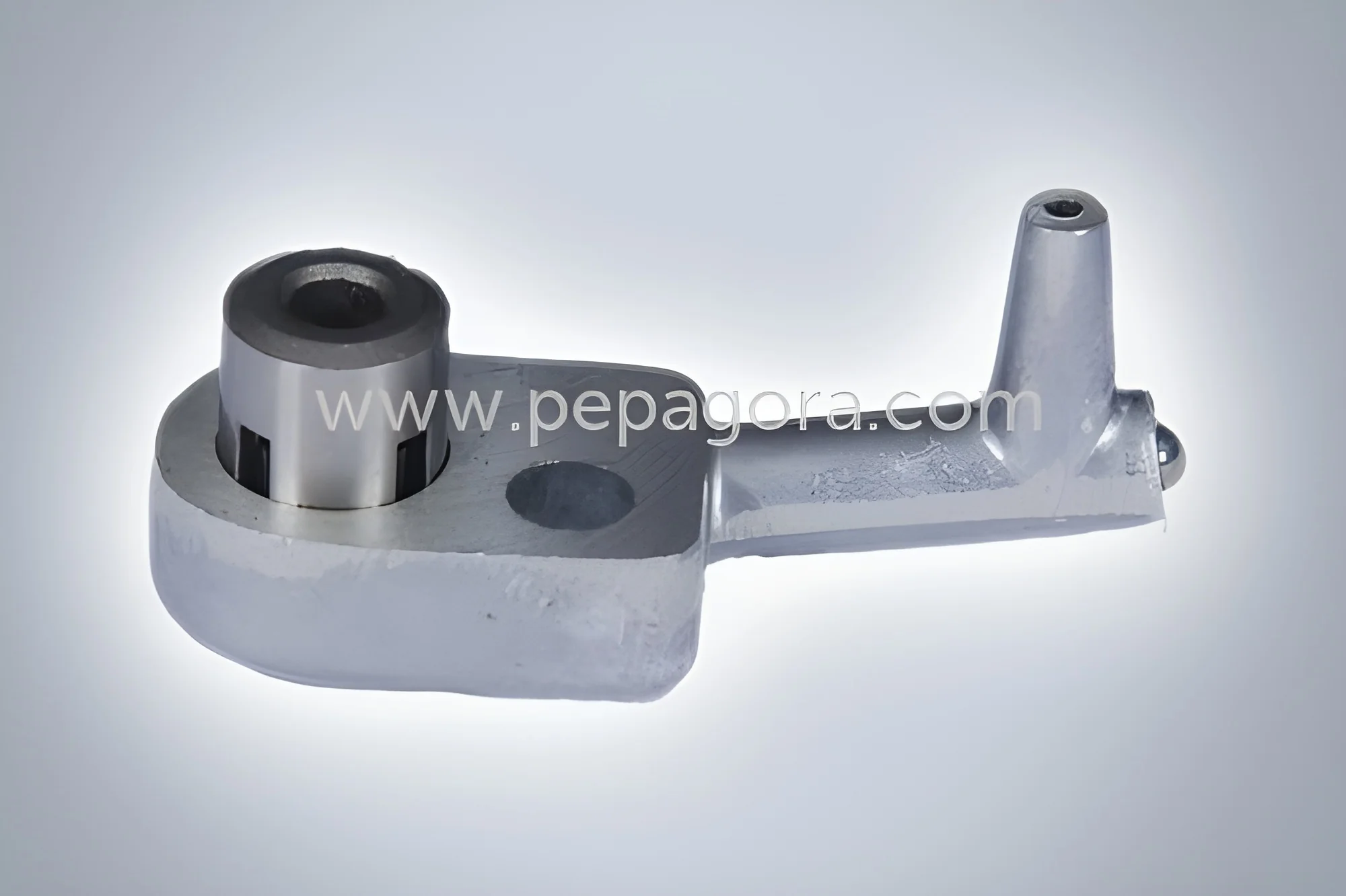
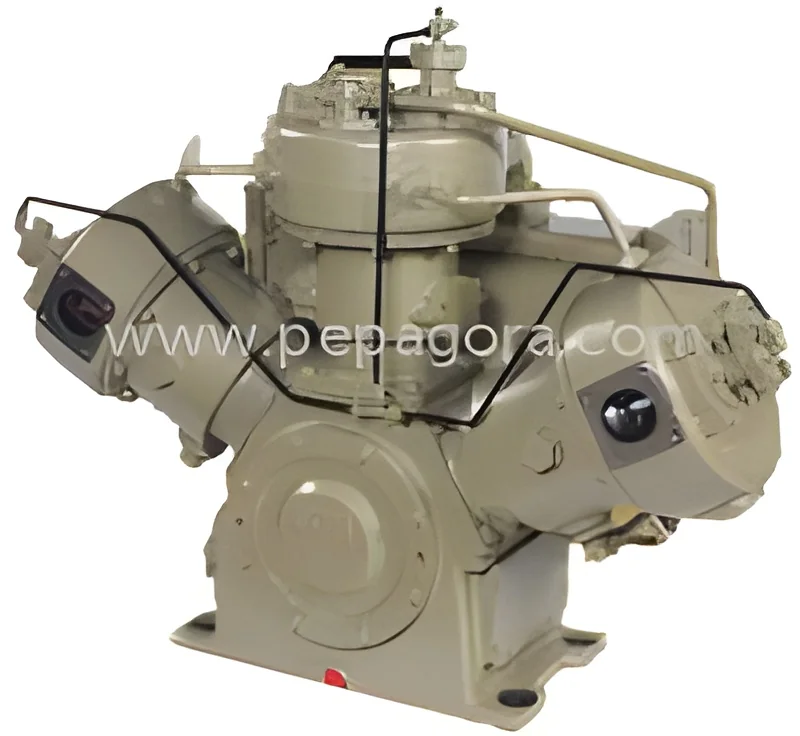
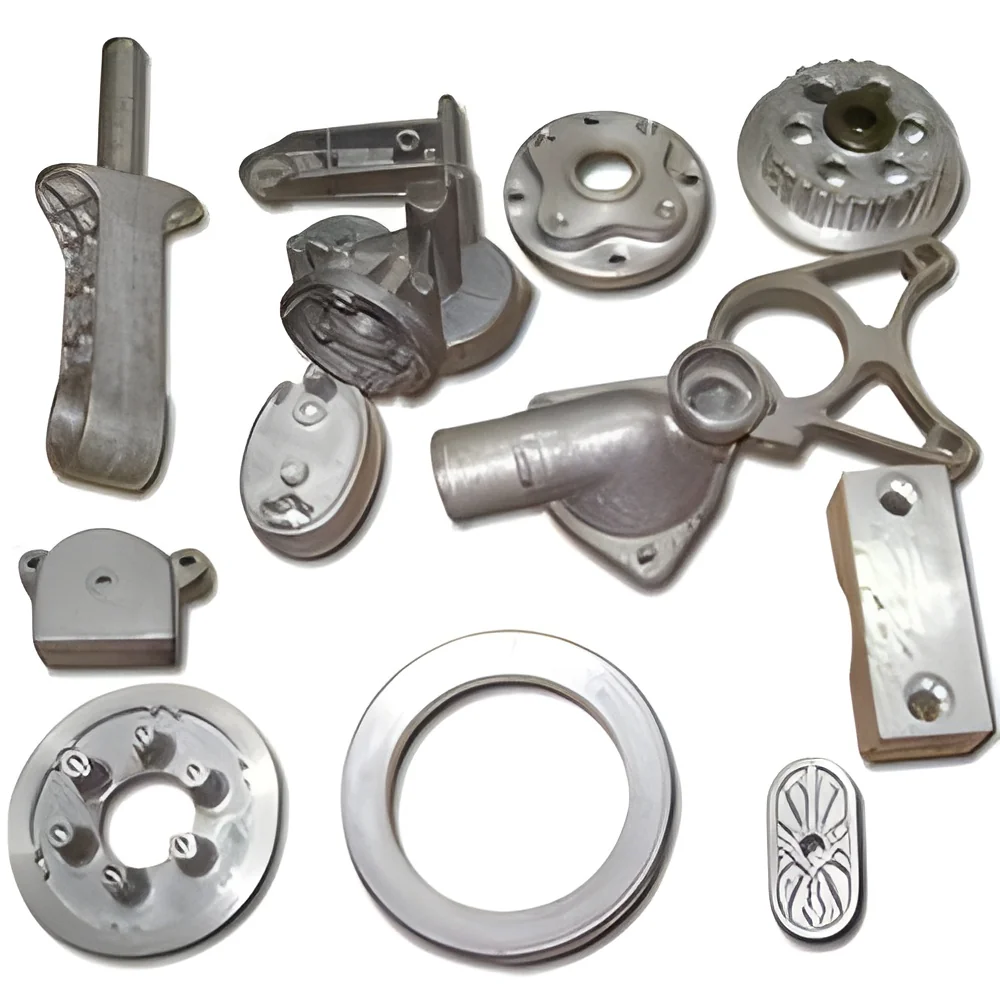
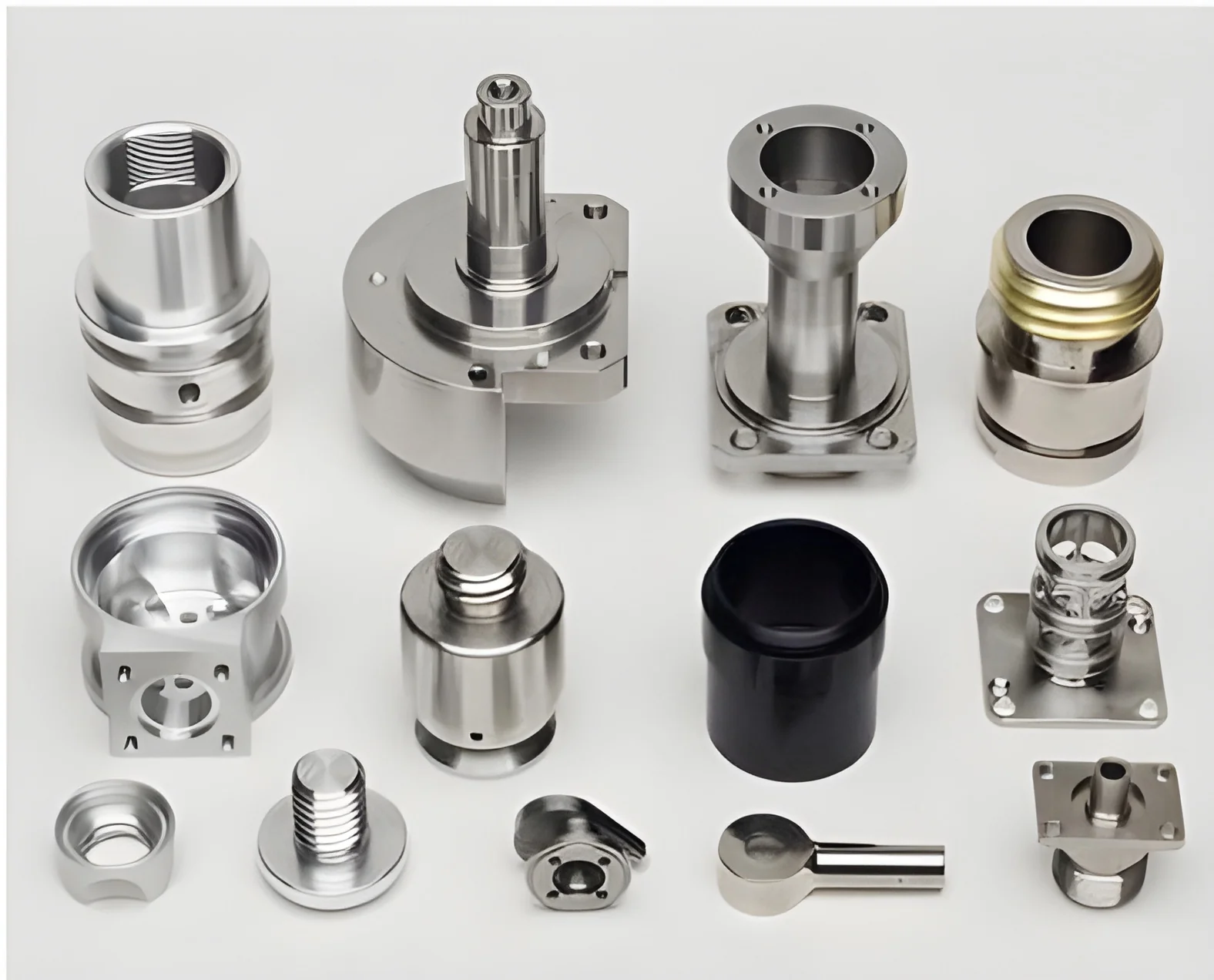
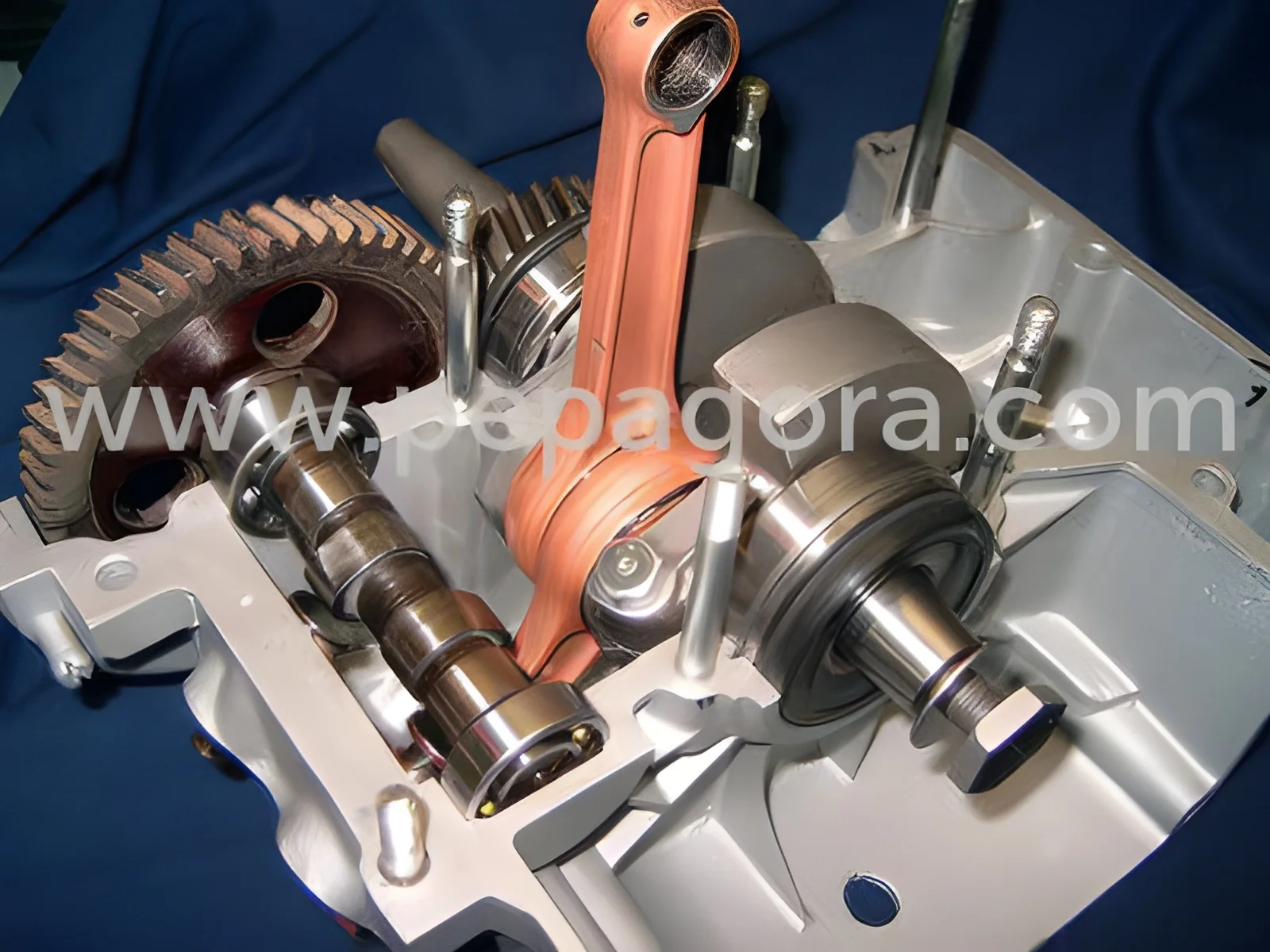
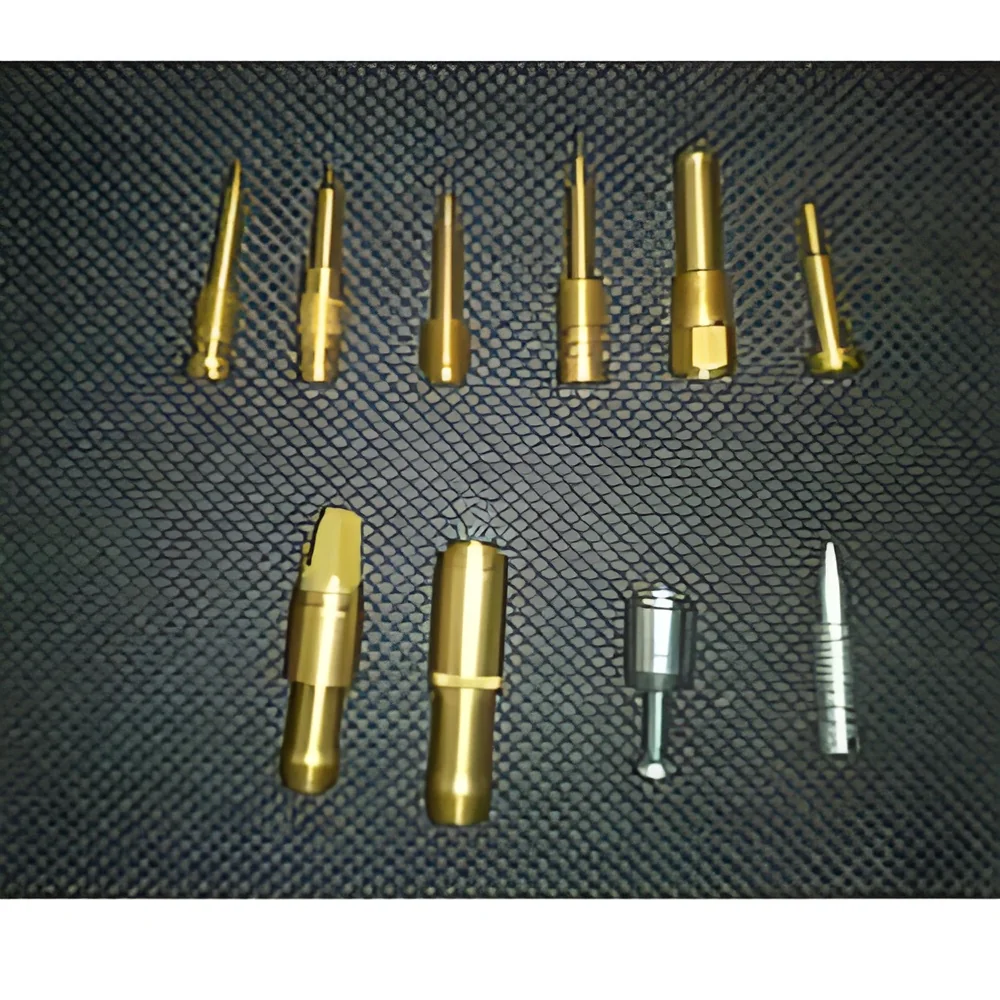
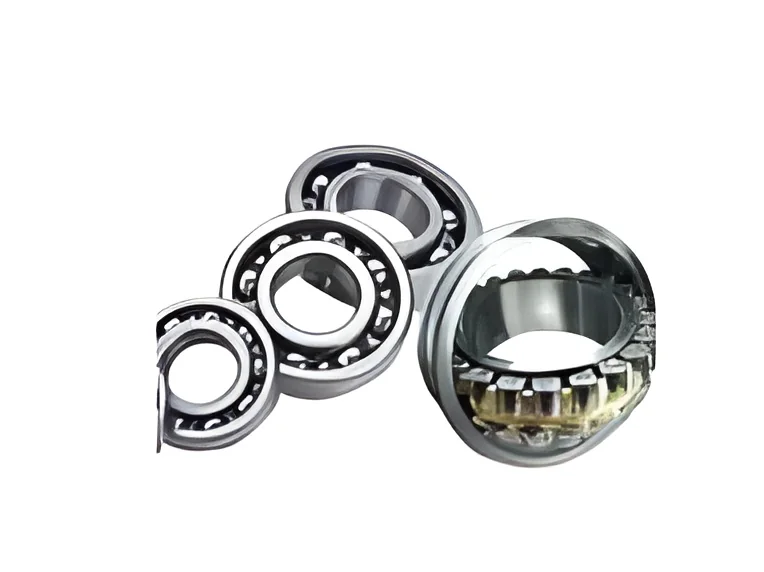
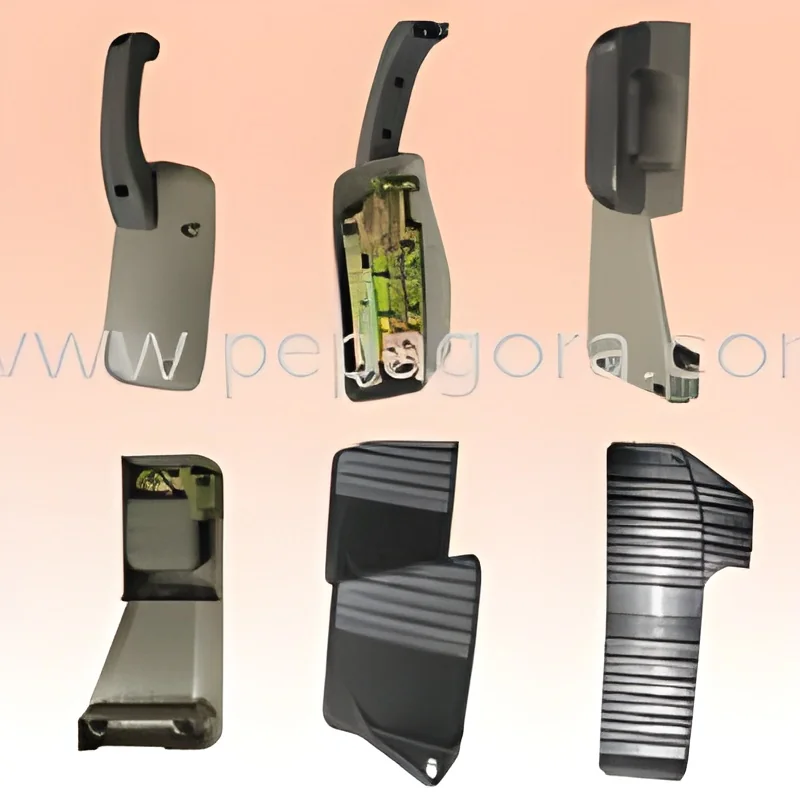
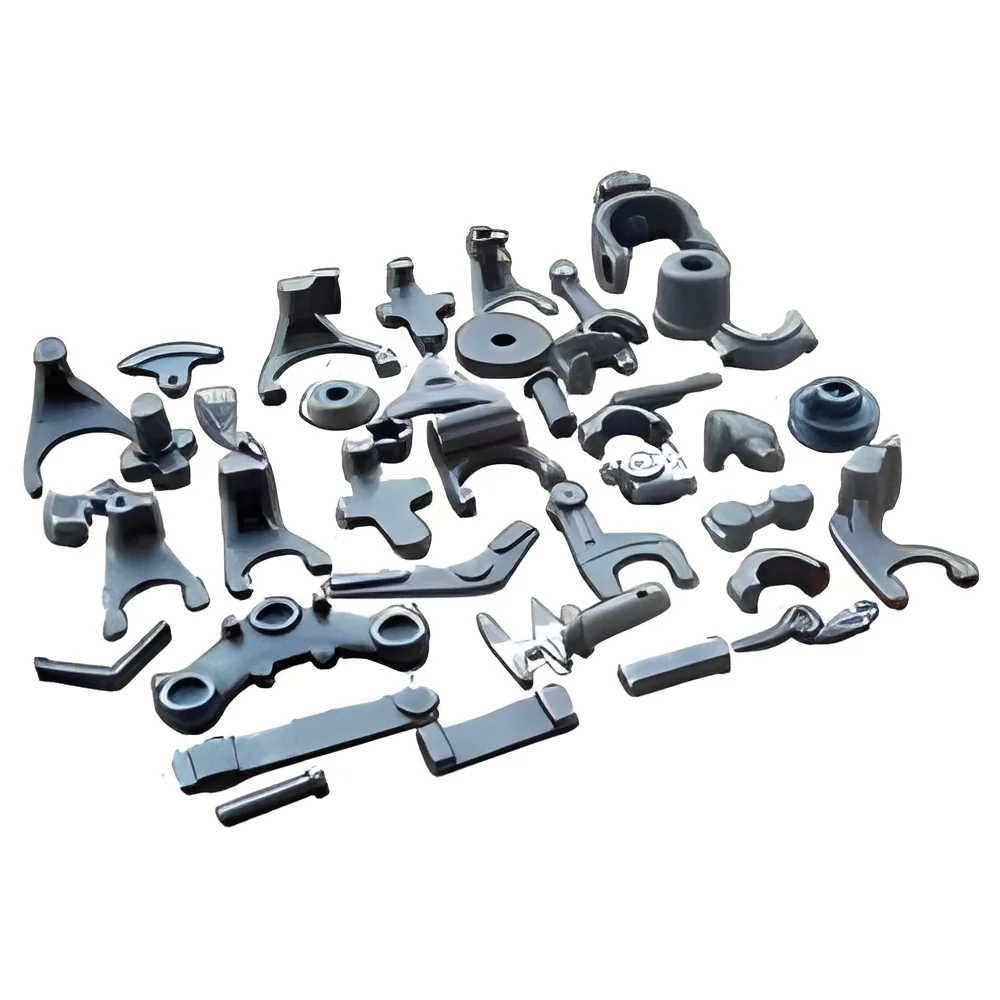
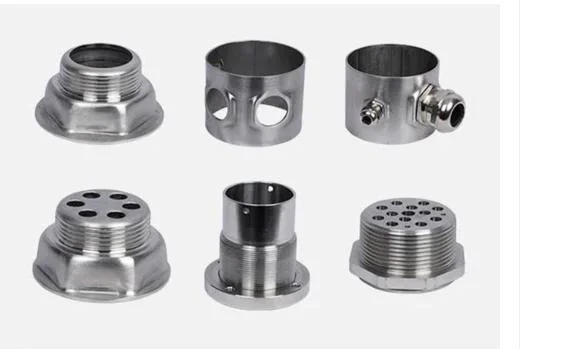
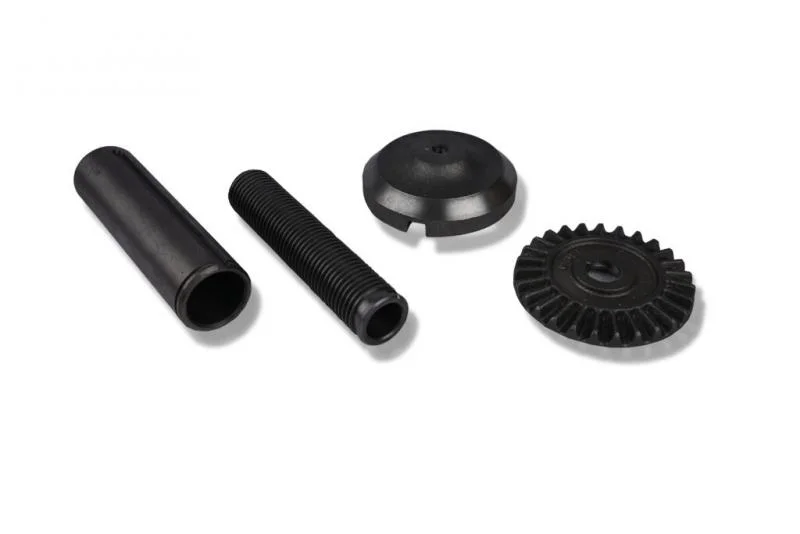
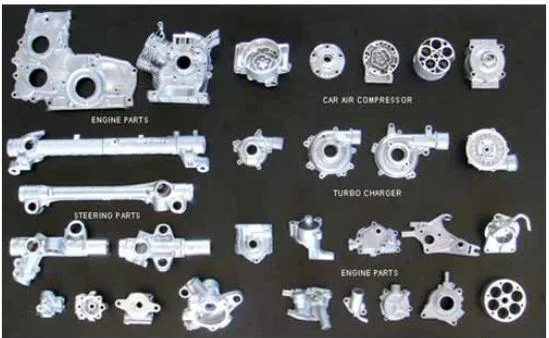
OEM Engine Component Suppliers specialize in manufacturing original equipment manufacturer (OEM) parts for engines used in various applications. These suppliers produce components that are designed to meet specific quality and performance standards set by the engine manufacturers. Their products are integral to the operation and reliability of engines, serving industries such as automotive, aviation, marine, and heavy machinery.
The primary uses of OEM engine components include replacement parts for repairs, upgrades for performance enhancement, and original fittings for new engines. Businesses in sectors like automotive manufacturing rely on these suppliers to provide components that ensure their engines function optimally. The relevance of OEM engine component suppliers is underscored by the growing demand for high-quality engine parts that can withstand rigorous operational conditions and adhere to stringent regulatory standards.
In the current market context, the OEM engine component supply chain is highly competitive. Suppliers must navigate challenges such as fluctuating raw material costs, evolving technology, and increasing regulatory requirements. Businesses looking to maintain a competitive edge often prioritize partnerships with reliable OEM suppliers to secure quality components that enhance their engine performance and longevity.
Key Features and Specifications
OEM engine components come with a range of features and specifications tailored to meet industry demands. These specifications are crucial for ensuring compatibility, performance, and compliance with standards.
Key specifications include:
1. Material Composition
- High-quality metals and composites
- Resistance to corrosion and wear
2. Tolerance Levels
- Precision-engineered to meet exact measurements
- Typically within ±0.01 mm for critical parts
3. Performance Ratings
- Engineered to operate under high-stress conditions
- Tested for durability and longevity
4. Certification Standards
- Compliance with international quality standards like ISO 9001
- CE certification for safety and performance
5. Temperature Resistance
- Designed to function effectively at various temperatures
- Specific ranges depend on the component type
6. Weight Specifications
- Light-weight designs for efficiency
- Balancing strength and weight for optimal performance
7. Design Features
- Customized designs available upon request
- Standardized designs for easy integration
8. Testing Protocols
- Rigorous testing for quality assurance
- Compliance with industry safety standards
These specifications ensure that OEM engine components meet the necessary requirements for performance, safety, and reliability in various applications.
Common Applications and Use Cases
OEM engine components are utilized across several industries, each with unique applications and requirements.
1. Automotive: Used in manufacturing vehicles, these components ensure engine efficiency and longevity, contributing to overall vehicle performance.
2. Aviation: Critical for aircraft engines, OEM components are essential for safety and reliability in flight operations.
3. Marine: In marine engines, these components enhance fuel efficiency and comply with maritime regulations.
4. Heavy Machinery: Used in construction and agricultural equipment, OEM parts support heavy-duty performance under extreme conditions.
5. Power Generation: Essential for generators and turbines, these components ensure reliability and efficiency in energy production.
6. Industrial Equipment: Found in manufacturing machinery, they contribute to the operational efficiency of production lines.
7. Motorcycles: OEM parts are vital for performance bikes, ensuring safety and compliance with regulations.
Product Variants and Subcategories
The diversity of OEM engine components allows for various product variants tailored to specific needs.
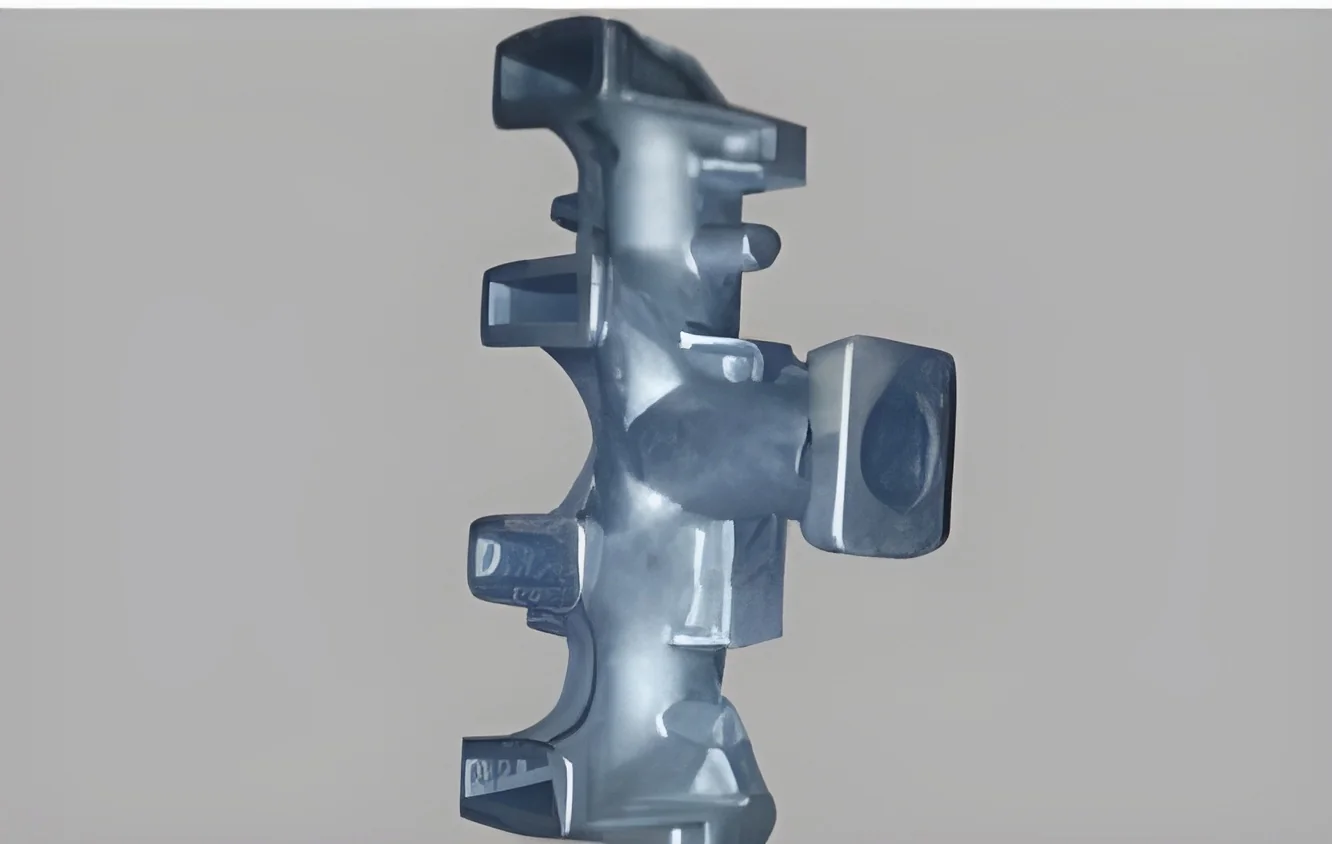
Engine Block Components
These components are designed for structural integrity and optimal thermal performance. They are crucial for maintaining engine efficiency and reliability.
Valvetrain Components
Including valves, springs, and lifters, these parts ensure precise timing and operation of the engine. They are essential for enhancing engine performance and efficiency.
Fuel System Components
This category includes fuel injectors and pumps, designed to optimize fuel delivery and performance. They play a significant role in enhancing engine efficiency.
Cooling System Components
Including radiators and water pumps, these components are vital for maintaining optimal engine temperatures and preventing overheating.
Benefits and Advantages
Sourcing OEM engine components offers several benefits to businesses looking to enhance their operations.
1. Quality Assurance: OEM components are manufactured to meet strict quality standards, ensuring reliability and performance.
2. Compatibility: These parts are specifically designed to fit the original engine specifications, minimizing the risk of failure.
3. Performance Optimization: OEM components enhance engine efficiency and longevity, leading to better overall performance.
4. Regulatory Compliance: Sourcing from reputable suppliers ensures that components meet necessary regulatory standards, reducing legal risks.
5. Customization Options: Many suppliers offer customized components tailored to specific operational needs, providing flexibility for businesses.
6. Cost Efficiency: While initially higher priced than aftermarket alternatives, OEM components can lead to lower long-term costs due to their durability and reliability.
Buying Guide for B2B Buyers
When sourcing OEM engine component suppliers, several factors should be considered to ensure a successful partnership.
1. Quality Assessment: Evaluate suppliers based on their adherence to quality standards such as ISO 9001 and CE certification. Request samples to assess quality firsthand.
2. Supplier Verification: Conduct thorough background checks to verify the reliability and reputation of suppliers. Look for customer reviews and case studies.
3. Pricing and MOQ: Understand the pricing structure and minimum order quantities (MOQ) of suppliers. Consider negotiating terms that align with your budget and operational needs.
4. Delivery and Lead Times: Establish clear expectations regarding delivery schedules and lead times to ensure timely availability of components.
5. Compliance Requirements: Confirm that suppliers meet all applicable regulatory and safety standards. This is crucial for maintaining compliance in your operations.
Compliance and Certifications
Compliance and certifications are critical in the OEM engine component industry, ensuring quality and safety.
Relevant quality standards, such as ISO 9001, guarantee that manufacturing processes meet high efficiency and reliability criteria. These standards are essential for maintaining competitive quality in the market.
Industry certifications like CE indicate that products meet European health, safety, and environmental protection standards. This certification is vital for suppliers aiming to expand their market reach.
Safety and testing requirements are integral to the production of OEM components. Rigorous testing protocols ensure that components can withstand the stresses and demands of various applications.
Regional compliance considerations may vary by market, necessitating that suppliers understand and adhere to local regulations. This is especially important in global supply chains where different countries have specific compliance requirements.
Why Source OEM Engine Component Suppliers from Pepagora?
Pepagora provides a trusted platform for sourcing OEM engine component suppliers with several key advantages.
Verified Supplier Network: Pepagora rigorously verifies suppliers to ensure that businesses connect with reputable manufacturers. This reduces the risk of quality issues and enhances trust in the supply chain.
Streamlined RFQ Process: The platform simplifies the request for quotation process, allowing buyers to receive competitive bids from multiple suppliers quickly. This efficiency saves time and resources.
Trade Assurance and Support: Pepagora offers trade assurance, protecting buyers against potential losses in transactions. This support fosters confidence in sourcing decisions.
Regional Coverage: With a strong presence in markets such as India, the GCC, and Southeast Asia, Pepagora facilitates access to a diverse range of suppliers, helping businesses find the right components tailored to their specific needs.

 IN
IN