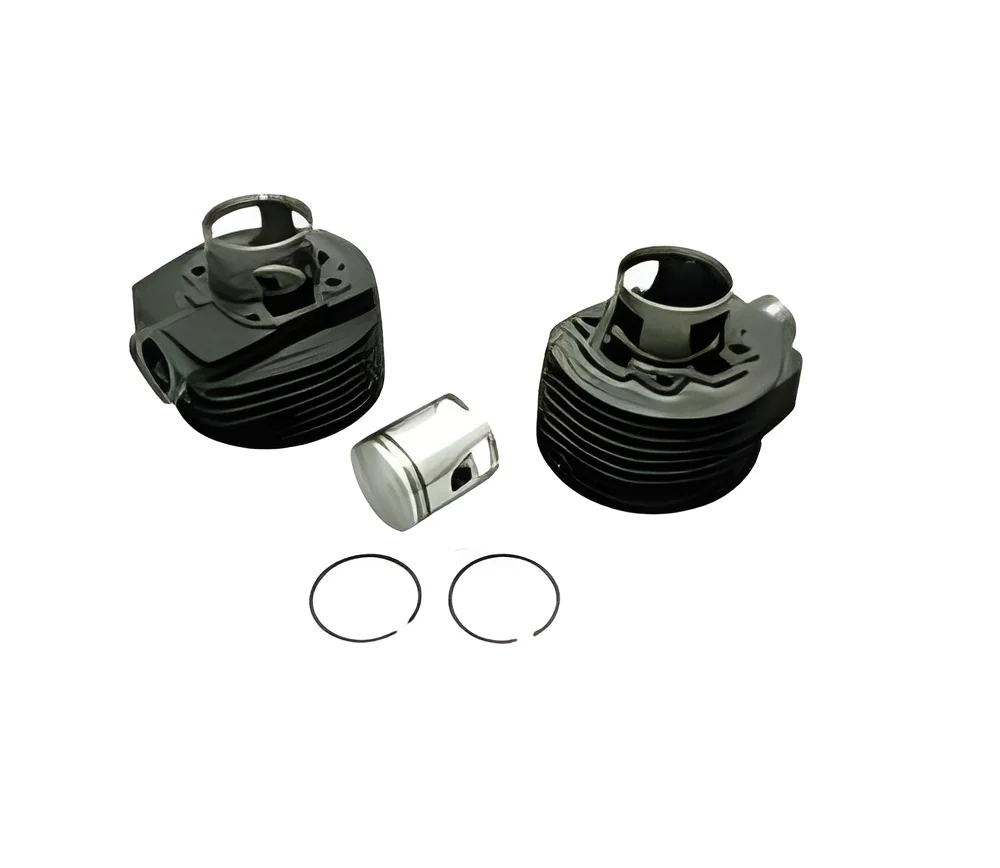
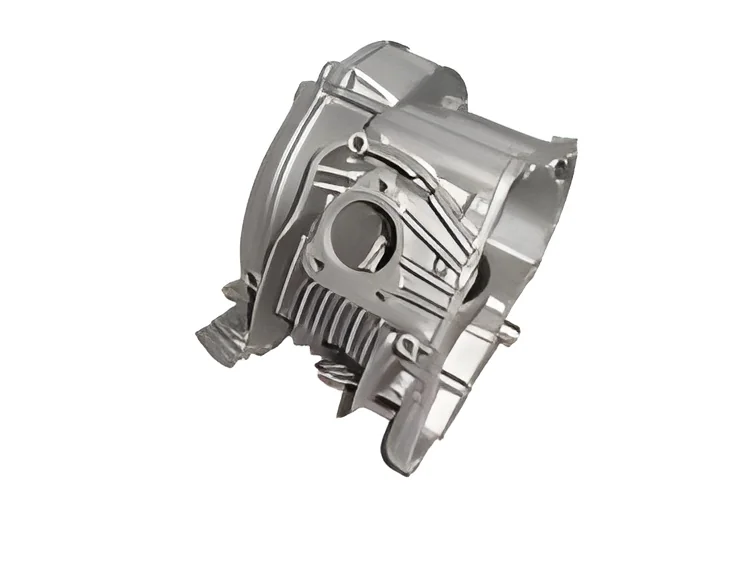
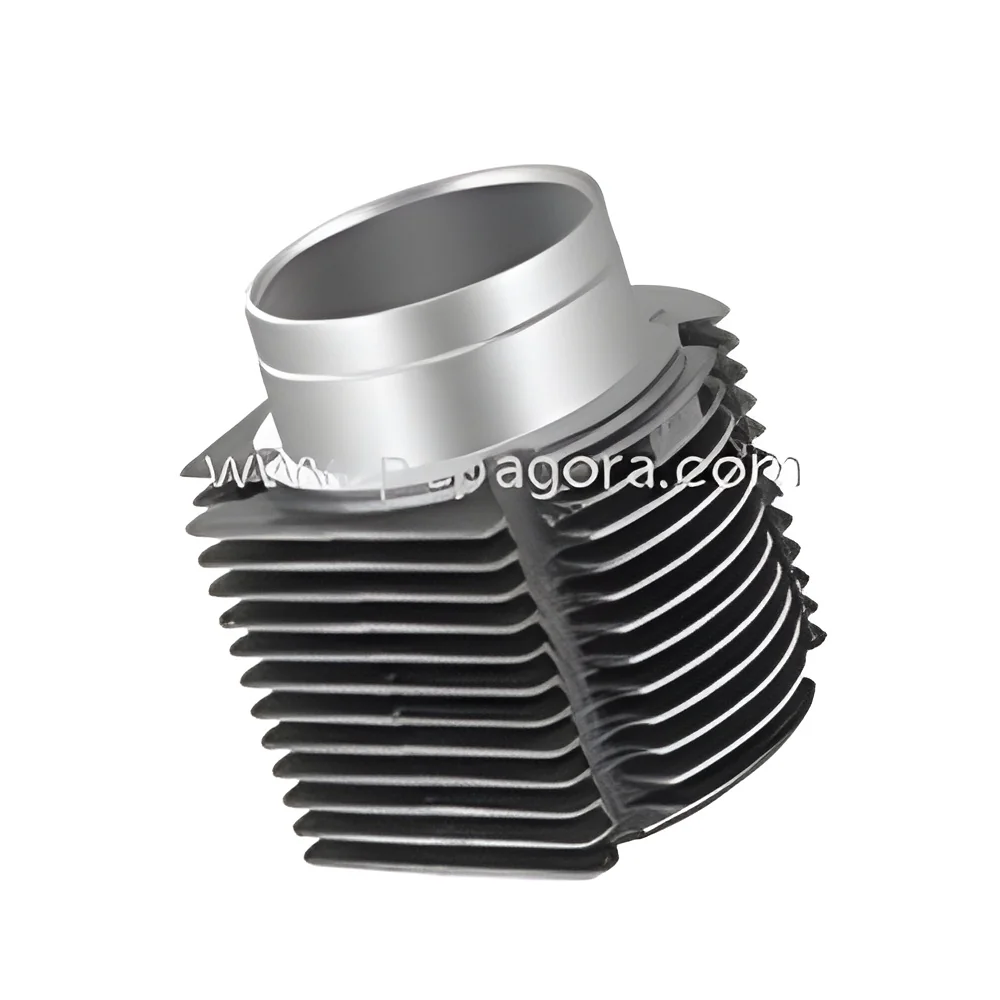
What are Engine Blocks?
Engine blocks are essential components of an internal combustion engine, serving as the main structure that houses various engine parts. Typically made from cast iron or aluminum, the engine block contains the cylinders, piston assemblies, and crankshaft. It provides the necessary strength and rigidity to withstand the high pressure and temperature generated during engine operation. The design and material of the engine block significantly impact the overall performance, weight, and efficiency of the engine.
Engine blocks are primarily used in various automotive applications, including cars, trucks, and heavy machinery. They play a crucial role in the functionality of the engine, affecting everything from fuel efficiency to power output. Businesses involved in manufacturing and assembly of vehicles rely heavily on high-quality engine blocks to ensure reliable performance. The automotive sector is not the only market; engine blocks are also critical in industrial applications, marine engines, and power generation units. As the demand for efficient and durable engines grows, so does the relevance of engine blocks in the manufacturing landscape.
Key Features and Specifications
Engine blocks come with several key features and specifications that enhance their performance and usability. Understanding these characteristics is vital for businesses looking to procure engine blocks that meet their specific operational needs.
Key specifications include:
1. Material Composition
- Typically available in cast iron or aluminum
- Aluminum blocks are lighter and provide better thermal efficiency
2. Cylinder Configuration
- Available in inline, V-type, and flat configurations
- Determines the engine's size and power output
3. Bore and Stroke Dimensions
- Refers to the diameter of the cylinder and the distance the piston travels
- Affects engine displacement and overall performance
4. Cooling System Design
- Features integrated coolant passages for effective heat dissipation
- Essential for maintaining optimal operating temperatures
5. Weight Considerations
- Varies based on material and design
- Lightweight options available for performance vehicles
6. Strength and Durability
- Engine blocks must withstand high pressure and thermal stress
- Material quality and design impact longevity
7. Surface Finish
- Precision machining for optimal sealing and performance
- Affects the fitting of components like gaskets and pistons
8. Compatibility with Engine Components
- Must be compatible with various engine parts, such as pistons and crankshafts
- Ensures seamless integration in assembly
In summary, selecting the right engine block involves considering its material, design, and compatibility with other engine components to meet specific performance requirements.
Common Applications and Use Cases
Engine blocks serve a wide range of industries, each with unique requirements and applications.
1. Automotive Industry: Engine blocks are integral to the manufacturing of cars and trucks, influencing performance, emissions, and fuel efficiency.
2. Heavy Machinery: Used in construction and agricultural equipment, engine blocks are designed to endure harsh operating conditions and high stress.
3. Marine Applications: Engine blocks for boats and ships must resist corrosion while providing reliable power for navigation and operation.
4. Power Generation: Engine blocks serve in generators, providing backup power and supporting renewable energy systems.
5. Aerospace Sector: Specialized engine blocks are used in aircraft, where weight and performance are critical for flight efficiency.
6. Industrial Equipment: Engine blocks are found in various manufacturing machines, ensuring operational reliability and longevity.
7. Motorsport: High-performance engine blocks are customized for racing applications, focusing on power and precision engineering.
Product Variants and Subcategories
Engine blocks come in various types to meet diverse operational demands.
Lightweight Aluminum Engine Blocks
These variants are commonly used in performance vehicles due to their reduced weight and improved thermal efficiency. They are designed for applications where speed and fuel economy are prioritized.
Heavy-Duty Cast Iron Engine Blocks
Ideal for heavy machinery and commercial vehicles, these blocks provide superior durability and strength. They are engineered to withstand extreme conditions and high torque outputs.
Performance Engine Blocks
Designed for racing and high-performance applications, these blocks feature advanced materials and engineering to maximize horsepower and efficiency.
Custom Engine Blocks
Tailored to specific requirements, custom engine blocks can be designed for unique engine configurations or specialized applications, allowing for flexibility in performance.
Benefits and Advantages
Choosing the right engine block offers several key benefits that can enhance operational efficiency and performance.
1. Enhanced Performance: High-quality engine blocks improve power output and fuel efficiency, leading to better overall vehicle performance.
2. Durability and Longevity: Engine blocks designed with robust materials increase the lifespan of the engine, reducing maintenance costs.
3. Weight Reduction: Lightweight engine blocks can improve vehicle handling and acceleration, particularly in performance-oriented applications.
4. Thermal Management: Efficient cooling designs prevent overheating, ensuring the engine operates within optimal temperature ranges.
5. Compatibility: Well-designed engine blocks ensure compatibility with various engine components, simplifying assembly and reducing the risk of failures.
6. Customization: Custom engine blocks provide flexibility for businesses to meet specific engineering requirements or performance goals.
Buying Guide for B2B Buyers
When sourcing engine blocks, several factors should be considered to ensure quality and suitability for your specific needs.
1. Quality Assessment: Evaluate the material quality and manufacturing processes. Look for adherence to industry standards to ensure durability and performance.
2. Supplier Verification: Vet suppliers for reliability and reputation. Check reviews, certifications, and past customer experiences to ensure you choose a reputable source.
3. Pricing and MOQ: Consider the cost per unit and minimum order quantities. Ensure that pricing aligns with your budget while maintaining quality standards.
4. Delivery and Lead Times: Discuss logistics with suppliers to understand delivery schedules and lead times. Timely delivery is crucial for maintaining production schedules.
5. Compliance Requirements: Ensure that the engine blocks meet all necessary regulatory and safety standards relevant to your industry. Compliance can affect performance and legality.
Compliance and Certifications
Engine blocks must adhere to various quality standards and compliance regulations to ensure their reliability and safety.
Relevant quality standards include ISO 9001, which ensures that manufacturing processes meet consistent quality criteria. This standard is crucial for maintaining product integrity and performance.
Industry certifications, such as CE certification, indicate that the engine blocks comply with European health, safety, and environmental protection standards. This certification can enhance marketability and customer trust.
Safety and testing requirements often involve rigorous evaluation of materials and designs to prevent failures during operation. Testing ensures the engine blocks can withstand the pressures and temperatures encountered in various applications.
Regional compliance considerations may vary, so it is essential to stay informed about local regulations that affect manufacturing and usage. Adhering to these standards ensures you meet legal requirements and optimize product performance.
Why Source Engine Blocks from Pepagora?
Pepagora offers a reliable platform for sourcing engine blocks, providing several advantages that set it apart in the market.
Verified Supplier Network: Pepagora connects buyers with a network of verified suppliers, ensuring that all listed manufacturers meet quality and reliability standards. This reduces the risk associated with procurement.
Streamlined RFQ Process: The platform simplifies the request for quotation process, allowing businesses to easily compare prices and specifications from multiple suppliers. This efficiency saves time and resources.
Trade Assurance and Support: Pepagora provides buyer protection through trade assurance, ensuring that transactions are secure and that buyers receive the quality they expect. Support services help navigate any issues that may arise.
Regional Coverage: With a strong presence in India, the GCC, and Southeast Asia, Pepagora offers extensive geographic reach. This enables businesses to access a diverse range of engine blocks tailored to various industry needs.

 IN
IN