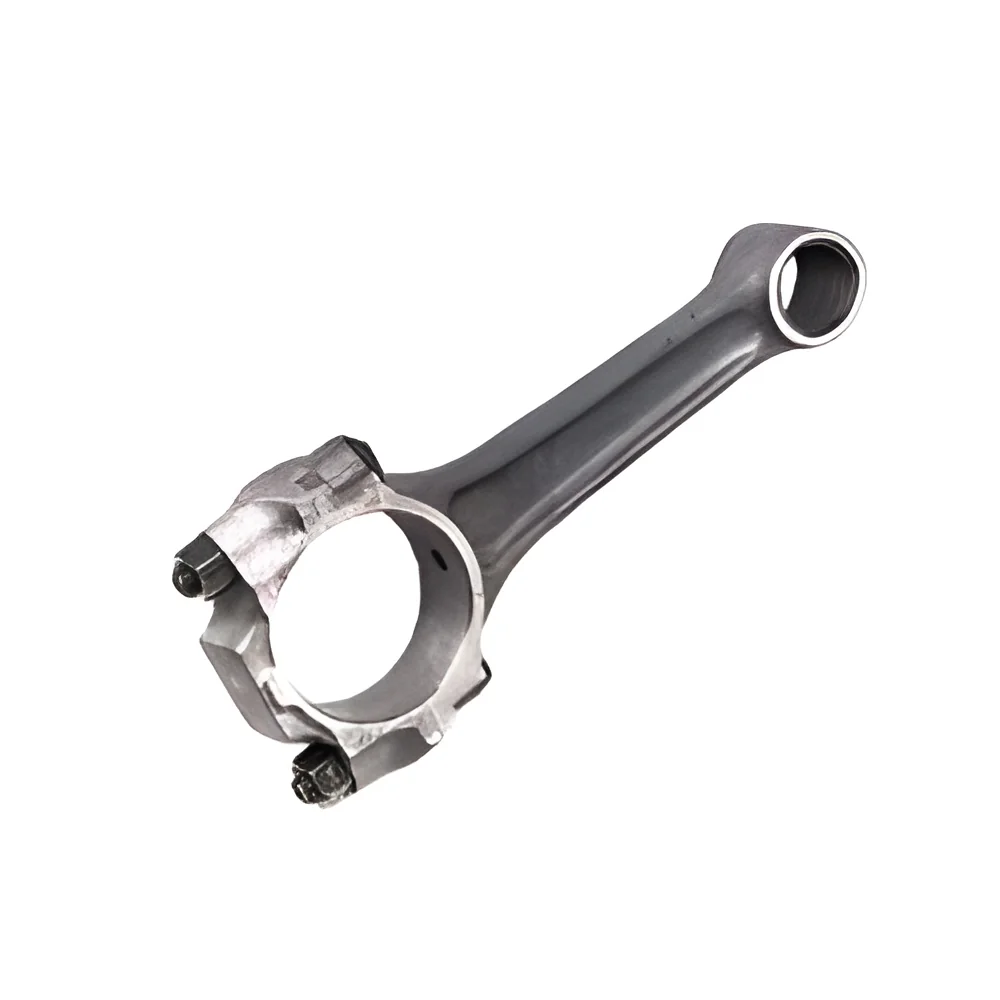
What are Connecting Rods?
Connecting rods are essential components in internal combustion engines, serving as the mechanical link between the pistons and the crankshaft. They convert the linear motion of the pistons into rotational motion, enabling the engine to function efficiently. Typically made from various metals and alloys, connecting rods are designed to withstand significant loads and stresses during engine operation.
The primary use of connecting rods is found in automotive and machinery applications, where they play a critical role in engine performance. Industries such as automotive manufacturing, aerospace, and heavy machinery rely heavily on these components to ensure optimal engine functionality and reliability. In today's competitive market, the demand for durable and high-performance connecting rods continues to grow as manufacturers seek to enhance engine efficiency and reduce emissions.
Connecting rods are relevant across various sectors, reflecting industry trends toward more robust and efficient engine designs. As advancements in materials and manufacturing processes emerge, the market for connecting rods is expected to expand, driven by innovations aimed at improving engine performance and longevity.
Key Features and Specifications
Connecting rods come with several key features and specifications that define their performance and application suitability. Selecting the right connecting rod is crucial for ensuring engine efficiency and reliability.
Key specifications include:
1. Material Composition
- Typically made from forged steel or aluminum alloys to provide strength and durability.
- Varies by application, with some designed for high-performance engines.
2. Length
- The length of connecting rods can vary depending on engine design.
- Common lengths range from 5.0 to 7.0 inches.
3. Weight
- The weight of connecting rods affects engine balance and performance.
- Lightweight options are available for racing applications.
4. Pin Diameter
- The pin diameter is critical for proper fit and function with pistons and crankshafts.
- Standard sizes usually range from 0.75 to 1.0 inch.
5. Pressure Rating
- Connecting rods must withstand high pressure during engine operation.
- Ratings vary based on application, typically ranging from 500 to 1500 psi.
6. Finish
- A range of finishes is available, such as polished or shot peened, to enhance durability.
- Surface treatments can also reduce friction and wear.
7. Design Type
- Connecting rods can be I-beam or H-beam types, each offering different benefits.
- I-beam rods are lighter, while H-beam rods provide additional strength.
8. Compliance Standards
- Many connecting rods comply with industry standards such as CE certification.
- Ensures reliability and safety in various applications.
These specifications help ensure that connecting rods meet the performance demands of different engine types while adhering to industry standards.
Common Applications and Use Cases
Connecting rods are utilized in a wide range of industries, reflecting their versatility and importance in engine design.
1. Automotive Industry: Connecting rods are crucial for internal combustion engines in cars and trucks. They help convert the motion of pistons into rotational force, enabling vehicle movement.
2. Aerospace Engineering: In aircraft engines, connecting rods play a vital role in ensuring reliable engine operation. Their durability is essential for high-altitude performance and safety.
3. Heavy Machinery: Equipment such as construction vehicles and agricultural machinery relies on robust connecting rods to function under heavy loads and harsh conditions.
4. Marine Applications: Marine engines use connecting rods designed for high resistance to corrosion and stress, ensuring reliable performance at sea.
5. Power Generation: In generators and turbines, connecting rods are essential for converting linear motion into rotational energy, making them integral to power production.
6. Motorsports: High-performance racing engines use specialized connecting rods engineered for weight reduction and increased strength, optimizing race performance.
7. Industrial Equipment: Many industrial machines incorporate connecting rods in their engines to convert power into mechanical movement, making them essential for manufacturing processes.
Product Variants and Subcategories
Connecting rods exhibit diversity in design and application, catering to a variety of engine types and performance requirements.
High-Performance Connecting Rods
These rods are designed for racing and high-performance applications. They are typically lighter and made from advanced materials to withstand extreme conditions, enhancing engine efficiency and output.
Standard Duty Connecting Rods
These rods are suitable for typical automotive applications and are designed to balance durability and cost-effectiveness. They provide reliable performance for everyday vehicles and machinery.
Custom Connecting Rods
Some manufacturers offer custom solutions tailored to specific engine designs and performance needs. These rods can be engineered to meet unique specifications, ensuring compatibility and enhanced performance.
Benefits and Advantages
Connecting rods offer several benefits that contribute to overall engine performance and reliability.
1. Enhanced Engine Efficiency: Properly designed connecting rods improve engine efficiency by optimizing the conversion of linear to rotational motion.
2. Durability and Reliability: High-quality materials and construction ensure that connecting rods can withstand the stresses of engine operation, reducing the likelihood of failure.
3. Weight Reduction: Lightweight options help improve engine performance and fuel efficiency, especially in high-performance and racing applications.
4. Improved Engine Balance: Well-engineered connecting rods contribute to better engine balance, reducing vibrations and enhancing overall performance.
5. Compatibility: Connecting rods are designed to fit a wide range of engine types, offering flexibility for manufacturers and mechanics.
6. Customization Options: The ability to customize connecting rods allows for tailored solutions that meet specific performance requirements and engine designs.
Buying Guide for B2B Buyers
When sourcing connecting rods, consider several critical factors to ensure you make the right choice for your application.
1. Quality Assessment: Evaluate the material quality and manufacturing processes used in producing connecting rods. Look for suppliers who adhere to industry standards and have a track record of reliability.
2. Supplier Verification: Vet potential suppliers by checking their credentials, certifications, and customer reviews. A verified supplier network can enhance your confidence in the products you purchase.
3. Pricing and MOQ: Understand the pricing structures and minimum order quantities required by suppliers. This will help you budget effectively and ensure you meet production needs.
4. Delivery and Lead Times: Discuss delivery schedules and lead times with suppliers to ensure timely receipt of products. Efficient logistics are crucial for maintaining production timelines.
5. Compliance Requirements: Ensure that the connecting rods meet relevant industry regulations and compliance standards, such as CE certification. This will help you avoid legal issues and ensure product safety.
Compliance and Certifications
Connecting rods must adhere to various quality and safety standards to ensure their reliability in engine applications. Key standards include ISO 9001, which outlines quality management principles that enhance organizational processes and product quality.
CE certification is also critical for connecting rods, especially when entering markets within the European Union. This certification assures buyers that the products meet essential health, safety, and environmental protection requirements.
In addition to these standards, connecting rods may undergo rigorous safety and testing requirements to ensure they can withstand the pressures and stresses of engine operation. Regional compliance considerations should also be taken into account, as different countries may have specific regulations governing the manufacturing and use of automotive components.
Why Source Connecting Rods from Pepagora?
Pepagora provides a trusted platform for sourcing connecting rods, offering several key advantages for B2B buyers.
Verified Supplier Network: Pepagora features a network of verified suppliers, ensuring that buyers have access to high-quality products from reputable manufacturers. This verification process enhances buyer confidence.
Streamlined RFQ Process: The Request for Quotation (RFQ) process is designed to be user-friendly, allowing buyers to easily submit their requirements and receive competitive quotes. This efficiency saves time and simplifies the purchasing process.
Trade Assurance and Support: Pepagora offers trade assurance, providing buyers with protection and support throughout the purchasing journey. This assurance includes dispute resolution and quality guarantees.
Regional Coverage: With a geographic reach extending across India, the GCC, and Southeast Asia, Pepagora connects buyers with suppliers in key markets. This broad coverage helps facilitate smoother transactions and access to diverse product options.

 IN
IN