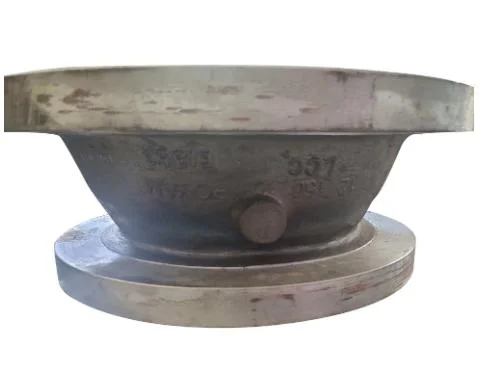
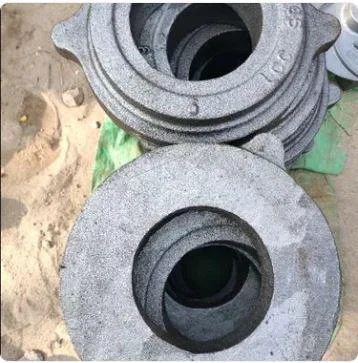
What are Valves & Valve Seats?
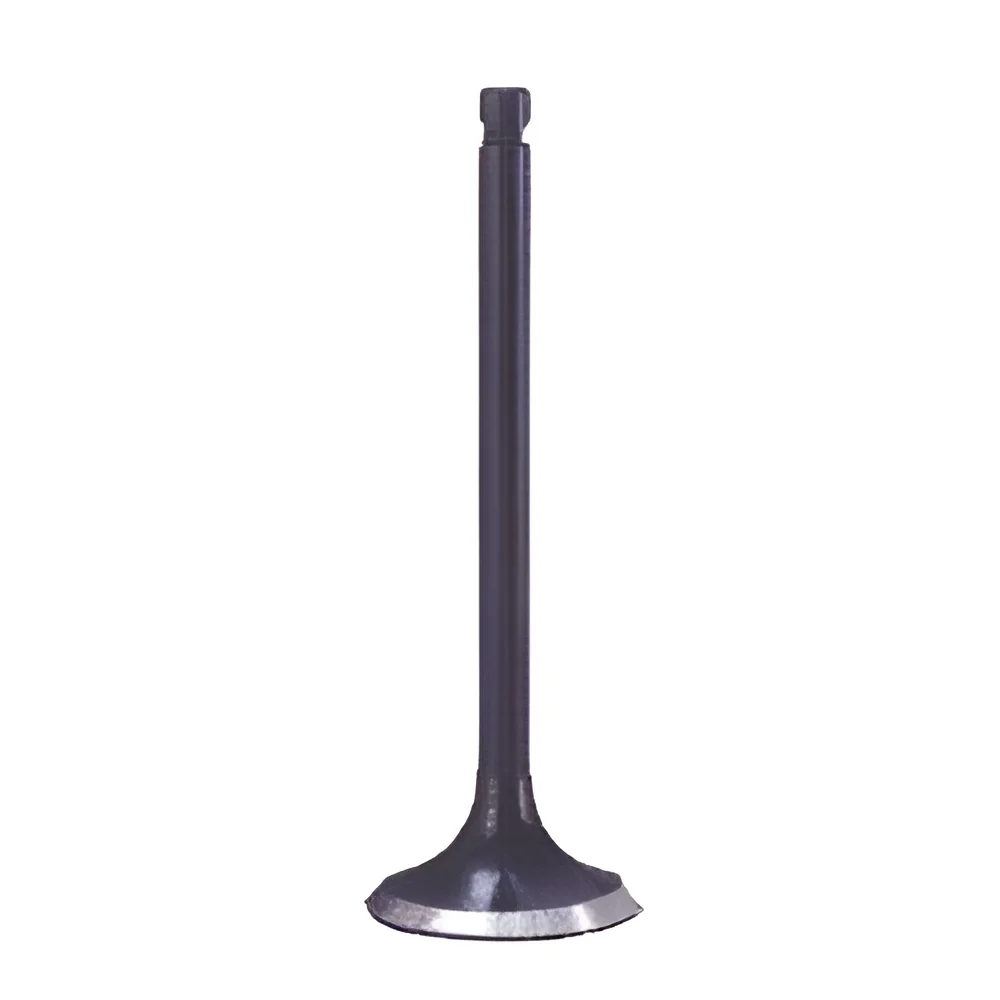
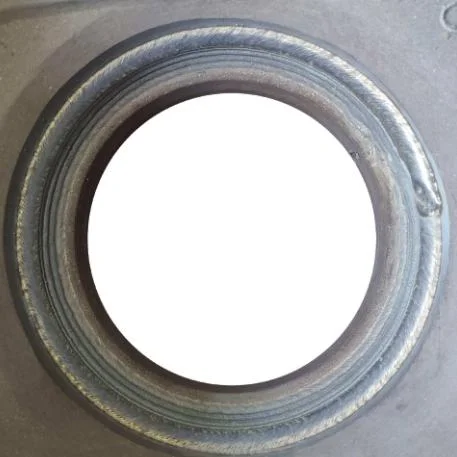
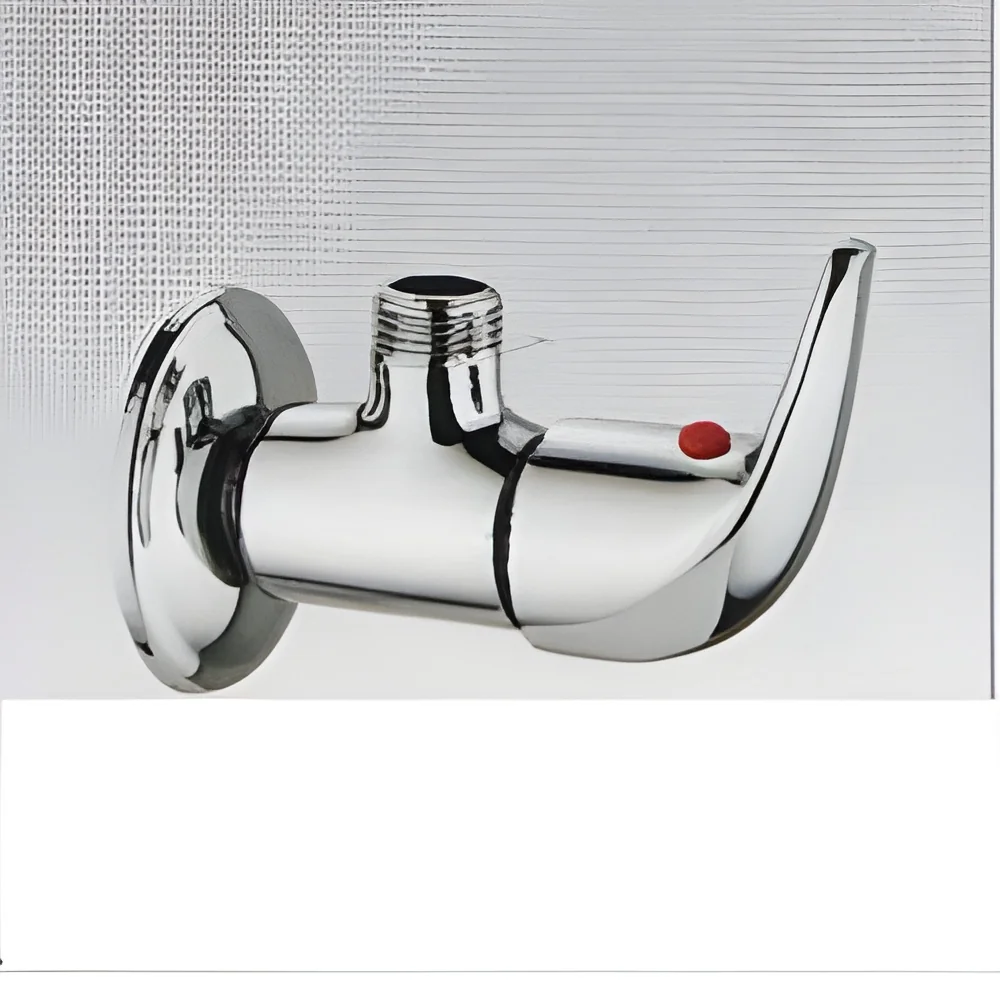
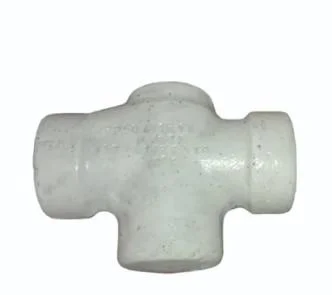
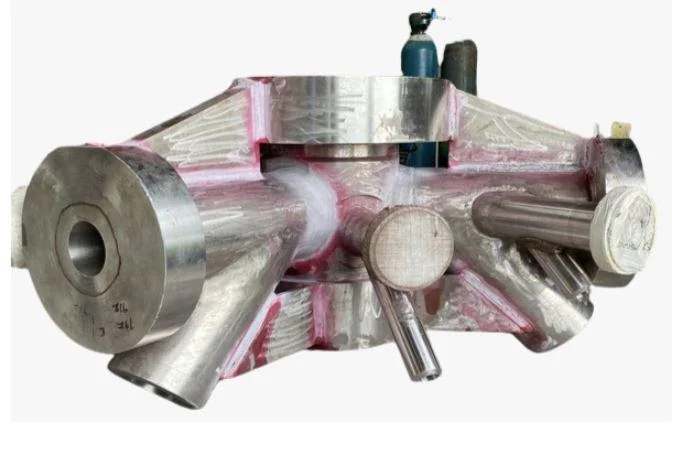
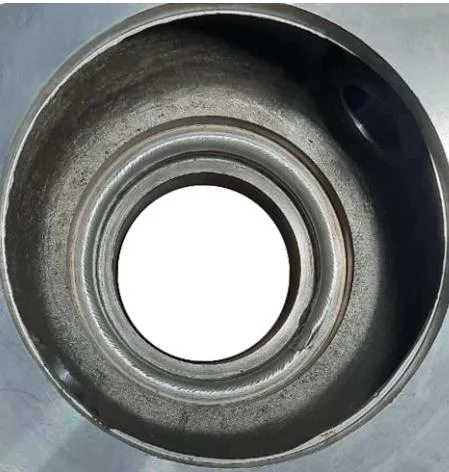
Valves and valve seats are critical components in various fluid control systems, designed to regulate the flow of liquids or gases. Valves act as mechanical devices that can open, close, or partially obstruct passageways, enabling precise control over the movement and pressure of fluids. Valve seats provide a sealing surface for the valve to close against, preventing leaks and ensuring effective operation. Together, these components play a significant role in maintaining system efficiency and safety.
The primary uses of valves and valve seats span multiple industries, including oil and gas, water treatment, manufacturing, and HVAC systems. In these applications, they help manage fluid dynamics, enhance operational control, and reduce waste. Their adaptability to different environments and pressures makes them vital for maintaining system integrity and performance. As industries evolve, the demand for high-quality valves and valve seats continues to grow, driven by the need for reliable and efficient fluid control solutions.
In the current market context, the relevance of valves and valve seats cannot be overstated. With increasing regulations and environmental concerns, industries are looking for products that not only meet performance standards but also adhere to safety and compliance protocols. This has led to innovations in design and material selection, making modern valves and valve seats more efficient and durable than ever before.
Key Features and Specifications
Valves and valve seats come with various features and specifications that cater to diverse industrial needs. Understanding these specifications is crucial for selecting the right components for specific applications.
Key specifications include:
1. Material Composition
- Common materials include brass, stainless steel, and plastic.
- Selection depends on compatibility with fluids and environmental conditions.
2. Pressure Rating
- Indicates the maximum pressure the valve can handle.
- Typically ranges from low-pressure (under 150 PSI) to high-pressure (above 1500 PSI).
3. Temperature Range
- Specifies the operational temperature limits.
- Generally varies from -20°C to 200°C, depending on material.
4. Size and Dimensions
- Available in various sizes to fit different piping systems.
- Measurement usually expressed in inches or millimeters.
5. Connection Type
- Includes threaded, flanged, and welded connections.
- Selection depends on installation requirements.
6. Actuation Method
- Can be manual, electric, pneumatic, or hydraulic.
- Choice impacts control and automation capabilities.
7. Flow Characteristics
- Determines how fluids flow through the valve.
- Includes options like equal percentage or linear flow.
8. Certifications
- Compliance with industry standards such as CE certification.
- Ensures reliability and safety in applications.
In summary, selecting the right valves and valve seats involves understanding their key features and specifications. This knowledge helps businesses ensure that they meet operational requirements and comply with industry standards.
Common Applications and Use Cases
Valves and valve seats serve a wide range of industries, providing essential functionality in fluid management.
1. Oil and Gas: Used in extraction and refining processes, valves control flow and pressure in pipelines and storage tanks.
2. Water Treatment: Essential for regulating water flow and chemical dosing in treatment plants, ensuring safe drinking water.
3. Manufacturing: Commonly found in production lines, they help manage fluid transport in various processes.
4. HVAC: Regulate heating and cooling systems, ensuring efficient climate control in buildings.
5. Food and Beverage: Used in processing and packaging systems, they ensure compliance with hygiene standards.
6. Pharmaceuticals: Critical for controlling the flow of liquids in drug manufacturing, ensuring product quality and safety.
7. Chemical Processing: Manage hazardous materials in reactors and storage, maintaining safety and efficiency.
Product Variants and Subcategories
Valves and valve seats come in various types and designs to suit different applications and industries. The diversity of these products allows for tailored solutions to meet specific operational needs.
Ball Valves
Ball valves are known for their quick operation and excellent sealing capabilities. They feature a spherical disc that controls flow, making them ideal for on/off control applications. Commonly used in oil and gas, water supply, and manufacturing processes.
Gate Valves
Gate valves provide a straight flow path and are typically used for fully open or fully closed applications. They are common in pipelines where minimal pressure drop is required. Ideal for water and wastewater treatment facilities.
Check Valves
Check valves prevent backflow in piping systems, ensuring that fluids flow in one direction. They are widely used in various industries, including oil and gas, water treatment, and HVAC applications.
Globe Valves
Globe valves are designed for regulating flow, providing precise control over fluid dynamics. They are commonly used in systems requiring throttling, such as heating and cooling systems.
Butterfly Valves
Butterfly valves are lightweight and compact, making them suitable for large fluid flow control. Commonly used in water distribution and chemical processing applications, they offer quick operation and low-pressure drop.
Benefits and Advantages
Using high-quality valves and valve seats offers numerous benefits that can enhance operational efficiency and safety.
1. Improved Flow Control: These products allow for precise regulation of fluid movement, optimizing system performance.
2. Enhanced Safety: By preventing leaks and ensuring proper sealing, valves and valve seats contribute to safer operations.
3. Durability and Longevity: Made from robust materials, they withstand harsh conditions, reducing maintenance costs.
4. Compliance with Standards: Many valves come with certifications meeting safety and quality regulations, ensuring reliability.
5. Versatility: Available in various designs and materials, they can be adapted for different applications across industries.
6. Cost-Effectiveness: Investing in quality valves reduces the likelihood of failures and downtime, leading to long-term savings.
Buying Guide for B2B Buyers
When sourcing valves and valve seats, it is essential for B2B buyers to consider several key factors to ensure they make informed decisions.
1. Quality Assessment: Evaluate the materials and construction of the valves. Look for certifications that indicate compliance with industry standards.
2. Supplier Verification: Research potential suppliers to ensure they have a reputation for reliability and quality. Request references and check their track record.
3. Pricing and MOQ: Understand the pricing structure and minimum order quantities. Compare costs across suppliers to find competitive rates.
4. Delivery and Lead Times: Discuss logistics with suppliers to establish delivery schedules that meet your operational needs.
5. Compliance Requirements: Ensure that the valves and valve seats meet any industry-specific regulations or compliance standards relevant to your operations.
Compliance and Certifications
Compliance with industry standards and certifications is crucial when considering valves and valve seats. Products must often adhere to relevant quality management systems, such as ISO 9001, which ensures consistent quality in manufacturing processes.
In addition, industry certifications like CE mark indicate that the products meet European safety and performance standards. These certifications help build trust in the reliability and safety of the valves.
Safety and testing requirements are also vital. Manufacturers must conduct thorough testing to verify performance under various conditions. Regional compliance considerations may vary, so it is necessary to understand local regulations and standards that apply to your industry.
Why Source Valves & Valve Seats from Pepagora?
Pepagora provides an ideal platform for sourcing valves and valve seats, offering several advantages to B2B buyers.
Verified Supplier Network: Pepagora connects you with a network of verified suppliers known for their quality products and reliable service. This ensures you can source components with confidence.
Streamlined RFQ Process: The request for quotation process is efficient, allowing you to compare offers from multiple suppliers easily. This saves time and helps you find the best deals.
Trade Assurance and Support: Buyers benefit from trade assurance, which protects your purchase and ensures satisfaction with the products received. Additionally, customer support is readily available to assist with any inquiries.
Regional Coverage: Pepagora has a broad geographic reach, covering India, the GCC region, and Southeast Asia. This allows businesses to access a wide variety of suppliers and products tailored to their specific needs.

 IN
IN