
 IN
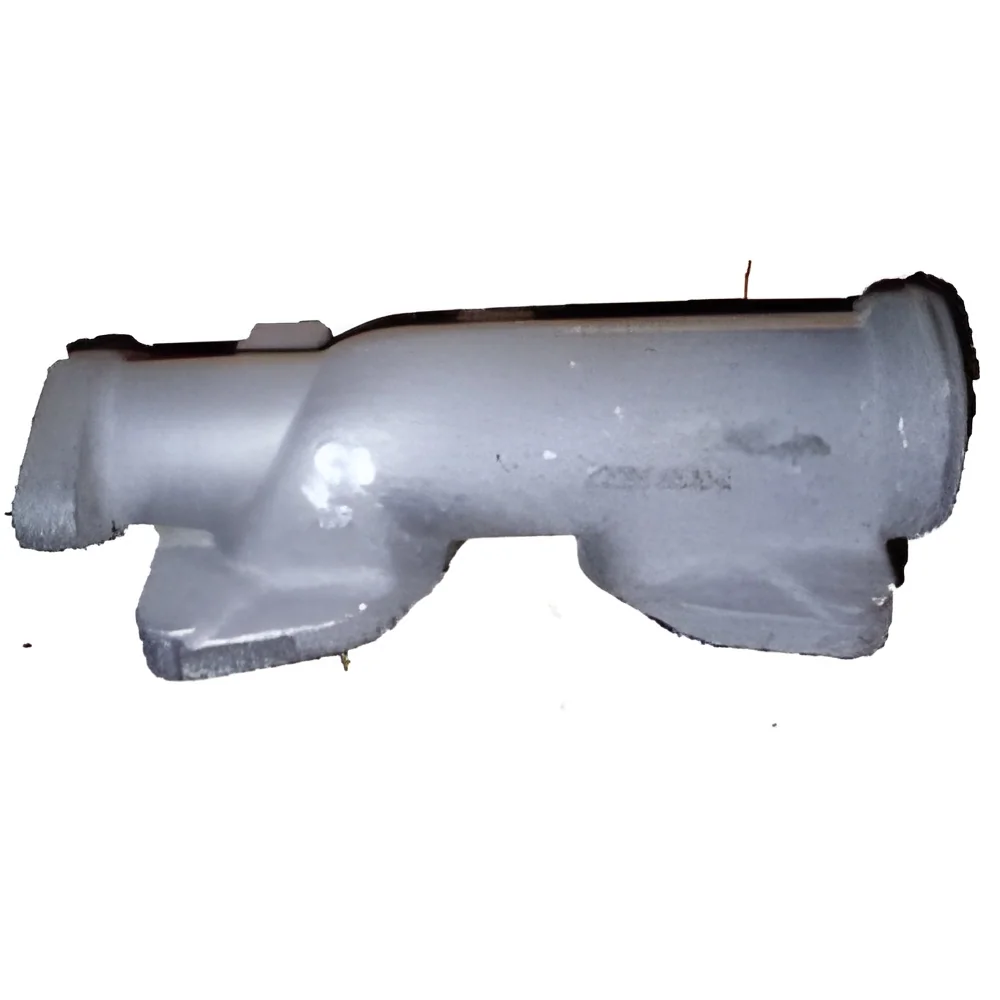
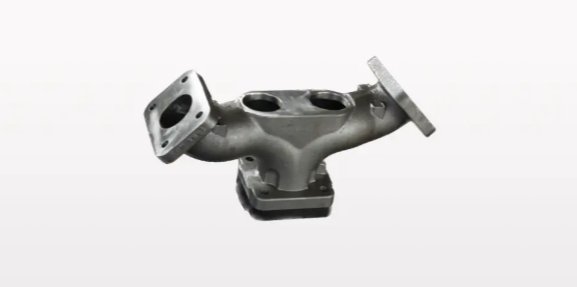
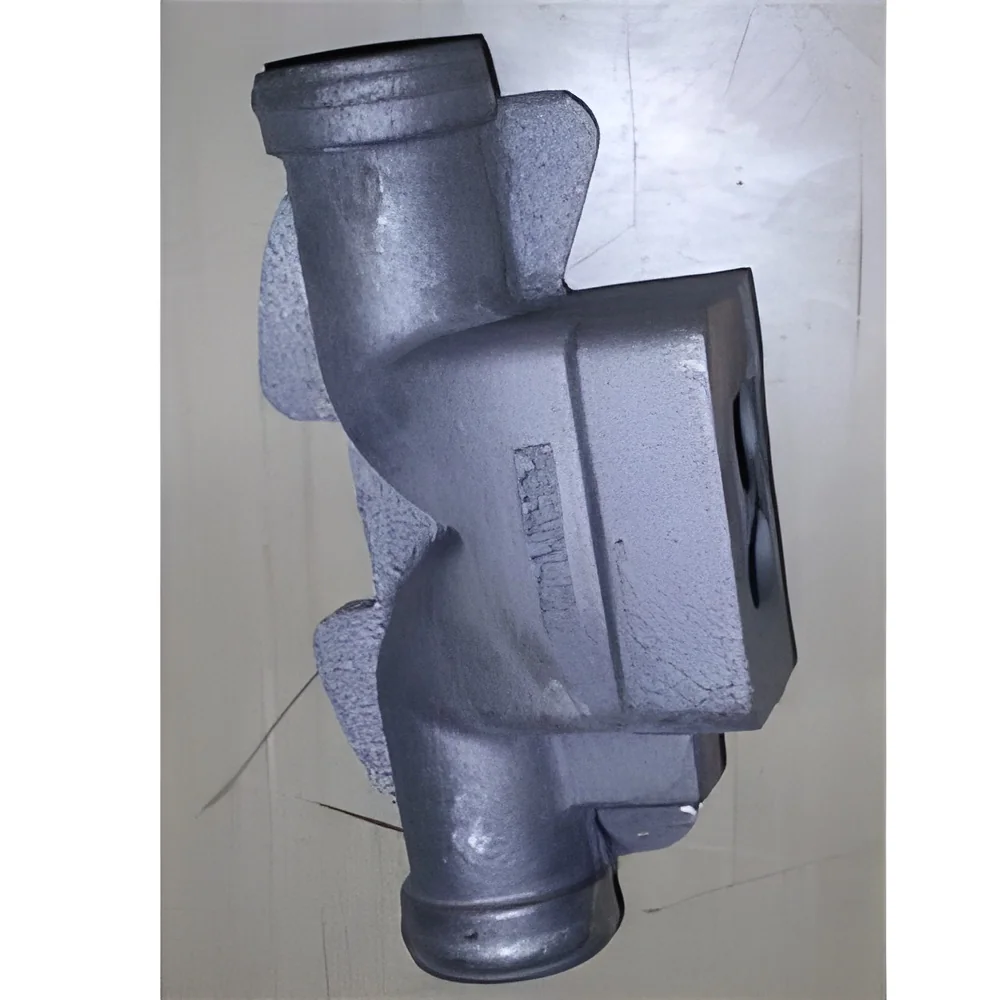
Exhaust Manifolds
3 products available
What are Exhaust Manifolds?
Exhaust manifolds are components in an engine that collect exhaust gases from multiple cylinders and direct them into a single outlet. Typically made from cast iron or stainless steel, these manifolds play a crucial role in ensuring optimal engine performance by facilitating the efficient flow of exhaust gases. The design of an exhaust manifold can significantly impact the overall efficiency and power output of an engine, as it determines how well exhaust gases can exit the engine.
In business applications, exhaust manifolds are essential for various types of engines, including those used in automotive, marine, and industrial machinery. Their primary purpose is to reduce back pressure in the exhaust system, which can enhance engine efficiency and reduce emissions. The relevance of exhaust manifolds extends across multiple industries, including automotive manufacturing, agriculture, and construction, where reliable engine performance is critical for productivity and compliance with environmental regulations.
Key Features and Specifications
Exhaust manifolds come with several key features that ensure durability and performance. Understanding these specifications is vital for businesses looking to select the right product for their needs.
Key specifications include:
1. Material Composition
- Typically made from cast iron or stainless steel
- Resistance to high temperatures and corrosion
2. Design Type
- Available in log-style, tubular, and header configurations
- Each design offers different performance benefits
3. Port Configuration
- Varies according to engine type (e.g., inline, V-type)
- Specific port sizes and shapes to match engine specifications
4. Heat Resistance
- Capable of withstanding high exhaust temperatures
- Ensures longevity and reliability under extreme conditions
5. Emission Compliance
- Designed to meet various emission standards
- Helps reduce harmful exhaust emissions
6. Customization Options
- Availability of custom designs for specific applications
- Can be tailored to fit unique engine configurations
7. Weight
- Lightweight options available for performance-focused applications
- Heavy-duty models for industrial and commercial uses
In summary, the features and specifications of exhaust manifolds are essential for matching the right product to specific engine requirements, ensuring optimal performance and compliance with industry standards.
Common Applications and Use Cases
Exhaust manifolds are utilized across various industries, making them versatile components in engine systems.
1. Automotive: In passenger vehicles and trucks, exhaust manifolds help optimize engine performance and meet environmental regulations.
2. Marine: Used in boat engines to manage exhaust flow efficiently, ensuring compliance with maritime emissions standards.
3. Agriculture: Found in agricultural machinery such as tractors, where robust performance is necessary for demanding tasks.
4. Construction: Used in heavy equipment like excavators and bulldozers to ensure reliable engine operation under tough conditions.
5. Industrial: Employed in generators and power equipment where efficient exhaust flow is critical for operational reliability.
6. Aerospace: In small aircraft engines, exhaust manifolds play a role in performance and emissions control.
7. Power Generation: Used in various power generation systems to help manage exhaust efficiently and reduce emissions.
Product Variants and Subcategories
The diversity of exhaust manifolds allows for tailored solutions depending on specific applications and engine types.
OEM Manifolds
These are original equipment manufacturer (OEM) parts designed to fit specific engine models. They provide the exact specifications needed for optimal performance and compliance.
Aftermarket Manifolds
These manifolds are designed to fit a range of engines and offer enhanced performance options. They may provide improved exhaust flow and are often used in performance tuning.
High-Performance Manifolds
Engineered for racing and high-performance vehicles, these manifolds focus on maximizing exhaust flow and reducing back pressure for increased horsepower.
Custom Manifolds
Tailored to specific engine designs, custom manifolds are often required for unique applications, ensuring optimal fit and performance.
Benefits and Advantages
Exhaust manifolds offer several key benefits that can enhance engine performance and longevity.
1. Improved Efficiency: By facilitating better exhaust flow, these manifolds help engines operate more efficiently, leading to better fuel economy.
2. Reduced Emissions: Compliance with emission standards is easier with a well-designed exhaust manifold, helping businesses meet regulatory requirements.
3. Enhanced Performance: High-performance manifolds can significantly boost engine power and responsiveness, making them ideal for racing and heavy-duty applications.
4. Durability: Quality materials ensure that exhaust manifolds withstand extreme temperatures and pressures, resulting in longer service life.
5. Customization: The ability to create custom designs allows businesses to address specific engine requirements and improve performance.
6. Cost-Effectiveness: Investing in high-quality exhaust manifolds can reduce maintenance costs and downtime, improving overall operational efficiency.
Buying Guide for B2B Buyers
When sourcing exhaust manifolds, B2B buyers should carefully consider various factors to ensure they select the right product.
1. Quality Assessment: Look for exhaust manifolds made from high-quality materials that can withstand harsh operating conditions. Check for manufacturer certifications and quality control practices.
2. Supplier Verification: Vet suppliers to ensure they have a reliable track record. Consider their reputation in the industry, customer reviews, and their ability to meet delivery timelines.
3. Pricing and MOQ: Understand the pricing structure and any minimum order quantities (MOQ) that may apply. Compare quotes from multiple suppliers to find the best value.
4. Delivery and Lead Times: Inquire about the supplier's logistics capabilities, including lead times and shipping options. Timely delivery is crucial for maintaining production schedules.
5. Compliance Requirements: Ensure that the exhaust manifolds meet relevant industry standards and regulations. This is particularly important for emissions compliance in automotive and industrial applications.
Compliance and Certifications
Exhaust manifolds must comply with various industry standards to ensure quality and safety. Notably, ISO 9001 is a quality management standard that many manufacturers follow to ensure consistent product quality.
Additionally, CE certification is important for products sold in European markets, indicating compliance with health, safety, and environmental protection standards.
Manufacturers should also adhere to safety and testing requirements to guarantee that their products can withstand operational stress without failure.
Regional compliance considerations may vary, so it is essential for buyers to understand local regulations regarding emissions and safety standards.
Why Source Exhaust Manifolds from Pepagora?
Pepagora provides a trusted platform for sourcing exhaust manifolds, offering various key advantages to B2B buyers.
Verified Supplier Network: Pepagora connects buyers with verified suppliers, ensuring that the products meet quality standards. This network allows businesses to find reliable partners for their sourcing needs.
Streamlined RFQ Process: The Request for Quotation (RFQ) system simplifies the process of obtaining quotes from multiple suppliers. This feature helps buyers compare prices and specifications easily.
Trade Assurance and Support: Pepagora offers trade assurance to protect buyers, ensuring that they receive the quality products they ordered. Additionally, customer support is available to assist with any inquiries or issues.
Regional Coverage: With a broad geographic reach across India, the GCC, and Southeast Asia, Pepagora enables businesses to source exhaust manifolds from reputable suppliers in their region, reducing lead times and shipping costs.

Frequently Asked Questions
What are Exhaust Manifolds?
Exhaust manifolds are integral components of an engine's exhaust system that collect exhaust gases from multiple cylinders and direct them to the exhaust outlet. They play a crucial role in ensuring efficient gas flow and reducing back pressure, which can enhance engine performance.
What are the different types of Exhaust Manifolds?
There are several types of exhaust manifolds, including cast iron, stainless steel, and tubular designs. Each type has unique properties, such as durability and weight, which can affect performance and installation depending on the vehicle's application.
How do I choose the right Exhaust Manifolds?
Choosing the right exhaust manifold involves considering factors such as the engine's specifications, material preferences, and vehicle compatibility. It is also important to assess performance requirements and any modifications that may be needed for optimal fit and function.
What are the standard specifications for Exhaust Manifolds?
Standard specifications for exhaust manifolds typically include dimensions, material composition, and mounting points. Additionally, specifications may detail characteristics such as thermal resistance, flow capacity, and weight to ensure compatibility with the engine and vehicle design.
What is the price range for Exhaust Manifolds?
The price range for exhaust manifolds varies widely depending on the type, material, and manufacturer. Generally, prices can start from a few thousand rupees for basic models and go up to tens of thousands of rupees for high-performance or specialized options.
What quality standards apply to Exhaust Manifolds?
Exhaust manifolds must adhere to various quality standards, including ISO certifications and specific automotive industry regulations. These standards ensure that the manifolds are durable, safe, and perform efficiently under high temperatures and pressure conditions.
Where can I find Exhaust Manifolds suppliers in India?
You can find exhaust manifold suppliers in India through various channels, including online B2B marketplaces like Pepagora.com, automotive trade shows, and industry directories. It is advisable to check supplier credentials and customer reviews to ensure reliability.
Can Exhaust Manifolds be customized?
Yes, many manufacturers offer customization options for exhaust manifolds to meet specific performance or design requirements. Customization may include adjustments in size, shape, and material to better fit particular engines or applications.
What is the typical minimum order quantity for Exhaust Manifolds?
The typical minimum order quantity (MOQ) for exhaust manifolds varies by supplier but often ranges from 10 to 50 units. Larger orders may be required for custom designs or specialized materials.
What is the typical lead time for Exhaust Manifolds?
The typical lead time for exhaust manifolds can vary based on availability and customization requirements, usually ranging from 2 to 6 weeks. It is recommended to confirm lead times with suppliers during the ordering process to ensure timely delivery.
Why Businesses Trust Pepagora
Thousands of companies trust Pepagora to source smarter and sell faster
Expand Your Sales Globally

Source Smarter,Grow Faster
