IN
IN₹
Apparel & Fashion
Description
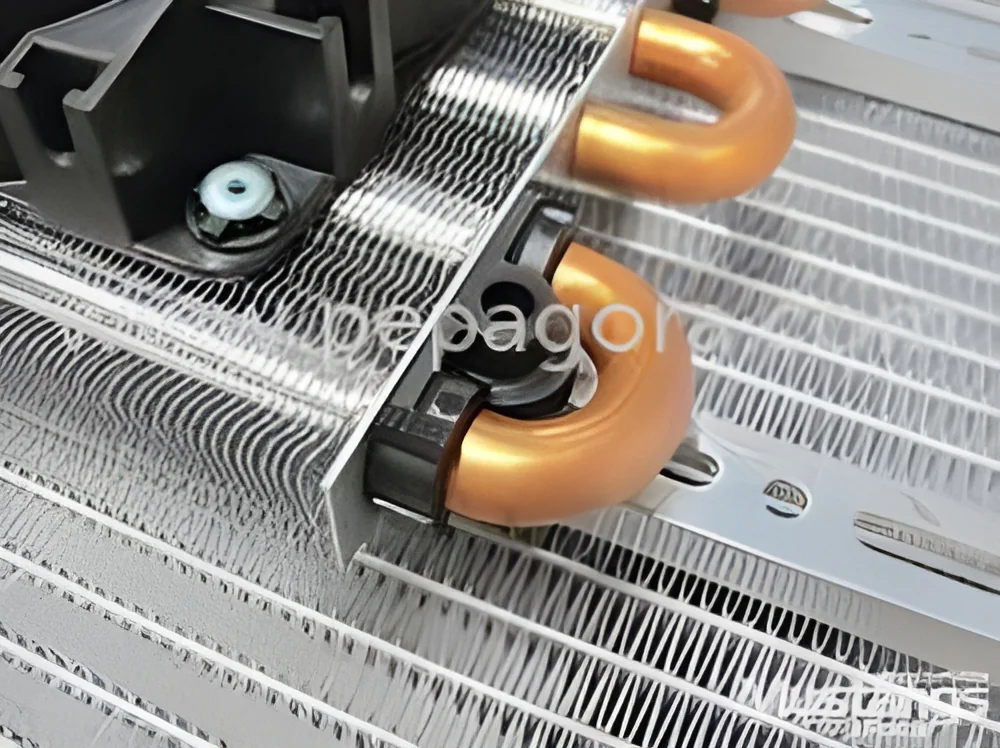
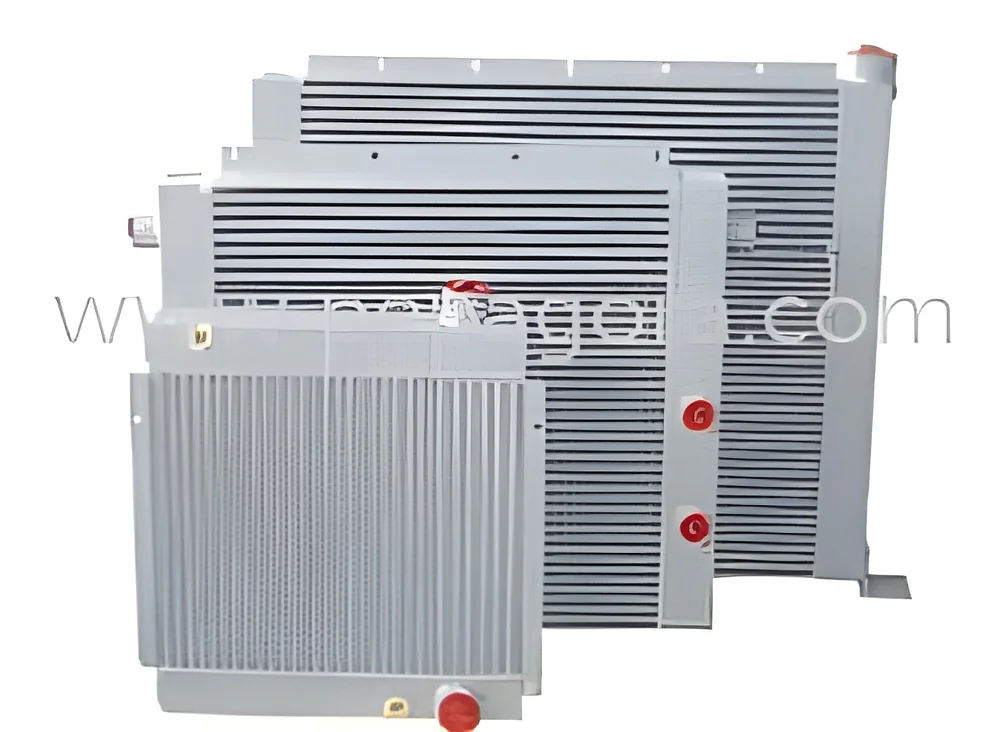
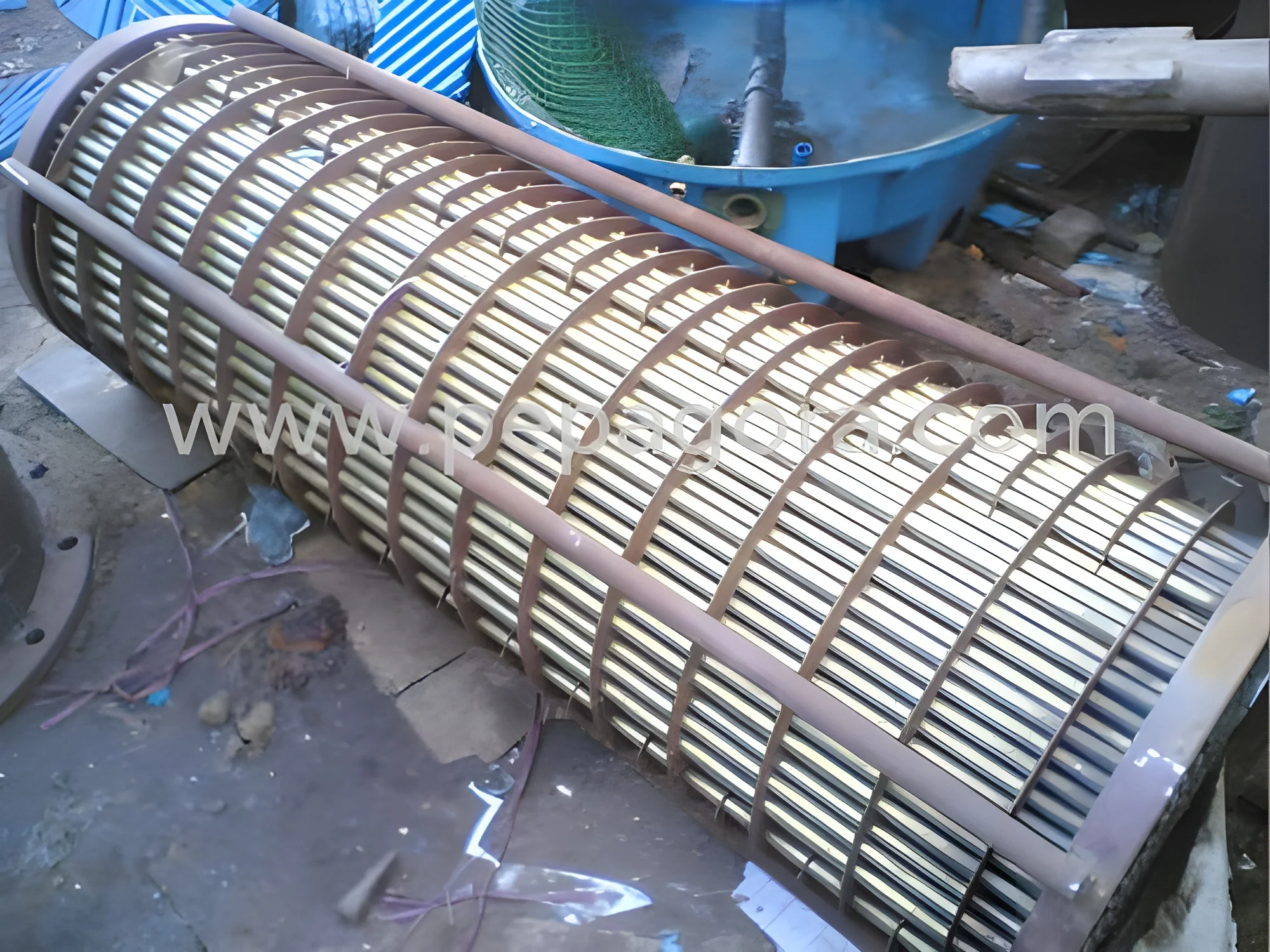
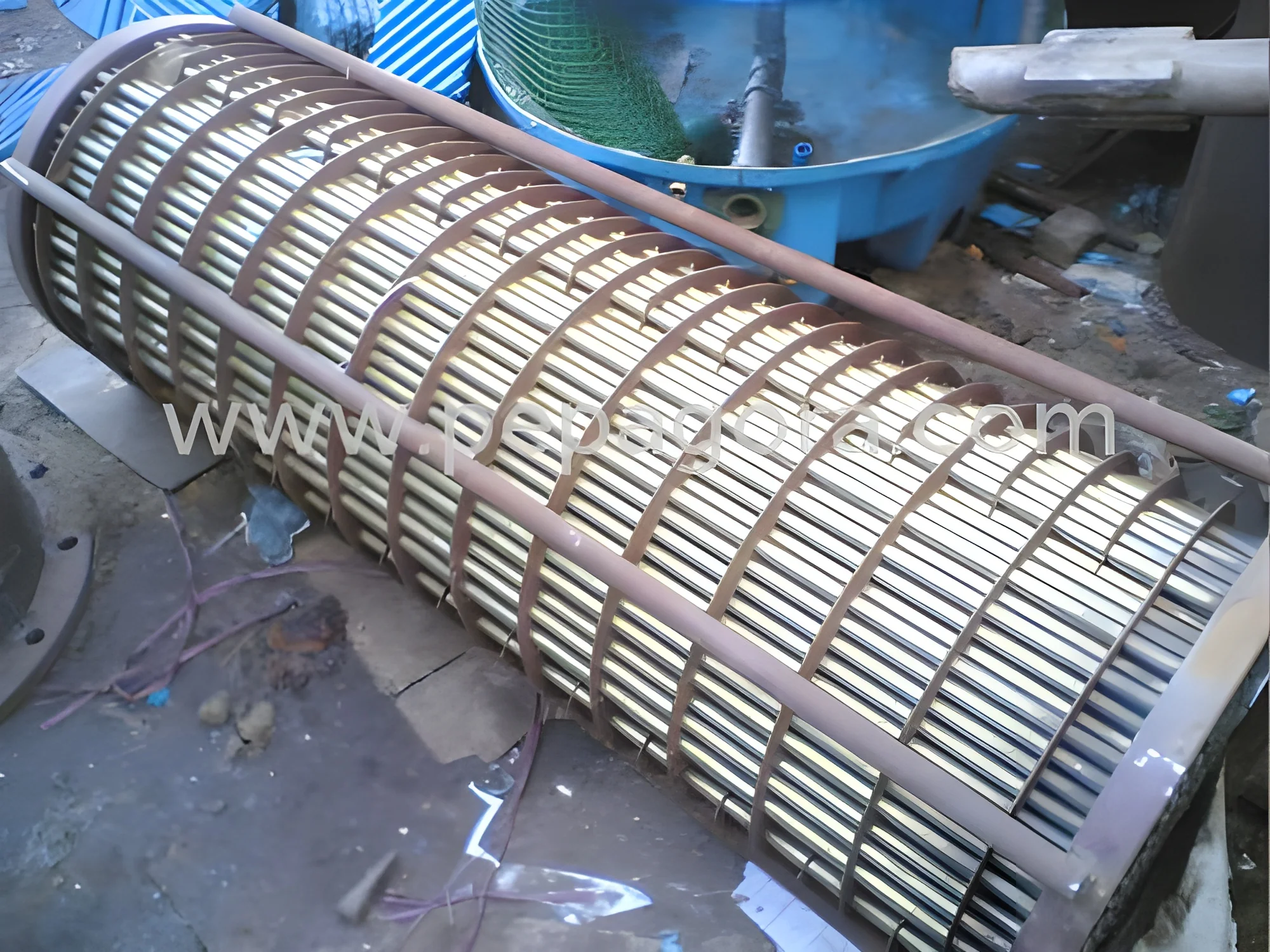
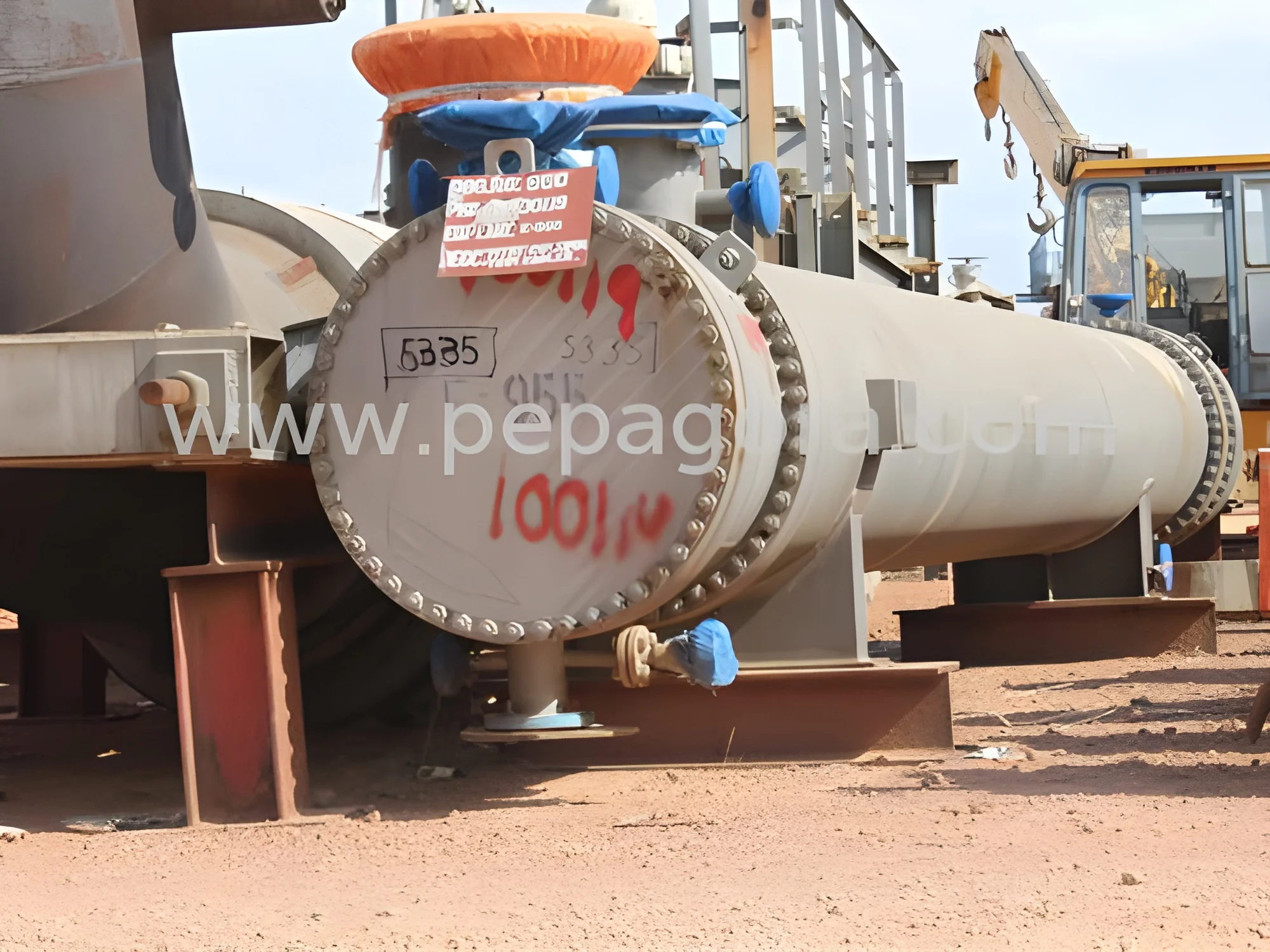
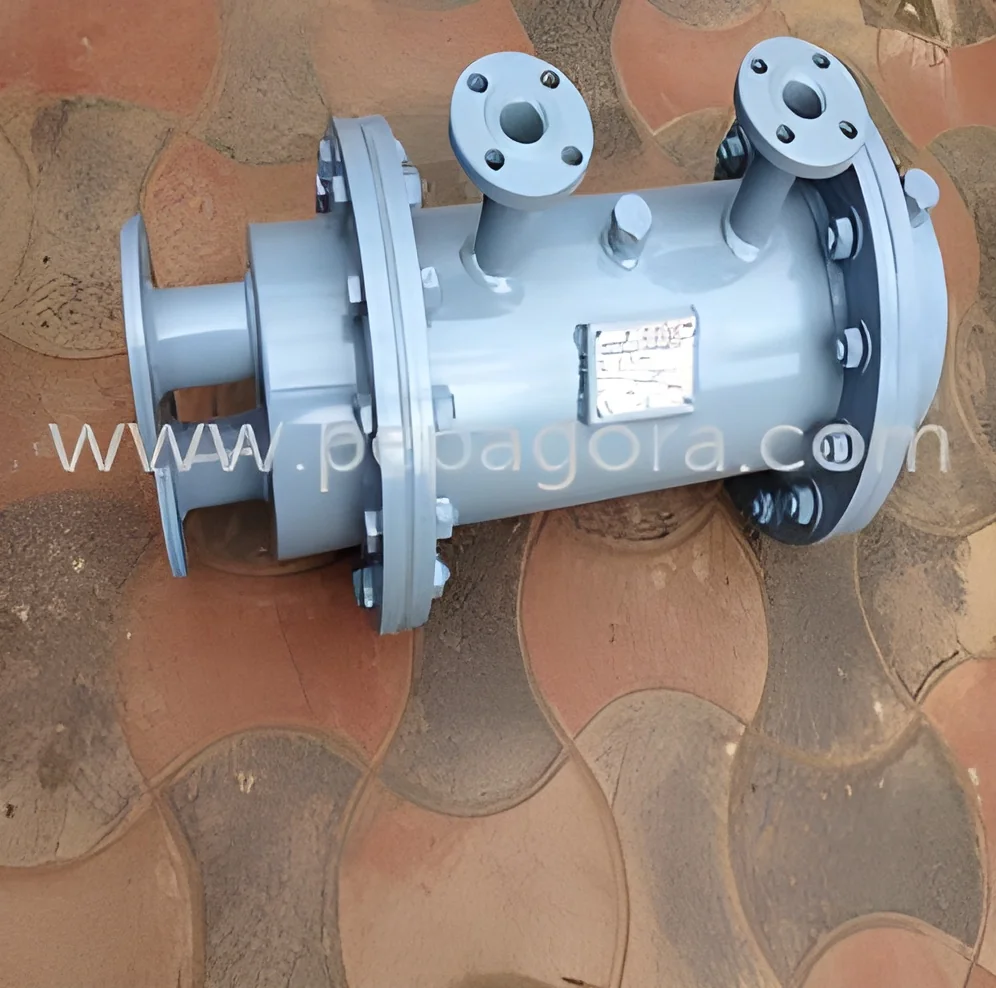
Industrial automotive oil coolers are precision-engineered heat exchangers designed for reliable thermal management in demanding engine and hydraulic systems. They work by efficiently transferring excess heat from operating fluids to maintain a safe and optimal temperature range, preventing the performance degradation and component wear caused by overheating. Built with robust materials like aluminum or high-grade steel, these units feature optimized internal fin designs and tube configurations to maximize surface area for effective heat dissipation, even under high pressure and flow rates. This focus on durability and efficiency ensures they perform consistently in challenging industrial environments where temperature stability is critical for both safety and equipment integrity.

These oil coolers serve a wide range of industries that rely on heavy machinery and continuous operation. In the automotive and transport sector, they are vital for cooling engines, transmissions, and hydrau...
Industrial automotive oil coolers are precision-engineered heat exchangers designed for reliable thermal management in demanding engine and hydraulic systems. They work by efficiently transferring excess heat from operating fluids to maintain a safe and optimal temperature range, preventing the performance degradation and component wear caused by overheating. Built with robust materials like aluminum or high-grade steel, these units feature optimized internal fin designs and tube configurations to maximize surface area for effective heat dissipation, even under high pressure and flow rates. This focus on durability and efficiency ensures they perform consistently in challenging industrial environments where temperature stability is critical for both safety and equipment integrity.

These oil coolers serve a wide range of industries that rely on heavy machinery and continuous operation. In the automotive and transport sector, they are vital for cooling engines, transmissions, and hydraulic systems in commercial trucks, buses, and specialized vehicles. The construction industry depends on them for excavators, bulldozers, and cranes, where hydraulic systems are under constant load. Manufacturing plants integrate them into hydraulic presses, injection molding machines, and processing equipment to maintain precision and prevent downtime. Furthermore, they are found in agricultural machinery, mining equipment, and power generation setups, proving their essential role wherever hydraulic power and engine performance are paramount.

Investing in high-quality industrial oil coolers delivers significant business value through enhanced reliability and reduced total cost of ownership. Their primary benefit is extending the lifespan of expensive machinery by minimizing thermal stress on engines, pumps, valves, and seals, which directly lowers maintenance frequency and replacement part costs. By ensuring consistent operating temperatures, they maintain optimal fluid viscosity and system efficiency, leading to better fuel economy and performance output. Their robust construction minimizes the risk of unexpected failures, reducing costly operational downtime. This reliability makes them a strategic component for businesses focused on maximizing equipment uptime, ensuring project timelines, and protecting their capital investment in heavy assets.

Key Features:
- Durable construction using high-grade aluminum or steel for longevity in harsh conditions.
- Efficient tube-and-fin or plate-and-bar design for maximum heat transfer and dissipation.
- Engineered to withstand high system pressures and fluid flow rates without leakage.
- Compact and robust design for easy integration into existing engine bays or hydraulic circuits.
- Compatible with various engine oils, transmission fluids, and standard hydraulic oils.

Benefits:
- Prevents overheating to ensure consistent equipment performance and operational safety.
- Extends the service life of engines, transmissions, and hydraulic components by reducing thermal stress.
- Lowers maintenance costs and minimizes unplanned downtime due to cooling system failures.
- Improves overall system efficiency by maintaining optimal fluid viscosity and operating temperatures.
- Provides reliable operation in demanding environments, supporting continuous heavy-duty use.
Specifications
| Additional Information | |
|---|---|
| Country of Origin | India |
Application
Industrial automotive oil coolers are essential for maintaining precise temperature control in engine and hydraulic systems across various demanding sectors. They efficiently dissipate heat to prevent overheating, ensuring consistent operation and protecting critical components from thermal damage. This reliable performance is crucial for applications where equipment uptime and longevity are non-negotiable.
Beyond core automotive uses, these robust coolers are integral to construction machinery, manufacturing plants, and power generation systems. Their durable design withstands harsh environments, vibration, and pressure fluctuations while delivering efficient heat transfer. This versatility makes them a trusted solution for any industry where managing fluid temperatures directly impacts safety, efficiency, and operational costs.
- Cooling engines and transmissions in heavy-duty trucks, buses, and commercial vehicle fleets.
- Regulating hydraulic oil temperature in excavators, loaders, cranes, and other construction equipment.
- Managing heat in hydraulic power units and presses within manufacturing and industrial processing lines.
- Maintaining optimal temperatures in transformers, generators, and auxiliary power systems.
- Providing cooling for compressors, pumps, and hydraulic systems in material handling and logistics machinery.
Trade Details
| Available Stock | In Stock |
| Sample Availability | No |
Payment Terms
| Payment Terms |
|
Company Profile

United Cooling Systems, Tamil Nadu
 Tamil Nadu, India
Tamil Nadu, IndiaAutomotive & Transport•Manufacturer•Distributor / Wholesaler•Importer / Exporter
Factory Details
Factory SizeBelow 1000 sqm
Annual Production Capacity0
Industrial Automotive Oil Coolers For Engine Hydraulic Systems
Industrial automotive oil coolers from trusted manufacturers provide reliable temperature control for engine and hydraulic systems in demanding applications, ensuring optimal performance and extended equipment life.
Min. Order Quantity: 1 unit
Shipping
Shipping fee and delivery date to be negotiated. Contact supplier now for more details.
United Cooling Systems
 Tamil Nadu, India
Tamil Nadu, IndiaAutomotive & TransportManufacturer