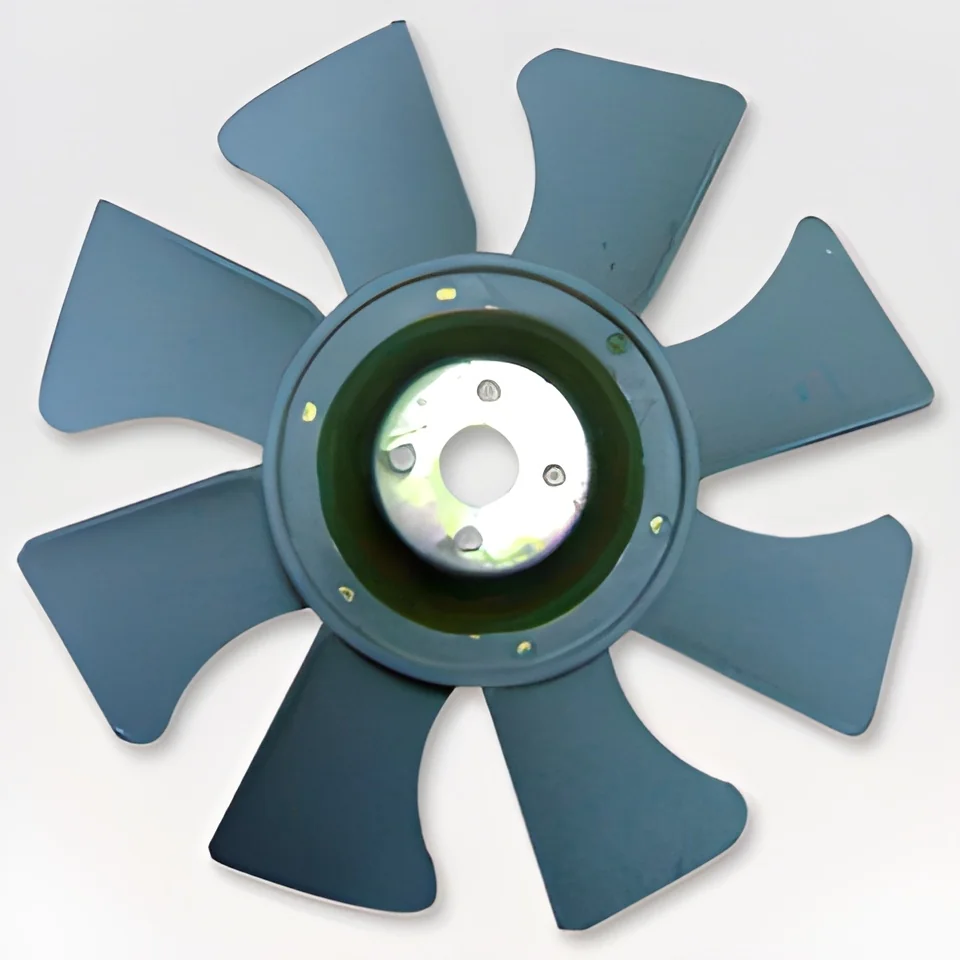
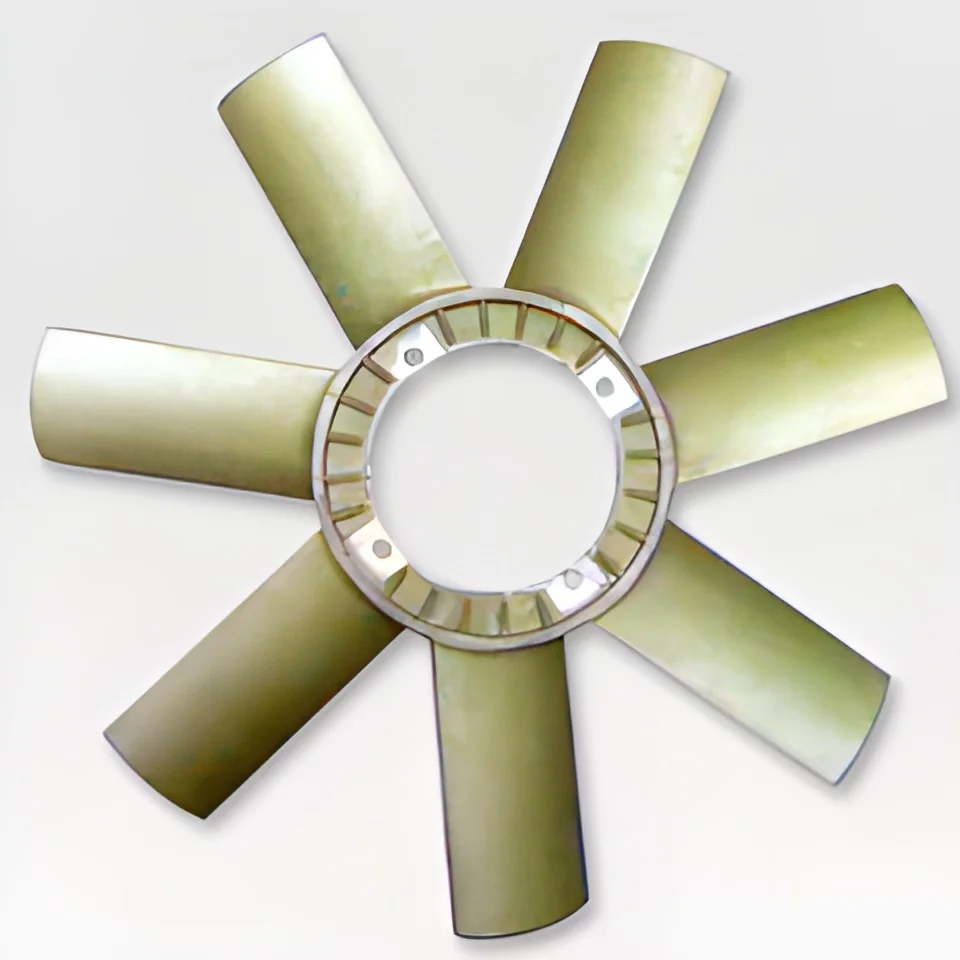
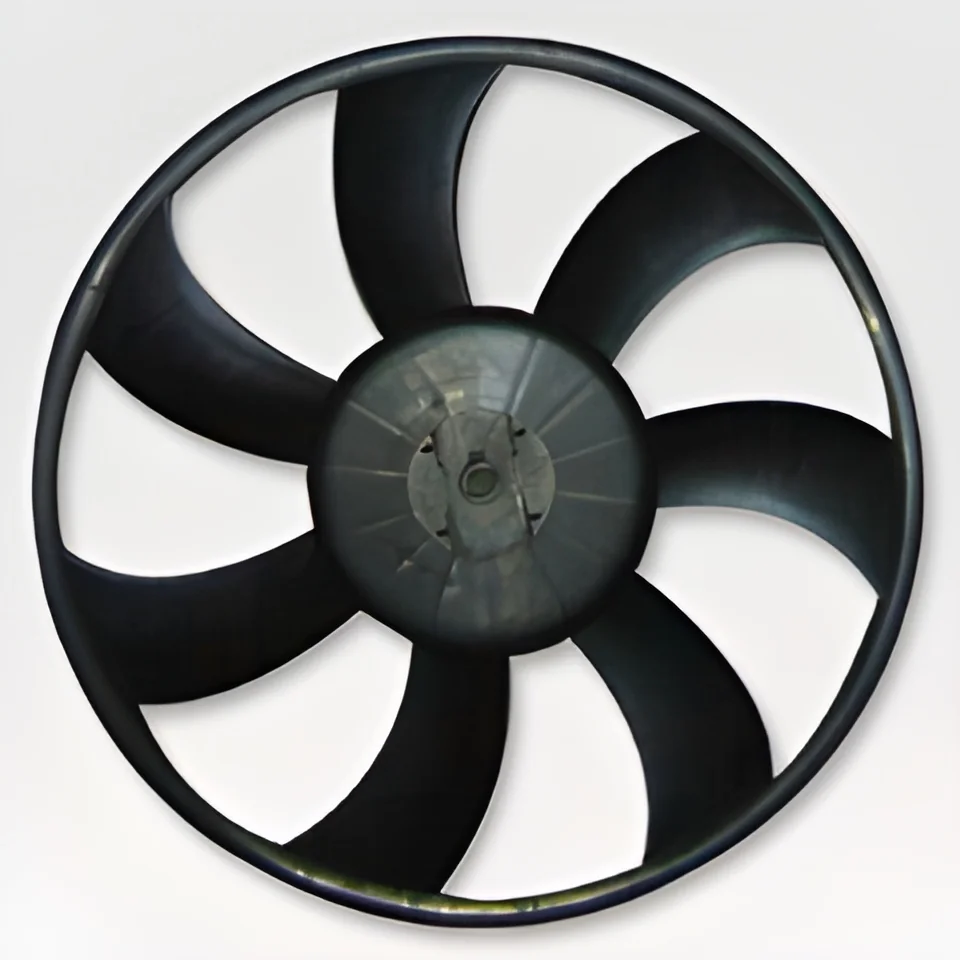
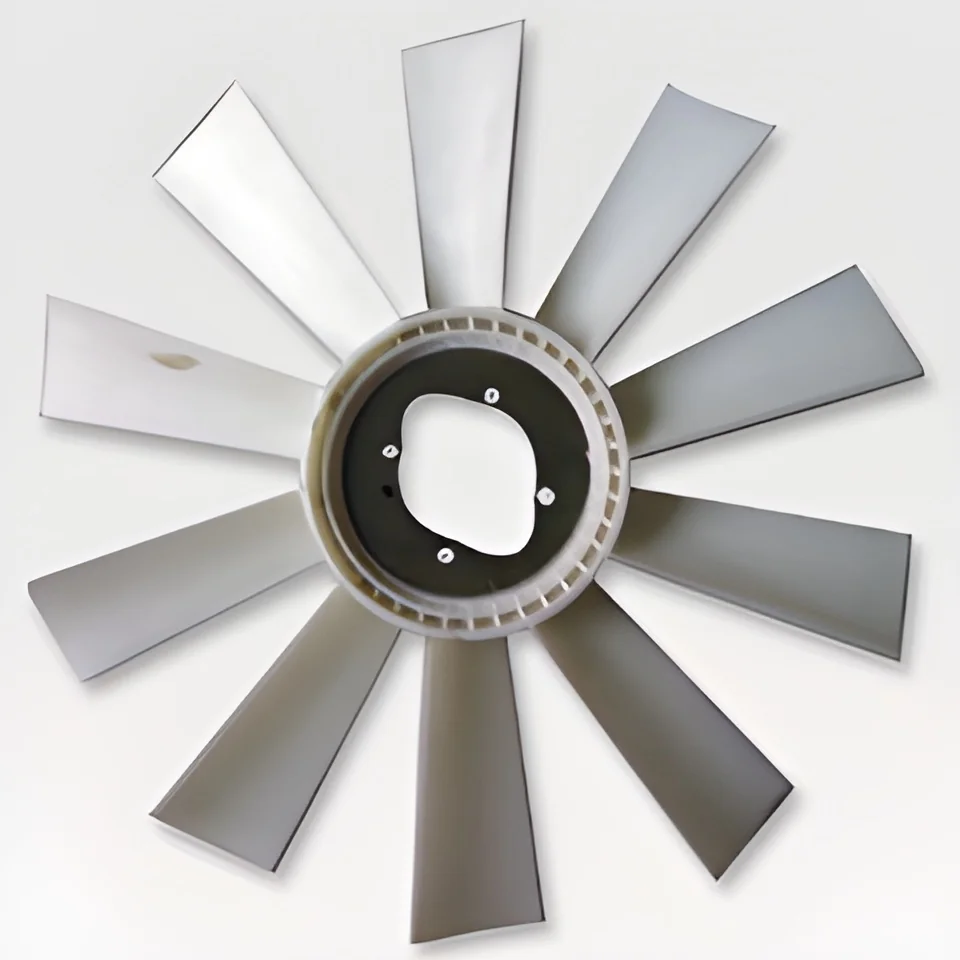
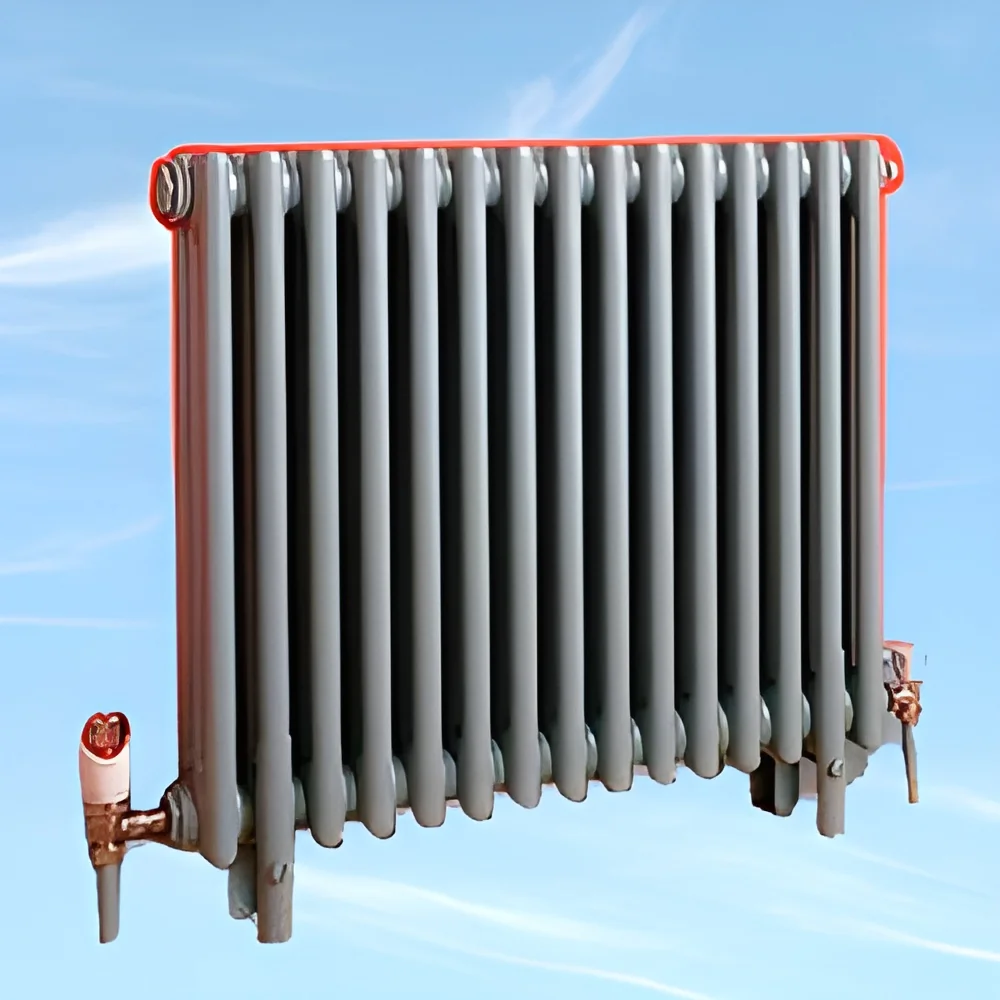
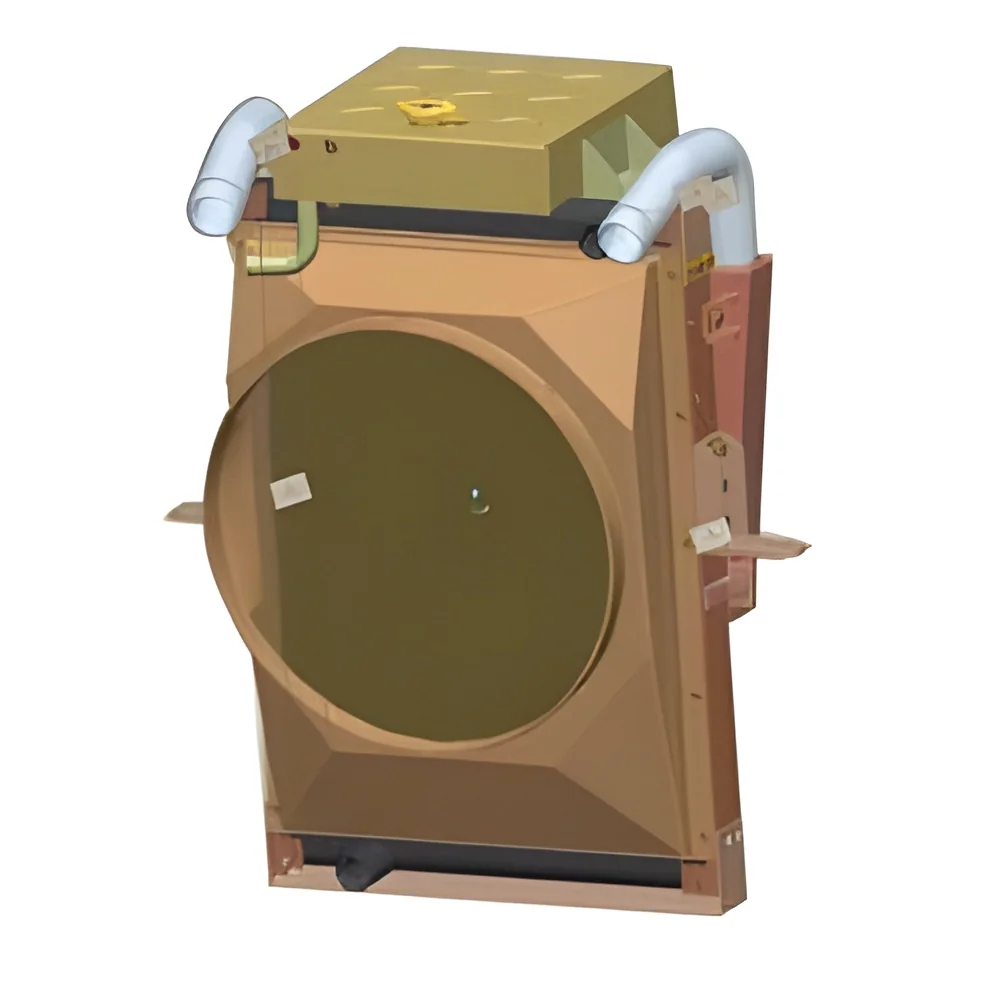
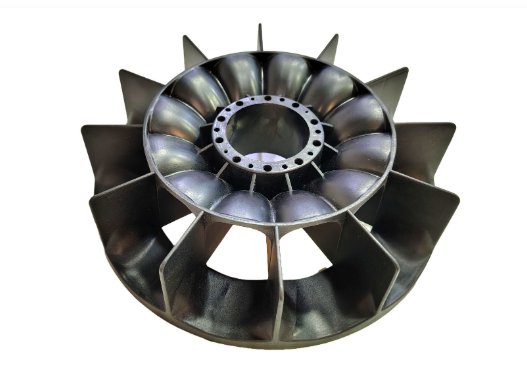
What are Engine Cooling Fans?
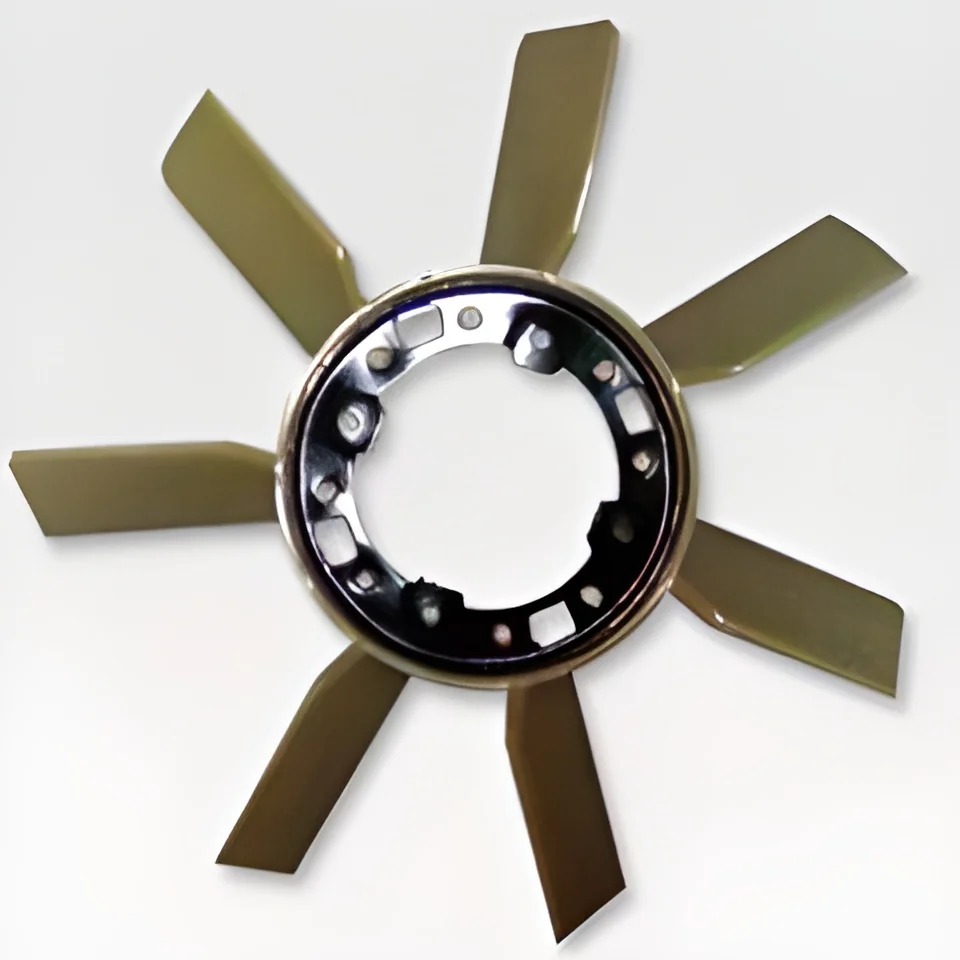
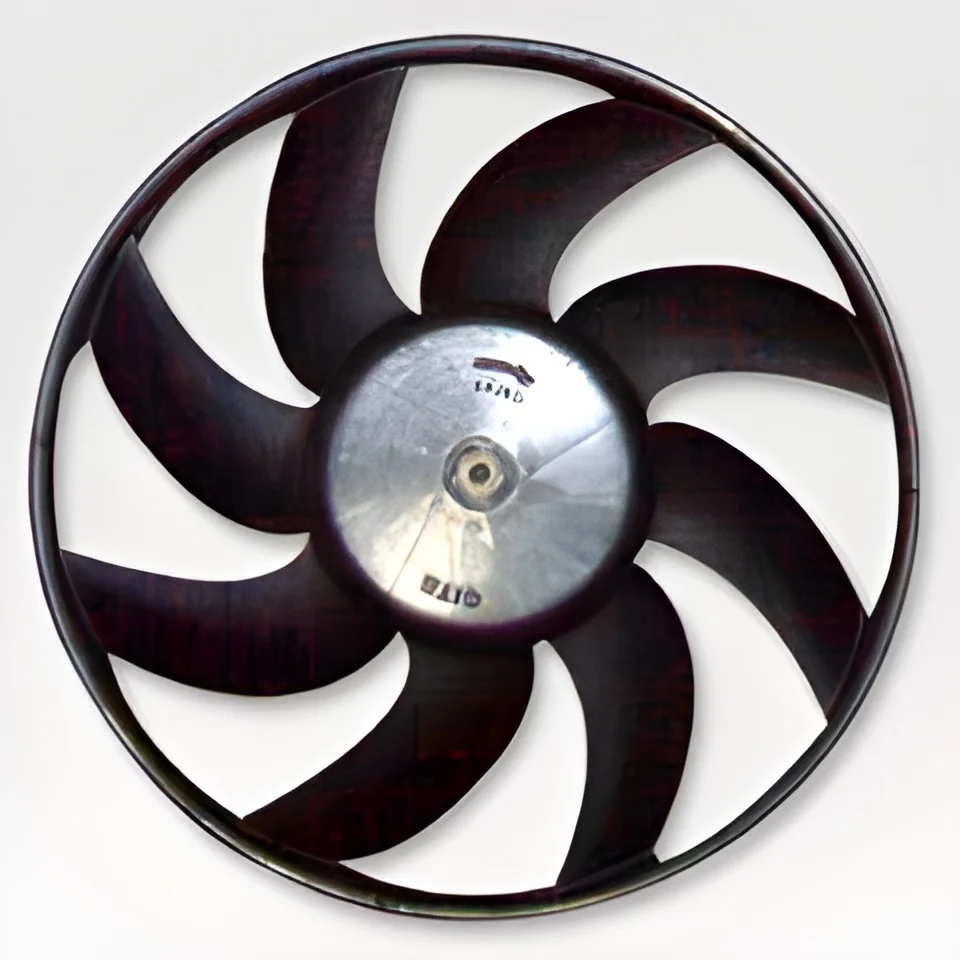
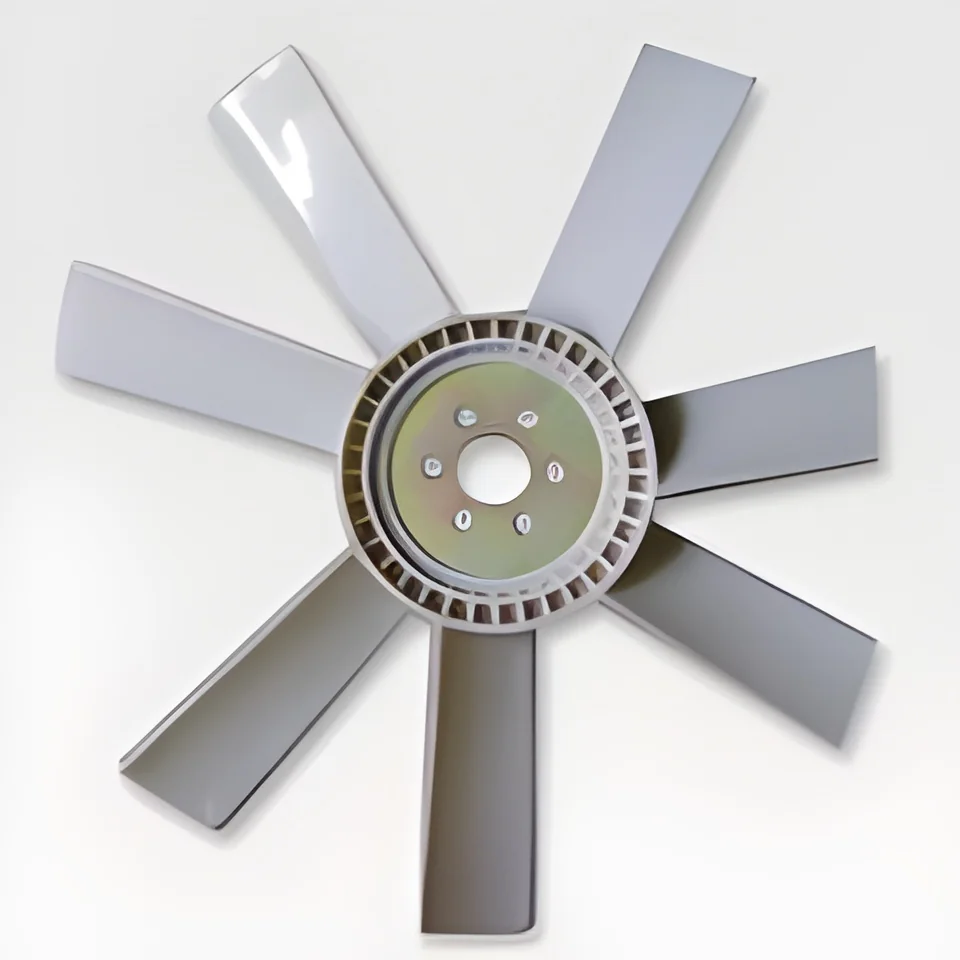
Engine cooling fans are essential components designed to regulate the temperature of engines in various industrial applications. These fans work by circulating air through the engine compartment, dissipating heat generated during operation. By maintaining optimal operating temperatures, they help prevent overheating, which can lead to engine failure or reduced efficiency.
The primary uses of engine cooling fans span across multiple industries, including automotive, manufacturing, and agriculture. In automotive applications, they play a crucial role in cooling internal combustion engines and preventing overheating during prolonged use. In manufacturing, these fans are used in machinery that requires efficient heat dissipation to ensure longevity and performance. Additionally, agricultural equipment relies on cooling fans to maintain optimal engine temperatures, thus enhancing productivity and reducing maintenance costs.
In the current market context, the demand for engine cooling fans is driven by the rising need for efficient and reliable cooling solutions across various industrial sectors. The increasing emphasis on energy efficiency and sustainability also influences the design and manufacturing of these fans, leading to innovations that enhance their performance and reduce environmental impact.
Key Features and Specifications
Engine cooling fans come equipped with several key features that enhance their performance and reliability. Understanding these specifications is vital for selecting the right fan for specific applications.
Key specifications include:
1. Airflow Rate
- This specification measures the volume of air that the fan can move, typically expressed in cubic feet per minute (CFM). Higher airflow rates are essential for effective cooling in larger engines.
2. Power Consumption
- Power consumption indicates the electrical power required to operate the fan, measured in watts. Lower power consumption can lead to cost savings and improved energy efficiency.
3. Noise Level
- This specification is crucial for applications where noise reduction is important. Noise levels are typically measured in decibels (dB), with quieter fans being preferred in sensitive environments.
4. Operating Voltage
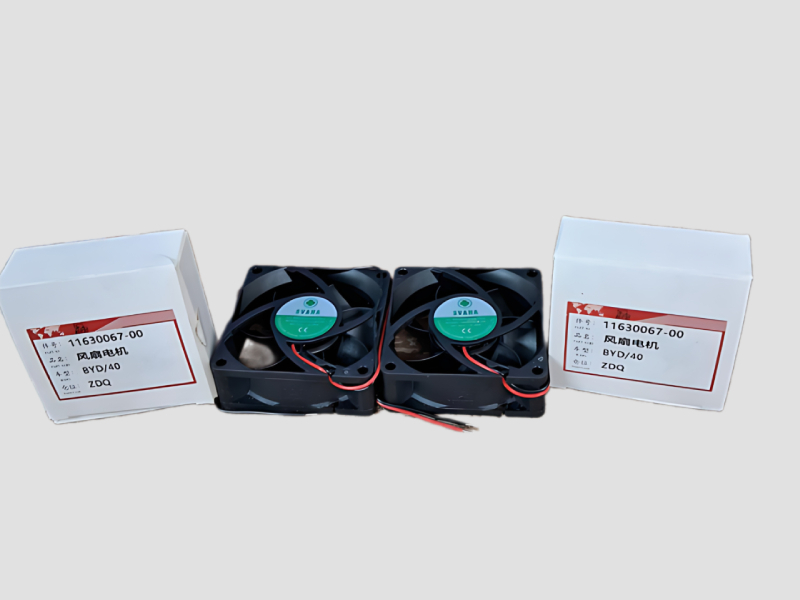
- Engine cooling fans operate within specific voltage ranges, commonly 12V or 24V. Selecting the correct operating voltage is crucial for compatibility with the engine system.
5. Material Construction
- Fans may be constructed from various materials such as plastic, metal, or composite materials. The choice of material can impact durability and resistance to environmental factors.
6. Mounting Options
- Different fans offer various mounting configurations, such as bracket-mounted or direct-fit designs, allowing for flexibility in installation.
7. Temperature Rating
- The temperature rating indicates the maximum temperature at which the fan can operate effectively. This is essential for ensuring reliability in high-temperature environments.
8. Certifications
- Fans may come with industry certifications, such as CE, which signifies compliance with safety and environmental standards.
In summary, understanding these features and specifications can greatly assist buyers in selecting engine cooling fans that meet their operational needs.
Common Applications and Use Cases
Engine cooling fans serve a wide range of industries, providing crucial temperature regulation for various applications.
1. Automotive Industry: In cars and trucks, engine cooling fans are critical for preventing overheating during operation, especially in high-performance vehicles and heavy-duty applications.
2. Manufacturing Sector: Industrial machinery and equipment often require cooling fans to maintain optimal temperatures, ensuring efficient operation and preventing equipment failure.
3. Agricultural Equipment: Tractors and other farming machinery use engine cooling fans to regulate temperatures during extended use, which is essential for maintaining productivity in the field.
4. Marine Applications: Boats and vessels rely on engine cooling fans to manage engine heat, allowing for safe and effective operation in aquatic environments.
5. Construction Equipment: Heavy machinery like excavators and bulldozers utilize cooling fans to ensure engines operate within safe temperature ranges while performing demanding tasks.
6. Generator Systems: Standby and portable generators use engine cooling fans to dissipate heat, ensuring reliable power output during operation.
7. HVAC Systems: Engine cooling fans can also be found in heating, ventilation, and air conditioning systems, where they help regulate temperatures in various settings.
Product Variants and Subcategories
Engine cooling fans come in various types to cater to specific requirements and applications.
Radiator Fans: These fans are typically used in automotive applications to draw air through the radiator, enhancing cooling efficiency. They are designed to operate at specific temperature thresholds for optimal performance.
Blower Fans: Often used in industrial settings, blower fans are designed to move large volumes of air and are effective in cooling heavy machinery and equipment.
Axial Fans: These fans move air along the axis of the fan and are commonly used in applications that require high airflow at low pressure.
Centrifugal Fans: Centrifugal fans are designed to move air in a radial direction and are often utilized in situations where high pressure is needed, such as in HVAC systems.
Benefits and Advantages
Engine cooling fans offer several benefits that make them essential components across various industries.
1. Enhanced Engine Protection: Cooling fans help prevent overheating, reducing the risk of engine failure and prolonging equipment lifespan.
2. Improved Efficiency: By maintaining optimal operating temperatures, these fans enhance overall engine efficiency, leading to better performance and fuel economy.
3. Cost Savings: Reliable cooling solutions can lower maintenance costs and extend the service life of engines, resulting in significant savings for businesses.
4. Versatile Applications: Engine cooling fans can be used in a wide range of industries, making them adaptable to diverse operational needs.
5. Energy Efficiency: Many modern engine cooling fans are designed for low power consumption, which contributes to reduced operational costs.
6. Compliance with Standards: Many engine cooling fans meet industry certifications, ensuring reliability and safety in various applications.
Buying Guide for B2B Buyers
When sourcing engine cooling fans, several critical factors must be taken into account to ensure the right selection for your needs.
1. Quality Assessment: Evaluate the build quality and materials used in the cooling fans. Look for fans that meet industry standards and have a proven track record of reliability.
2. Supplier Verification: It is essential to vet suppliers thoroughly. Check their reputation, customer reviews, and any certifications that demonstrate their commitment to quality.
3. Pricing and MOQ: Consider the pricing structure and minimum order quantities (MOQ) offered by suppliers. Ensure that the pricing aligns with your budget while providing value for your investment.
4. Delivery and Lead Times: Understand the logistics involved in the procurement process. Inquire about delivery times and any potential delays that could impact your operations.
5. Compliance Requirements: Ensure that the engine cooling fans comply with relevant industry standards and regulations for safety and environmental impact. This is particularly important if operating in regulated markets.
Compliance and Certifications
Engine cooling fans must adhere to various quality standards and regulations to ensure safety and performance. Relevant quality standards such as ISO 9001 emphasize the importance of quality management systems in manufacturing processes. These standards help ensure that products meet customer and regulatory requirements consistently.
Industry certifications, such as CE, indicate that the fans have been tested and comply with European safety and environmental standards. Compliance with these certifications is crucial for entry into certain markets and can enhance the credibility of the product.
Safety and testing requirements are also significant considerations in the manufacturing of engine cooling fans. Regular testing for performance, durability, and safety can prevent potential failures and ensure that the fans operate efficiently under rigorous conditions.
Additionally, regional compliance considerations may vary, necessitating an understanding of local regulations that affect product specifications and certifications in different markets.
Why Source Engine Cooling Fans from Pepagora?
Pepagora provides a trusted platform for sourcing engine cooling fans, offering several advantages for B2B buyers.
Verified Supplier Network: Pepagora connects buyers with a network of verified suppliers, ensuring that you can source high-quality engine cooling fans from reputable manufacturers. This verification process helps mitigate risks associated with procurement.
Streamlined RFQ Process: The request for quotation (RFQ) process on Pepagora is designed to be efficient and straightforward. Buyers can easily submit their requirements and receive competitive quotes from multiple suppliers, facilitating informed decision-making.
Trade Assurance and Support: Pepagora offers trade assurance and support for buyers, providing protection throughout the procurement process. This feature enhances buyer confidence and ensures that transactions are secure.
Regional Coverage: With a strong presence in regions like India, the Gulf Cooperation Council (GCC), and Southeast Asia, Pepagora ensures that buyers have access to engine cooling fans that meet diverse regional needs. This geographic reach allows for effective sourcing across multiple markets, enhancing opportunities for businesses.

 IN
IN