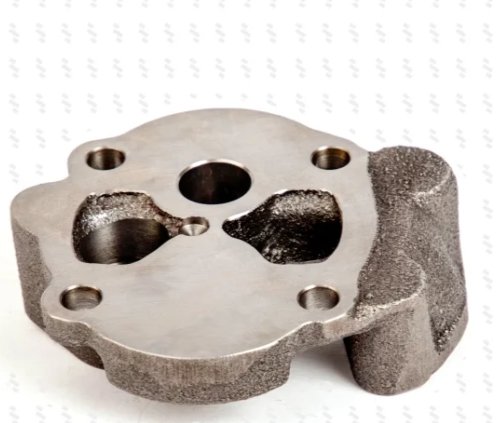
What are Oil Pumps?
Oil pumps are mechanical devices designed to move oil from one location to another, typically from a reservoir to an engine or machinery. They play a crucial role in ensuring proper lubrication and cooling for various systems, helping to maintain efficiency and longevity. Oil pumps can be powered by electric motors or driven mechanically by the engine, depending on their application and design.
These pumps find primary use in automotive, industrial, and marine sectors. In automotive applications, they help circulate oil to lubricate engine components, reducing friction and wear. In industrial settings, oil pumps are essential for machinery operation, fluid transfer, and hydraulic systems. The relevance of oil pumps extends to various markets, including manufacturing, automotive, and energy, where their reliability and efficiency are critical for operational success.
Key Features and Specifications
Oil pumps are characterized by several key features that enhance their performance and reliability. Understanding these specifications helps in selecting the right pump for specific applications.
Key specifications include:
1. Flow Rate
- Indicates the volume of oil the pump can move per unit time.
- Typically measured in liters per minute (L/min) or gallons per minute (GPM).
2. Pressure Rating
- Defines the maximum pressure the pump can handle.
- Measured in pounds per square inch (PSI) or bar.
3. Power Source
- Refers to whether the pump is electrically powered or mechanically driven.
- Electric pumps are usually more efficient for continuous operation.
4. Material Construction
- Specifies the materials used to manufacture the pump.
- Common materials include aluminum, stainless steel, and reinforced plastics.
5. Temperature Range
- Indicates the operational temperature limits of the pump.
- Important for applications involving high or low-temperature fluids.
6. Size and Weight
- Describes the physical dimensions and weight of the pump.
- Critical for installation and operational space considerations.
7. Noise Level
- Represents the sound produced during operation.
- Measured in decibels (dB), important for noise-sensitive environments.
8. Maintenance Requirements
- Outlines the frequency and type of maintenance needed to ensure optimal performance.
- Regular checks are essential for longevity and reliability.
Understanding these specifications is vital for ensuring that the chosen oil pump meets the operational demands of the specific application.
Common Applications and Use Cases
Oil pumps serve various industries, each with specific applications that highlight their importance.
1. Automotive: In vehicles, oil pumps circulate engine oil to lubricate moving parts, ensuring efficient operation and extending engine life.
2. Manufacturing: Oil pumps are used in machinery to transfer lubricants and hydraulic fluids, facilitating smooth operation and reducing wear.
3. Marine: In boats and ships, oil pumps are essential for engine lubrication and cooling, helping to maintain performance in challenging environments.
4. Construction: Heavy machinery relies on oil pumps for hydraulic systems, ensuring optimal performance and safety in construction operations.
5. Oil and Gas: In the oil and gas industry, pumps are used for transporting crude oil and refined products, playing a key role in the supply chain.
6. Power Generation: Oil pumps are critical in turbines and generators, ensuring proper lubrication and cooling for efficient operation.
7. HVAC Systems: In heating and cooling systems, oil pumps circulate oil for heating purposes, ensuring effective temperature control.
Product Variants and Subcategories
Oil pumps come in various designs and configurations to suit different applications. This diversity allows businesses to select pumps that best meet their operational needs.
Gear Pumps
Gear pumps feature two gears that mesh to transfer oil. They are known for their reliability and are widely used in hydraulic systems for machinery.
Diaphragm Pumps
These pumps use a flexible diaphragm to create a pumping action. They are ideal for transferring viscous fluids and are commonly found in chemical processing applications.
Rotary Vane Pumps
These pumps utilize vanes that slide in and out of a rotor to move oil. Their design allows for smooth operation and is often used in automotive applications.
Peristaltic Pumps
Peristaltic pumps move oil through a hose by compressing it with rollers. They are suitable for precise applications in laboratories and pharmaceuticals.
Benefits and Advantages
Oil pumps offer numerous benefits that enhance operational efficiency and reliability across various industries.
1. Increased Efficiency: Oil pumps ensure a steady flow of lubricant, reducing friction and improving the efficiency of machinery.
2. Extended Equipment Life: By providing consistent lubrication, oil pumps help prevent wear and tear, extending the lifespan of engines and machinery.
3. Reduced Downtime: Reliable oil pumps minimize the risk of failures, leading to less unplanned downtime and more productive operations.
4. Versatility: With various designs available, oil pumps can be tailored for specific applications, ensuring optimal performance in diverse environments.
5. Cost-Effective: Investing in quality oil pumps can lead to significant savings by reducing maintenance costs and prolonging equipment life.
6. Improved Safety: Proper lubrication systems reduce the risk of overheating and mechanical failures, contributing to safer operational conditions.
Buying Guide for B2B Buyers
When sourcing oil pumps, there are several key factors to consider to ensure you make an informed decision.
1. Quality Assessment: Look for pumps that meet industry standards for quality and performance. Check for certifications and reviews from other users.
2. Supplier Verification: Vet potential suppliers by checking their reputation, customer feedback, and experience in the industry to ensure reliability.
3. Pricing and MOQ: Consider the price range and minimum order quantities (MOQ) that fit your budget while ensuring quality. Compare quotes from multiple suppliers.
4. Delivery and Lead Times: Assess the delivery timelines and logistics capabilities of suppliers to ensure timely receipt of products.
5. Compliance Requirements: Ensure that the oil pumps comply with relevant regulations and industry standards to meet operational requirements.
Compliance and Certifications
Oil pumps must adhere to several quality standards and certifications to ensure safety and reliability. Commonly recognized standards include ISO 9001, which ensures quality management systems, and CE certification, indicating that the product meets European safety standards.
Safety and testing requirements are critical to ensure that oil pumps operate effectively without posing risks to users or equipment. This includes ensuring that pumps are tested for pressure handling and durability.
Regional compliance considerations may vary by market, so it is essential to understand local regulations that may affect the sourcing and use of oil pumps.
Why Source Oil Pumps from Pepagora?
Pepagora provides a trusted platform for sourcing oil pumps, offering numerous advantages to B2B buyers.
Verified Supplier Network: Pepagora connects buyers with a network of verified suppliers, ensuring that each supplier meets high standards of quality and reliability.
Streamlined RFQ Process: The request for quotation (RFQ) process allows buyers to easily compare offers from multiple suppliers, making it simpler to find the best deal.
Trade Assurance and Support: Buyers benefit from trade assurance policies that protect their purchases, ensuring that they receive the products as described.
Regional Coverage: With a strong presence in India, the GCC, and Southeast Asia, Pepagora facilitates sourcing oil pumps from reputable suppliers across these regions, enhancing convenience and accessibility for businesses.

 IN
IN