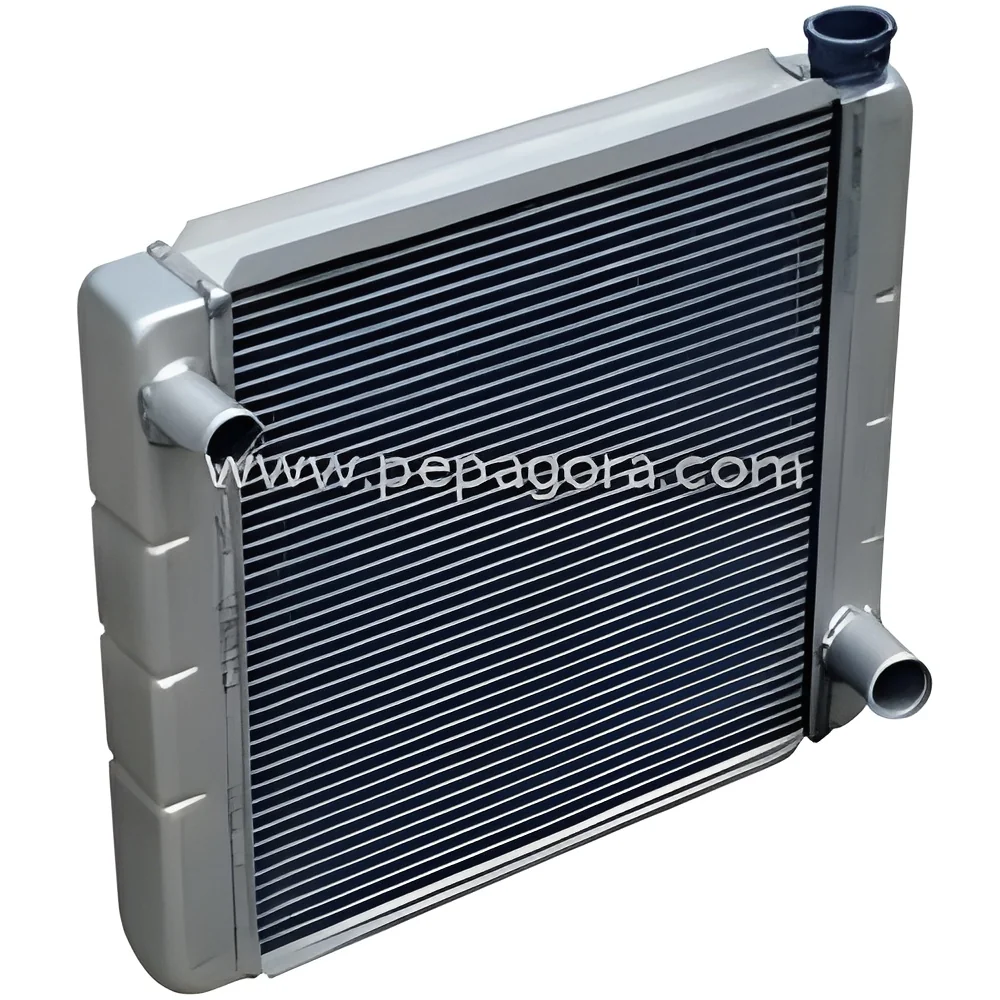
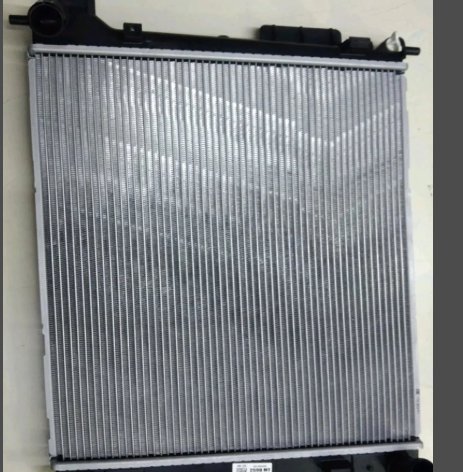
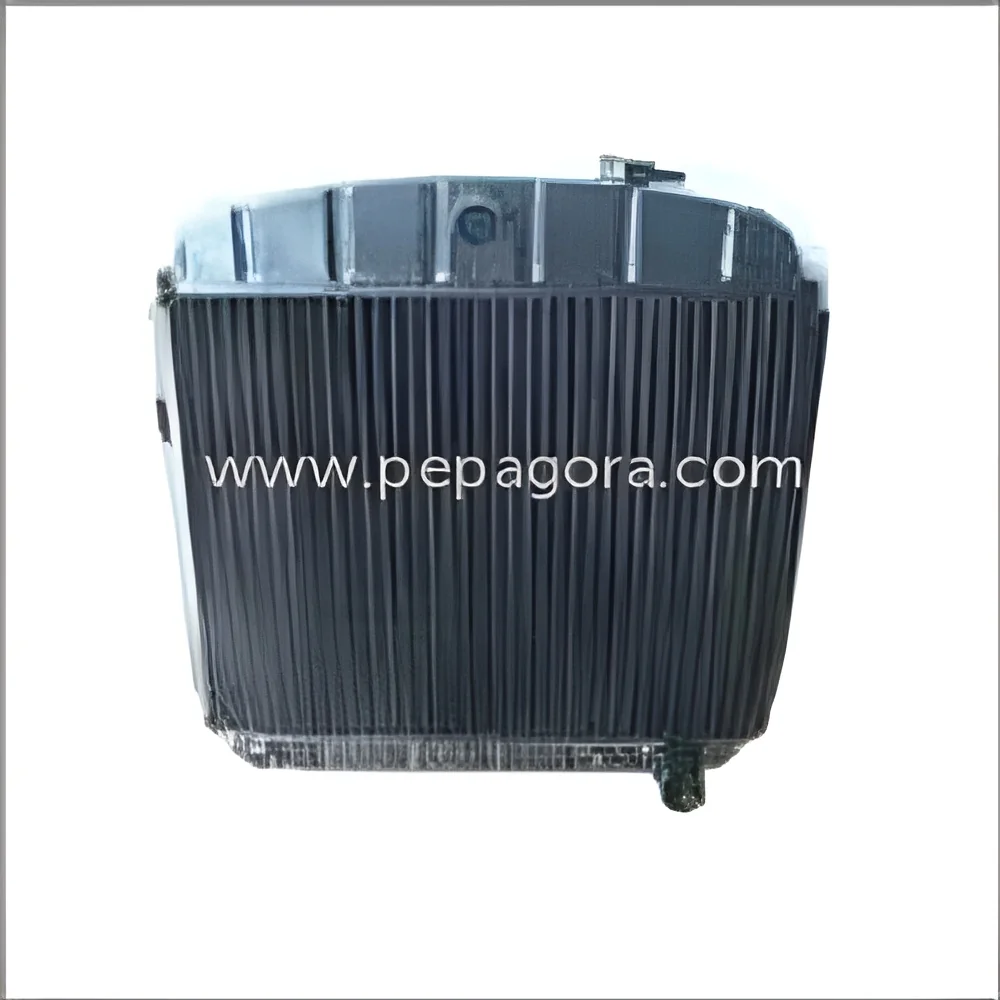
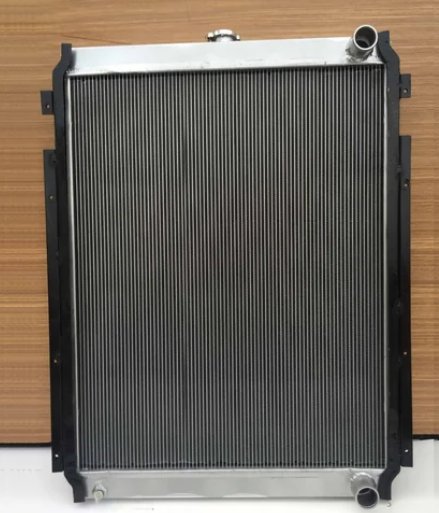
What are Radiators & Intercoolers?
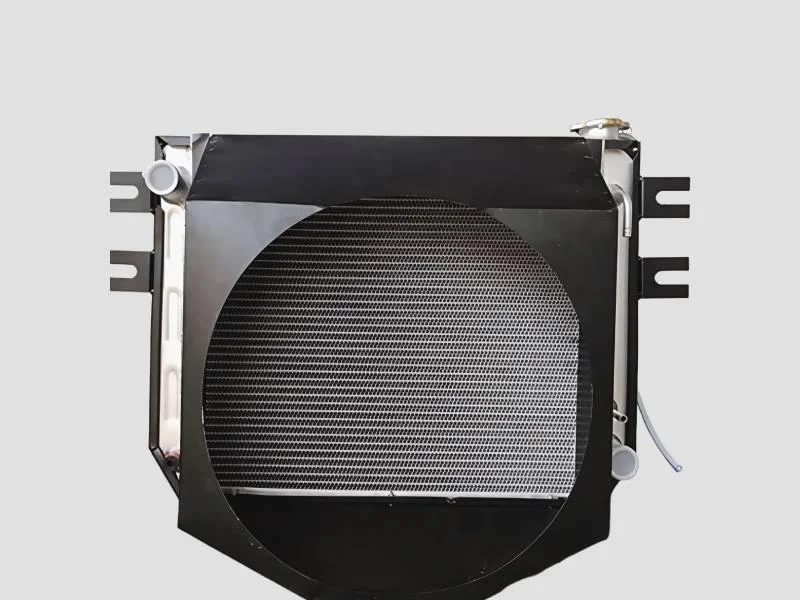
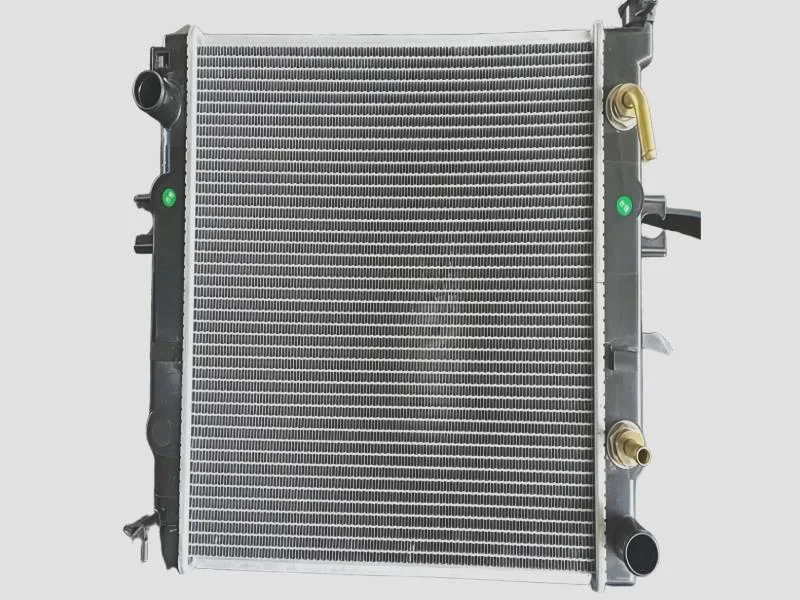
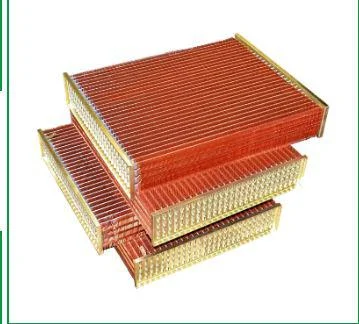
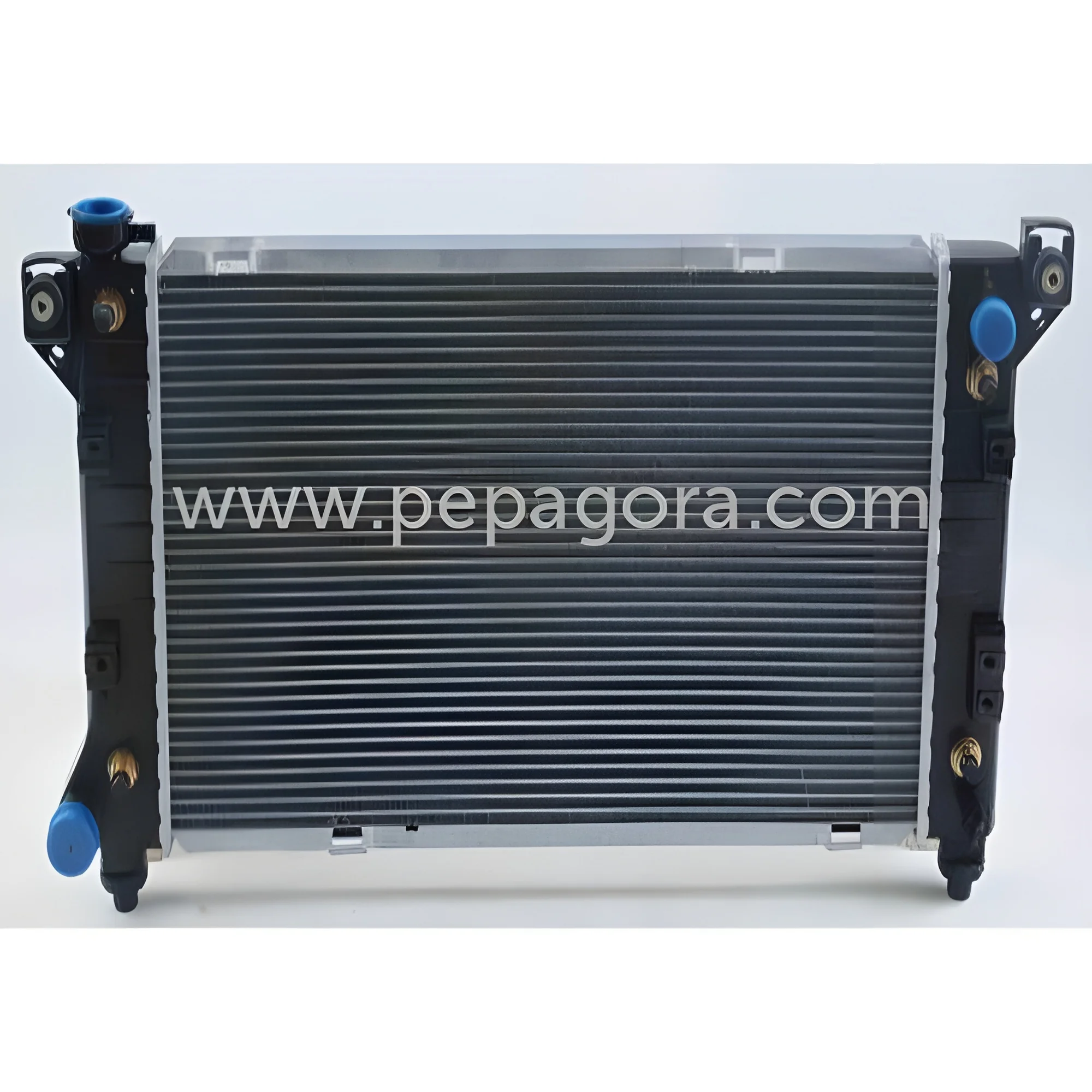
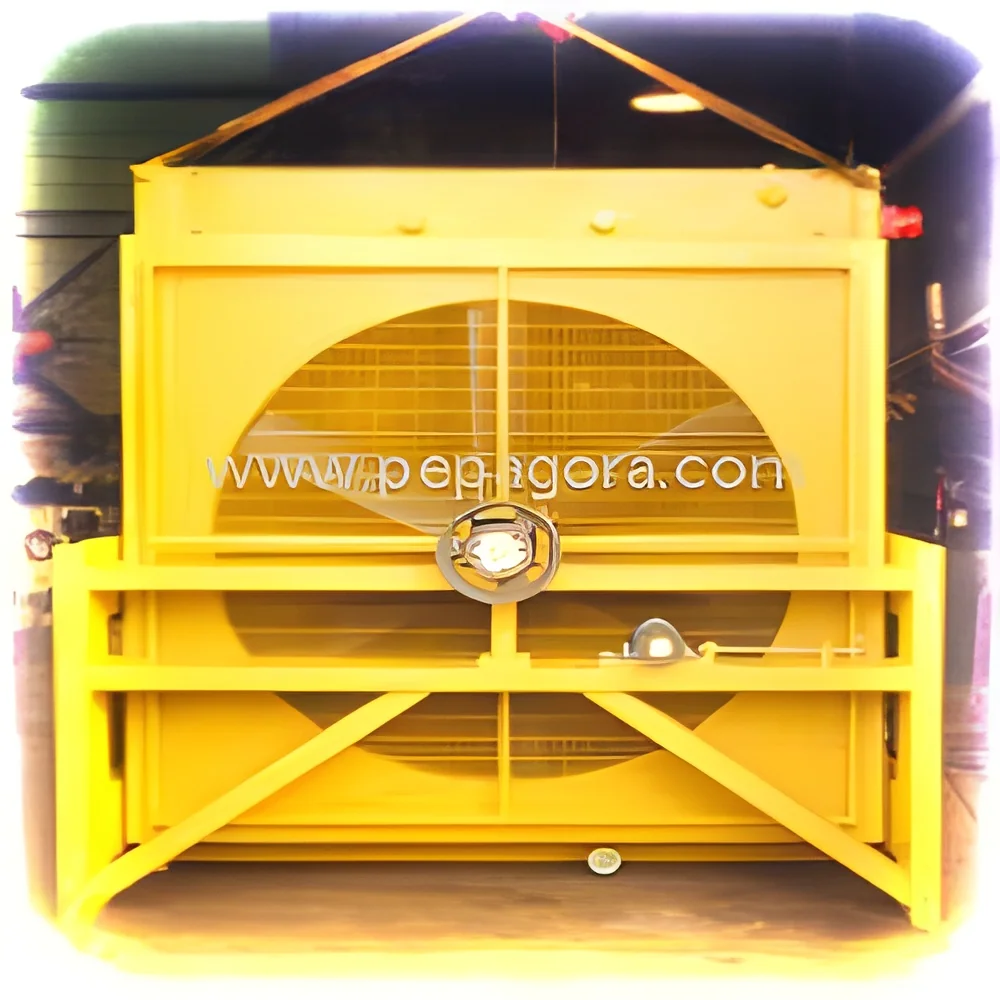
Radiators and intercoolers are essential components in various cooling systems, primarily designed to dissipate heat and maintain optimal operating temperatures in engines and industrial machinery. Radiators function by transferring heat from the coolant to the air, ensuring that engines operate efficiently without overheating. Intercoolers, on the other hand, cool the compressed air from turbochargers or superchargers before it enters the engine, enhancing performance and efficiency.
These components find extensive use across multiple sectors, including automotive, aerospace, and manufacturing. In the automotive industry, radiators are vital for cooling engines, while intercoolers improve engine performance by cooling intake air. In manufacturing settings, these components help manage heat in various machines, ensuring longevity and operational efficiency. The relevance of radiators and intercoolers in today's industrial landscape cannot be overstated, as they play a crucial role in enhancing performance, efficiency, and reliability.
Key Features and Specifications
Radiators and intercoolers come with a variety of features and specifications that cater to different applications. Understanding these specifications is crucial for businesses looking to procure the right components for their needs.
Key specifications include:
1. Material Composition
- Common materials include aluminum and copper.
- These materials offer various thermal conductivity and durability levels.
2. Size and Dimensions
- Available in different sizes to fit various applications.
- Custom sizes may be offered to meet specific installation requirements.
3. Pressure Ratings
- Designed to withstand specific pressure levels.
- Pressure ratings can affect performance and safety.
4. Cooling Capacity
- Measured in BTUs or kilowatts.
- Indicates the amount of heat the radiator or intercooler can dissipate.
5. Flow Rate
- Refers to the volume of coolant or air passing through the system.
- Critical for assessing efficiency and performance.
6. Fin Design
- Varying fin designs can enhance heat transfer.
- Options include flat and louvered fin designs.
7. Connection Types
- Different connection types such as threaded or welded.
- Compatibility with existing systems is essential.
8. Certifications
- Products may have industry certifications like CE.
- Ensures compliance with safety and quality standards.
In summary, understanding these key specifications helps businesses make informed decisions when selecting radiators and intercoolers.
Common Applications and Use Cases
Radiators and intercoolers serve a broad range of industries, each with specific applications tailored to their operational needs.
1. Automotive Industry: Radiators are used to cool engine coolant, while intercoolers enhance turbocharged engine performance by lowering air intake temperatures.
2. Aerospace Sector: These components maintain optimal operating temperatures in aircraft engines, ensuring safety and operational efficiency during flights.
3. Manufacturing: Radiators and intercoolers are utilized in various machinery to prevent overheating and prolong equipment lifespan.
4. Power Generation: They cool engines or turbines, ensuring they operate within safe temperature limits, enhancing reliability and efficiency.
5. Marine Applications: Used in boats and ships to cool engines and equipment, maintaining performance in harsh environments.
6. HVAC Systems: Radiators are integral to heating and cooling systems, ensuring comfortable indoor environments.
7. Construction Equipment: These components are crucial in heavy machinery, preventing overheating during prolonged use.
Product Variants and Subcategories
Radiators and intercoolers come in various forms to meet the diverse needs of industries.
Standard Radiators
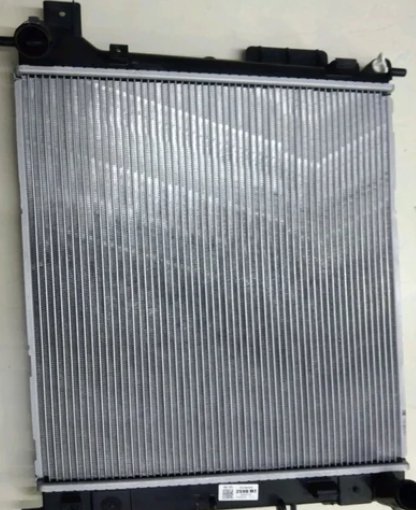
These are typically found in automotive applications and are designed for optimal engine cooling. They are available in multiple sizes and configurations to fit different vehicle models.
Oil Coolers
These radiators are specifically designed to cool engine oil. They help maintain optimal oil temperatures, which is crucial for engine performance and longevity.
Air-to-Air Intercoolers
Used primarily in turbocharged engines, these intercoolers cool compressed air using ambient air. They are essential for enhancing the efficiency of turbocharging systems.
Liquid-to-Air Intercoolers
These systems use a liquid coolant to absorb heat from the compressed air. They offer superior performance in high-demand applications.
Benefits and Advantages
Investing in high-quality radiators and intercoolers offers numerous advantages for businesses.
1. Enhanced Performance: These components improve engine efficiency and performance by maintaining optimal operating temperatures.
2. Increased Durability: Quality radiators and intercoolers extend the lifespan of engines and machinery by preventing overheating.
3. Energy Efficiency: Proper cooling reduces energy consumption, leading to cost savings in operations.
4. Versatile Applications: They can be used across various industries, making them versatile components for many businesses.
5. Customization Options: Many suppliers offer customizable solutions to meet specific operational needs.
6. Compliance Assurance: Sourcing from certified manufacturers ensures that products meet safety and quality standards.
Buying Guide for B2B Buyers
When sourcing radiators and intercoolers, businesses should consider several key factors to ensure they make informed decisions.
1. Quality Assessment: Evaluate products based on material quality, build standards, and performance metrics to ensure they meet operational requirements.
2. Supplier Verification: Vet suppliers by checking their credentials, certifications, and customer reviews to ensure reliability and product quality.
3. Pricing and MOQ: Understand pricing structures and minimum order quantities to plan budgets and procurement strategies effectively.
4. Delivery and Lead Times: Assess logistics capabilities to ensure timely delivery, which is critical for maintaining operational schedules.
5. Compliance Requirements: Ensure that products meet industry standards and regulatory requirements relevant to the specific application.
Compliance and Certifications
Compliance with industry standards and certifications is crucial for radiators and intercoolers. Relevant quality standards, such as ISO 9001, ensure that manufacturers maintain high production quality and management processes. Certifications like CE indicate that products meet European safety and environmental requirements.
Safety and testing requirements must also be adhered to, ensuring that products function reliably under specified conditions. Regional compliance considerations may vary, so it is essential to understand the specific regulations applicable to the market where the products will be used.
Why Source Radiators & Intercoolers from Pepagora?
Pepagora provides a trusted platform for sourcing radiators and intercoolers, offering several key advantages for B2B buyers.
Verified Supplier Network: Pepagora features a network of verified suppliers, ensuring that businesses can confidently source high-quality components. Each supplier undergoes a rigorous verification process to guarantee reliability and product quality.
Streamlined RFQ Process: The platform simplifies the request for quotation process, allowing buyers to receive competitive quotes from multiple suppliers quickly. This efficiency helps businesses make timely procurement decisions.
Trade Assurance and Support: Pepagora prioritizes buyer protection through trade assurance measures, ensuring that transactions are secure and that buyers receive the products as described.
Regional Coverage: With a strong presence in regions such as India, GCC, and Southeast Asia, Pepagora enables businesses to source radiators and intercoolers locally, reducing shipping times and costs while supporting regional manufacturers.

 IN
IN