Key Features and Specifications
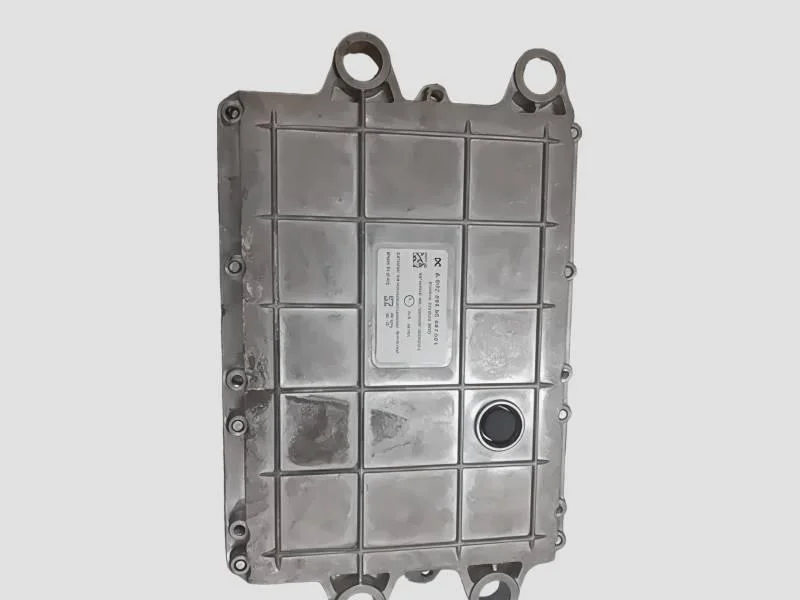
Engine Control Units come with a range of features that enhance their performance and adaptability to various applications. Understanding these specifications is essential for selecting the right ECU for specific needs.
Key specifications include:
1. Processing Speed
- The processing speed of an ECU is critical for real-time data handling.
- Common ranges are between 32 MHz to 200 MHz, depending on the application.
2. Memory Capacity
- The memory of an ECU affects its ability to store and process data.
- Typically ranges from 16 KB to several megabytes.
3. Input/Output Channels
- The number of input and output channels determines the ECU's connectivity.
- Generally ranges from 10 to over 100 channels.
4. Operating Temperature Range
- ECUs must operate reliably under varying temperatures.
- Standard ranges are from -40°C to 85°C.
5. Diagnostic Capabilities
- Many ECUs offer built-in diagnostic functions for fault detection.
- This includes On-Board Diagnostics (OBD) compliance.
6. Communication Protocols
- ECUs utilize various protocols for communication with other vehicle systems.
- Common protocols include CAN, LIN, and FlexRay.
7. Power Supply Requirements
- ECUs require specific voltage levels for optimal operation.
- Typical requirements are between 12 V to 24 V.
8. Environmental Ratings
- ECUs are often rated for resistance to dust, moisture, and vibration.
- Common ratings include IP67 for water and dust protection.
In summary, the features and specifications of Engine Control Units are crucial for their functionality and reliability in various applications. Understanding these parameters helps businesses choose the right ECU for their specific needs.
Common Applications and Use Cases
Engine Control Units are utilized across many industries, each with unique applications.
1. Automotive Industry: In the automotive sector, ECUs manage engine functions, enhancing fuel efficiency and reducing emissions. They are essential in electric vehicles for battery management and energy optimization.
2. Aerospace Industry: In aerospace applications, ECUs control engine performance and monitor system health. They are critical for ensuring safety and efficiency in aircraft operations.
3. Industrial Machinery: ECUs are used in heavy machinery to optimize engine performance, improve fuel efficiency, and enhance operational reliability.
4. Marine Applications: In marine vessels, ECUs manage propulsion systems and ensure compliance with environmental regulations, making them vital for modern shipping.
5. Agricultural Equipment: In agriculture, ECUs are employed in tractors and harvesters, optimizing engine performance for various farming tasks.
6. Motorcycles: Motorcycles use ECUs to enhance performance, improve fuel efficiency, and provide diagnostic capabilities.
7. Construction Equipment: In construction, ECUs are integrated into equipment to optimize engine functions and improve operational efficiency.
Product Variants and Subcategories
Engine Control Units come in various forms to meet diverse requirements. Their design and functionality can differ based on application needs.
Variant 1 Name: Automotive ECU
This variant is specifically designed for vehicles, managing engine performance, fuel injection, and emissions control. Features include advanced diagnostic capabilities and compliance with automotive standards.
Variant 2 Name: Marine ECU
Marine ECUs are tailored for use in boats and ships, focusing on propulsion management and environmental compliance. They are built to withstand harsh marine conditions.
Variant 3 Name: Industrial ECU
Industrial ECUs cater to heavy machinery and equipment, optimizing engine performance for continuous operation in demanding environments. They often feature robust construction to endure vibration and dust.
Benefits and Advantages
Engine Control Units offer numerous benefits that enhance operational efficiency and performance.
1. Improved Fuel Efficiency: ECUs optimize engine parameters to maximize fuel usage, resulting in cost savings for businesses.
2. Enhanced Performance: By managing engine functions effectively, ECUs improve overall vehicle performance and responsiveness.
3. Diagnostic Capabilities: Many ECUs come equipped with diagnostic tools that facilitate fault detection and maintenance, reducing downtime.
4. Regulatory Compliance: ECUs help businesses meet strict environmental regulations by controlling emissions effectively.
5. Customization: ECUs can often be programmed or configured to meet specific operational needs, allowing for tailored solutions.
6. Reliability: High-quality ECUs are designed for durability, ensuring consistent performance in various environmental conditions.
Buying Guide for B2B Buyers
When sourcing Engine Control Units (ECU), it is essential to consider several factors to ensure the right choice for your business.
1. Quality Assessment: Evaluate the quality of ECUs based on manufacturer reputation, testing standards, and reliability. Look for certifications that indicate compliance with industry standards.
2. Supplier Verification: Vet suppliers thoroughly by checking references, reviewing past projects, and assessing their production capabilities. A reliable supplier should have a proven track record.
3. Pricing and MOQ: Consider the pricing structure and minimum order quantities (MOQ) that suppliers offer. Ensure that the costs align with your budget and projected needs.
4. Delivery and Lead Times: Confirm delivery schedules and lead times to avoid disruptions in your operations. Discuss logistics upfront to ensure timely supply.
5. Compliance Requirements: Be aware of regulatory compliance relevant to your industry and ensure that the ECUs meet these standards. This includes environmental and safety regulations.
Compliance and Certifications
Engine Control Units must adhere to various quality standards and certifications to ensure reliability and safety. Relevant quality standards include ISO 9001, which focuses on quality management systems, ensuring that manufacturers maintain high-quality production processes.
Additionally, many ECUs are certified with CE marking, indicating conformity with European health, safety, and environmental protection standards. This certification is crucial for products sold in European markets.
Safety and testing requirements should also be considered, as ECUs are subjected to rigorous testing to ensure performance under various conditions. Manufacturers must comply with regional regulations, which may differ based on geographic location, thereby impacting certification and compliance.
Why Source Engine Control Units (ECU) from Pepagora?
Pepagora provides a trusted platform for sourcing Engine Control Units (ECU) with several key advantages that enhance the buying experience for businesses.
Verified Supplier Network: Pepagora partners with a network of verified suppliers, ensuring that buyers have access to high-quality products from reputable manufacturers. This verification process minimizes risk and enhances trust.
Streamlined RFQ Process: The request for quotation (RFQ) process on Pepagora is designed to be user-friendly and efficient. Buyers can easily compare offers from multiple suppliers, enabling informed decision-making.
Trade Assurance and Support: Pepagora offers trade assurance that protects buyers during transactions. This support ensures that any issues are addressed promptly, providing peace of mind in purchasing.
Regional Coverage: With a broad geographic reach that includes India, the Gulf Cooperation Council (GCC), and Southeast Asia, Pepagora connects buyers with suppliers in key markets, facilitating access to Engine Control Units tailored to specific regional needs.

 IN
IN