What are Other Engine Components?
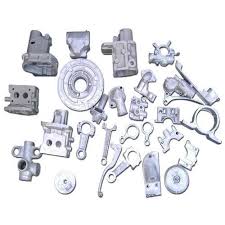
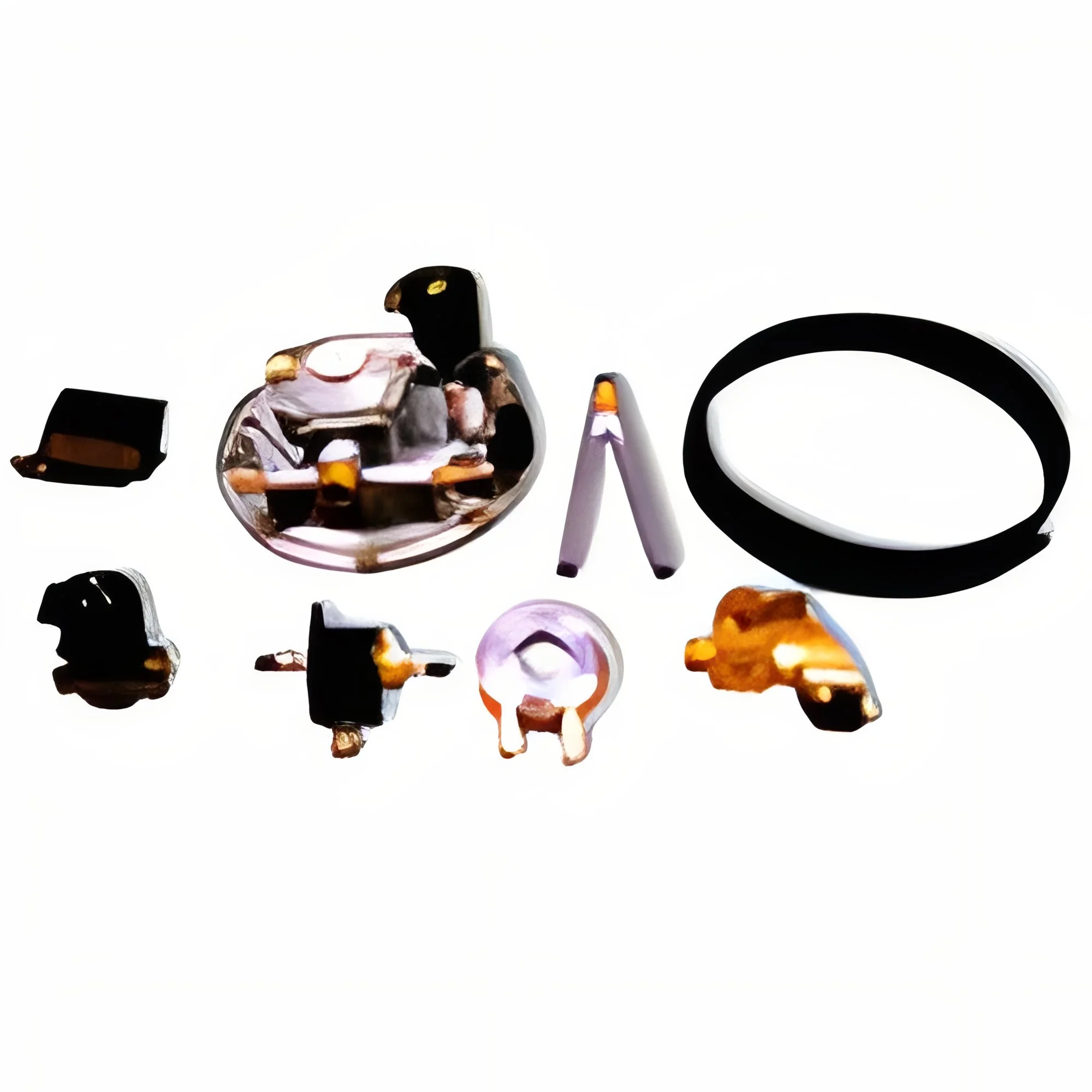
Other Engine Components refer to a diverse range of parts that play crucial roles in the functioning of various engines. These components are not classified as traditional engine parts like pistons or crankshafts, but they support engine performance and efficiency. They can include items such as gaskets, seals, hoses, and various fasteners that are essential for the engine's operation.
These components are commonly used in multiple applications across industries such as automotive, aerospace, marine, and industrial machinery. They help to ensure the overall functionality and reliability of engines, allowing them to perform optimally under different conditions. Businesses rely on these components for maintenance, repair, and manufacturing processes, underscoring their importance in maintaining operational efficiency.
In the current market, the relevance of Other Engine Components is significant due to the growing demand for high-performance engines. As industries evolve, the need for reliable and durable engine components continues to rise. This creates opportunities for suppliers and manufacturers to innovate and cater to the needs of various sectors.
Key Features and Specifications
Other Engine Components come with a set of features and specifications that determine their suitability for specific applications. These specifications are essential for ensuring compatibility and performance in various engine systems.
Key specifications include:
1. Material Composition
- Often made from metals, plastics, or composites
- Selected based on durability and thermal resistance
2. Dimensional Accuracy
- Precision in size and shape to ensure proper fit
- Tolerances usually specified in millimeters
3. Temperature Resistance
- Capable of operating under various thermal conditions
- Standard ranges not specified, but often exceed 100°C
4. Pressure Ratings
- Designed to withstand specific pressure levels
- Important in applications involving high-pressure systems
5. Corrosion Resistance
- Treatment or material selection to prevent rust and degradation
- Essential for components exposed to harsh environments
6. Compliance Standards
- Must meet relevant industry standards such as CE certification
- Ensures safety and reliability
7. Weight Specifications
- Varies depending on the component and application
- Lightweight materials preferred for performance enhancement
8. Customization Options
- Availability of tailored solutions to meet specific requirements
- Often involves collaboration with manufacturers
In summary, understanding the key features and specifications of Other Engine Components is crucial for B2B buyers. This knowledge helps in selecting the right parts that meet specific operational needs.
Common Applications and Use Cases
Other Engine Components find applications across various industries, making them versatile and essential.
1. Automotive Industry: These components are used in vehicles for engine assembly, maintenance, and repair. Items like gaskets and seals help prevent leaks and ensure engine longevity.
2. Aerospace Sector: Components are critical in aircraft engines, contributing to safety and efficiency. They must meet stringent quality standards due to the high stakes involved.
3. Marine Applications: In marine engines, reliability is vital. Other Engine Components ensure optimal performance in harsh marine environments, often involving exposure to saltwater.
4. Industrial Machinery: These components are used in manufacturing equipment to enhance performance and reduce downtime. Seals and hoses play a significant role in machinery operation.
5. Power Generation: In generators and turbines, Other Engine Components help maintain efficiency and reliability, critical for consistent energy production.
6. Construction Equipment: Heavy machinery relies on these components for engine performance, ensuring durability and operational efficiency in demanding environments.
7. Agriculture: In agricultural machinery, these components are vital for engine reliability, impacting productivity and operational costs.
Product Variants and Subcategories
The diversity of Other Engine Components allows for various applications and functionalities.
Gaskets: These are essential for sealing joints and preventing fluid leaks in engines. They come in different materials to suit various temperature and pressure conditions.
Seals: Used to prevent the escape of fluids and contaminants, seals ensure engine integrity. They are available in various designs and materials to fit specific applications.
Hoses: Engine hoses are crucial for fluid transfer, including fuel and coolant. They need to withstand high temperatures and pressures while maintaining flexibility.
Fasteners: Bolts, nuts, and screws are vital for holding engine components together securely. They must meet specific tolerances and corrosion resistance requirements.
Benefits and Advantages
Sourcing Other Engine Components provides several benefits for businesses.
1. Enhanced Performance: Quality components improve engine efficiency and output, leading to better overall performance.
2. Reliability: Using durable and well-manufactured parts ensures consistent engine operation, minimizing downtime.
3. Cost-Effectiveness: Investing in high-quality components reduces the frequency of repairs and replacements, ultimately saving costs.
4. Compliance Assurance: Sourcing components that meet industry regulations ensures safety and reliability in operations.
5. Customization Flexibility: Many suppliers offer tailored solutions to meet specific requirements, allowing for optimal compatibility.
6. Improved Safety: Reliable components reduce the risk of engine failure, enhancing safety for operators and equipment.
Buying Guide for B2B Buyers
When sourcing Other Engine Components, it is essential to consider several critical factors to ensure the right choice.
1. Quality Assessment: Evaluate the quality of materials and manufacturing processes used in the components. Look for certifications that indicate compliance with industry standards.
2. Supplier Verification: Vet suppliers to ensure they have a good reputation and a history of providing reliable products. Reviews and references can be helpful.
3. Pricing and MOQ: Understand the cost structure and minimum order quantities. This will help in budgeting and ensuring the availability of necessary components.
4. Delivery and Lead Times: Assess the logistics involved in the supply chain. Reliable delivery times are crucial for maintaining production schedules.
5. Compliance Requirements: Ensure that the components meet all regulatory requirements in your industry. This is critical for safety and operational compliance.
Compliance and Certifications
Compliance and certifications are essential aspects of sourcing Other Engine Components.
Meeting quality standards such as ISO 9001 ensures that manufacturers follow rigorous quality control processes. This is vital for maintaining product integrity and performance.
Certifications like CE indicate that products comply with European safety standards, providing assurance to buyers regarding reliability and safety.
Safety and testing requirements vary by application and region, making it important for suppliers to provide relevant documentation. This ensures that components can be trusted in critical applications.
Regional compliance considerations also play a role in sourcing decisions. Different regions may have specific regulations that components must meet, affecting the selection of suppliers.
Why Source Other Engine Components from Pepagora?
Pepagora offers a trusted platform for sourcing Other Engine Components, providing several key advantages.
Verified Supplier Network: Pepagora connects you with a network of verified suppliers, ensuring that you collaborate with reliable manufacturers. This helps in mitigating risks associated with sourcing.
Streamlined RFQ Process: The platform simplifies the request for quotation process, allowing buyers to receive competitive offers quickly. This efficiency saves time and resources in sourcing decisions.
Trade Assurance and Support: Pepagora provides buyer protection through trade assurance programs. This gives buyers peace of mind, knowing their transactions are secure.
Regional Coverage: With a strong presence in regions like India, GCC, and Southeast Asia, Pepagora ensures that you can find the right components regardless of your location. This broad reach enhances accessibility and convenience for B2B buyers.

 IN
IN