
 IN
IN₹
Apparel & Fashion
Engine Mountings
9 products available
What are Engine Mountings?
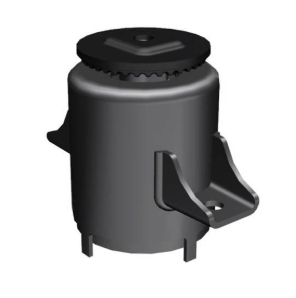
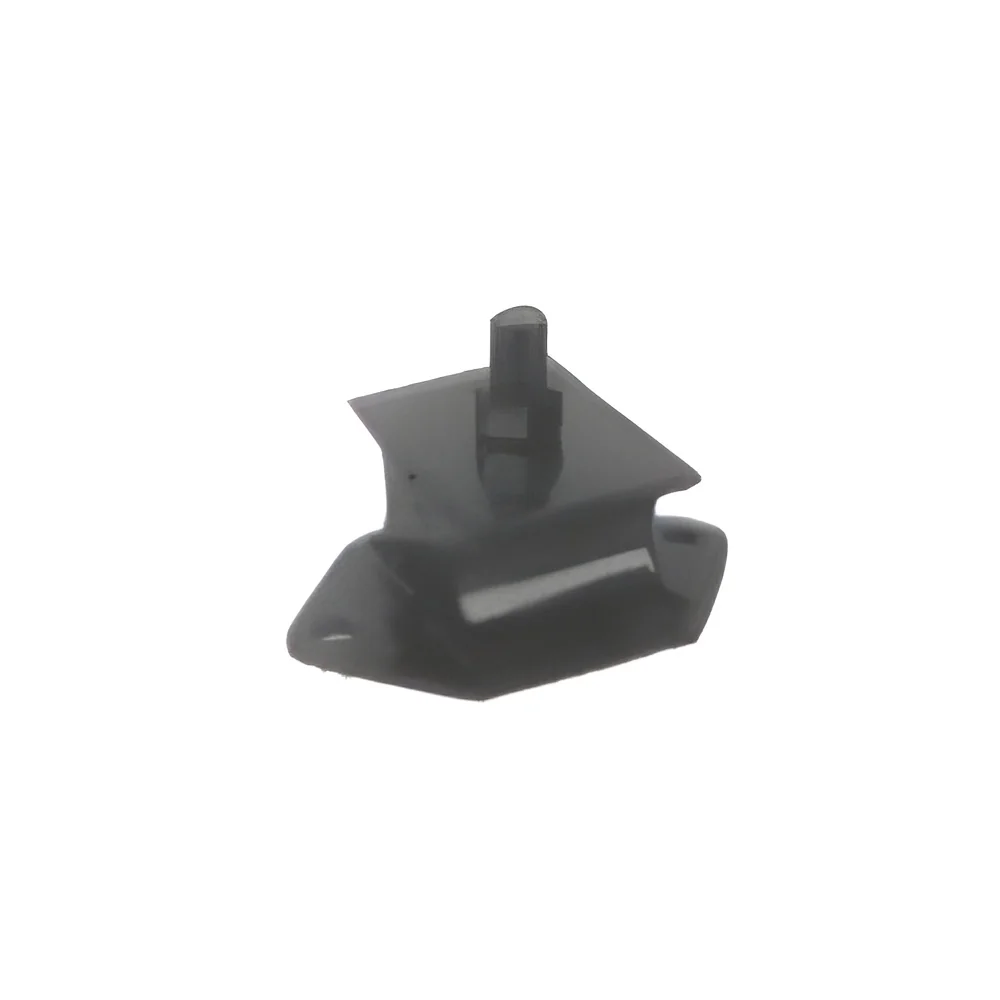
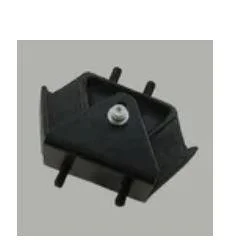
Engine mountings are critical components used to secure an engine to the vehicle's frame or chassis. They are designed to absorb vibrations and reduce noise produced by the engine during operation. By providing a stable connection, engine mountings help maintain the proper alignment of the engine and support its weight while allowing for some movement and flexibility.
These components are primarily used in automotive applications, including cars, trucks, and heavy machinery. However, they also find use in various industrial equipment where engines are involved. The relevance of engine mountings extends beyond just automotive industries; they are essential in sectors such as aerospace, marine, and construction, where reliability and performance are paramount.
In the current market, the demand for engine mountings is growing due to advancements in engine technology and a focus on reducing vehicle emissions and enhancing performance. As manufacturers strive to produce quieter and more efficient engines, the need for high-quality engine mountings that can withstand various operating conditions is becoming increasingly significant.
Key Features and Specifications
Engine mountings come with several key features that contribute to their performance and durability. Understanding these specifications is essential for selecting the right engine mounting for specific applications.
Key specifications include:
1. Material Composition
- Common materials include rubber, polyurethane, and metal.
- Each material offers different levels of vibration dampening and durability.
2. Load Capacity
- The load capacity indicates the maximum weight the engine mounting can support.
- Typically ranges from hundreds to thousands of pounds, depending on the application.
3. Dimensional Tolerances
- Precise dimensions are crucial for ensuring proper fitment.
- Tolerances vary based on the specific design and manufacturer standards.
4. Vibration Isolation Performance
- This specification measures the effectiveness of the mounting in reducing vibrations.
- Performance is usually quantified through a frequency response curve.
5. Temperature Resistance
- Engine mountings need to withstand varying temperatures.
- Specifications usually indicate a range, though specific data is not available.
6. Environmental Resistance
- Resistance to chemicals, moisture, and UV exposure is critical.
- Ensures longevity in harsh operating conditions.
7. Compliance with Standards
- Many engine mountings comply with industry standards such as ISO 9001 and CE certification.
- Compliance ensures quality and safety in manufacturing practices.
In summary, understanding these key features and specifications is vital for businesses to select the appropriate engine mountings that meet their operational needs.
Common Applications and Use Cases
Engine mountings serve various industries, providing essential support and stability for engines and machinery.
1. Automotive Industry: Engine mountings are used in cars and trucks to secure engines, absorb vibrations, and enhance ride quality.
2. Aerospace Industry: In aircraft, engine mountings play a critical role in supporting jet engines while minimizing noise and vibration during flight.
3. Marine Industry: Boats and ships utilize engine mountings to secure marine engines, ensuring efficiency and safety in various sea conditions.
4. Construction Equipment: Heavy machinery such as excavators and bulldozers rely on robust engine mountings to handle the stress of demanding work environments.
5. Industrial Equipment: Machinery in manufacturing processes often requires reliable engine mountings to maintain performance and minimize downtime.
6. Agricultural Machinery: Tractors and harvesters use engine mountings to ensure stability and performance in rugged agricultural settings.
7. Power Generation: Generators use engine mountings to support engines, ensuring they operate smoothly while minimizing vibrations.
Product Variants and Subcategories
Engine mountings come in different variants tailored to specific applications and performance needs.
Standard Engine Mountings
These mountings are designed for common automotive applications, featuring rubber or polyurethane materials for effective vibration dampening and support.
Heavy-Duty Engine Mountings
Heavy-duty variants are built for industrial and construction equipment, offering enhanced load capacity and durability to withstand extreme conditions.
Adjustable Engine Mountings
These mountings allow for customization of engine positioning, providing flexibility in installation and alignment for various applications.
Benefits and Advantages
Choosing the right engine mountings offers several advantages that impact overall performance and reliability.
1. Vibration Dampening: Engine mountings significantly reduce vibrations, enhancing comfort and safety for both operators and passengers.
2. Noise Reduction: By minimizing engine noise, mountings contribute to a quieter operational environment, which is crucial in urban and residential areas.
3. Improved Engine Longevity: High-quality engine mountings help maintain engine alignment, reducing wear and tear and prolonging engine life.
4. Enhanced Performance: Reliable mountings ensure that engines operate efficiently, improving fuel economy and overall vehicle performance.
5. Safety Assurance: Properly installed engine mountings provide essential support, reducing the risk of engine failure during operation.
6. Compliance with Standards: Sourcing quality engine mountings ensures adherence to industry standards, promoting safety and reliability.
Buying Guide for B2B Buyers
When sourcing engine mountings, there are key factors to consider to ensure the right choice for your application.
1. Quality Assessment: Evaluate the quality of materials and manufacturing practices. Look for suppliers that adhere to recognized quality standards like ISO 9001.
2. Supplier Verification: It is crucial to vet suppliers for their reputation and reliability. Check for customer reviews and industry certifications to ensure they meet your needs.
3. Pricing and MOQ: Understand the price range for engine mountings and inquire about minimum order quantities, as this can vary significantly between suppliers.
4. Delivery and Lead Times: Assess the logistics capabilities of suppliers. Ensure they can meet your required delivery schedules without compromising quality.
5. Compliance Requirements: Make sure the engine mountings comply with relevant regulations and safety standards. This is essential for ensuring product reliability and safety.
Compliance and Certifications
Engine mountings must meet various compliance and certification standards to ensure quality and safety.
Quality standards such as ISO 9001 outline requirements for quality management systems, ensuring that manufacturers maintain high production standards. Adherence to HACCP and GDP requirements may also be relevant in specific industries, particularly in food processing and pharmaceutical applications.
Engine mountings should possess necessary certifications like CE, indicating conformity to health, safety, and environmental protection standards within the European Economic Area. This certification helps ensure that products are safe for use and meet essential requirements.
Safety and testing requirements are critical to ensuring that engine mountings perform reliably under operational stress. Manufacturers often conduct rigorous testing to verify performance metrics, including load capacity and vibration isolation.
Regional compliance considerations are also vital, as different regions may have specific regulatory requirements for manufacturing and using engine mountings. Understanding these regulations can aid businesses in sourcing compliant products.
Why Source Engine Mountings from Pepagora?
Pepagora provides a trusted platform for sourcing engine mountings, offering several key advantages to B2B buyers.
The verified supplier network ensures that customers are connected with reputable manufacturers, minimizing the risk associated with sourcing products. This network provides peace of mind, knowing that suppliers have undergone thorough vetting.
The streamlined RFQ process simplifies the quotation experience, allowing buyers to receive competitive pricing and detailed information quickly. This efficiency supports informed decision-making when selecting engine mountings.
Trade assurance and support are integral to the Pepagora platform. Buyers can benefit from buyer protection mechanisms, ensuring that transactions are secure and that support is available throughout the purchasing process.
With regional coverage that spans India, GCC, and Southeast Asia, Pepagora is well-positioned to meet the diverse needs of businesses across various markets. This geographical reach facilitates quick access to quality engine mountings, ensuring timely delivery and service.
Newly Added

Frequently Asked Questions
1
What is Engine Mountings?
Engine Mountings is a product offered by global suppliers on Pepagora.
2
How do I find suppliers for Engine Mountings?
Use Pepagora's search and filter options to find verified suppliers.
3
Can I request a quote for Engine Mountings?
Yes, use the RFQ feature to request quotes from multiple suppliers.
4
Is Engine Mountings available in multiple languages?
Pepagora supports multilingual catalogs for global buyers.
5
What trust signals are available for Engine Mountings?
Look for TruBadge, RFQ, and multilingual support on supplier profiles.
Why Businesses Trust Pepagora
Thousands of companies trust Pepagora to source smarter and sell faster
Expand Your Sales Globally
25000+Products listed.Get discovered by global buyers
Tools to boost visibility
Build your own catalog

Source Smarter,Grow Faster
4000+Active RFQs
100+ Countries served
Easy Sourcing Tools
