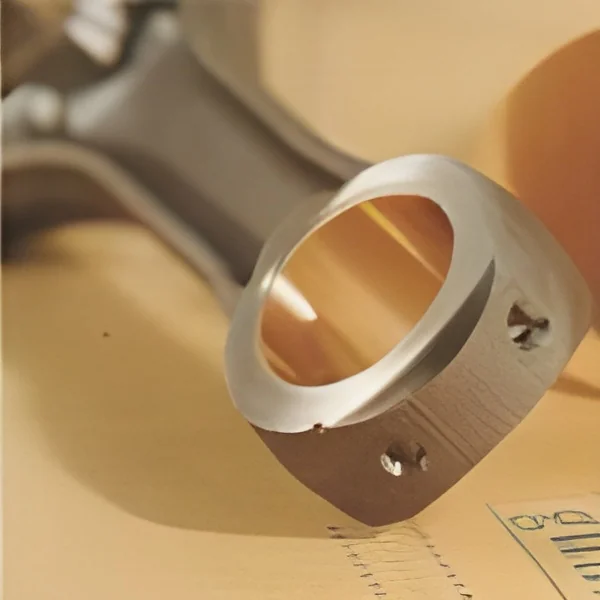
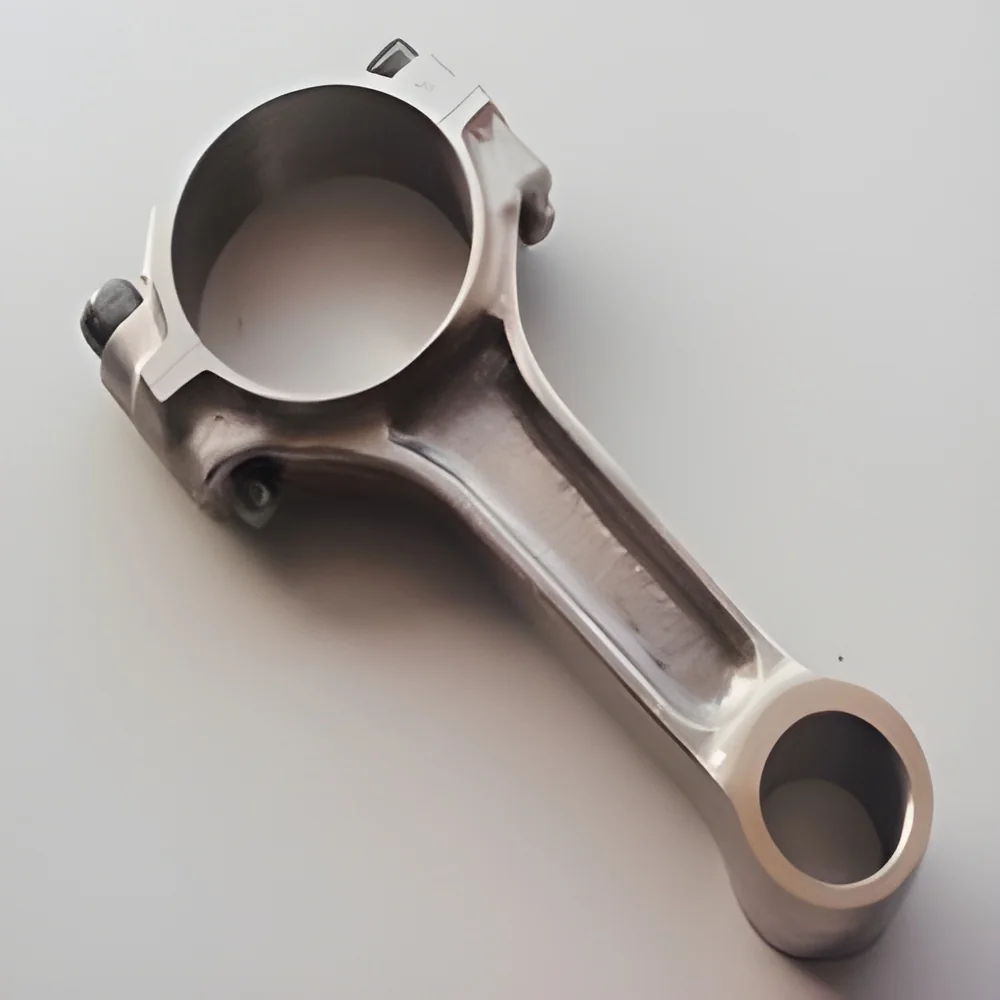
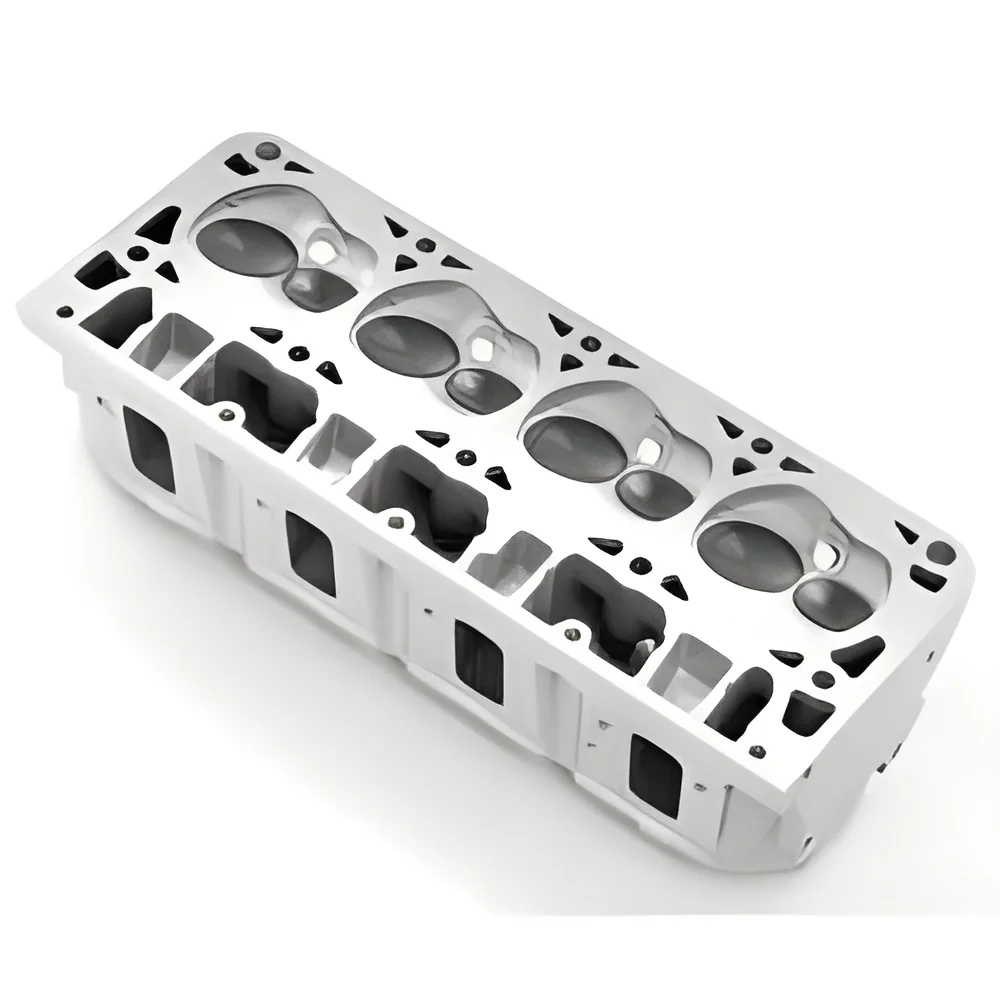
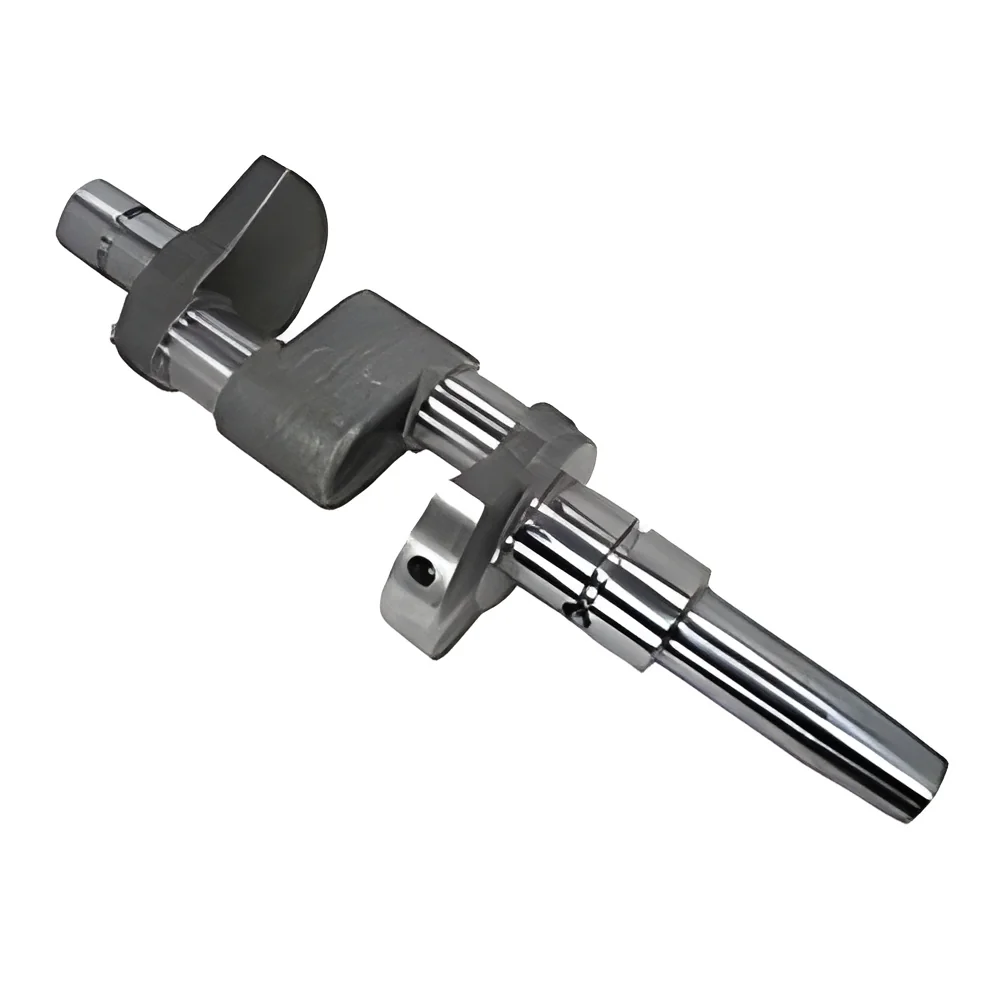
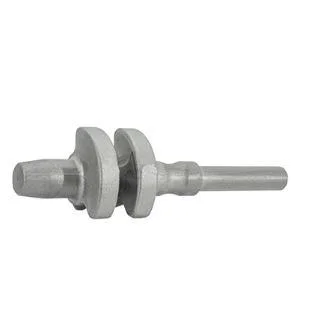
What are Crankshafts?
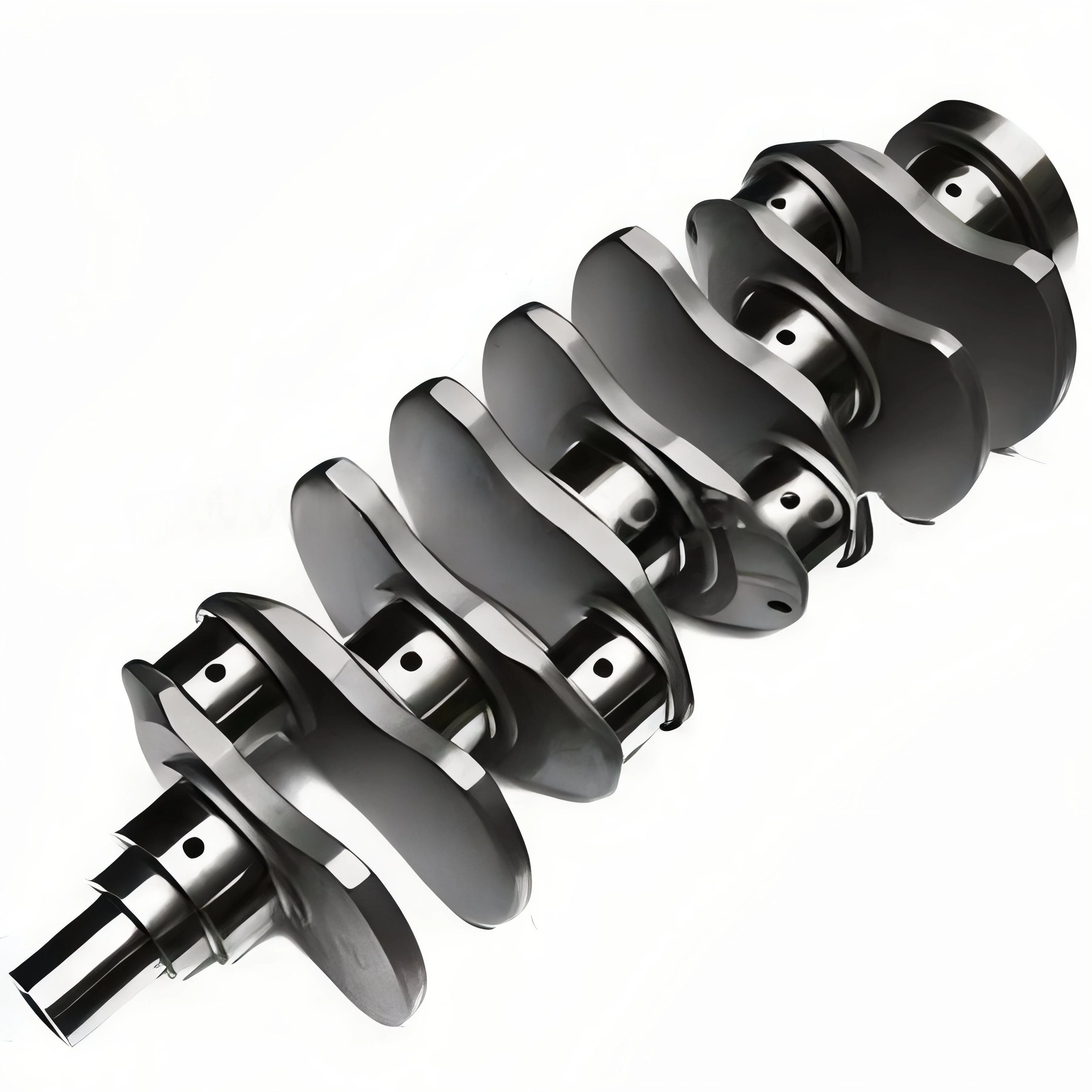
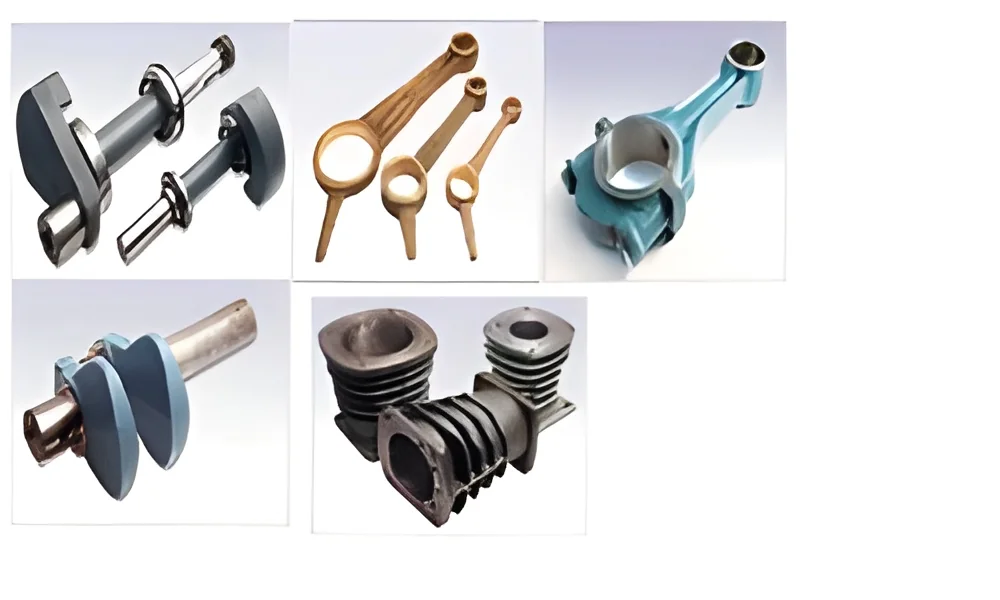
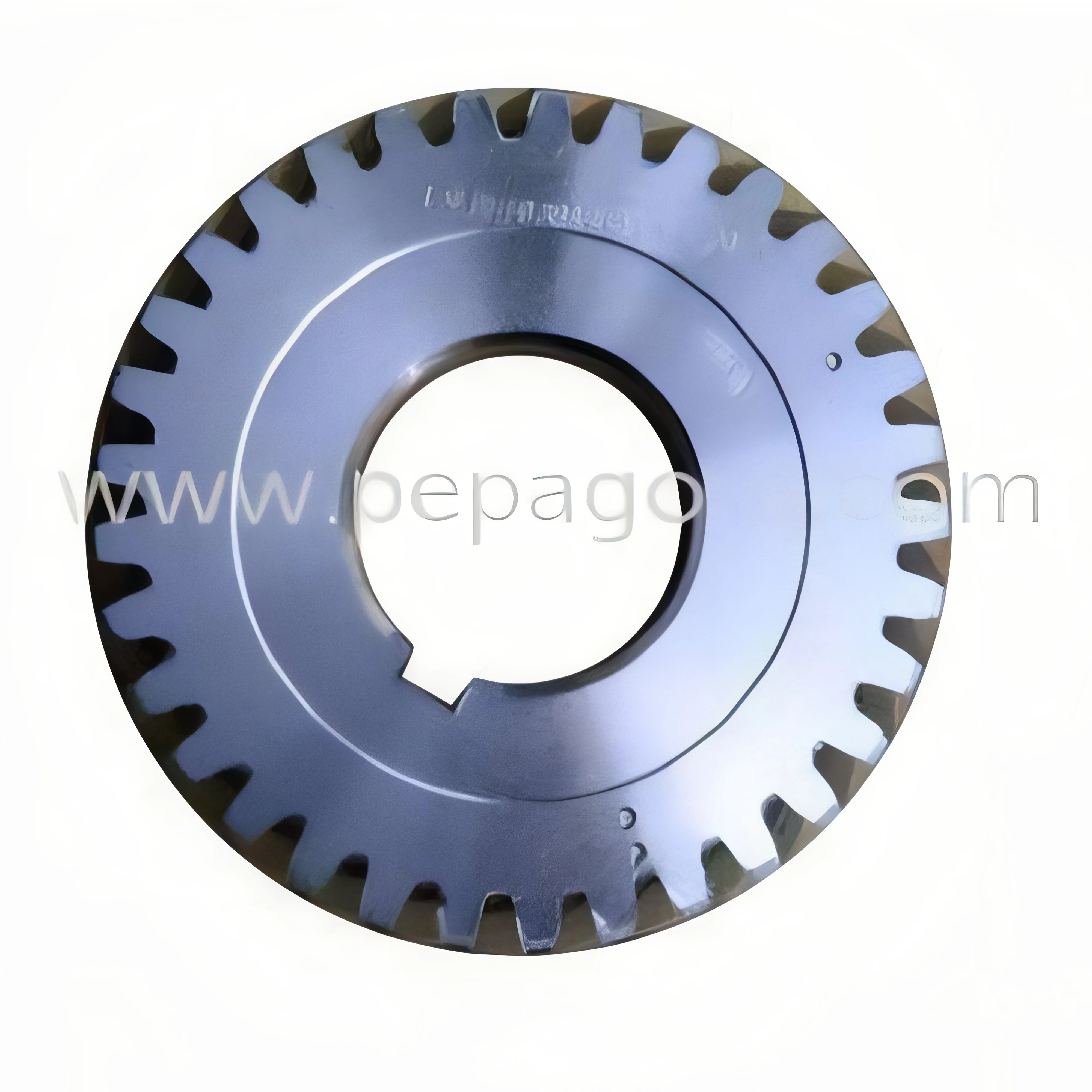
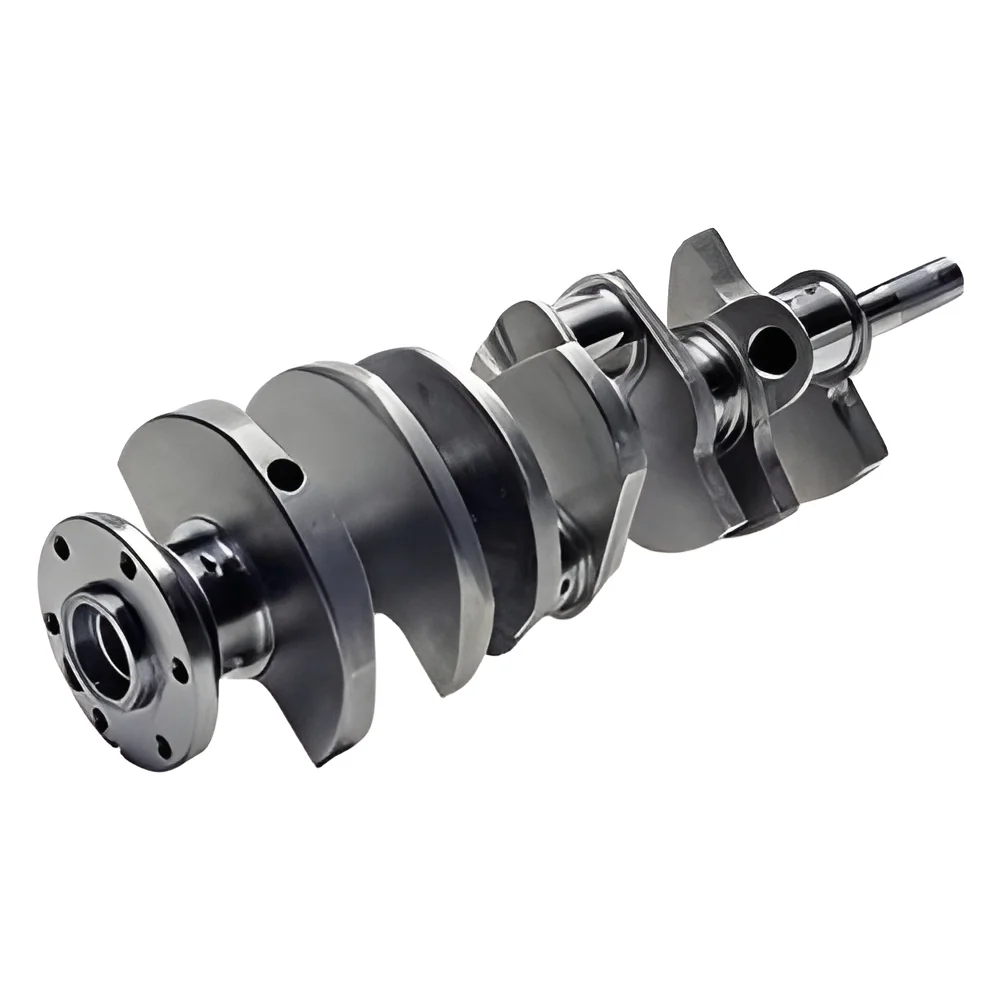
Crankshafts are essential components in internal combustion engines, serving to convert the linear motion of pistons into rotational motion. This conversion is crucial for the operation of various machinery, including automobiles, marine vessels, and industrial equipment. The crankshaft's design typically includes a series of journals and throw sections that allow it to balance the engine's power output while minimizing vibrations.
These components are primarily used in engine assemblies across multiple sectors. They play a vital role in automotive applications, heavy machinery, and power generation systems. In terms of market relevance, the global demand for crankshafts is driven by growth in the automotive and manufacturing sectors. As engine technology evolves, crankshafts are being designed to handle higher power outputs and efficiency, thus ensuring their significance in modern engineering.
Key Features and Specifications
Crankshafts are characterized by specific features and specifications that determine their performance and suitability for various applications. Understanding these specifications helps businesses choose the right crankshaft for their needs.
Key specifications include:
1. Material Composition
- Crankshafts are typically made from high-strength steel or iron alloys.
- These materials provide durability and resistance to wear.
2. Dimension Standards
- Crankshafts come in various sizes tailored to different engine designs.
- Standard dimensions include journal diameter and throw length.
3. Weight
- The weight of a crankshaft can impact engine performance and balance.
- Light-weight designs may enhance efficiency without compromising strength.
4. Design Configuration
- Crankshafts can feature different configurations such as cross-plane or flat-plane designs.
- Each design affects engine characteristics, including vibration and sound.
5. Surface Treatment
- Many crankshafts undergo surface treatments for enhanced wear resistance.
- Treatments may include hardening processes or coatings.
6. Tolerance Levels
- Precision manufacturing ensures that crankshafts meet specific tolerance levels for optimal fit and function.
- Tolerances are crucial for ensuring proper engine assembly.
7. Certification
- Crankshafts are often certified to meet industry standards, such as CE certification.
- Certification indicates compliance with safety and quality benchmarks.
In summary, selecting the right crankshaft involves considering these key specifications to ensure compatibility with engine designs and performance requirements.
Common Applications and Use Cases
Crankshafts find applications across a range of industries, each with unique requirements.
1. Automotive Industry: Crankshafts are integral to the functioning of vehicles, converting the energy produced in the engine into motion. They help in achieving efficient power delivery and engine performance.
2. Marine Industry: In marine applications, crankshafts are used in boat engines, where they must withstand harsh conditions while providing reliable power for propulsion.
3. Heavy Machinery: Crankshafts are vital components in construction and agricultural machinery, powering equipment such as bulldozers and tractors.
4. Power Generation: In generators and turbines, crankshafts play a key role in converting fuel energy into electrical energy, ensuring efficient operation.
5. Aerospace: High-performance crankshafts are utilized in aircraft engines, where reliability and precision are critical for safety and performance.
6. Industrial Equipment: Crankshafts are also used in various types of industrial machinery, contributing to processes in manufacturing and production.
Product Variants and Subcategories
Crankshafts come in various designs to meet different operational needs. While specific subcategories are not available, it is important to understand the diversity of crankshaft designs to select the most suitable option.
Standard Crankshaft Designs: These are commonly used in conventional internal combustion engines. They are designed for reliable performance in a wide range of applications.
High-Performance Crankshafts: Engineered for racing and high-output engines, these crankshafts are built to withstand extreme conditions and deliver maximum power.
Lightweight Crankshafts: These variants are designed to reduce engine weight, improving performance and efficiency without sacrificing durability.
Benefits and Advantages
Crankshafts offer several benefits that make them essential in various industrial applications.
1. Enhanced Engine Performance: A well-designed crankshaft improves the overall efficiency of an engine, enabling better power output and fuel economy.
2. Durability and Reliability: High-quality materials and manufacturing processes ensure that crankshafts can withstand significant stress and last for extended periods.
3. Vibration Dampening: Many crankshaft designs incorporate features that reduce engine vibrations, leading to smoother operation and less wear on other engine components.
4. Customization Options: Businesses can often find crankshafts tailored to specific engine designs, allowing for optimal compatibility and performance.
5. Compliance with Standards: Certified crankshafts meet necessary industry standards, ensuring safety and reliability in operation.
6. Cost-Effectiveness: Investing in a quality crankshaft can reduce long-term maintenance costs and improve overall operational efficiency.
Buying Guide for B2B Buyers
When sourcing crankshafts, it is important for buyers to consider several factors to ensure they make informed decisions.
1. Quality Assessment: Buyers should evaluate crankshaft quality by checking for compliance with industry standards and certifications. High-quality crankshafts minimize the risk of failure and enhance engine performance.
2. Supplier Verification: It is essential to vet suppliers for their reliability and reputation in the market. Look for suppliers with a track record of consistent quality and timely delivery.
3. Pricing and MOQ: Understanding the pricing structure and minimum order quantities can help businesses plan their budgets effectively. Compare prices across suppliers to find the best value.
4. Delivery and Lead Times: Timely delivery is critical in maintaining production schedules. Discuss lead times with suppliers to ensure they align with your operational needs.
5. Compliance Requirements: Be aware of any regulatory requirements that may apply to crankshafts in your industry. Ensuring compliance can prevent legal issues and enhance product safety.
Compliance and Certifications
Crankshafts must adhere to various compliance and certification standards to ensure safety and quality.
ISO 9001 is a widely recognized standard that emphasizes quality management systems. Crankshafts manufactured under this certification demonstrate a commitment to consistent quality and customer satisfaction.
CE certification is another important designation, indicating that the crankshaft meets European safety and environmental requirements. This certification assures buyers that the product complies with necessary regulations.
Additionally, crankshafts may be subject to safety and testing requirements to ensure they perform reliably under different operating conditions. Manufacturers should provide documentation of testing results to support their compliance claims.
Regional compliance considerations may also apply, as different regions may have specific regulations governing manufacturing practices and material use. It is important for buyers to understand these factors to ensure compliance with local laws.
Why Source Crankshafts from Pepagora?
Pepagora is a trusted platform for sourcing crankshafts, offering several key advantages to businesses.
Verified Supplier Network: Pepagora connects buyers with a network of verified suppliers, ensuring that all listed manufacturers meet strict quality standards. This verification process enhances trust and reliability in the sourcing process.
Streamlined RFQ Process: The platform simplifies the request for quotation (RFQ) process, allowing buyers to easily compare offers from multiple suppliers. This efficiency helps businesses make informed purchasing decisions quickly.
Trade Assurance and Support: Pepagora provides trade assurance, protecting buyers from potential risks during transactions. The platform also offers support services to assist buyers in navigating the sourcing process.
Regional Coverage: With a presence in India, GCC, and Southeast Asia, Pepagora provides extensive geographical reach. This coverage ensures that businesses can find suitable suppliers that meet their specific regional requirements.
In summary, sourcing crankshafts through Pepagora offers businesses peace of mind, efficiency, and access to a diverse range of quality suppliers.

 IN
IN