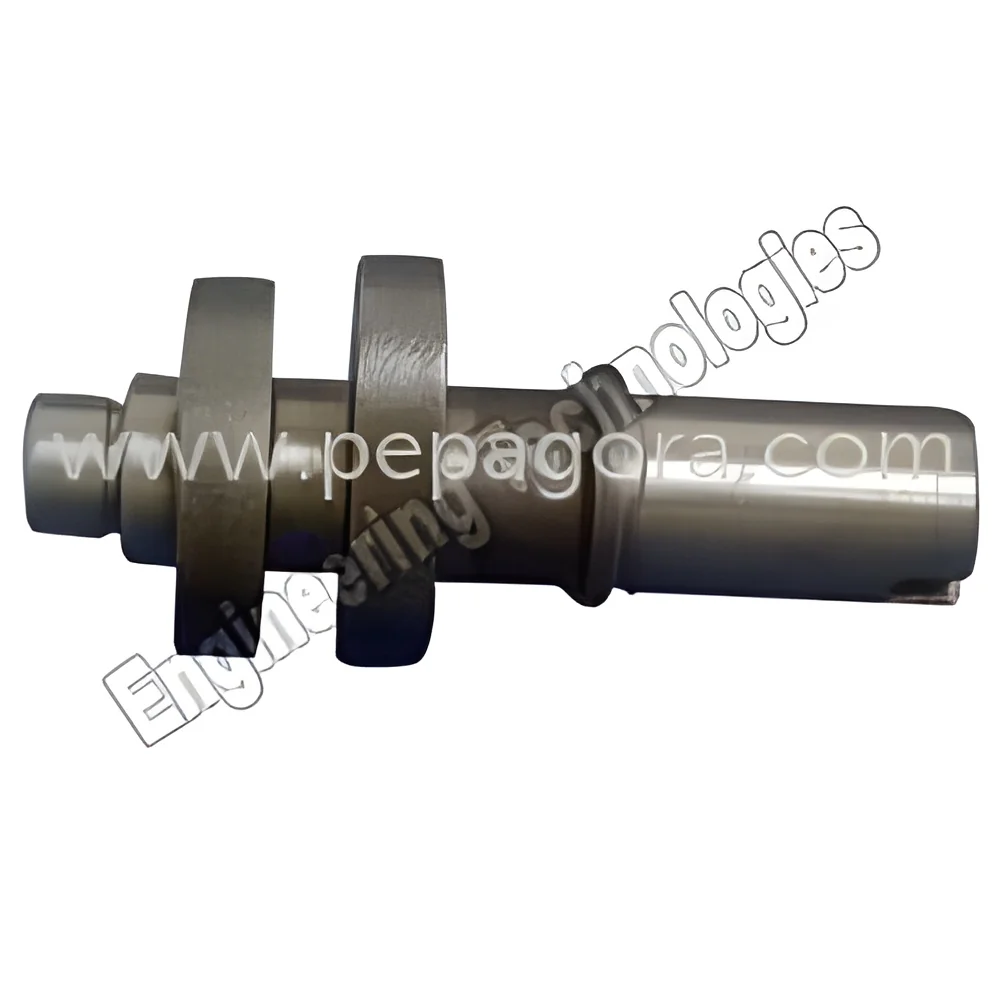
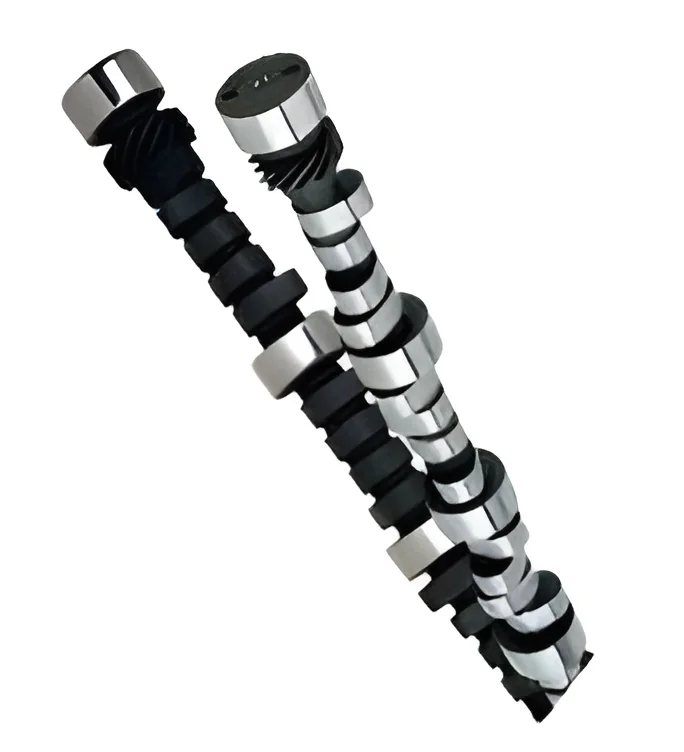
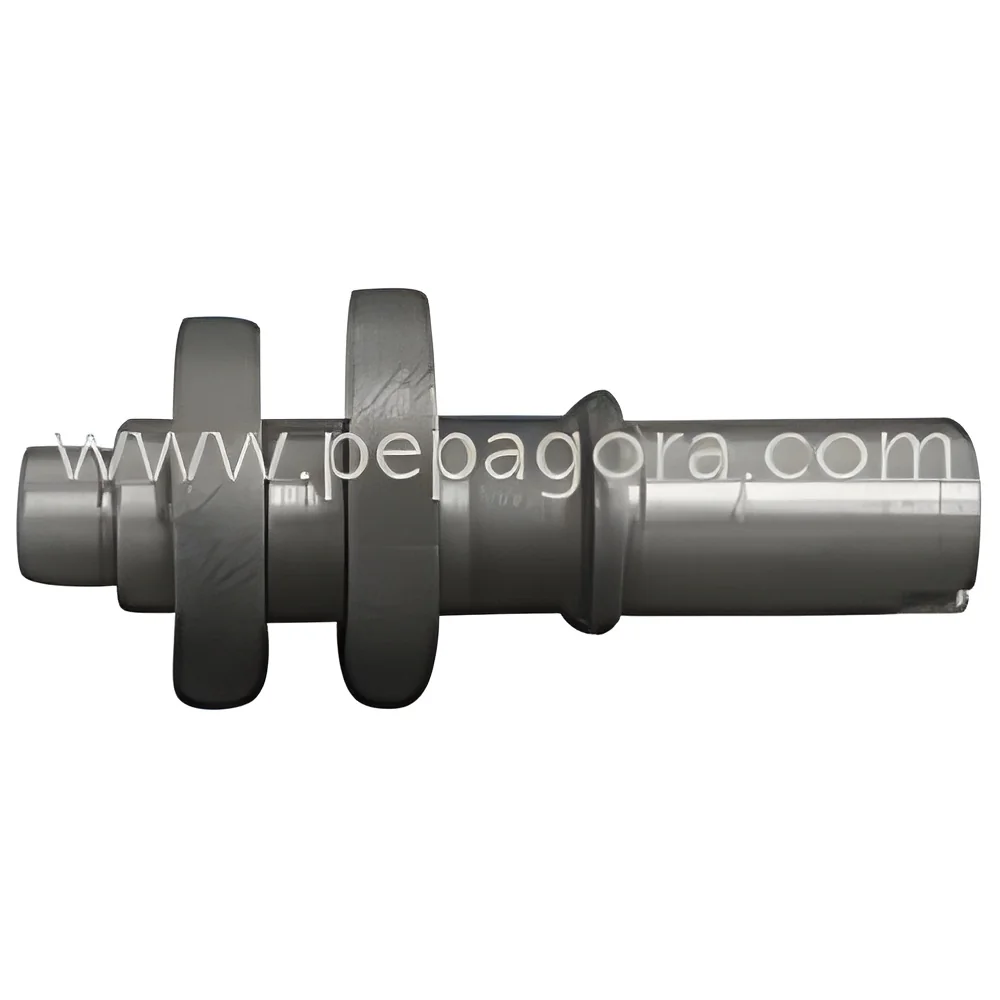
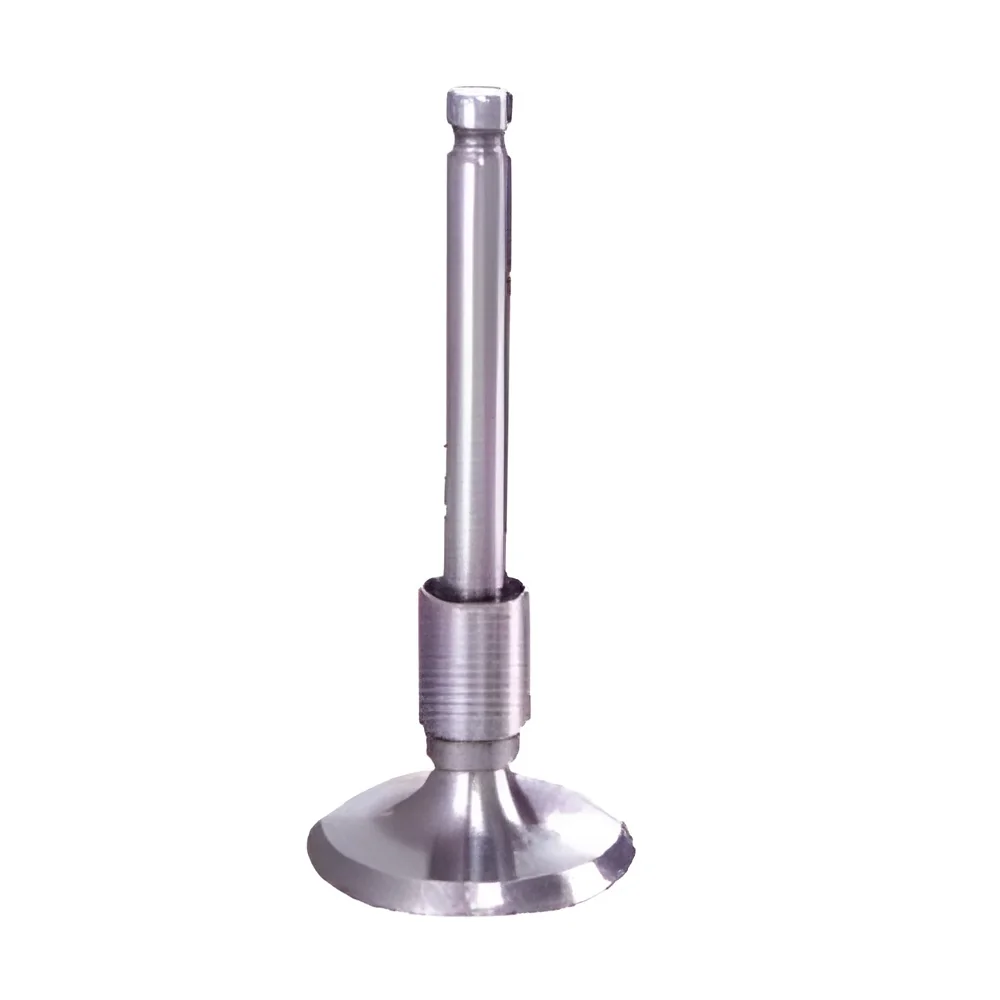
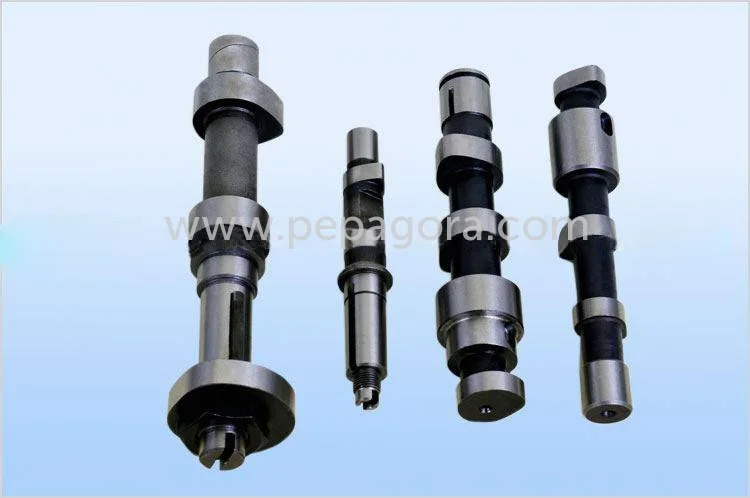
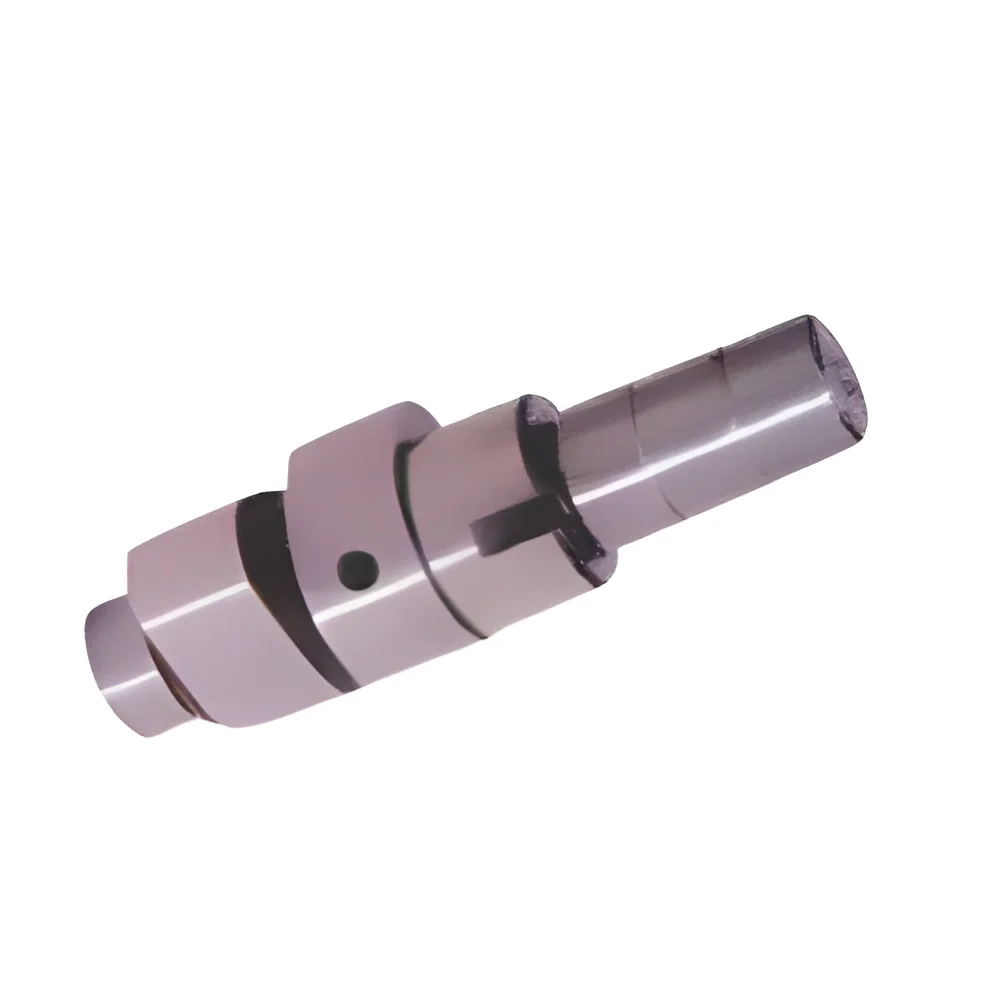
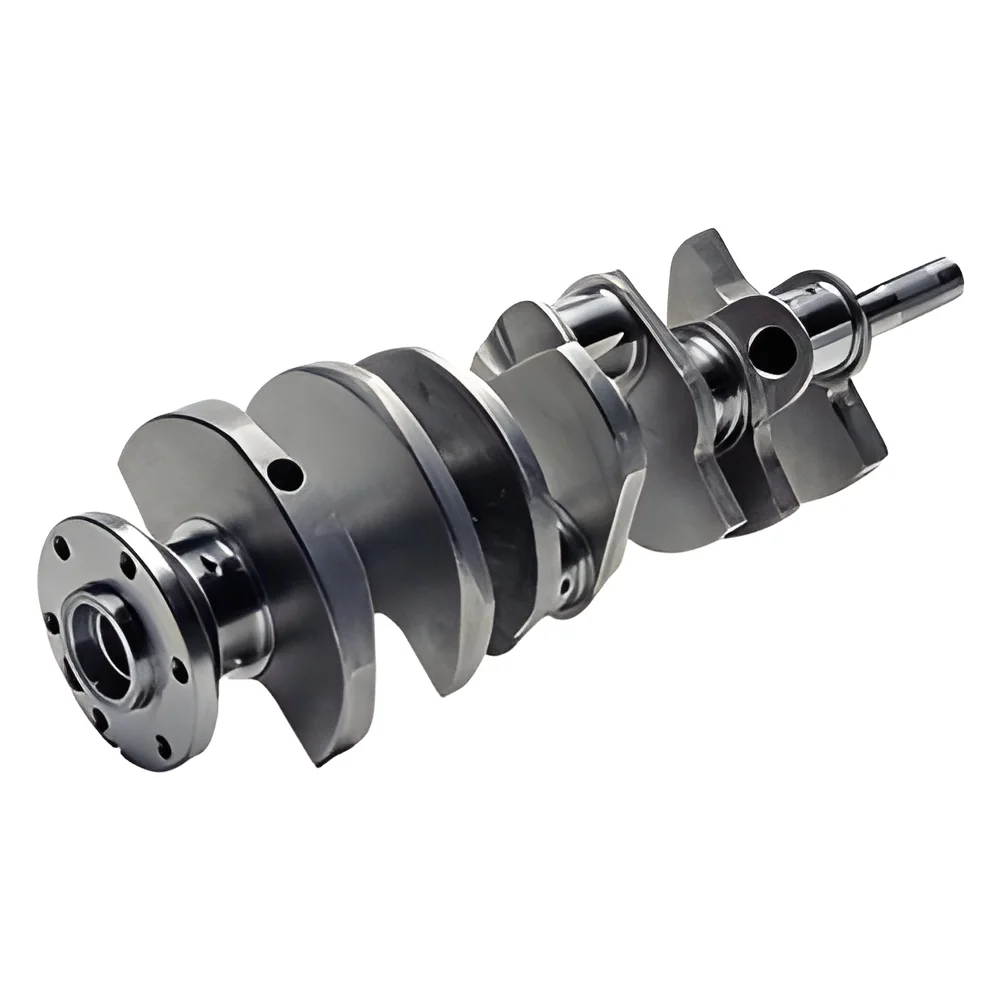
What are Camshafts?
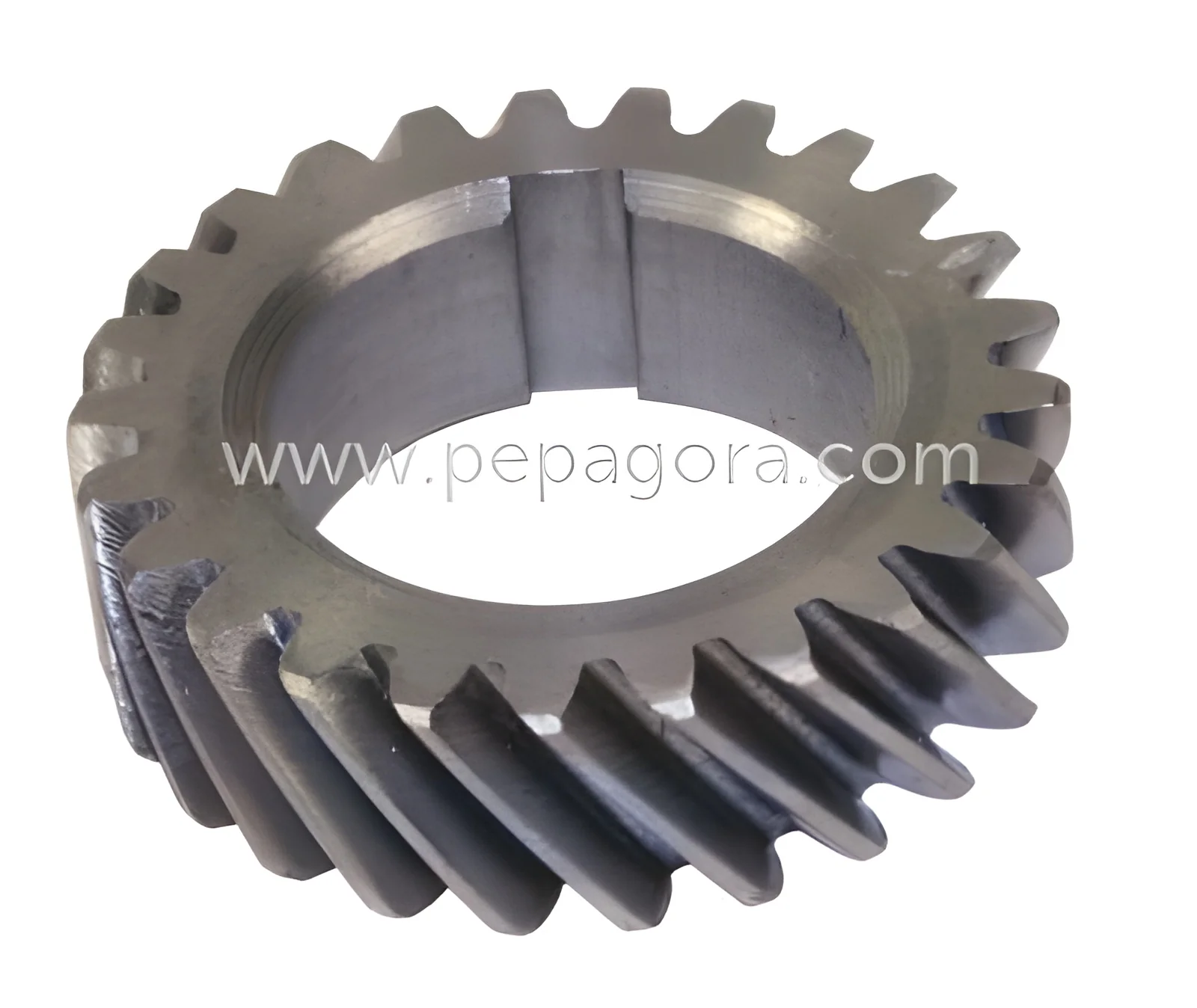
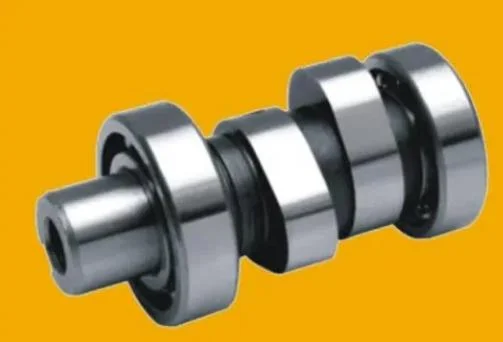
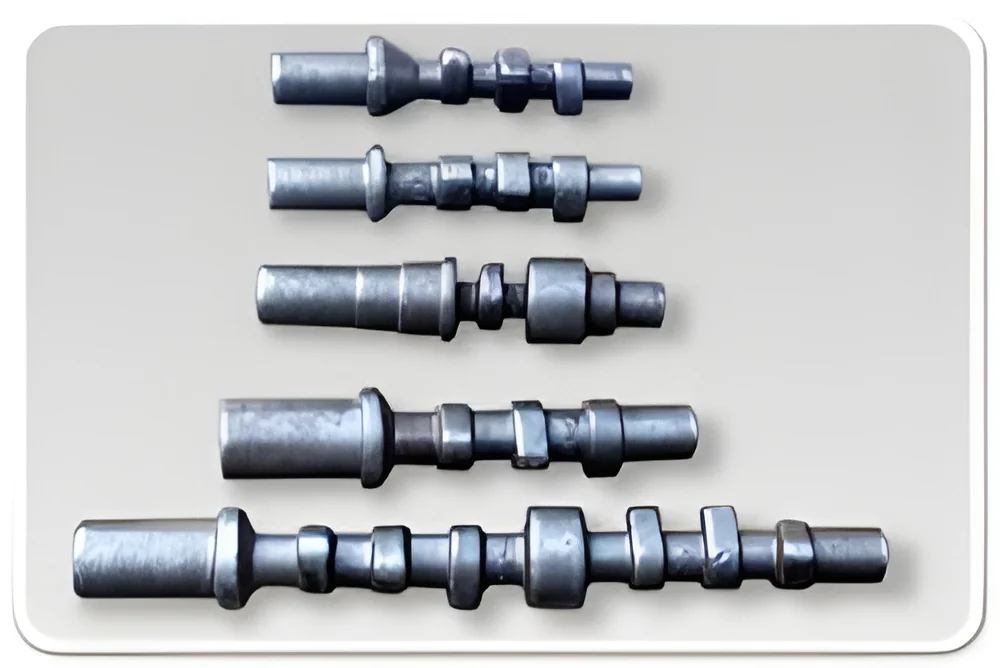
Camshafts are essential components in internal combustion engines, responsible for controlling the timing of the opening and closing of engine valves. They play a critical role in the engine's performance by ensuring that air and fuel enter the combustion chamber at the right moments. Essentially, the camshaft converts rotational motion into linear motion, which allows for synchronized movement of the engine's valves.
In commercial applications, camshafts are widely used across various sectors, including automotive, aerospace, and industrial machinery. They are integral to both gasoline and diesel engines, influencing factors such as power output, fuel efficiency, and emissions. As engines continue to evolve with new technologies, the demand for high-quality camshafts that can meet stringent performance standards remains robust in the market.
The global camshaft market is experiencing growth due to the rising production of vehicles and the increasing demand for efficient and high-performance engines. With advancements in manufacturing technologies and materials, manufacturers are focusing on producing camshafts that offer improved durability and reliability, making them a vital component in the automotive industry.
Key Features and Specifications
Camshafts come with a variety of features and specifications that make them suitable for different engine types and applications. Understanding these specifications is crucial for selecting the right camshaft for specific needs.
Key specifications include:
1. Material Composition
- Typically made from cast iron, steel, or aluminum alloys.
- Strength and weight characteristics vary based on material choice.
2. Lift and Duration
- Refers to the amount the valve is lifted and the time it stays open.
- These parameters affect engine performance and efficiency.
3. Camshaft Profile
- The shape of the cam lobes determines valve timing and engine behavior.
- Profiles can be optimized for performance or fuel economy.
4. Timing Precision
- Accurate timing is critical for optimal engine performance.
- Tolerance levels are usually within strict specifications.
5. Number of Valves
- Camshafts can control multiple valves per cylinder.
- Common configurations include SOHC (Single Overhead Camshaft) and DOHC (Double Overhead Camshaft).
6. Weight
- Lighter camshafts can improve engine responsiveness.
- Weight specifications can vary based on design and materials used.
7. Surface Finish
- High-quality surface finishes reduce friction and wear.
- Treatments may include polishing or coating for enhanced durability.
In summary, the selection of camshafts is influenced by their material composition, lift and duration, camshaft profile, timing precision, number of valves, weight, and surface finish.
Common Applications and Use Cases
Camshafts serve various industries due to their role in engine performance and efficiency.
1. Automotive: In cars and trucks, camshafts are critical for controlling engine valve timing, impacting power delivery and fuel efficiency.
2. Aerospace: Aircraft engines utilize specialized camshafts for precise timing in high-performance environments, ensuring optimal operation at various altitudes.
3. Industrial Machinery: In heavy machinery, camshafts help manage engine performance, contributing to efficient operation in construction and manufacturing applications.
4. Marine: Marine engines use camshafts to optimize performance under varying loads and conditions, essential for boats and ships.
5. Motorcycles: Camshafts in motorcycles enhance acceleration and speed, making them vital in high-performance biking.
6. Agricultural Equipment: Tractors and harvesters rely on camshafts to manage engine functions, ensuring reliability in field operations.
7. Power Generation: Engines used in generators utilize camshafts to maintain performance standards, critical for energy production.
Product Variants and Subcategories
Camshafts are available in various configurations to meet specific needs across different applications.
Variable Valve Timing Camshaft
This variant allows for adjustable timing of valve openings, enhancing engine efficiency and performance across different RPMs.
Performance Camshaft
Designed for high-performance engines, this variant offers optimized lift and duration for maximum power output, commonly used in racing applications.
OEM Camshaft
Original Equipment Manufacturer camshafts are designed to meet the exact specifications of vehicle manufacturers, ensuring compatibility and reliability.
Custom Camshaft
Some manufacturers offer customization options to meet unique performance requirements, tailored to specific engine setups or applications.
Benefits and Advantages
Camshafts provide numerous advantages that contribute to engine performance and efficiency.
1. Enhanced Performance: High-quality camshafts optimize valve timing, improving overall engine performance and responsiveness.
2. Fuel Efficiency: By ensuring precise timing, camshafts can contribute to better fuel economy, reducing operational costs.
3. Durability: Well-manufactured camshafts withstand high-stress environments, offering longevity and reliability in various applications.
4. Customization Options: Many suppliers provide custom camshaft designs, allowing businesses to tailor specifications to their unique needs.
5. Improved Emissions: Efficient camshaft designs help reduce harmful emissions, supporting compliance with environmental regulations.
6. Versatility: Camshafts are used in a wide range of industries, making them a versatile component for various engine types.
Buying Guide for B2B Buyers
When sourcing camshafts, it is essential to consider several key factors to ensure you make an informed purchasing decision.
1. Quality Assessment: Look for manufacturers that adhere to strict quality standards, ensuring durability and performance. Evaluate product reviews and case studies to gauge reliability.
2. Supplier Verification: Vet potential suppliers by checking their industry reputation, certifications, and past performance. Building relationships with trusted suppliers can lead to better service and product quality.
3. Pricing and MOQ: Understand the pricing structures and minimum order quantities (MOQ) from suppliers. Compare quotes to find the best value while ensuring quality is not compromised.
4. Delivery and Lead Times: Discuss logistics and lead times for delivery to avoid production delays. Reliable suppliers should provide clear timelines for order fulfillment.
5. Compliance Requirements: Ensure that camshafts meet the necessary regulatory standards and certifications relevant to your industry, such as CE certification for safety and quality assurance.
Compliance and Certifications
Compliance and certifications are critical considerations when selecting camshafts for industrial applications.
Manufacturers often adhere to quality standards such as ISO 9001, which ensures consistent quality management practices. This standard helps guarantee that production processes meet international quality assurance benchmarks.
Additionally, compliance with CE certification indicates that camshafts meet European safety and performance standards, making them suitable for various applications across the region.
Safety and testing requirements are also paramount, with manufacturers conducting rigorous tests to ensure that camshafts can withstand operational stresses and perform reliably under varying conditions.
Regional compliance considerations are crucial for businesses operating in different markets. Understanding local regulations can aid in selecting the right suppliers and ensuring that products are suitable for specific applications.
Why Source Camshafts from Pepagora?
Pepagora provides a trusted platform for sourcing camshafts, offering several key advantages to buyers.
Verified Supplier Network: Pepagora connects buyers with a network of verified suppliers, ensuring that all listed manufacturers adhere to stringent quality standards. This verification process helps mitigate risks associated with unreliable suppliers.
Streamlined RFQ Process: The request for quotation (RFQ) system on Pepagora simplifies the sourcing process, allowing buyers to easily compare costs and specifications from multiple suppliers. This efficiency saves time and aids in making informed decisions.
Trade Assurance and Support: Pepagora offers trade assurance, providing buyers with protection and support throughout the purchasing process. This feature builds trust and confidence in transactions.
Regional Coverage: With a strong presence in India, GCC, and Southeast Asia, Pepagora facilitates access to a diverse range of camshaft suppliers. This geographic reach allows businesses to source products that meet their specific regional requirements and preferences.

 IN
IN