What are Performance Engine Parts?
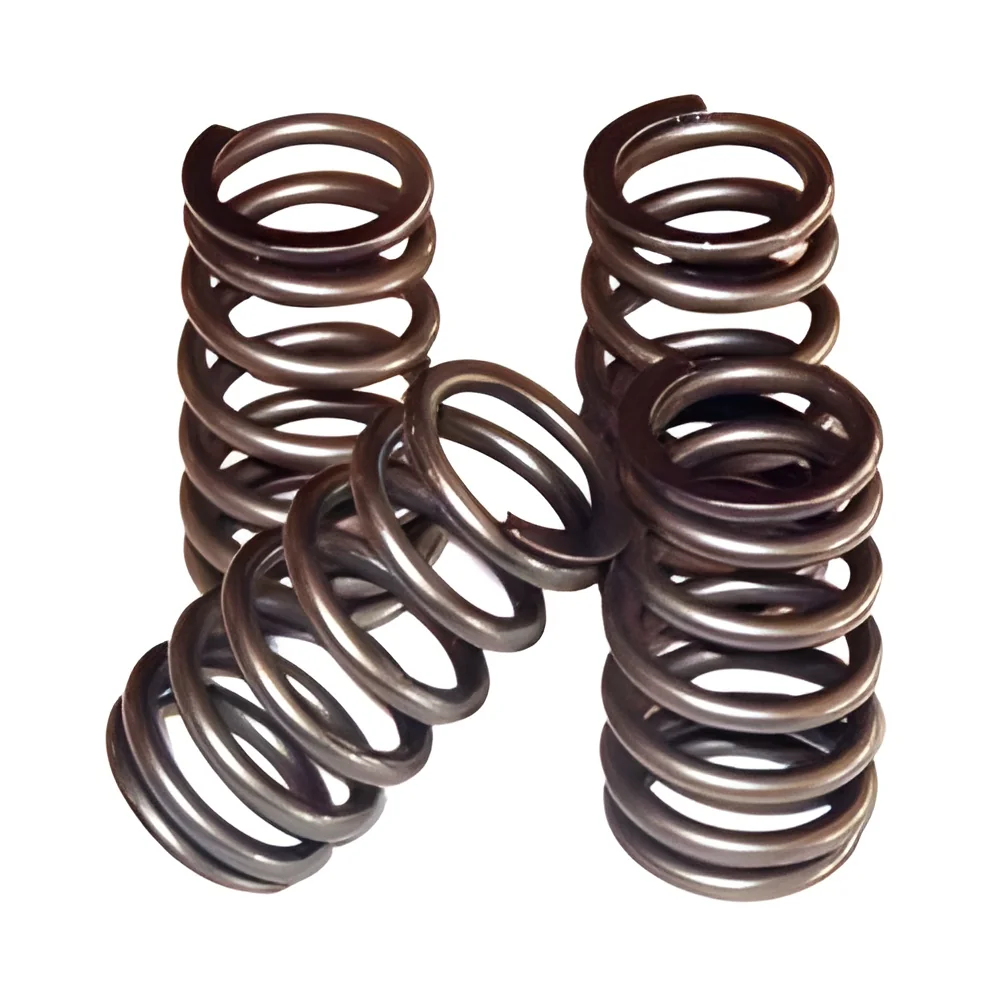
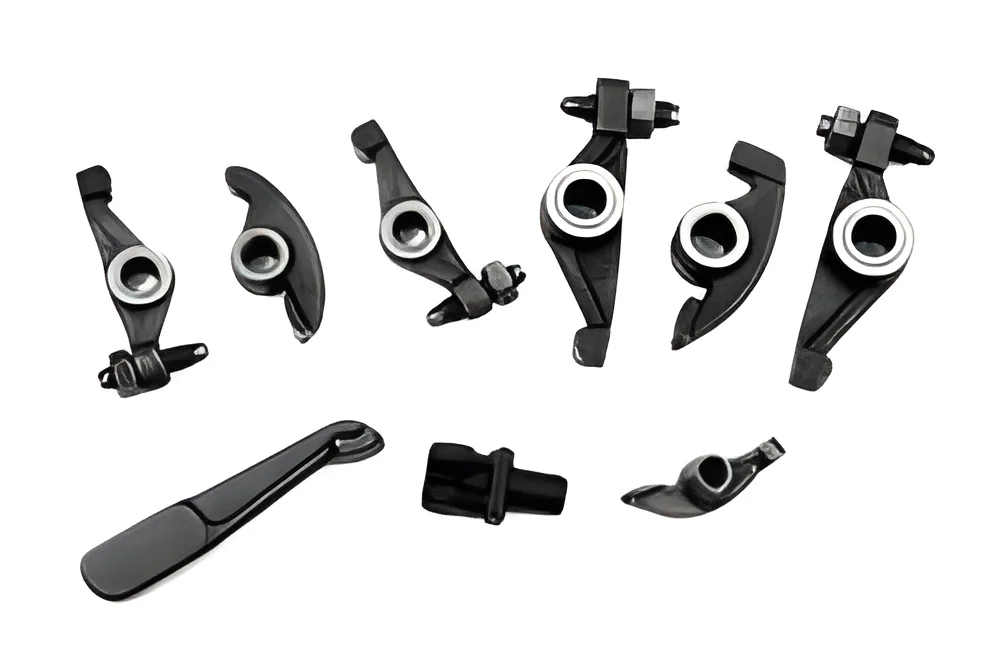
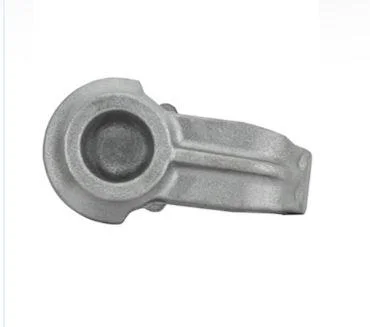
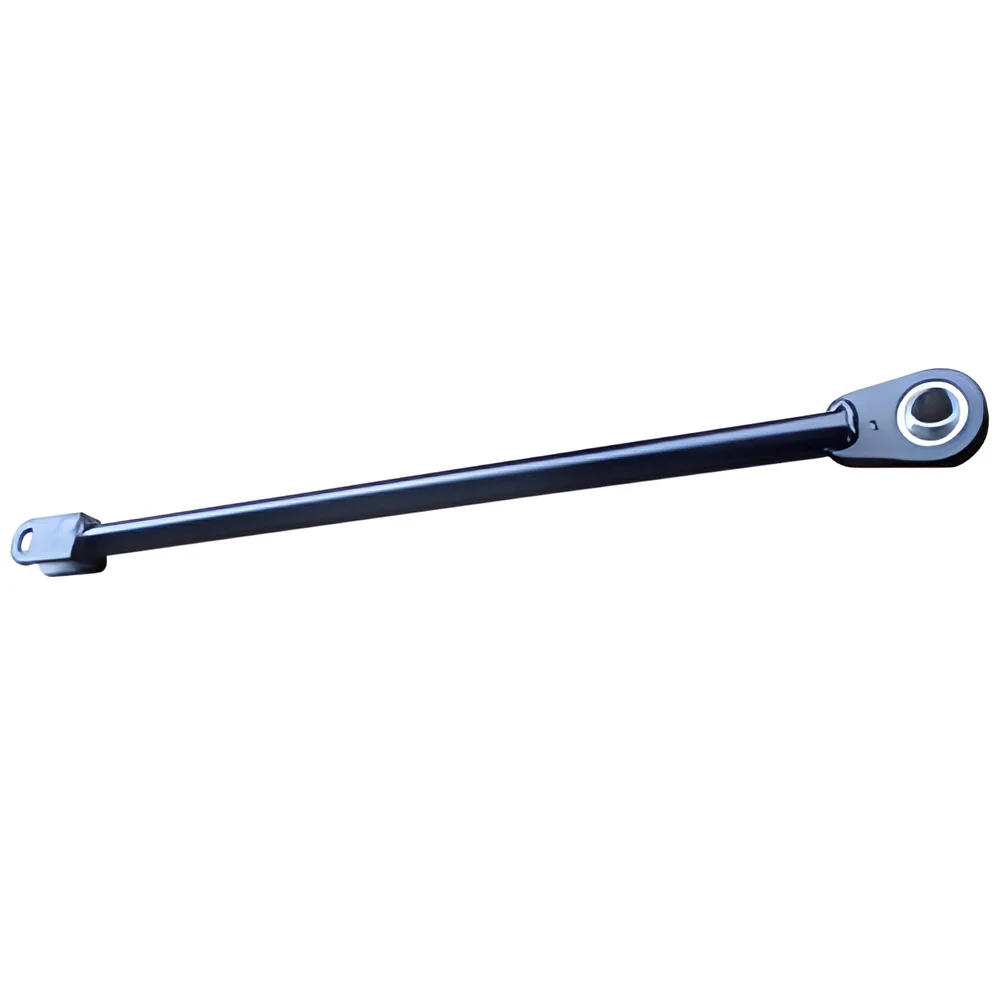
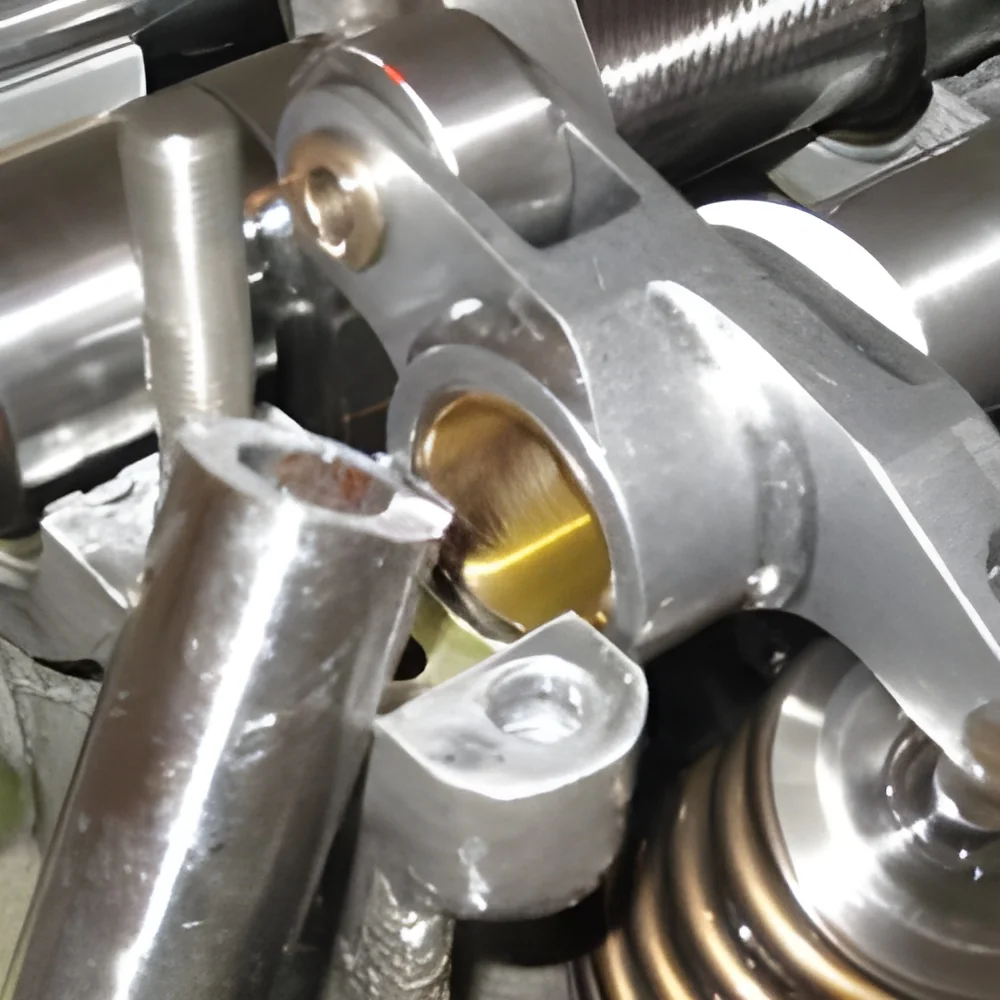
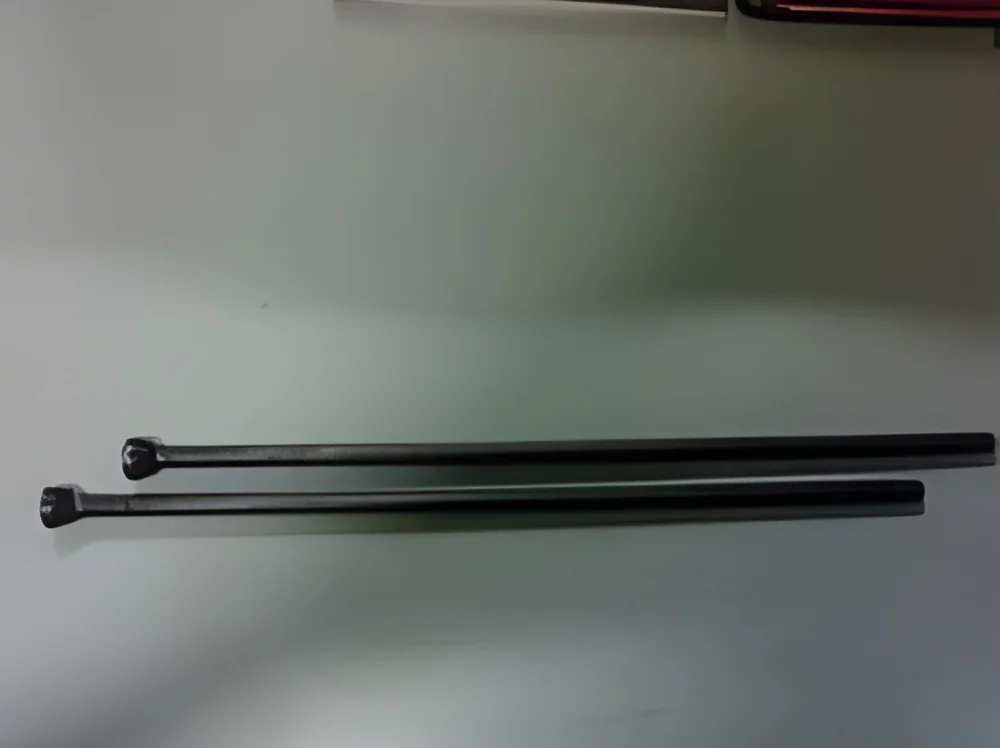
Performance engine parts refer to specialized components designed to enhance the efficiency, power output, and overall performance of an engine. These parts are engineered to optimize various engine functions, including fuel delivery, airflow, and combustion. By improving the interaction between these factors, performance engine parts can significantly increase an engine's horsepower and torque, providing a better driving experience.
These parts are commonly used in a variety of applications, including automotive racing, off-road vehicles, and high-performance street cars. Businesses that manufacture or modify vehicles often rely on performance engine parts to meet the demands of their customers seeking speed, efficiency, and durability. With the growing popularity of performance tuning and modifications, the market for these parts continues to expand across different industries, including motorsports, automotive repair, and aftermarket sales.
In the current industry landscape, performance engine parts hold significant relevance as manufacturers strive to meet consumer expectations for higher efficiency and performance. The increasing focus on sustainability and the integration of advanced technologies also drive innovation in this sector. This creates opportunities for businesses to leverage performance engine parts to gain competitive advantages in the market.
Key Features and Specifications
Performance engine parts come with a range of features and specifications that cater to specific needs and applications. Understanding these specifications is essential for businesses looking to enhance engine performance effectively.
Key specifications include:
1. Material Composition
- Typically made from high-strength alloys or composites
- Ensures durability and resistance to wear
2. Compatibility
- Designed to fit specific engine models or types
- Critical for ensuring optimal performance and reliability
3. Performance Rating
- Often rated by horsepower or torque increase
- Helps buyers gauge the effectiveness of the part
4. Weight Reduction
- Many parts are engineered to be lightweight
- Improves overall vehicle performance and handling
5. Thermal Resistance
- Capable of withstanding high temperatures
- Ensures reliability under extreme conditions
6. Installation Requirements
- Some parts may require professional installation
- Critical for ensuring proper function and safety
7. Performance Guarantee
- Many suppliers offer performance guarantees
- Assures buyers of the product's effectiveness
8. Certification
- Many parts are CE certified
- Ensures compliance with safety and quality standards
These specifications help buyers select the right performance engine parts suited to their specific needs, ensuring optimal engine performance.
Common Applications and Use Cases
Performance engine parts find applications across various industries, each utilizing these components to enhance engine functionality and efficiency.
1. Automotive Racing: High-performance engine parts are essential for racing vehicles, where maximizing speed and power is critical for competitive performance.
2. Off-Road Vehicles: These parts are used in off-road vehicles to improve torque and durability, enabling them to handle rough terrains effectively.
3. Classic Car Restoration: Enthusiasts often use performance engine parts to upgrade older vehicles, enhancing their reliability and power while maintaining authenticity.
4. Marine Engines: Performance parts are utilized in marine applications to increase horsepower and improve fuel efficiency for boats and personal watercraft.
5. Heavy Machinery: Industries that rely on heavy machinery often implement performance engine parts to enhance engine efficiency, reducing downtime and maintenance costs.
6. Motorcycles: Performance upgrades for motorcycles help improve speed and handling, catering to both recreational riders and professional racers.
7. Fleet Vehicles: Companies managing fleets may use performance parts to enhance the fuel efficiency and reliability of their vehicles, reducing operational costs.
Product Variants and Subcategories
Performance engine parts come in a variety of types, each designed for specific functions and enhancements. This diversity allows businesses to choose the right components for their needs.
Intake Manifolds
These components improve airflow into the engine, enhancing combustion efficiency and increasing horsepower. They are essential for performance upgrades in both racing and street vehicles.
Exhaust Systems
Performance exhaust systems are designed to reduce back pressure, allowing for better engine breathing. This results in improved power output and a more aggressive sound.
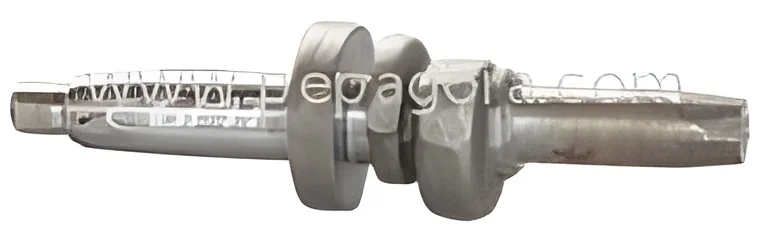
Camshafts
Upgraded camshafts can optimize valve timing and lift, enhancing engine performance across various RPM ranges. They are vital for tuning engines for specific applications.
Fuel Injectors
High-performance fuel injectors deliver fuel more efficiently, ensuring optimal combustion and power delivery. They are essential for maximizing engine output in modified vehicles.
Turbochargers
Turbochargers increase engine power by compressing air entering the engine, allowing for more fuel to be burned. They are commonly used in performance tuning for both gas and diesel engines.
Benefits and Advantages
Performance engine parts offer numerous benefits that make them appealing to businesses in the automotive industry.
Key benefits include:
1. Enhanced Performance: Performance parts provide significant improvements in horsepower and torque, resulting in a more powerful engine.
2. Improved Fuel Efficiency: Many performance parts are designed to optimize fuel delivery and combustion, leading to better fuel economy.
3. Greater Reliability: High-quality materials and engineering ensure that performance engine parts can withstand extreme conditions, reducing the likelihood of failure.
4. Customization Options: Businesses can select specific components to tailor performance upgrades to meet their unique requirements and preferences.
5. Competitive Edge: Utilizing performance engine parts can give businesses an advantage in the market by offering superior products to customers.
6. Increased Resale Value: Vehicles equipped with performance parts often retain higher resale values due to their enhanced capabilities.
Buying Guide for B2B Buyers
When sourcing performance engine parts, it is crucial for buyers to consider several factors that can impact their purchasing decisions.
1. Quality Assessment: Evaluate the materials and construction of the parts. Look for reputable manufacturers known for high-quality production standards.
2. Supplier Verification: Vet suppliers thoroughly by checking their certifications, customer reviews, and industry reputation. This ensures reliability and accountability.
3. Pricing and MOQ: Understand the pricing structure and minimum order quantities (MOQ) to align with budgetary constraints. Compare multiple suppliers to find competitive pricing.
4. Delivery and Lead Times: Inquire about the expected delivery times and logistics. Timely delivery is crucial for maintaining production schedules and minimizing downtime.
5. Compliance Requirements: Ensure that the parts meet relevant industry standards and regulations. This may include safety and environmental compliance for specific applications.
Compliance and Certifications
Performance engine parts must adhere to various compliance and certification standards to ensure quality and safety. One of the key standards is ISO 9001, which focuses on quality management systems. This certification ensures that manufacturers maintain consistent quality in their production processes.
Additionally, many performance engine parts are CE certified, indicating that they comply with European safety, health, and environmental protection standards. This certification is crucial for businesses looking to market their products in the European Union.
Safety and testing requirements also play a vital role in the performance engine parts industry. Parts must undergo rigorous testing to guarantee their durability and efficiency under operational conditions. Regional compliance considerations may vary, so businesses should be aware of local regulations that may affect the parts they source.
Why Source Performance Engine Parts from Pepagora?
Pepagora offers a trusted platform for sourcing performance engine parts, providing several key advantages to B2B buyers.
Verified Supplier Network: Pepagora has established a network of verified suppliers, ensuring that buyers can trust the quality and reliability of the products they purchase. This network helps reduce the risk associated with sourcing from unknown manufacturers.
Streamlined RFQ Process: The platform features a streamlined request for quotation (RFQ) process that simplifies the way buyers can request pricing and availability from multiple suppliers. This saves time and enhances efficiency in procurement.
Trade Assurance and Support: Pepagora provides trade assurance and support services that protect buyers during transactions. This includes assistance with any disputes or issues that may arise, ensuring a smooth purchasing experience.
Regional Coverage: With a strong presence in regions such as India, the GCC, and Southeast Asia, Pepagora offers extensive geographic reach for buyers looking to source performance engine parts. This regional coverage enables businesses to connect with suppliers that cater to their specific market needs.

 IN
IN