
 IN
Ceramic & Refractory Materials
265 products available
𝗪𝗵𝗮𝘁 𝗮𝗿𝗲 𝗖𝗲𝗿𝗮𝗺𝗶𝗰 & 𝗥𝗲𝗳𝗿𝗮𝗰𝘁𝗼𝗿𝘆 𝗠𝗮𝘁𝗲𝗿𝗶𝗮𝗹𝘀?
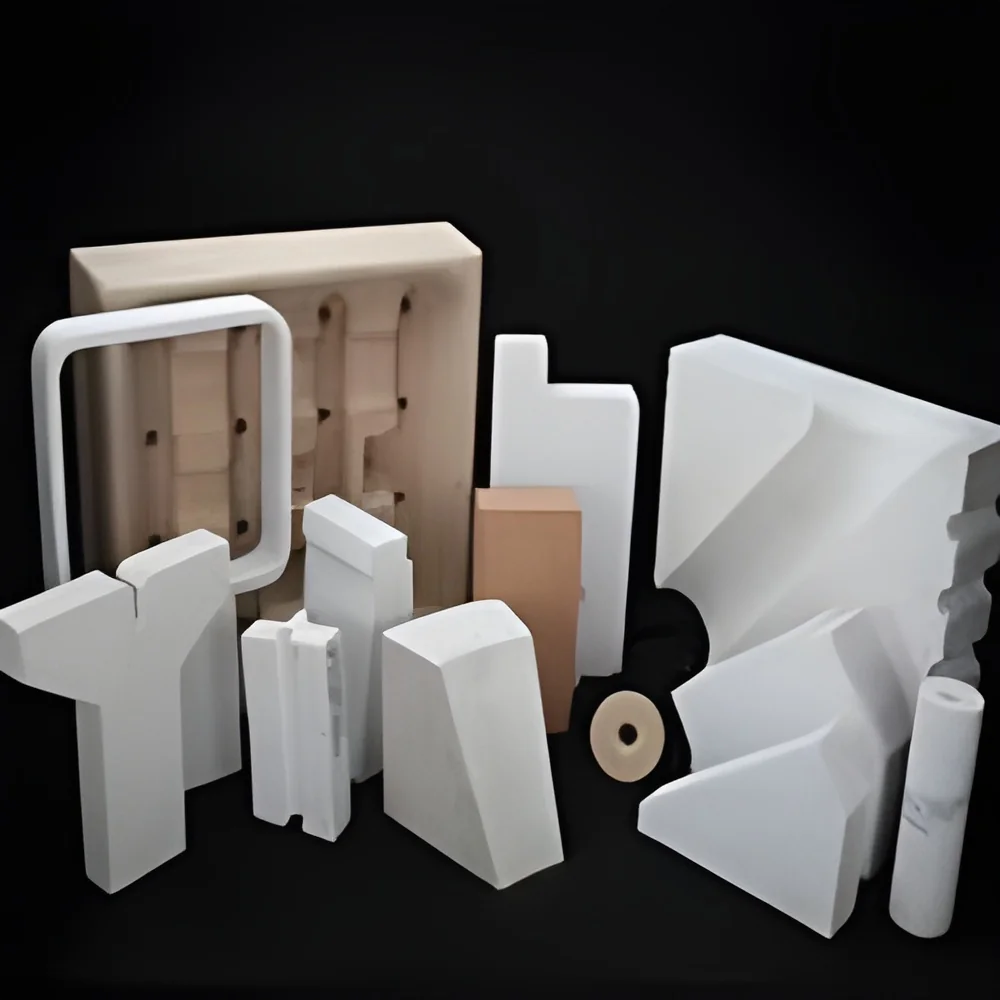
Ceramic and refractory materials are specialized substances designed to withstand extreme temperatures and harsh chemical environments. These materials are typically composed of inorganic compounds that are formed through the process of heating and cooling. They possess unique properties such as high melting points, excellent thermal stability, and resistance to thermal shock, making them essential in various industrial applications.
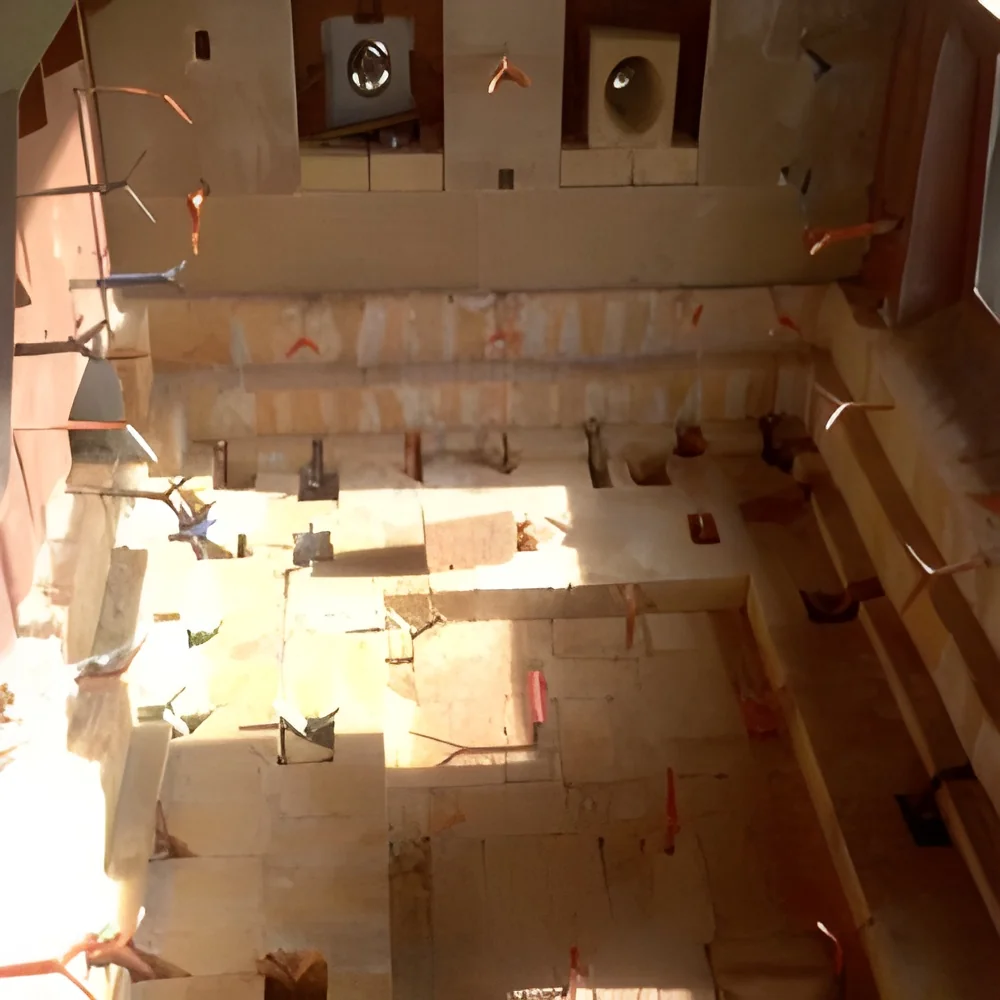
These materials are primarily used in high-temperature environments, including furnaces, kilns, and reactors. They are critical in industries such as metalworking, ceramics, glass production, and petrochemicals. The demand for ceramic and refractory materials continues to grow, driven by advancements in technology and manufacturing processes. Their ability to enhance efficiency and safety in industrial operations solidifies their relevance in today’s market.
𝗞𝗲𝘆 𝗙𝗲𝗮𝘁𝘂𝗿𝗲𝘀 𝗮𝗻𝗱 𝗦𝗽𝗲𝗰𝗶𝗳𝗶𝗰𝗮𝘁𝗶𝗼𝗻𝘀
Ceramic and refractory materials present a range of features tailored for specific applications. Understanding these specifications is essential for selecting the right materials for your business needs.
Key specifications include:
1. Thermal Stability
- Ability to maintain structural integrity at high temperatures
- Typically ranges from 1,000 to 1,800 degrees Celsius
2. Chemical Resistance
- Resistance to corrosive substances and chemical reactions
- Varies based on material composition
3. Mechanical Strength
- High compressive strength to withstand mechanical loads
- Generally exceeds 200 MPa for many refractory types
4. Porosity
- Level of void spaces in the material that can affect thermal conductivity
- Ranges from low (less than 5%) to high (over 20%) depending on the type
5. Density
- Weight per unit volume that influences heat retention and insulation
- Common densities range from 2.0 to 3.5 g/cm³
6. Electrical Conductivity
- Ability to conduct electricity, important for certain industrial applications
- Varies widely, with some ceramics being insulators while others are conductive
7. Firing Temperature
- The temperature at which the material is sintered to achieve desired properties
- Can range from 800 to 1,600 degrees Celsius
8. Thermal Conductivity
- Ability to conduct heat, impacting insulation efficiency
- Typically ranges from 0.5 to 10 W/mK
Ceramic and refractory materials are essential for industries requiring high-performance materials that can endure challenging conditions.
𝗖𝗼𝗺𝗺𝗼𝗻 𝗔𝗽𝗽𝗹𝗶𝗰𝗮𝘁𝗶𝗼𝗻𝘀 𝗮𝗻𝗱 𝗨𝘀𝗲 𝗖𝗮𝘀𝗲𝘀
Ceramic and refractory materials are widely utilized across various sectors due to their unique properties.
1. Metalworking: These materials are employed in furnaces and kilns for smelting and casting metals, providing thermal insulation and protection against wear.
2. Glass Manufacturing: Refractories are critical in glass furnaces, where they withstand high temperatures and prevent contamination of molten glass.
3. Petrochemical Industry: Used in reactors and pipelines, these materials resist corrosive chemicals and high temperatures, ensuring efficient processing.
4. Ceramics Production: In the manufacturing of ceramic tiles and pottery, refractories are essential for kilns, enhancing the quality of finished products.
5. Energy Generation: Used in power plants and waste incineration facilities, they help manage high temperatures and protect equipment from harsh conditions.
6. Aerospace: Advanced ceramic materials are used in thermal protection systems for spacecraft, providing heat resistance during re-entry.
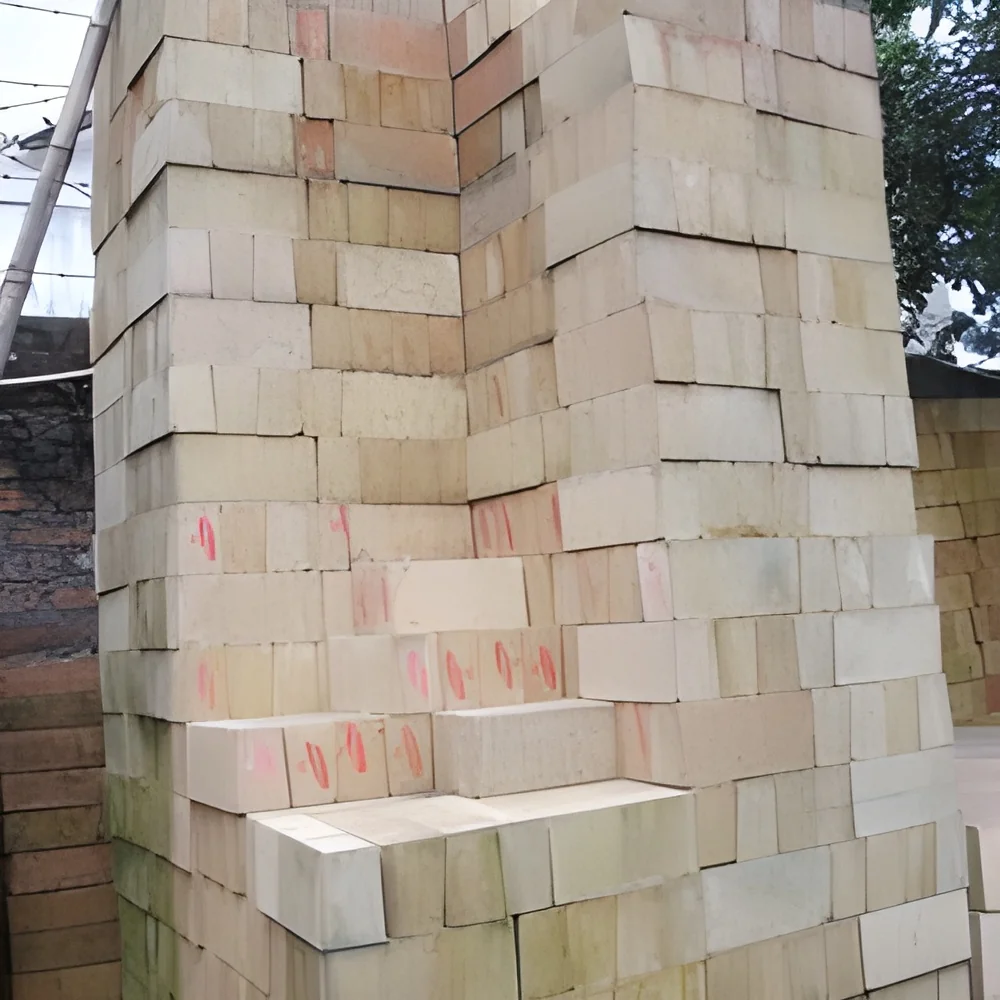
7. Construction: Refractory bricks and tiles are utilized in fireplaces and stoves, providing durability and heat resistance.
𝗣𝗿𝗼𝗱𝘂𝗰𝘁 𝗩𝗮𝗿𝗶𝗮𝗻𝘁𝘀 𝗮𝗻𝗱 𝗦𝘂𝗯𝗰𝗮𝘁𝗲𝗴𝗼𝗿𝗶𝗲𝘀
Ceramic and refractory materials come in various forms, each suited for different applications.
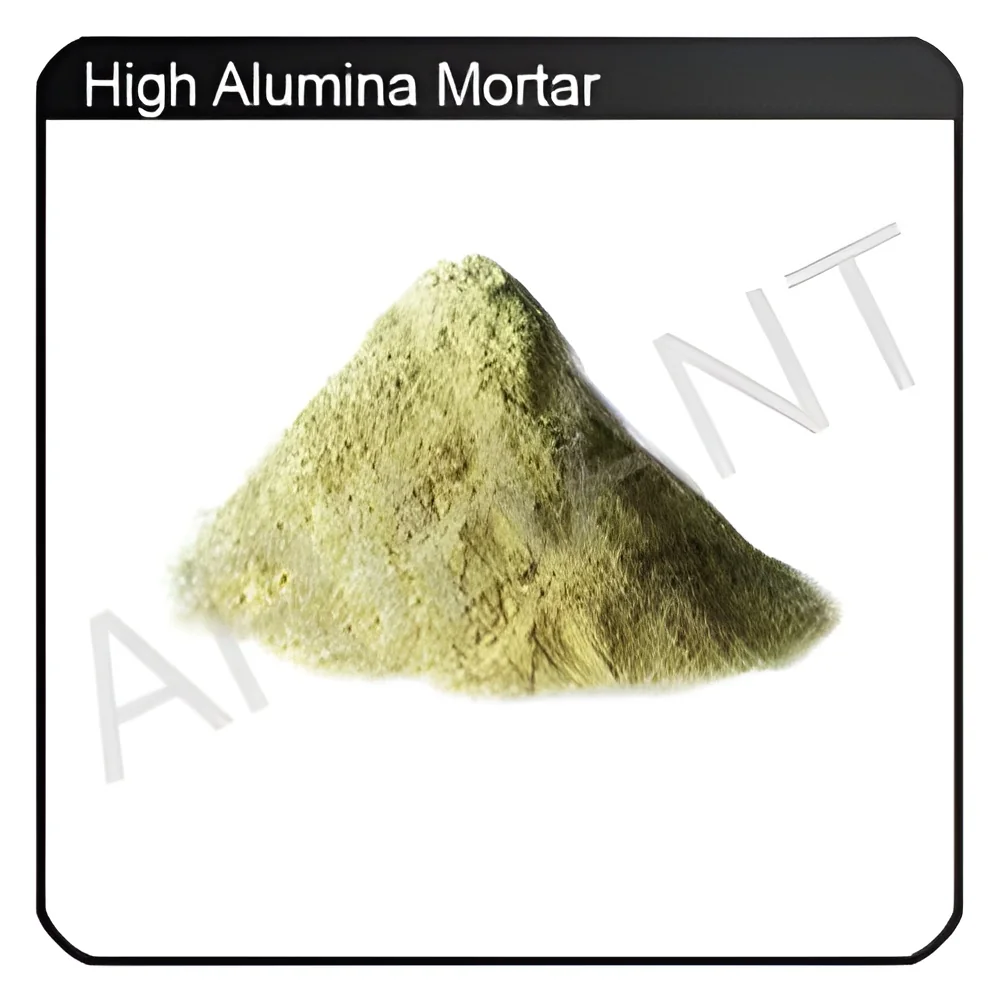
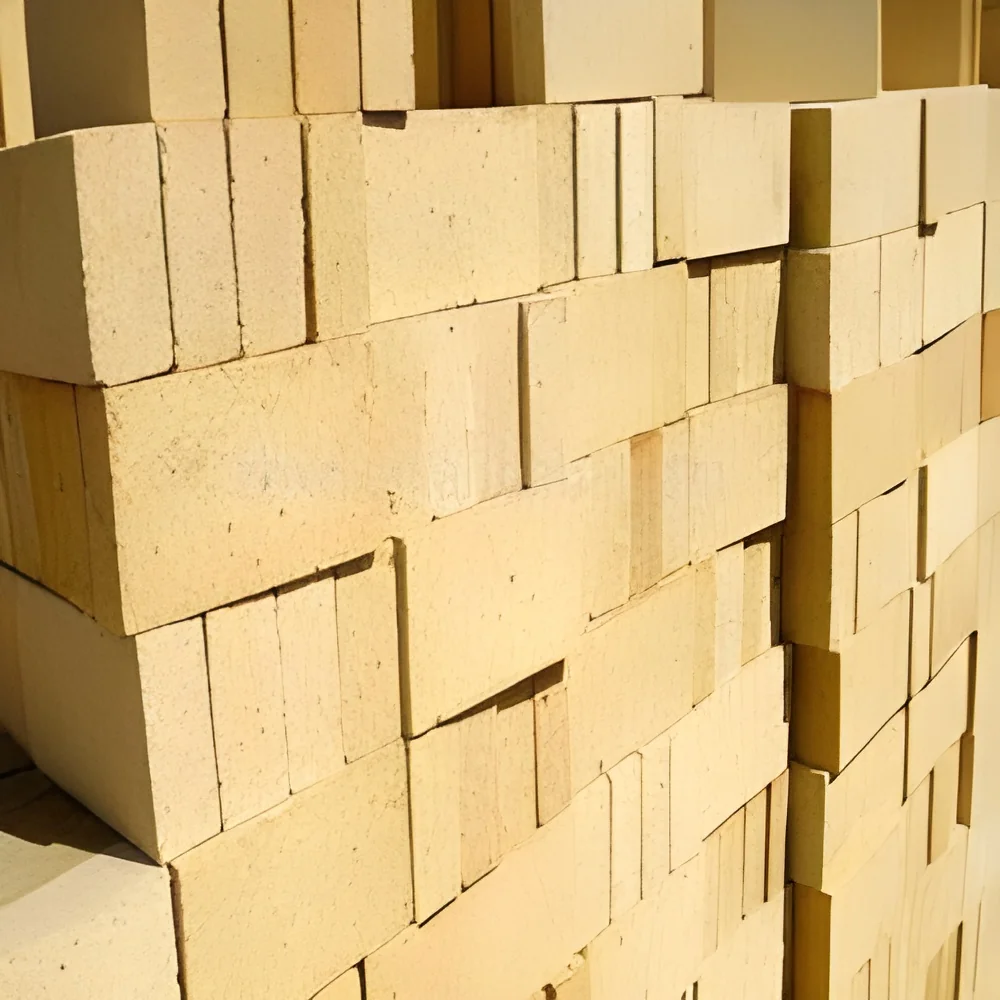
High Alumina Refractory
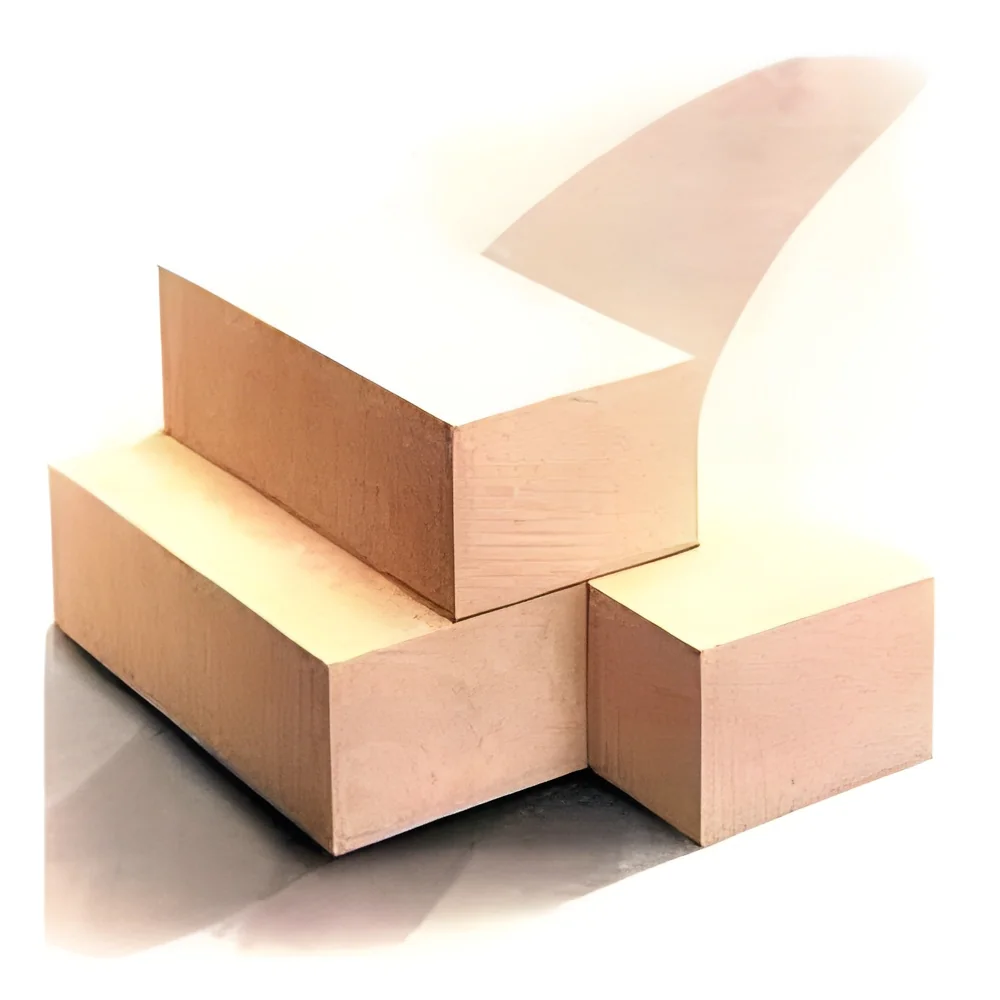
This variant is known for its excellent thermal stability and resistance to chemical attack. It is commonly used in industrial furnaces and kilns.
Silica Refractory
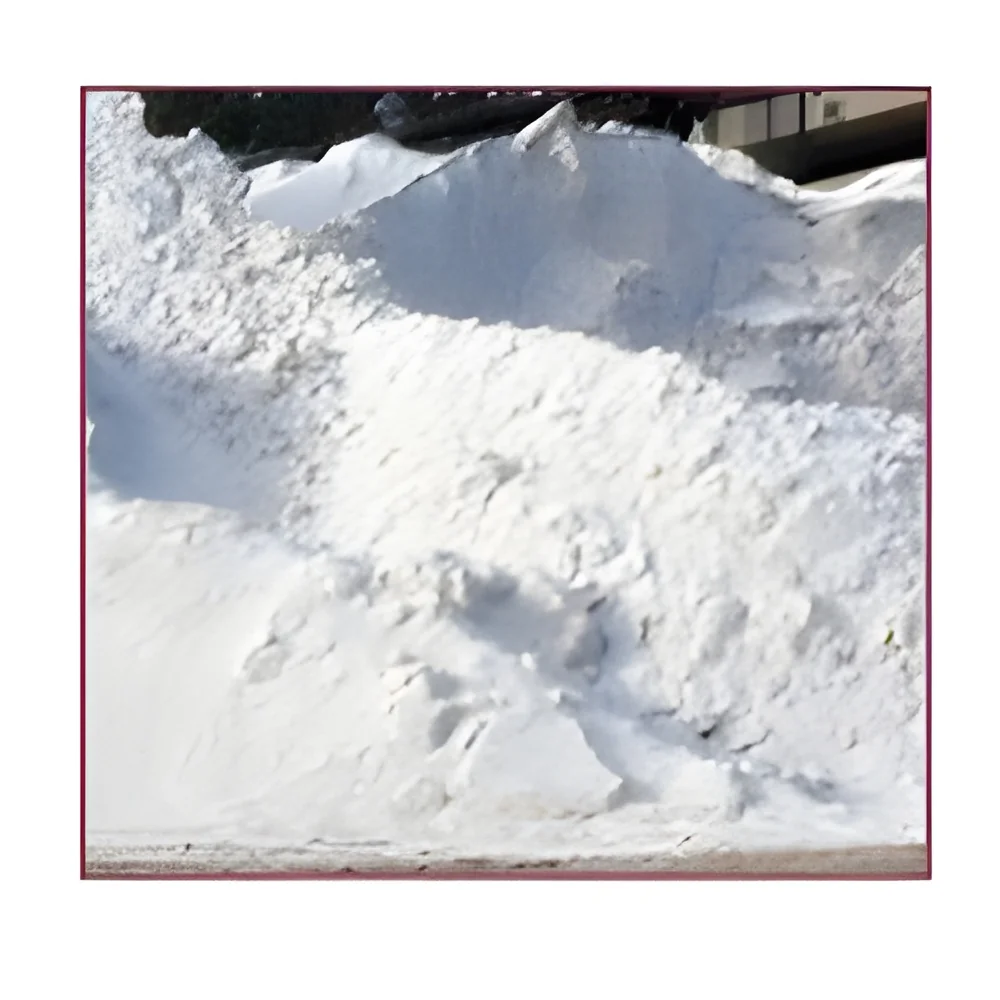
Characterized by high melting points, silica refractory materials are ideal for glass and steel industries where high-temperature resistance is critical.
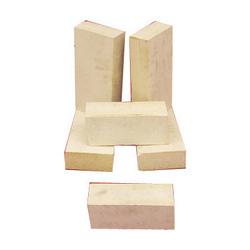
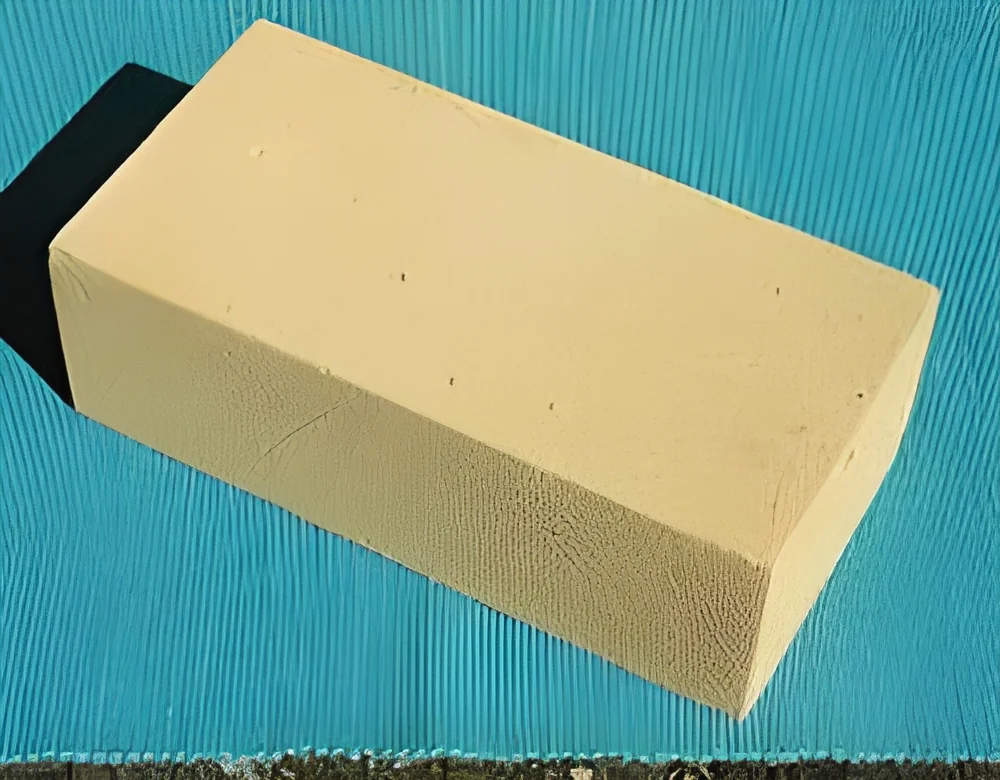
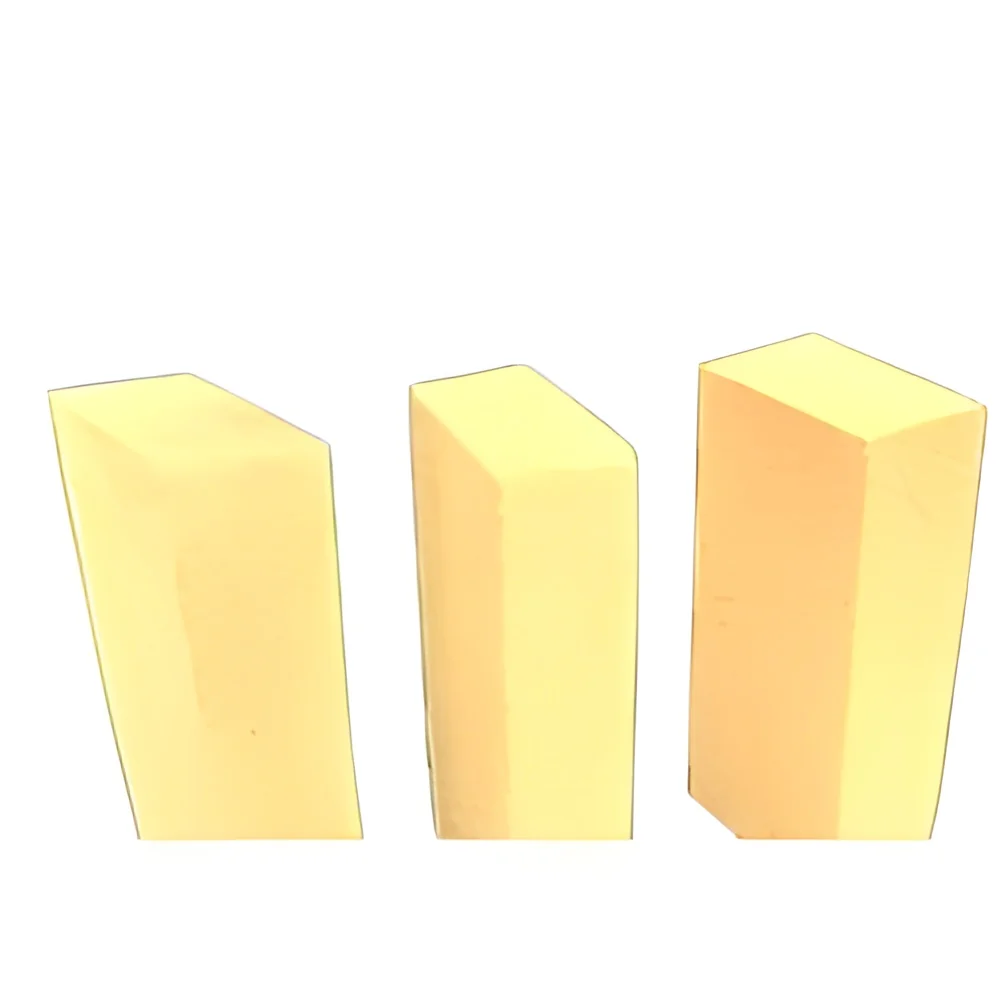
Insulating Firebrick
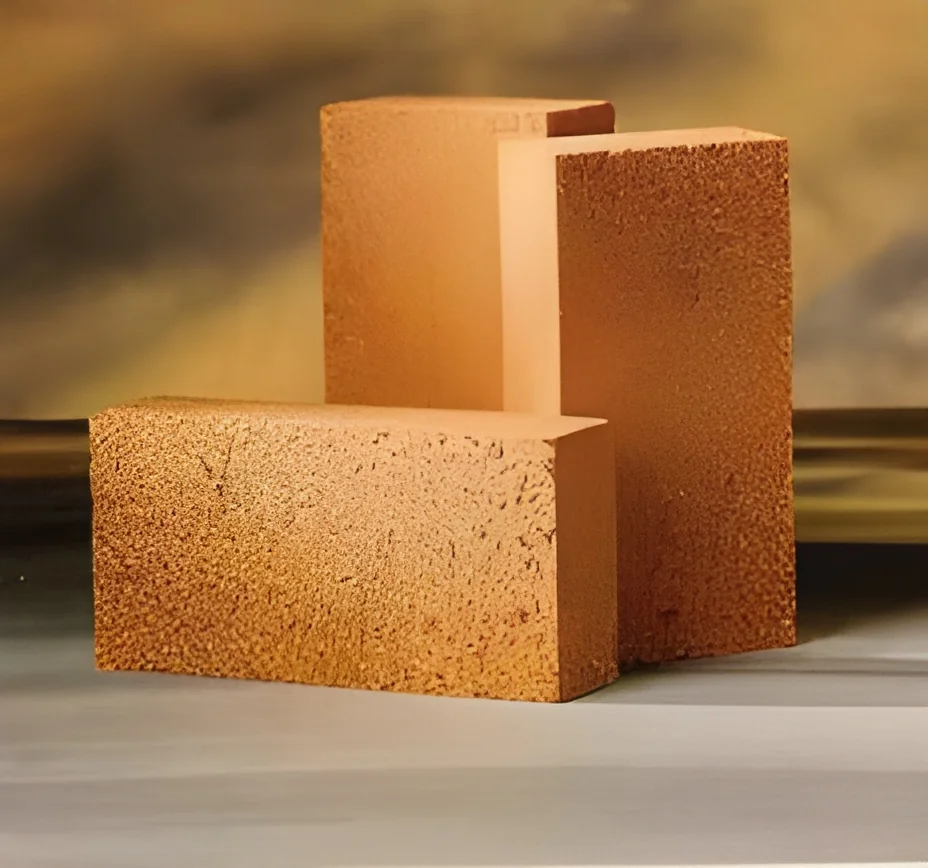
These bricks provide superior insulation properties while being lightweight. They are widely used in applications requiring thermal efficiency.
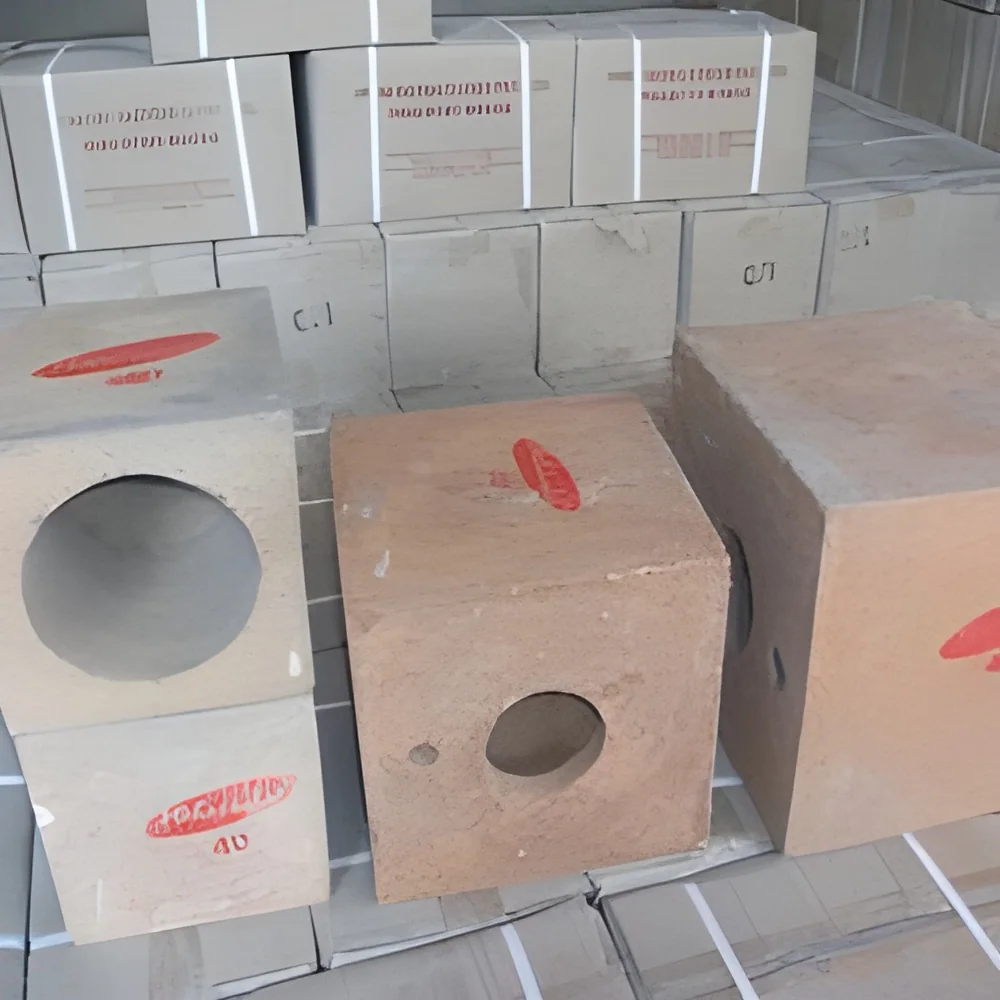
Dense Refractory
This type offers high mechanical strength and durability, making it suitable for severe environments, such as in metallurgical processes.
𝗕𝗲𝗻𝗲𝗳𝗶𝘁𝘀 𝗮𝗻𝗱 𝗔𝗱𝘃𝗮𝗻𝘁𝗮𝗴𝗲𝘀
Ceramic and refractory materials offer numerous advantages that enhance operational efficiency and safety.
1. High-Temperature Resistance: These materials can withstand extreme temperatures without degrading, ensuring longevity in industrial applications.
2. Chemical Stability: Their resistance to chemical corrosion protects equipment and reduces maintenance costs.
3. Energy Efficiency: By providing excellent insulation, they help lower energy consumption in high-temperature processes.
4. Mechanical Strength: High compressive strength allows them to support heavy loads without failure.
5. Versatility: Available in various forms and compositions, they can be tailored to meet specific application needs.
6. Safety: Their stability at high temperatures helps prevent accidents and equipment failures in industrial settings.
𝗕𝘂𝘆𝗶𝗻𝗴 𝗚𝘂𝗶𝗱𝗲 𝗳𝗼𝗿 𝗕𝟮𝗕 𝗕𝘂𝘆𝗲𝗿𝘀
When sourcing ceramic and refractory materials, it is vital to consider several key factors to ensure optimal selection.
1. Quality Assessment: Evaluate materials based on their thermal and mechanical properties to ensure they meet industry standards.
2. Supplier Verification: Conduct thorough background checks on suppliers to confirm reputation and reliability.
3. Pricing and MOQ: Understand the pricing structures and minimum order quantities to align with your budget and production needs.
4. Delivery and Lead Times: Discuss logistics and delivery schedules to ensure timely acquisition of materials.
5. Compliance Requirements: Verify that materials meet relevant regulatory standards to avoid compliance issues.
𝗖𝗼𝗺𝗽𝗹𝗶𝗮𝗻𝗰𝗲 𝗮𝗻𝗱 𝗖𝗲𝗿𝘁𝗶𝗳𝗶𝗰𝗮𝘁𝗶𝗼𝗻𝘀
Ceramic and refractory materials must adhere to specific quality and safety standards to ensure they are suitable for industrial use.
ISO 9001 is a widely recognized standard for quality management systems, ensuring that manufacturers maintain consistent quality in their processes.
CE certification indicates compliance with European safety, health, and environmental protection standards, adding credibility to products.
Safety and testing requirements are crucial in the production of these materials. Manufacturers must conduct rigorous testing to verify high-temperature performance and chemical resistance.
Regionally, compliance with local regulations is essential, particularly for industries such as aerospace and energy, where stringent safety standards are enforced.
𝗪𝗵𝘆 𝗦𝗼𝘂𝗿𝗰𝗲 𝗖𝗲𝗿𝗮𝗺𝗶𝗰 & 𝗥𝗲𝗳𝗿𝗮𝗰𝘁𝗼𝗿𝘆 𝗠𝗮𝘁𝗲𝗿𝗶𝗮𝗹𝘀 𝗳𝗿𝗼𝗺 𝗣𝗲𝗽𝗮𝗴𝗼𝗿𝗮?
Pepagora offers a reliable platform for sourcing high-quality ceramic and refractory materials, catering to diverse industrial needs.
Verified Supplier Network: Our suppliers are thoroughly vetted to ensure they meet high standards of quality and reliability, providing peace of mind for buyers.
Streamlined RFQ Process: We simplify the request for quotation process, allowing buyers to easily obtain competitive pricing and terms from multiple suppliers.
Trade Assurance and Support: Our platform provides buyer protection, ensuring that transactions are secure and that support is available throughout the purchasing process.
Regional Coverage: With an extensive network that spans India, the GCC, and Southeast Asia, Pepagora connects buyers with trusted suppliers across various geographies, facilitating efficient sourcing.








Frequently Asked Questions
What are Ceramic & Refractory Materials?
Ceramic & Refractory Materials are inorganic, non-metallic materials that are resistant to high temperatures and are used in a variety of industrial applications. They are primarily used to line furnaces, kilns, and reactors, providing thermal insulation and protection against chemical corrosion.
What are the different types of Ceramic & Refractory Materials?
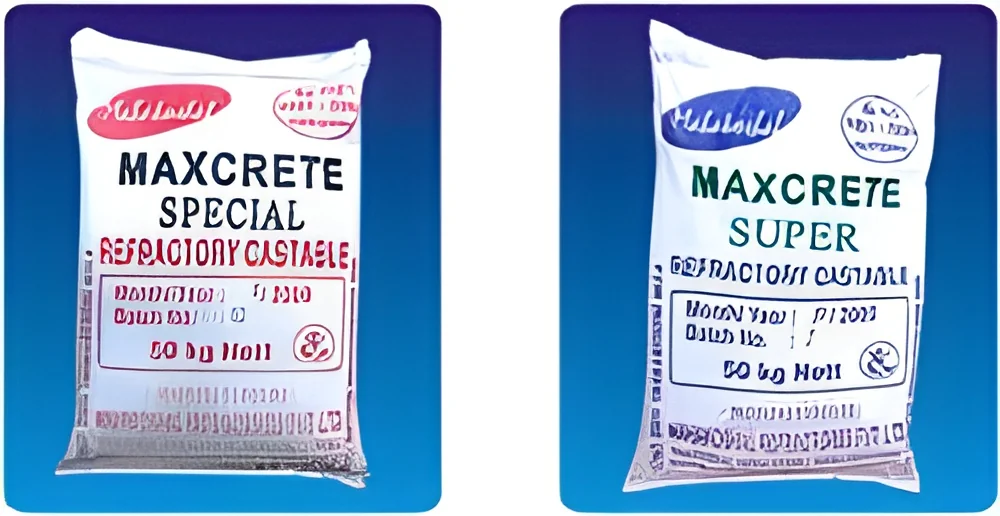
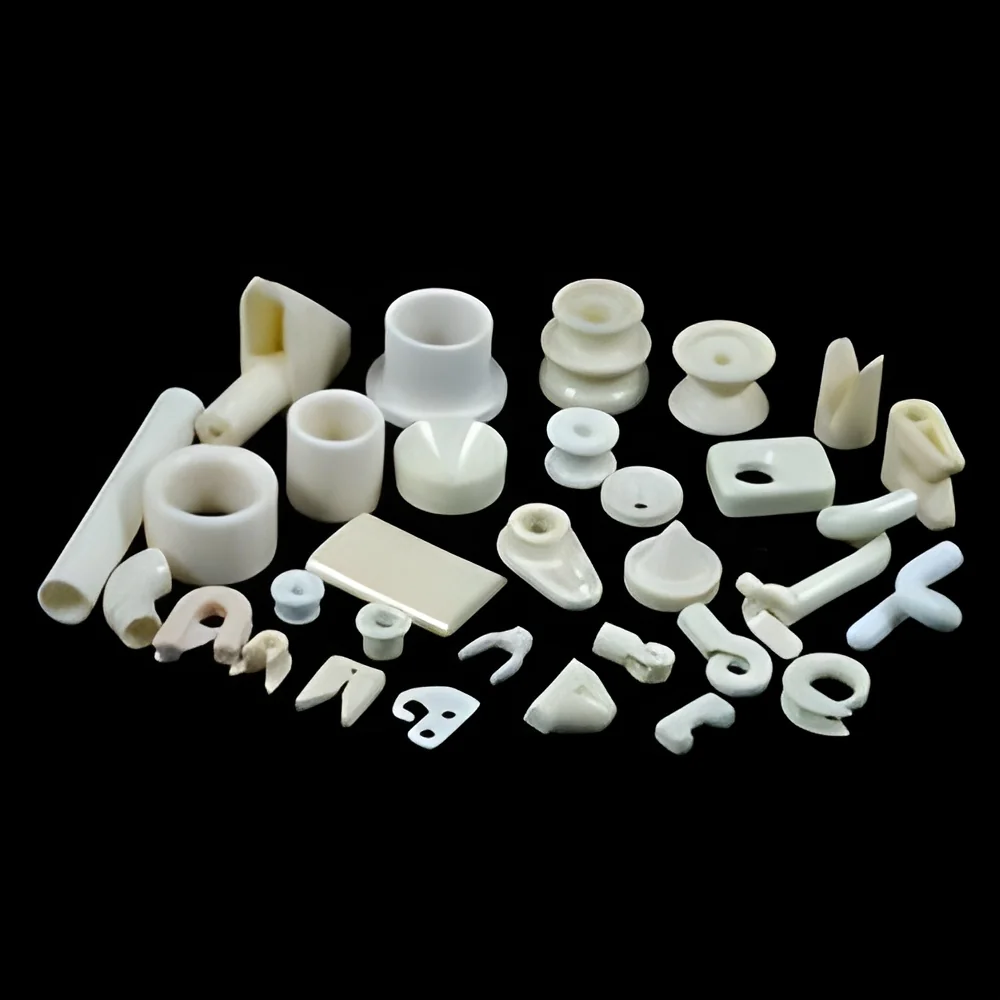
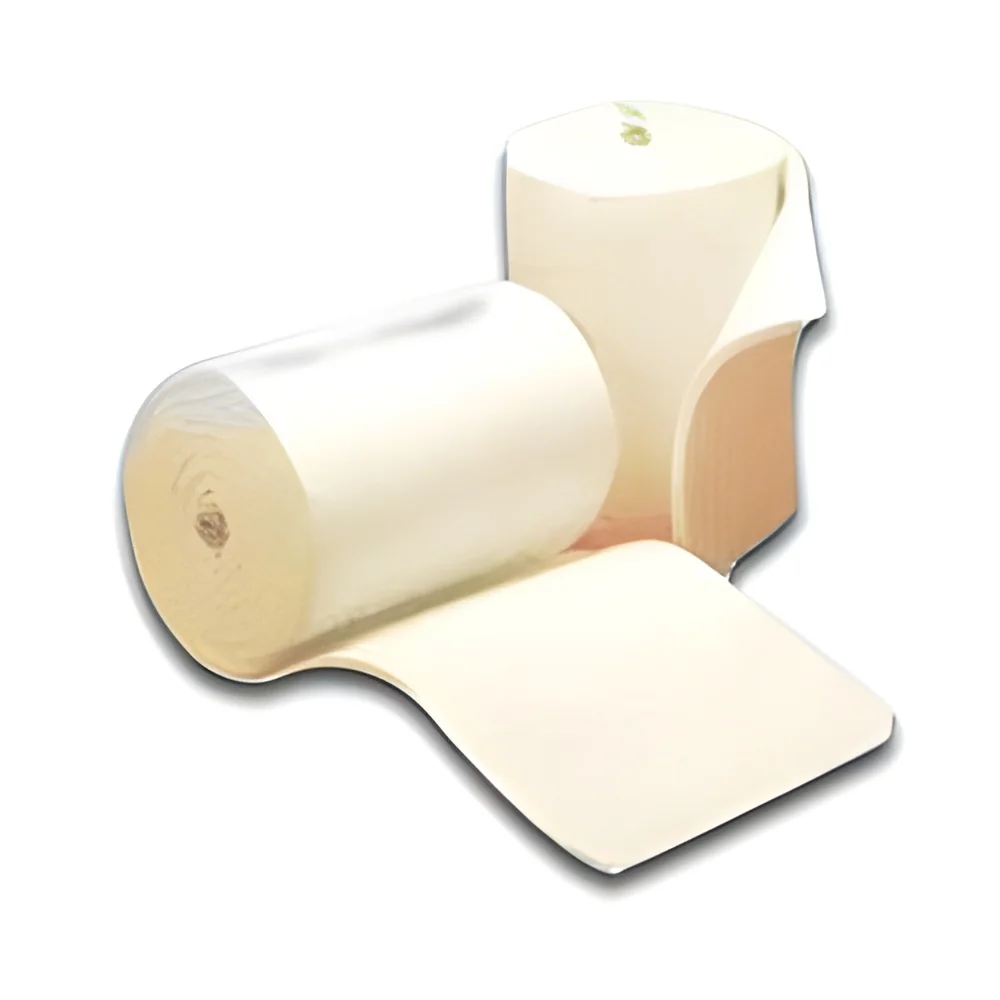
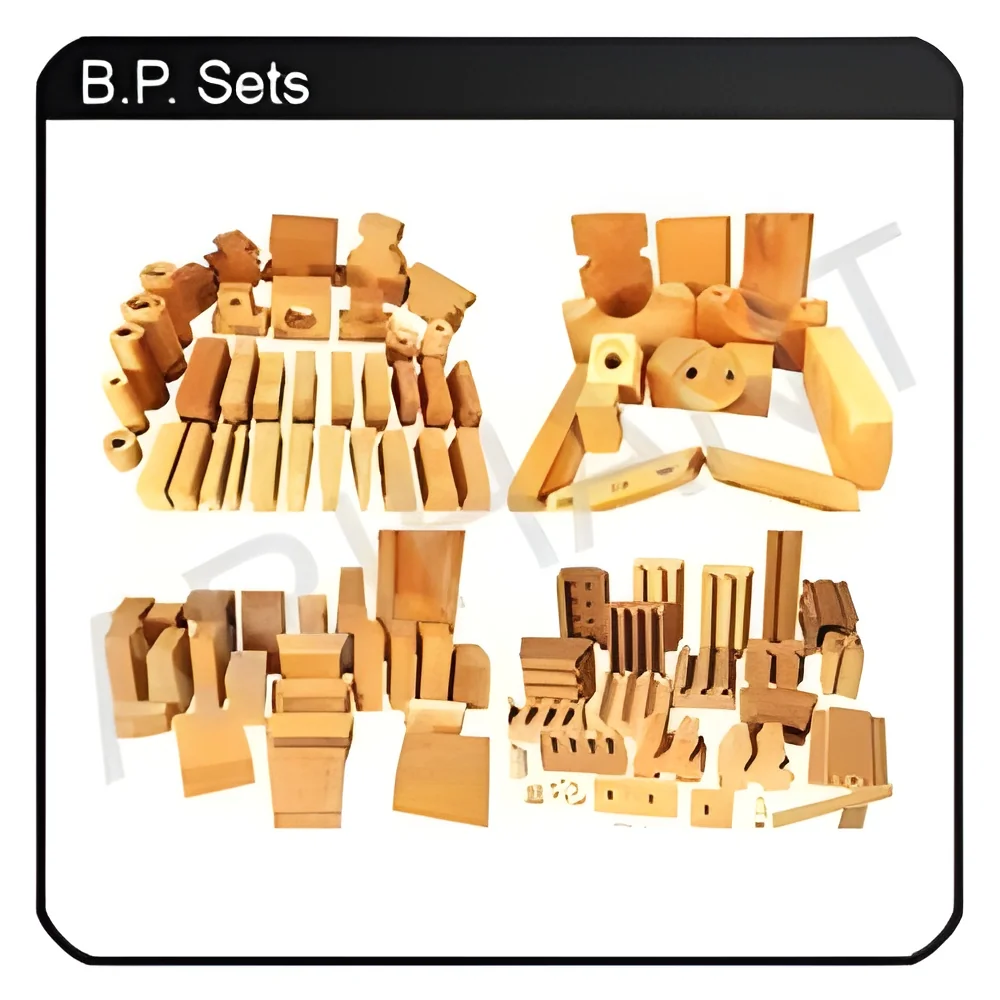
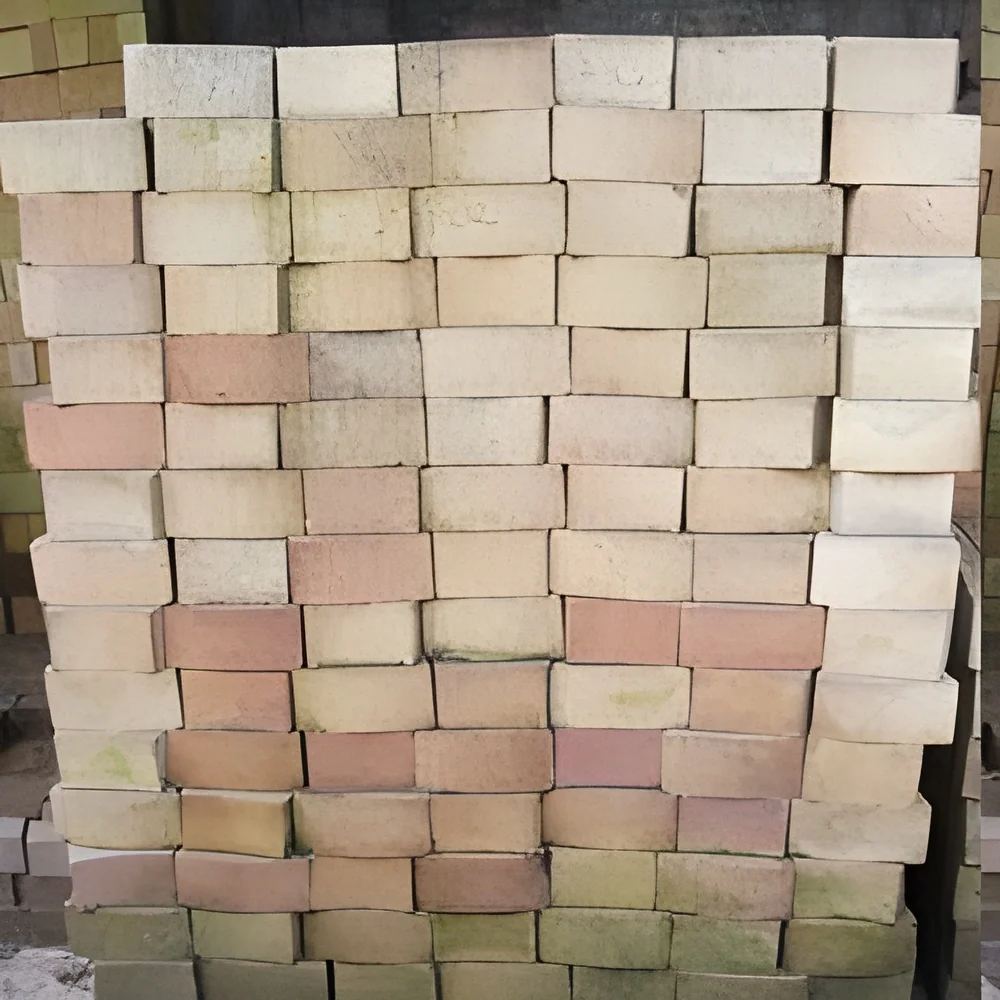
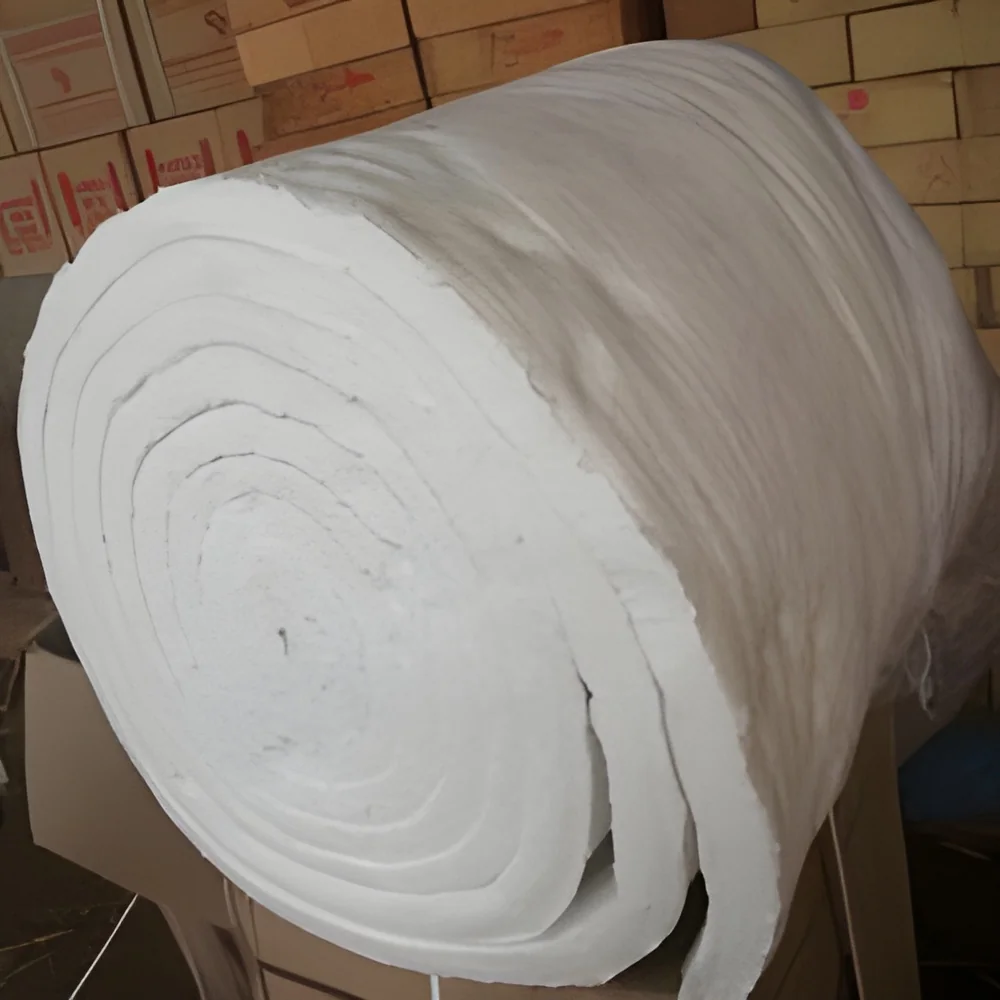
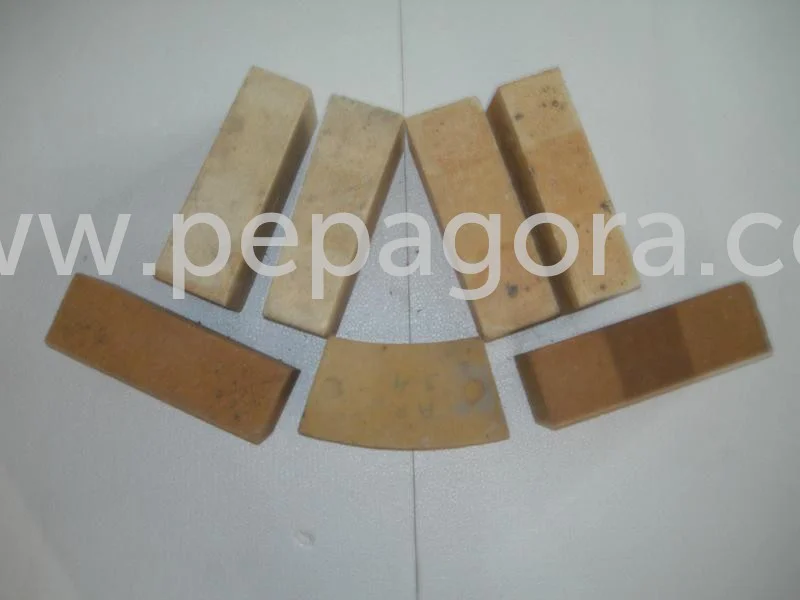
There are several types of Ceramic & Refractory Materials, including fireclay bricks, high-alumina bricks, silica bricks, and magnesia bricks. Other types include insulation bricks, castable refractories, and ceramic fibers, each designed for specific applications based on temperature resistance and chemical compatibility.
How do I choose the right Ceramic & Refractory Materials?
Choosing the right Ceramic & Refractory Materials involves considering factors such as the maximum operating temperature, thermal conductivity, and chemical resistance required for your application. Consulting with suppliers or manufacturers can also provide valuable insights based on your specific needs and industry standards.
What are the standard specifications for Ceramic & Refractory Materials?
Standard specifications for Ceramic & Refractory Materials typically include parameters such as compressive strength, thermal conductivity, density, and maximum service temperature. These specifications ensure that the materials meet the performance requirements for various industrial applications.
What is the price range for Ceramic & Refractory Materials?
The price range for Ceramic & Refractory Materials can vary significantly based on the type, quality, and quantity purchased. Generally, prices can range from a few hundred to several thousand Indian Rupees per ton, depending on the specific material and supplier.
What quality standards apply to Ceramic & Refractory Materials?
Quality standards for Ceramic & Refractory Materials often include ISO certifications and adherence to industry-specific standards such as ASTM or EN. These standards ensure that the materials meet certain performance and safety criteria, providing reliability in high-temperature applications.
Where can I find Ceramic & Refractory Materials suppliers in India?
You can find Ceramic & Refractory Materials suppliers in India through various online B2B marketplaces like Pepagora.com, industry directories, or trade shows. Additionally, contacting local manufacturers directly can provide insights into their product offerings and capabilities.
Can Ceramic & Refractory Materials be customized?
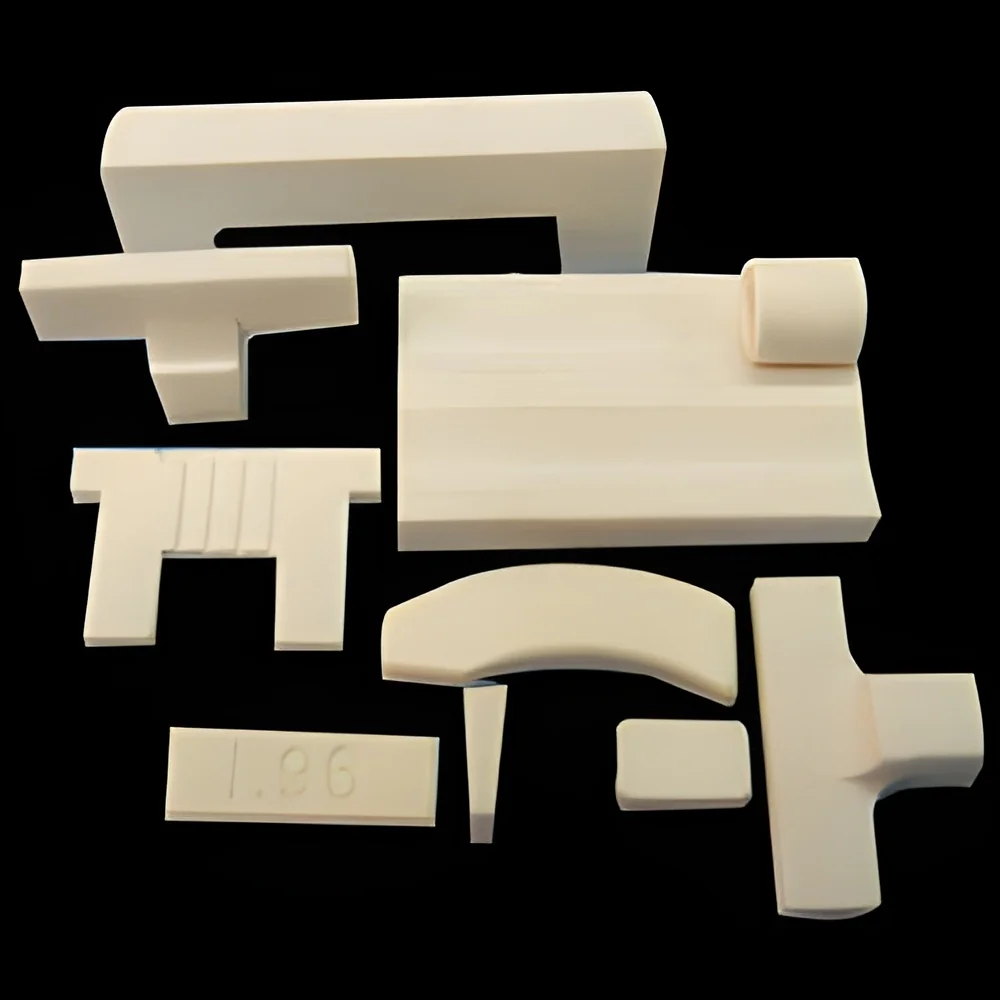
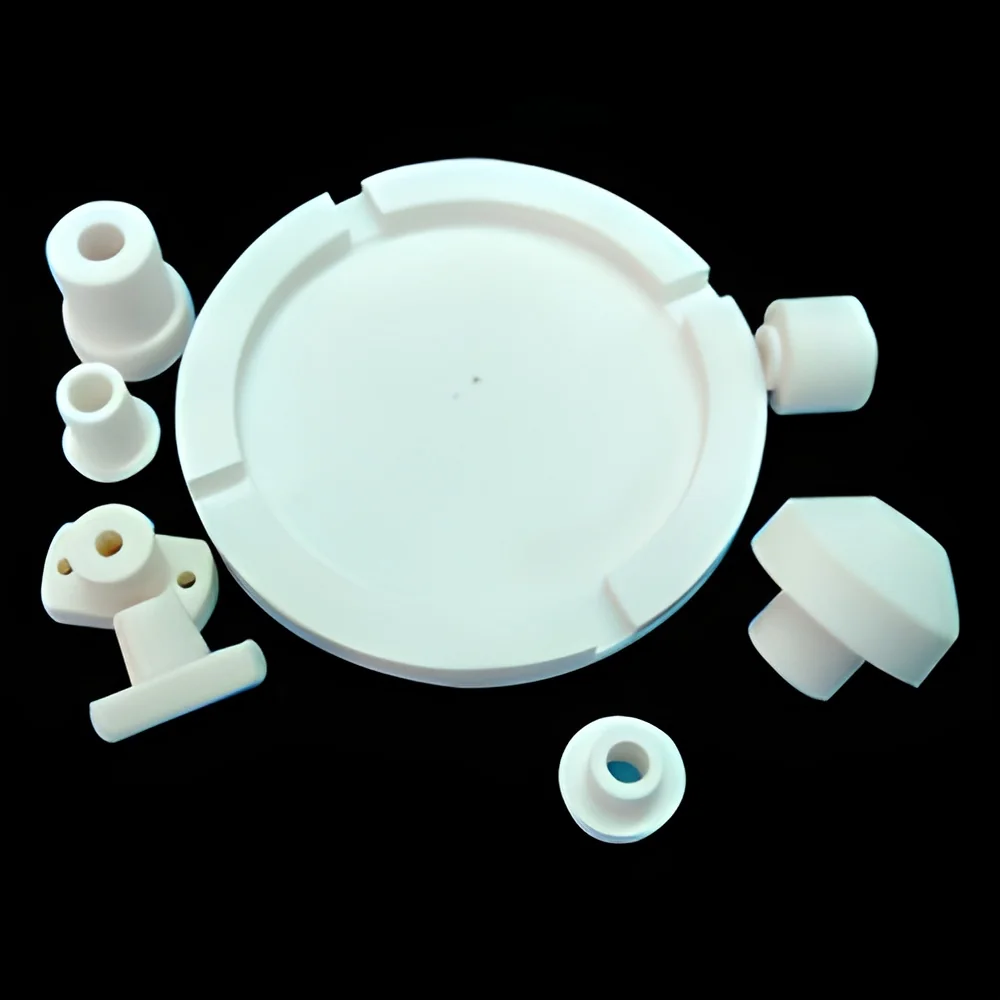
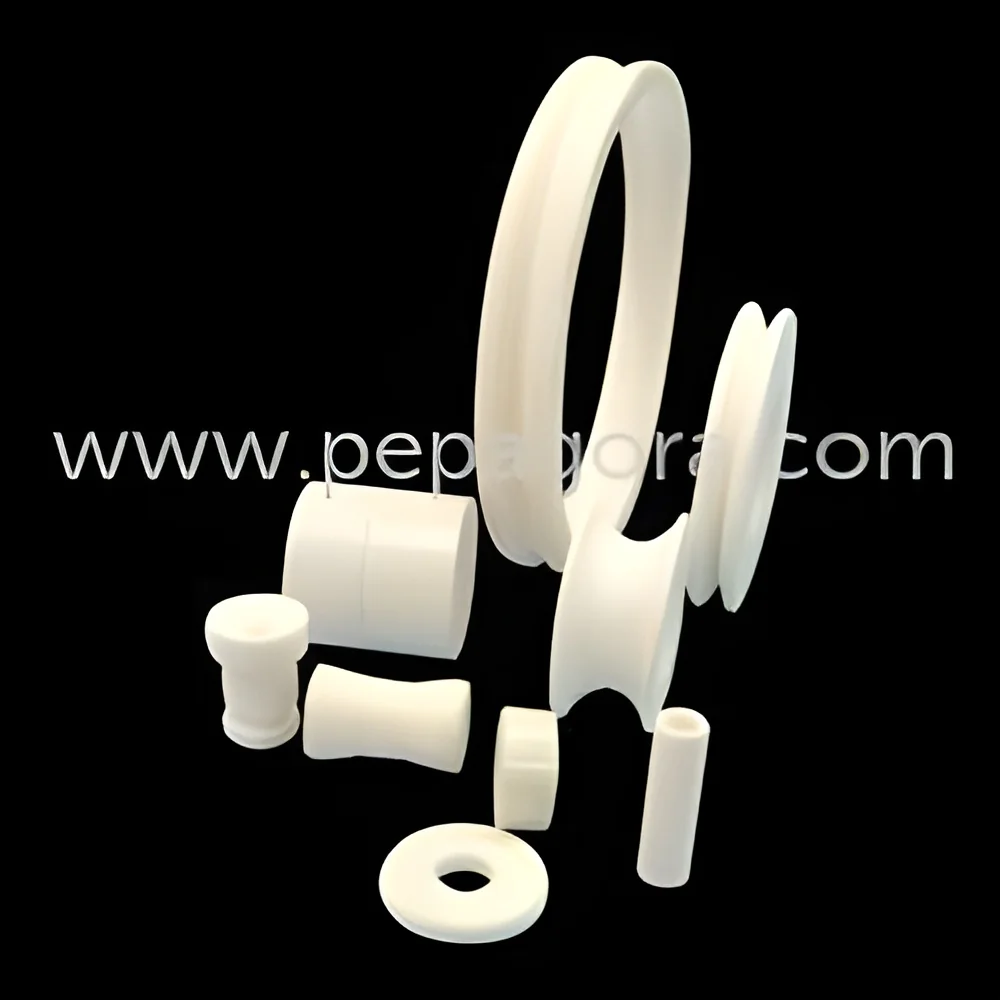
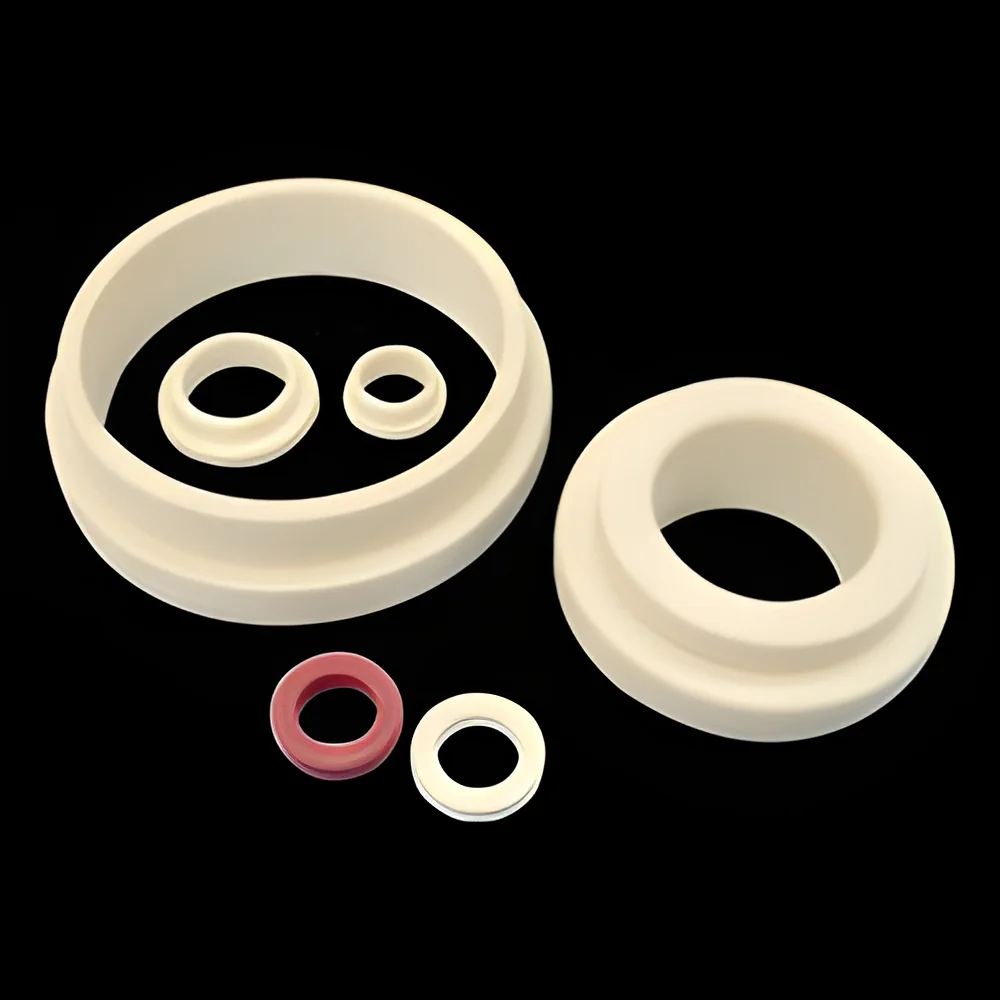
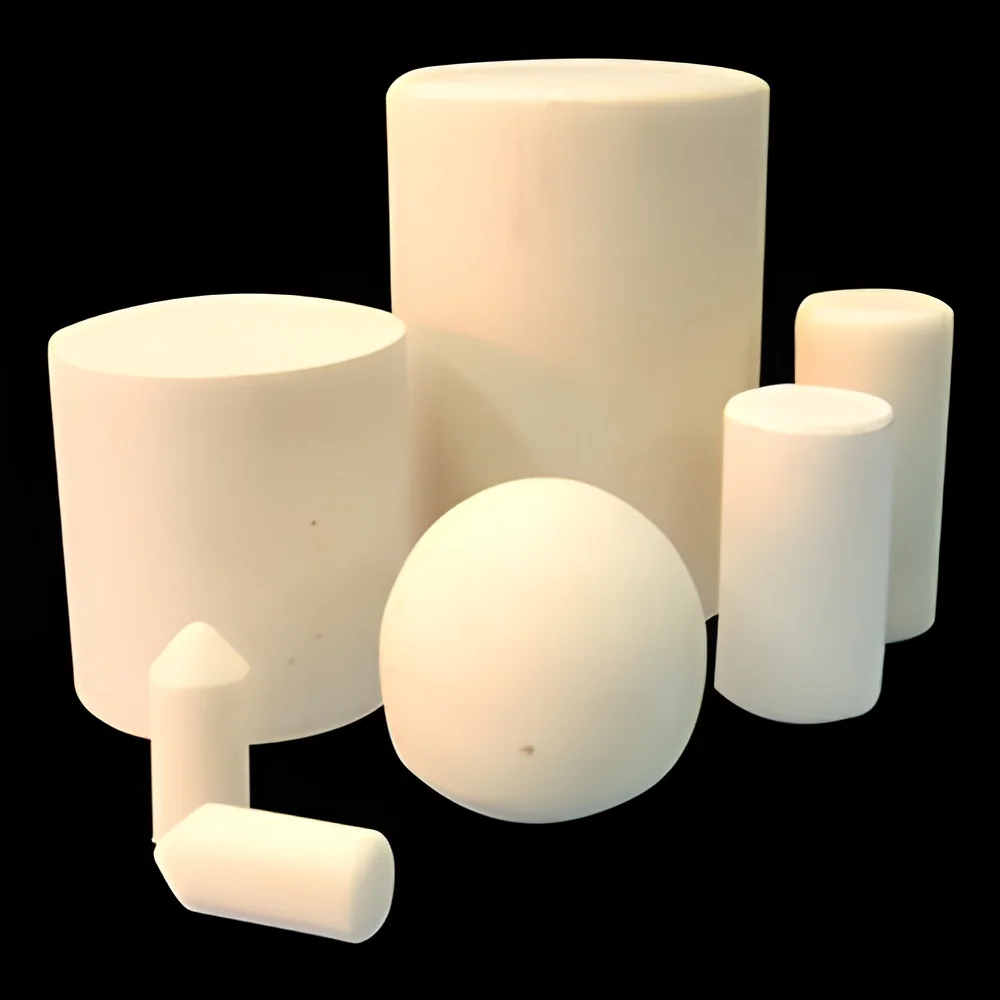
Yes, Ceramic & Refractory Materials can often be customized to meet specific requirements, such as size, shape, and composition. Many manufacturers offer custom solutions based on the unique needs of various industries and applications.
What is the typical minimum order quantity for Ceramic & Refractory Materials?
The typical minimum order quantity (MOQ) for Ceramic & Refractory Materials varies by supplier and product type, but it commonly ranges from 500 kg to 1 ton. It's advisable to check with individual suppliers for their specific MOQs.
What is the typical lead time for Ceramic & Refractory Materials?
The typical lead time for Ceramic & Refractory Materials can vary depending on the supplier and the complexity of the order, usually ranging from 1 to 6 weeks. Factors such as customization and order volume can also impact delivery times.
Why Businesses Trust Pepagora
Thousands of companies trust Pepagora to source smarter and sell faster
Expand Your Sales Globally

Source Smarter,Grow Faster
