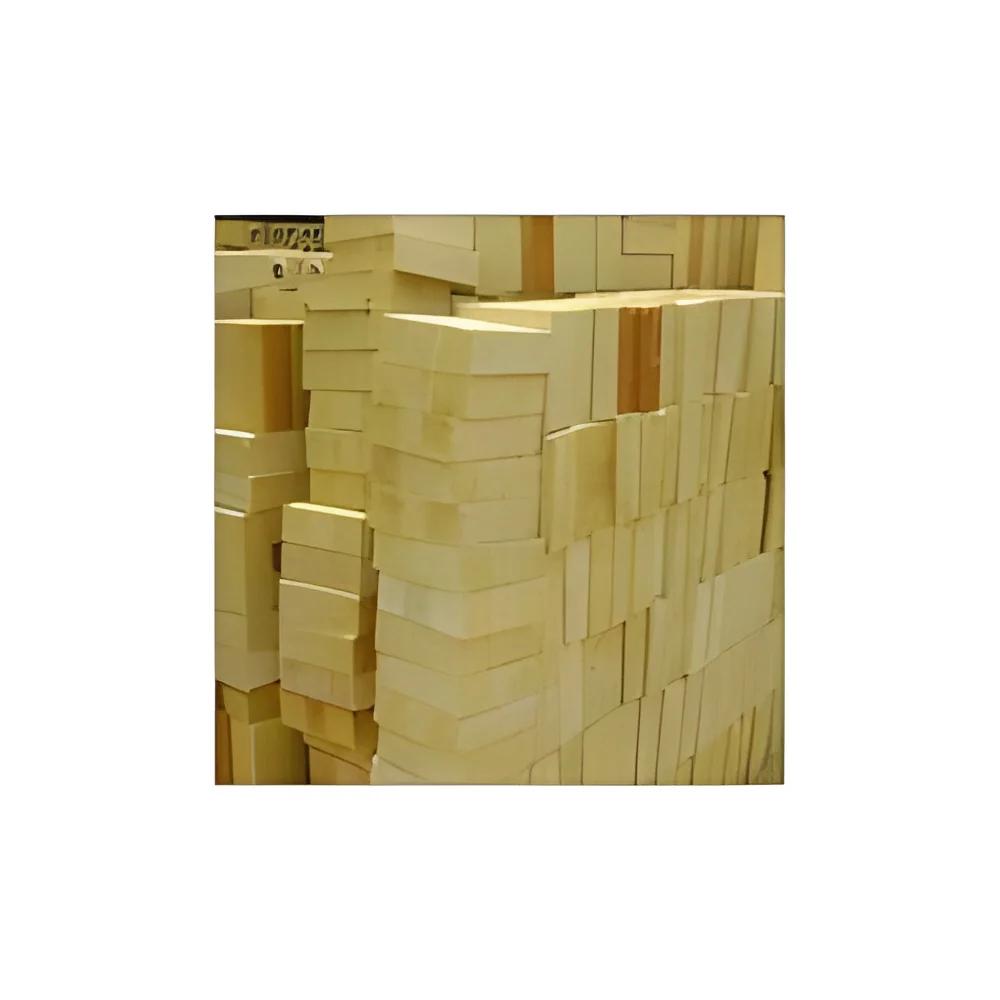
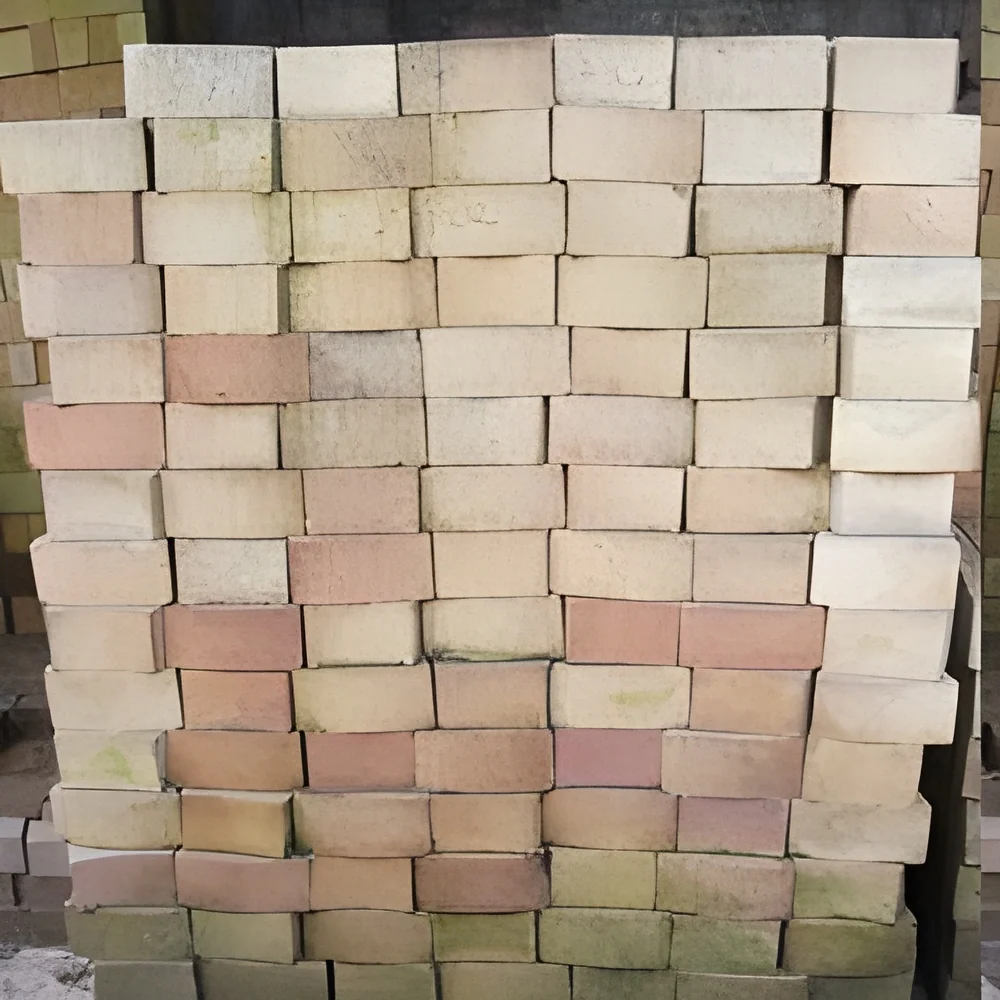
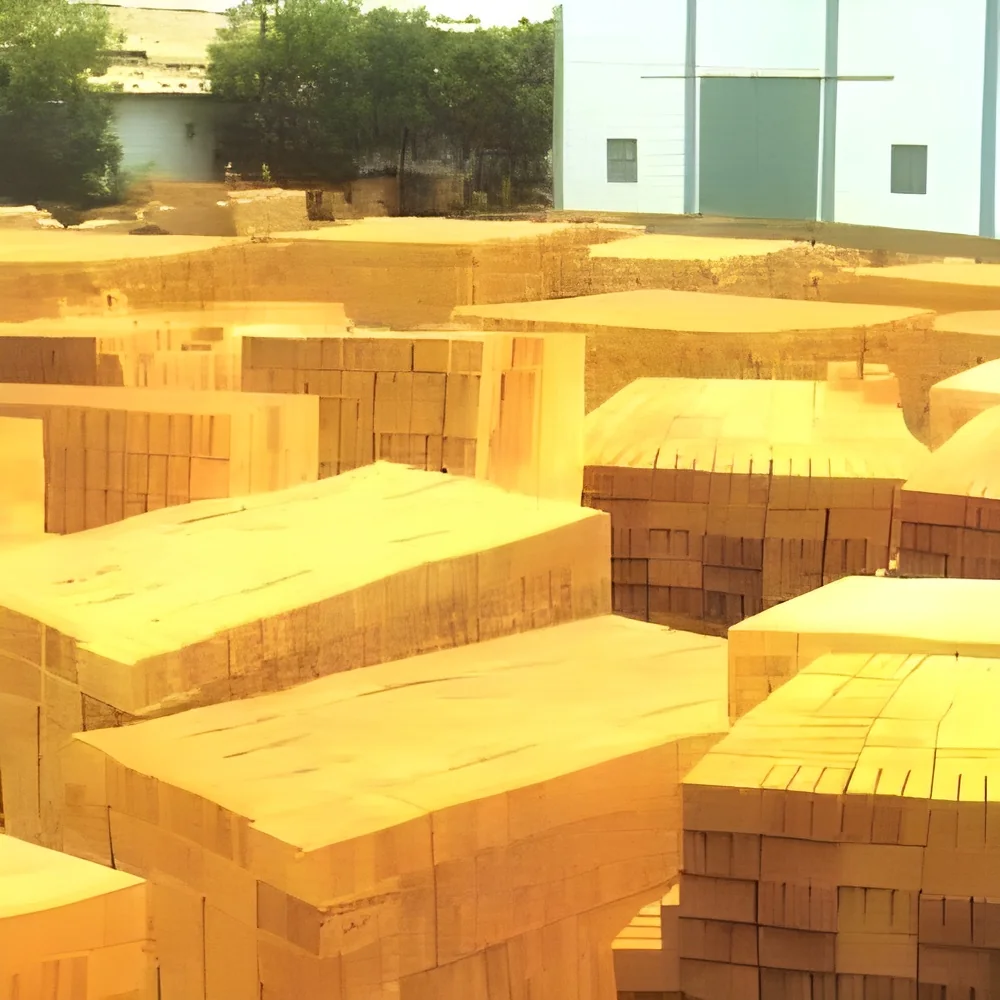
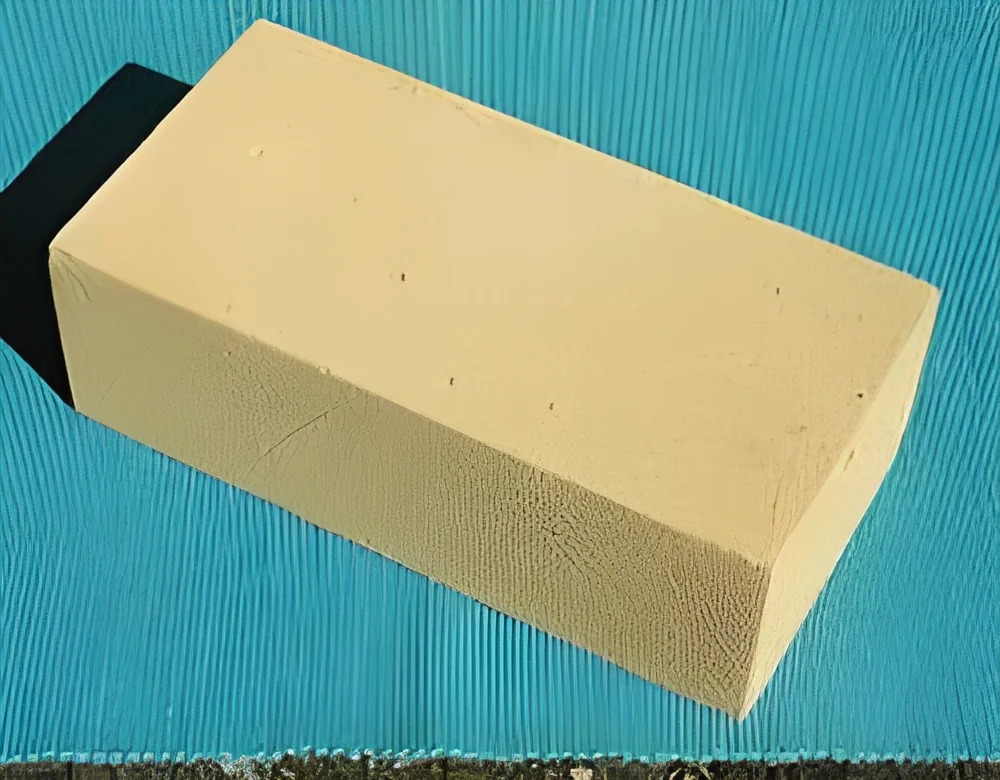
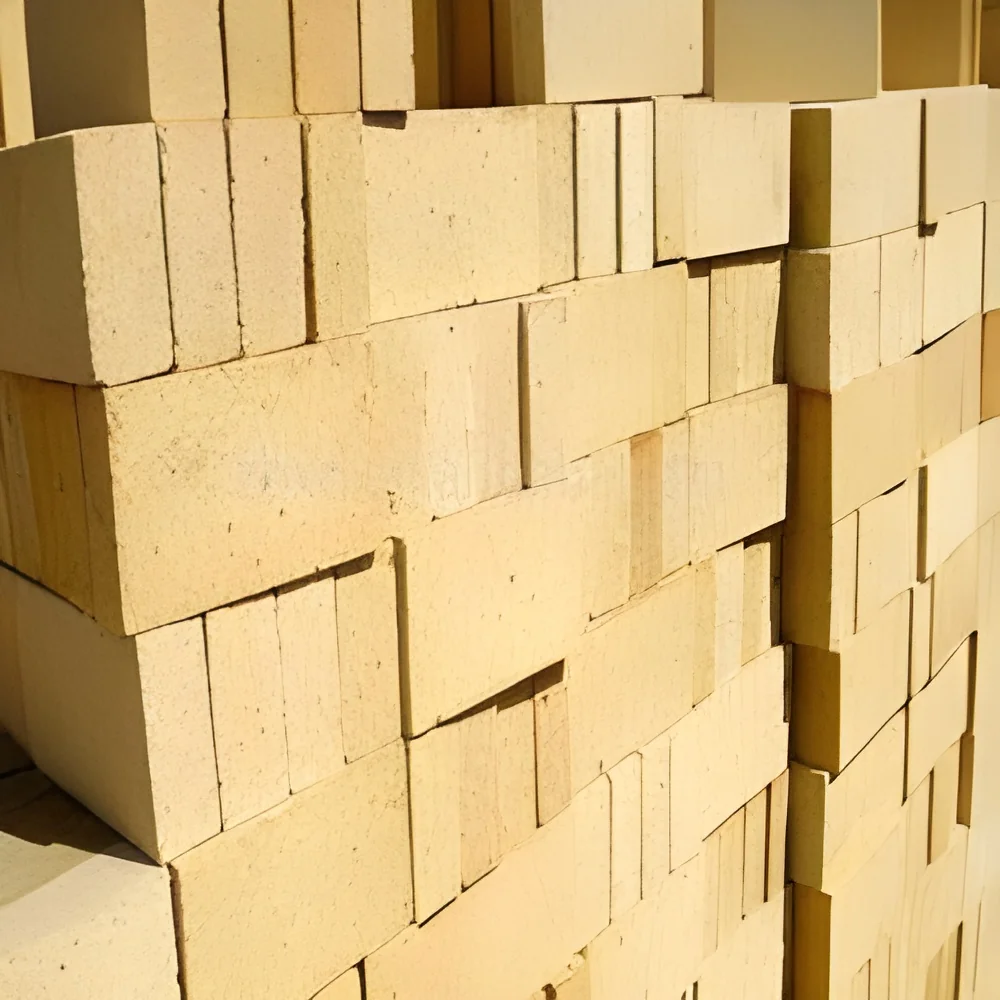
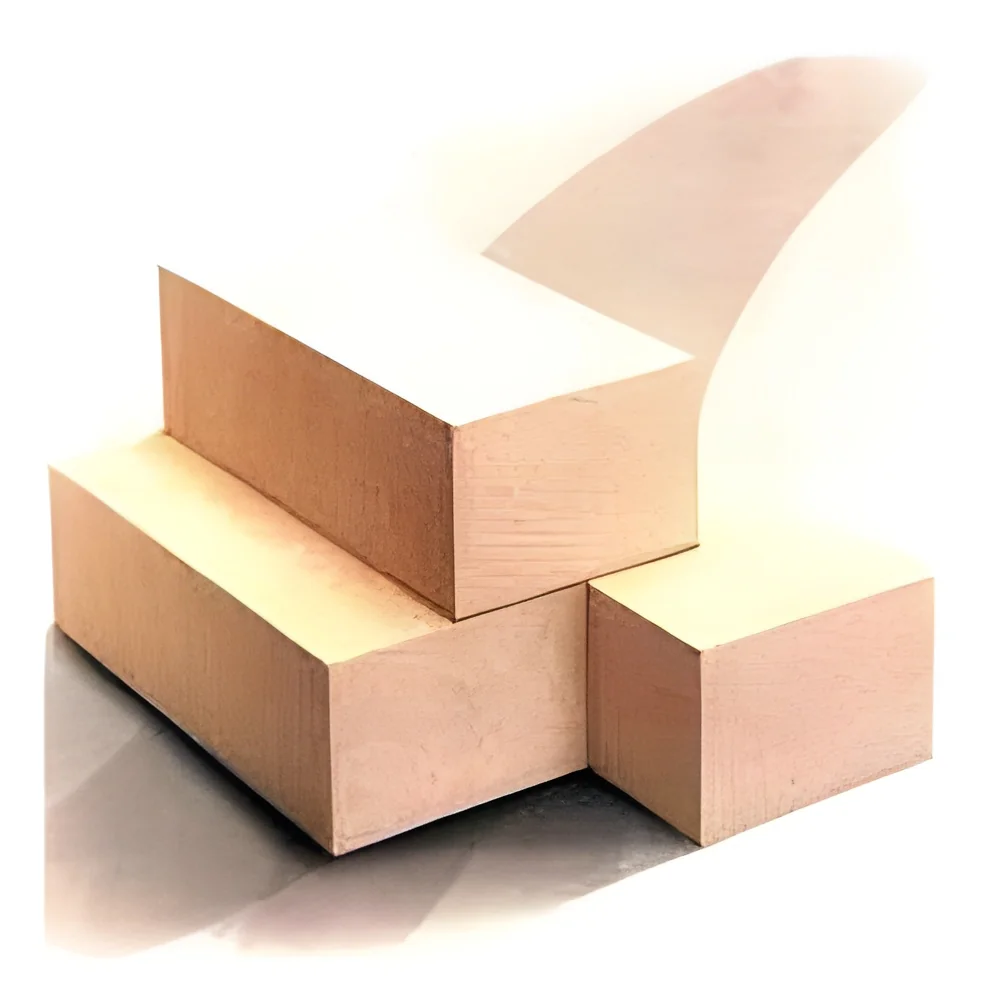
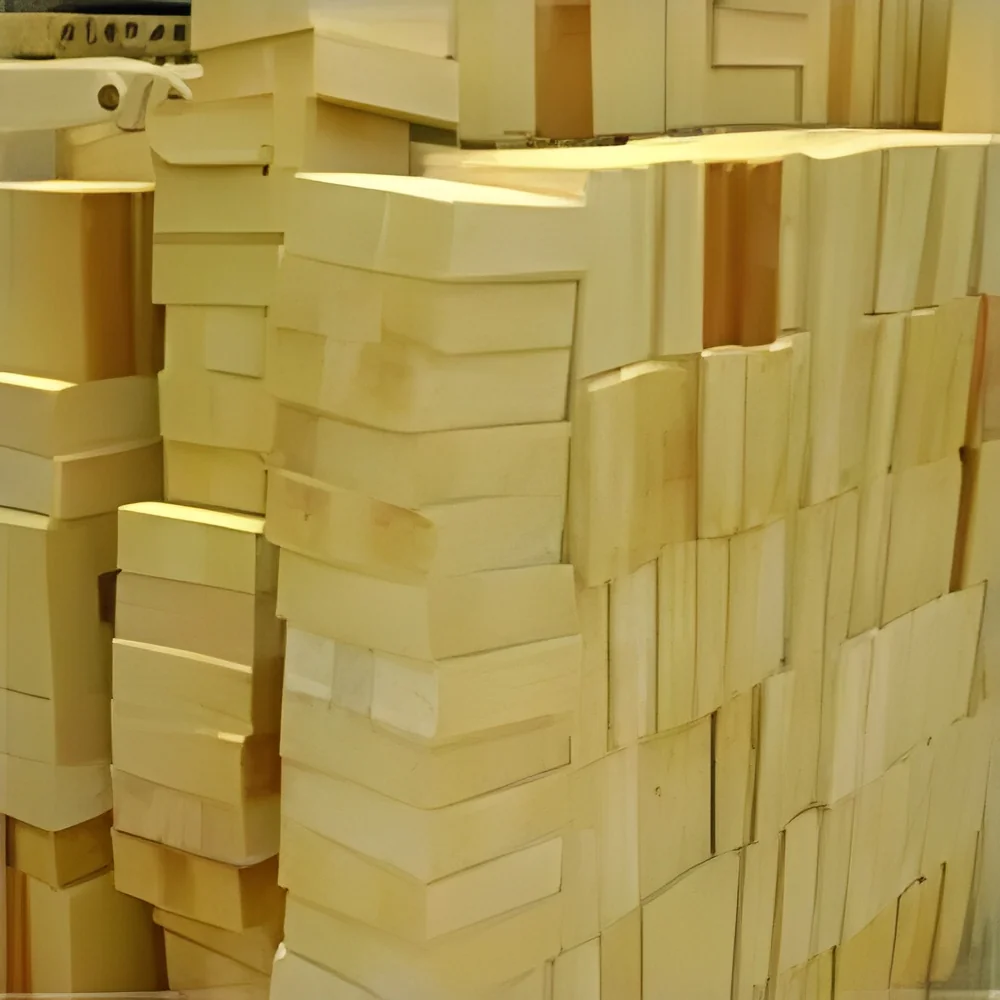
What are Refractory Bricks?
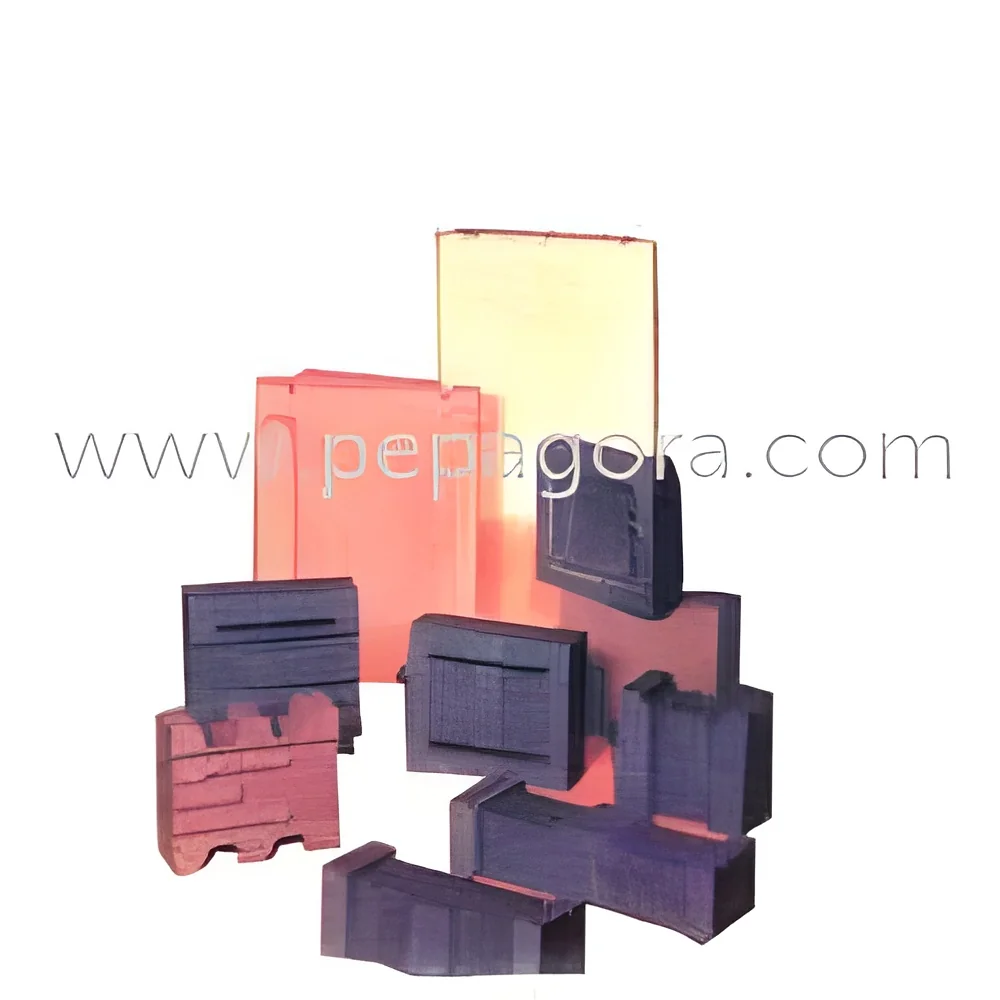
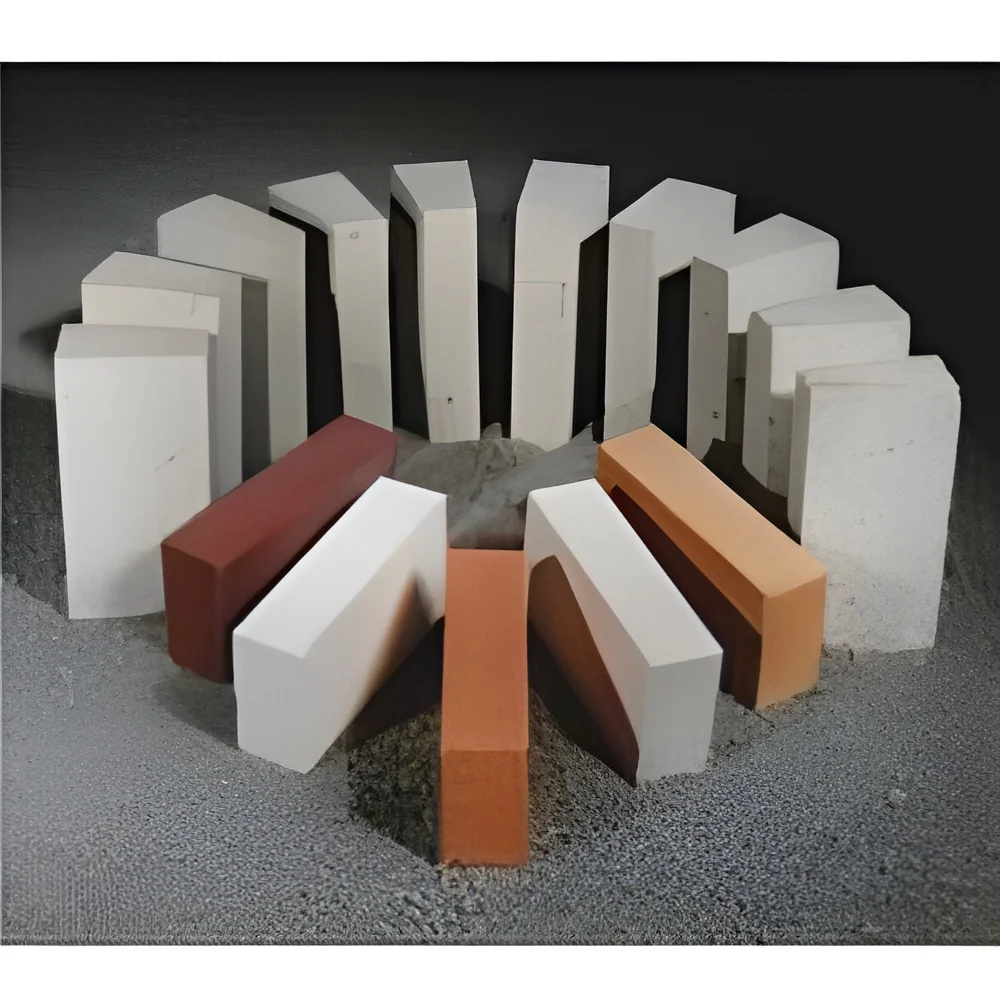
Refractory bricks are specialized ceramic materials designed to withstand high temperatures, typically exceeding 1,500 degrees Celsius. They are essential for industries that require materials capable of maintaining structural integrity under extreme heat and thermal stress. Composed of various natural minerals, refractory bricks are engineered to offer durability and resist thermal shock, making them indispensable in high-temperature applications.
These bricks find primary use in furnaces, kilns, incinerators, and reactors across numerous industries. Their ability to insulate and contain heat efficiently makes them ideal for applications in metallurgy, glass production, ceramics, and petrochemical processing. As industries continue to evolve and demand more efficient solutions, the market for refractory bricks remains robust, with an increasing focus on sustainability and energy efficiency.
Key Features and Specifications
Refractory bricks are characterized by several key features that enhance their performance and suitability for high-temperature applications. Understanding these specifications is crucial for businesses in selecting the right materials for their operations.
Key specifications include:
1. Thermal Conductivity
- Low thermal conductivity to minimize heat loss
- Typically ranges from 0.5 to 1.0 W/mK
2. Density
- High density for improved strength and durability
- Usually ranges from 2.0 to 3.0 g/cm³
3. Compressive Strength
- Essential for maintaining structural integrity under load
- Generally exceeds 30 MPa at high temperatures
4. Thermal Expansion
- Low thermal expansion to prevent cracking under thermal stress
- Usually less than 5 x 10^-6 /°C
5. Chemical Resistance
- Resistance to corrosive materials and chemical reactions
- Suitable for use in various industrial environments
6. Fire Resistance
- Ability to withstand prolonged exposure to high temperatures
- Fire ratings typically above 1,600 degrees Celsius
7. Moisture Absorption
- Low moisture absorption rates to prevent damage in humid conditions
- Generally below 2%
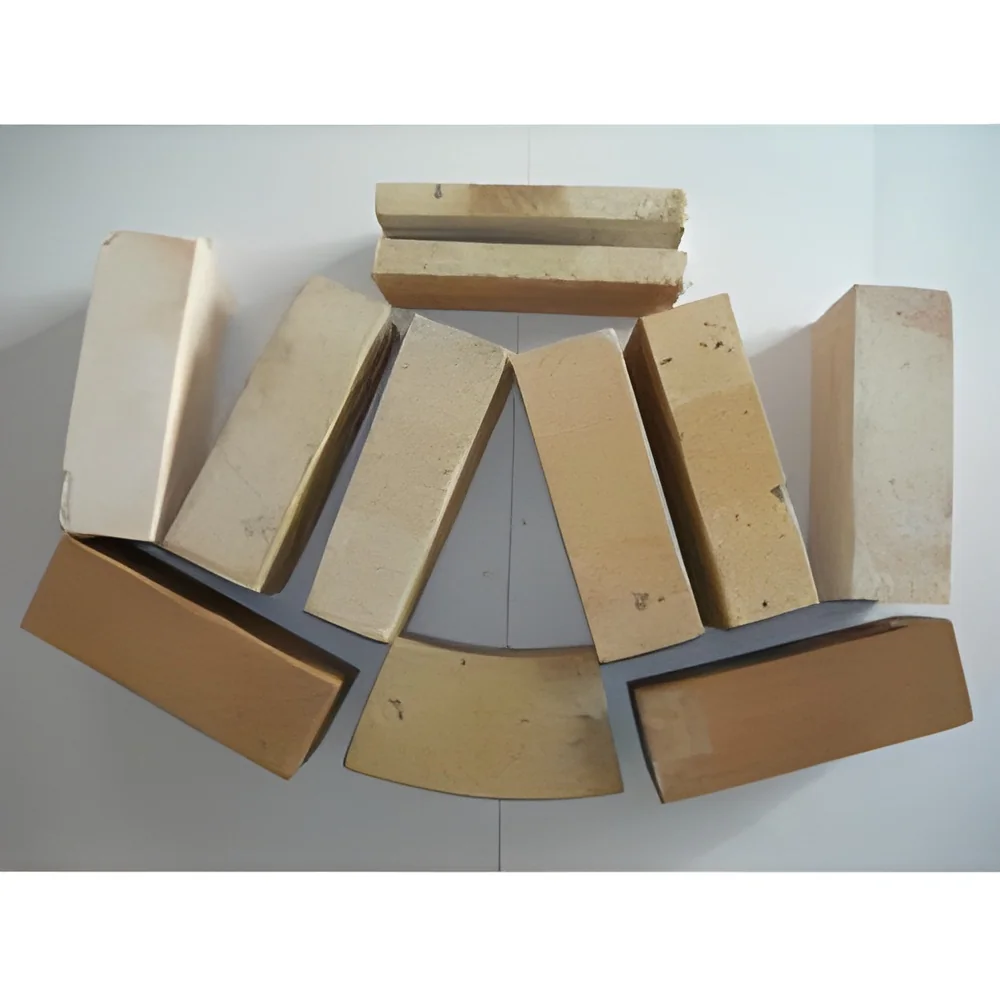
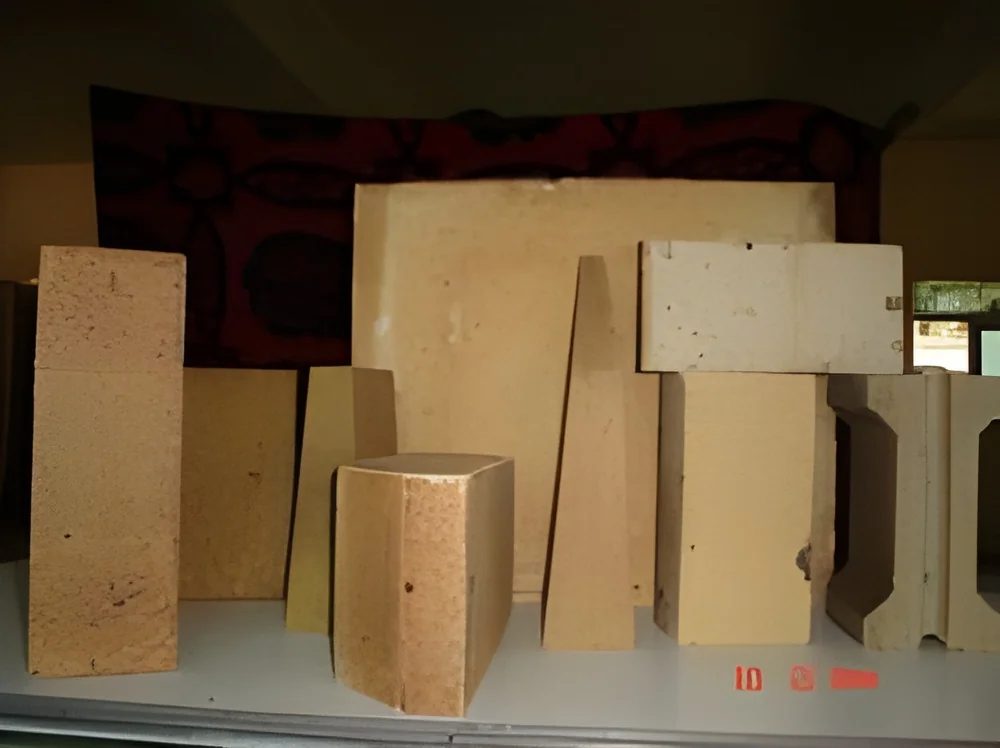
8. Shape and Size
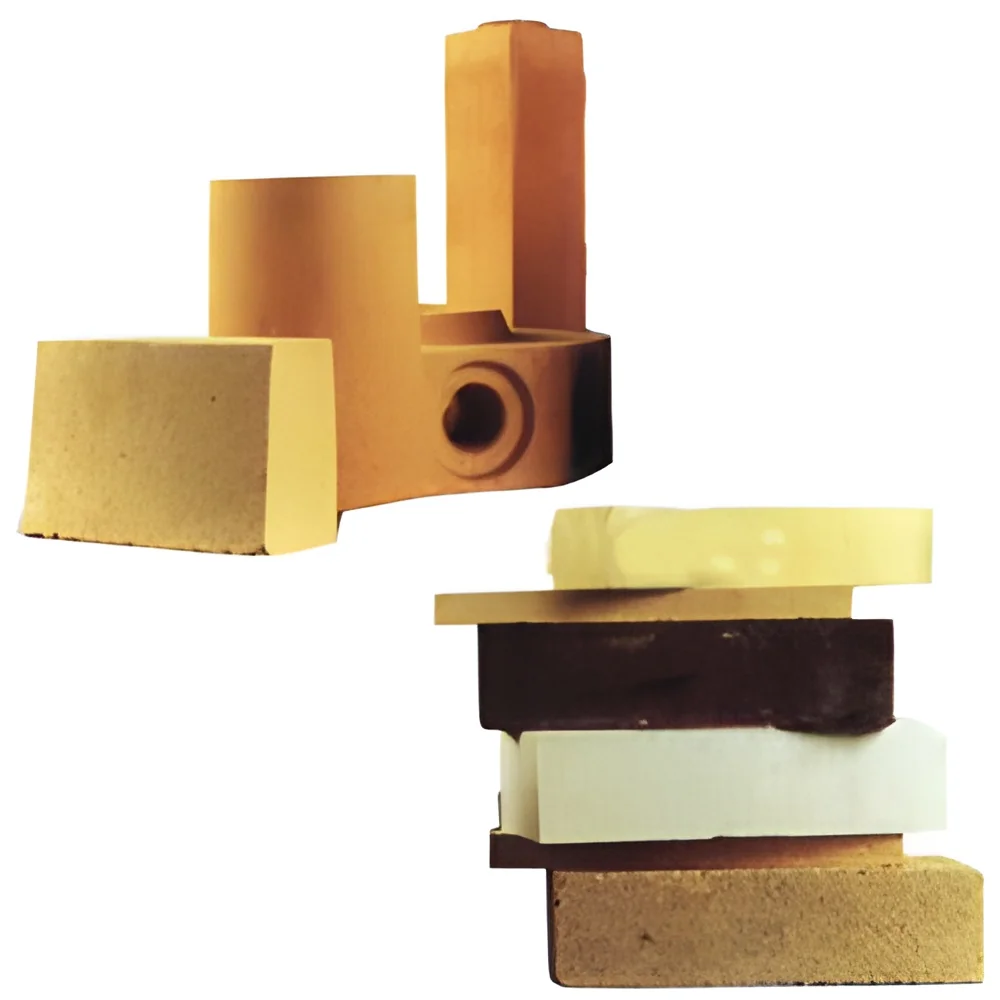
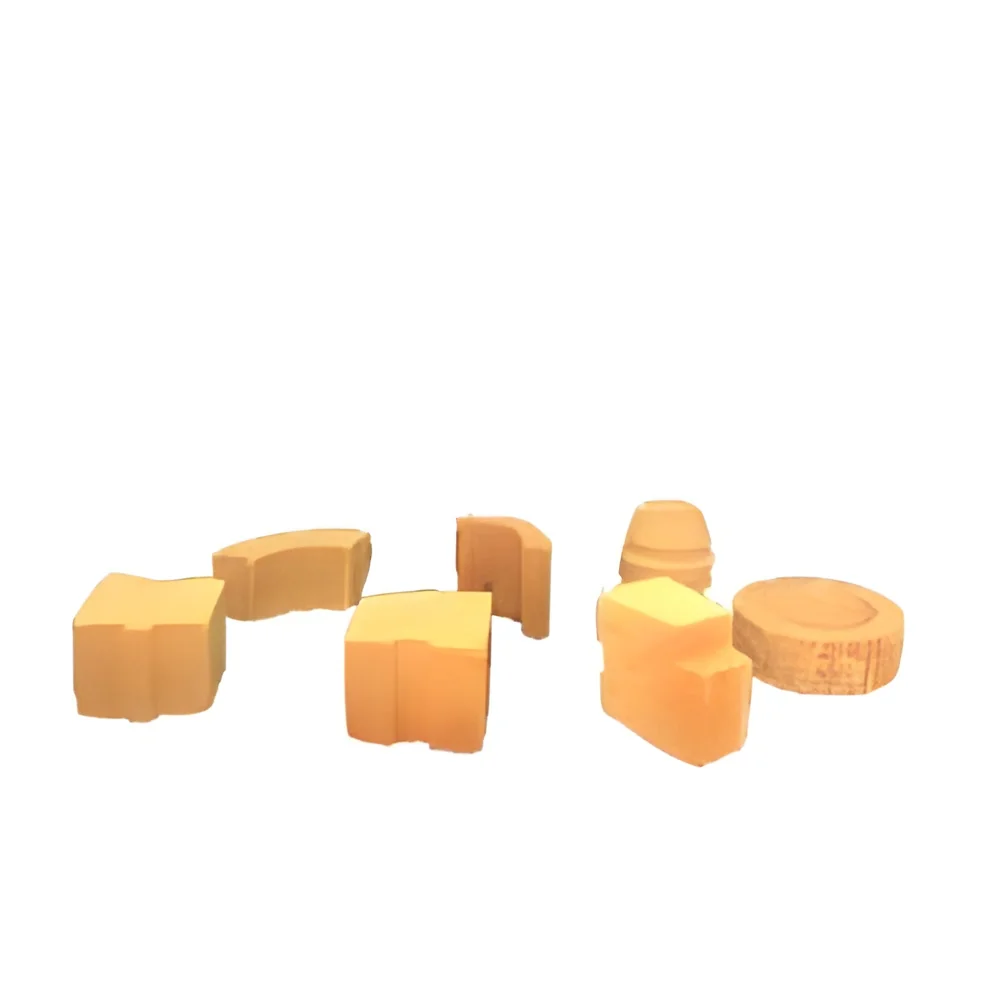
- Available in standard and custom sizes to meet specific requirements
- Common shapes include bricks, blocks, and tiles
In summary, the features and specifications of refractory bricks make them a vital component in many high-temperature applications across various industries.
Common Applications and Use Cases
Refractory bricks serve a wide range of industries, offering tailored solutions for specific high-temperature processes.
1. Metallurgy: Used in blast furnaces and steelmaking to line high-temperature vessels and protect against thermal shock.
2. Glass Production: Essential for glass melting furnaces, providing thermal insulation and protecting refractory linings from corrosive glass materials.
3. Ceramics: Utilized in kilns for firing ceramic products, ensuring uniform heat distribution and maintaining high-temperature stability.
4. Petrochemical: Employed in reactors and reformers where high temperatures and chemical reactions occur, offering both durability and safety.
5. Cement: Integral to cement kilns, where they withstand extreme heat and abrasive conditions during the production of cement.
6. Waste Incineration: Used to line incinerators, ensuring effective containment of heat and protection against corrosive waste materials.
7. Power Generation: Applied in combined cycle power plants and boilers to withstand high temperatures and improve energy efficiency.
Product Variants and Subcategories
Refractory bricks come in various formulations to meet the diverse needs of different industries. Each variant is designed with specific properties to enhance performance in its intended application.
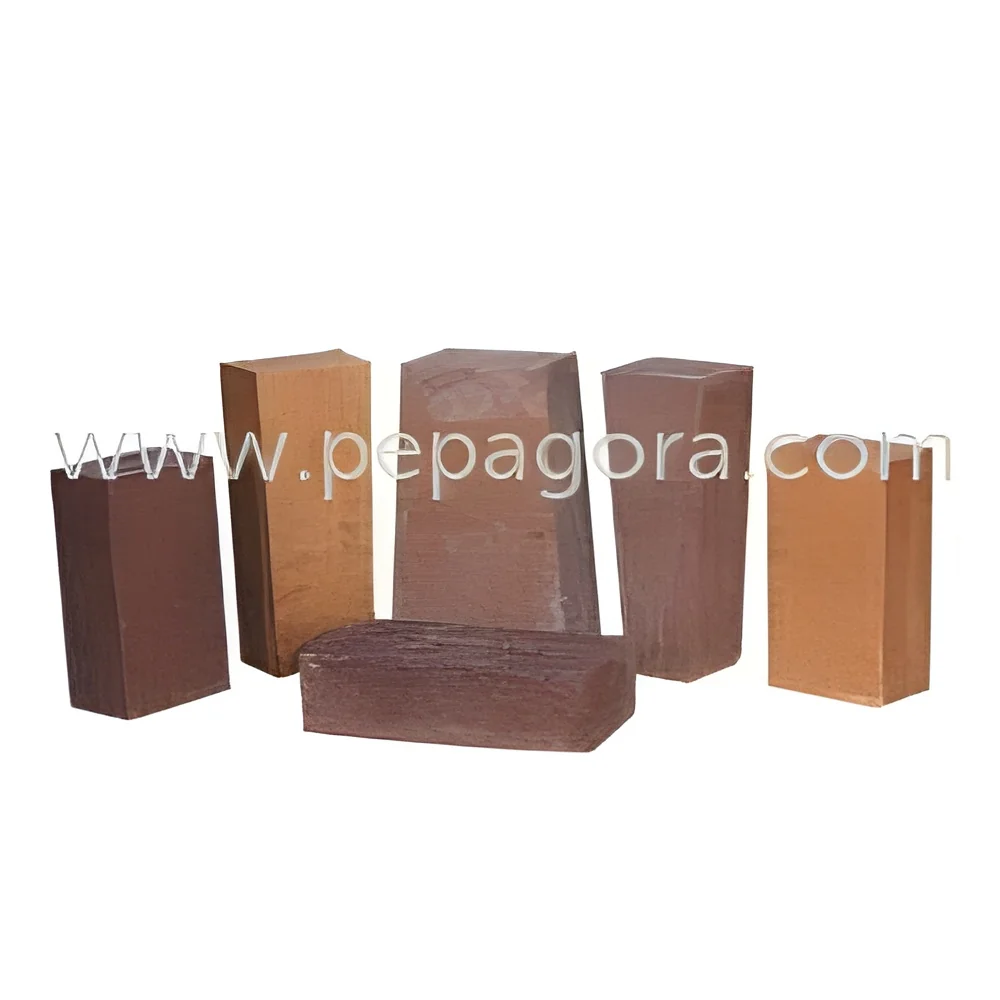
Alumina Brick
Alumina bricks are high-alumina content refractory materials known for their excellent thermal stability and resistance to chemical attack. They are commonly used in industries such as steelmaking and non-ferrous metallurgy.
Silica Brick
Silica bricks are manufactured from silica and are known for their high thermal shock resistance and low thermal conductivity. They are primarily used in glass furnaces and coke ovens.
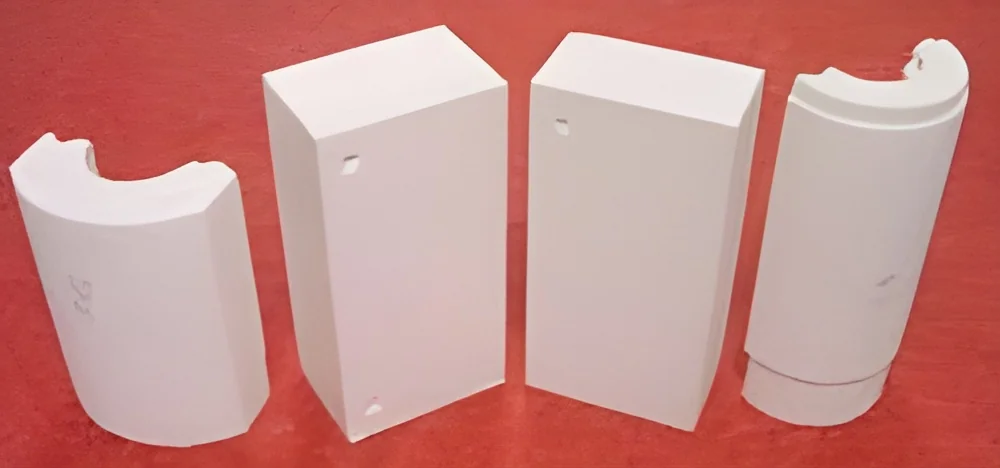
Insulating Brick
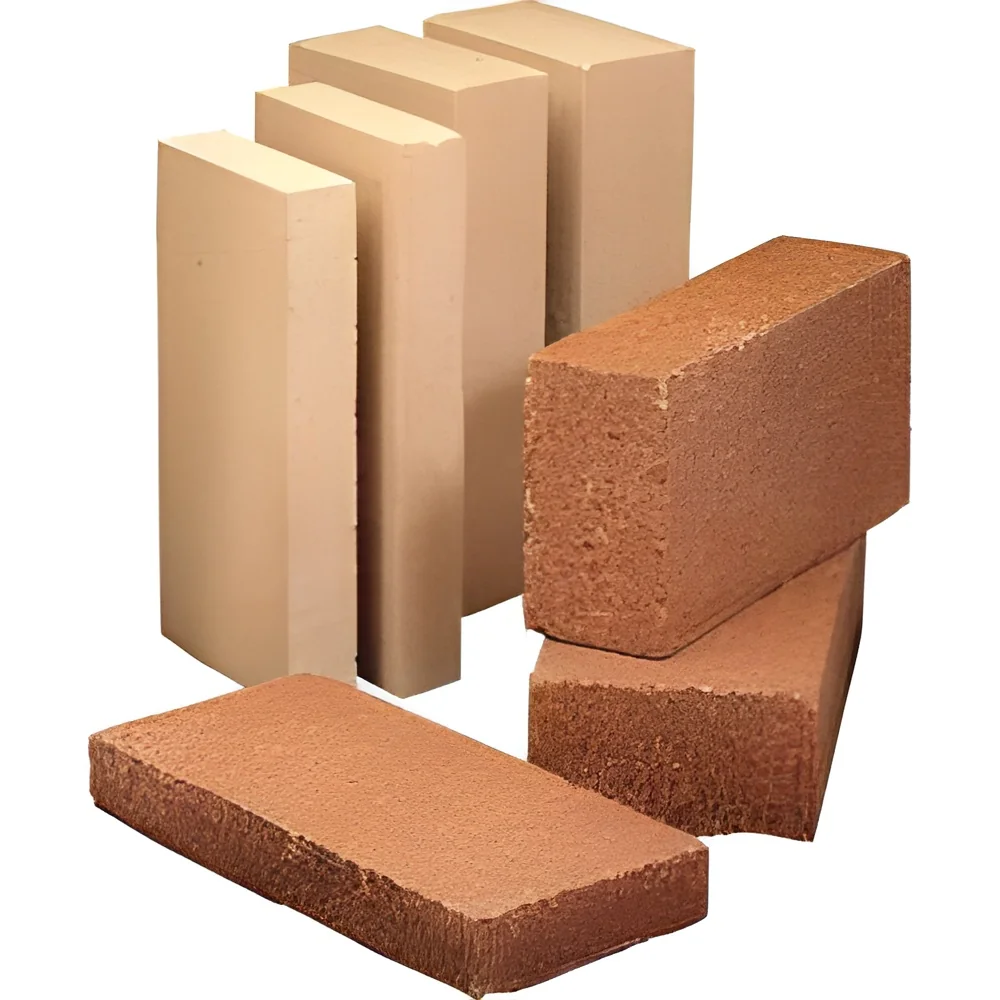
Insulating bricks are lightweight and designed to provide thermal insulation while withstanding high temperatures. They are widely used in applications where heat retention is essential, such as in kilns and furnaces.
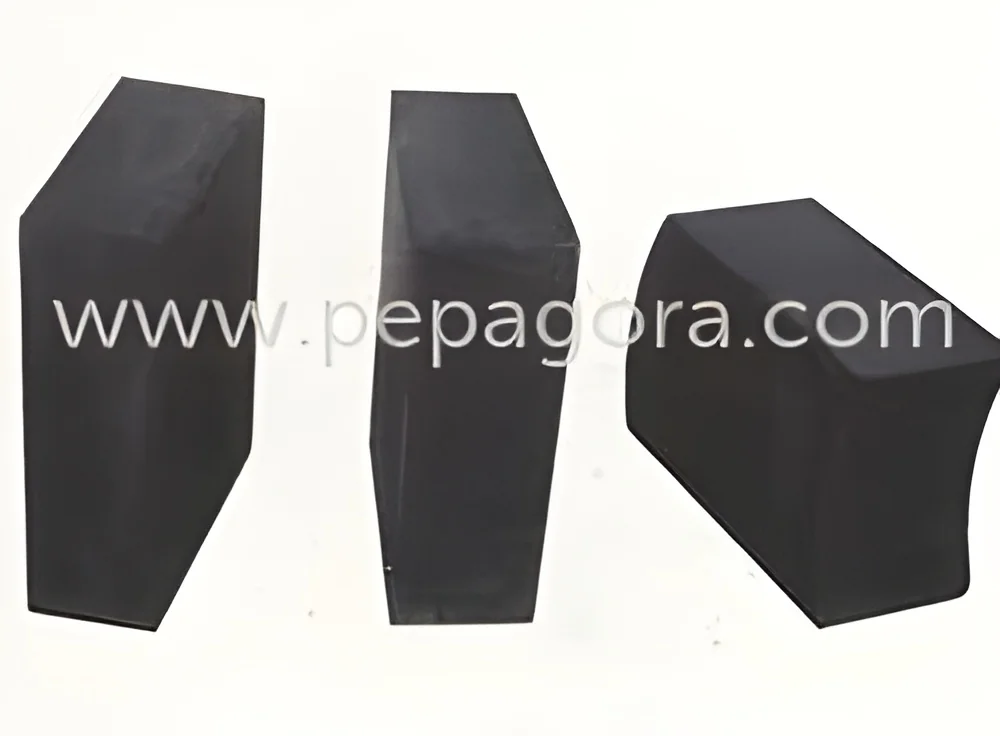
Magnesia Brick
Magnesia bricks contain a high percentage of magnesium oxide and are resistant to basic slag attack. These bricks are ideal for use in steelmaking electric arc furnaces and basic oxygen furnaces.
Benefits and Advantages
Refractory bricks offer several key benefits that make them essential in high-temperature industrial processes.
1. High Temperature Resistance: Capable of withstanding extreme temperatures without deforming or losing strength.
2. Thermal Insulation: Provides excellent insulation, reducing energy consumption and operational costs.
3. Durability: Designed to last in harsh conditions, minimizing the need for frequent replacements.
4. Chemical Resistance: Resists damage from corrosive materials, enhancing the longevity of equipment.
5. Customization: Available in various shapes and sizes to meet specific operational needs.
6. Cost-Effectiveness: Reduces maintenance costs and downtime associated with equipment failure.
Buying Guide for B2B Buyers
When sourcing refractory bricks, buyers should consider several key factors to ensure they select the right products for their needs.
1. Quality Assessment: Evaluate the quality of refractory bricks based on their specifications such as density, thermal conductivity, and chemical resistance. Look for materials that meet industry standards.
2. Supplier Verification: Conduct thorough research to verify suppliers' credibility and track record. Check for certifications and customer reviews to ensure reliability.
3. Pricing and MOQ: Understand the pricing structure and minimum order quantities (MOQ) to budget effectively. Compare costs across multiple suppliers to find competitive pricing.
4. Delivery and Lead Times: Inquire about delivery schedules and lead times to ensure timely availability of materials. Consider suppliers’ logistics capabilities.
5. Compliance Requirements: Ensure that the refractory bricks comply with relevant industry regulations and standards. Check for certifications such as CE to guarantee quality and safety.
Compliance and Certifications
Compliance and certifications are crucial when sourcing refractory bricks. Quality standards such as ISO 9001 ensure that products meet international quality management criteria. This is essential for maintaining consistency and reliability in manufacturing processes.
Certifications like CE indicate that the products meet European safety and environmental standards. This is particularly important for businesses operating in regulated markets where compliance is mandatory.
Safety and testing requirements for refractory materials often include rigorous assessments of thermal properties, chemical resistance, and durability. Buyers should also consider regional compliance aspects, as different areas may have specific regulations governing the use of refractory materials.
Why Source Refractory Bricks from Pepagora?
Pepagora provides a trusted platform for sourcing refractory bricks, offering several key advantages that streamline the buying process.
Verified Supplier Network: We connect buyers with a network of verified suppliers, ensuring that you can trust the quality and reliability of the products offered.
Streamlined RFQ Process: Our request for quotation (RFQ) system simplifies the procurement process, making it easy for buyers to receive competitive quotes from multiple suppliers.
Trade Assurance and Support: Pepagora offers buyer protection through trade assurance, ensuring that your transactions are secure and that you receive the products as promised.
Regional Coverage: With a broad geographic reach across India, the GCC, and Southeast Asia, Pepagora facilitates sourcing from reputable suppliers in your region, minimizing logistics challenges.
By choosing Pepagora for your refractory brick needs, you can ensure a smooth sourcing experience backed by a commitment to quality and customer satisfaction.

 IN
IN