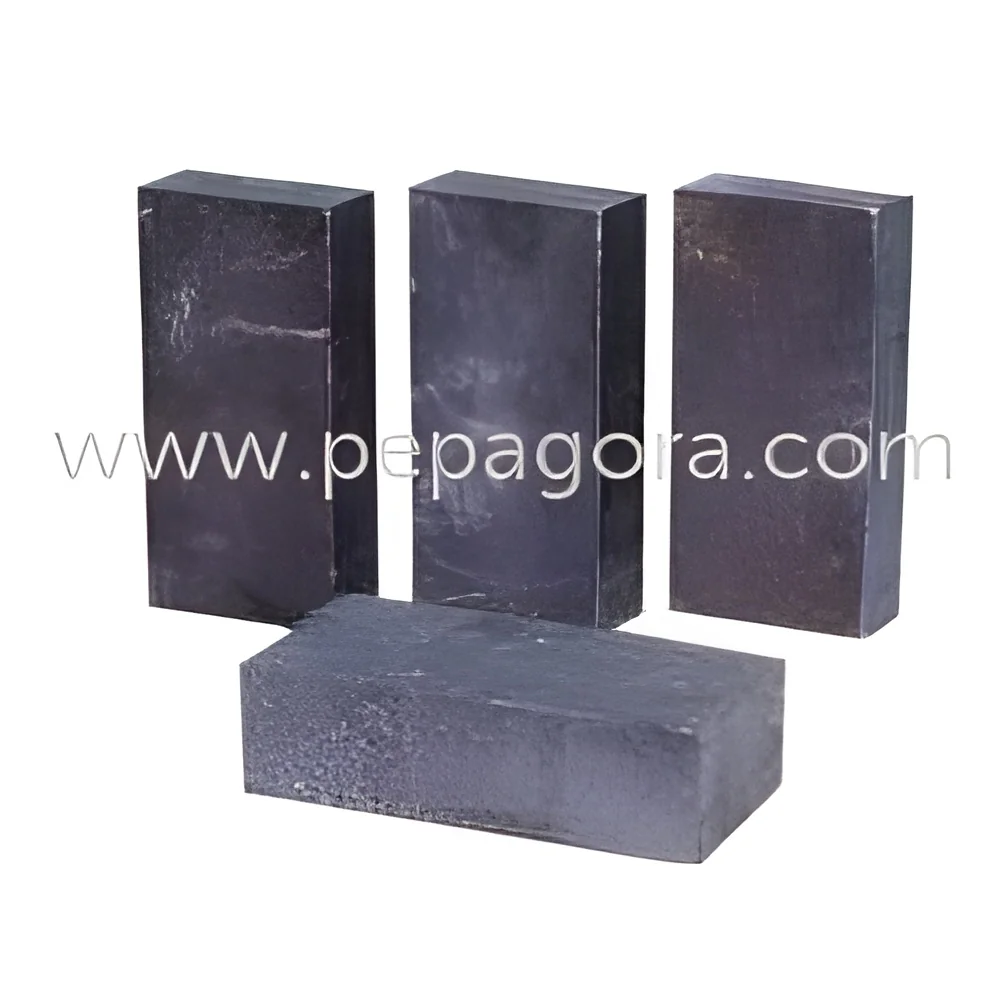
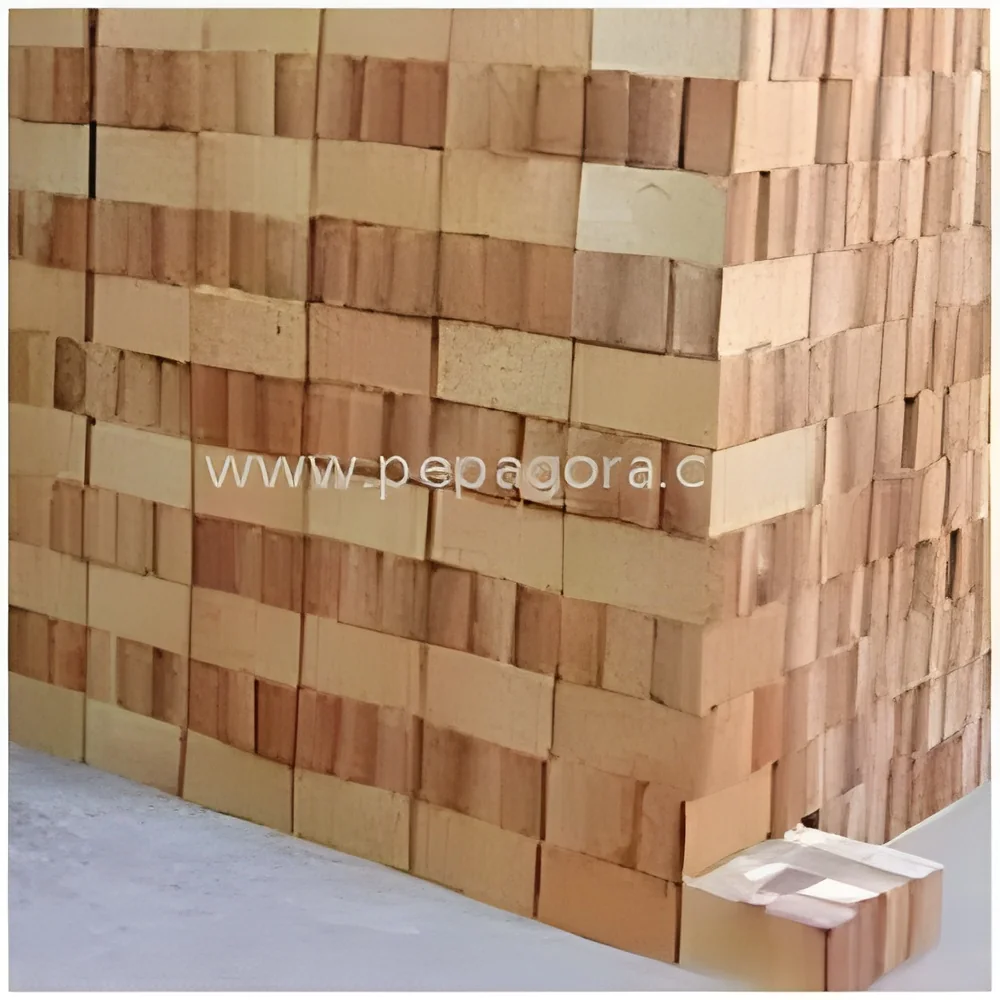
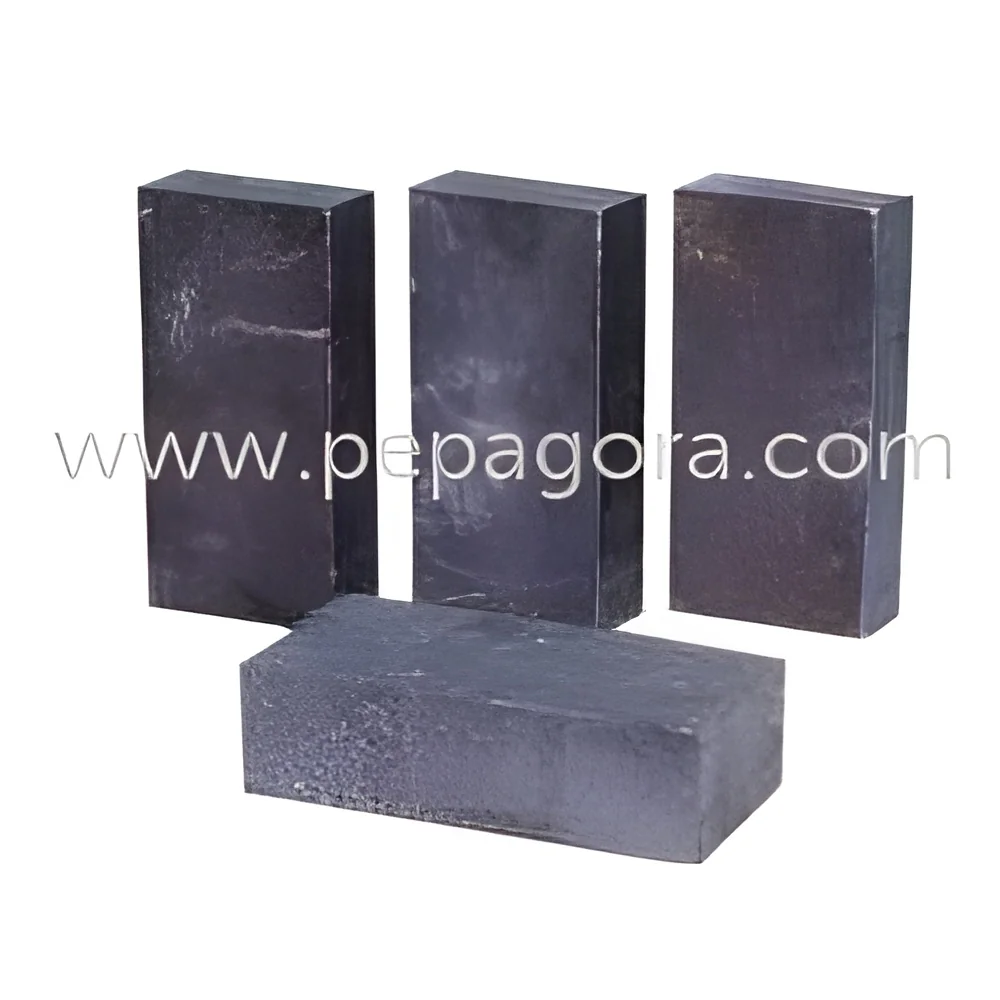
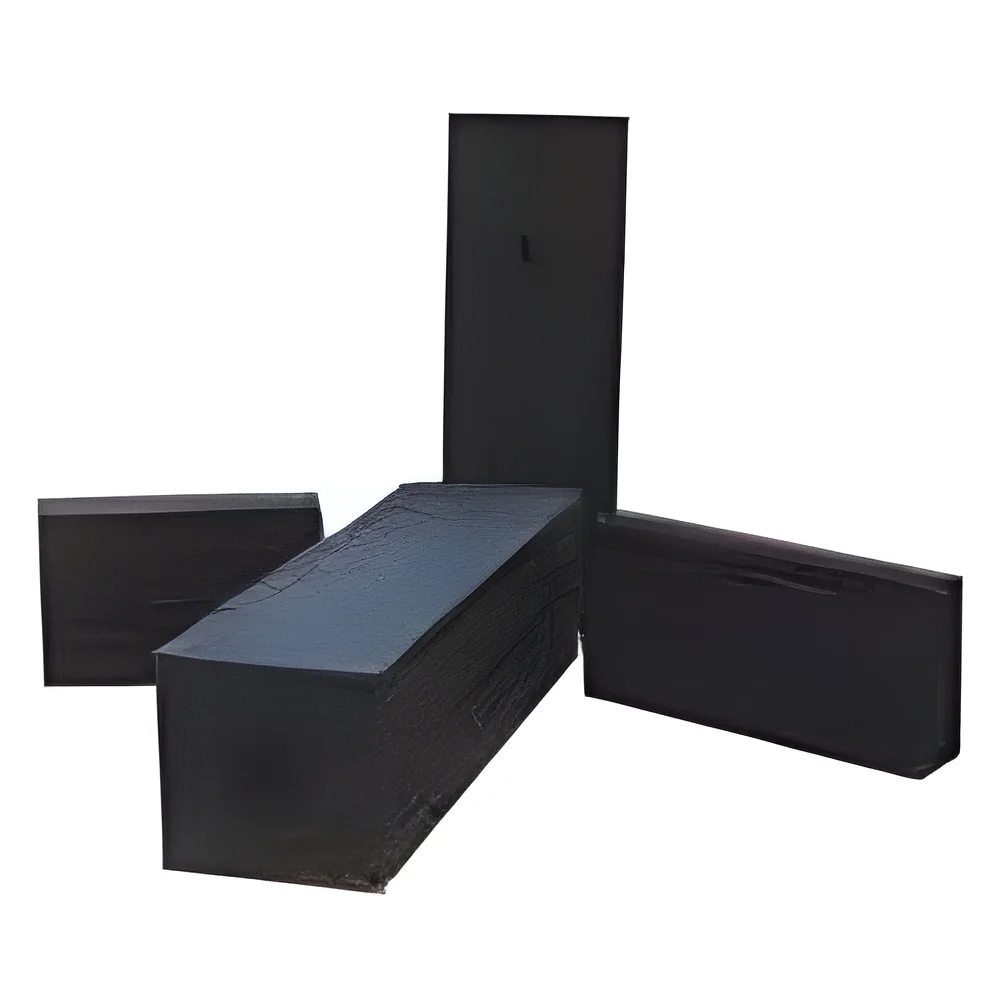
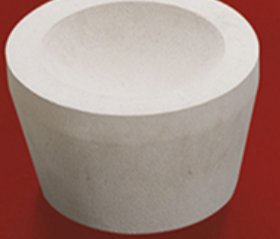
What are Magnesite Bricks?
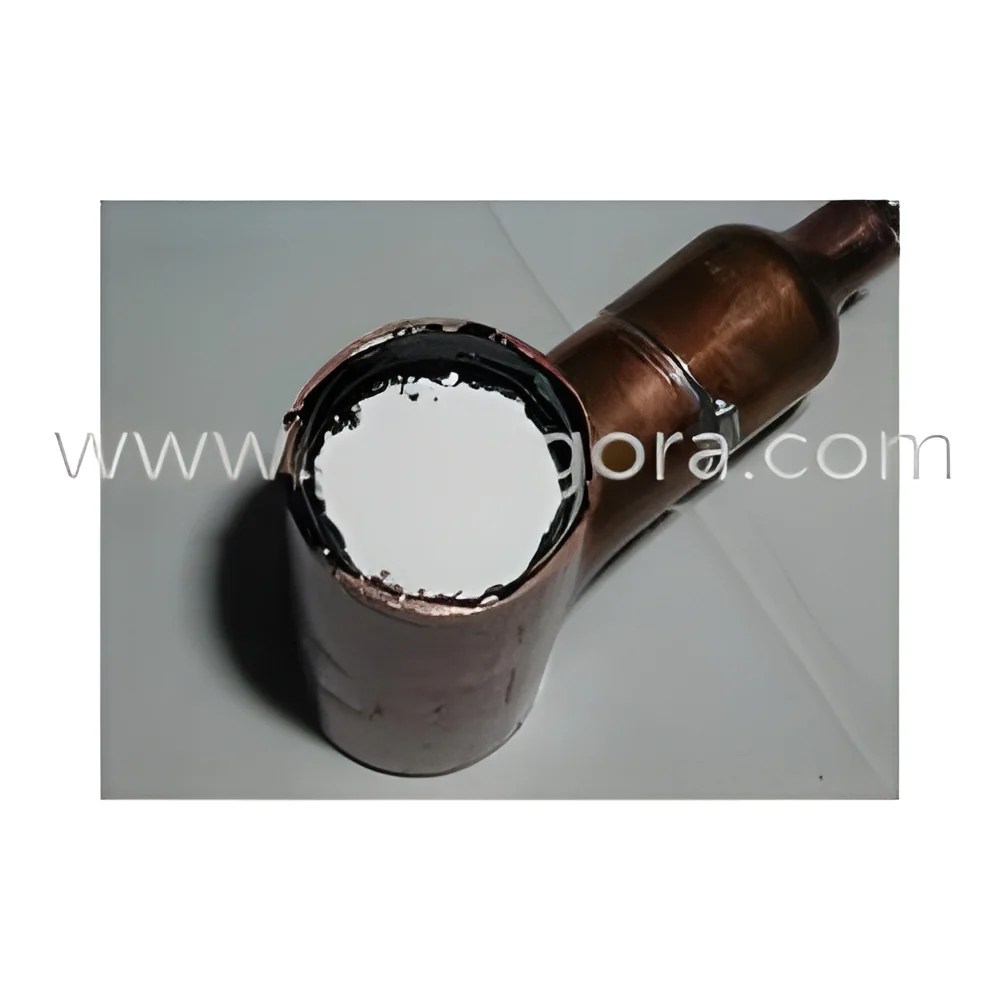
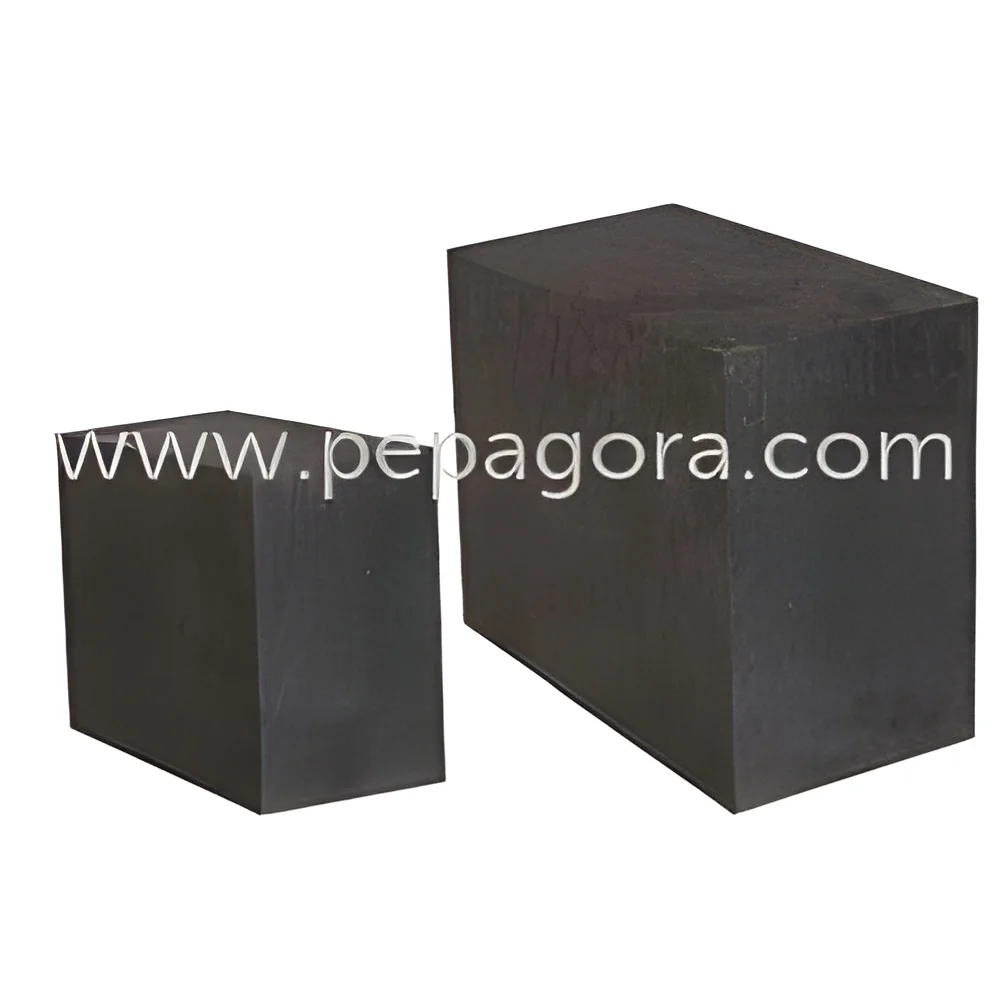
Magnesite bricks are a type of refractory material made primarily from magnesium oxide. They are known for their high melting point and exceptional resistance to thermal shock. These bricks are produced by sintering magnesite, a naturally occurring mineral, at high temperatures. The resulting product is a durable and stable material that can withstand extreme heat and corrosive environments.
Magnesite bricks are primarily used in high-temperature applications, such as in the lining of furnaces, kilns, and incinerators. They are particularly valuable in industries that require reliable thermal insulation and structural integrity under heat stress. Common applications include steel manufacturing, cement production, and the glass industry. As industries continue to seek materials that enhance efficiency and reduce downtime, the demand for magnesite bricks remains strong in the market.
The relevance of magnesite bricks is underscored by the increasing focus on energy efficiency and sustainable production processes across various sectors. As industries evolve, the need for advanced materials that offer both performance and durability is vital, making magnesite bricks a relevant choice for businesses looking to optimize their operations.
Key Features and Specifications
Magnesite bricks come with several key features and specifications that make them suitable for high-temperature applications. Understanding these specifications helps buyers select the right product for their needs.
Key specifications include:
1. Chemical Composition
- Primarily composed of magnesium oxide (MgO)
- Can contain varying levels of silica (SiO2) and other compounds
2. Density
- Typically ranges from 2.5 to 3.3 g/cm³
- Higher density often correlates with improved durability
3. Refractoriness
- High melting point, generally above 1500°C
- Excellent thermal stability in extreme conditions
4. Thermal Conductivity
- Ranges from 2.0 to 5.0 W/m·K
- Lower thermal conductivity contributes to enhanced insulation
5. Compressive Strength
- Generally exceeds 20 MPa at room temperature
- Increased strength at elevated temperatures
6. Resistance to Chemical Attack
- Good resistance to basic slags and some acids
- Not suitable for environments with strong acidic conditions
7. Heat Capacity
- Specific heat capacity values are typically around 0.8 J/g·K
- Helps manage thermal fluctuations effectively
8. Service Life
- Generally long-lasting under proper conditions
- Life expectancy can exceed several years depending on application
In summary, magnesite bricks are characterized by their robust physical and chemical properties, making them ideal for high-temperature environments. Their unique specifications ensure they meet the demanding requirements of various industrial applications.
Common Applications and Use Cases
Magnesite bricks serve various industries due to their superior thermal properties and durability.
1. Steel Manufacturing: Used in the linings of electric arc furnaces, magnesite bricks provide excellent heat resistance and structural integrity, essential for steel production.
2. Cement Industry: Employed in rotary kilns, these bricks withstand high operational temperatures and help maintain the efficiency of cement production processes.
3. Glass Industry: Magnesite bricks are utilized in glass melting furnaces, where their thermal stability and resistance to chemical attack enhance the quality of glass products.
4. Petrochemical Industry: Used in reformers and reactors, these bricks offer protection against high temperatures and corrosive materials, ensuring efficient operation in petrochemical plants.
5. Foundries: Magnesite bricks line ladles and pouring cups, providing thermal insulation and preventing heat loss during metal casting processes.
6. Incineration: In waste-to-energy facilities, magnesite bricks protect furnace linings from extreme heat and corrosive gases, facilitating efficient waste management.
7. Ceramic Industry: Used in kilns for firing ceramics, their thermal properties ensure consistent temperature distribution, critical for product quality.
Product Variants and Subcategories
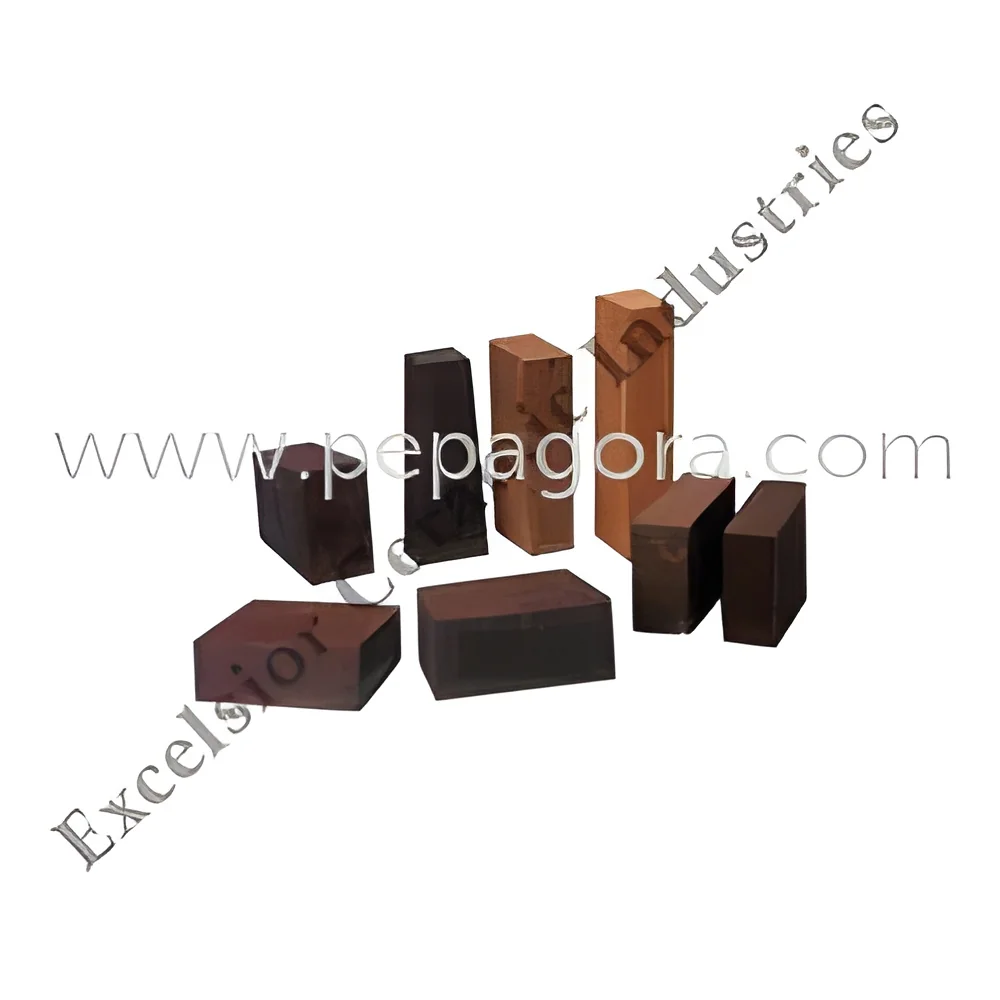
Magnesite bricks come in a variety of forms to suit different industrial needs.
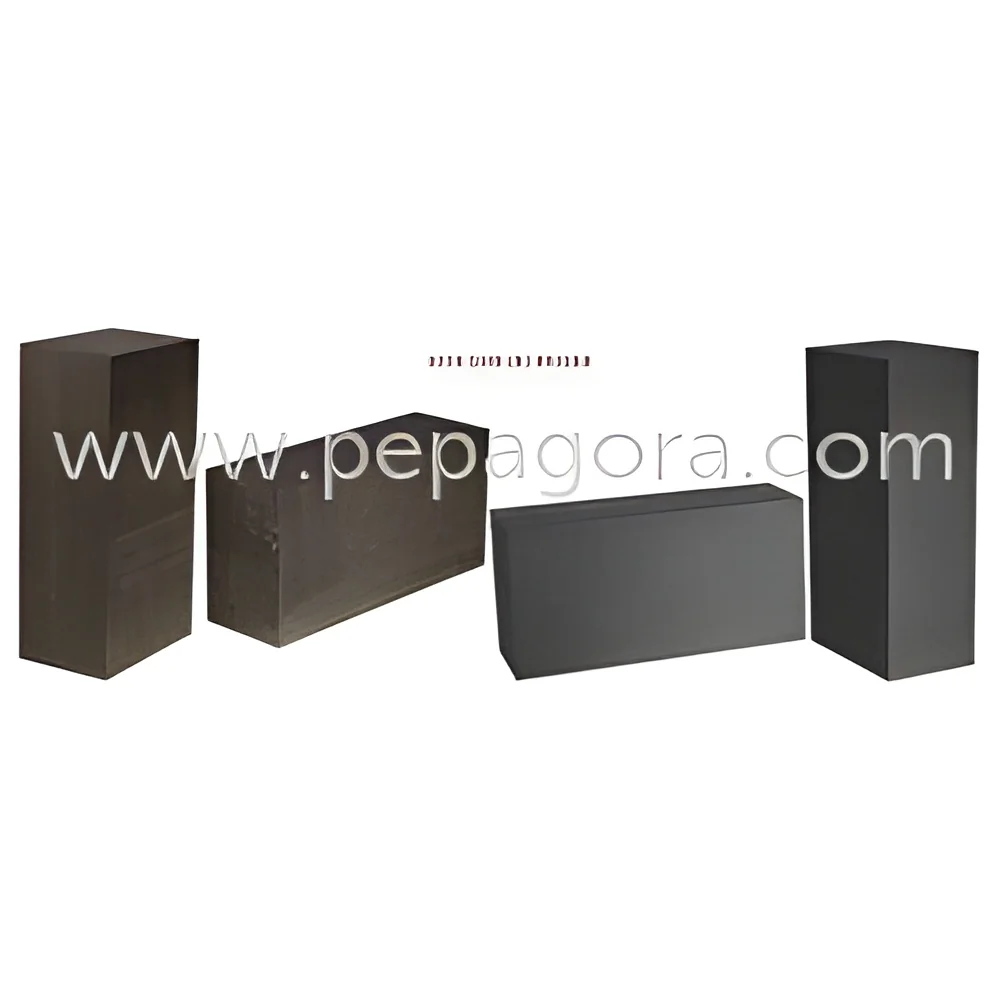
Standard Magnesite Brick: This variant is commonly used in applications requiring high-temperature resistance. It offers excellent thermal stability and is versatile for various uses in high-heat environments.
Magnesite-Chrome Brick: Combining magnesite with chrome, this variant enhances resistance to thermal shock and improves performance in aggressive environments. It is often utilized in steelmaking processes.
Magnesite-Carbon Brick: This variant features a blend of magnesite and carbon, providing additional thermal stability and resistance to oxidation. It is ideal for use in areas exposed to high thermal stresses.
Benefits and Advantages
Magnesite bricks offer several key benefits that make them an attractive choice for businesses.
1. High Thermal Stability: These bricks can withstand extreme temperatures, ensuring longevity and reliability in high-heat applications.
2. Chemical Resistance: Magnesite bricks exhibit good resistance to basic slags and many industrial chemicals, making them suitable for diverse processes.
3. Energy Efficiency: Their insulating properties help reduce energy consumption by minimizing heat loss in industrial applications.
4. Durability: With a long service life, these bricks reduce the frequency of maintenance and replacement, resulting in lower operational costs.
5. Customizable Solutions: Many suppliers offer tailored solutions to meet specific industry requirements, enhancing operational effectiveness.
6. Environmentally Friendly: Magnesite is a naturally occurring mineral, making these bricks a more sustainable choice compared to synthetic alternatives.
Buying Guide for B2B Buyers
When sourcing magnesite bricks, consider several important factors to ensure you make an informed purchase.
1. Quality Assessment: Evaluate the chemical composition and physical properties of the bricks to ensure they meet your operational requirements.
2. Supplier Verification: Research and vet suppliers for quality control processes and reliability in delivering consistent products.
3. Pricing and MOQ: Understand the cost structure and minimum order quantities to align your procurement strategy with budget constraints.
4. Delivery and Lead Times: Discuss logistics with suppliers to establish realistic delivery timelines and avoid operational delays.
5. Compliance Requirements: Ensure that the bricks meet relevant industry standards and certifications to comply with regulatory needs.
Compliance and Certifications
Magnesite bricks must adhere to various quality standards and certifications to ensure their reliability and safety in industrial applications. Common standards that may apply include ISO 9001, which emphasizes quality management systems, ensuring that manufacturers maintain high production standards.
In addition to ISO certifications, magnesite bricks may also possess the CE mark, indicating conformity with European health, safety, and environmental protection standards. This certification is essential for companies operating within the European market.
Safety and testing requirements are crucial, particularly in high-temperature environments. Manufacturers should conduct rigorous testing to verify that their products can withstand the demands of specific applications.
Regional compliance may also be necessary, depending on the location of use. Different regions may have specific regulatory requirements that need to be addressed before utilizing magnesite bricks in industrial processes.
Why Source Magnesite Bricks from Pepagora?
Pepagora provides a trusted platform for sourcing magnesite bricks, offering several key advantages to B2B buyers.
Verified Supplier Network: Pepagora connects you with a network of verified suppliers who are committed to maintaining high-quality standards. This ensures that you receive reliable products that meet your specifications.
Streamlined RFQ Process: The easy request for quotation process allows buyers to obtain competitive pricing and terms from multiple suppliers quickly. This efficiency helps businesses make informed purchasing decisions.
Trade Assurance and Support: Pepagora offers buyer protection through trade assurance, ensuring that transactions are secure and that quality expectations are met. This support is crucial for maintaining trust between buyers and suppliers.
Regional Coverage: With a geographical presence in India, the GCC, and Southeast Asia, Pepagora ensures that buyers have access to a diverse range of suppliers and products tailored to regional market needs. This coverage facilitates smoother transactions and logistics management.

 IN
IN