
 IN
Ceramic Glazes & Enamels
1 products available
What are Ceramic Glazes & Enamels?
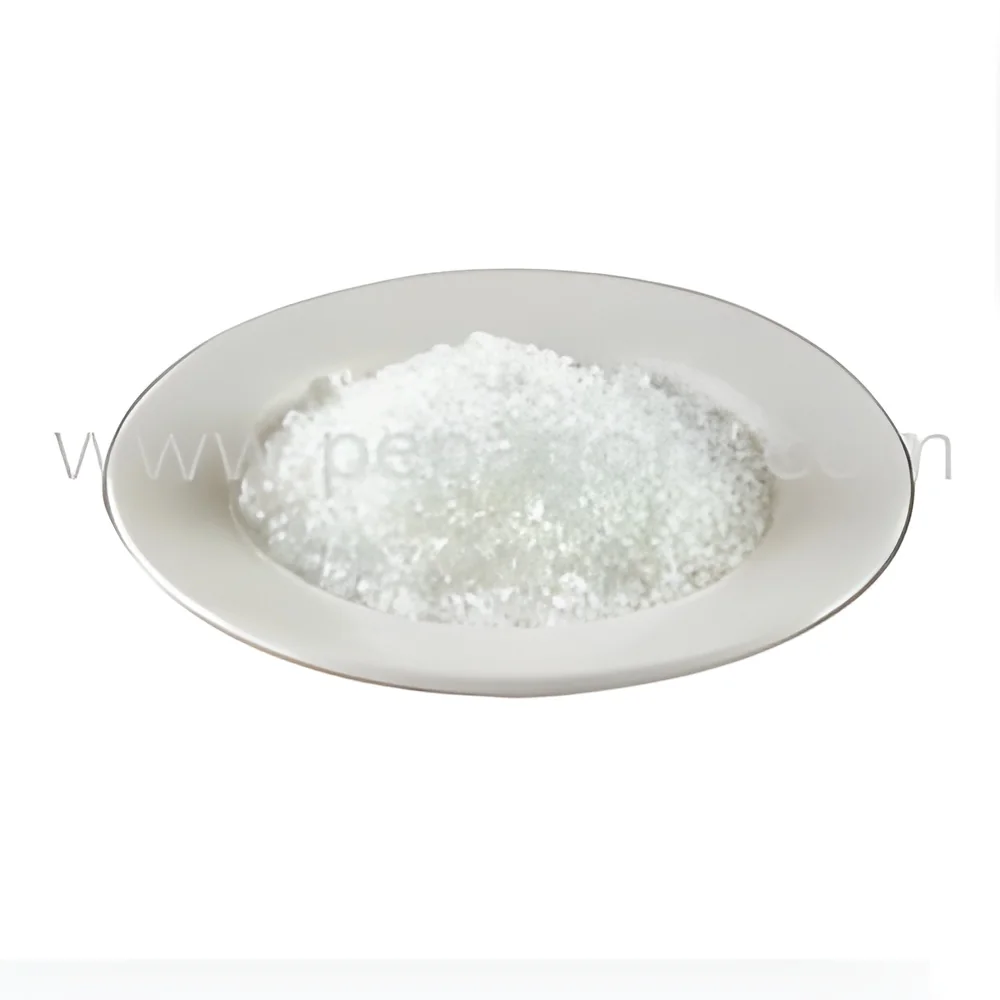
Ceramic glazes and enamels are specialized coatings applied to ceramic and metal surfaces to enhance their aesthetic appeal and durability. These materials are typically composed of silica, alumina, and various metal oxides, which, when fired at high temperatures, form a glass-like surface that is both decorative and functional. The primary purpose of ceramic glazes is to provide a waterproof and chemically resistant barrier while also offering a variety of colors and finishes.
In business applications, ceramic glazes and enamels are commonly used in the pottery, tile, and ceramics industries, as well as in the manufacturing of household goods and industrial components. These coatings improve the visual quality of products and protect them from wear and corrosion. The demand for ceramic glazes and enamels continues to grow in sectors such as construction, automotive, and consumer goods, making them vital components in various manufacturing processes.
Key Features and Specifications
Ceramic glazes and enamels possess several key features that make them essential in various applications. Their properties can vary significantly based on formulation, firing conditions, and intended use. Understanding these specifications is crucial for B2B buyers seeking the right products for their needs.
Key specifications include:
1. Composition
- Typically consist of silica, alumina, and metal oxides.
- Can be tailored to achieve specific colors and finishes.
2. Firing Temperature
- Generally ranges from 800°C to 1300°C.
- Selection depends on material compatibility and desired results.
3. Gloss Level
- Available in matte, satin, and glossy finishes.
- Gloss levels affect the aesthetic appeal and functionality.
4. Chemical Resistance
- Varies by formulation and can include resistance to acids, bases, and solvents.
- Important for applications in harsh environments.
5. Adhesion Strength
- Refers to the bond between the glaze and the substrate.
- Strong adhesion is critical for longevity and performance.
6. Durability
- Designed to withstand wear, impact, and thermal shock.
- Essential for industrial applications where performance is paramount.
7. Color Stability
- Ability to maintain color under heat and exposure to chemicals.
- Important for aesthetic longevity in decorative applications.
8. Compliance
- Must meet industry standards for safety and environmental impact.
- Relevant certifications include CE marking.
These specifications help ensure that ceramic glazes and enamels meet the rigorous demands of various industries and applications.
Common Applications and Use Cases
Ceramic glazes and enamels are versatile materials with applications across multiple industries. Their unique properties allow them to meet diverse functional and aesthetic requirements.
1. Pottery: Widely used in the production of decorative and functional pottery items, providing both color and durability.
2. Tile Manufacturing: Essential in creating wall and floor tiles, enhancing their appearance while offering protection against moisture and wear.
3. Sanitary Ware: Used in bathroom fixtures such as sinks and toilets to provide a smooth, easy-to-clean surface that resists staining.
4. Automotive: Employed in the production of ceramic components and coatings in vehicles to enhance durability and aesthetics.
5. Electronics: Utilized in the manufacturing of electronic components, providing insulation and protection against environmental factors.
6. Tableware: Commonly found in dishes and cookware, offering a safe and attractive surface for food contact.
7. Industrial Equipment: Applied to machinery and tools to protect against corrosion and wear, extending the life of equipment.
Product Variants and Subcategories
Ceramic glazes and enamels come in various forms, each tailored to specific applications and performance needs. Understanding these variants can help businesses select the right products for their projects.
High-Temperature Glazes
These glazes are formulated to withstand elevated firing temperatures, making them ideal for applications in ceramics that require high durability and heat resistance.
Low-Fire Glazes
Designed for low-temperature firing, these glazes provide vibrant colors and are commonly used in decorative pottery and art ceramics.
Opaque Glazes
These glazes offer full coverage and are typically used to mask underlying materials, providing a uniform appearance.
Transparent Glazes
Allow the underlying material's texture and color to show through while providing a glossy finish and protection.
Matte Glazes
These glazes have a non-reflective finish, offering a subtle aesthetic suitable for various applications, including art and functional ware.
Benefits and Advantages
Ceramic glazes and enamels offer a range of benefits that enhance their appeal in industrial and commercial applications.
1. Aesthetic Appeal: Available in a wide variety of colors and finishes, enhancing the visual quality of products.
2. Durability: Provide a tough, protective layer that increases the lifespan of ceramic and metal surfaces.
3. Chemical Resistance: Protect surfaces from corrosive substances, making them suitable for challenging environments.
4. Versatility: Can be used across multiple industries, from pottery to automotive, enhancing their market relevance.
5. Easy Maintenance: Smooth surfaces make cleaning easier, reducing labor costs and time.
6. Customization: Formulations can be tailored to meet specific performance and aesthetic requirements for various applications.
Buying Guide for B2B Buyers
When sourcing ceramic glazes and enamels, it is essential to consider several key factors to ensure the right choice for your business needs.
1. Quality Assessment: Evaluate products based on performance criteria, including adhesion, durability, and chemical resistance. Request samples to test compatibility with your materials.
2. Supplier Verification: Research potential suppliers to ensure they have a proven track record in quality and reliability. Look for certifications and customer reviews.
3. Pricing and MOQ: Understand the pricing structure and minimum order quantities (MOQ) to make informed purchasing decisions. Compare prices across different suppliers for the best value.
4. Delivery and Lead Times: Inquire about logistics and lead times to ensure timely delivery of materials, which is crucial for maintaining production schedules.
5. Compliance Requirements: Confirm that products meet applicable industry standards and regulations to avoid compliance issues.
Compliance and Certifications
Ceramic glazes and enamels must adhere to various quality standards and certifications to ensure safety and performance. Some relevant standards include ISO 9001, which outlines quality management principles, and HACCP, which focuses on food safety.
Additionally, many products are certified with CE marking, indicating compliance with European health, safety, and environmental protection standards. Manufacturers should also follow safety and testing requirements to ensure the products are safe for their intended use.
Regionally, compliance considerations may vary. Buyers should be aware of local regulations regarding materials used in ceramic and enamel production to ensure that their products meet necessary legal requirements.
Why Source Ceramic Glazes & Enamels from Pepagora?
Pepagora offers a trusted platform for sourcing ceramic glazes and enamels with several key advantages that set it apart from competitors.
Verified Supplier Network: Pepagora ensures that all suppliers are thoroughly vetted, providing buyers with confidence in the quality and reliability of the products they purchase.
Streamlined RFQ Process: The platform features an efficient request for quotation (RFQ) system, allowing buyers to quickly receive quotes from multiple suppliers, simplifying the procurement process.
Trade Assurance and Support: Pepagora provides trade assurance and buyer protection, ensuring that transactions are secure and that buyers receive the products as promised.
Regional Coverage: With a strong presence in India, the GCC, and Southeast Asia, Pepagora connects buyers with suppliers across these regions, facilitating access to a diverse range of ceramic glazes and enamels.
This comprehensive approach allows businesses to make informed purchasing decisions, ensuring they find the right products for their needs.

Frequently Asked Questions
What are Ceramic Glazes & Enamels?
Ceramic glazes and enamels are vitreous coatings applied to ceramic surfaces to improve their aesthetic appeal and functionality. They provide a protective layer that enhances durability, water resistance, and chemical resistance, making them essential in pottery and tile applications.
What are the different types of Ceramic Glazes & Enamels?
There are several types of ceramic glazes and enamels, including glossy, matte, transparent, and opaque finishes. Additionally, they can be categorized based on their firing temperature, such as low-fire and high-fire glazes, each offering distinct properties and visual effects.
How do I choose the right Ceramic Glazes & Enamels?
Choosing the right ceramic glazes and enamels depends on the intended use, aesthetic preferences, and compatibility with the clay body. It is essential to consider factors such as firing temperature, finish type, and color options to ensure the desired outcome.
What are the standard specifications for Ceramic Glazes & Enamels?
Standard specifications for ceramic glazes and enamels typically include factors such as viscosity, particle size distribution, and firing temperature. Additionally, they should meet relevant industry standards for safety, durability, and performance to ensure quality.
What is the price range for Ceramic Glazes & Enamels?
The price range for ceramic glazes and enamels can vary widely based on factors such as quality, formulation, and supplier. Generally, prices can range from a few hundred to several thousand Indian Rupees per kilogram, depending on the specific product and its characteristics.
What quality standards apply to Ceramic Glazes & Enamels?
Quality standards for ceramic glazes and enamels often include compliance with industry regulations such as ISO and ASTM. These standards ensure that the products meet specified performance criteria, including safety, stability, and resistance to environmental factors.
Where can I find Ceramic Glazes & Enamels suppliers in India?
You can find ceramic glazes and enamels suppliers in India through various online B2B marketplaces, trade shows, and industry directories. Websites like Pepagora.com provide a platform to connect with reputable manufacturers and suppliers across the country.
Can Ceramic Glazes & Enamels be customized?
Yes, many manufacturers offer customization options for ceramic glazes and enamels, allowing buyers to specify colors, finishes, and formulations according to their needs. It is advisable to discuss your requirements with suppliers to explore available customization services.
What is the typical minimum order quantity for Ceramic Glazes & Enamels?
The typical minimum order quantity (MOQ) for ceramic glazes and enamels can vary by supplier, but it often ranges from 5 to 50 kilograms. It is important to check with individual suppliers for their specific MOQs to ensure a smooth purchasing process.
What is the typical lead time for Ceramic Glazes & Enamels?
The typical lead time for ceramic glazes and enamels can range from a few days to several weeks, depending on the supplier, order size, and customization requirements. It is recommended to confirm lead times with suppliers when placing an order to plan accordingly.
Why Businesses Trust Pepagora
Thousands of companies trust Pepagora to source smarter and sell faster
Expand Your Sales Globally

Source Smarter,Grow Faster
