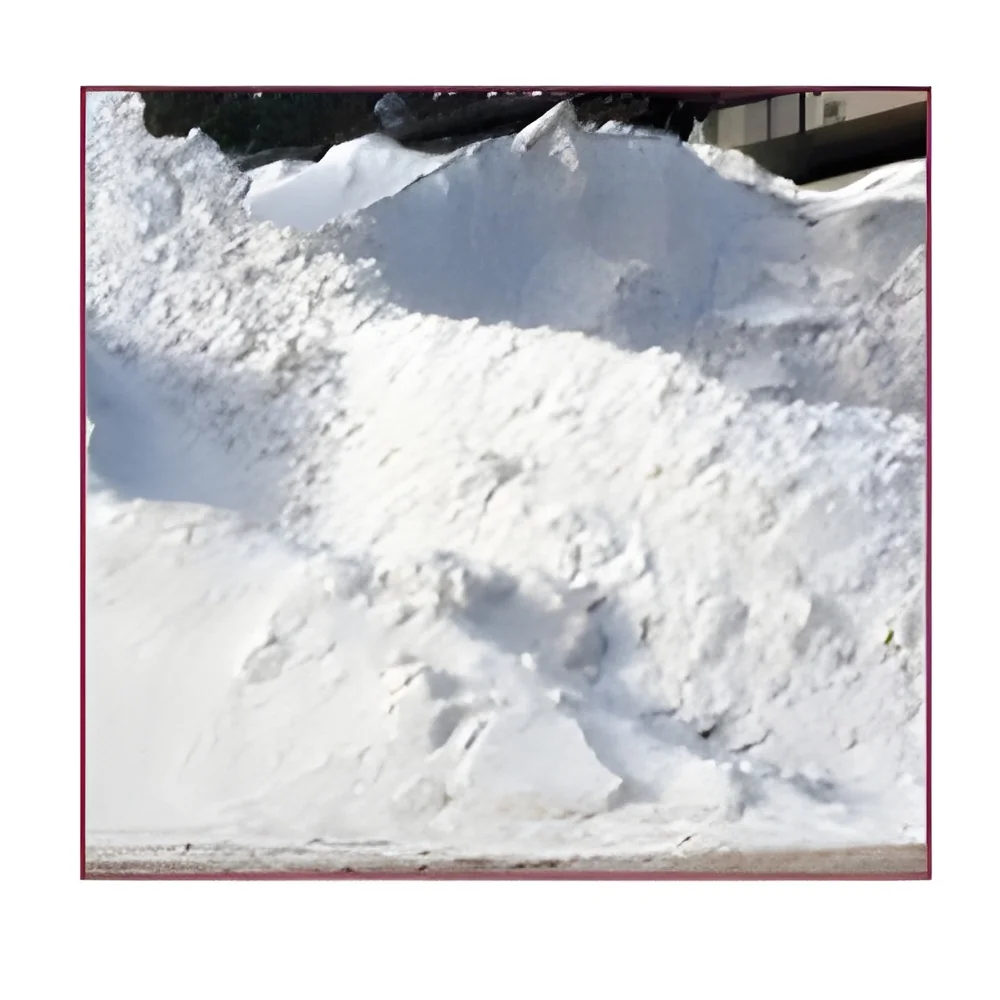
What are Ceramic Raw Mixes?
Ceramic raw mixes are the foundational materials used in the production of ceramics, including tiles, pottery, and porcelain. These mixes typically consist of a combination of clay, feldspar, and silica, along with other additives that enhance specific properties. The formulation of ceramic raw mixes is crucial as it directly impacts the final product's quality, strength, and performance during firing.
These mixes find use in a variety of applications across different sectors. In the construction industry, they are essential for producing durable and aesthetically pleasing tiles. In the ceramics sector, they serve as the basis for a wide range of products, from everyday crockery to specialized industrial components. The relevance of ceramic raw mixes in the market is significant, as the demand for ceramics continues to grow, driven by trends in home decor, construction, and manufacturing.
Key Features and Specifications
Ceramic raw mixes are characterized by their unique properties tailored to specific applications. Understanding these specifications is vital for manufacturers and suppliers alike.
Key specifications include:
1. Composition
- The mix typically comprises clay, feldspar, and silica.
- The exact proportions can vary based on the desired characteristics.
2. Particle Size Distribution
- Ensures optimal flow and packing in the pressing process.
- Typically ranges from fine powders to coarser granules.
3. Moisture Content
- Crucial for processing and forming.
- Usually maintained at a specific percentage to ensure workability.
4. Firing Temperature Range
- Determines the temperature at which the ceramic products are sintered.
- Common ranges are between 900 to 1300 degrees Celsius.
5. Plasticity
- Indicates the ability of the mix to be easily shaped without cracking.
- Varies based on the clay content and additives used.
6. Shrinkage Rate
- Refers to the reduction in size during firing.
- Typically monitored to ensure dimensional stability in the final product.
7. Color Variability
- Influenced by the raw materials and additives.
- Can be customized for aesthetic purposes.
8. Strength Characteristics
- Includes both green strength (before firing) and final strength (after firing).
- Essential for determining the durability of the end product.
Understanding these features helps businesses select the right ceramic raw mixes for their specific applications.
Common Applications and Use Cases
Ceramic raw mixes are utilized across multiple industries, showcasing their versatility and importance.
1. Construction: These raw mixes are essential for producing ceramic tiles, which are used in residential and commercial buildings for flooring, walls, and decorative purposes.
2. Pottery: In the pottery industry, ceramic raw mixes are used to create a variety of functional and decorative items, from dinnerware to artistic sculptures.
3. Sanitary Ware: Manufacturers of sanitary ware rely on these mixes to produce high-quality products such as toilets, sinks, and bathtubs.
4. Electrical Insulators: Certain formulations are tailored for the production of insulators, which are vital in electrical applications.
5. Refractories: In high-temperature applications, ceramic raw mixes are used to create materials that withstand extreme conditions, often found in furnaces and kilns.
6. Ceramics for Art: Artists utilize ceramic raw mixes to create unique, handcrafted pieces that often reflect personal style and creativity.
7. Industrial Components: These mixes are also used in various industrial applications, where durability and performance are key.
Product Variants and Subcategories
Ceramic raw mixes can vary significantly based on formulation and application requirements.
Standard Mixes
These are general-purpose mixes suitable for a wide range of ceramic products. They provide a balanced performance in terms of strength, workability, and firing characteristics.
Specialty Mixes
Tailored for specific applications, these mixes may include unique additives to enhance properties such as color, shrinkage, or durability. They are ideal for industries that require specialized ceramics.
Benefits and Advantages
Sourcing ceramic raw mixes offers numerous benefits for manufacturers and businesses.
1. Quality Consistency: Ceramic raw mixes ensure uniform quality in production, leading to fewer defects in final products.
2. Enhanced Performance: Formulated mixes can significantly improve the physical and aesthetic properties of ceramics.
3. Cost-Effectiveness: Using standardized mixes can reduce production costs through optimized material usage and reduced waste.
4. Customization Options: Manufacturers can work with suppliers to create mixes tailored to specific needs, ensuring the final product meets exact specifications.
5. Supply Chain Efficiency: Partnering with reliable suppliers streamlines procurement processes and enhances overall supply chain management.
6. Technical Support: Many suppliers offer technical assistance, helping businesses troubleshoot and optimize their manufacturing processes.
Buying Guide for B2B Buyers
When sourcing ceramic raw mixes, it is essential to consider several key factors to ensure the right selection.
1. Quality Assessment: Evaluate the quality of the raw materials and mixes based on performance metrics and industry standards. Look for certifications that indicate adherence to quality control processes.
2. Supplier Verification: Conduct thorough background checks on potential suppliers to ensure they have a reliable track record in the industry. Request samples to assess product quality firsthand.
3. Pricing and MOQ: Understand the pricing structure and minimum order quantities (MOQ) required by suppliers. Evaluate how these factors fit within your budget and production needs.
4. Delivery and Lead Times: Discuss logistics and delivery schedules to ensure that the supplier can meet your production timelines. Factor in lead times for both standard and customized orders.
5. Compliance Requirements: Ensure that the mixes comply with relevant industry regulations and safety standards. This may include certifications such as CE or other regional compliance requirements.
Compliance and Certifications
Adhering to quality standards is vital in the manufacturing of ceramic raw mixes. These standards often include ISO 9001, which focuses on maintaining high quality in production processes. Additionally, HACCP and GDP principles may apply in certain contexts, ensuring food safety and good distribution practices when ceramics are used in food-related applications.
Industry certifications, such as CE marking, indicate that products meet the necessary safety, health, and environmental protection standards within the European Economic Area. Manufacturers should also be aware of safety and testing requirements in their region, which can impact production and compliance.
Regional considerations are important as well, as different markets may have varied regulations that must be adhered to. Understanding these requirements can help businesses avoid compliance issues and potential disruptions in production.
Why Source Ceramic Raw Mixes from Pepagora?
Pepagora provides a trusted platform for sourcing ceramic raw mixes, offering several key advantages for B2B buyers.
Verified Supplier Network: Pepagora ensures that all suppliers undergo rigorous verification processes, providing buyers with confidence in the quality and reliability of the products they purchase.
Streamlined RFQ Process: The platform offers an efficient request for quotation (RFQ) system, allowing buyers to easily compare prices and specifications from multiple suppliers, facilitating informed decision-making.
Trade Assurance and Support: Pepagora prioritizes buyer protection, offering trade assurance measures that safeguard transactions and enhance trust between buyers and suppliers.
Regional Coverage: With a strong presence in India, the GCC, and Southeast Asia, Pepagora effectively connects buyers with local and regional suppliers, simplifying the sourcing process and improving logistics.

 IN
IN