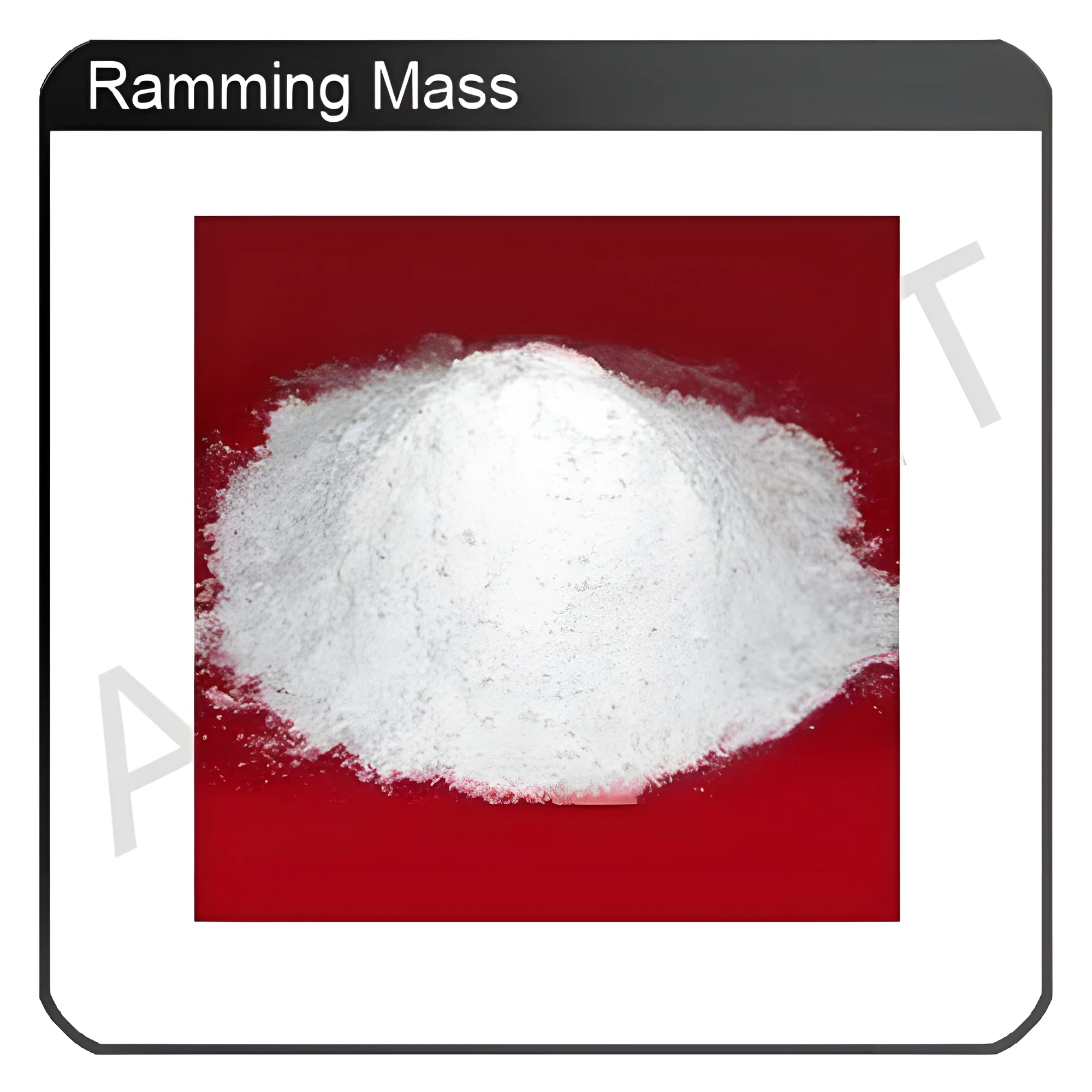
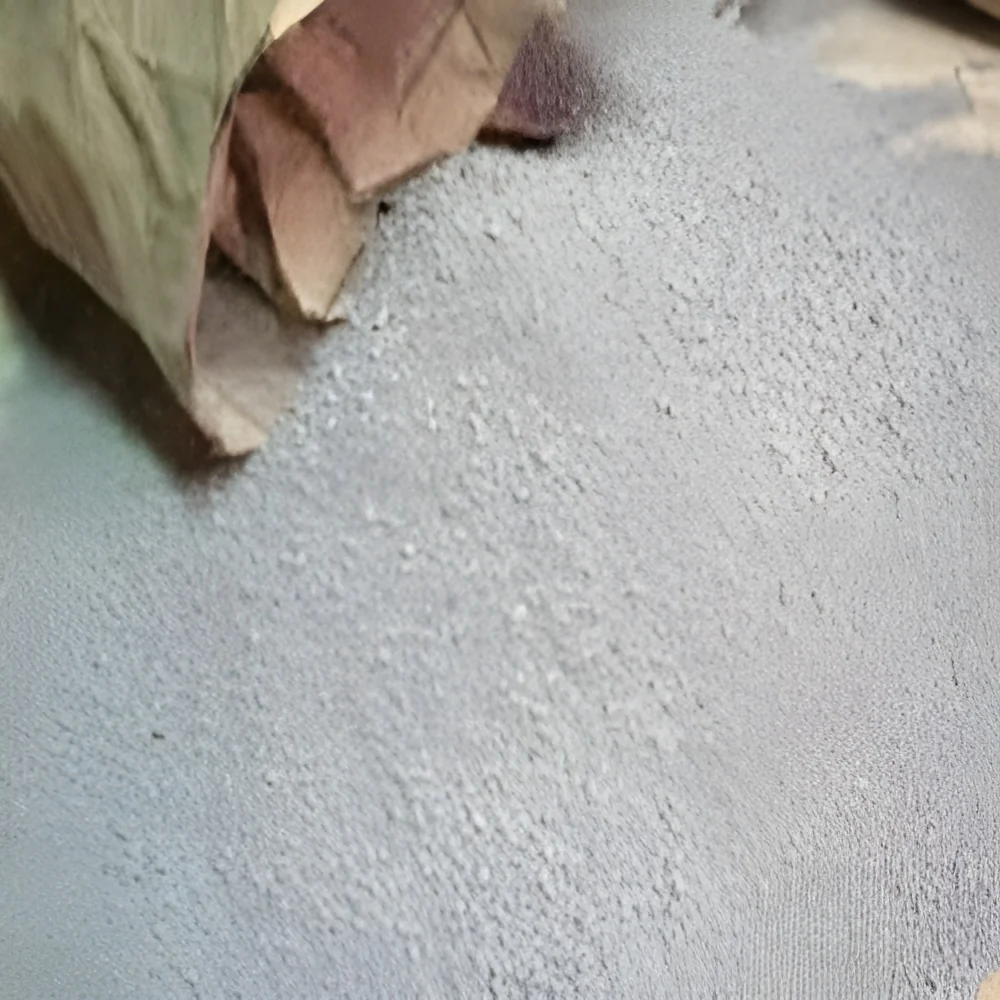
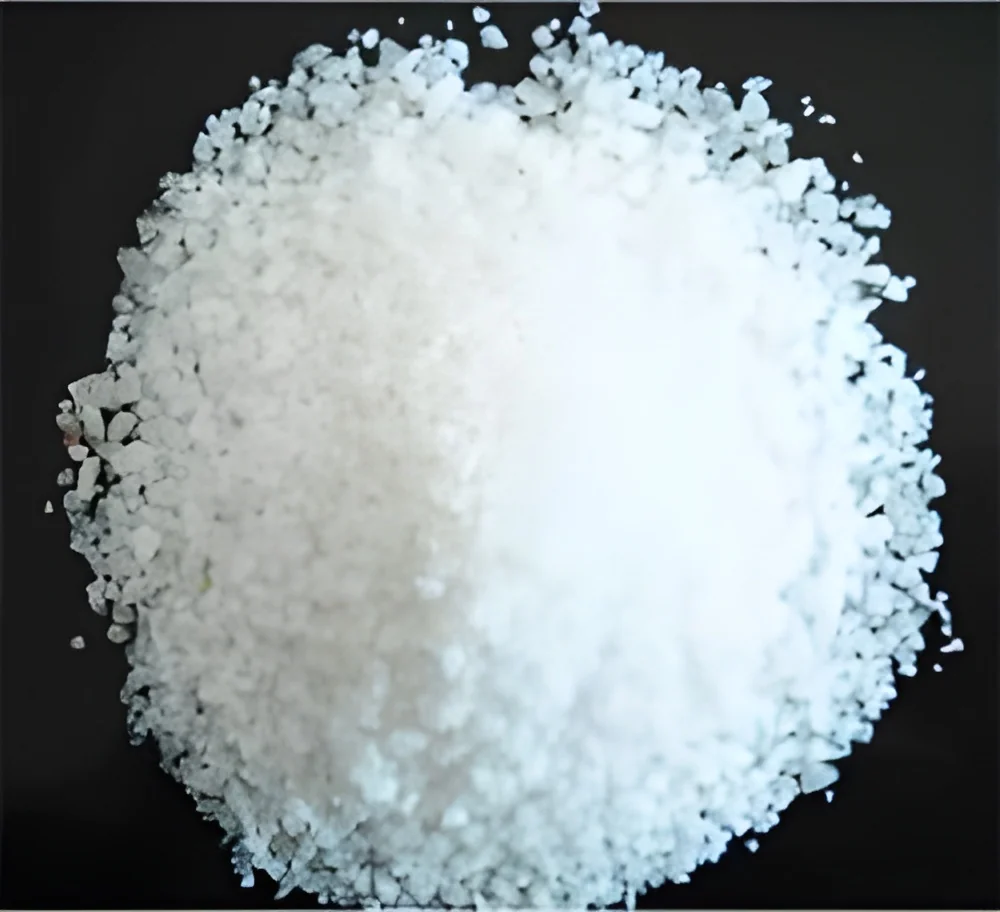
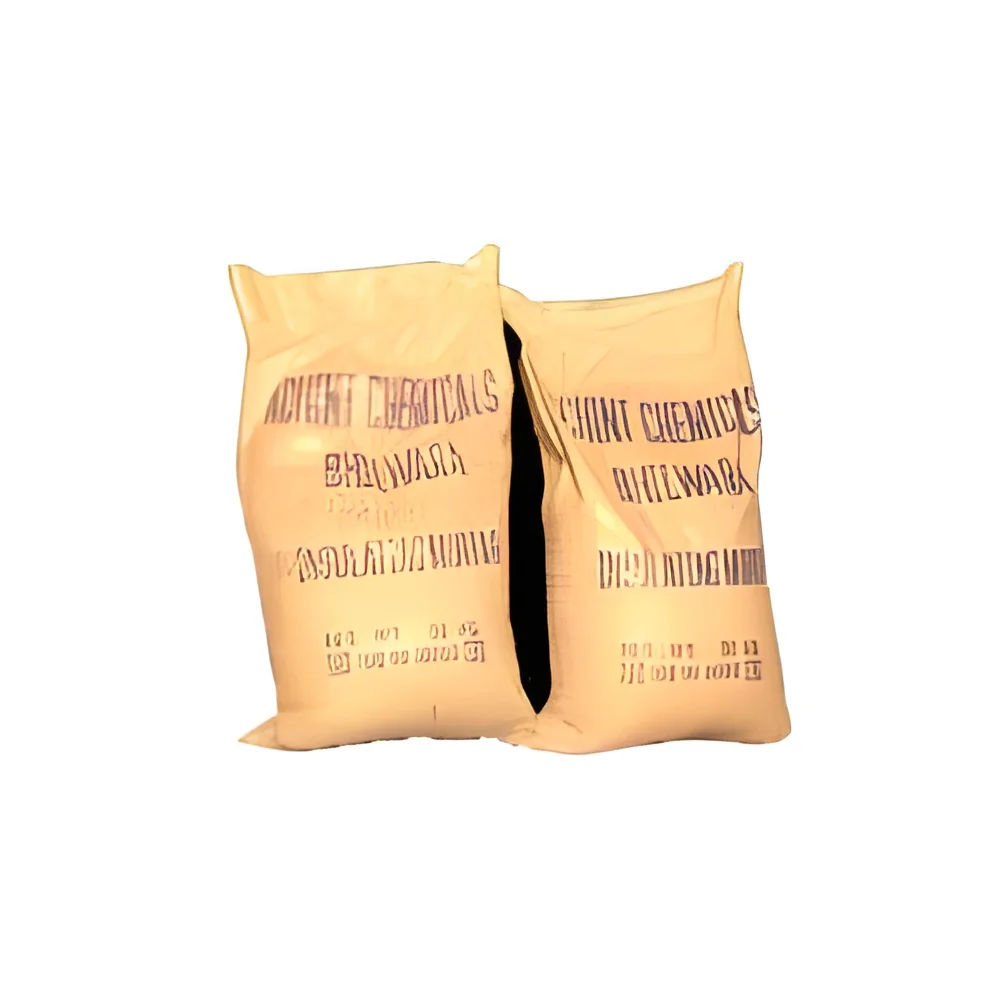
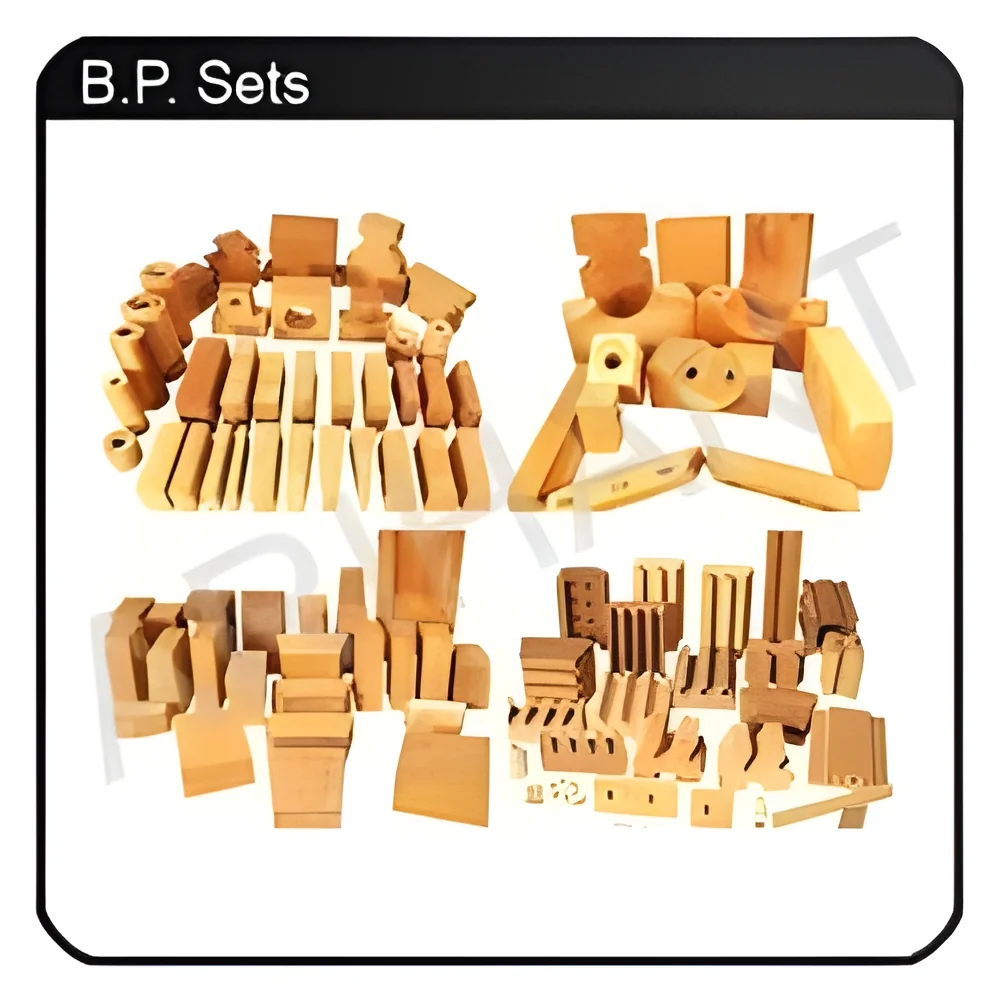
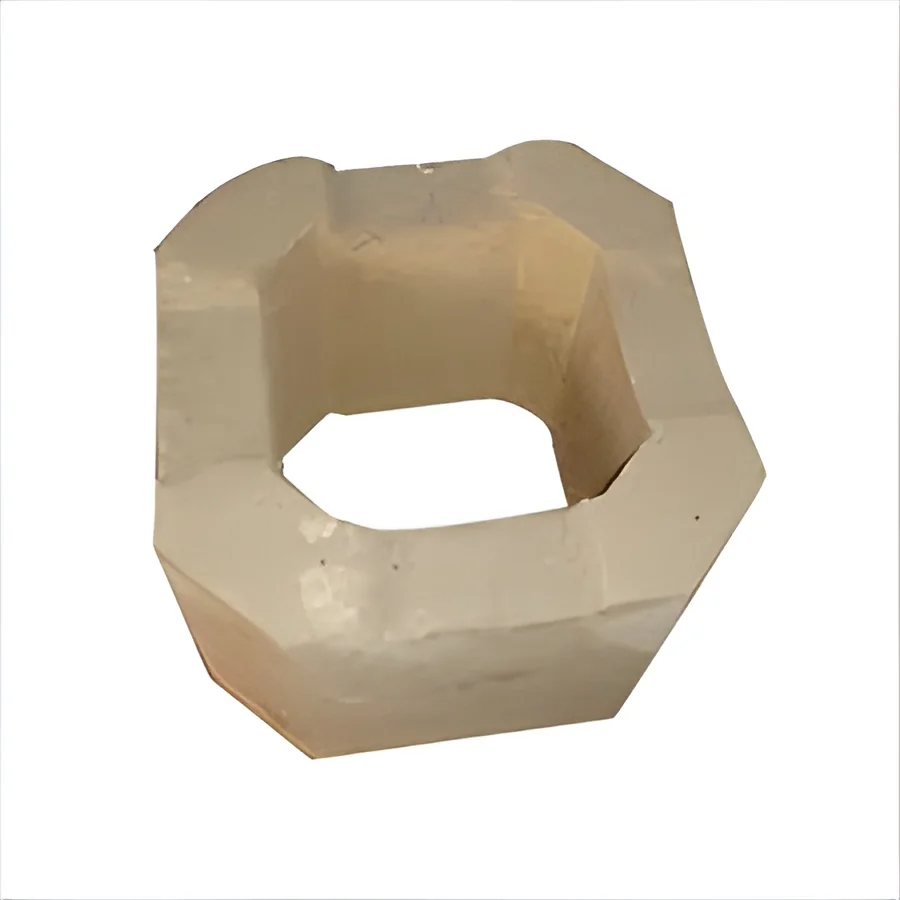
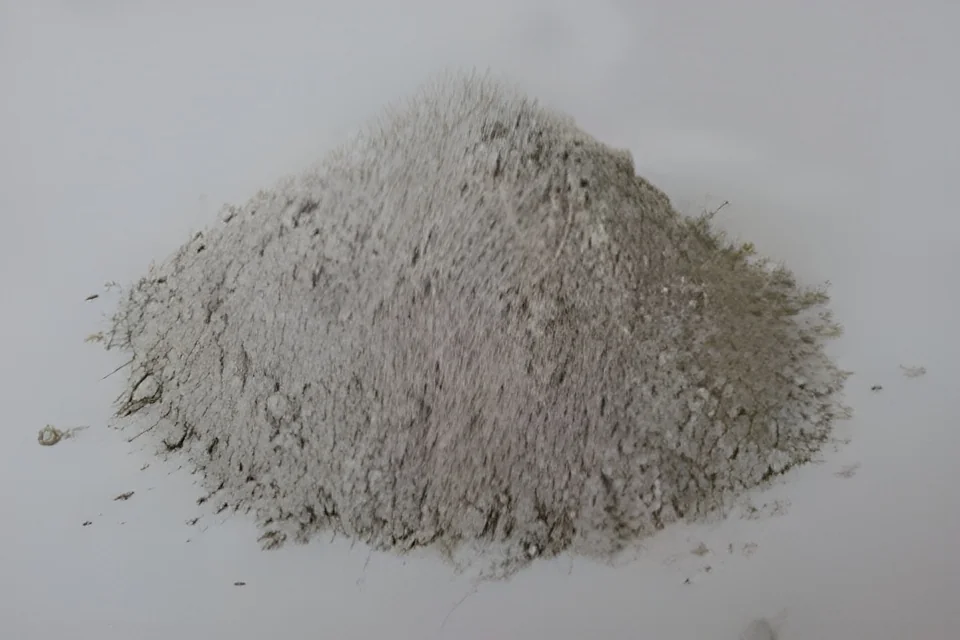
What are Fire Clay?
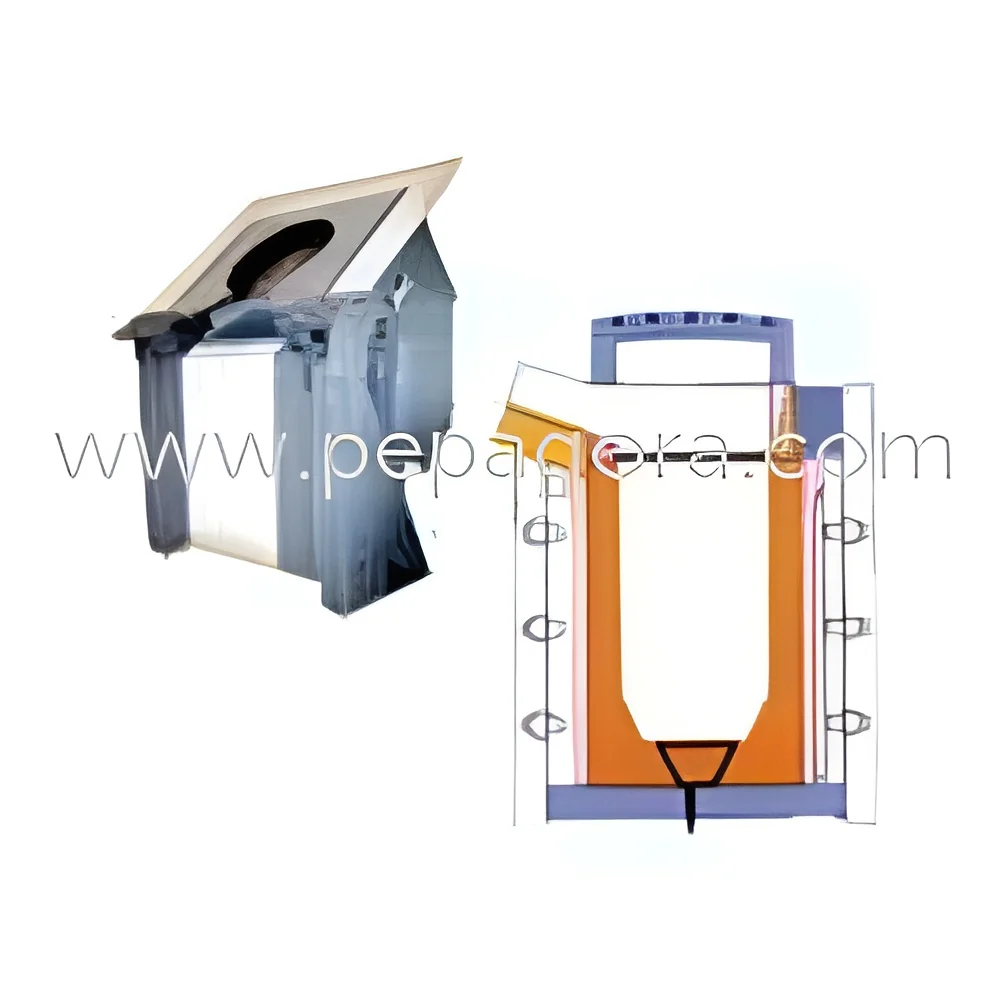
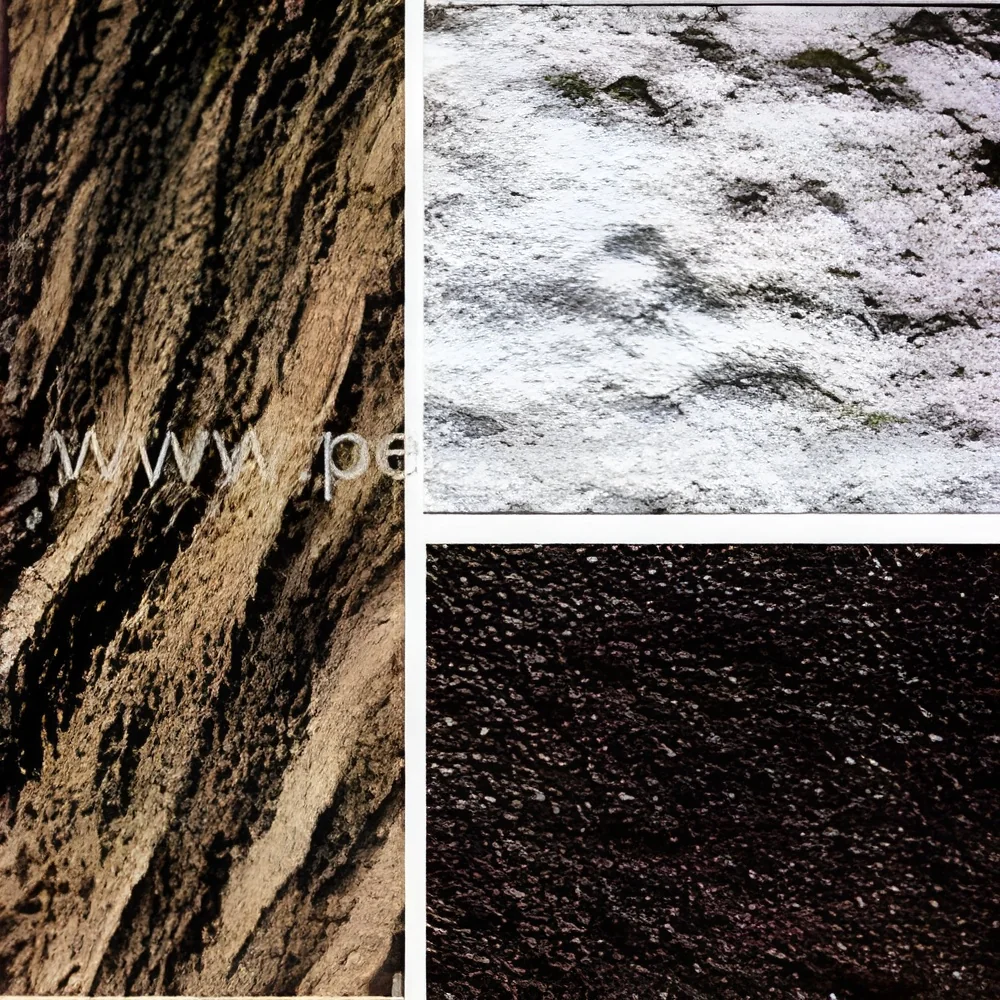
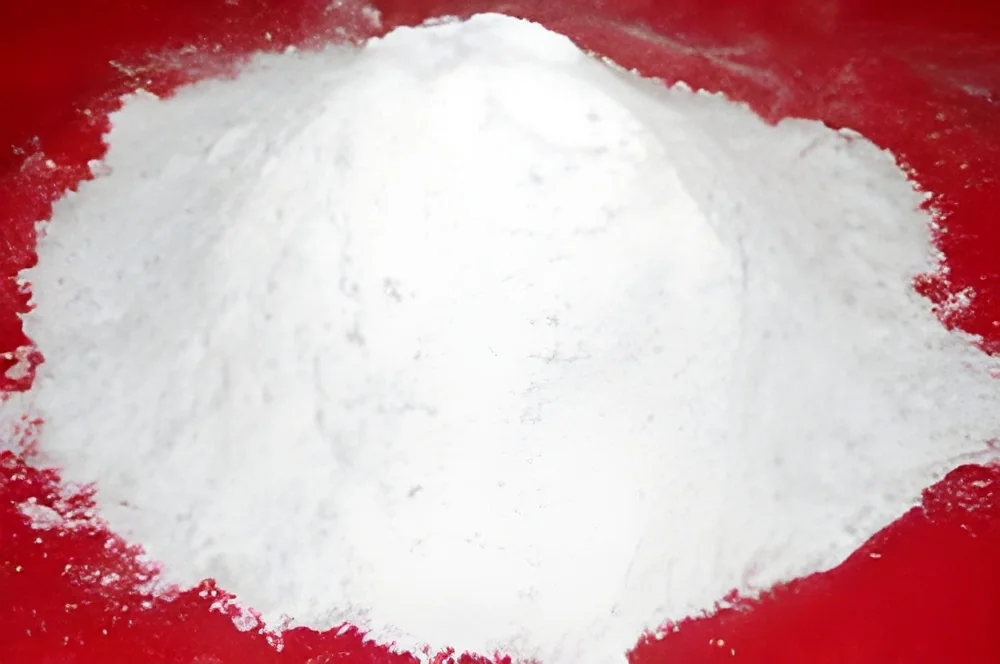
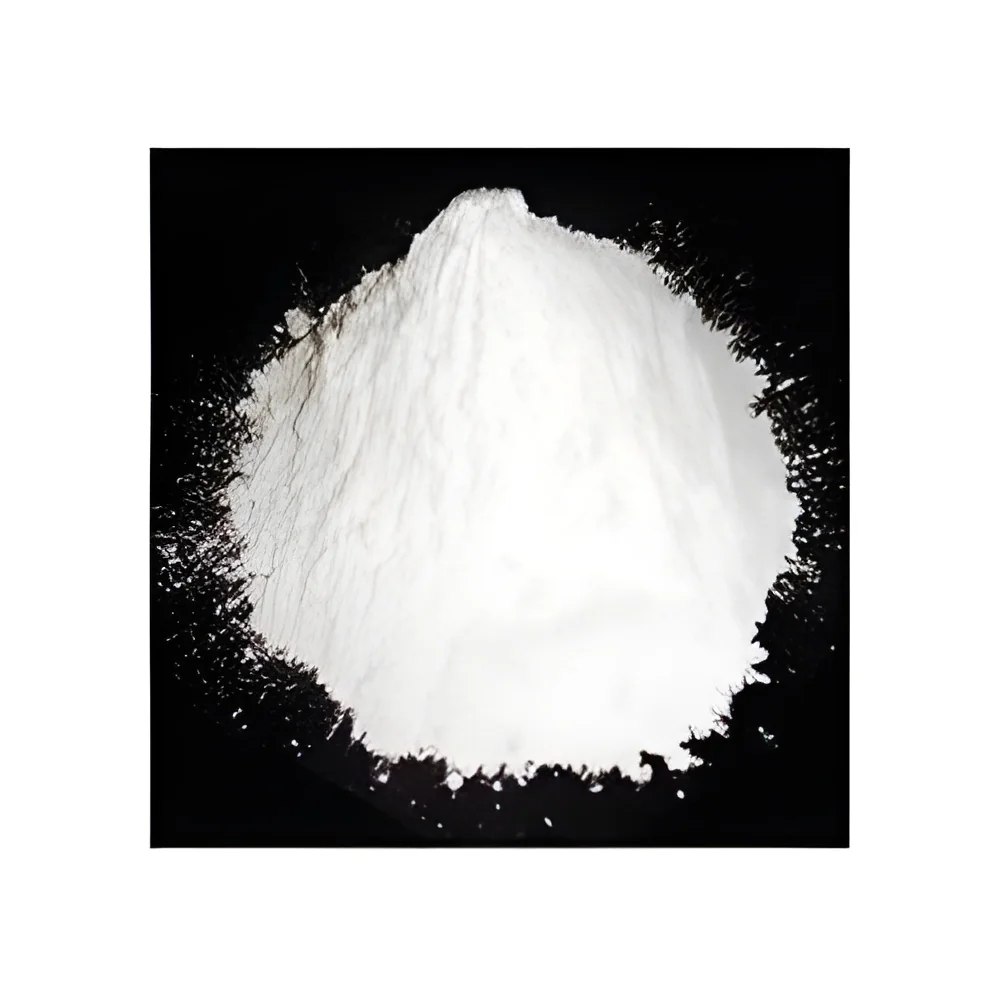
Fire clay is a type of clay that is specifically designed to withstand high temperatures. It is composed of alumina and silica, which contribute to its refractory properties, making it ideal for applications where heat resistance is critical. Fire clay is used in the production of bricks, tiles, and other materials that are exposed to extreme heat, such as in kilns and furnaces. Its ability to maintain structural integrity at elevated temperatures makes it a valuable material in various industrial processes.
The primary uses of fire clay extend to several sectors, including construction, metallurgy, and ceramics. In the construction industry, fire clay is commonly used to manufacture fire bricks that line fireplaces, ovens, and chimneys. In metallurgy, it is employed in the lining of furnaces and kilns, protecting them from the intense heat generated during metal processing. The ceramics industry utilizes fire clay to create pottery and porcelain items that require durability and heat resistance. The demand for fire clay is consistently strong, driven by the ongoing need for high-temperature applications across multiple industries.
Key Features and Specifications
Fire clay is distinguished by various features that enhance its performance in high-temperature environments. Its composition allows for excellent thermal stability, resistance to thermal shock, and low thermal conductivity. Fire clay's versatility makes it suitable for a range of applications, contributing to its popularity in industrial settings.
Key specifications include:
1. Chemical Composition
- Typically contains 30-50% alumina and 50-70% silica
- Low impurities to ensure high performance
2. Refractoriness
- Can withstand temperatures exceeding 1,200 degrees Celsius
- Ideal for applications in high-temperature environments
3. Density
- Density ranges from 1.5 to 2.0 g/cm3
- Influences thermal conductivity and insulation properties
4. Thermal Conductivity
- Low thermal conductivity, usually between 0.5 to 1.5 W/m·K
- Ensures energy efficiency in applications
5. Shrinkage
- Low shrinkage rates during firing, typically less than 3%
- Maintains dimensional stability
6. Water Absorption
- Water absorption rates of 5-15%
- Affects the strength and durability of the final product
7. Firing Temperature
- Optimal firing temperature range of 1,050 to 1,200 degrees Celsius
- Enhances the strength and durability of fire clay products
8. Compliance with Standards
- Meets industry standards such as CE certification
- Ensures product quality and safety
Fire clay's specifications highlight its suitability for high-temperature applications, making it a reliable choice for various industrial needs.
Common Applications and Use Cases
Fire clay finds extensive use across multiple industries due to its unique properties.
1. Construction: Fire clay is widely used in the manufacturing of fire bricks, which are essential for constructing fireplaces, ovens, and chimneys. These bricks provide excellent insulation and withstand high temperatures.
2. Metallurgy: In metallurgy, fire clay is utilized to line furnaces and kilns, safeguarding them from the extreme heat produced during metal processing. This helps enhance the efficiency and safety of metal production.
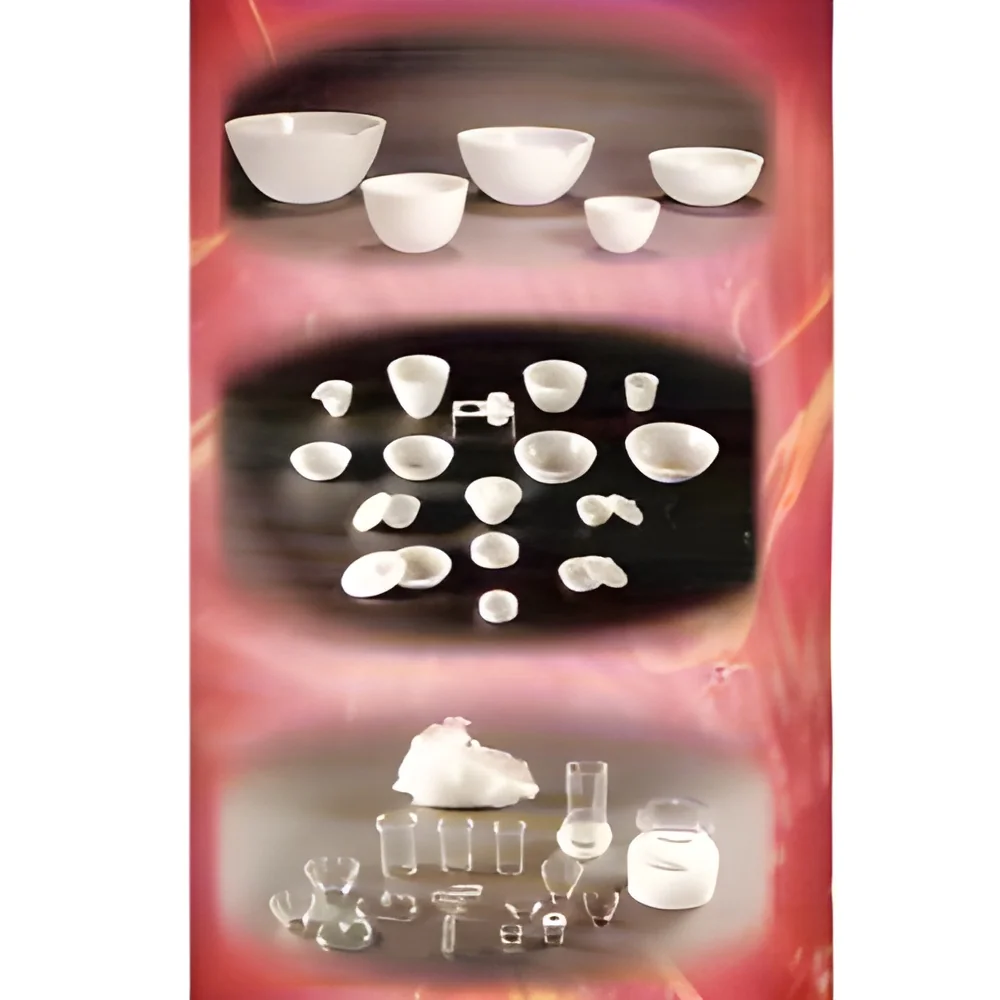
3. Ceramics: The ceramics industry leverages fire clay to produce durable pottery and porcelain items. Its heat-resistant characteristics ensure that the final products maintain their integrity during firing.
4. Glass Manufacturing: Fire clay is also employed in glass manufacturing processes, where it serves as a lining material for furnaces, helping to maintain temperature control and enhance production efficiency.
5. Refractory Products: Fire clay is a key component in the production of various refractory products, which are used in industries requiring materials that can withstand high temperatures without deformation.
6. Insulation: Due to its low thermal conductivity, fire clay is used in insulation applications, helping to minimize heat loss in industrial settings.
7. Energy Sector: In the energy sector, fire clay is used in the construction of heat exchangers and boilers, where its properties provide effective heat resistance.
Product Variants and Subcategories
Fire clay comes in various forms, each tailored for specific applications. The diversity of fire clay products allows industries to select the most suitable variant for their requirements.
Standard Fire Clay
This variant is commonly used in construction and general industrial applications. It is recognized for its excellent thermal stability and is often used to manufacture fire bricks and tiles.
High Alumina Fire Clay
This variant contains a higher percentage of alumina, providing enhanced heat resistance. It is ideal for use in high-temperature applications such as kilns and furnaces.
Refractory Fire Clay
Designed specifically for refractory applications, this variant offers superior resistance to thermal shock and mechanical stress. It is frequently used in industries like metallurgy and ceramics.
Benefits and Advantages
Fire clay offers numerous advantages that make it an essential material for various industries.
1. High Heat Resistance: Fire clay can withstand extreme temperatures, ensuring its durability in high-temperature applications.
2. Excellent Thermal Stability: Its thermal stability prevents deformation and maintains structural integrity, making it reliable in demanding environments.
3. Low Thermal Conductivity: Fire clay's low thermal conductivity helps improve energy efficiency, reducing heat loss in industrial processes.
4. Versatile Applications: Suitable for multiple industries, fire clay can be utilized in construction, metallurgy, ceramics, and more.
5. Chemical Resistance: Fire clay exhibits resistance to various chemicals, which enhances its longevity in industrial settings.
6. Cost-Effectiveness: The durability and longevity of fire clay products contribute to lower maintenance and replacement costs over time.
Buying Guide for B2B Buyers
When sourcing fire clay, it is crucial to consider several key factors to ensure the selection of the right product for your needs.
1. Quality Assessment: Evaluate the chemical composition and physical properties of fire clay to ensure it meets your application requirements. Look for consistent quality across batches.
2. Supplier Verification: Vet suppliers to ensure they have a proven track record in providing high-quality fire clay. Check for certifications and customer reviews to gauge reliability.
3. Pricing and MOQ: Understand the pricing structure and minimum order quantities (MOQ) offered by suppliers. This helps in budgeting and planning your procurement strategy.
4. Delivery and Lead Times: Discuss delivery timelines to ensure timely receipt of fire clay. Reliable logistics are essential to maintaining production schedules.
5. Compliance Requirements: Ensure that the fire clay meets relevant industry standards and regulatory requirements to prevent any compliance issues.
Compliance and Certifications
Fire clay must adhere to specific quality standards and certifications to ensure safety and performance in industrial applications.
Relevant quality standards such as ISO 9001 ensure that manufacturers maintain consistent quality management processes throughout production.
Industry certifications, including CE marking, indicate compliance with European safety and environmental regulations, enhancing the credibility of fire clay products.
Safety and testing requirements play a crucial role in ensuring that fire clay meets the necessary performance criteria. Manufacturers should provide documentation proving that their products have undergone rigorous testing.
Regional compliance considerations may vary, so it is essential to understand local regulations and standards that apply to fire clay in different markets.
Why Source Fire Clay from Pepagora?
Pepagora provides a trusted platform for sourcing fire clay, offering numerous advantages to B2B buyers.
Verified Supplier Network: Pepagora connects buyers with a network of verified suppliers, ensuring that you can source high-quality fire clay from reputable manufacturers. This promotes confidence in your purchasing decisions.
Streamlined RFQ Process: The platform features an efficient Request for Quotation (RFQ) process, allowing buyers to quickly obtain competitive quotes from multiple suppliers. This simplifies the procurement process and saves time.
Trade Assurance and Support: Pepagora offers trade assurance and buyer protection, ensuring that your transactions are secure. Their dedicated support team is available to assist with any queries or concerns throughout the sourcing process.
Regional Coverage: With a presence in India, the GCC, and Southeast Asia, Pepagora provides extensive regional coverage, making it easier for buyers to connect with suppliers in various markets. This broad reach enhances sourcing opportunities and fosters business growth.

 IN
IN