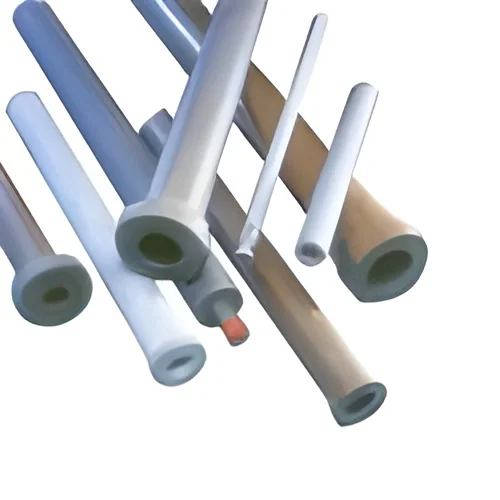
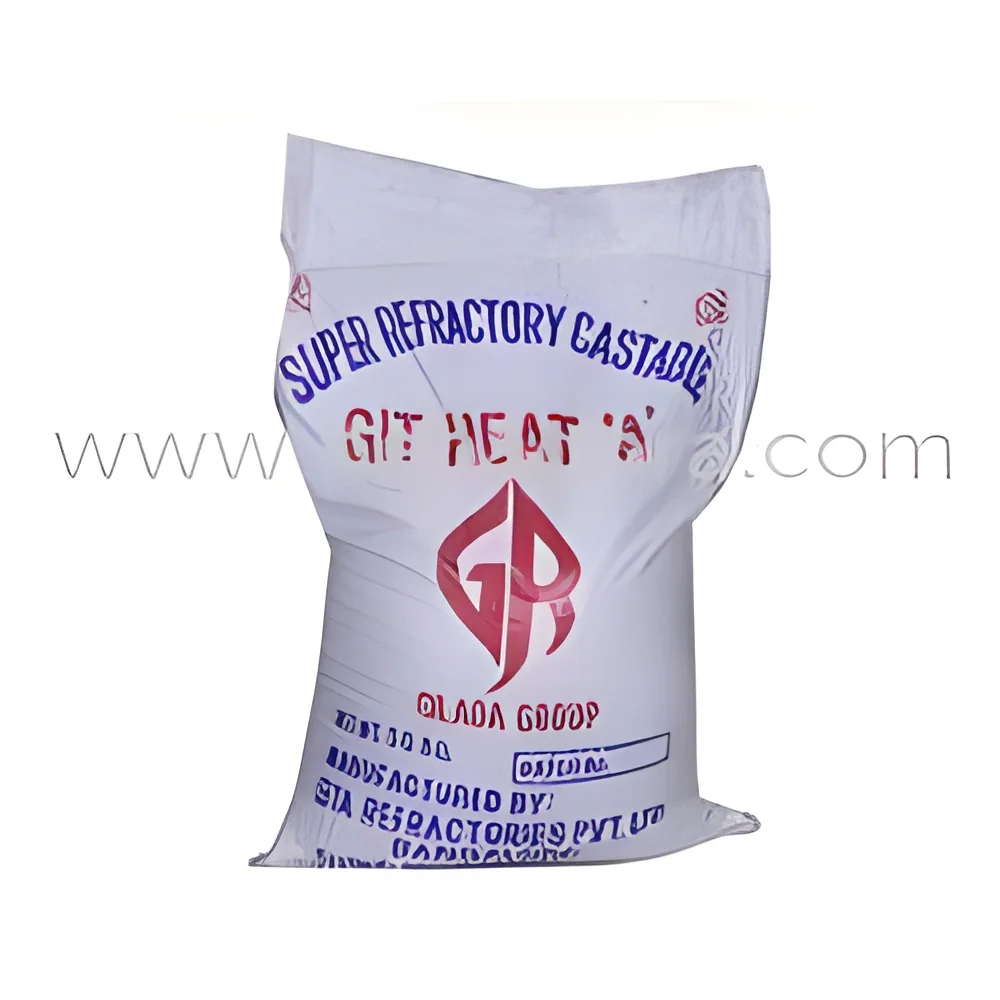
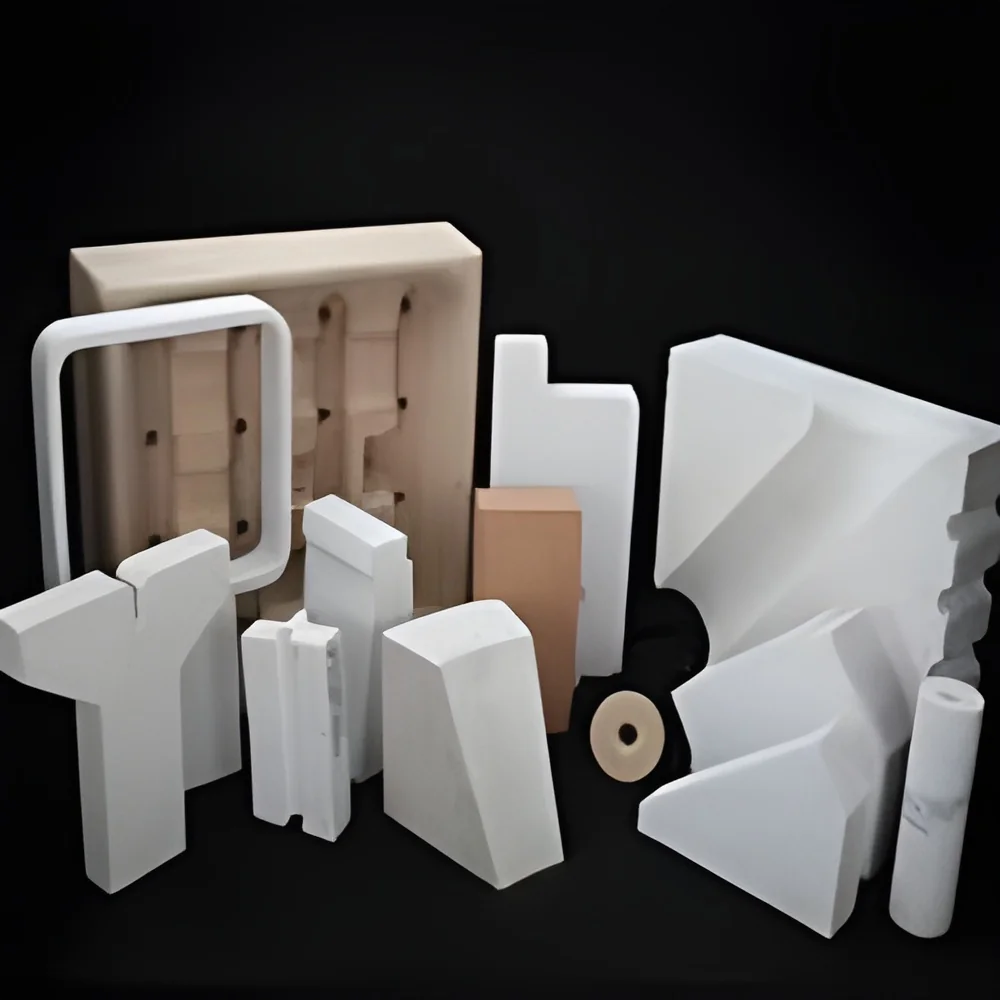
What are Refractory Monolithics?
Refractory Monolithics are specialized materials designed to withstand high temperatures and harsh environments. These materials are typically composed of a mixture of aggregates, binders, and additives, which are combined to form a dense, durable structure. They are used in applications where resistance to heat, chemical attack, and mechanical wear is essential. Refractory Monolithics can be cast, gunned, or rammed into shape, making them a versatile choice for various industrial applications.
These materials are widely used in industries such as steel, cement, petrochemical, and glass manufacturing. Their primary applications include lining furnaces, kilns, and reactors, as well as for insulation and thermal management. The ability to customize compositions and properties allows businesses to tailor Refractory Monolithics for specific operational needs.
In today's market, the demand for high-performance refractory solutions continues to grow, driven by the need for energy efficiency and durability in industrial processes. As manufacturers strive for lower operational costs and enhanced output, Refractory Monolithics play a critical role in optimizing performance and extending equipment life.
Key Features and Specifications
Refractory Monolithics come with various features and specifications that make them suitable for demanding environments. Understanding these specifications can help businesses select the right product for their needs.
Key specifications include:
1. Thermal Stability
- High resistance to thermal shock
- Maintains integrity at temperatures exceeding 1,600 degrees Celsius
2. Chemical Resistance
- Resistant to corrosive chemicals and molten metals
- Suitable for use in environments with aggressive materials
3. Density
- Varies between 2.0 to 3.0 g/cm³
- Impacts thermal conductivity and mechanical strength
4. Compressive Strength
- Ranges from 20 to 80 MPa (megapascals)
- Determines the material's ability to withstand mechanical loads
5. Installation Method
- Available for casting, gunning, or ramming
- Flexibility in application depending on operational requirements
6. Set Time
- Rapid setting options available for quick repairs
- Standard set times can vary based on formulation
7. Shrinkage Rate
- Low shrinkage during heating
- Minimizes cracking and failures in service
8. Customization Options
- Tailorable formulations for specific industrial applications
- Additives can enhance specific performance characteristics
In summary, selecting the right Refractory Monolithics involves understanding these key features and specifications. Tailoring these materials to meet specific operational requirements can significantly enhance performance and longevity.
Common Applications and Use Cases
Refractory Monolithics find application across a wide range of industries, each with unique requirements and challenges.
1. Steel Industry: Used for lining furnaces and ladles, these materials withstand extreme temperatures and protect against molten metal.
2. Cement Industry: Essential for kiln linings, they maintain structural integrity during the high-temperature phases of cement production.
3. Petrochemical Industry: Employed in reactors and distillation columns, providing chemical resistance and thermal stability.
4. Glass Manufacturing: Used in melting tanks and forehearths, they help achieve the necessary thermal efficiency and protect against corrosive glass materials.
5. Power Generation: Applied in coal and biomass boilers, they offer durability against high-heat and abrasive conditions.
6. Foundries: Serve as linings for induction furnaces, ensuring effective heat retention and protection against metal erosion.
7. Incineration: Facilitate the safe burning of waste materials by providing a robust lining that can withstand thermal stress.
Product Variants and Subcategories
Refractory Monolithics are available in various formulations and types, allowing businesses to choose the right material for their specific applications.
Castable Refractory
This variant is known for its versatility and ease of installation. It can be poured into molds to achieve specific shapes and is ideal for large, complex structures.
Gunned Refractory
Designed for applications requiring rapid installation, gunned refractories are sprayed into place using specialized equipment. This method is often used for repairs and maintenance.
Rammed Refractory
This type is compacted into place to form dense, strong linings. It is suitable for high-impact applications, such as in steelmaking.
Insulating Refractory
These materials provide exceptional thermal insulation while maintaining structural integrity. They are ideal for applications that require heat retention and energy efficiency.
Benefits and Advantages
Refractory Monolithics offer several key benefits that make them an essential choice for industrial applications.
1. High Durability: These materials resist wear and degradation, ensuring long-lasting performance in harsh environments.
2. Thermal Efficiency: Their ability to withstand high temperatures helps optimize energy consumption and reduce operational costs.
3. Customizable Formulations: Businesses can tailor compositions to meet specific operational needs, enhancing performance and reliability.
4. Easy Installation: Various application methods allow for flexibility in installation, minimizing downtime and labor costs.
5. Chemical Resistance: They protect against corrosive substances, extending the lifespan of industrial equipment.
6. Low Maintenance: Reduced need for repairs and replacements leads to lower total cost of ownership.
Buying Guide for B2B Buyers
When sourcing Refractory Monolithics, buyers should consider several critical factors to ensure they make informed decisions.
1. Quality Assessment: Evaluate materials based on standards such as thermal stability, chemical resistance, and compressive strength. Confirm that products meet industry-specific requirements.
2. Supplier Verification: Research manufacturers and suppliers thoroughly to ensure they have a reputation for quality and reliability. Look for certifications and customer reviews.
3. Pricing and MOQ: Consider the pricing structure and minimum order quantities. Ensure that the costs align with your budget while meeting your requirements.
4. Delivery and Lead Times: Check the supplier’s delivery capabilities and lead times to ensure timely availability of products for your operations.
5. Compliance Requirements: Ensure that the chosen Refractory Monolithics comply with relevant industry regulations and safety standards.
Compliance and Certifications
Refractory Monolithics must adhere to specific quality standards and certifications to ensure safety and performance in industrial applications. Compliance with ISO 9001 is often essential, as it indicates a commitment to quality management systems.
CE certification is a common requirement, particularly in the European market, ensuring that products meet safety and environmental standards. Additionally, industries may impose specific testing requirements to verify the performance of these materials under operational conditions.
Regional compliance considerations are also crucial, as different countries may have varying regulations. Understanding these requirements helps ensure that businesses source materials that not only perform well but are also legally compliant.
Why Source Refractory Monolithics from Pepagora?
Pepagora provides a trusted platform for sourcing Refractory Monolithics with several key advantages that benefit B2B buyers.
Verified Supplier Network: Pepagora connects buyers with a network of verified suppliers who have undergone thorough vetting processes. This ensures that businesses can source materials from reputable manufacturers.
Streamlined RFQ Process: The platform features an efficient request for quotation (RFQ) system, allowing buyers to receive competitive quotes from multiple suppliers quickly and conveniently.
Trade Assurance and Support: Pepagora offers buyer protection through trade assurance policies, ensuring that purchases meet quality expectations and reducing risk.
Regional Coverage: With a strong presence in India, the GCC, and Southeast Asia, Pepagora facilitates access to a wide range of suppliers, enhancing sourcing options for businesses across different regions.

 IN
IN