
 IN
Ceramic Balls & Pellets
9 products available
What are Ceramic Balls & Pellets?
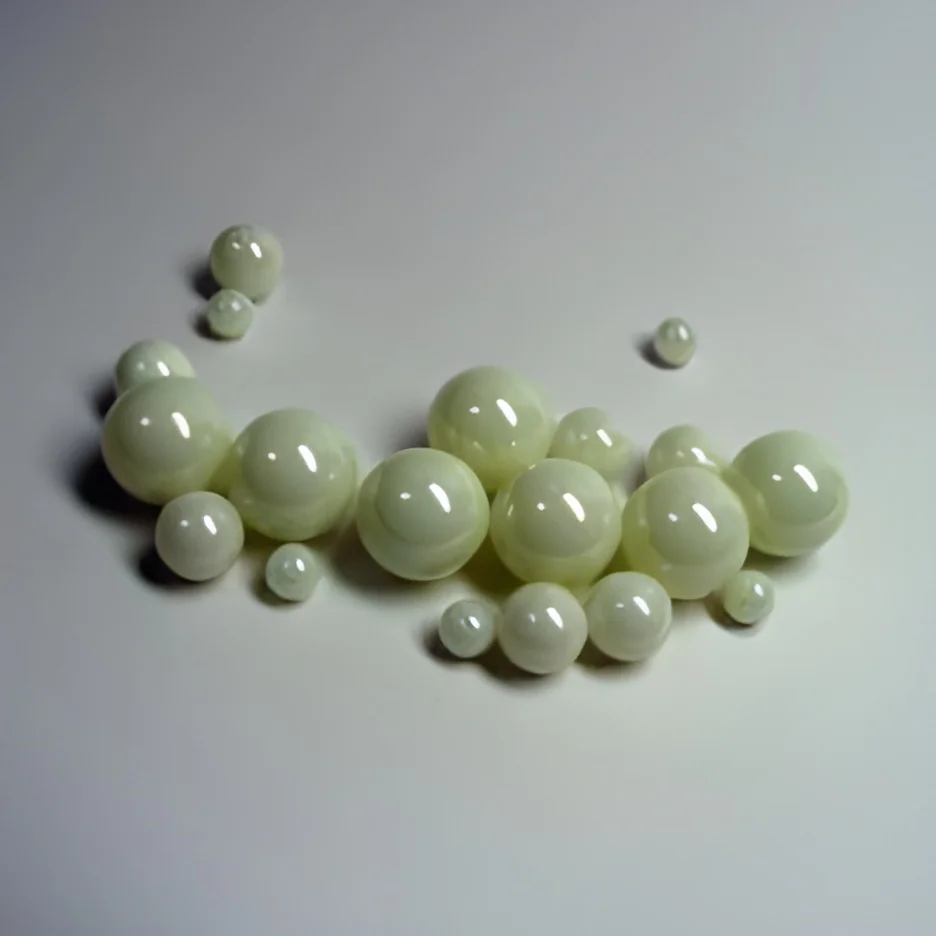
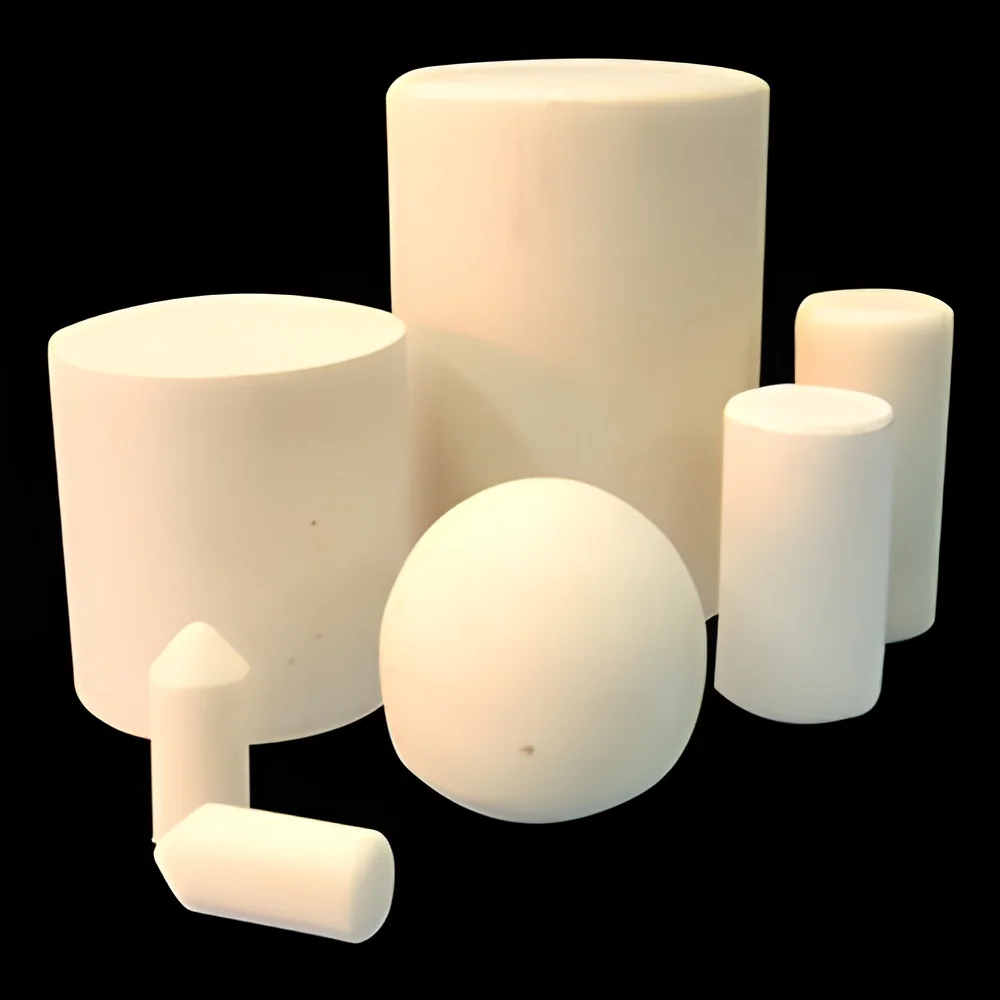
Ceramic balls and pellets are small, spherical objects made from various ceramic materials. Their unique properties, such as durability, resistance to high temperatures, and low thermal conductivity, make them ideal for numerous industrial applications. These products are often utilized in filtration, catalysis, and as structural supports in various systems, providing a reliable solution due to their robustness and stability under challenging conditions.
In the industrial landscape, ceramic balls and pellets serve a myriad of functions across different sectors. They are commonly employed in chemical processing, petrochemical industries, and water treatment facilities. Their ability to withstand extreme environments while maintaining performance has made them a critical component in applications where reliability and efficiency are paramount. The market for these products continues to grow as industries seek innovative materials to enhance their operational capabilities.
The relevance of ceramic balls and pellets in today’s market cannot be overstated. As industries evolve and demand more efficient materials, these products are becoming increasingly integral. With the emphasis on sustainability and performance, ceramic balls and pellets present an attractive option for companies looking to improve their processes and reduce costs.
Key Features and Specifications
Ceramic balls and pellets come with a range of features that enhance their usability in various applications. Understanding these specifications is vital for businesses looking to integrate these products into their operations.
Key specifications include:
1. Material Composition
- Typically made from alumina, zirconia, or other ceramic materials
- Known for high strength and resistance to wear
2. Size Range
- Available in various diameters, typically from 1 mm to 50 mm
- Size selection depends on the specific application requirements
3. Density
- High density contributes to durability and effectiveness in filtration
- Common density ranges from 2.5 g/cm³ to 6 g/cm³
4. Temperature Resistance
- Capable of withstanding temperatures up to 1600 degrees Celsius
- Suitable for high-temperature applications
5. Surface Finish
- Can be produced with various surface finishes for specific applications
- Smooth surfaces enhance flow and reduce friction
6. Porosity
- Low porosity ensures minimal absorption of liquids
- Essential for maintaining structural integrity in chemical processes
7. Chemical Resistance
- Highly resistant to acids and bases
- Suitable for use in corrosive environments
8. Certification
- Compliant with international standards such as CE
- Ensures quality and safety in industrial applications
These features collectively enhance the performance and applicability of ceramic balls and pellets in different industrial settings.
Common Applications and Use Cases
Ceramic balls and pellets are employed across a broad spectrum of industries due to their versatile properties.
1. Chemical Processing: Used in reactors and as catalyst supports, ceramic balls optimize chemical reactions while enduring harsh conditions.
2. Petrochemical Industry: Serve as packing materials in distillation columns, providing stability and efficiency in separating components.
3. Water Treatment: Function as filter media to remove impurities and enhance the quality of water in treatment facilities.
4. Pharmaceutical Manufacturing: Facilitate processes in reactors, ensuring consistent quality and purity in drug production.
5. Food Processing: Used in various applications to ensure hygiene and efficiency in food manufacturing processes.
6. Mining and Mineral Processing: Assist in grinding and separation processes, enhancing productivity in extracting valuable minerals.
7. Aerospace and Automotive: Serve as components in high-performance engines, where durability and heat resistance are critical.
Product Variants and Subcategories
Ceramic balls and pellets are available in various forms to meet specific industrial needs. The diversity of these variants allows businesses to select the most suitable products for their applications.
Standard Ceramic Balls: These balls are designed for general use in various applications, offering high durability and resistance to wear. They are commonly used in chemical reactors and filtration systems.
High-Performance Ceramic Pellets: Specifically engineered for demanding applications, these pellets offer enhanced strength and thermal stability, making them ideal for high-temperature environments.
Specialty Ceramic Balls: Tailored for specific industries such as pharmaceuticals or food processing, these balls meet stringent quality standards and ensure compliance with industry regulations.
Benefits and Advantages
The use of ceramic balls and pellets offers numerous advantages for businesses.
1. Durability: These products withstand harsh conditions, reducing downtime and maintenance costs.
2. Chemical Resistance: Their resistance to corrosive substances ensures longevity and reliability in various environments.
3. High-Temperature Performance: Capable of operating in extreme temperatures, they are suitable for demanding industrial processes.
4. Versatility: Available in different sizes and compositions, they cater to a wide range of applications across industries.
5. Improved Efficiency: Their design enhances flow and reduces energy consumption in processes, contributing to overall operational efficiency.
6. Compliance: Many ceramic balls and pellets meet international standards, ensuring quality and safety in use.
Buying Guide for B2B Buyers
When sourcing ceramic balls and pellets, it is essential for businesses to consider several factors to ensure they select the right products.
1. Quality Assessment: Evaluate products based on material composition, manufacturing standards, and performance characteristics. Look for certifications that ensure compliance with quality norms.
2. Supplier Verification: Vet suppliers by checking their reputation, experience, and customer feedback. Reliable suppliers should provide transparent information about their products and services.
3. Pricing and MOQ: Consider the cost of ceramic balls and pellets, along with minimum order quantities. Understanding pricing structures can help in budgeting and financial planning.
4. Delivery and Lead Times: Assess the logistics involved in sourcing these products, including delivery times and shipping options. Timely delivery is critical for maintaining production schedules.
5. Compliance Requirements: Be aware of any regulatory standards that apply to the use of ceramic balls and pellets in your industry. Ensure that suppliers can provide documentation proving compliance.
Compliance and Certifications
Ceramic balls and pellets must adhere to several quality standards and certifications to ensure their reliability and safety in industrial applications. Common certifications include CE, indicating that the products meet European safety and health requirements. Compliance with ISO 9001 standards is also essential, as it ensures consistent quality management and improvement processes.
In addition to these certifications, manufacturers often perform safety and testing requirements to ensure the durability and performance of their products. This may include assessments of chemical resistance and high-temperature performance. Furthermore, regional compliance considerations should be taken into account, particularly for businesses operating in different regulatory environments.
Why Source Ceramic Balls & Pellets from Pepagora?
Pepagora offers a comprehensive platform for sourcing ceramic balls and pellets, providing several key advantages for B2B buyers.
The verified supplier network at Pepagora ensures that businesses connect with reputable manufacturers who meet stringent quality standards. Each supplier is vetted to maintain a high level of trust and reliability.
The streamlined RFQ process allows buyers to easily request quotations from multiple suppliers, saving time and effort in sourcing decisions. This efficient system helps businesses find the best pricing and product options available.
Trade assurance and support provided by Pepagora offer an additional layer of protection for buyers. This ensures that transactions are secure and that buyers receive the products they expect.
With a strong regional presence spanning India, the GCC, and Southeast Asia, Pepagora facilitates access to a diverse range of ceramic balls and pellets. This geographic reach allows businesses to find suitable products tailored to their specific operational needs.




Frequently Asked Questions
What are Ceramic Balls & Pellets?
Ceramic balls and pellets are spherical or pellet-shaped products made from ceramic materials. They are commonly used in various industrial applications, including filtration, catalytic support, and grinding media due to their durability and resistance to chemical reactions.
What are the different types of Ceramic Balls & Pellets?
There are several types of ceramic balls and pellets, including alumina balls, zirconia balls, and porcelain pellets. Each type has distinct properties suited for specific applications, such as wear resistance, thermal stability, and chemical inertness.
How do I choose the right Ceramic Balls & Pellets?
Selecting the right ceramic balls and pellets involves considering factors such as the intended application, required properties (e.g., hardness, size), and compatibility with other materials. Consulting with suppliers or manufacturers can help identify the best options for your specific needs.
What are the standard specifications for Ceramic Balls & Pellets?
Standard specifications for ceramic balls and pellets typically include size, density, hardness, and chemical composition. Manufacturers may also provide information on thermal conductivity and other mechanical properties relevant to their intended use.
What is the price range for Ceramic Balls & Pellets?
The price range for ceramic balls and pellets can vary significantly based on material type, size, and quantity. Generally, prices can range from a few hundred to several thousand Indian Rupees per kilogram, depending on these factors.
What quality standards apply to Ceramic Balls & Pellets?
Quality standards for ceramic balls and pellets often align with industry benchmarks such as ISO and ASTM. These standards ensure that products meet specific performance criteria, including durability, dimensional accuracy, and chemical resistance.
Where can I find Ceramic Balls & Pellets suppliers in India?
You can find ceramic balls and pellets suppliers in India through online B2B marketplaces like Pepagora, industry trade shows, and local manufacturing directories. It's advisable to compare multiple suppliers to evaluate quality and pricing.
Can Ceramic Balls & Pellets be customized?
Yes, ceramic balls and pellets can often be customized based on specific requirements such as size, shape, and material composition. Many manufacturers offer customization options to meet unique application needs.
What is the typical minimum order quantity for Ceramic Balls & Pellets?
The typical minimum order quantity (MOQ) for ceramic balls and pellets varies by supplier but often ranges from 100 kg to 500 kg. It is advisable to check with individual manufacturers for their specific MOQs.
What is the typical lead time for Ceramic Balls & Pellets?
The typical lead time for ceramic balls and pellets can range from 2 to 6 weeks, depending on factors such as order size, customization requirements, and supplier capabilities. It's essential to confirm lead times with the supplier when placing an order.
Why Businesses Trust Pepagora
Thousands of companies trust Pepagora to source smarter and sell faster
Expand Your Sales Globally

Source Smarter,Grow Faster
