IN
IN₹
Apparel & Fashion
Description
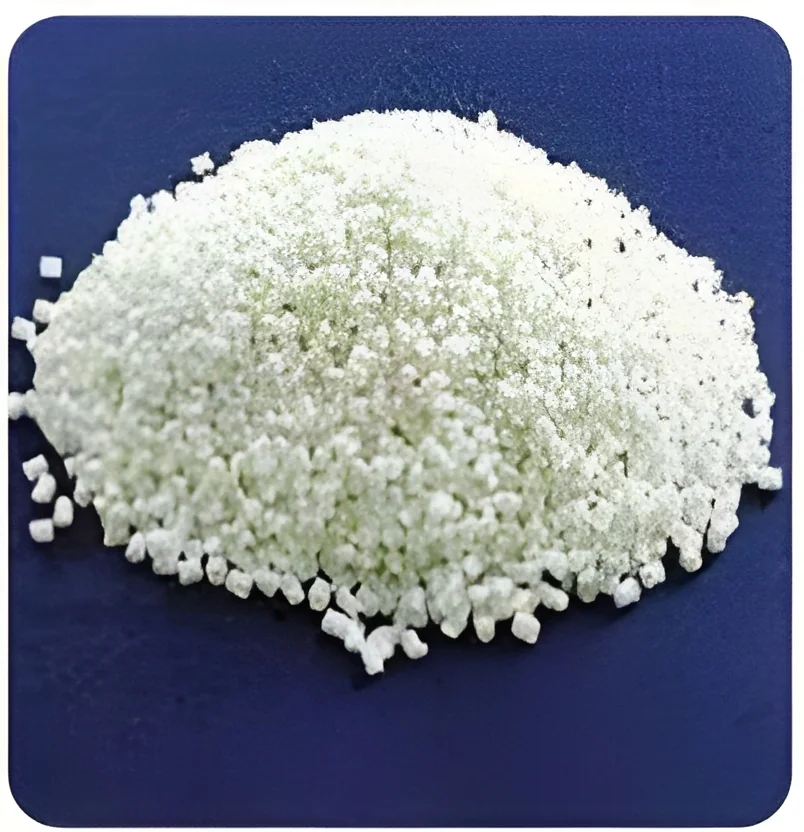
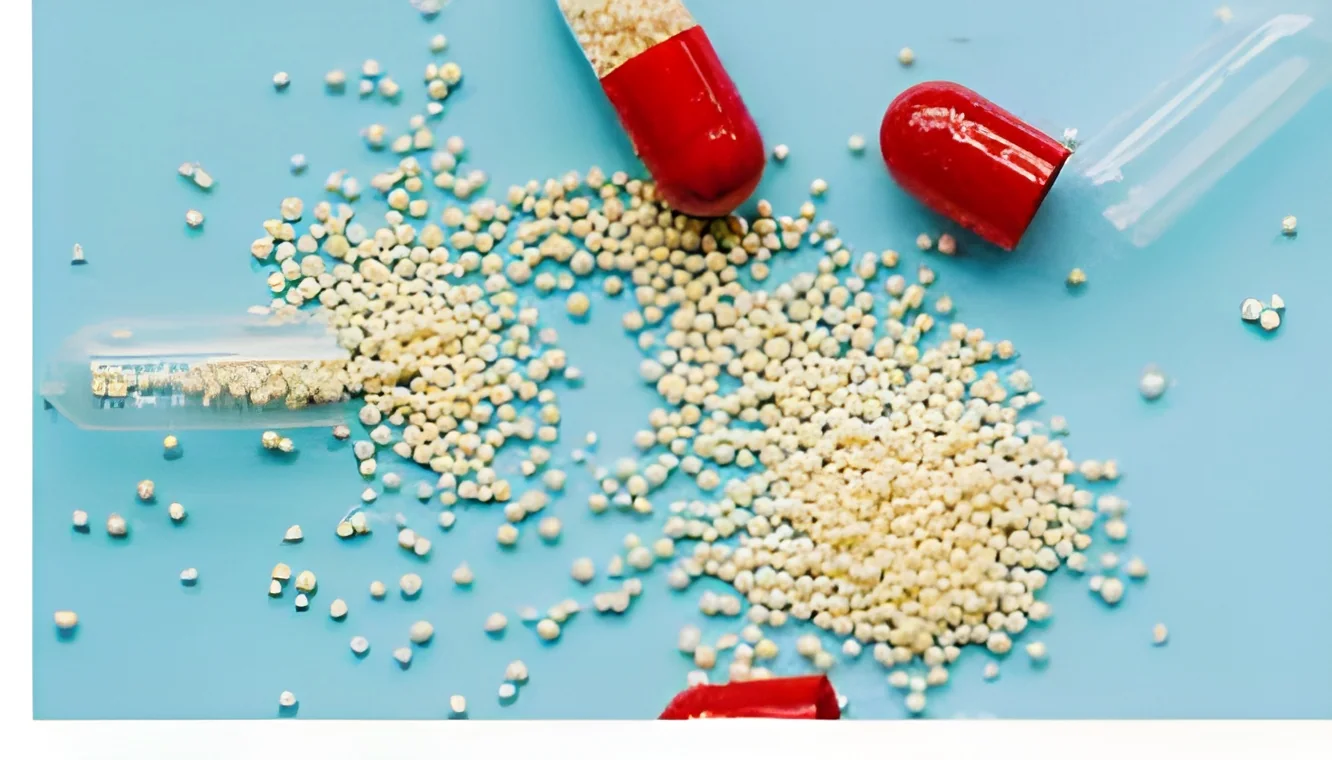
Pharmaceutical pellets represent a sophisticated and versatile multiparticulate drug delivery system. These small, spherical, or near-spherical solid units, typically ranging from 0.5 to 2.0 mm in diameter, are manufactured through specialized processes like extrusion-spheronization or layering. Composed of active pharmaceutical ingredients (APIs) and functional excipients, pellets are engineered to offer superior control over drug release profiles. Their uniform size and shape provide excellent flowability and packing characteristics, which are critical for high-speed, automated capsule filling and tableting processes. This fundamental design allows for the precise engineering of immediate, delayed, or sustained drug release from a single dosage form, making them a cornerstone of modern oral solid dosage development.

The application of pellets spans the entire pharmaceutical industry, serving as a critical component in both generic and innovative drug development. They are extensivel...
Pharmaceutical pellets represent a sophisticated and versatile multiparticulate drug delivery system. These small, spherical, or near-spherical solid units, typically ranging from 0.5 to 2.0 mm in diameter, are manufactured through specialized processes like extrusion-spheronization or layering. Composed of active pharmaceutical ingredients (APIs) and functional excipients, pellets are engineered to offer superior control over drug release profiles. Their uniform size and shape provide excellent flowability and packing characteristics, which are critical for high-speed, automated capsule filling and tableting processes. This fundamental design allows for the precise engineering of immediate, delayed, or sustained drug release from a single dosage form, making them a cornerstone of modern oral solid dosage development.

The application of pellets spans the entire pharmaceutical industry, serving as a critical component in both generic and innovative drug development. They are extensively used to formulate capsules and tablets for a wide range of therapeutic areas, including cardiology, neurology, psychiatry, and gastroenterology. Manufacturers rely on pellet technology to overcome formulation challenges such as poor drug solubility, gastric irritation, and the need for chronotherapeutic delivery. Furthermore, their ability to combine multiple drug entities or different release profiles of the same drug into one capsule enables the creation of complex fixed-dose combination products, simplifying treatment regimens for patients with conditions like diabetes or HIV.

For businesses, investing in high-quality pellets translates to direct manufacturing advantages and market differentiation. The inherent reliability and consistency of well-manufactured pellets ensure batch-to-batch uniformity, reducing production waste and ensuring regulatory compliance. Their flexibility allows for lifecycle management strategies, such as converting an existing immediate-release product into an extended-release version. This technology offers a clear path to developing patient-centric medications that improve adherence through simplified dosing, reduced side effects, and enhanced efficacy, ultimately creating more valuable and competitive pharmaceutical products in a demanding global market.

Key Features:
- Uniform spherical particles with a typical size range of 0.5 to 2.0 millimeters for consistent flow and dosing.
- Engineered using APIs and pharmaceutical-grade excipients via controlled pelletization processes.
- Designed to enable precise drug release profiles, including immediate, delayed, and sustained release.
- Excellent flowability and packing properties ideal for high-speed capsule filling and tableting.
- Capable of combining multiple active ingredients or release mechanisms within a single dosage unit.

Benefits:
- Enhances drug bioavailability and reduces variability in patient absorption for more predictable therapeutic outcomes.
- Minimizes potential for local gastrointestinal irritation by dispersing drug particles throughout the GI tract.
- Enables the development of sophisticated fixed-dose combination therapies and taste-masked formulations.
- Improves manufacturing efficiency and product consistency through excellent physical and mechanical properties.
- Supports patient compliance with convenient, once-daily dosing regimens and easier-to-swallow dosage forms.
Specifications
| Additional Information | |
|---|---|
| Country of Origin | India |
Application
Pharmaceutical pellets are engineered for precise drug delivery, enabling formulators to design oral dosage forms with specific release kinetics. Their small, uniform size and excellent flow properties make them ideal for filling into capsules or compressing into tablets, ensuring consistent dosing and manufacturing efficiency. This versatility supports the development of complex therapeutic regimens from a single dosage unit.
These multiparticulate systems are crucial for enhancing patient compliance and therapeutic outcomes. By dispersing throughout the gastrointestinal tract, they reduce irritation and variability in drug absorption. This makes them a preferred choice for creating sophisticated medications, including combination therapies and products requiring taste masking, across various therapeutic areas.
- Formulating extended-release or sustained-release capsules for chronic conditions like hypertension or pain management.
- Developing combination drug therapies where multiple active ingredients require different release profiles from a single capsule.
- Creating pediatric and geriatric dosage forms that are easier to swallow and allow for flexible dosing.
- Producing enteric-coated pellets to protect acid-sensitive APIs and ensure release in the intestinal tract.
- Manufacturing taste-masked formulations for drugs with unpleasant bitterness, improving patient acceptability.
Trade Details
| Available Stock | In Stock |
| Sample Availability | No |
Payment Terms
| Payment Terms |
|
Company Profile
Oceanic Pharmachem Pvt. Ltd., Maharashtra
 Maharashtra, India
Maharashtra, IndiaManufacturer
Factory Details
Factory SizeBelow 1000 sqm
Pellets
Pharmaceutical pellets are small, spherical solid units (0.5-2 mm) made of APIs and excipients via pelletization, used for creating oral dosage forms with precise, tailored drug release profiles.
Min. Order Quantity: 1
Shipping
Shipping fee and delivery date to be negotiated. Contact supplier now for more details.
Oceanic Pharmachem Pvt. Ltd.
 Maharashtra, India
Maharashtra, IndiaManufacturer