What are Refractory Linings & Coatings?
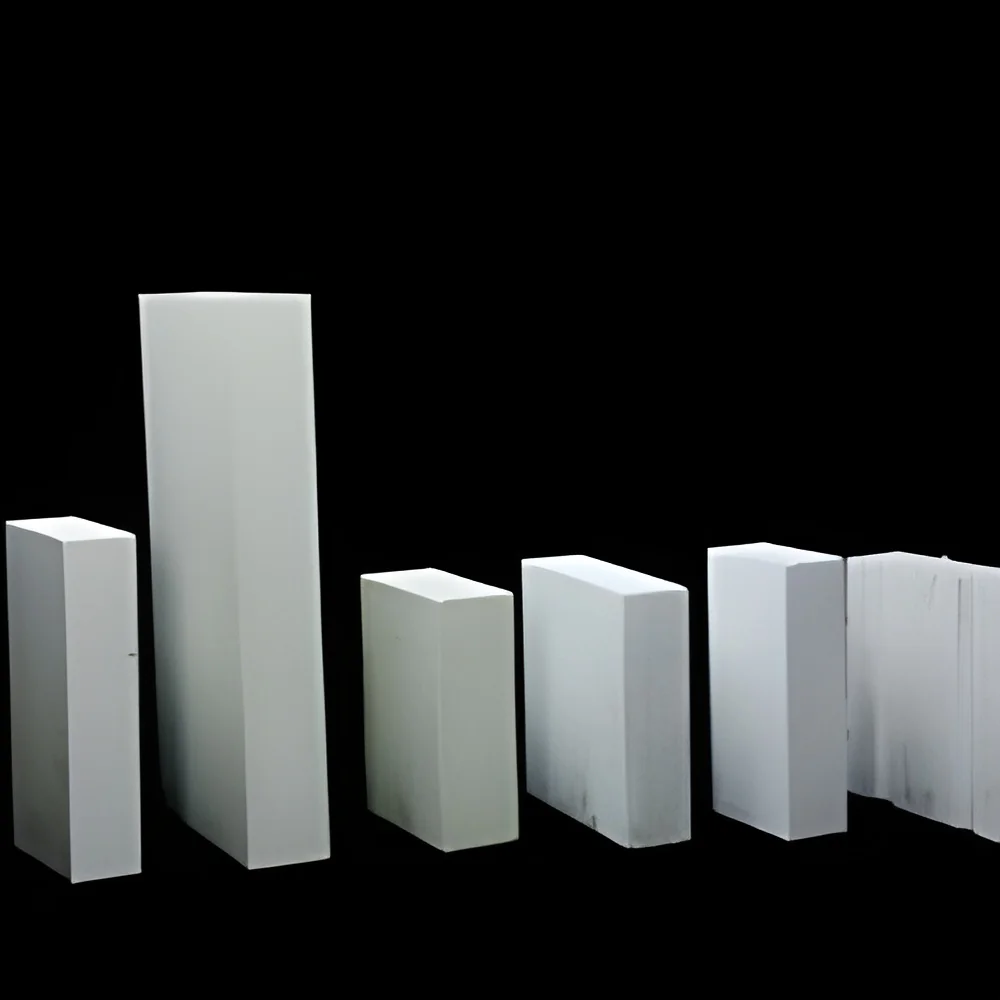
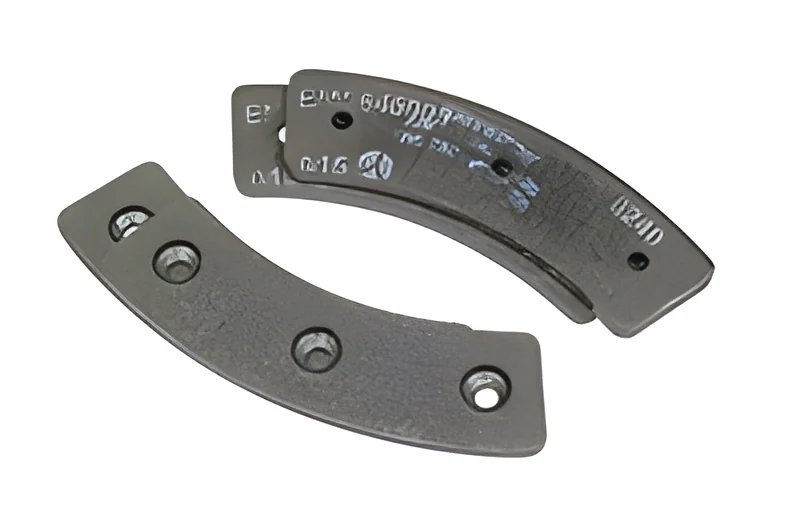
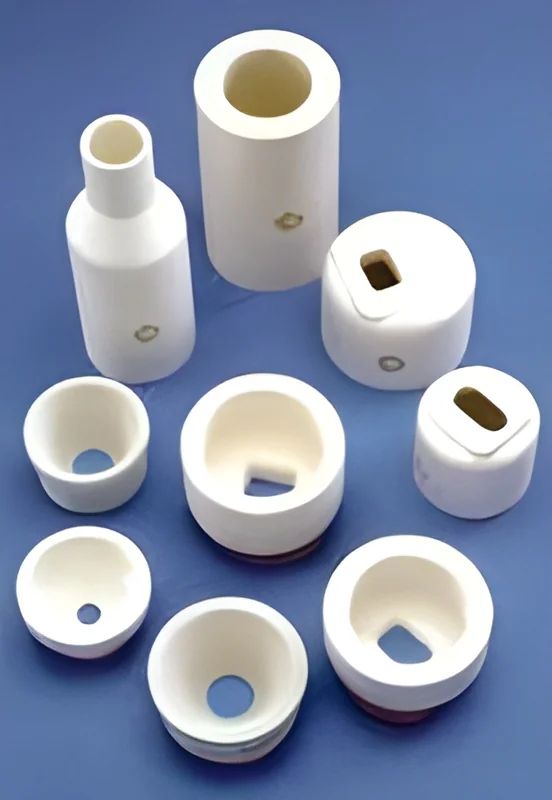
Refractory linings and coatings are specialized materials designed to withstand extreme temperatures and harsh conditions in various industrial applications. These products are primarily used to protect equipment and structures that are exposed to high heat, chemical corrosion, and physical wear. They serve as a barrier that prevents damage to underlying materials and enhances the lifespan of industrial systems.
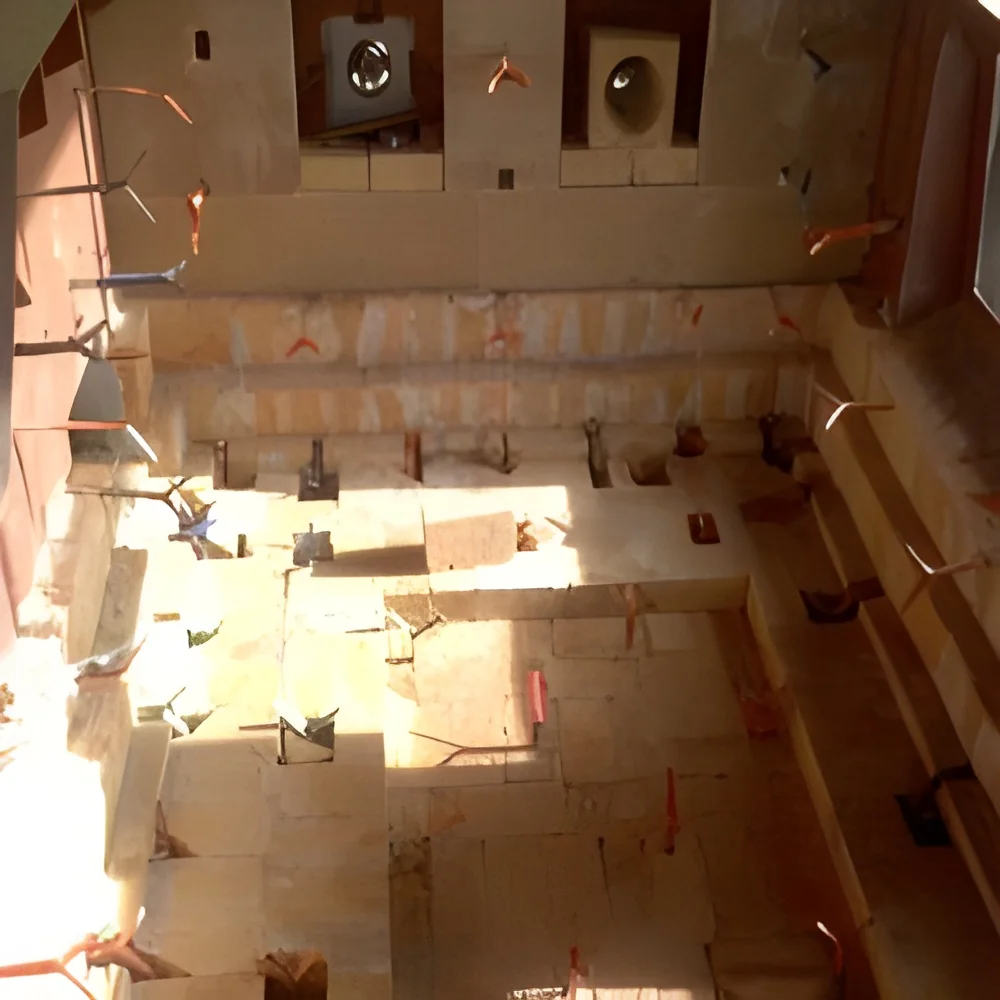
These linings and coatings are essential in industries such as metallurgy, ceramics, glass manufacturing, and petrochemicals, where high temperatures are commonplace. They are applied in furnaces, kilns, reactors, and other high-heat environments. The relevance of refractory linings and coatings in the market is underscored by the growing demand for energy-efficient solutions and the need to maintain operational integrity in industrial processes. As industries continue to evolve, the role of these materials will remain pivotal in ensuring safety and efficiency.
Key Features and Specifications
Refractory linings and coatings are characterized by their ability to withstand extreme conditions while providing durability and protection. They are formulated to meet specific performance criteria tailored to various applications.
Key specifications include:
1. Temperature Resistance
- Capable of withstanding temperatures exceeding 1000 degrees Celsius
- Suitable for high-temperature industrial processes
2. Chemical Resistance
- Resistant to a wide range of corrosive substances
- Protects against acids, alkalis, and other aggressive chemicals
3. Mechanical Strength
- High compressive and tensile strength
- Designed to endure physical stress and abrasion
4. Thermal Conductivity
- Low thermal conductivity to minimize heat loss
- Effective insulation properties
5. Application Method
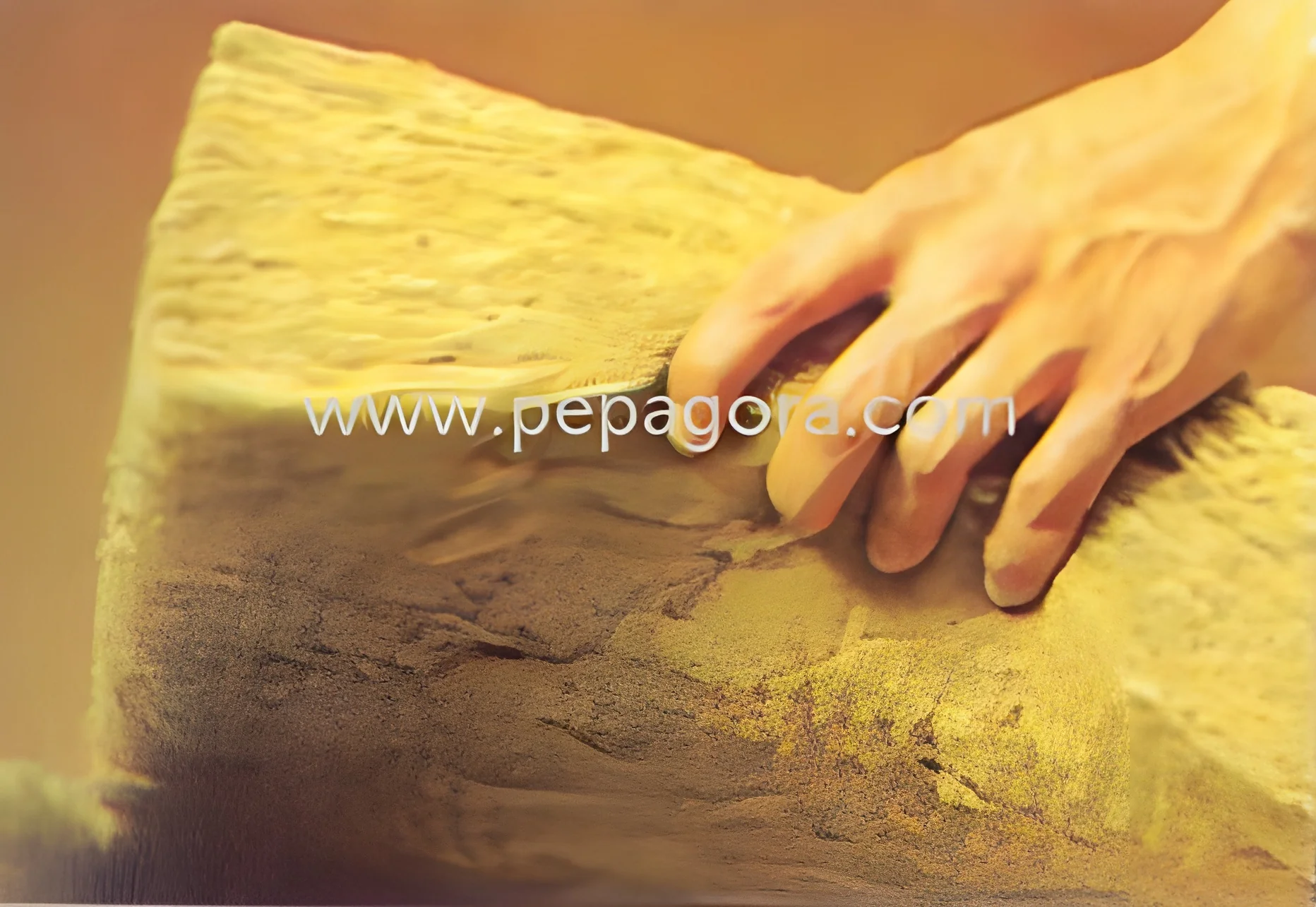
- Available in spray, trowel, or castable forms
- Flexible application based on project requirements
6. Curing Time
- Fast curing options available for quick turnaround
- Allows for efficient project completion
7. Customization Options
- Can be tailored to specific industry needs
- Options for different thicknesses and formulations
In summary, the features and specifications of refractory linings and coatings make them essential for various high-temperature applications, providing durability and protection in demanding environments.
Common Applications and Use Cases
Refractory linings and coatings are utilized across multiple industries, each requiring specific characteristics to meet their operational needs.
1. Metallurgy: Used in blast furnaces, converters, and ladles to protect against extreme heat and chemical attacks during metal processing.
2. Ceramics: Applied in kilns and drying ovens to ensure structural integrity and prevent heat loss during the manufacturing of ceramic products.
3. Glass Manufacturing: Essential in glass melting furnaces, where they protect against thermal shock and chemical exposures from molten glass.
4. Petrochemicals: Used in reactors and furnaces within refineries to withstand corrosive environments and high operational temperatures.
5. Power Generation: Implemented in boilers and incinerators to provide insulation and protect against high-temperature flue gases.
6. Cement Production: Applied in preheaters and kilns to resist high thermal gradients and abrasive materials.
7. Incineration: Protects combustion chambers from heat and wear, ensuring efficient waste management processes.
Product Variants and Subcategories
Refractory linings and coatings come in various forms tailored to specific applications, providing flexibility and efficiency in usage.
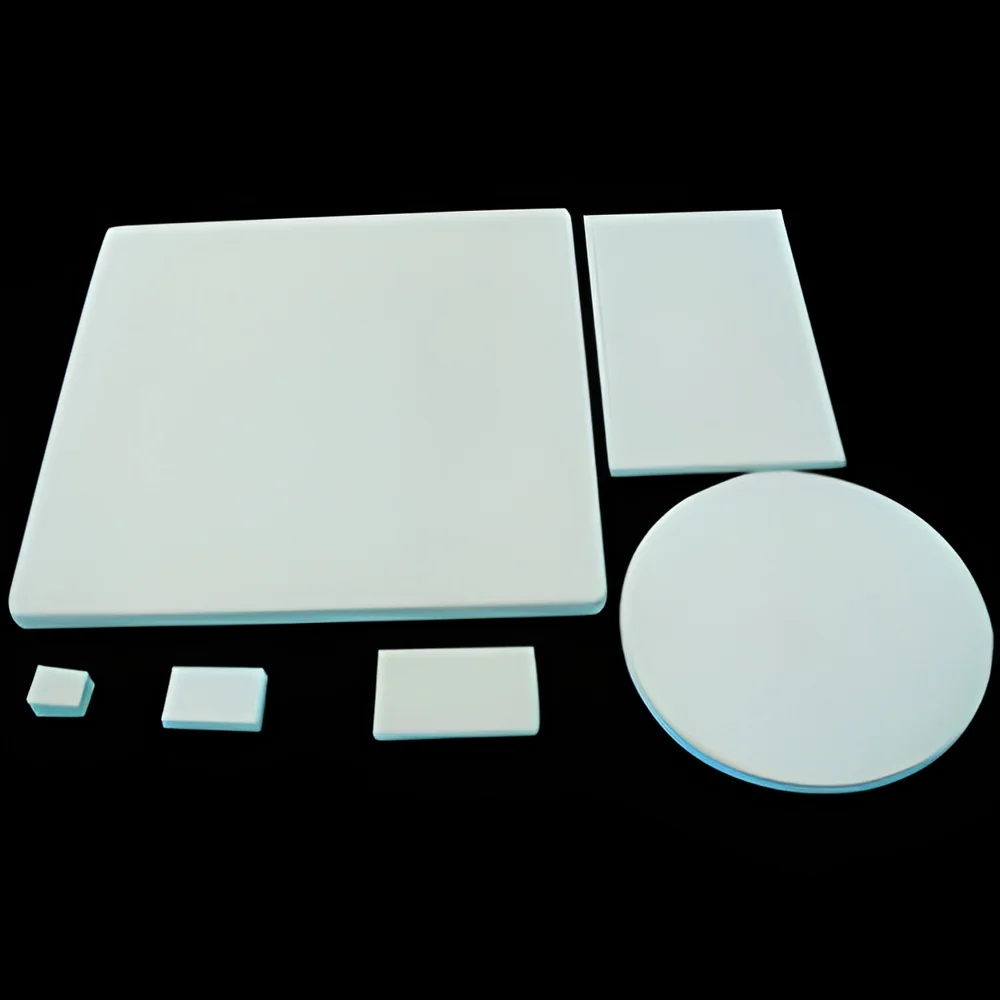
Castable Refractories: These are pre-mixed materials that can be poured into molds or shapes, ideal for complex geometries and thicker applications.
Plastic Refractories: Designed for easy application and shaping, these materials are often used in areas requiring rapid installation and repair.
Monolithic Refractories: These are installed as a single cohesive unit without joints, minimizing the risk of weak points and enhancing durability.
Benefits and Advantages
Refractory linings and coatings provide numerous advantages that contribute to operational efficiency and longevity in industrial applications.
Key benefits include:
1. Enhanced Durability: Offers prolonged service life, reducing the frequency of repairs and replacements.
2. Improved Safety: Protects equipment and personnel from high temperatures and hazardous materials.
3. Energy Efficiency: Minimizes heat loss, improving overall energy consumption in industrial processes.
4. Cost-Effectiveness: Lowers maintenance costs and extends the lifespan of industrial equipment.
5. Versatility: Suitable for a wide range of applications across different industries, providing tailored solutions.
6. Custom Solutions: Ability to modify formulations based on specific operational requirements.
Buying Guide for B2B Buyers
When sourcing refractory linings and coatings, it is crucial to consider several factors that influence quality and performance.
1. Quality Assessment: Evaluate the materials based on industry standards and performance metrics to ensure they meet your operational requirements.
2. Supplier Verification: Conduct thorough checks on suppliers' credentials, reputation, and production capabilities to confirm reliability.
3. Pricing and MOQ: Understand the pricing structures and minimum order quantities to align with your budget and project needs.
4. Delivery and Lead Times: Assess logistics capabilities to ensure timely delivery of products, which is essential for maintaining operational schedules.
5. Compliance Requirements: Familiarize yourself with regulatory standards and certifications that apply to refractory materials in your industry.
Compliance and Certifications
Refractory linings and coatings must adhere to various quality standards and certifications to ensure safety and performance in industrial applications.
ISO 9001 is a widely recognized standard that outlines quality management systems, ensuring that manufacturers maintain consistent quality in their products.
The CE marking indicates compliance with European safety, health, and environmental protection standards, demonstrating that the product meets necessary regulatory requirements.
Safety and testing requirements are crucial, as they ensure that the materials used can withstand the rigors of high-temperature environments without compromising safety.
Regions may impose specific compliance considerations, which are essential for manufacturers to address based on the target market.
Why Source Refractory Linings & Coatings from Pepagora?
Pepagora offers a reliable platform for sourcing refractory linings and coatings, providing several advantages to B2B buyers.
Verified Supplier Network: Pepagora has established a network of verified suppliers that ensures quality and reliability, giving buyers confidence in their sourcing decisions.
Streamlined RFQ Process: The request-for-quotation process is designed to be efficient, allowing buyers to quickly receive competitive quotes tailored to their specific needs.
Trade Assurance and Support: Buyers benefit from protections that guarantee the quality and timely delivery of products, creating a secure purchasing environment.
Regional Coverage: With a strong presence in India, the GCC, and Southeast Asia, Pepagora facilitates access to a wide range of suppliers, catering to diverse market needs.

 IN
IN