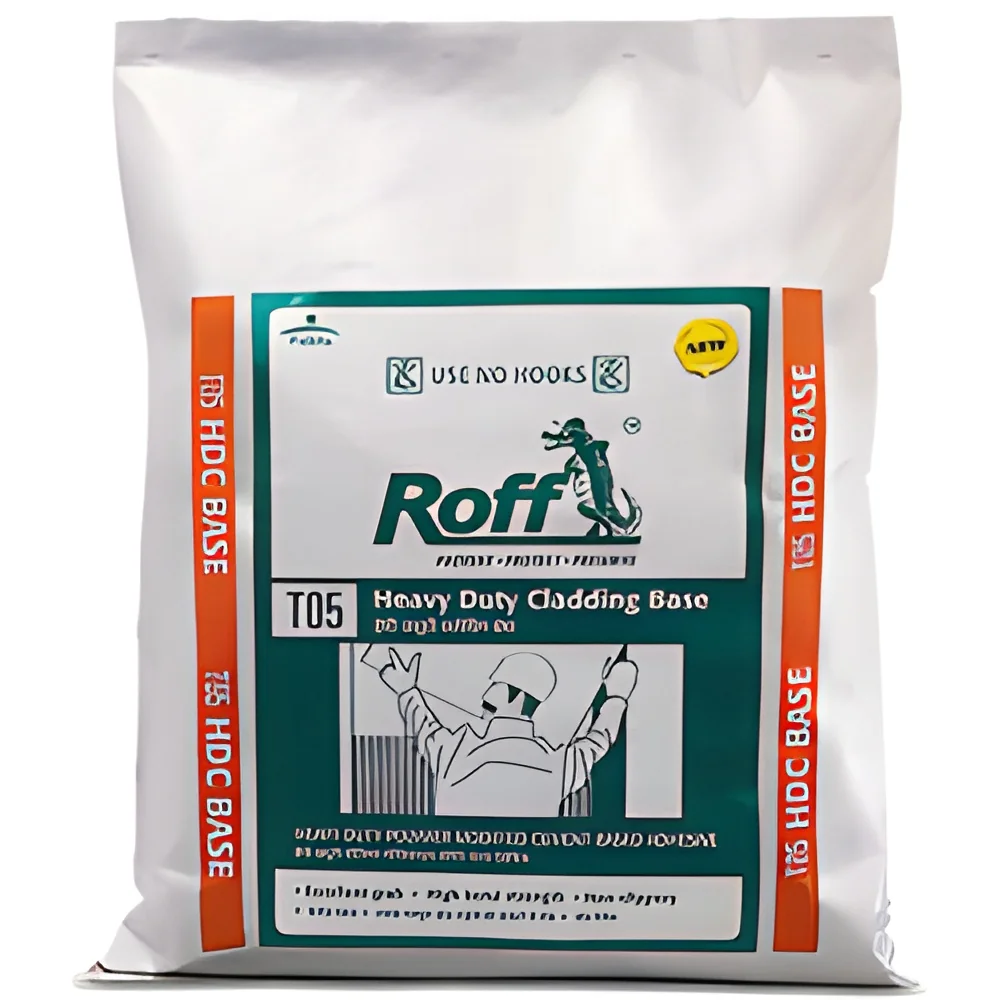
What are Mortars & Binders?
Mortars and binders are essential materials used in construction and various industrial applications. Mortars are typically a mixture of sand, water, and cement or lime. They are primarily used to bind building materials such as bricks and stones together. Binders, on the other hand, are substances that hold other materials together in a mixture, providing cohesion and strength. Both mortars and binders play a critical role in ensuring the durability and stability of structures.
These products are widely used in several sectors, including construction, manufacturing, and infrastructure development. In construction, mortars are used for masonry work, plastering, and tiling. Binders are often utilized in the production of concrete, asphalt, and other composite materials. The relevance of mortars and binders in the industrial market cannot be overstated, as they are fundamental to building and maintaining infrastructure in urban and rural areas alike.
Key Features and Specifications
Mortars and binders come with a variety of features and specifications that cater to different applications. Understanding these specifications is crucial for selecting the right products for specific projects.
Key specifications include:
1. Composition
- Mortars and binders can be composed of various materials such as Portland cement, lime, and additives.
- The specific composition affects the strength, setting time, and durability.
2. Strength Rating
- The compressive strength of mortars and binders is often measured in megapascals (MPa).
- Typical strength ratings range from 5 MPa to 40 MPa, depending on the application.
3. Workability
- This refers to how easily the mortar or binder can be mixed, applied, and shaped.
- Workability is influenced by factors such as water content and additives.
4. Setting Time
- This indicates the time taken for the mortar or binder to harden after application.
- Setting times can vary from a few hours to several days based on the formulation.
5. Thermal Resistance
- Mortars and binders may be designed to withstand high temperatures.
- This feature is essential for applications in industrial furnaces or high-heat environments.
6. Water Retention
- This property helps in maintaining moisture within the mortar or binder for optimal curing.
- Good water retention can enhance adhesion and prevent cracking.
7. Flexural Strength
- This is the ability of the mortar or binder to resist bending forces.
- Flexural strength is important for applications where structural loads are a concern.
8. Adhesion Properties
- Adhesion is crucial for ensuring that mortars and binders effectively bond with surfaces.
- Enhanced adhesion reduces the risk of delamination or failure during service.
In summary, understanding the features and specifications of mortars and binders is essential for selecting the right materials for construction and industrial applications.
Common Applications and Use Cases
Mortars and binders serve various industries, providing essential solutions for construction and manufacturing needs.
1. Construction: Mortars are used for laying bricks, blocks, and stones in walls, ensuring structural integrity. Binders are crucial in creating reinforced concrete and asphalt mixtures for roads and pavements.
2. Manufacturing: In the manufacturing sector, mortars are utilized in the production of precast concrete products. Binders are essential in the formulation of composite materials for various industrial applications.
3. Infrastructure: Mortars and binders play a significant role in the construction of infrastructure projects like bridges, tunnels, and dams, ensuring durability and safety.
4. Renovation: In renovation projects, mortars are used for repairing and restoring masonry structures. Binders are often used to create lightweight concrete for retrofitting older buildings.
5. Landscaping: Mortars are commonly used in landscaping applications, such as creating stone pathways and retaining walls, providing aesthetic and functional benefits.
6. Art and Design: Artists and designers use specialized mortars and binders to create sculptures and decorative elements, allowing for creativity and expression in their work.
7. Road Construction: Binders are a key component in asphalt production for road construction, providing the necessary flexibility and durability for high-traffic areas.
Product Variants and Subcategories
The diversity of mortars and binders allows for tailored solutions to meet specific project requirements.
Standard Mortar
Standard mortar is commonly used for general masonry work. It typically includes a mix of sand, cement, and water, providing good adhesion and strength for laying bricks and blocks.
Thin-set Mortar
Thin-set mortar is designed for tile installations. It has a fine consistency that allows for smooth application and is essential for securing tiles on floors and walls.
High-Performance Mortar
High-performance mortar is formulated to provide superior strength and durability. It is suitable for heavy-duty applications, such as in industrial settings or high-traffic areas.
Elastic Binders
Elastic binders are used in applications requiring flexibility, such as in asphalt and roofing materials. They help to absorb stress and prevent cracking.
Rapid-Setting Mortar
Rapid-setting mortar is formulated to harden quickly, making it ideal for fast-paced construction projects that require minimal downtime.
Benefits and Advantages
The use of mortars and binders offers several key benefits that enhance construction and manufacturing processes.
1. Strength and Durability: Mortars and binders provide essential strength, ensuring structures can withstand loads and environmental pressures.
2. Versatility: These materials can be adapted for various applications, making them suitable for a wide range of industries.
3. Improved Workability: Many mortars and binders are designed for easy mixing and application, streamlining the construction process.
4. Weather Resistance: Certain formulations offer enhanced resistance to moisture and temperature fluctuations, increasing longevity.
5. Cost-Effectiveness: Using the right mortars and binders can lead to savings in material costs and labor, improving overall project budgets.
6. Aesthetic Appeal: Mortars can be tailored for decorative purposes, giving builders and designers creative options for finishes.
Buying Guide for B2B Buyers
When sourcing mortars and binders, several factors should be considered to ensure the right choice for your business needs.
1. Quality Assessment: Assess the quality of mortars and binders by reviewing technical data sheets and certifications to ensure they meet industry standards.
2. Supplier Verification: Vet suppliers by checking their reputation, past projects, and customer reviews. A reliable supplier can provide high-quality products consistently.
3. Pricing and MOQ: Understand the pricing structures and minimum order quantities (MOQ) of different suppliers to find the best deal that fits your budget and needs.
4. Delivery and Lead Times: Consider logistics and delivery schedules. Ensure that the supplier can meet your project timelines with their lead times.
5. Compliance Requirements: Verify that the mortars and binders comply with relevant regulations and industry standards to avoid legal issues and ensure safety.
Compliance and Certifications
Mortars and binders must adhere to various quality standards and regulations to ensure safety and performance in industrial applications. ISO 9001 is a widely recognized standard that outlines criteria for quality management systems. Compliance with this standard indicates that a manufacturer has effective processes in place to ensure product quality.
Additionally, certifications like CE mark demonstrate that products meet EU safety, health, and environmental protection standards. These certifications are essential for companies operating in multiple regions, ensuring that their products are accepted in various markets.
Testing requirements may include assessments of physical properties, strength, and durability to ensure compliance with industry standards. Regional compliance considerations might vary, so it is important for businesses to be aware of local regulations while sourcing mortars and binders.
Why Source Mortars & Binders from Pepagora?
Pepagora provides a trusted platform for sourcing mortars and binders, offering several key advantages to businesses.
Verified Supplier Network: Pepagora connects buyers with a network of verified suppliers. This ensures that businesses can source high-quality products from reputable manufacturers.
Streamlined RFQ Process: The platform simplifies the request for quotation (RFQ) process, enabling buyers to obtain competitive pricing and terms efficiently.
Trade Assurance and Support: Buyers benefit from trade assurance programs that protect their investments. This support helps to mitigate risks associated with procurement.
Regional Coverage: Pepagora has a strong presence in India, the GCC, and Southeast Asia, allowing businesses to access a wide range of suppliers and products tailored to their regional needs.
By choosing Pepagora, businesses can enhance their sourcing experience for mortars and binders, ensuring they receive quality products that meet their specific requirements.

 IN
IN