
 IN
INCeramic & Refractory Materials
263 products available
𝗪𝗵𝗮𝘁 𝗮𝗿𝗲 𝗖𝗲𝗿𝗮𝗺𝗶𝗰 & 𝗥𝗲𝗳𝗿𝗮𝗰𝘁𝗼𝗿𝘆 𝗠𝗮𝘁𝗲𝗿𝗶𝗮𝗹𝘀?
𝗞𝗲𝘆 𝗙𝗲𝗮𝘁𝘂𝗿𝗲𝘀 𝗮𝗻𝗱 𝗦𝗽𝗲𝗰𝗶𝗳𝗶𝗰𝗮𝘁𝗶𝗼𝗻𝘀
𝗖𝗼𝗺𝗺𝗼𝗻 𝗔𝗽𝗽𝗹𝗶𝗰𝗮𝘁𝗶𝗼𝗻𝘀 𝗮𝗻𝗱 𝗨𝘀𝗲 𝗖𝗮𝘀𝗲𝘀
𝗣𝗿𝗼𝗱𝘂𝗰𝘁 𝗩𝗮𝗿𝗶𝗮𝗻𝘁𝘀 𝗮𝗻𝗱 𝗦𝘂𝗯𝗰𝗮𝘁𝗲𝗴𝗼𝗿𝗶𝗲𝘀
𝗕𝗲𝗻𝗲𝗳𝗶𝘁𝘀 𝗮𝗻𝗱 𝗔𝗱𝘃𝗮𝗻𝘁𝗮𝗴𝗲𝘀
𝗕𝘂𝘆𝗶𝗻𝗴 𝗚𝘂𝗶𝗱𝗲 𝗳𝗼𝗿 𝗕𝟮𝗕 𝗕𝘂𝘆𝗲𝗿𝘀
𝗖𝗼𝗺𝗽𝗹𝗶𝗮𝗻𝗰𝗲 𝗮𝗻𝗱 𝗖𝗲𝗿𝘁𝗶𝗳𝗶𝗰𝗮𝘁𝗶𝗼𝗻𝘀
𝗪𝗵𝘆 𝗦𝗼𝘂𝗿𝗰𝗲 𝗖𝗲𝗿𝗮𝗺𝗶𝗰 & 𝗥𝗲𝗳𝗿𝗮𝗰𝘁𝗼𝗿𝘆 𝗠𝗮𝘁𝗲𝗿𝗶𝗮𝗹𝘀 𝗳𝗿𝗼𝗺 𝗣𝗲𝗽𝗮𝗴𝗼𝗿𝗮?



Frequently Asked Questions
What are Ceramic & Refractory Materials?
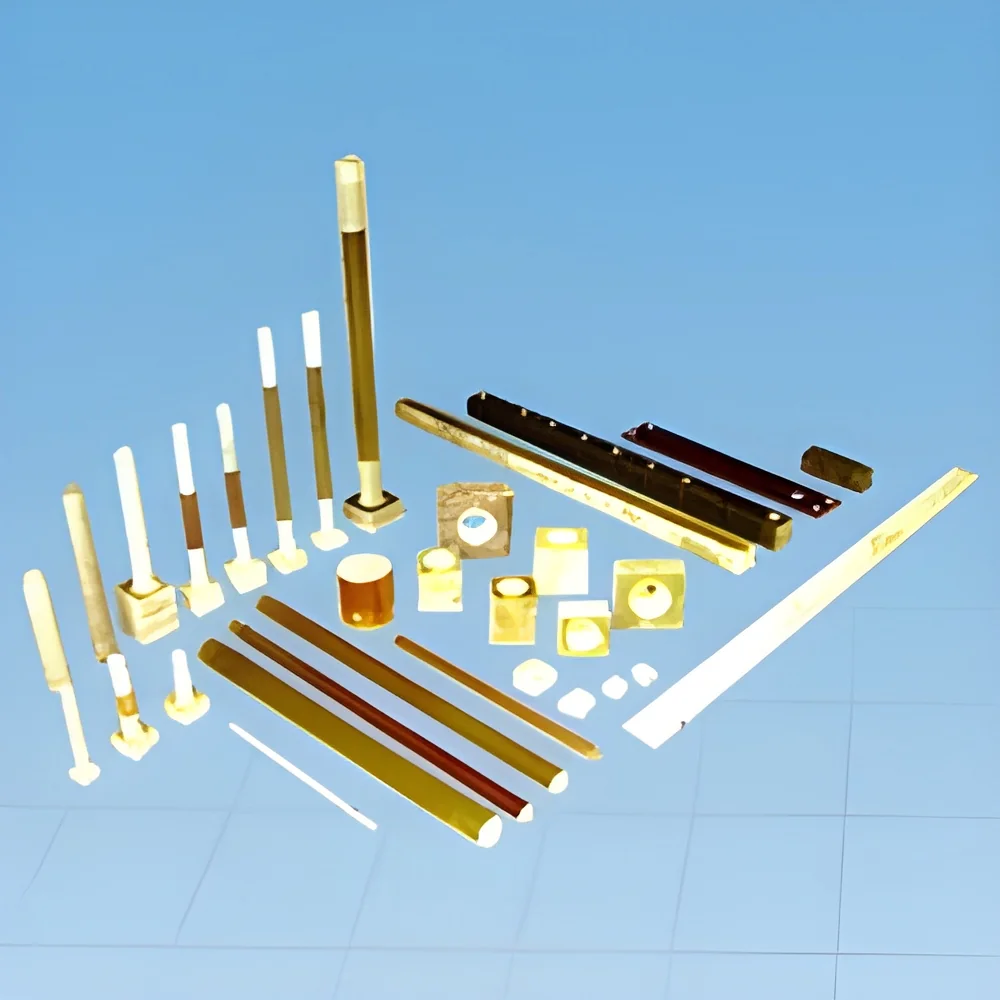
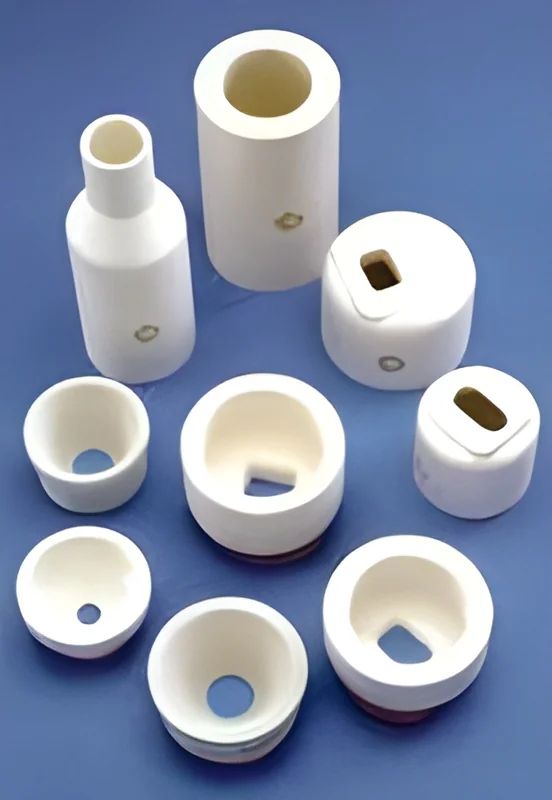
Ceramic & Refractory Materials are inorganic, non-metallic materials that are resistant to high temperatures and are used in a variety of industrial applications. They are primarily used to line furnaces, kilns, and reactors, providing thermal insulation and protection against chemical corrosion.
What are the different types of Ceramic & Refractory Materials?
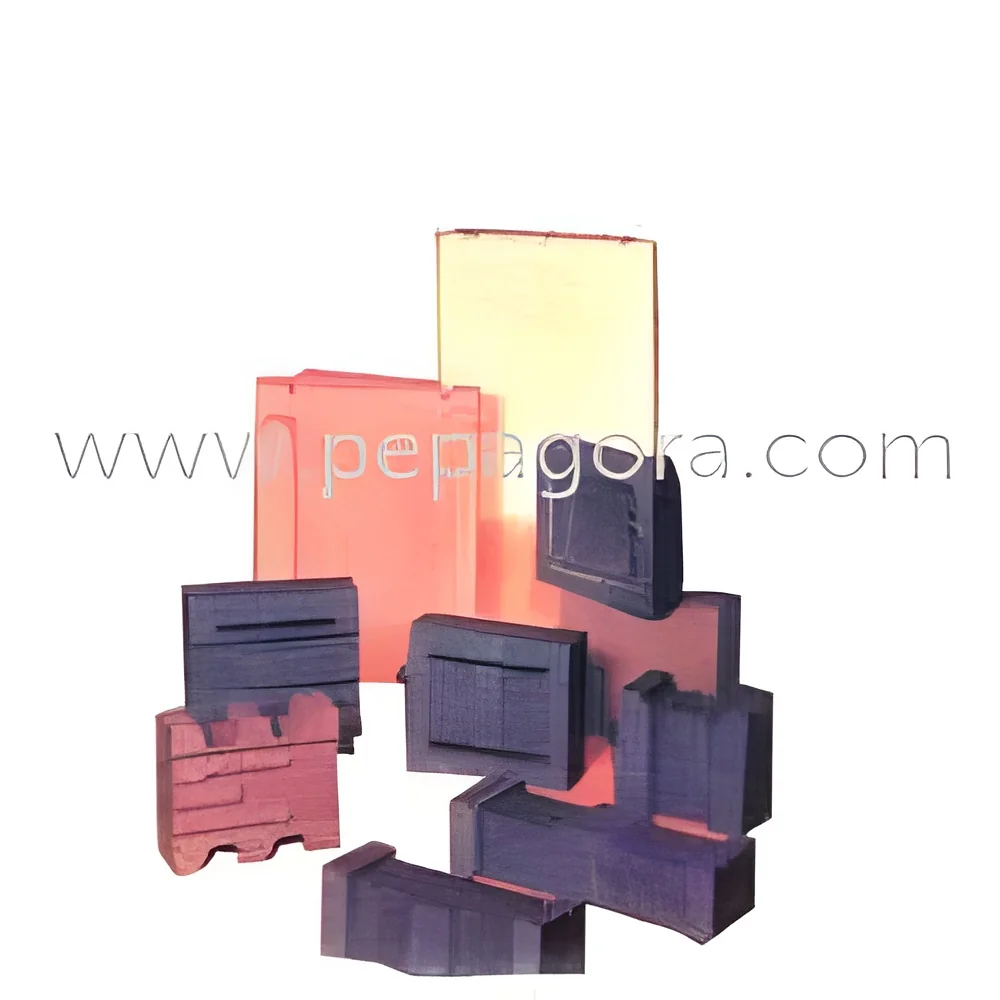
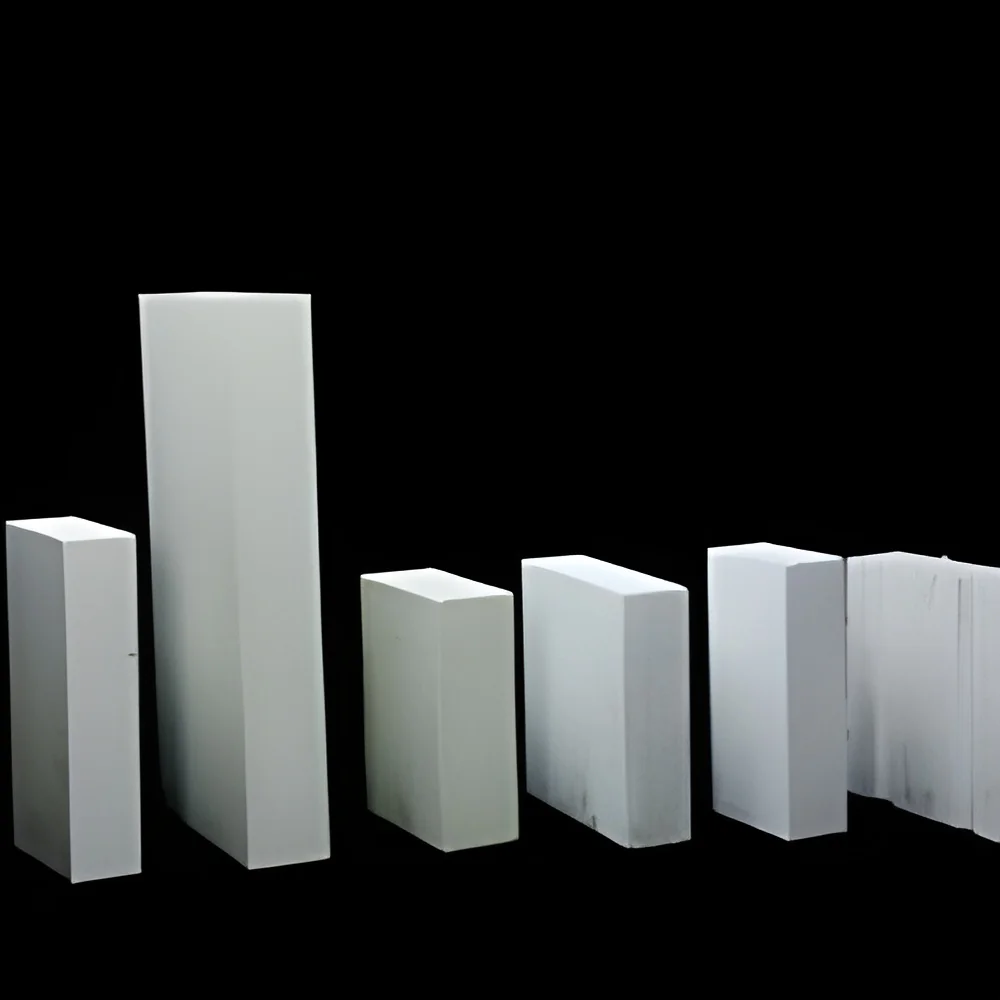
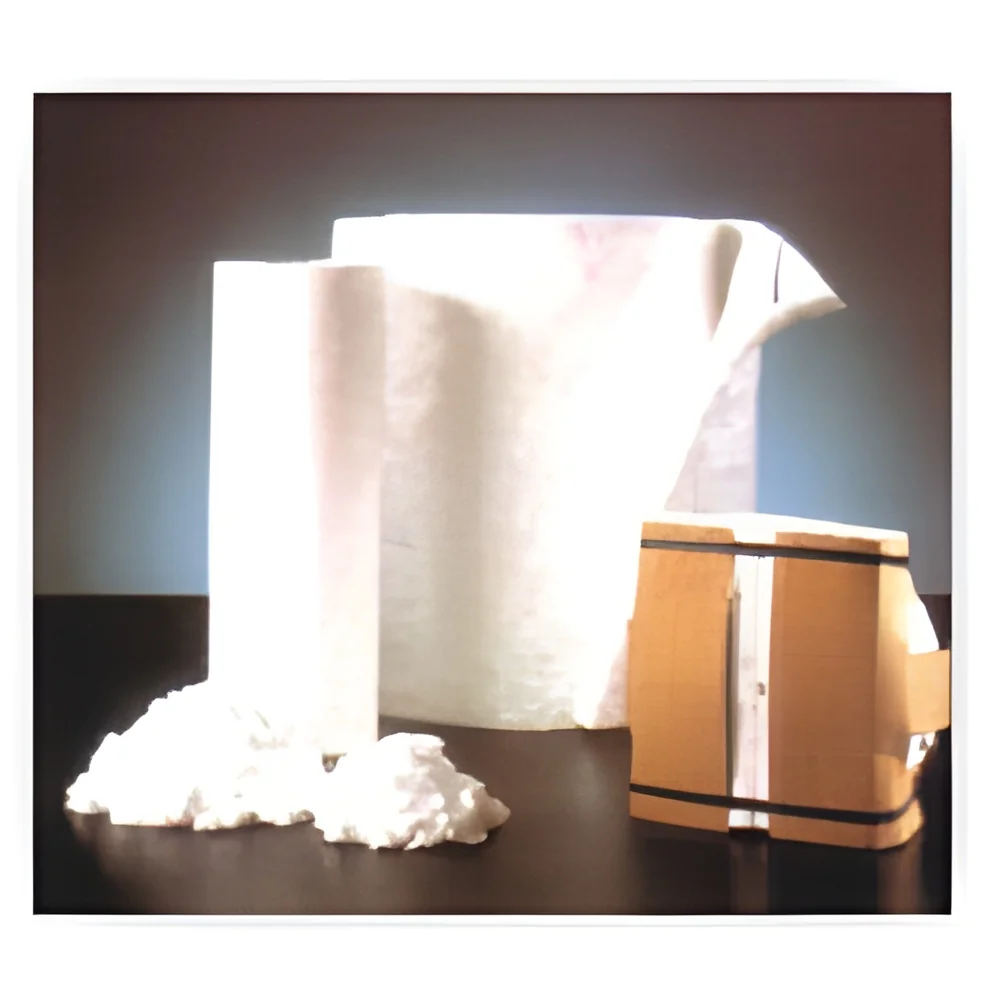
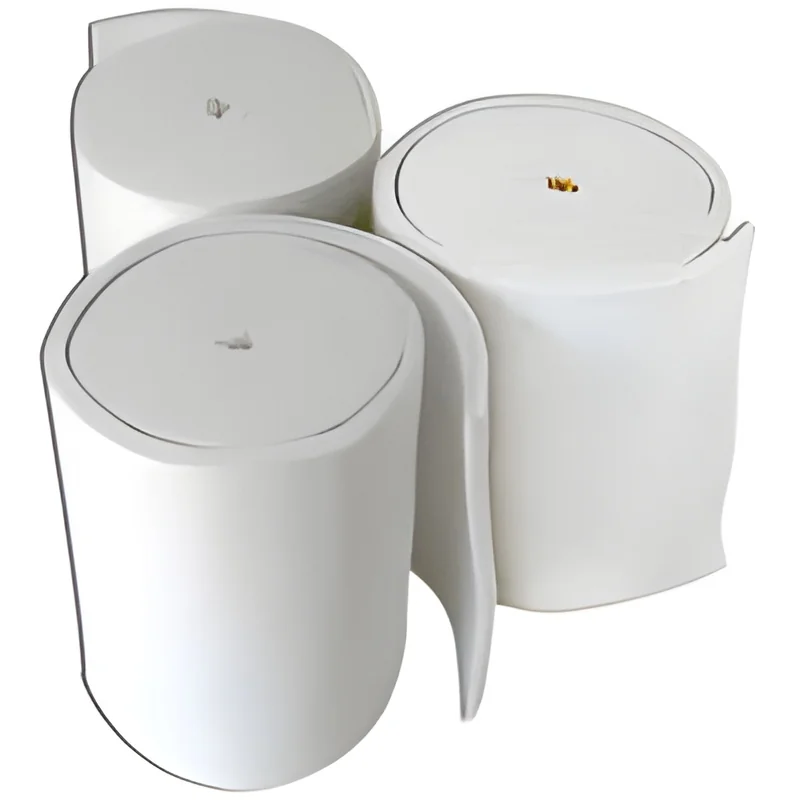
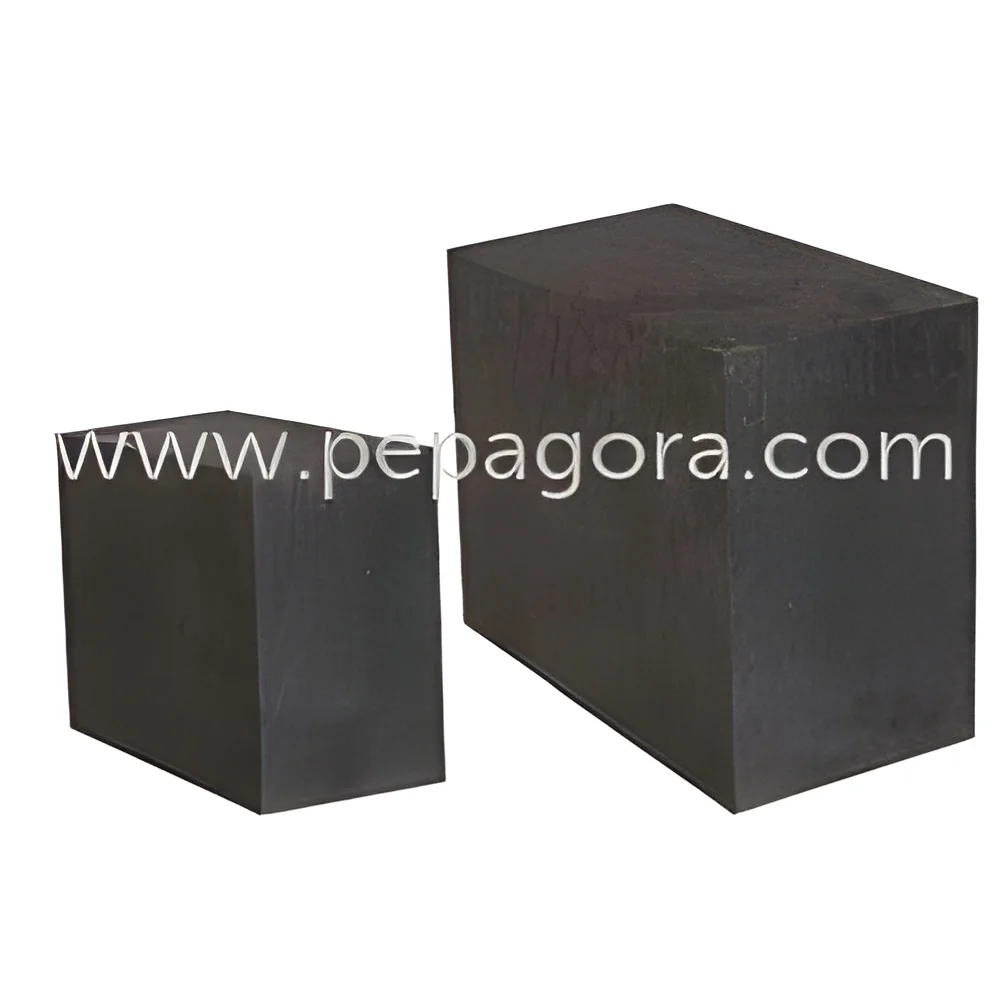
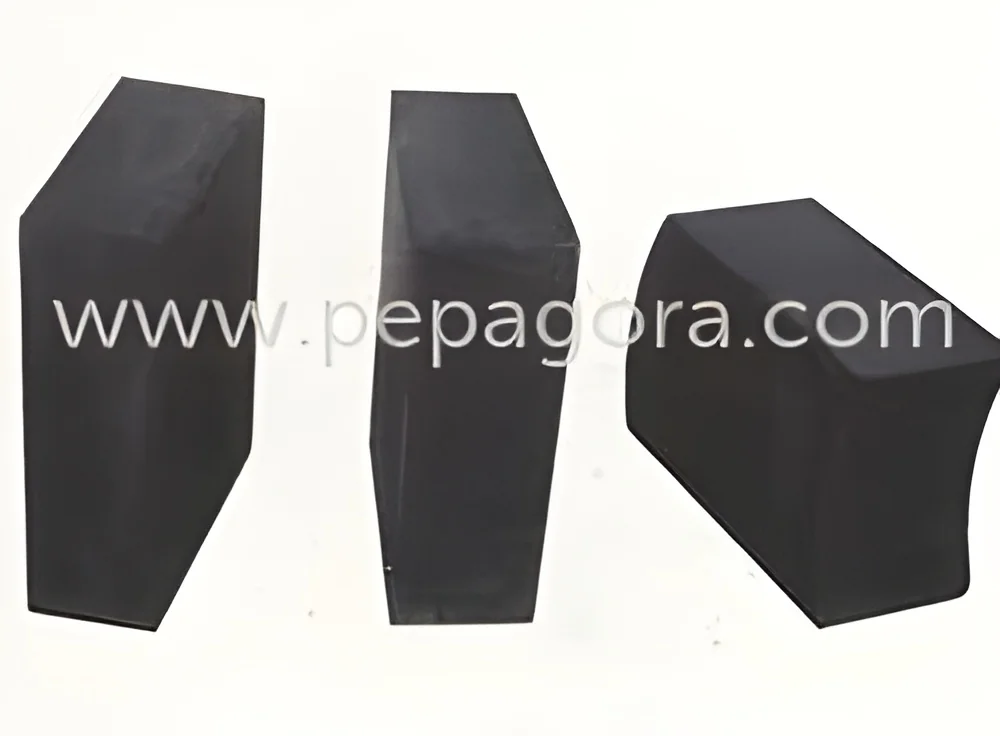
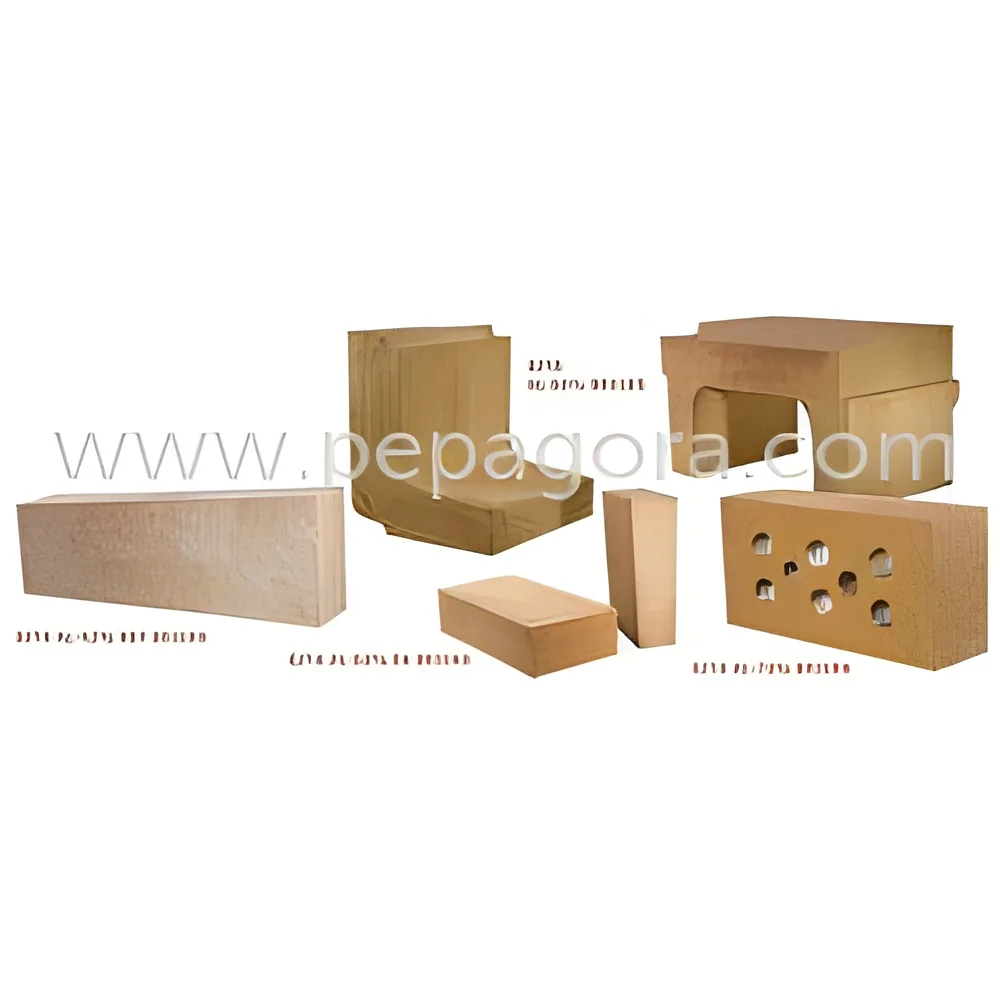
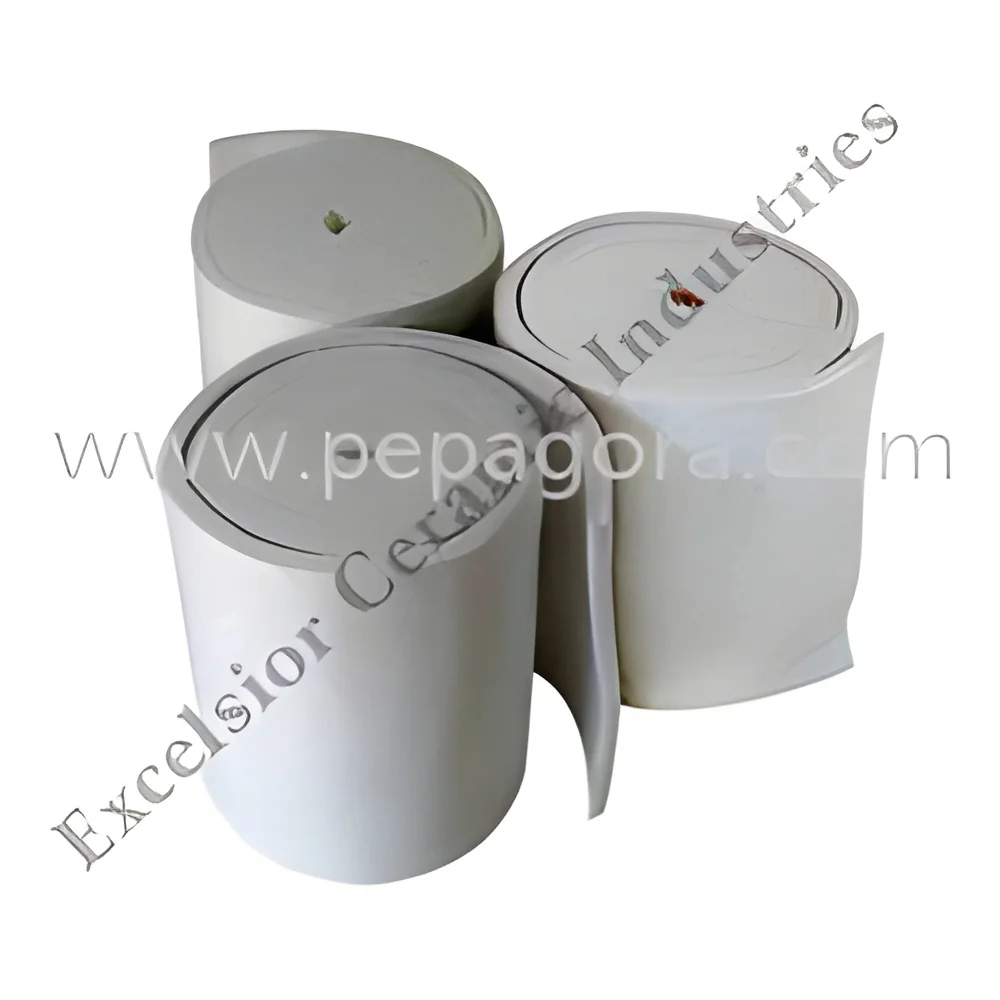
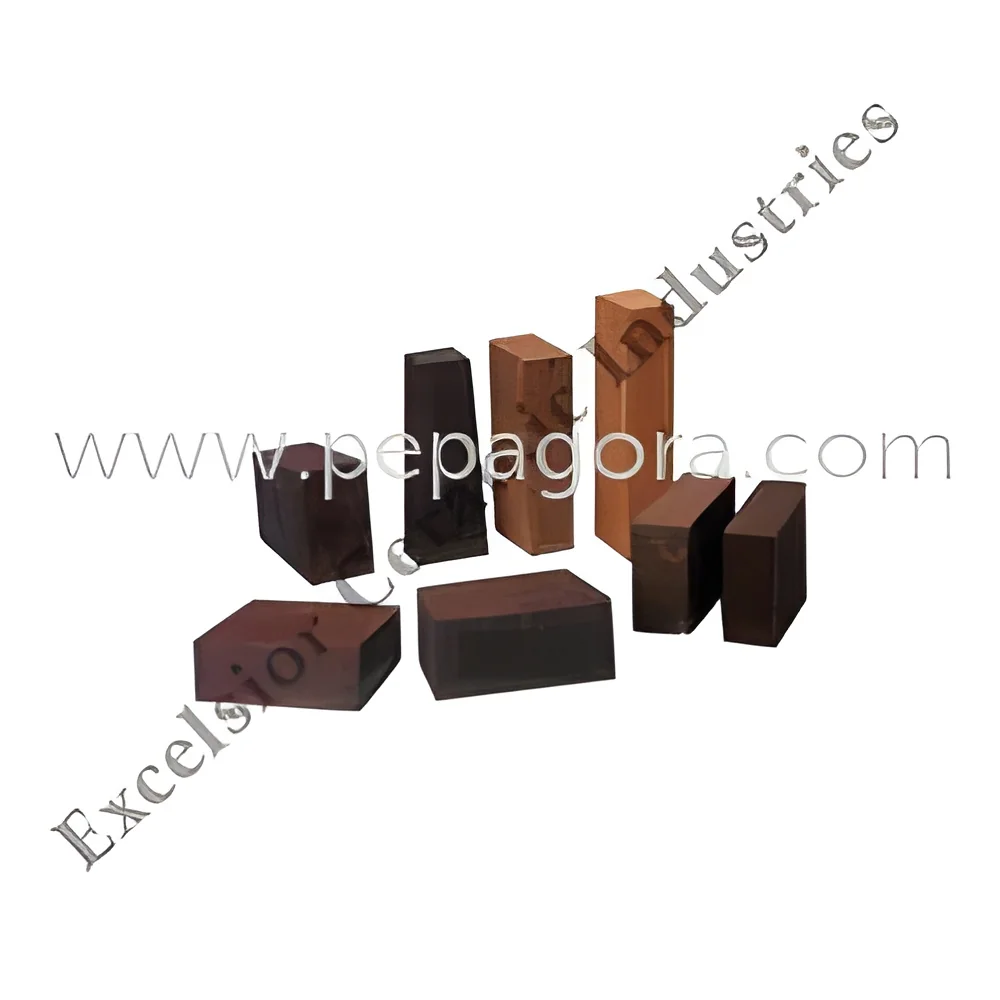
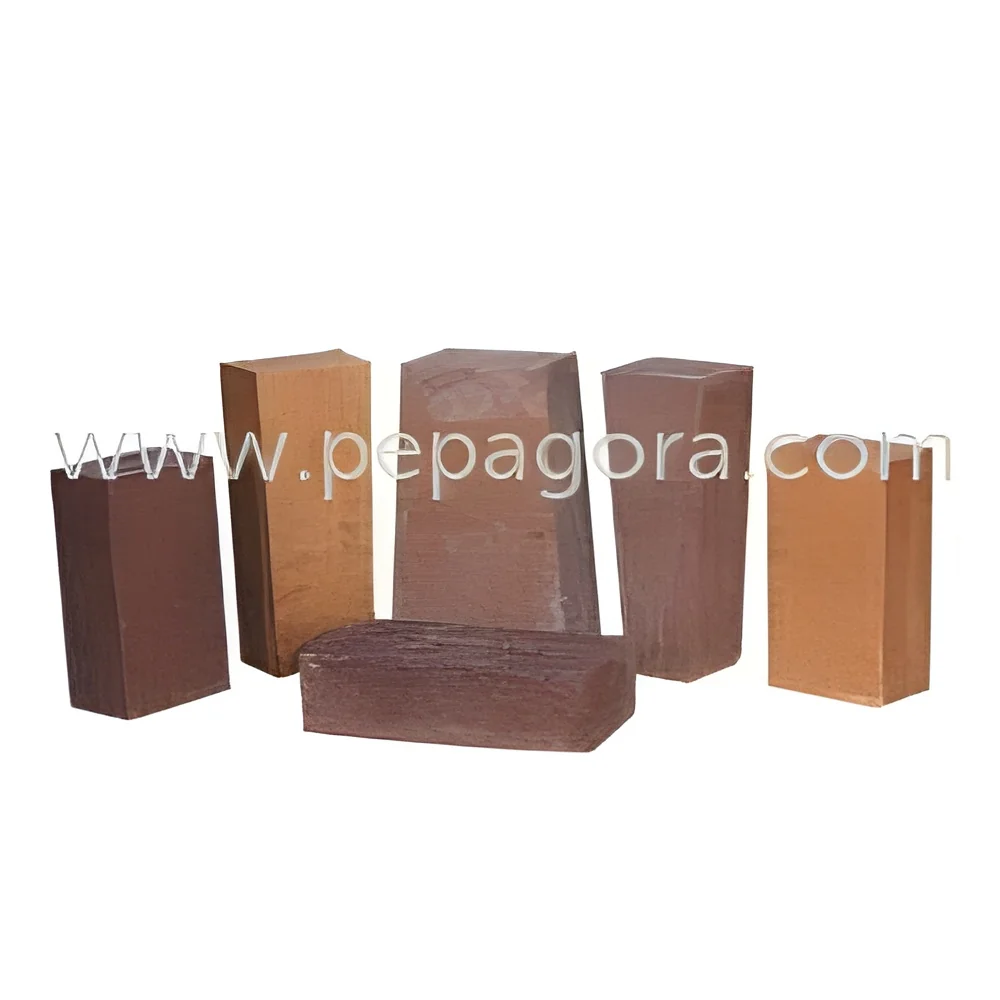
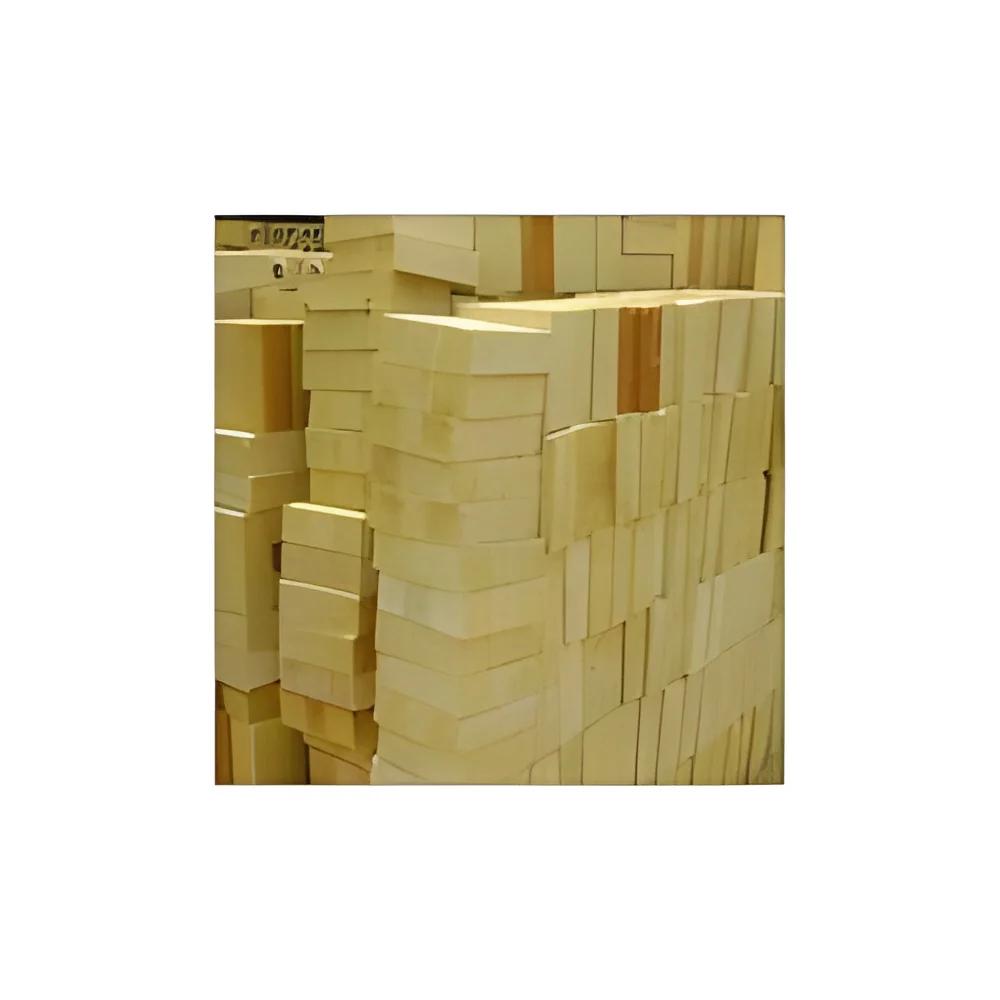
There are several types of Ceramic & Refractory Materials, including fireclay bricks, high-alumina bricks, silica bricks, and magnesia bricks. Other types include insulation bricks, castable refractories, and ceramic fibers, each designed for specific applications based on temperature resistance and chemical compatibility.
How do I choose the right Ceramic & Refractory Materials?
Choosing the right Ceramic & Refractory Materials involves considering factors such as the maximum operating temperature, thermal conductivity, and chemical resistance required for your application. Consulting with suppliers or manufacturers can also provide valuable insights based on your specific needs and industry standards.
What are the standard specifications for Ceramic & Refractory Materials?
Standard specifications for Ceramic & Refractory Materials typically include parameters such as compressive strength, thermal conductivity, density, and maximum service temperature. These specifications ensure that the materials meet the performance requirements for various industrial applications.
What is the price range for Ceramic & Refractory Materials?
The price range for Ceramic & Refractory Materials can vary significantly based on the type, quality, and quantity purchased. Generally, prices can range from a few hundred to several thousand Indian Rupees per ton, depending on the specific material and supplier.
What quality standards apply to Ceramic & Refractory Materials?
Quality standards for Ceramic & Refractory Materials often include ISO certifications and adherence to industry-specific standards such as ASTM or EN. These standards ensure that the materials meet certain performance and safety criteria, providing reliability in high-temperature applications.
Where can I find Ceramic & Refractory Materials suppliers in India?
You can find Ceramic & Refractory Materials suppliers in India through various online B2B marketplaces like Pepagora.com, industry directories, or trade shows. Additionally, contacting local manufacturers directly can provide insights into their product offerings and capabilities.
Can Ceramic & Refractory Materials be customized?
Yes, Ceramic & Refractory Materials can often be customized to meet specific requirements, such as size, shape, and composition. Many manufacturers offer custom solutions based on the unique needs of various industries and applications.
What is the typical minimum order quantity for Ceramic & Refractory Materials?
The typical minimum order quantity (MOQ) for Ceramic & Refractory Materials varies by supplier and product type, but it commonly ranges from 500 kg to 1 ton. It's advisable to check with individual suppliers for their specific MOQs.
What is the typical lead time for Ceramic & Refractory Materials?
The typical lead time for Ceramic & Refractory Materials can vary depending on the supplier and the complexity of the order, usually ranging from 1 to 6 weeks. Factors such as customization and order volume can also impact delivery times.
Why Businesses Trust Pepagora
Thousands of companies trust Pepagora to source smarter and sell faster
Expand Your Sales Globally

Source Smarter,Grow Faster
