IN
IN₹
Apparel & Fashion
Loading subcategories...
View More
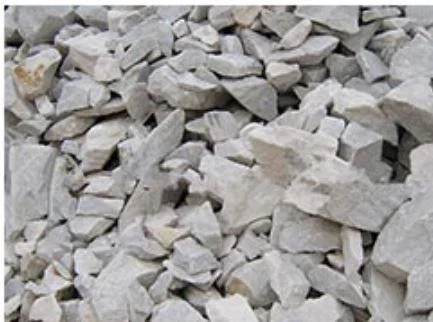
Description
Feldspar minerals represent essential industrial materials with carefully controlled chemical compositions that deliver consistent performance across manufacturing applications. Available in both potassium and sodium grades, these minerals feature varying alkali content (6-13%), alumina levels (14-17%), and minimal iron content (0.05-0.3%) to meet specific industrial requirements. The precise formulation ensures optimal functionality whether used as primary components or additives, providing manufacturers with reliable raw materials that enhance production outcomes while maintaining quality standards.

These minerals find extensive use across multiple industries where material consistency and performance are paramount. In glass manufacturing, feldspar significantly improves hardness and chemical resistance while enhancing durability. The ceramics industry relies on these minerals for their excellent fluxing properties and ability to strengthen structural integrity. Paint and coating ma...
Feldspar minerals represent essential industrial materials with carefully controlled chemical compositions that deliver consistent performance across manufacturing applications. Available in both potassium and sodium grades, these minerals feature varying alkali content (6-13%), alumina levels (14-17%), and minimal iron content (0.05-0.3%) to meet specific industrial requirements. The precise formulation ensures optimal functionality whether used as primary components or additives, providing manufacturers with reliable raw materials that enhance production outcomes while maintaining quality standards.

These minerals find extensive use across multiple industries where material consistency and performance are paramount. In glass manufacturing, feldspar significantly improves hardness and chemical resistance while enhancing durability. The ceramics industry relies on these minerals for their excellent fluxing properties and ability to strengthen structural integrity. Paint and coating manufacturers utilize feldspar as effective fillers and extenders, while plastics and rubber industries incorporate them as functional additives that improve material properties and processing characteristics.

The value of these feldspar minerals lies in their proven reliability and consistent quality that manufacturers can depend on for predictable production outcomes. Each batch undergoes rigorous quality control to ensure chemical composition remains within specified parameters, providing peace of mind for industrial users. The availability of multiple grades allows for tailored solutions that address specific manufacturing challenges, while the minimal iron content prevents unwanted coloration in finished products. This combination of quality assurance and technical suitability makes these minerals valuable assets for production facilities seeking to optimize their manufacturing processes.

Key Features:
- Available in potassium and sodium grades with controlled chemical composition
- Alkali content ranging from 6-13% for tailored industrial applications
- Alumina levels between 14-17% ensuring optimal performance characteristics
- Minimal iron content (0.05-0.3%) preventing unwanted coloration
- Consistent quality across batches with rigorous quality control measures

Benefits:
- Enhanced product hardness and durability in glass manufacturing applications
- Improved fluxing properties and structural strength for ceramic production
- Reliable performance as fillers and extenders in paints and coatings
- Functional additive properties for plastics and rubber industries
- Predictable results and consistent quality across manufacturing processes
Specifications
| Additional Information | |
|---|---|
| Country of Origin | India |
| Customisable | No |
Application
Feldspar minerals provide essential raw materials with consistent chemical composition and physical properties that enhance production efficiency across multiple manufacturing sectors. Their versatility makes them indispensable where material stability and performance are critical, ensuring predictable results in various industrial processes.
These minerals are engineered to meet demanding manufacturing requirements, offering tailored solutions that improve product quality while reducing production costs. The controlled composition ensures optimal functionality whether used as primary components or additives, providing reliable materials that maintain quality standards.
Real-world applications:
- Glass manufacturing where feldspar enhances hardness, durability, and chemical resistance
- Ceramic and tile production improving fluxing properties and structural strength
- Paints and coatings as high-performance filler and extender materials
- Plastics and rubber industries as functional additives for enhanced properties
- Industrial fluxing applications in metallurgy and chemical processing
Trade Details
| Available Stock | In Stock |
| Sample Availability | No |
Payment Terms
| Payment Terms |
|
| Payment Methods |
|
Company Profile
Mahaveer Minerals, Tamil Nadu
 Tamil Nadu, India
Tamil Nadu, IndiaRaw Materials & Chemicals•Manufacturer•Importer / Exporter
Factory Details
Factory SizeBelow 1000 sqm
Industrial Feldspar Mineral For Glass Ceramics Filler Applications
Feldspar Mineral for industrial glass, ceramics, and filler applications delivers high-quality potassium and sodium grades with controlled alkali, alumina, and iron content for reliable manufacturing performance.
Min. Order Quantity: 1 piece
Shipping
Shipping fee and delivery date to be negotiated. Contact supplier now for more details.
Mahaveer Minerals
 Tamil Nadu, India
Tamil Nadu, IndiaRaw Materials & ChemicalsManufacturer