
 IN
Refractory Cements
6 products available
What are Refractory Cements?
Refractory cements are specialized materials designed to withstand high temperatures and provide insulation in various industrial applications. They are made from a combination of raw materials, including alumina, silica, and various additives, which contribute to their thermal stability and durability. These cements are essential for construction and maintenance in environments where extreme heat is generated, such as furnaces, kilns, and reactors.
These products find extensive use in industries such as metallurgy, ceramics, and glass manufacturing. Refractory cements play a crucial role in the production process, ensuring that structures can endure the intense heat without degrading. Businesses rely on these materials for their ability to maintain structural integrity and efficiency, making them essential in industries that require high-performance solutions for thermal management.
In the current market, the demand for refractory cements continues to grow, driven by the expansion of manufacturing sectors globally. As industries evolve and seek more efficient thermal solutions, the relevance of refractory cements in various applications becomes even more pronounced.
Key Features and Specifications
Refractory cements are characterized by their ability to withstand extreme temperatures while providing thermal insulation. The specifications of these products can vary based on the intended application.
Key specifications include:
1. Temperature Resistance
- Designed to withstand temperatures exceeding 1,500 degrees Celsius.
- Suitable for high-heat applications, ensuring structural integrity.
2. Compressive Strength
- Offers high compressive strength, often exceeding 15 MPa.
- Essential for maintaining stability under heavy loads.
3. Thermal Conductivity
- Low thermal conductivity for effective insulation.
- Typically ranges from 0.1 to 0.5 W/mK.
4. Chemical Resistance
- Resistant to various corrosive substances.
- Ensures longevity in harsh operational environments.
5. Setting Time
- Quick-setting options are available for rapid repairs.
- Standard setting times can vary from 1 to 24 hours.
6. Workability
- Easily moldable and can be applied in various forms.
- Allows for versatile applications in different industrial setups.
7. Shrinkage Rate
- Low shrinkage during curing to maintain structural integrity.
- Typically below 1% for most formulations.
8. Density
- Available in various densities, from lightweight to heavy-duty.
- Density can range from 1.5 to 3.0 g/cm3 depending on the formulation.
In summary, refractory cements are engineered to meet specific thermal and mechanical requirements, making them vital for industries that demand high-performance materials.
Common Applications and Use Cases
Refractory cements serve a wide range of industries that require materials capable of withstanding high temperatures.
1. Metallurgy: Used in steel production and foundries for lining furnaces and ladles, ensuring efficient metal casting and refining processes.
2. Ceramics: Essential in the manufacturing of ceramic products, where high-temperature kilns require durable and insulating materials for optimal performance.
3. Glass Manufacturing: Employed in glass furnaces to maintain high temperatures and prevent heat loss during production.
4. Cement and Lime Production: Utilized in kilns to produce cement, providing necessary insulation and heat resistance for effective operation.
5. Petrochemicals: Applied in reactors and processing units to manage extreme heat conditions and ensure safety during chemical reactions.
6. Power Generation: Used in boilers and combustion chambers to enhance energy efficiency and reduce heat loss.
7. Incineration: Essential for waste-to-energy facilities, where high-temperature resistance is critical to manage waste effectively.
Product Variants and Subcategories
Refractory cements come in various formulations, each designed for specific applications and environments.
High Alumina Cement
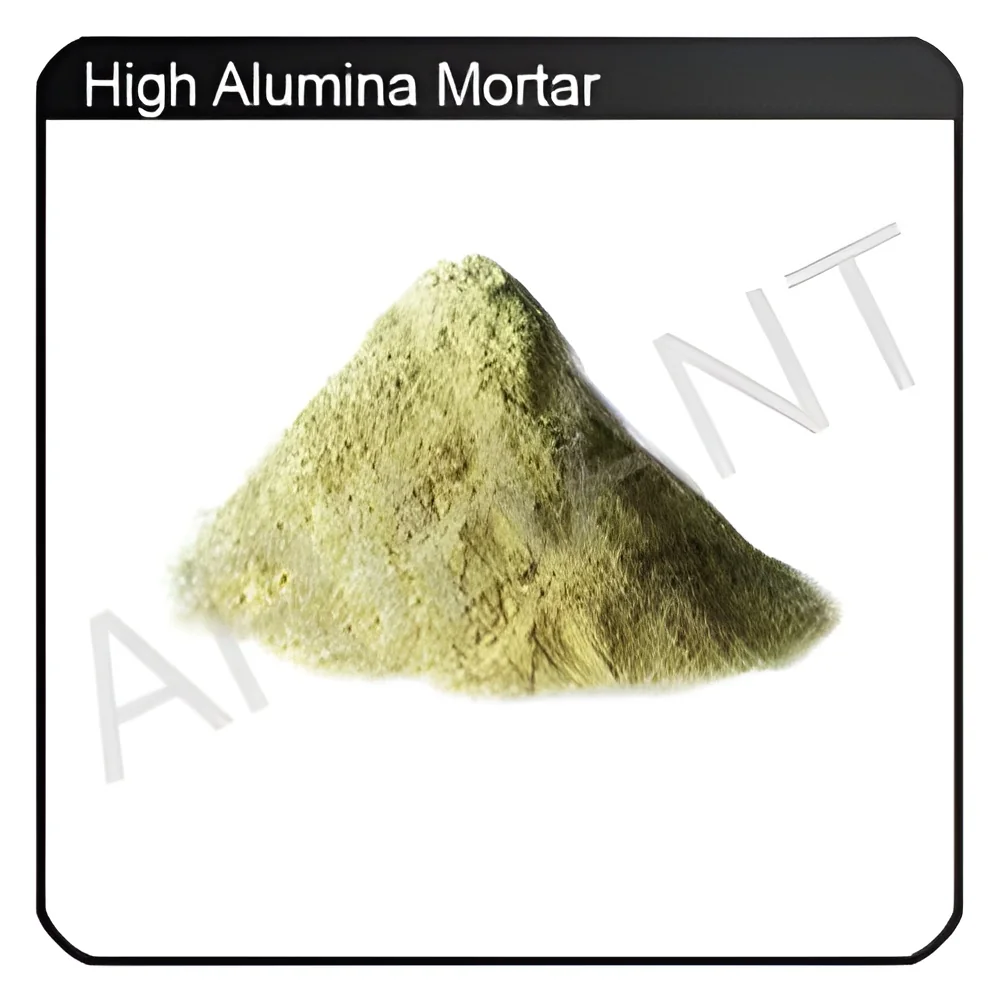
This variant has a high content of alumina, which enhances its temperature resistance and chemical stability. It is ideal for applications in steel and non-ferrous metallurgy.
Castable Refractory Cement
This type is designed for casting and can be poured into molds. It is suitable for creating complex shapes and is often used in furnace linings and repair applications.
Insulating Refractory Cement
This variant offers lower density and thermal conductivity, making it perfect for applications where insulation is a priority, such as in kilns and industrial ovens.
Benefits and Advantages
Refractory cements provide numerous advantages that make them indispensable in high-temperature applications.
1. High Thermal Stability: Capable of withstanding extreme temperatures without compromising performance.
2. Long Lifespan: Designed for durability, reducing the need for frequent repairs or replacements.
3. Versatility: Suitable for a wide range of industrial applications, allowing for flexibility in use.
4. Enhanced Safety: Provides structural integrity in high-heat environments, minimizing risks associated with thermal stress.
5. Cost-Effectiveness: Reduces maintenance costs over time due to their longevity and performance.
6. Customizability: Can be formulated to meet specific operational requirements, enhancing their effectiveness in diverse conditions.
Buying Guide for B2B Buyers
When sourcing refractory cements, it is crucial for businesses to consider several key factors.
1. Quality Assessment: Evaluate the quality of refractory cements by reviewing test results and certifications. Look for products that meet industry standards to ensure reliability.
2. Supplier Verification: Vet suppliers by checking their reputation and previous customer feedback. A reliable supplier will have a track record of delivering quality products on time.
3. Pricing and MOQ: Understand the pricing structure and minimum order quantities. This helps in budgeting and ensures that you can meet your operational needs without overcommitting.
4. Delivery and Lead Times: Discuss logistics with suppliers to ensure timely delivery. Consider lead times to avoid disruptions in production schedules.
5. Compliance Requirements: Ensure that the refractory cements comply with relevant regulations and industry standards. This is crucial for maintaining operational safety and meeting legal obligations.
Compliance and Certifications
Refractory cements must adhere to various quality standards and certifications to ensure they meet industry requirements. ISO 9001 is a commonly recognized standard that focuses on quality management systems. Compliance with this standard indicates that the manufacturer has established processes to ensure product quality.
In addition to ISO certifications, CE marking is essential for products sold in the European market, indicating conformity with health, safety, and environmental protection standards.
Safety and testing requirements are critical, especially for materials used in high-temperature applications. Regular testing ensures that the cements can withstand the intended thermal and mechanical stresses.
Regional compliance considerations may vary, so it is vital for businesses to be aware of specific regulations in their operational areas to ensure that they are sourcing compliant materials.
Why Source Refractory Cements from Pepagora?
Pepagora provides a trusted platform for sourcing refractory cements, offering several key advantages to B2B buyers.
Verified Supplier Network: Pepagora connects businesses with a network of verified suppliers, ensuring that buyers can source high-quality refractory cements from reputable manufacturers. This reduces the risk of procurement issues and enhances trust in the supply chain.
Streamlined RFQ Process: The platform features a user-friendly Request for Quotation (RFQ) system, allowing buyers to easily submit their requirements and receive competitive quotes from multiple suppliers. This simplifies the sourcing process and enables informed decision-making.
Trade Assurance and Support: Pepagora offers trade assurance, providing buyers with protection and support throughout the procurement process. This includes assistance with resolving any disputes and ensuring that transactions are secure.
Regional Coverage: With a strong presence in India, the GCC, and Southeast Asia, Pepagora caters to a wide geographic area, making it easier for businesses to access refractory cements tailored to their specific local needs. This broad reach enhances supplier options and ensures timely delivery.

Frequently Asked Questions
What are Refractory Cements?
Refractory cements are specialized cements designed to withstand high temperatures and harsh environments. They are primarily used in applications such as furnaces, kilns, and reactors, where they provide structural integrity and thermal insulation.
What are the different types of Refractory Cements?
There are several types of refractory cements, including alumina-based, silica-based, and magnesia-based cements. Each type has unique properties that make it suitable for different applications, depending on factors like temperature resistance and chemical exposure.
How do I choose the right Refractory Cements?
Choosing the right refractory cement depends on the specific application, operating temperatures, and environmental conditions. It's important to consider factors such as thermal conductivity, mechanical strength, and resistance to chemical attack when making your selection.
What are the standard specifications for Refractory Cements?
Standard specifications for refractory cements often include parameters such as chemical composition, temperature rating, and physical properties like density and thermal conductivity. It's crucial to refer to industry standards, such as those from ASTM or ISO, for detailed specifications.
What is the price range for Refractory Cements?
The price range for refractory cements can vary widely based on factors such as type, quality, and quantity purchased. Generally, prices can range from a few hundred to several thousand Indian Rupees per ton.
What quality standards apply to Refractory Cements?
Quality standards for refractory cements typically include compliance with national and international specifications such as ASTM C133 and IS 2500. Manufacturers often adhere to quality control measures to ensure their products meet these stringent standards.
Where can I find Refractory Cements suppliers in India?
Refractory cements suppliers in India can be found through various online B2B marketplaces, trade directories, or industry associations. Websites like Pepagora.com offer a platform to connect with reputable suppliers and manufacturers in the refractory materials sector.
Can Refractory Cements be customized?
Yes, many manufacturers offer customization options for refractory cements to meet specific requirements. Custom formulations can be developed based on the intended application, including adjustments to chemical composition and physical properties.
What is the typical minimum order quantity for Refractory Cements?
The typical minimum order quantity (MOQ) for refractory cements can vary by supplier but often ranges from 1 ton to several tons. It is advisable to inquire with specific suppliers for their MOQ policies.
What is the typical lead time for Refractory Cements?
The typical lead time for refractory cements depends on the supplier and the complexity of the order. Generally, lead times can range from a few days to several weeks, especially for customized products.
Why Businesses Trust Pepagora
Thousands of companies trust Pepagora to source smarter and sell faster
Expand Your Sales Globally

Source Smarter,Grow Faster
