What are Ceramic Raw Material Suppliers?
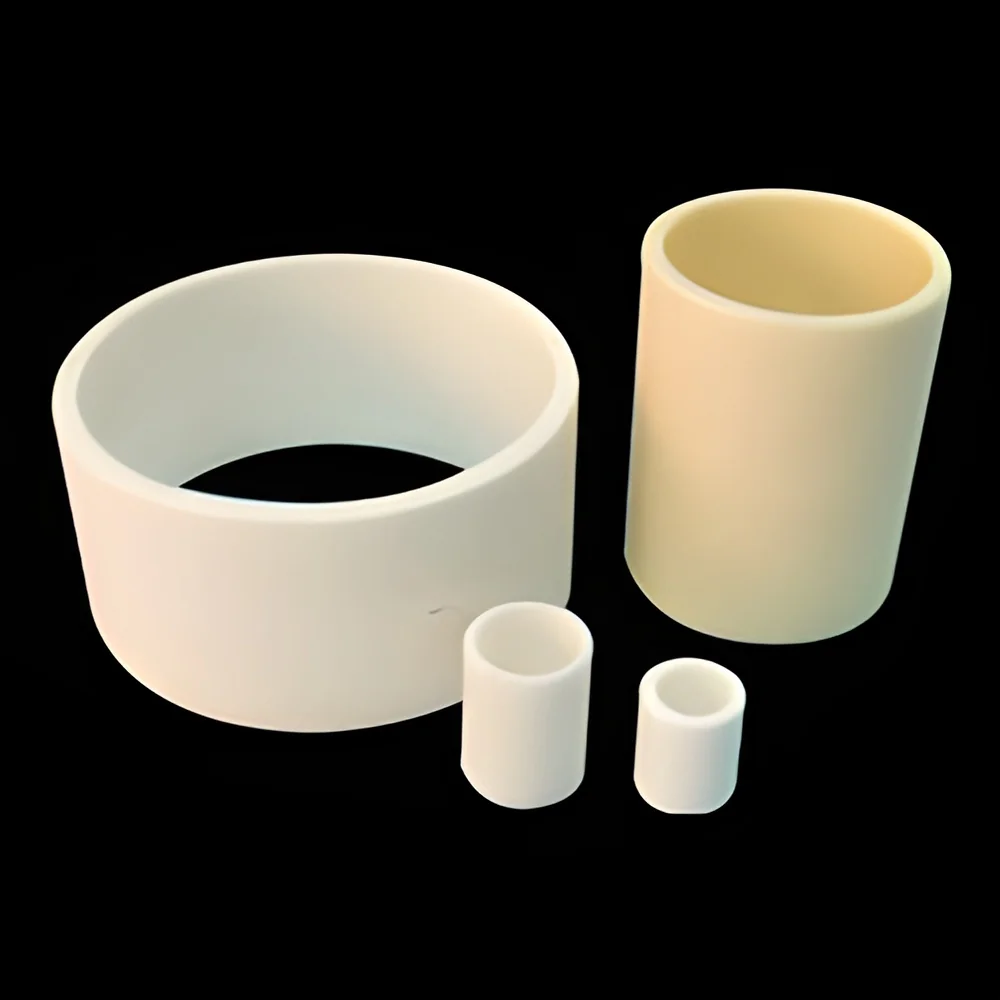
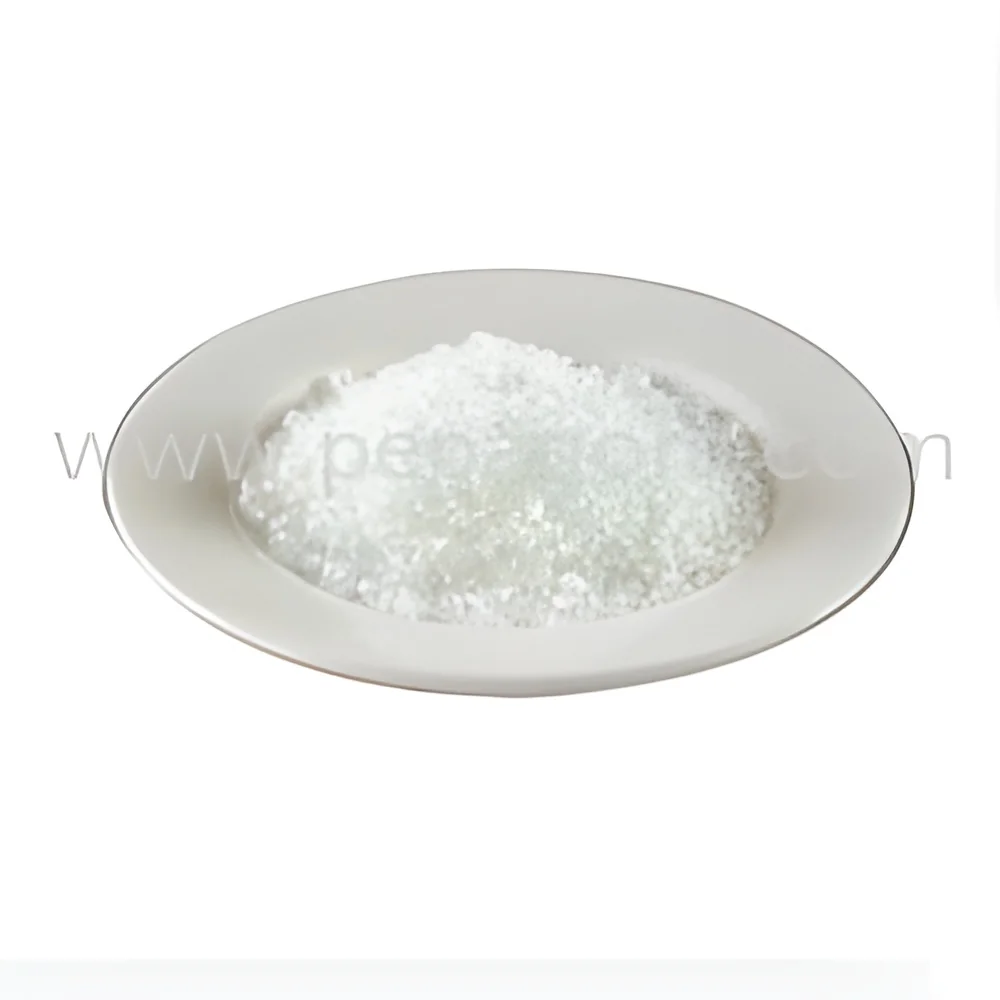
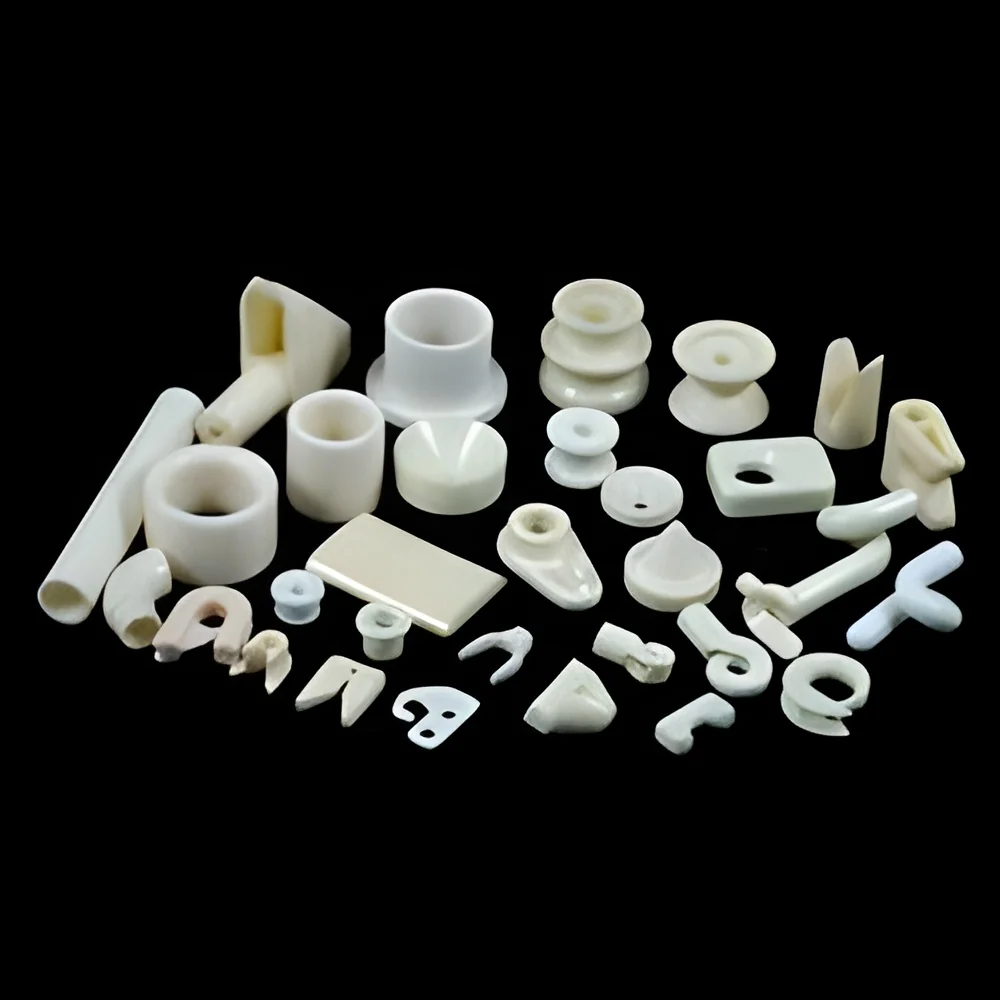
Ceramic raw material suppliers provide essential materials used in the production of various ceramic products. These suppliers offer a range of materials, including kaolin, feldspar, silica, and ball clay, which are critical in the manufacturing of ceramics. The quality and properties of these raw materials significantly influence the performance and durability of the final ceramic products.
The primary uses of ceramic raw materials span across several industries, including construction, electronics, automotive, and healthcare. In construction, they are used for tiles and sanitary ware, while in electronics, they play a vital role in insulators and capacitors. The versatility of ceramic materials allows them to meet varied application requirements, making them indispensable in today’s manufacturing landscape.
The ceramic industry is experiencing steady growth driven by advancements in technology and increasing demand for high-performance materials. As industries evolve, the need for high-quality ceramic products continues to rise, positioning ceramic raw material suppliers as key players in the supply chain. Furthermore, the global market for ceramics is expanding, creating opportunities for suppliers to cater to diverse customer needs.
Key Features and Specifications
Ceramic raw materials come with specific features and specifications that cater to various manufacturing needs. Understanding these specifications helps businesses select the right materials for their applications.
Key specifications include:
1. Composition
- The raw material's chemical composition affects its properties and suitability for different applications.
- Common compositions include varying percentages of silica, alumina, and other oxides.
2. Particle Size Distribution
- The particle size impacts the workability and final properties of the ceramic product.
- Typically ranges from fine powders to coarse granular materials, depending on the application.
3. Moisture Content
- Essential for ensuring the stability and performance of the final product.
- Usually maintained within a specific range to prevent defects during processing.
4. Firing Temperature
- The temperature at which the ceramic materials are processed.
- Influences the final strength and durability of the ceramic product.
5. Purity Levels
- High purity levels are crucial for applications requiring minimal impurities.
- Often specified for materials used in electronics and high-tech industries.
6. Color and Appearance
- Color can vary significantly based on the raw material.
- Affects aesthetic qualities in finished products such as tiles and pottery.
7. Packaging Options
- Suppliers offer various packaging options to ensure safe transportation and ease of handling.
- Common options include bulk bags, sacks, or drums.
8. Compliance with Standards
- Many suppliers adhere to specific industry standards and certifications.
- Ensures the materials meet regulatory and quality requirements.
Selecting the right specifications is vital for achieving desired product characteristics and performance.
Common Applications and Use Cases
Ceramic raw materials are utilized across a variety of industries, each with unique applications.
1. Construction: Ceramic materials are extensively used in the manufacturing of tiles, sanitary ware, and brick. Their durability and aesthetic appeal make them ideal for residential and commercial buildings.
2. Electronics: These materials are critical in the production of insulators, capacitors, and piezoelectric devices. Their electrical insulating properties are essential for reliable electronic components.
3. Automotive: Ceramic components are used in engine parts, brake pads, and exhaust systems due to their heat resistance and durability.
4. Healthcare: Ceramics are used in dental applications, prosthetics, and implants because of their biocompatibility and strength.
5. Art and Craft: Ceramic raw materials are also popular in artistic applications, allowing artists to create pottery, sculptures, and decorative items.
6. Aerospace: High-performance ceramics are used in aerospace applications for their lightweight and heat-resistant properties.
7. Military: Specialized ceramic materials are used in armor and protective gear due to their strength and lightweight characteristics.
Product Variants and Subcategories
Ceramic raw materials are diverse, catering to specific industry needs and applications.
Kaolin
Kaolin is a type of clay that is widely used in the production of porcelain and ceramics. It is known for its whiteness and fine particle size, making it ideal for high-quality ceramic products.
Feldspar
Feldspar acts as a flux in ceramic manufacturing, reducing the melting temperature and improving the strength of the final product. It is essential in the production of glass and porcelain.
Silica
Silica is a critical component in ceramic materials, providing strength and durability. It is commonly used in tile and glass manufacturing.
Ball Clay
Ball clay is a plastic clay that enhances the workability of ceramic mixtures. It is often used in the production of sanitary ware and tableware.
Benefits and Advantages
Sourcing ceramic raw materials from reliable suppliers offers numerous benefits to businesses.
Key benefits include:
1. Quality Assurance: Reliable suppliers provide high-quality materials that meet industry standards, ensuring the durability of the final products.
2. Customization Options: Many suppliers offer customized solutions to meet specific production needs, allowing for greater flexibility in manufacturing.
3. Cost Efficiency: Competitive pricing and bulk purchasing options can help businesses reduce production costs.
4. Technical Support: Suppliers often provide technical assistance and guidance, helping manufacturers optimize their processes.
5. Timely Delivery: Established suppliers typically have streamlined logistics, ensuring timely delivery of materials to support production schedules.
6. Sustainable Practices: Many suppliers are adopting eco-friendly practices, providing materials that align with sustainable manufacturing goals.
Buying Guide for B2B Buyers
When sourcing ceramic raw material suppliers, several factors should be considered to ensure the best selection.
1. Quality Assessment: Evaluate the quality of materials by checking certifications and product samples. Consistent quality is critical for maintaining product standards.
2. Supplier Verification: Vet potential suppliers by researching their reputation, customer feedback, and compliance with industry standards. This helps ensure reliability.
3. Pricing and MOQ: Understand pricing structures and minimum order quantities. Ensure that the pricing aligns with your budget and production needs.
4. Delivery and Lead Times: Consider the supplier's ability to meet your delivery schedules. Timely delivery is crucial to maintaining production efficiency.
5. Compliance Requirements: Confirm that suppliers meet necessary compliance and safety regulations relevant to your industry. This is vital for maintaining product integrity.
Compliance and Certifications
Ceramic raw materials must adhere to various quality standards and certifications. ISO 9001 is a key standard that ensures quality management systems are in place. This certification is critical for suppliers looking to demonstrate their commitment to quality and continuous improvement.
Industry certifications like CE mark indicate compliance with European standards, ensuring that products meet safety and performance requirements.
Safety and testing requirements are also essential, especially for materials used in sensitive applications such as electronics or healthcare. Regular testing ensures that materials are free from harmful substances and perform as expected.
Additionally, regional compliance considerations may vary, so it is important for suppliers to be aware of the specific regulations applicable in their operating areas.
Why Source Ceramic Raw Material Suppliers from Pepagora?
Pepagora provides a trusted platform for sourcing ceramic raw material suppliers with numerous advantages.
Verified Supplier Network: Pepagora has a rigorous verification process that ensures all suppliers in its network meet high standards of quality and reliability. This helps businesses make informed decisions.
Streamlined RFQ Process: The platform simplifies the request for quotation process, enabling buyers to easily communicate their needs and receive competitive quotes from multiple suppliers.
Trade Assurance and Support: Pepagora offers buyer protection through its trade assurance program, ensuring that transactions are secure and that buyers receive what they expect.
Regional Coverage: With a strong presence in India, the GCC, and Southeast Asia, Pepagora connects buyers with suppliers across these regions, facilitating access to a diverse range of ceramic raw materials.

 IN
IN