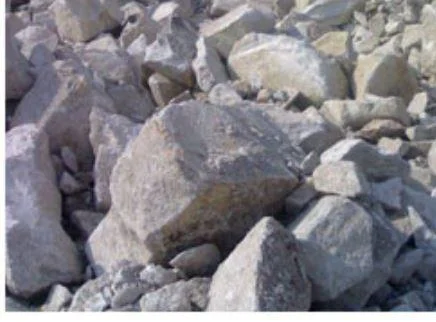
What are Ball Clay?
Ball clay is a type of fine-grained clay that is primarily composed of kaolinite, mica, and quartz. It is known for its plasticity, workability, and ability to withstand high temperatures. Ball clay is typically formed from the weathering of feldspar-rich rocks and is often found in sedimentary deposits. The unique properties of ball clay make it an essential material in various industries, especially in ceramics and pottery.
The primary uses of ball clay include the production of ceramics, pottery, and tiles. In ceramics, it acts as a binding agent that enhances the strength and durability of finished products. Additionally, ball clay is used in the manufacture of sanitary ware, tableware, and electrical insulators. Its ability to improve the texture and appearance of finished goods makes it a valuable resource in the ceramics industry. As demand for high-quality ceramics continues to rise globally, the relevance of ball clay in the market remains significant.
Key Features and Specifications
Ball clay is characterized by several key features that contribute to its versatility and effectiveness in various applications. These specifications are critical for businesses looking to utilize ball clay in their manufacturing processes.
Key specifications include:
1. Plasticity
- High plasticity allows for easy shaping and molding.
- Essential for creating intricate designs in ceramics.
2. Moisture Content
- Typically ranges between 20% to 30%.
- Affects the workability and drying time of the clay.
3. Particle Size
- Fine particle size improves the smoothness of the final product.
- Usually ranges from 0.5 to 2 microns.
4. Color
- Commonly found in shades of white, grey, and brown.
- Color influences the aesthetic appeal of ceramic products.
5. Firing Temperature
- Can withstand temperatures up to 1250 degrees Celsius.
- Important for maintaining structural integrity during firing.
6. Chemical Composition
- Primarily composed of kaolinite, mica, and quartz.
- Influences the physical and chemical properties of the clay.
7. Viscosity
- Higher viscosity provides better control during shaping processes.
- Essential for achieving desired consistency in mixtures.
8. Shrinkage Rate
- Typically ranges between 5% to 10% upon drying and firing.
- Understanding shrinkage is vital for precise product dimensions.
In summary, these features and specifications highlight the importance of ball clay in industrial applications, ensuring that manufacturers can achieve desired results in their products.
Common Applications and Use Cases
Ball clay serves various industries due to its unique properties and versatility.
1. Ceramics: Ball clay is widely used in the ceramics industry for creating porcelain, stoneware, and earthenware products, enhancing strength and aesthetics.
2. Pottery: Artists and manufacturers use ball clay to create pottery items, benefiting from its plasticity and ability to hold intricate shapes.
3. Sanitary Ware: Ball clay is essential in producing sanitary fixtures, providing durability and a smooth finish for products like sinks and toilets.
4. Tiles: The tile industry utilizes ball clay to enhance the quality and appearance of both floor and wall tiles.
5. Electrical Insulators: Ball clay's high-temperature resistance makes it suitable for producing electrical insulators, ensuring performance under extreme conditions.
6. Glass Production: In the glass industry, ball clay is used as a filler to improve the final product's quality and appearance.
7. Paints and Coatings: Ball clay acts as a filler in paints and coatings, enhancing texture and providing a smooth finish.
Product Variants and Subcategories
While there are no specific subcategories of ball clay, it is important to note the variations in quality and composition that can exist based on the source of the clay.
High Plasticity Ball Clay: This variant offers superior plasticity, making it ideal for intricate ceramic designs and pottery.
Low Iron Ball Clay: This type contains reduced iron content, resulting in a more vibrant color in fired products, suitable for high-end ceramics.
Coarse Ball Clay: With a larger particle size, this variant is often used in applications where strength and durability are prioritized over fine detail.
Benefits and Advantages
Ball clay offers several benefits that make it an advantageous choice for industrial applications.
1. Enhanced Workability: Its high plasticity allows for easy molding and shaping, making it ideal for intricate designs.
2. Improved Strength: Ball clay contributes to the strength and durability of finished ceramic products, ensuring long-lasting quality.
3. Aesthetic Appeal: The fine particle size and various colors enhance the visual quality of ceramics and pottery.
4. High-Temperature Resistance: Ball clay can withstand elevated firing temperatures, making it suitable for various industrial processes.
5. Versatile Applications: Its properties allow for use in multiple industries, including ceramics, pottery, and electrical insulators.
6. Cost-Effective: Ball clay is often a more affordable option compared to other clays, providing excellent value for manufacturers.
Buying Guide for B2B Buyers
When sourcing ball clay, businesses should consider several crucial factors to ensure they acquire the right product for their needs.
1. Quality Assessment: Evaluate the plasticity, moisture content, and particle size of ball clay to meet specific application requirements. High-quality ball clay ensures better performance in end products.
2. Supplier Verification: Conduct thorough research on potential suppliers. Assess their reputation, reliability, and experience in the industry to ensure consistent quality.
3. Pricing and MOQ: Compare pricing among suppliers while considering minimum order quantities (MOQ). Understanding the cost structure helps in budgeting and planning.
4. Delivery and Lead Times: Inquire about delivery options and lead times to ensure timely availability of ball clay for production schedules.
5. Compliance Requirements: Ensure that the ball clay meets relevant industry standards and regulatory requirements to avoid compliance issues.
Compliance and Certifications
Ball clay must adhere to various compliance standards to ensure quality and safety in its applications. Key quality standards include ISO 9001, which focuses on quality management systems and consistent quality assurance.
Industry certifications, such as CE, indicate that the product meets European safety and environmental standards, ensuring that it is safe for use in various applications.
Additionally, safety and testing requirements are crucial in maintaining product integrity. Manufacturers must ensure that the ball clay undergoes rigorous testing to confirm its performance under different conditions.
Regional compliance considerations may vary, so it is essential to be aware of specific regulations in different markets where the ball clay will be used.
Why Source Ball Clay from Pepagora?
Pepagora provides a trusted platform for sourcing ball clay, offering several key advantages to B2B buyers.
Verified Supplier Network: Pepagora connects buyers with a network of verified suppliers, ensuring that businesses can find high-quality ball clay from reputable sources.
Streamlined RFQ Process: The platform features a user-friendly request for quotation (RFQ) system that allows buyers to easily obtain quotes from multiple suppliers, streamlining the purchasing process.
Trade Assurance and Support: Pepagora offers trade assurance services that protect buyers from potential risks, providing added peace of mind throughout the transaction.
Regional Coverage: With a strong presence in India, GCC, and Southeast Asia, Pepagora ensures that businesses can access ball clay suppliers across diverse geographic regions, facilitating efficient sourcing.

 IN
IN