IN
IN₹
Apparel & Fashion
Description
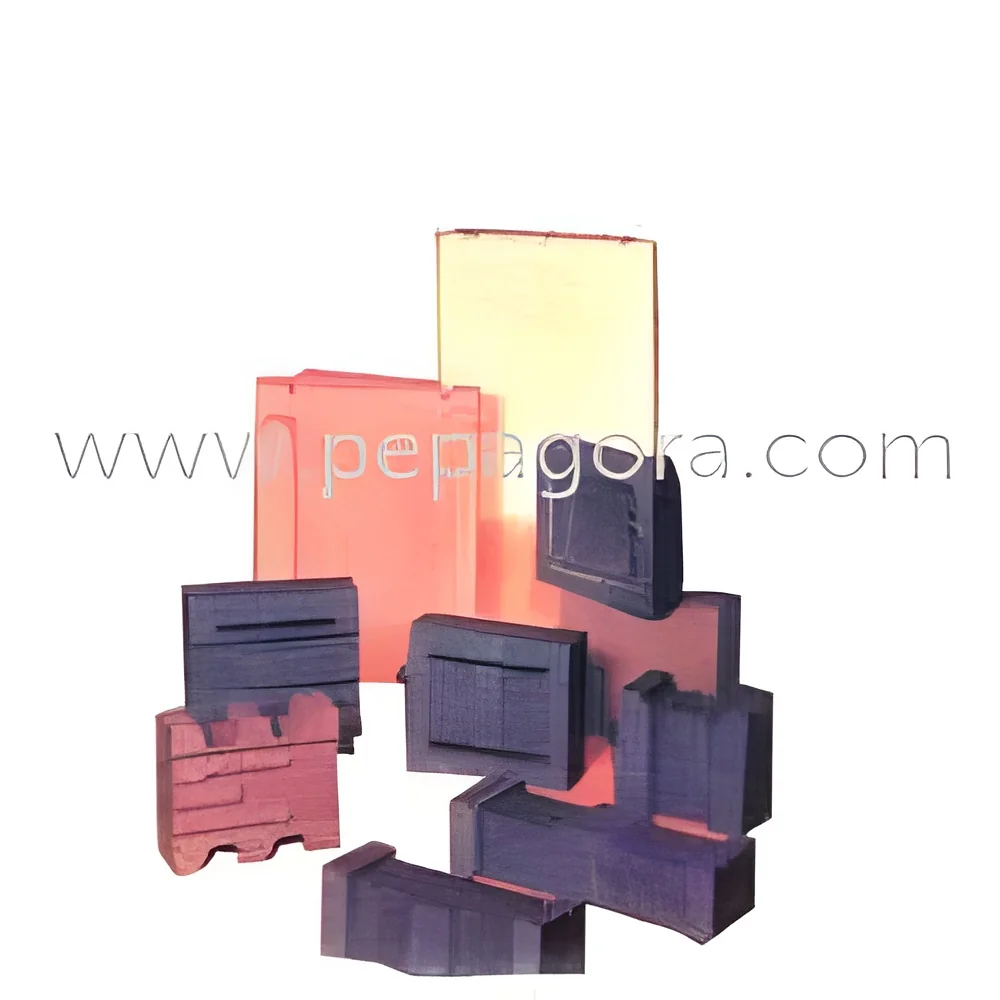
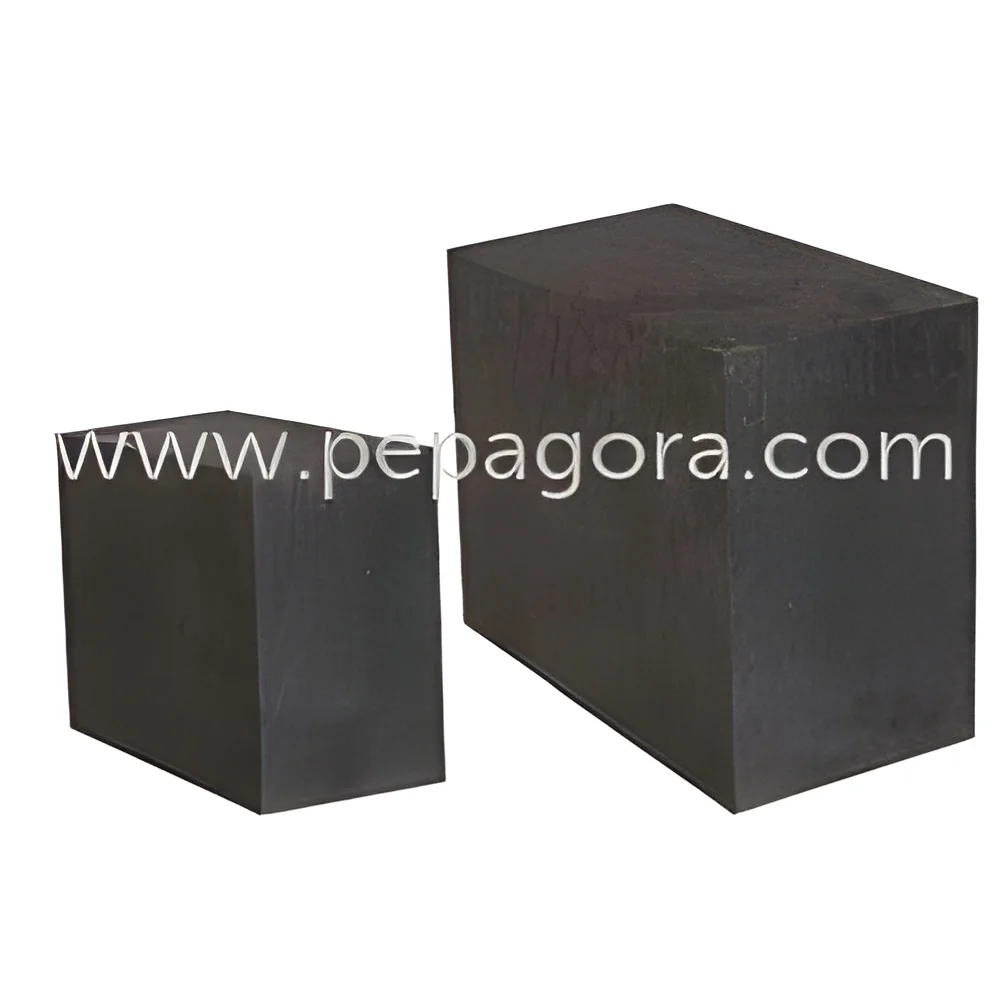
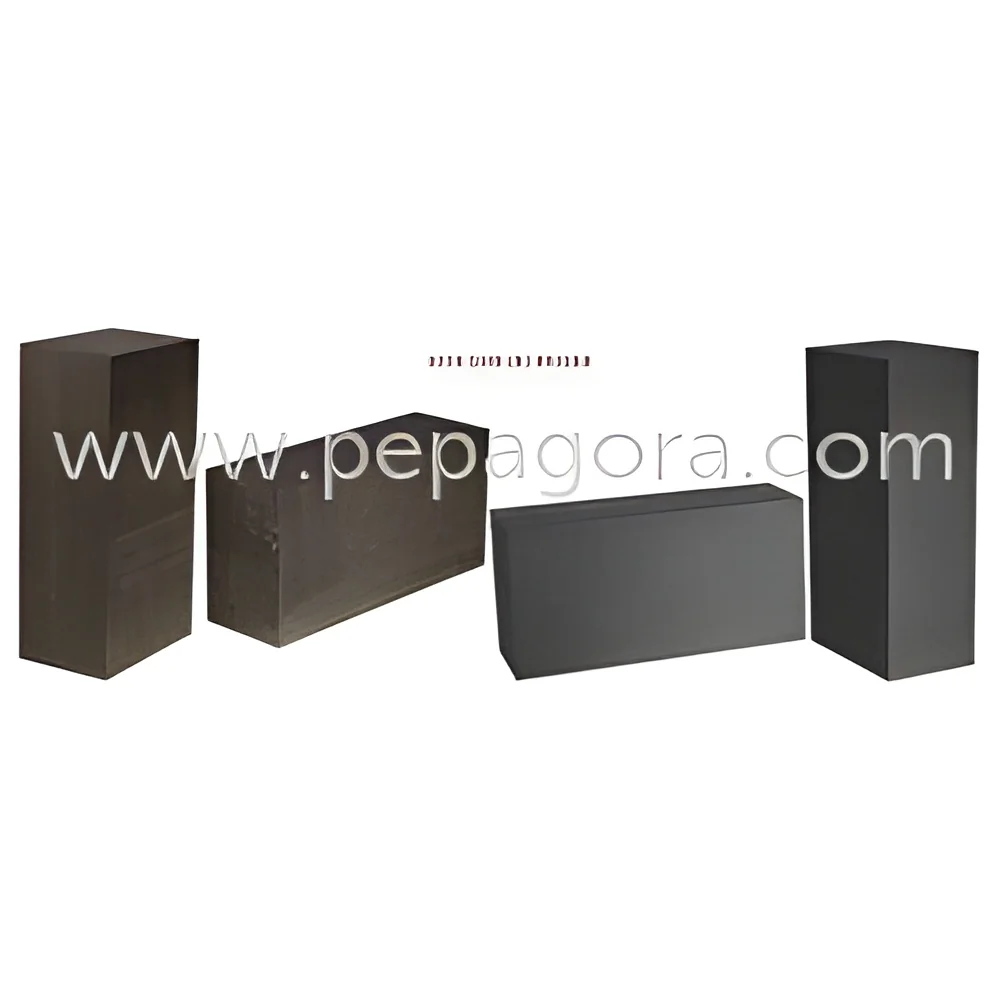
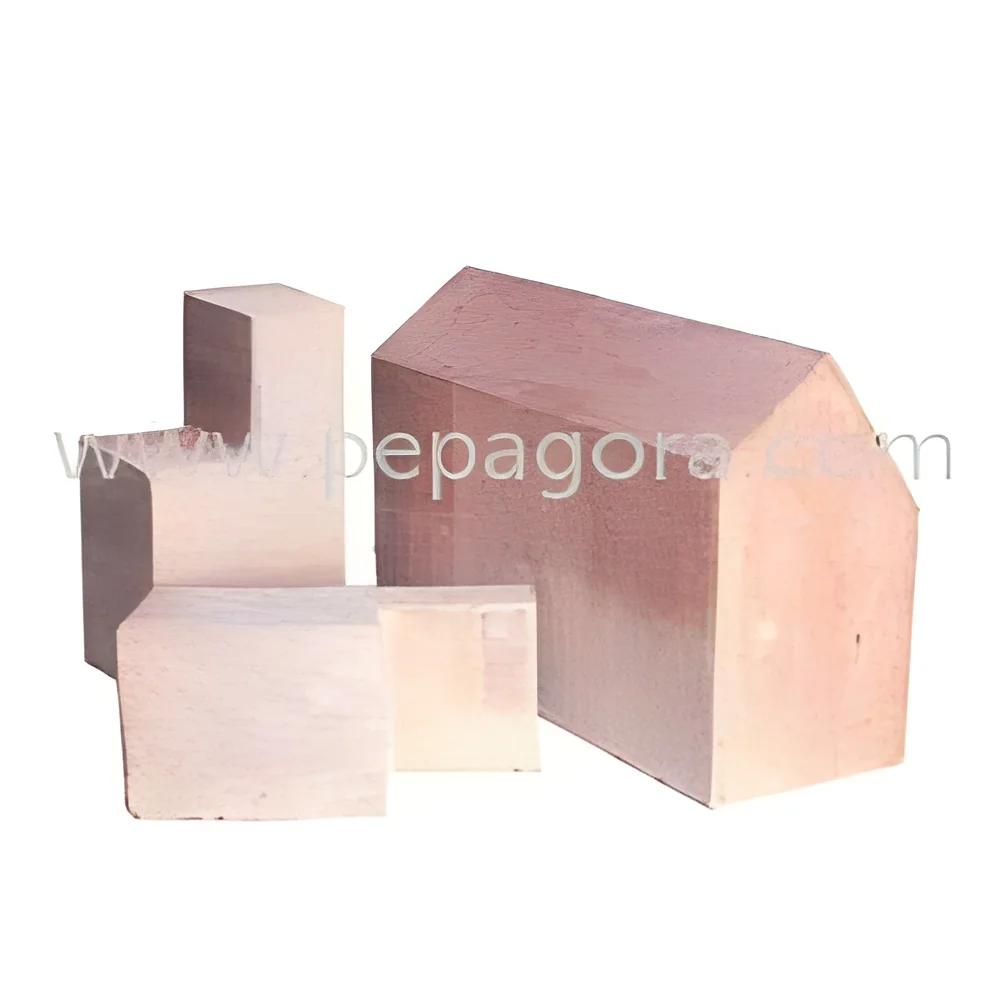
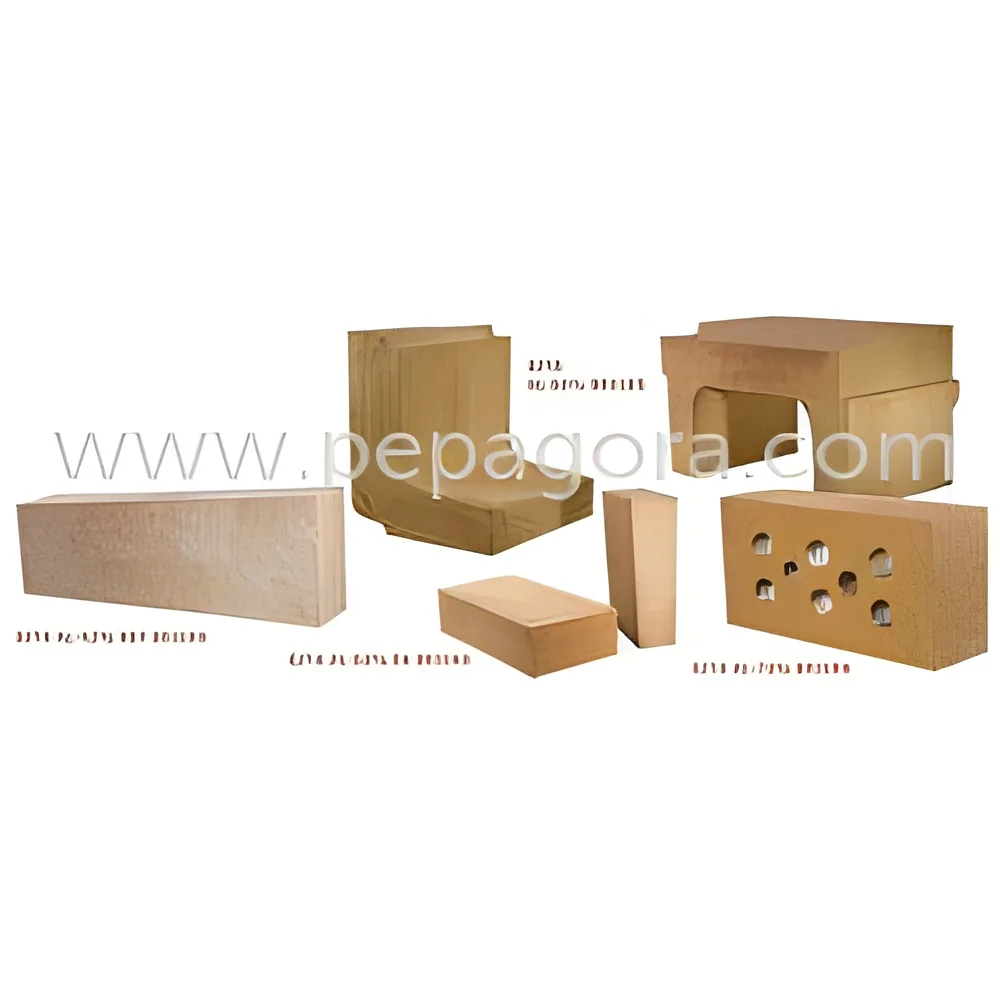
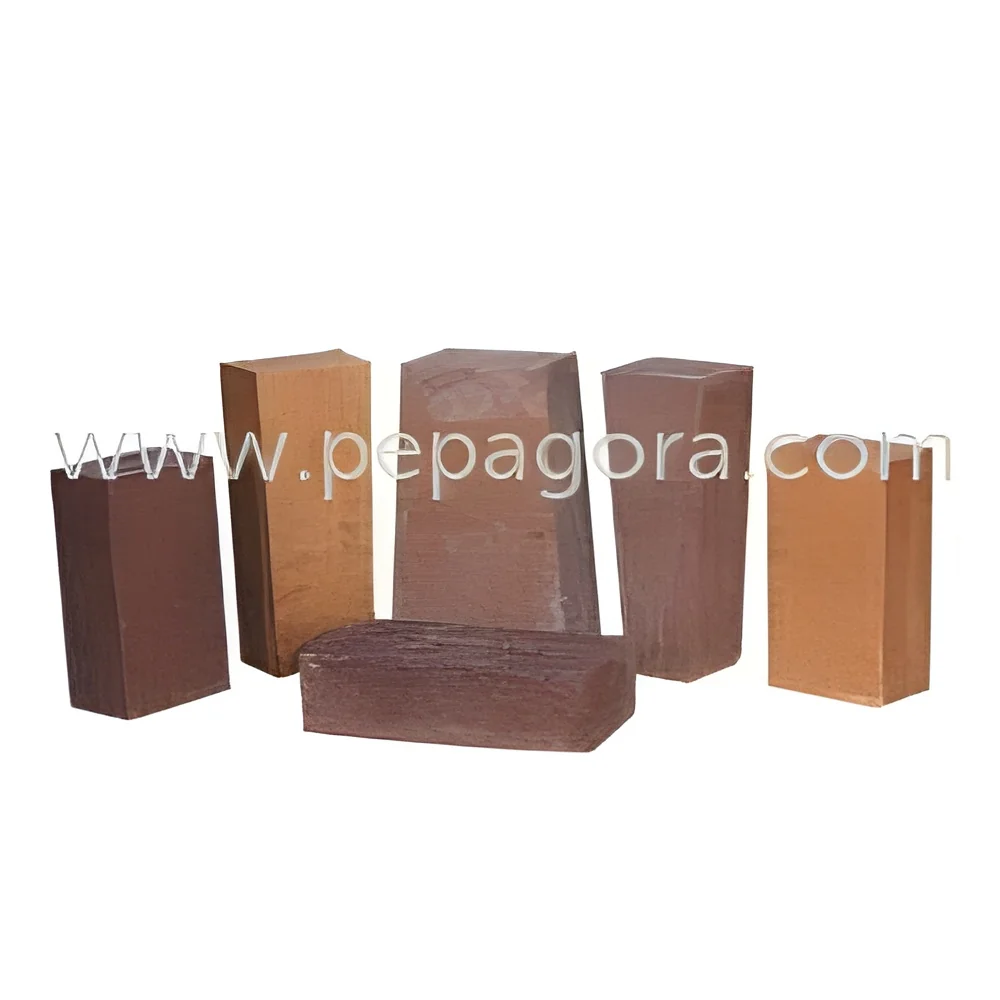
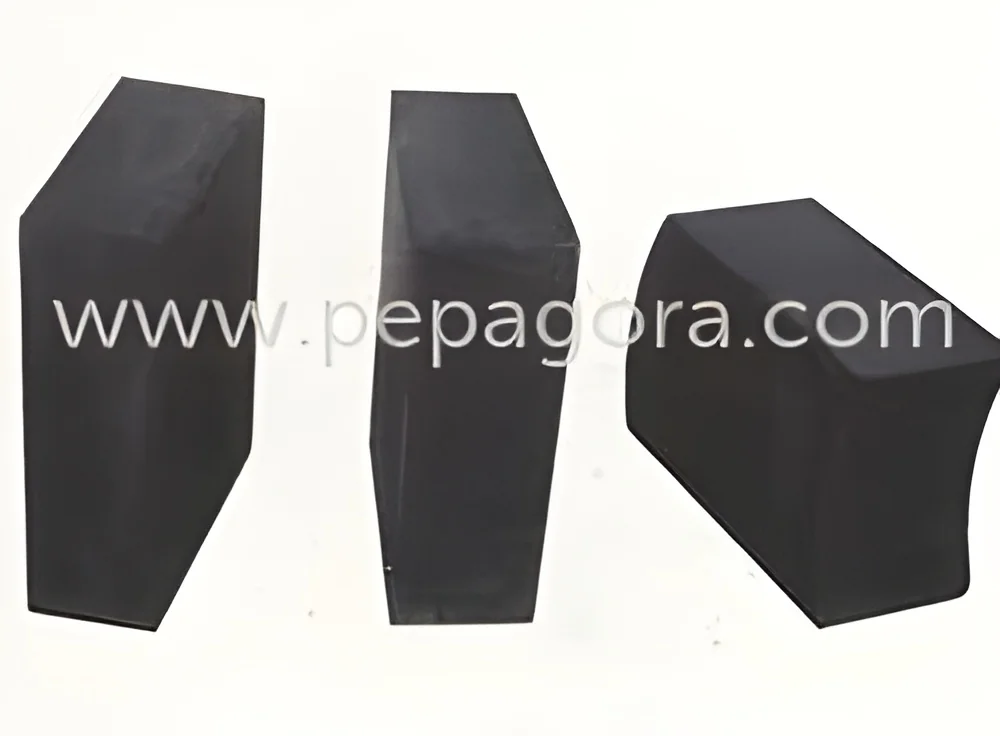
Alumina-Magnesia-Carbon bricks represent advanced refractory technology specifically formulated for extreme industrial thermal applications. These premium refractory materials combine high-purity alumina, magnesia, and carbon components to create bricks with exceptional thermal stability, mechanical strength, and corrosion resistance. Engineered to withstand temperatures exceeding 1800°C, they maintain structural integrity under severe thermal cycling and mechanical stress. The carbon component provides superior slag resistance while the alumina and magnesia matrix ensures excellent volume stability and spalling resistance. Manufactured under strict quality control processes, these bricks guarantee consistent performance and reliability in the most demanding industrial furnace environments.

These premium refractory bricks are essential across heavy industries where high-temperature processing is fundamental. In steel manufacturing, they line basic oxygen furnaces, electric arc furnace...
Alumina-Magnesia-Carbon bricks represent advanced refractory technology specifically formulated for extreme industrial thermal applications. These premium refractory materials combine high-purity alumina, magnesia, and carbon components to create bricks with exceptional thermal stability, mechanical strength, and corrosion resistance. Engineered to withstand temperatures exceeding 1800°C, they maintain structural integrity under severe thermal cycling and mechanical stress. The carbon component provides superior slag resistance while the alumina and magnesia matrix ensures excellent volume stability and spalling resistance. Manufactured under strict quality control processes, these bricks guarantee consistent performance and reliability in the most demanding industrial furnace environments.

These premium refractory bricks are essential across heavy industries where high-temperature processing is fundamental. In steel manufacturing, they line basic oxygen furnaces, electric arc furnaces, and ladles, providing crucial protection against molten metal and slag corrosion. Cement plants utilize them in rotary kilns where they endure extreme temperatures and abrasive materials. Non-ferrous metal producers rely on them for copper smelting furnaces and aluminum holding furnaces. Glass manufacturing facilities install them in glass tank furnaces while foundries use them in induction furnaces and pouring systems. Their thermal efficiency and durability make them suitable for various high-temperature industrial processes.

The operational value of Alumina-Magnesia-Carbon bricks lies in their ability to significantly reduce downtime and maintenance costs while improving process efficiency. Their extended service life translates to fewer furnace rebuilds and reduced refractory consumption, delivering substantial cost savings over time. The enhanced thermal efficiency helps optimize energy consumption in high-temperature processes. Their reliability ensures consistent process performance and product quality, minimizing production disruptions. These bricks represent a strategic investment in operational reliability and long-term cost management for industrial operators seeking durable thermal solutions.

Key Features:
- High alumina content providing superior refractory performance
- Carbon content delivering excellent slag corrosion resistance
- High cold crushing strength for mechanical durability
- Low porosity enhancing resistance to penetration and erosion
- Thermal stability maintaining performance under extreme temperatures

Benefits:
- Extended service life reducing replacement frequency and costs
- Superior thermal efficiency optimizing energy consumption
- Reduced maintenance requirements lowering operational expenses
- Consistent performance ensuring process reliability
- Enhanced durability withstanding severe industrial conditions
Specifications
| Additional Information | |
|---|---|
| Country of Origin | India |
Application
Alumina-Magnesia-Carbon bricks are engineered for extreme thermal environments where standard refractories fail. These advanced refractory materials provide superior performance in high-temperature applications, offering exceptional resistance to thermal shock, mechanical stress, and corrosive slag attack. Their unique composition ensures stable performance under continuous operation, making them ideal for critical industrial heating processes across multiple sectors.
These refractory bricks serve industries including steel manufacturing, cement production, non-ferrous metal processing, glass manufacturing, and foundry operations. Their versatility comes from optimized alumina and magnesia content ratios, providing precise engineering for specific thermal profiles and chemical exposure conditions. This adaptability makes them suitable for both oxidizing and reducing atmospheres across various furnace types and industrial heating applications.
- Basic oxygen furnace linings in steel plants for molten metal containment
- Electric arc furnace sidewalls and slag lines in metal smelting operations
- Ladle furnaces and torpedo cars for steel transfer and treatment
- Cement rotary kiln transition zones and burning zones
- Foundry induction furnaces and copper smelting reverberatory furnaces
Trade Details
| Available Stock | In Stock |
| Sample Availability | No |
Payment Terms
| Payment Terms |
|
Company Profile
Gita Refractories (P) Ltd, Karnataka
 Karnataka, India
Karnataka, IndiaManufacturer•Distributor / Wholesaler•Importer / Exporter
Factory Details
Factory SizeBelow 1000 sqm
Annual Production Capacity0
Industrial Furnace Alumina Magnesia Carbon Bricks Extreme Heat Resistance
Industrial Furnace Alumina Magnesia Carbon Bricks deliver extreme heat resistance for steel, cement, and foundry applications. Premium refractory bricks ensure excellent slag resistance, thermal stability, and long service life in demanding industrial environments.
Min. Order Quantity: 1 unit
Shipping
Shipping fee and delivery date to be negotiated. Contact supplier now for more details.
Gita Refractories (P) Ltd
 Karnataka, India
Karnataka, IndiaManufacturer