IN
IN₹
Apparel & Fashion
Description
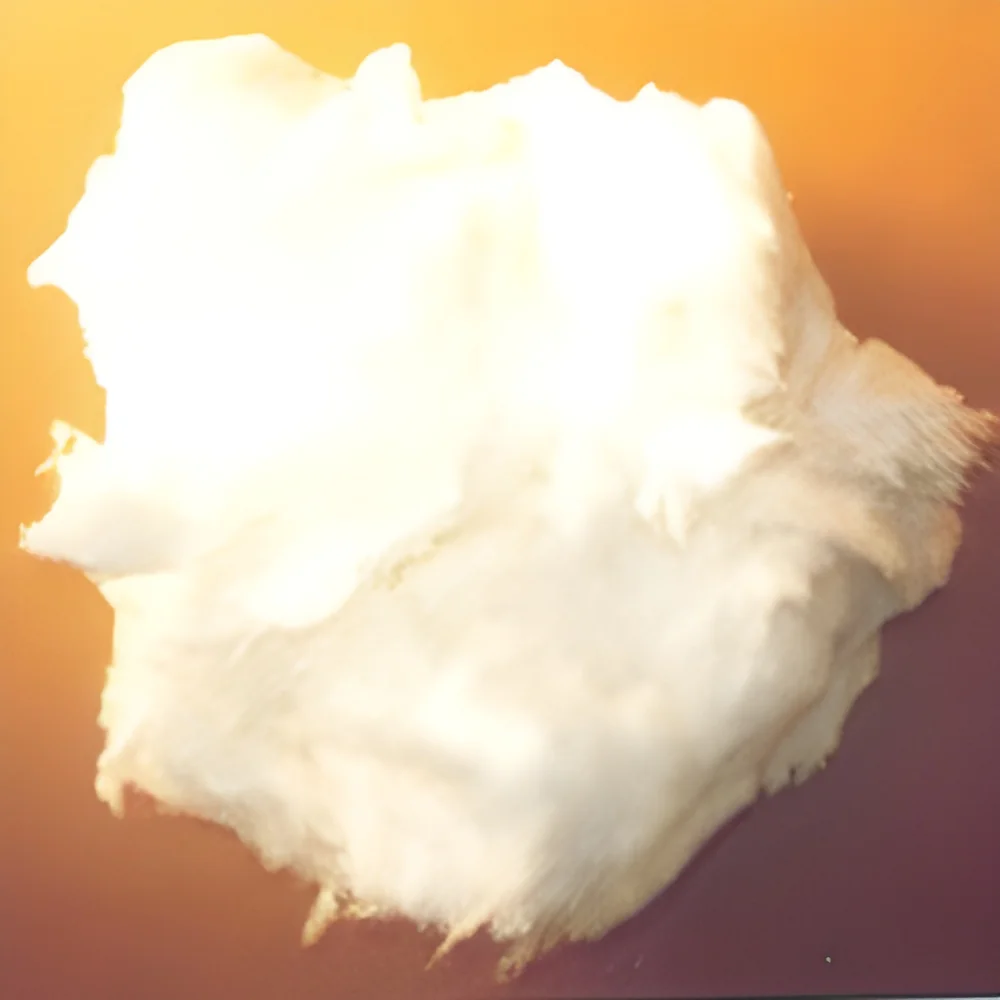
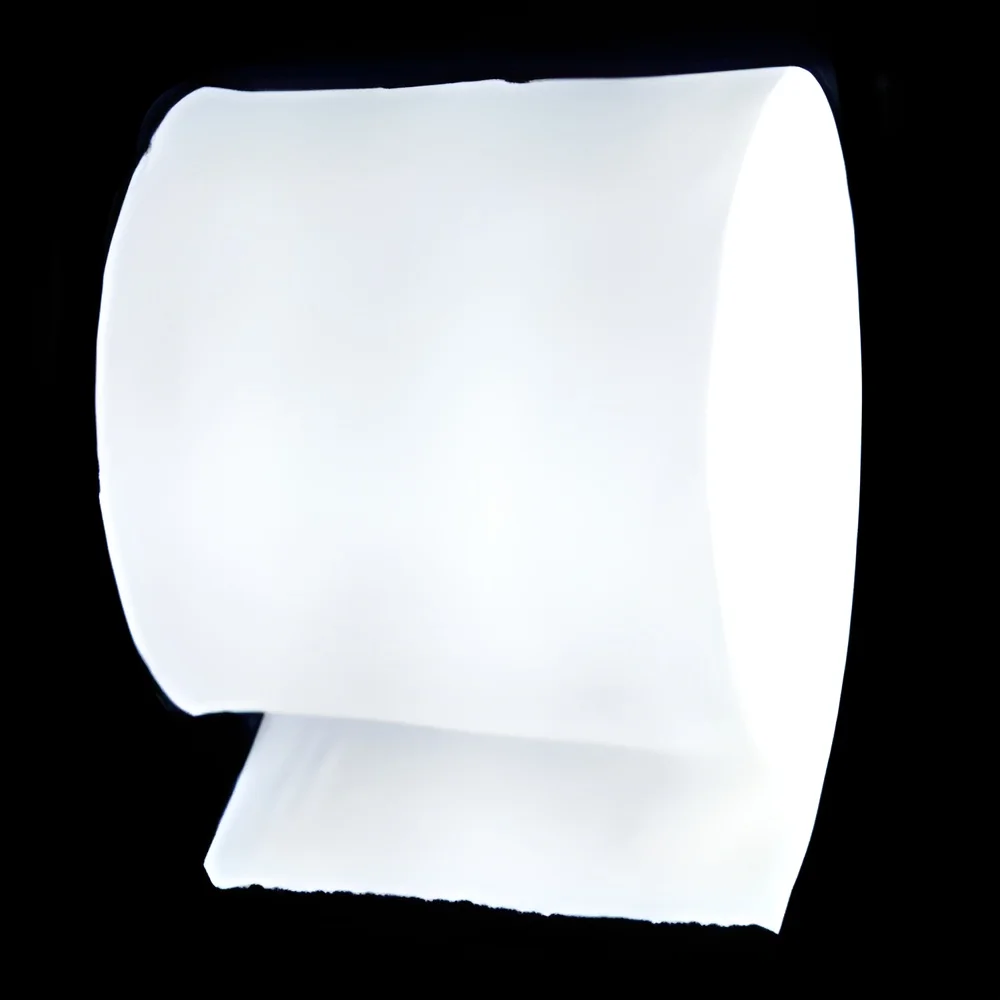
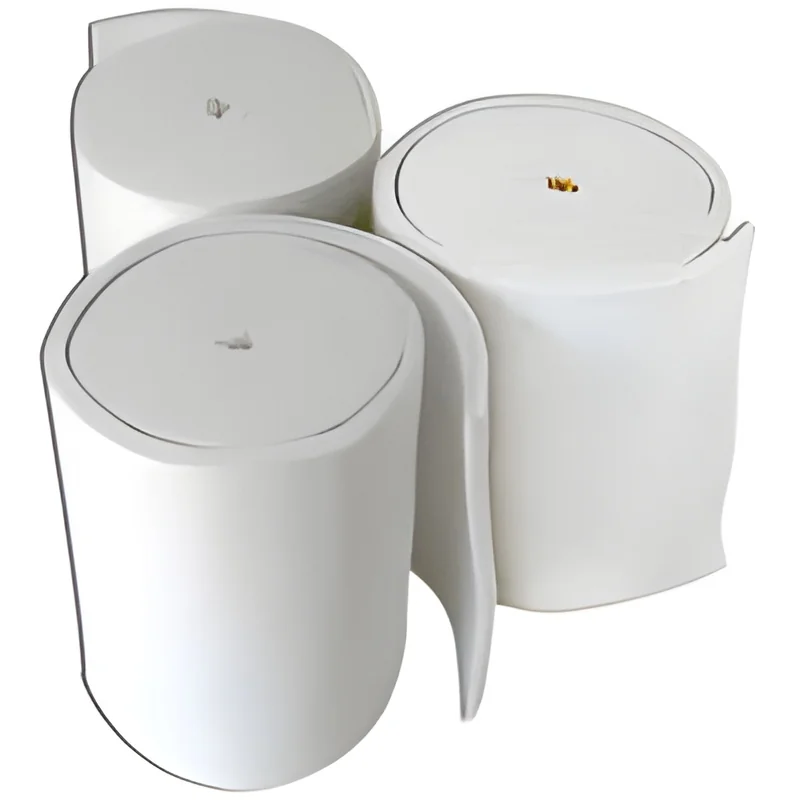
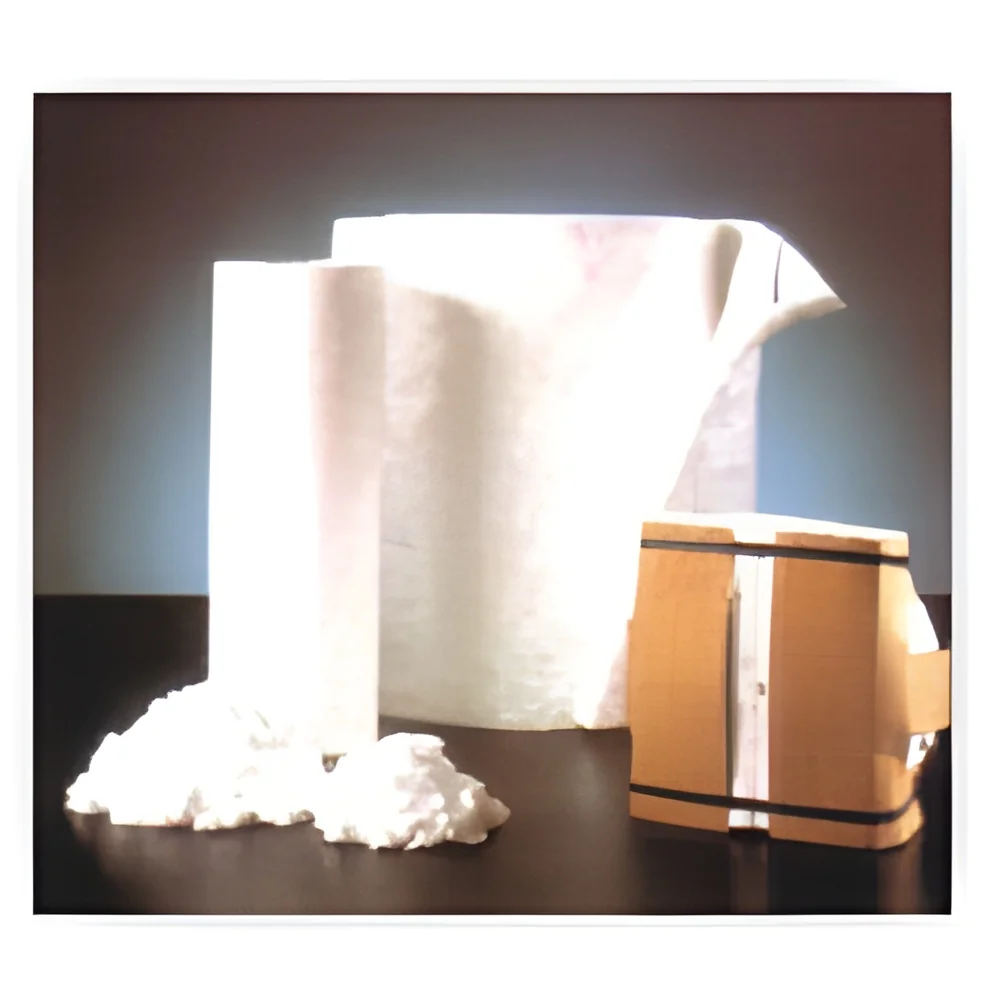
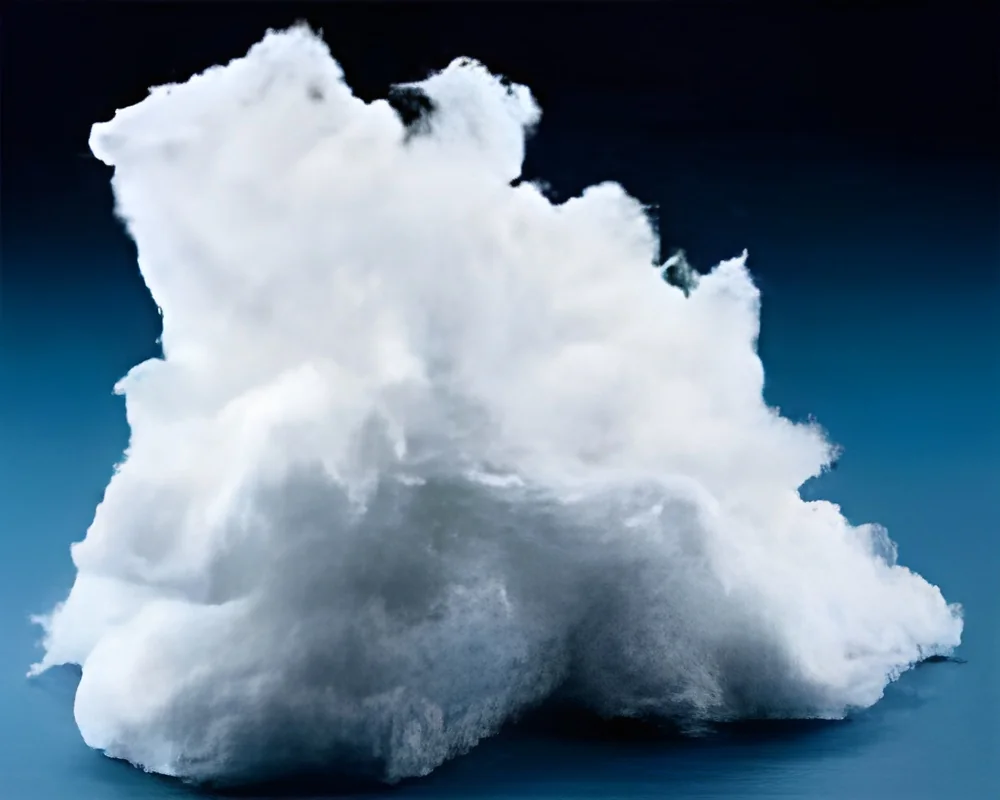
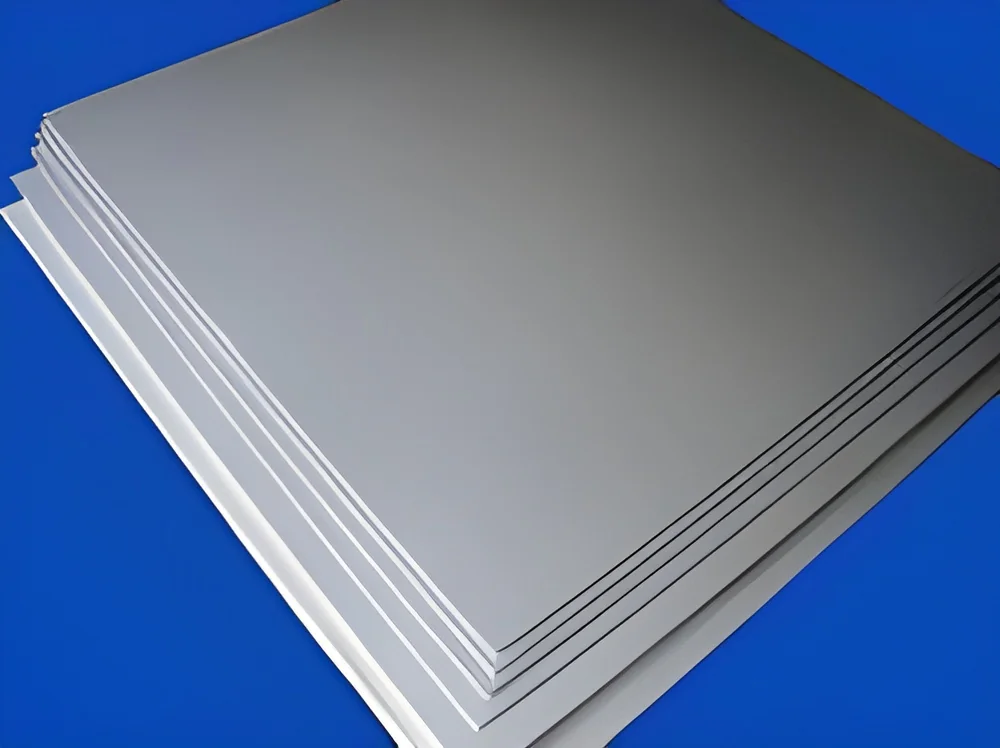
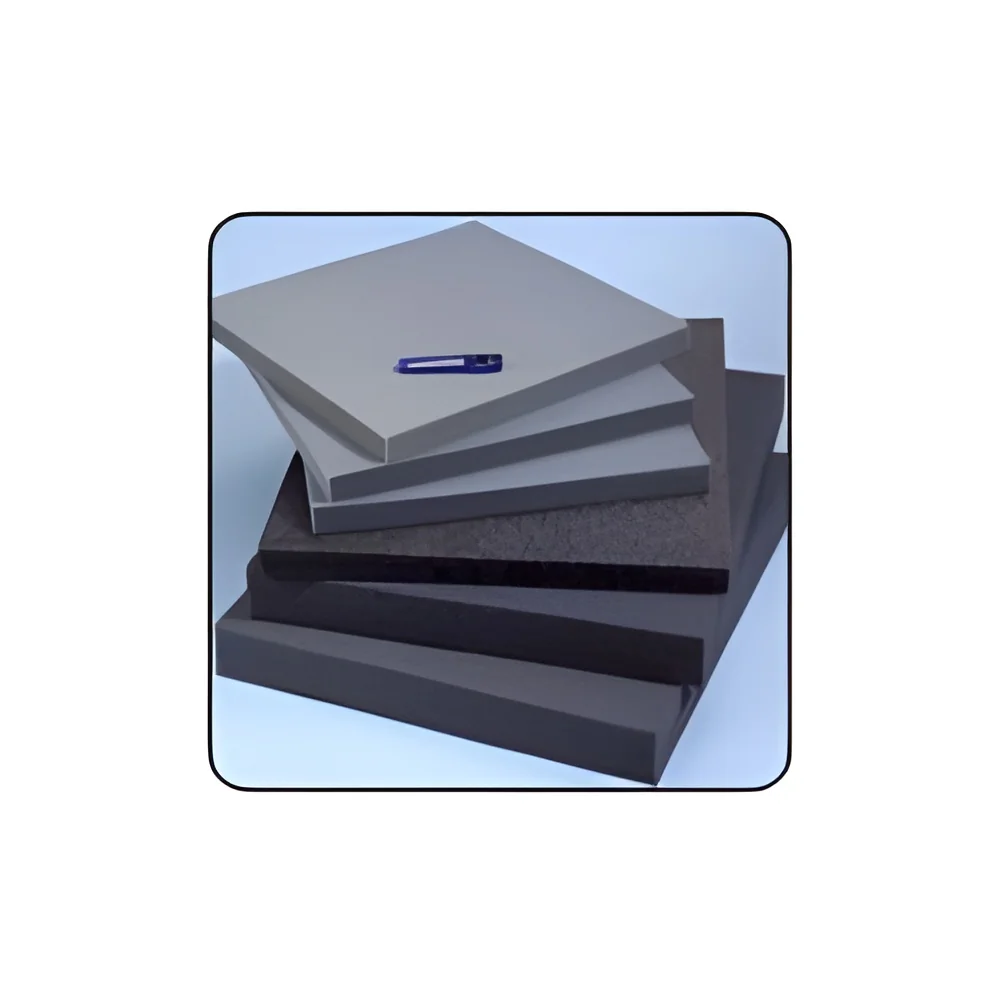
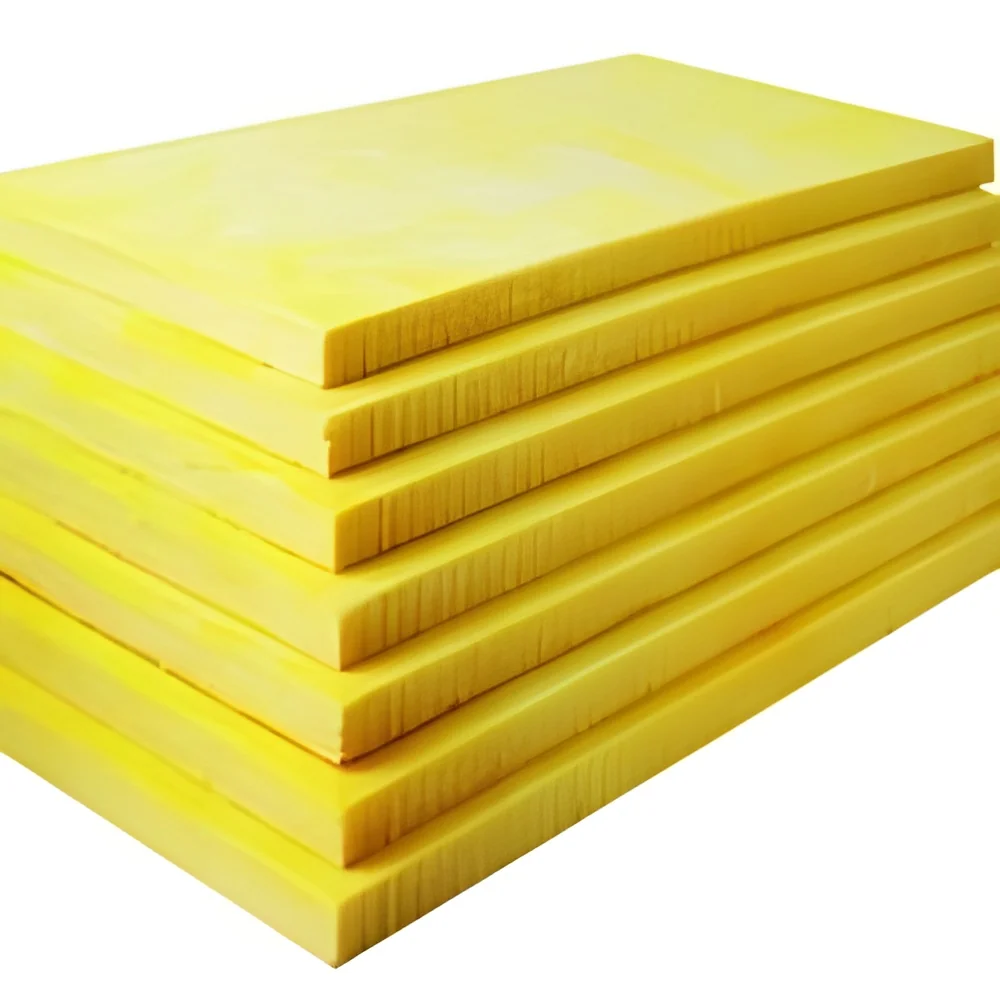
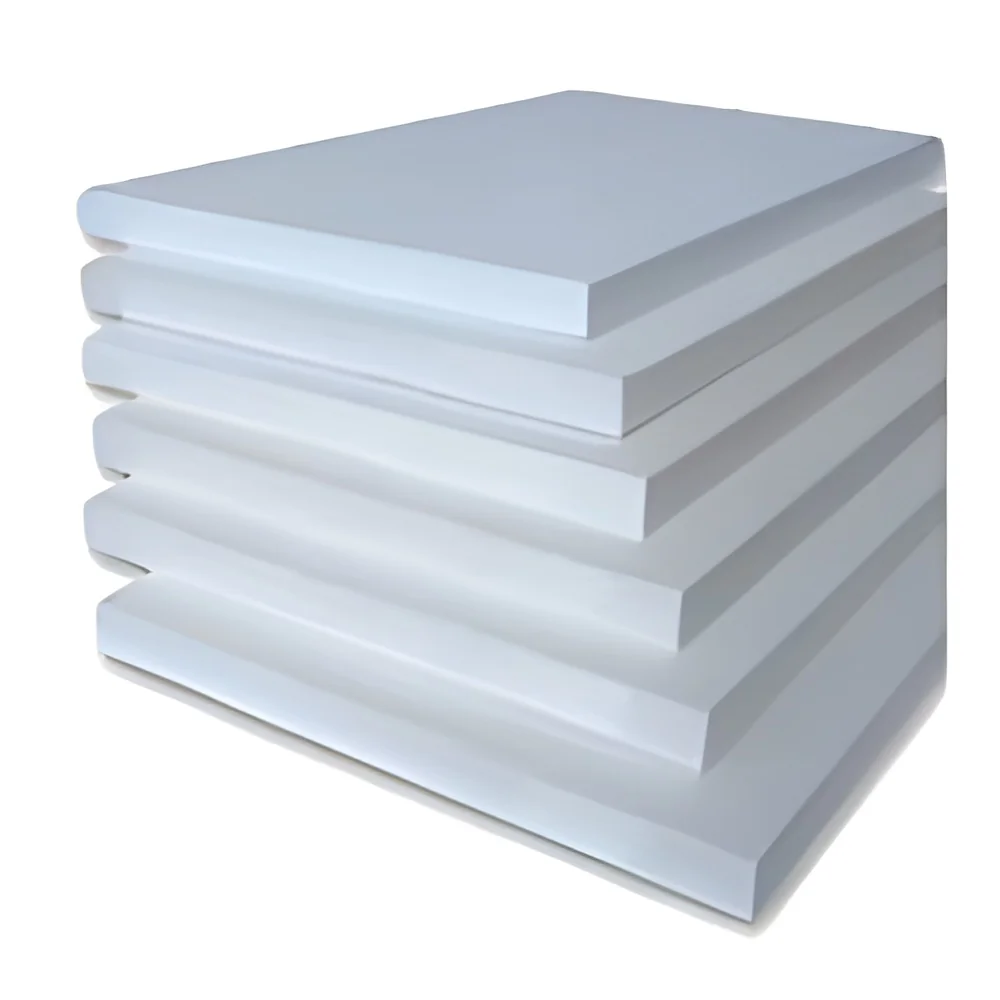
Industrial High Temperature Refractory Ceramic Fiber Insulation represents advanced thermal management technology engineered to withstand extreme temperature environments while maintaining structural integrity and performance consistency. These specialized ceramic materials are manufactured as spun or blown fibers, compressed boards, flexible blankets, pre-formed modules, and custom-shaped components to address specific thermal insulation challenges. Each product variation offers exceptional resistance to oxidation, reduction, and thermal shock while providing low thermal conductivity and minimal heat storage characteristics. This makes them ideal solutions for industries requiring efficient insulation that reduces energy consumption, lowers operational costs, and enhances workplace safety through reliable high-temperature protection.

The application scope for refractory ceramic fiber spans critical industrial sectors where precise thermal management determines operational success. Me...
Industrial High Temperature Refractory Ceramic Fiber Insulation represents advanced thermal management technology engineered to withstand extreme temperature environments while maintaining structural integrity and performance consistency. These specialized ceramic materials are manufactured as spun or blown fibers, compressed boards, flexible blankets, pre-formed modules, and custom-shaped components to address specific thermal insulation challenges. Each product variation offers exceptional resistance to oxidation, reduction, and thermal shock while providing low thermal conductivity and minimal heat storage characteristics. This makes them ideal solutions for industries requiring efficient insulation that reduces energy consumption, lowers operational costs, and enhances workplace safety through reliable high-temperature protection.

The application scope for refractory ceramic fiber spans critical industrial sectors where precise thermal management determines operational success. Metal processing industries utilize these materials for furnace linings, heat treatment equipment, and molten metal handling systems where consistent high-temperature performance is essential. Petrochemical facilities incorporate ceramic fiber insulation in reactor vessels, process heaters, pipe wrapping, and high-temperature gaskets to maintain process efficiency and safety. Power generation plants rely on these products for boiler insulation, turbine casings, and exhaust system protection, while ceramics manufacturing, glass production, and industrial heating applications benefit from the material's exceptional thermal stability and resistance to extreme temperature fluctuations without structural degradation.

Organizations selecting refractory ceramic fiber insulation gain substantial operational advantages through improved energy efficiency, reduced maintenance frequency, and extended equipment service life. The material's proven reliability stems from consistent quality manufacturing and demonstrated performance in demanding industrial environments, ensuring thermal insulation systems maintain effectiveness throughout their service life. The availability of multiple form factors enables precise engineering solutions tailored to specific operational parameters and installation requirements. Compared to traditional refractory materials, the lightweight nature reduces structural support demands and simplifies installation processes while providing superior thermal performance characteristics.

Key Features:
- Exceptional thermal stability maintaining performance up to extreme temperatures
- Superior resistance to oxidation, reduction, and chemical degradation
- Low thermal conductivity minimizing heat transfer and energy loss
- Excellent thermal shock resistance preventing cracking under rapid temperature changes
- Multiple form factors including boards, blankets, modules, and custom shapes

Benefits:
- Enhanced energy efficiency through superior thermal insulation properties
- Extended equipment lifespan with reliable high-temperature performance
- Reduced maintenance requirements and operational downtime
- Improved workplace safety with consistent high-temperature protection
- Flexible installation options accommodating various industrial configurations
Specifications
| Additional Information | |
|---|---|
| Country of Origin | India |
Application
Refractory ceramic fiber products provide critical thermal management solutions in high-temperature industrial environments where energy efficiency and safety are paramount. These versatile materials maintain structural integrity under extreme conditions while reducing heat loss and improving operational performance across various demanding applications. Their adaptability allows fabrication into multiple forms including boards, blankets, modules, and custom shapes to meet specific installation requirements and thermal challenges.
Industries including metal processing, petrochemical, power generation, and ceramics manufacturing depend on these insulation materials for furnace linings, kiln insulation, and high-temperature sealing applications. The material's exceptional resistance to thermal shock and chemical stability ensures long-term reliability even in the most demanding operational conditions, providing professionals with durable insulation solutions that withstand repeated thermal cycling without performance degradation.
- Furnace and kiln insulation systems in metal processing facilities
- High-temperature gaskets and seals in petrochemical processing equipment
- Thermal barrier protection in power generation boilers and turbines
- Industrial heating equipment insulation and fire protection systems
- Expansion joint fills and backup insulation in high-temperature piping
Trade Details
| Available Stock | In Stock |
| Sample Availability | No |
Payment Terms
| Payment Terms |
|
Company Profile
Manal Enter Prises, Karnataka
 Karnataka, India
Karnataka, IndiaRaw Materials & Chemicals•Trading Company•Distributor / Wholesaler•Importer / Exporter
Factory Details
Factory SizeBelow 1000 sqm
Annual Production Capacity0
Industrial High Temperature Refractory Ceramic Fiber Insulation
Industrial High Temperature Refractory Ceramic Fiber Insulation delivers superior thermal insulation, oxidation resistance, and low thermal conductivity for demanding industrial applications requiring reliable high-temperature performance.
Min. Order Quantity: 1 unit
Shipping
Shipping fee and delivery date to be negotiated. Contact supplier now for more details.
Manal Enter Prises
 Karnataka, India
Karnataka, IndiaRaw Materials & ChemicalsTrading Company