IN
IN₹
Apparel & Fashion
Description
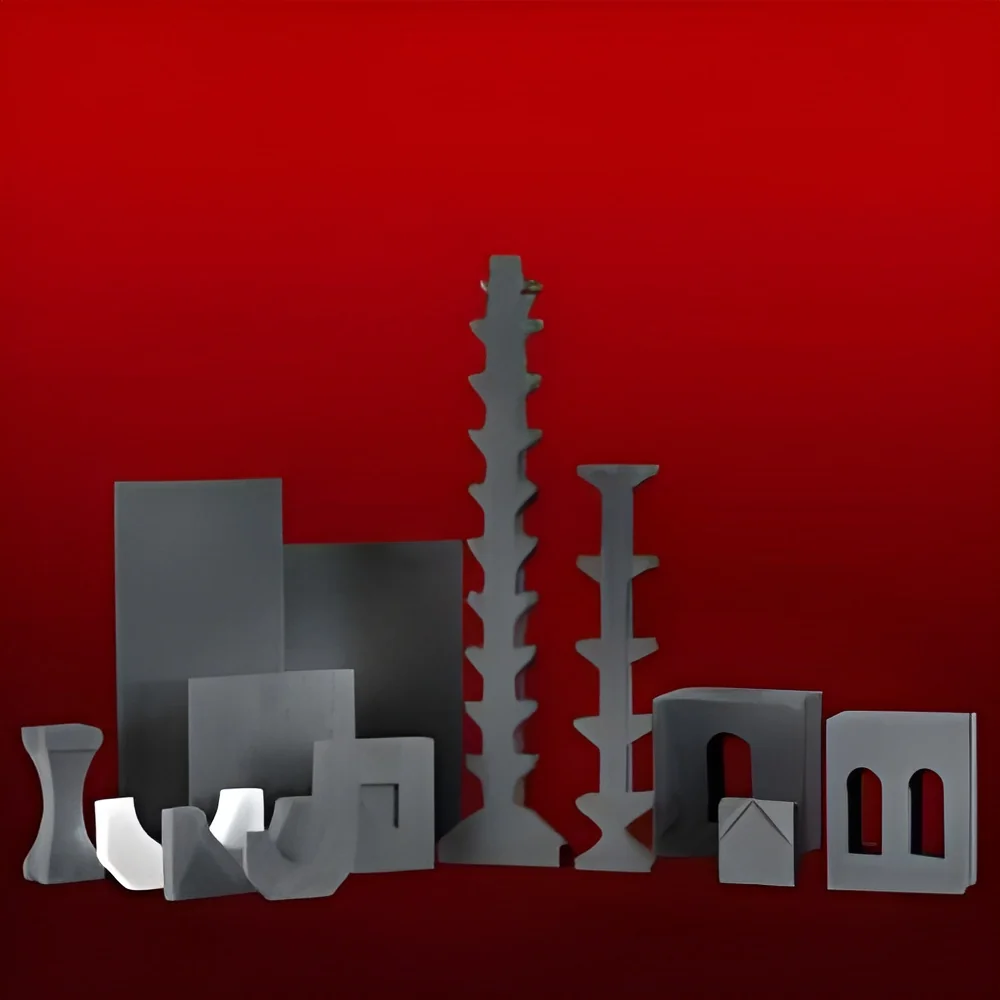
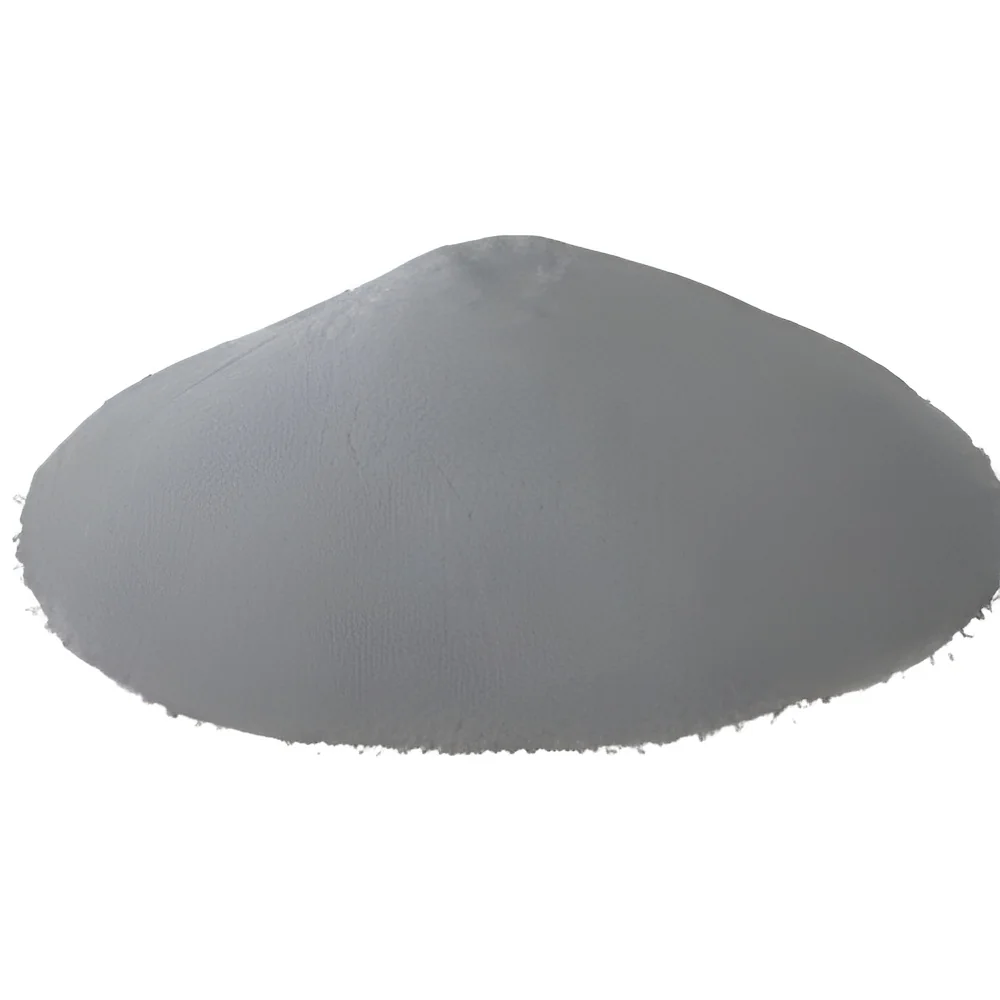
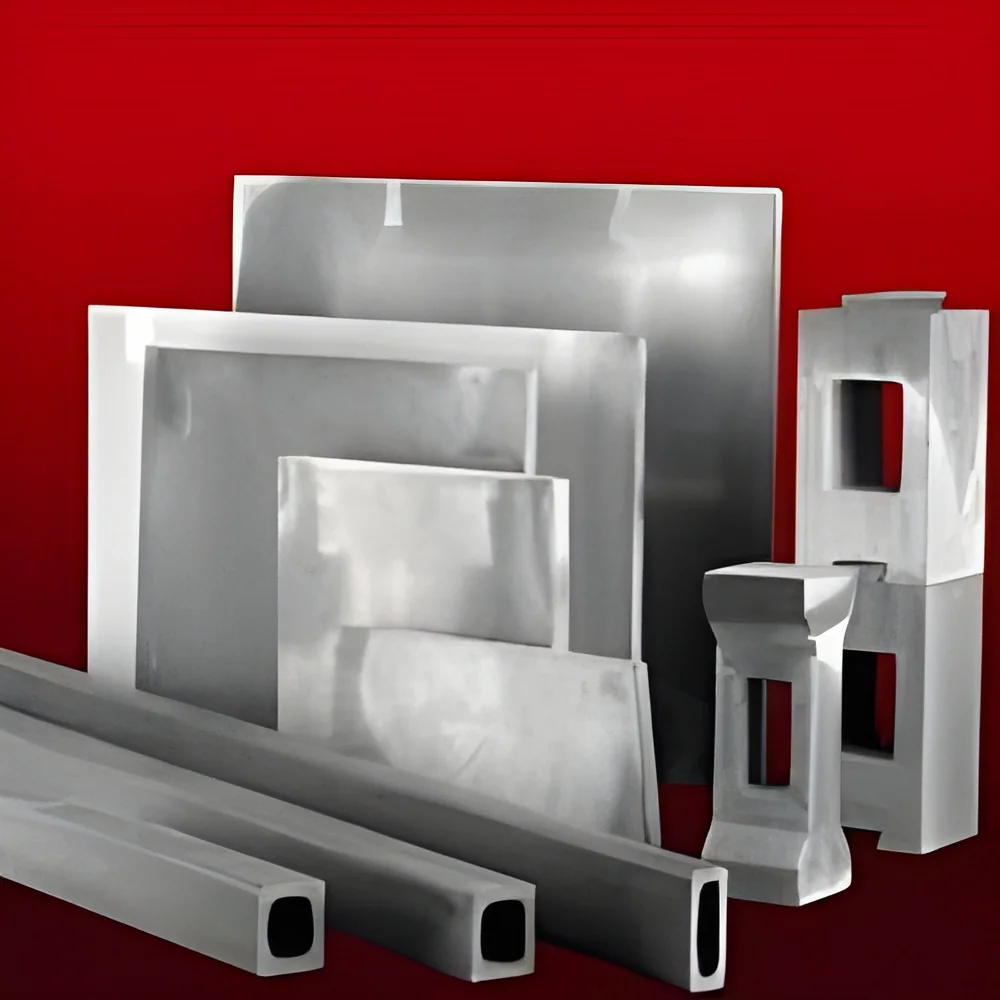
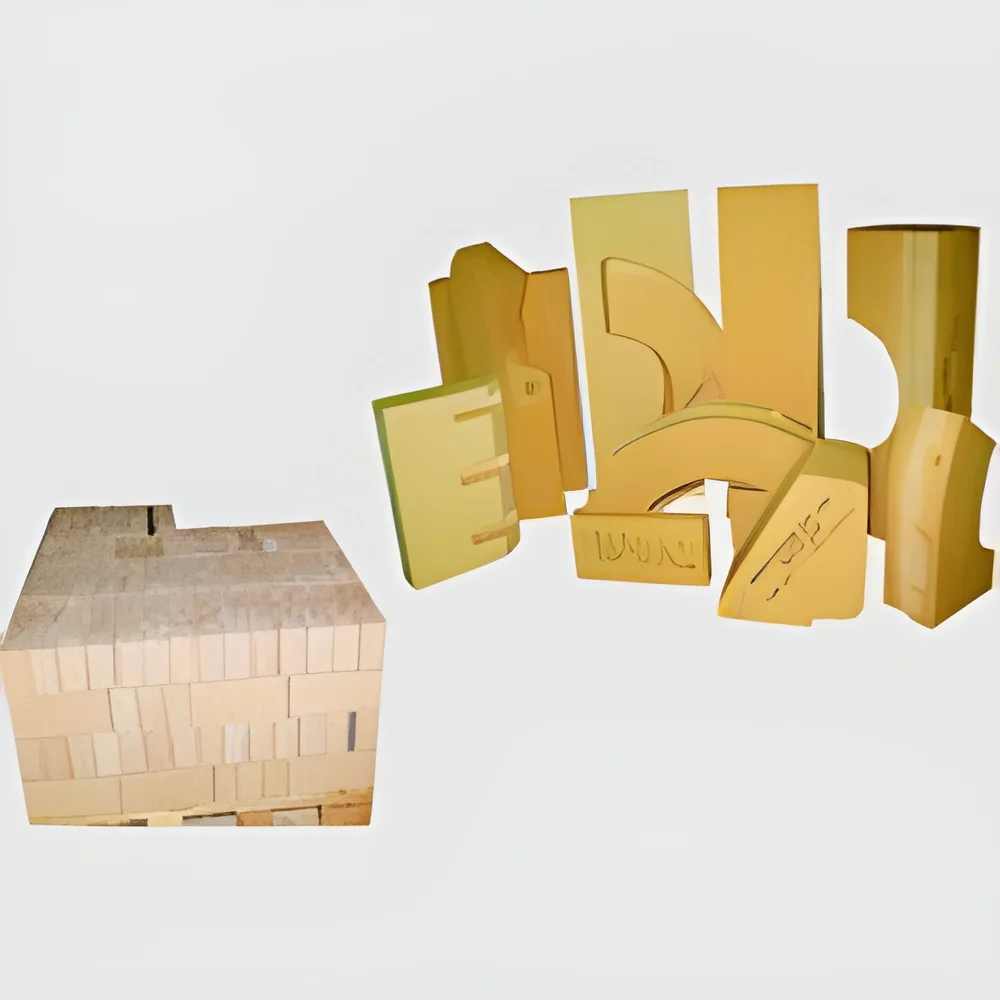
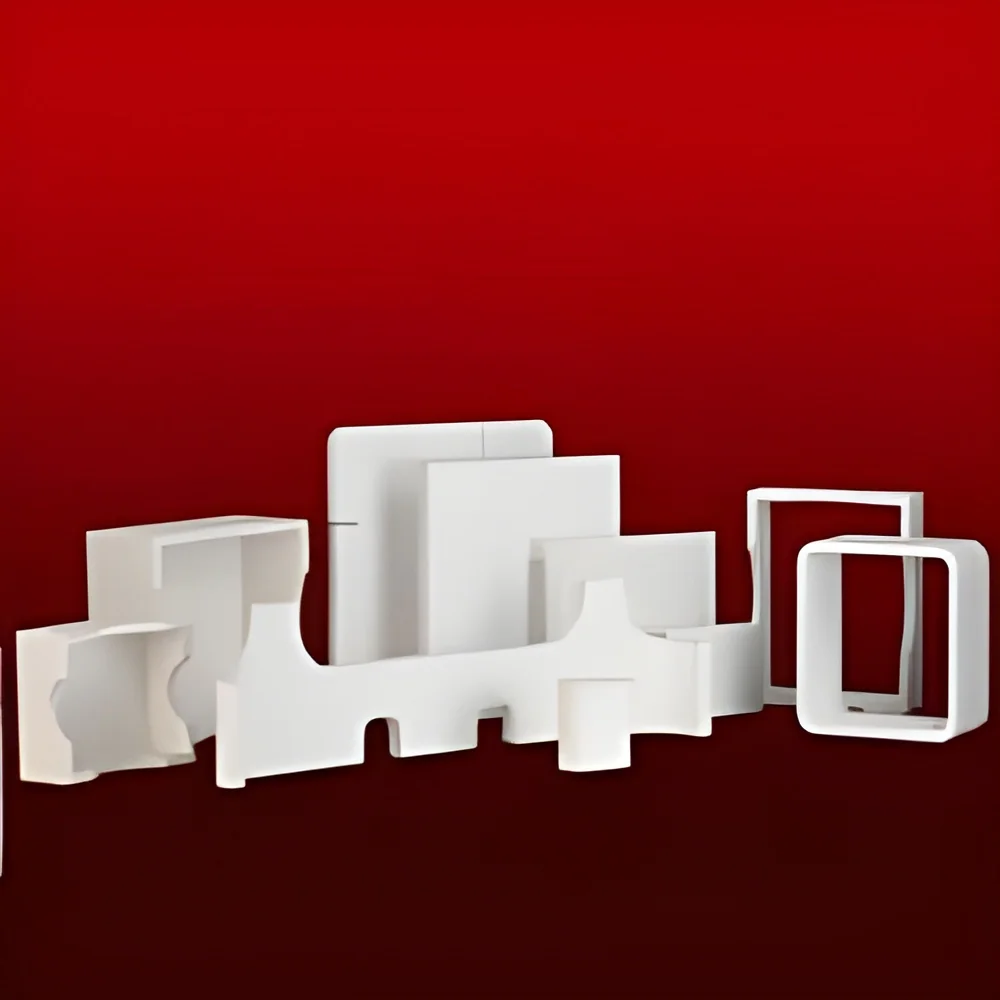
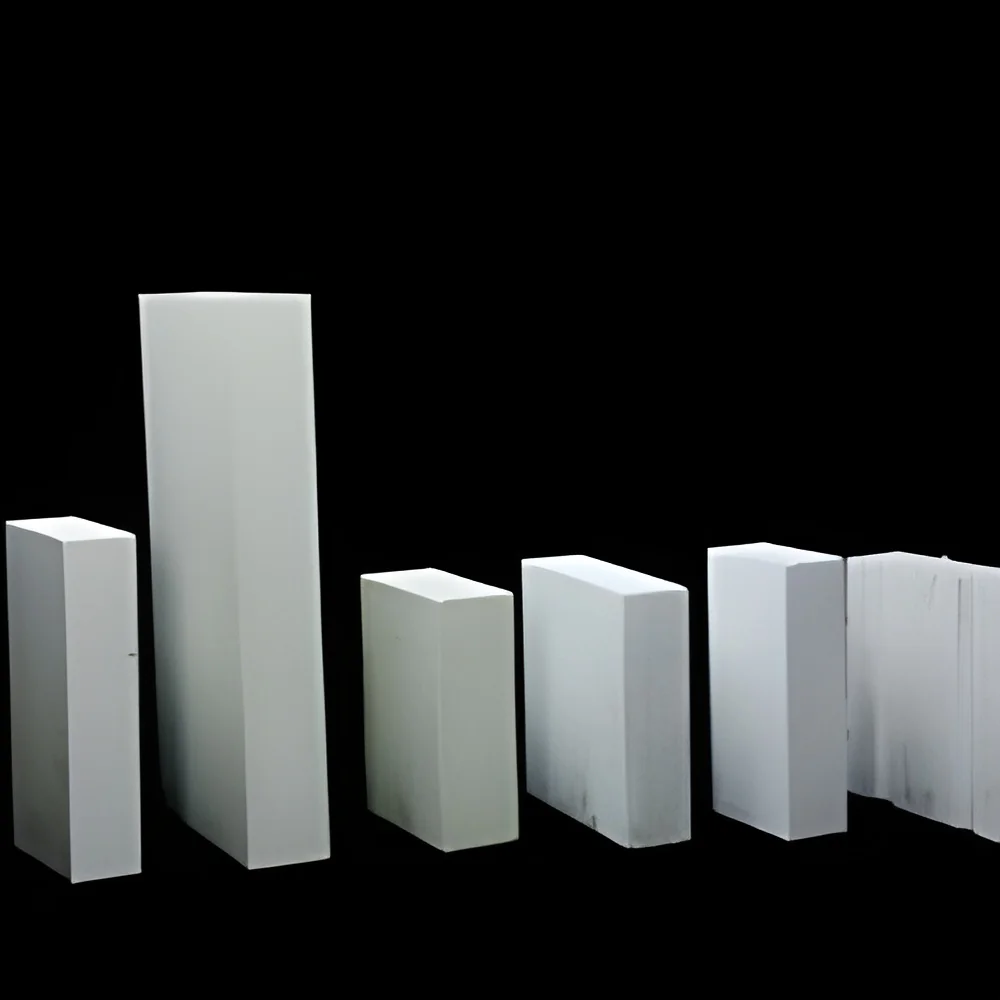
Cumilag Insulation Refractories deliver premium thermal management for industrial processes operating at extreme temperatures up to 1850°C. These specialized materials combine exceptional insulating properties with robust chemical and mechanical stability, creating a durable protective barrier against intense heat. Engineered to withstand direct flame exposure and aggressive combustion environments, they maintain performance integrity over extended service periods. Their uniform composition ensures consistent thermal resistance, making them a trusted solution for engineers seeking to optimize heat containment and reduce energy consumption in high-temperature operations.

These refractories play a vital role across heavy industries where thermal efficiency directly impacts productivity and operational costs. In iron and steel manufacturing, they line critical components like blast furnace stoves. Ceramic production facilities utilize them in kilns for firing processes, while metallurgic...
Cumilag Insulation Refractories deliver premium thermal management for industrial processes operating at extreme temperatures up to 1850°C. These specialized materials combine exceptional insulating properties with robust chemical and mechanical stability, creating a durable protective barrier against intense heat. Engineered to withstand direct flame exposure and aggressive combustion environments, they maintain performance integrity over extended service periods. Their uniform composition ensures consistent thermal resistance, making them a trusted solution for engineers seeking to optimize heat containment and reduce energy consumption in high-temperature operations.

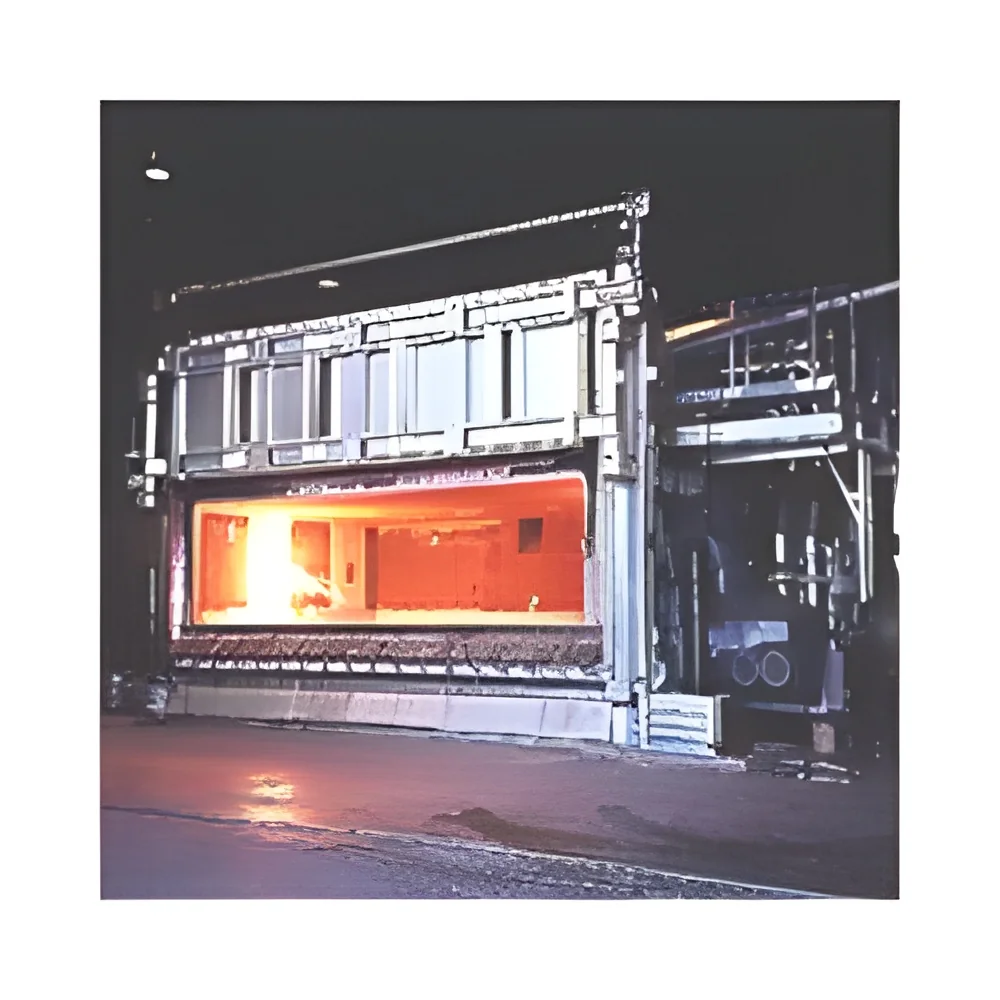
These refractories play a vital role across heavy industries where thermal efficiency directly impacts productivity and operational costs. In iron and steel manufacturing, they line critical components like blast furnace stoves. Ceramic production facilities utilize them in kilns for firing processes, while metallurgical plants depend on them for melting operations. The power generation sector installs them in high-temperature air pre-heaters, and chemical processing plants incorporate them into reformers and transfer lines. Their reliability during thermal cycling and resistance to harsh atmospheres ensure safety and operational continuity in processes demanding unwavering material performance.

For industrial operators, the value extends beyond specifications to encompass operational reliability and total cost management. These refractories significantly reduce heat loss, leading to substantial energy savings and lower fuel consumption. Their high structural strength and minimal shrinkage characteristics decrease maintenance requirements and extend service life, delivering strong return on investment. The consistent performance across varying thermal conditions ensures process stability and product quality. This combination of thermal efficiency, durability, and long-term cost effectiveness makes them a strategic investment for operations prioritizing plant performance and reliability.

Key Features:
- Exceptional thermal stability supporting service temperatures from 1250°C to 1850°C.
- High refractoriness and structural strength ensuring long-lasting performance.
- Low thermal conductivity and minimal shrinkage for superior insulation efficiency.
- High resistance to reducing atmospheres and direct flame exposure conditions.
- Uniform pore size distribution providing consistent insulating properties.

Benefits:
- Significant energy savings through reduced heat loss and improved thermal efficiency.
- Extended service life with minimal maintenance requirements for cost effectiveness.
- Enhanced process reliability and operational safety in extreme temperature conditions.
- Consistent performance across thermal cycling and varying operational environments.
- Improved product quality through stable temperature maintenance in industrial processes.
Specifications
| Additional Information | |
|---|---|
| Country of Origin | India |
Application
Cumilag Insulation Refractories are engineered for extreme thermal environments where consistent performance is critical. These materials maintain structural integrity under direct flame exposure and reducing atmospheres, providing reliable protection for industrial equipment. Their low thermal conductivity minimizes heat loss, directly improving energy efficiency and operational safety in demanding processes across multiple sectors.
Industries including iron and steel, ceramics, metallurgy, power generation, and chemical processing depend on these refractories for thermal management. They serve as both hot face linings and backup insulation in high-temperature applications, offering versatility and durability. This makes them suitable for various furnace types, kilns, and reactors where temperature stability and material longevity are paramount.
- Hot face lining in ceramic kilns and metallurgical furnaces for firing and melting processes.
- Backup insulation in carbon black reactors and high-temperature ducting systems.
- Thermal barrier for primary reformers and hydrogen transfer lines in chemical plants.
- Lining applications in blast furnace stoves and hot blast systems for steel production.
- High-temperature insulation for air pre-heaters and boilers in power generation facilities.
Trade Details
| Available Stock | In Stock |
| Sample Availability | No |
Payment Terms
| Payment Terms |
|
Company Profile

Carborundum Universal Limited, Tamil Nadu
 Tamil Nadu, India
Tamil Nadu, IndiaManufacturer•Trading Company
Factory Details
Factory SizeBelow 1000 sqm
Annual Production Capacity0
Main Markets
South Asia
High Temperature Industrial Insulation Refractories Up To 1850C
Cumilag Insulation Refractories provide superior thermal insulation up to 1850°C for industrial furnaces and kilns, ensuring energy efficiency and process reliability with excellent chemical and mechanical stability.
Min. Order Quantity: 1 unit
Shipping
Shipping fee and delivery date to be negotiated. Contact supplier now for more details.
Carborundum Universal Limited
 Tamil Nadu, India
Tamil Nadu, IndiaManufacturer